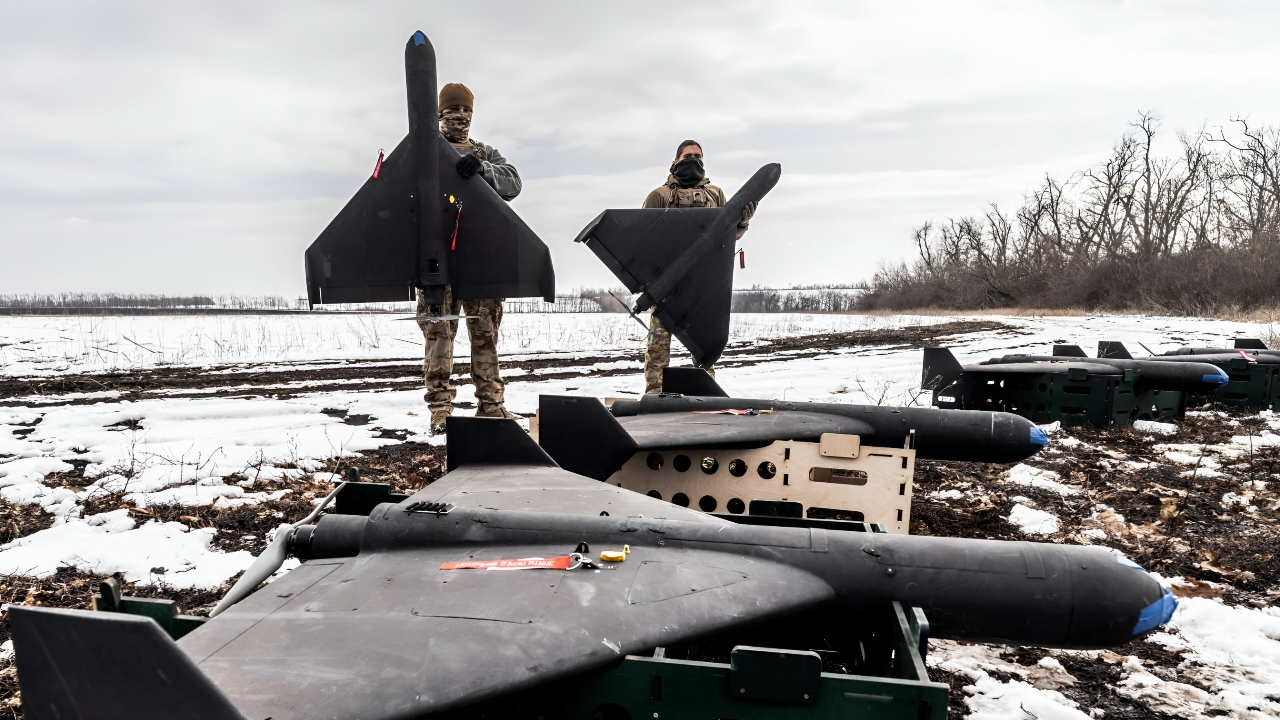
Ukraine’s Feniks unmanned aerial systems unit, part of the State Border Guard Service, carried out a concentrated drone campaign near Toretsk in Donetsk region, destroying a Russian BTR-70 armored personnel carrier, a Type-63 multiple launch rocket system, an enemy ground robotic platform, and an artillery gun within a single day.
Though tactical in scale, the operation highlights how small drone teams increasingly deliver outsized battlefield effects across the wider front.
Why FPV and Kamikaze Drones Now Dominate Ukraine’s Tactics
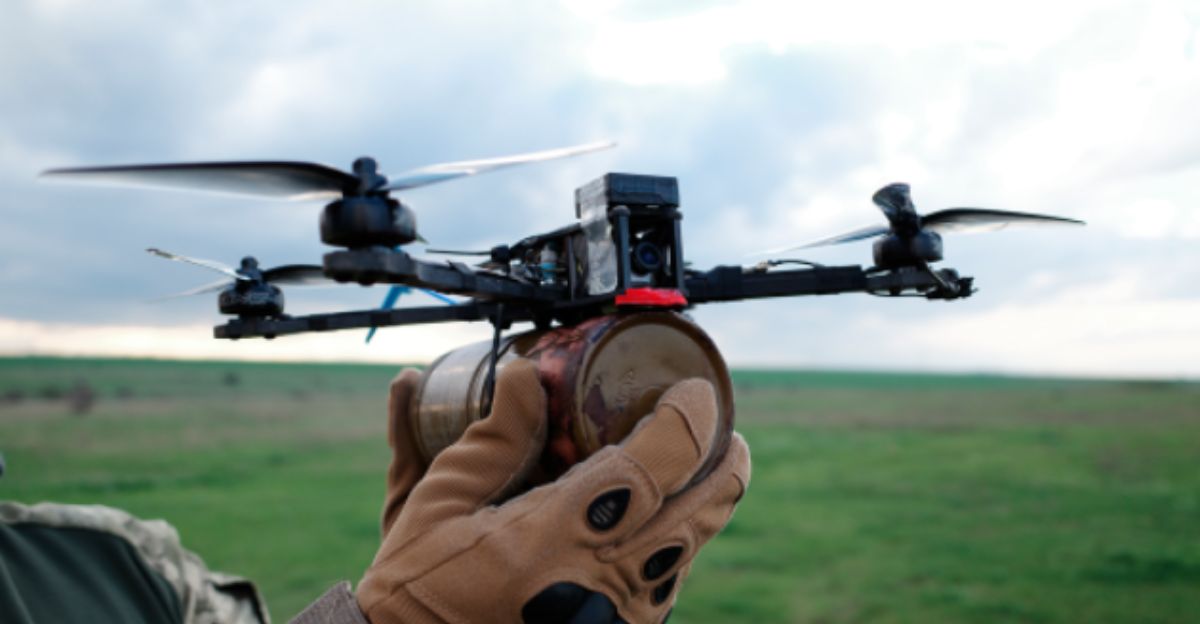
Ukraine’s reliance on FPV and kamikaze drones accelerated as artillery ammunition shortages and battlefield saturation made traditional firepower harder to sustain.
Small, mobile drone units allow Ukrainian forces to strike armored vehicles, artillery, and logistics assets while reducing exposure to counterfire. Ukrainian military leadership has repeatedly pointed to FPV drones as a leading cause of Russian equipment losses since 2023, reshaping how frontline combat is conducted.
A Record 24 Hours of Fighting Across the Front
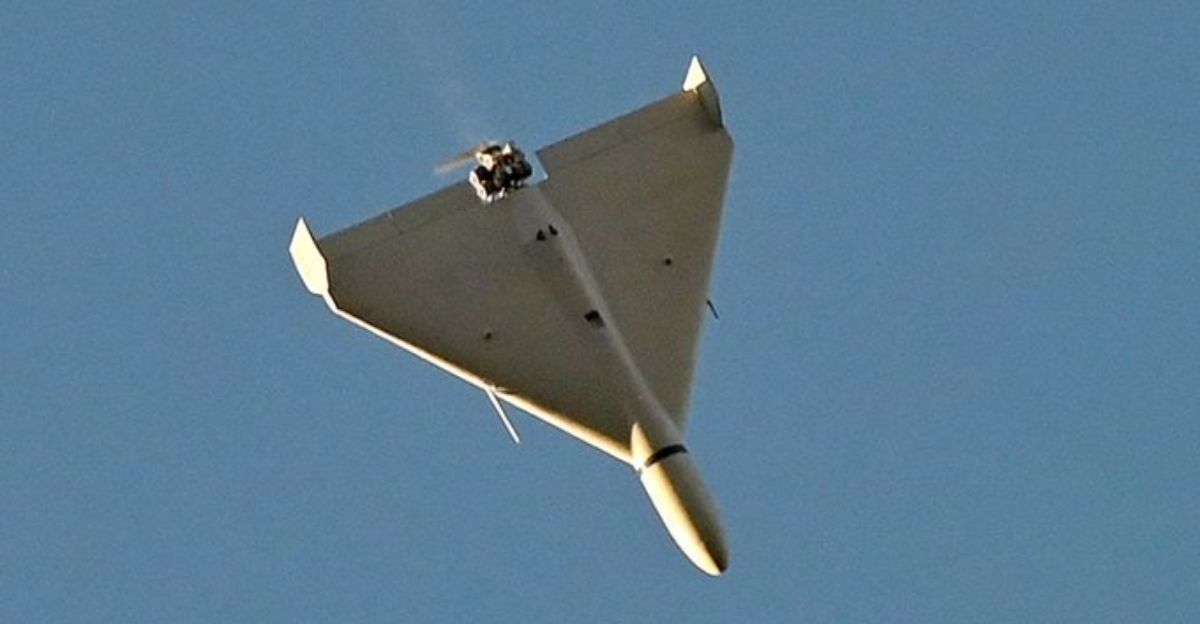
The Toretsk drone strikes occurred during one of the most intense single days of the war. In the same 24-hour period, Ukrainian commanders recorded 151 combat engagements, more than 4,100 shelling incidents, and 88 multiple-launch rocket system attacks along the front.
Russian forces also launched a record 5,471 kamikaze drones during that day, underscoring the scale and tempo of modern drone-driven warfare.
Civilian Risk Rises With Drone-Heavy Battles
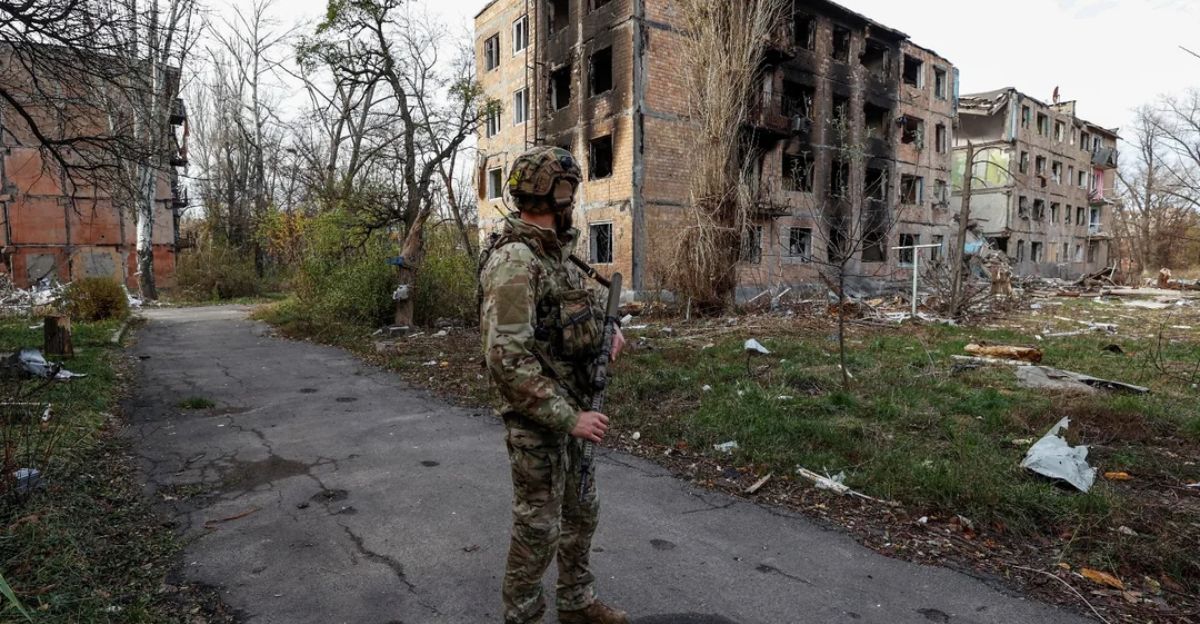
Although Feniks strikes targeted military equipment, the surrounding Donetsk region experienced intensified fighting as Russian forces responded with artillery and drone attacks. Nearby settlements faced increased bombardment, forcing civilians to shelter longer underground or relocate entirely.
As drone engagements multiply near populated areas, the boundary between frontline combat zones and civilian life continues to blur, increasing displacement pressures across eastern Ukraine.
Ukraine’s Defense Industry Reorients
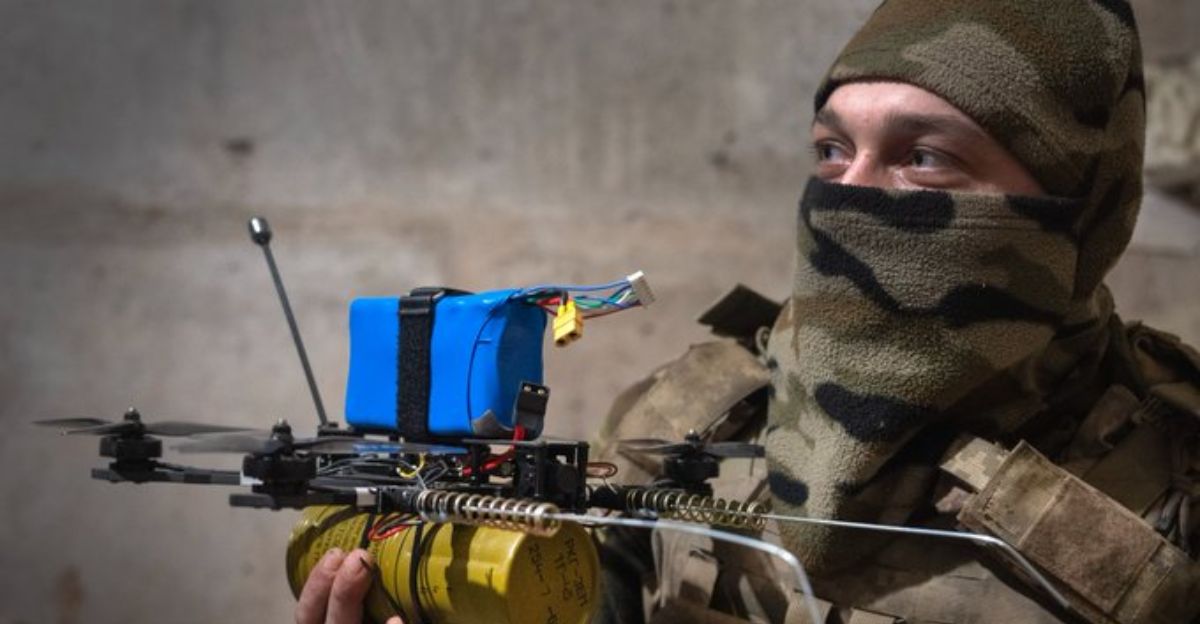
Ukraine’s defense sector and volunteer workshops increasingly prioritize one-way attack drones over heavier platforms. FPV systems are faster to assemble, cheaper to replace, and adaptable to rapidly changing battlefield conditions.
What began as improvised hobbyist designs in 2022 has evolved into standardized, combat-proven systems by 2024–2025, creating sustained demand for drone components, training, and battlefield integration.
Robots, Jammers, and Drone-on-Drone Combat
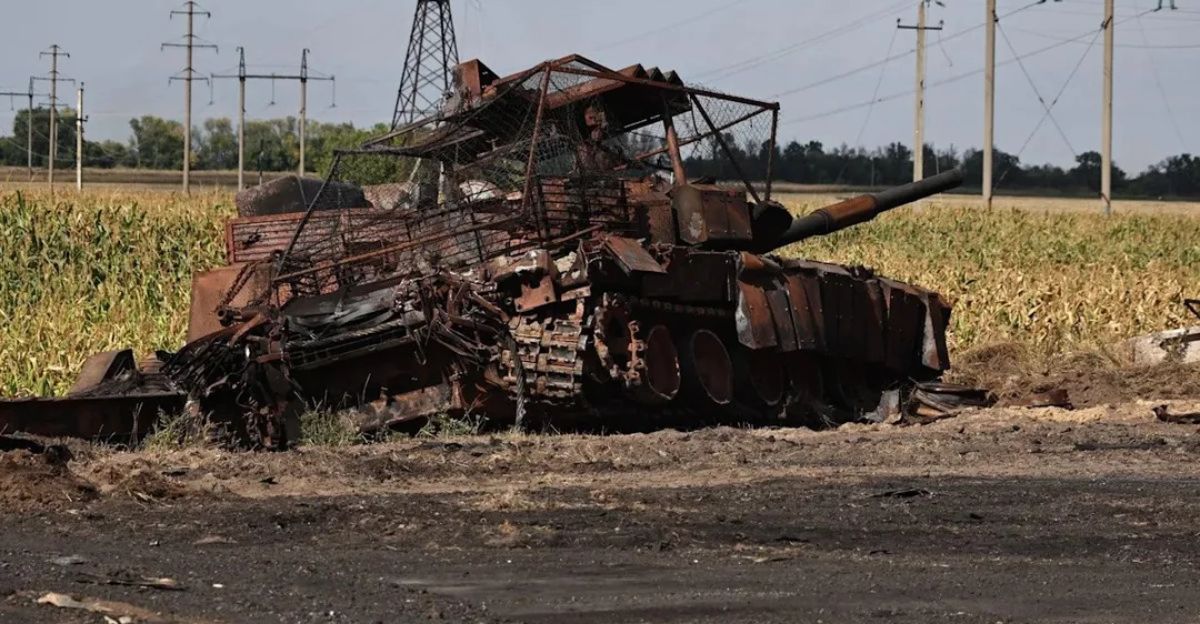
As kamikaze drones destroy armored vehicles and even ground robotic systems, both sides race to deploy substitutes. Russia and Ukraine now field electronic warfare jammers, interceptor drones, and ground robots for logistics tasks.
Ukrainian drone units report growing use of mobile radar and interceptors to counter fiber-optic-guided drones, signaling a shift toward layered, drone-versus-drone engagements at low altitude.
Fragile Supply Chains Under Pressure
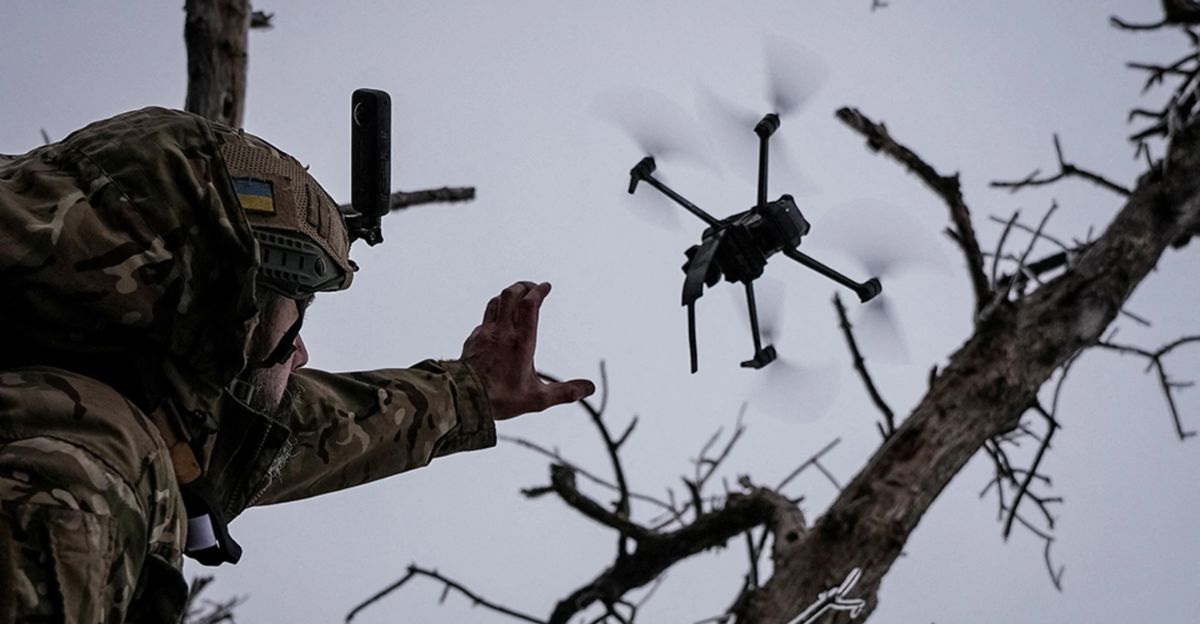
Ukraine’s drone operations rely heavily on imported electronics, motors, optics, and communications components often routed through third countries. As battlefield footage spreads, Western governments continue tightening controls on dual-use exports.
At the same time, Russia has expanded domestic production of Shahed-type drones, allowing it to sustain mass launches even as sanctions restrict access to foreign components.
Life Behind the Screen for Drone Operators
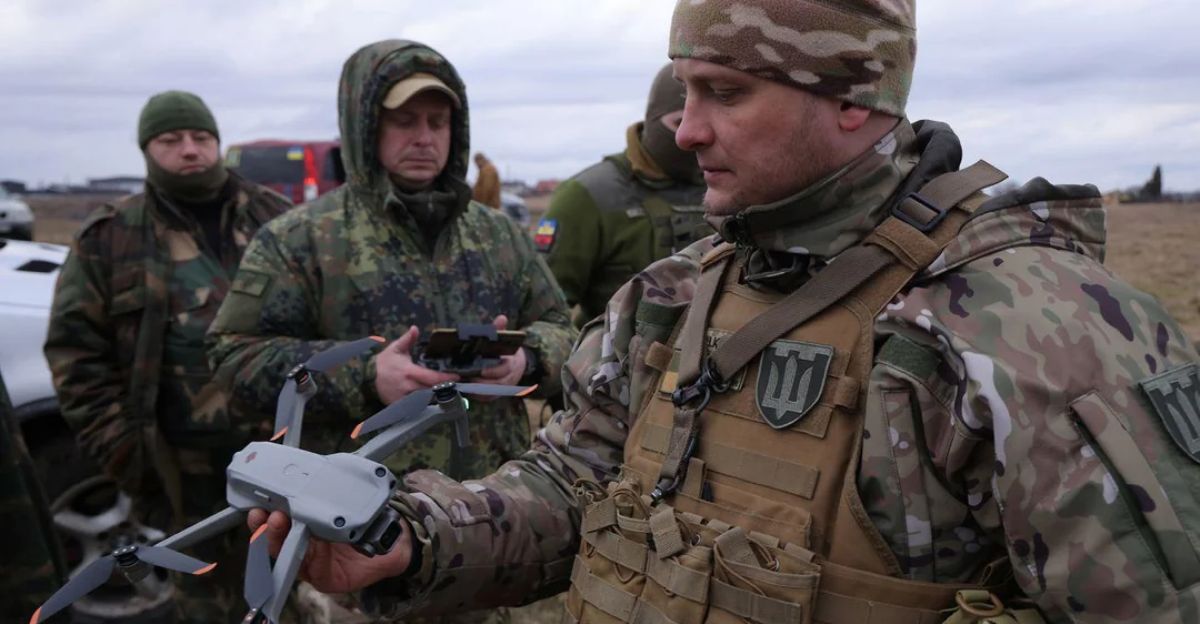
Feniks drone operators conduct strikes from positions several kilometers behind the front, guiding FPV drones into targets via live video feeds.
While the technology reduces exposure to direct fire, operators report long shifts, intense concentration, and psychological strain from watching strikes unfold in real time. Drone warfare changes who faces risk—but does not remove the human toll from combat operations.
Drone Warfare Shapes Defense Policy

The scale of drone use by both sides has pushed Ukraine to seek expanded air-defense and counter-drone support from partners.
Ukrainian authorities have installed anti-drone nets along key roads in Donetsk region and adjusted infrastructure planning to reduce exposure to FPV attacks. Tactical drone battles now rapidly translate into national procurement, infrastructure, and defense policy decisions.
Logistics Become a Drone Kill Zone
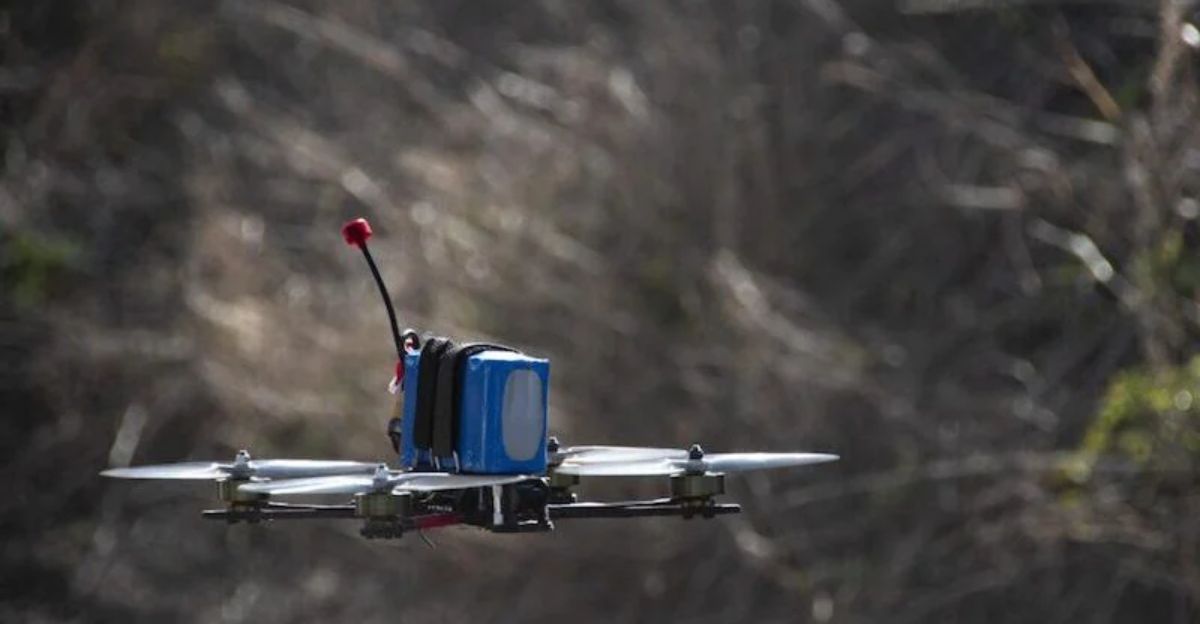
FPV and loitering munitions have transformed logistics routes into high-risk corridors. Ukrainian officials report drone threat zones extending up to ten kilometers from the frontline, raising costs and delays for fuel, maintenance, and humanitarian deliveries.
In mid-2025, authorities restricted civilian access to parts of the T0514 highway due to drone danger, illustrating how warfare now reshapes movement far from trenches.
Daily Life Under Constant Drone Threat
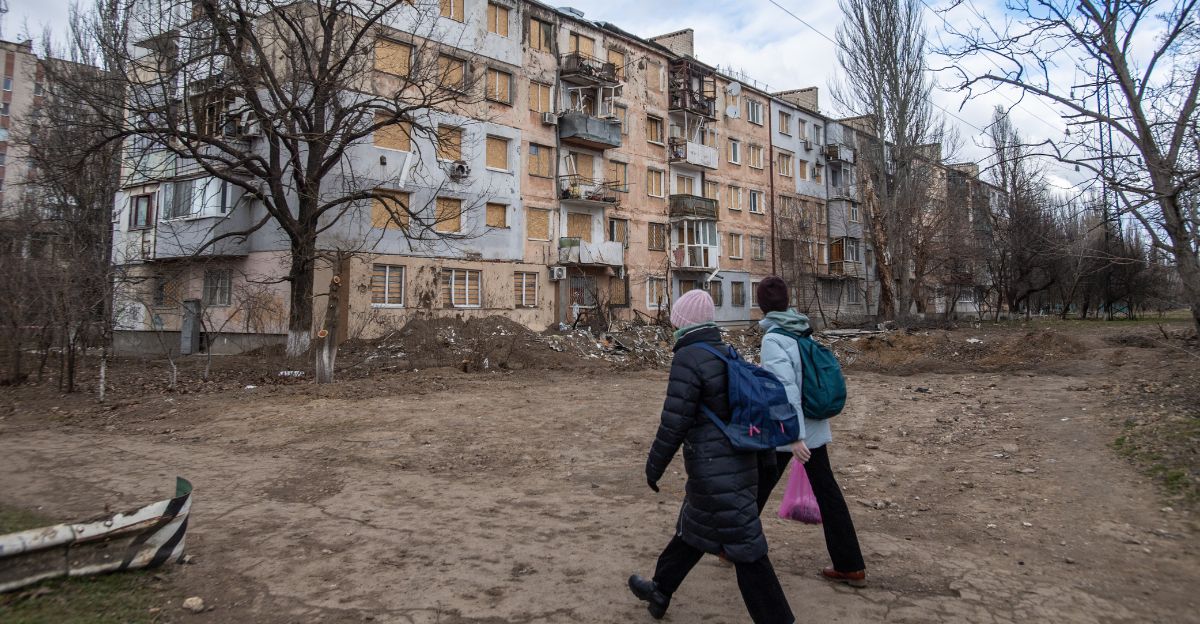
In cities such as Kharkiv, Sumy, and Kherson, residents increasingly adapt routines to the sound of drones rather than sirens alone. People limit outdoor movement, shift work hours, and rely more on remote services and online schooling.
Repeated quadcopter attacks on civilian areas have embedded drone awareness into everyday life, altering how communities function near the front.
Ethical and Environmental Questions Grow
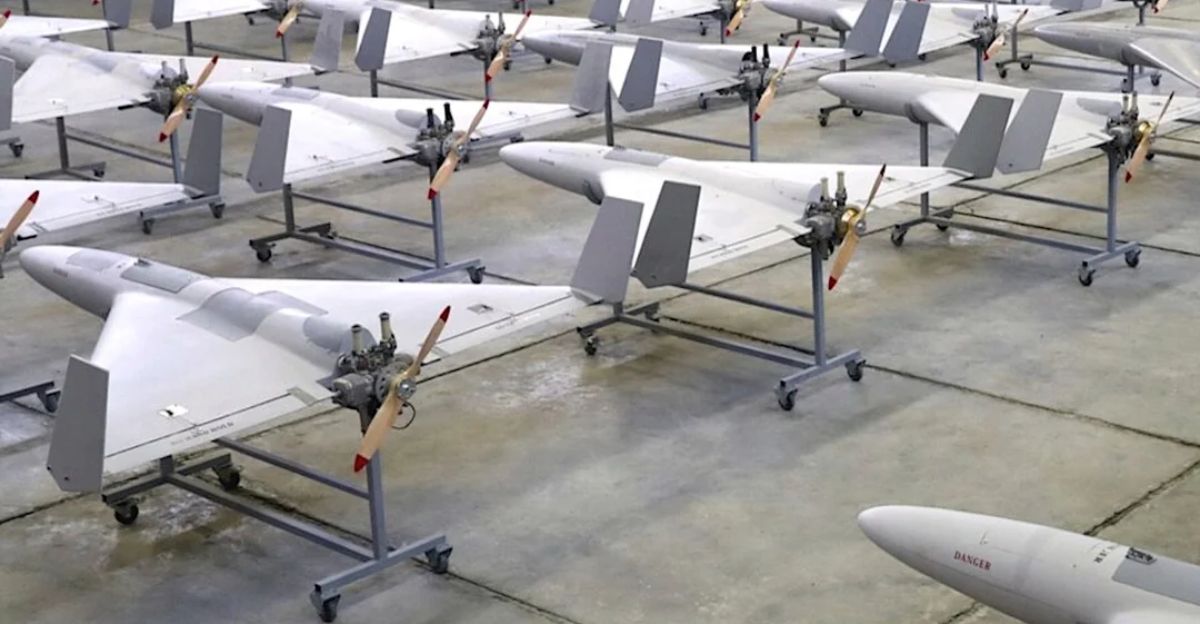
The spread of FPV and kamikaze drones raises renewed debates over proportionality, accountability, and civilian protection. Precision does not automatically prevent harm when strikes occur near homes or infrastructure.
Environmental concerns are also mounting, as unexploded drone remnants, damaged industrial sites, and scattered debris create long-term risks in heavily contested regions of eastern Ukraine.
Global Militaries Take Notes
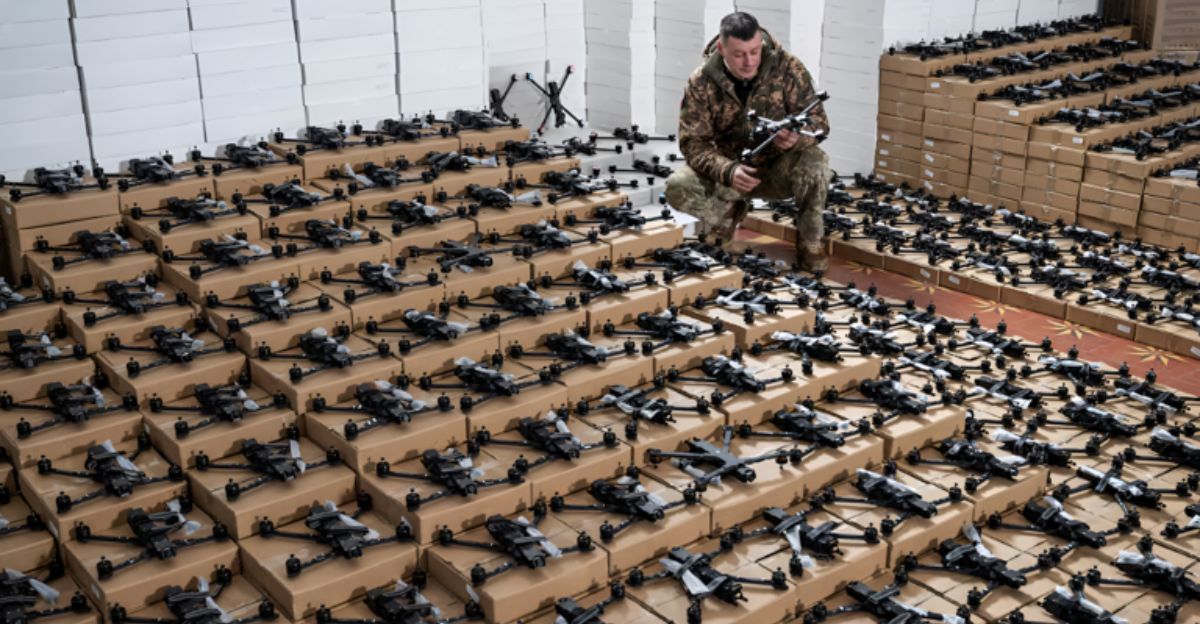
Defense ministries worldwide closely study Ukraine’s drone tactics, including small-unit FPV operations like those conducted by Feniks. The conflict has accelerated acceptance of mass, low-cost unmanned systems as central battlefield tools.
Lessons from Ukraine now influence doctrine, training, and procurement decisions far beyond Europe, reshaping expectations for future conflicts and force structures.
Winners and Losers of the Drone Age
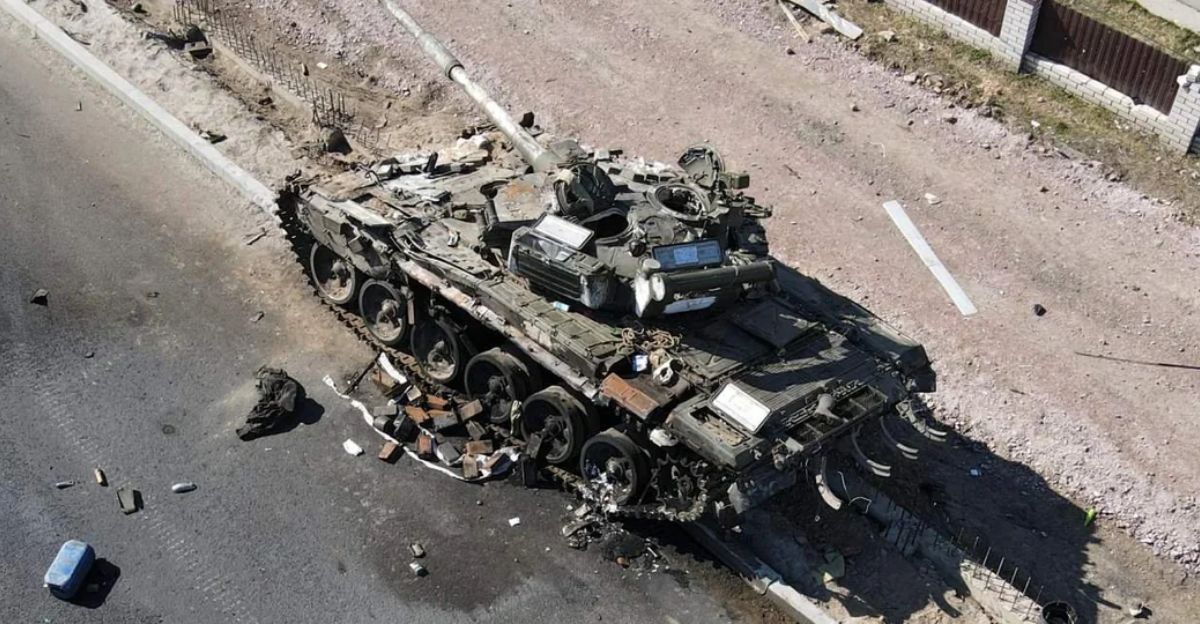
Electronics suppliers, optics producers, and drone training programs benefit from sustained demand, while traditional armored platforms face increasing vulnerability. Specialized drone units gain influence and resources as their battlefield impact becomes undeniable.
The rapid destruction of armored vehicles on video has challenged long-standing assumptions about battlefield survivability and investment priorities.
What the Toretsk Strikes Reveal About the War’s Direction
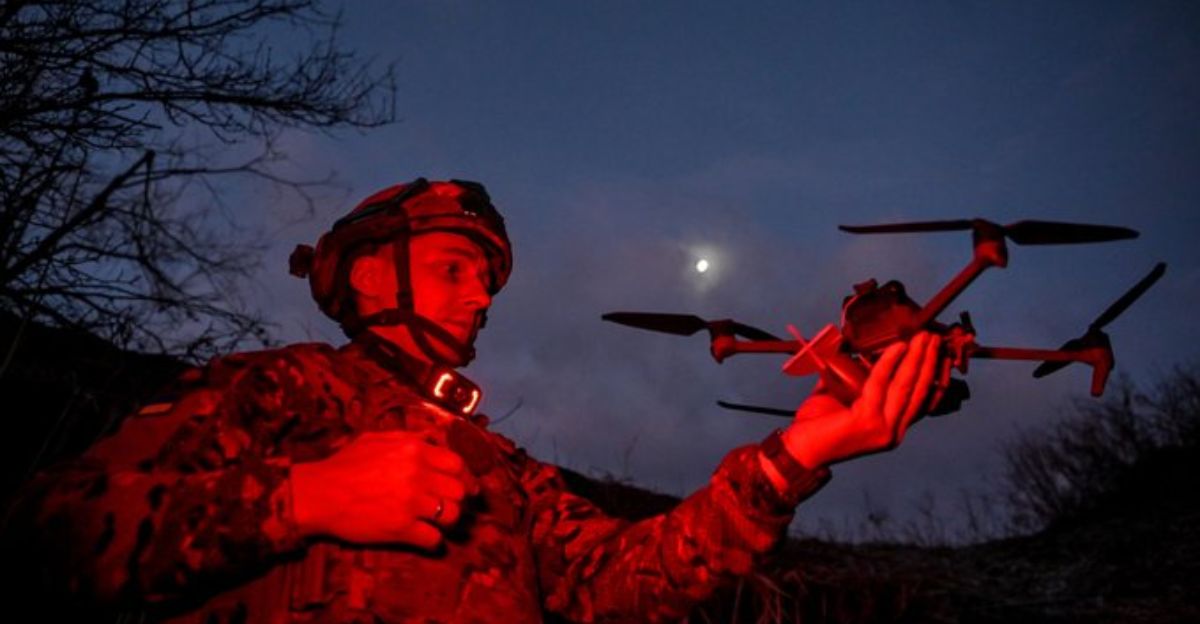
Feniks’s one-day drone campaign near Toretsk reflects a broader transformation across the Russia-Ukraine war. With thousands of drones launched daily, unmanned systems now dominate combat from Donetsk to southern fronts.
As both sides expand FPV forces and counter-drone measures, future offensives, negotiations, and arms-control debates will increasingly hinge on control of the low-altitude battlefield.
Sources:
General Staff of the Armed Forces of Ukraine, daily update: Reports such as “General Staff reports 151 combat clashes during day” on en.interfax.com.ua.
Military Review (U.S. Army), Sept–Oct 2025: Article “Russia’s Changes in the Conduct of War Based on Lessons from Ukraine” on armyupress.army.mil.
CSIS, “The Russia-Ukraine Drone War,” 2024: Full title “The Russia-Ukraine Drone War: Innovation on Frontlines and Beyond” on csis.org.
ISW, “Russian Drone Innovations…,” 2025: Updates like “Russian Drone Innovations are Likely Achieving Effects” on x.com/TheStudyofWar.
Human Rights Watch, “Hunted From Above,” June 3, 2025: Report “Hunted From Above: Russia’s Use of Drones to Attack Civilians in Kherson, Ukraine” on hrw.org.
Center for European Policy Analysis (CEPA), 2025: General analyses on drone warfare (specific titles not detailed in search snippets).