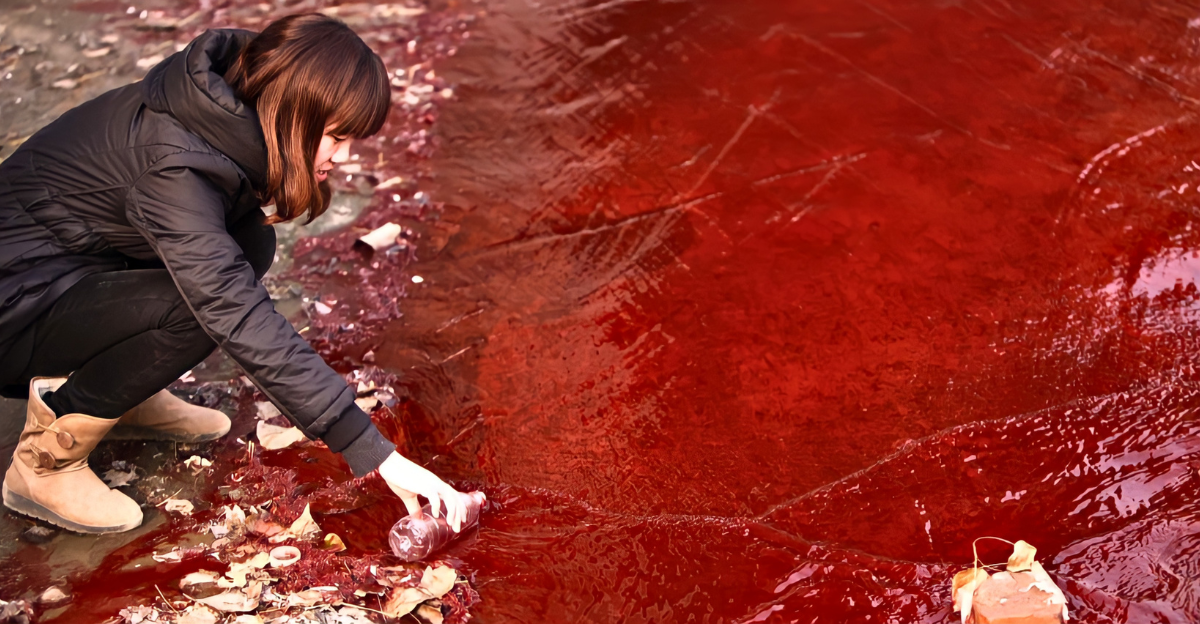
Rivers often look calm and helpful, but their waters and muddy banks can hide some of the most dangerous animals on Earth. People depend on rivers for drinking water, food, travel, and farming, but these places are not always safe.
David Attenborough reminds us, “The fact is that no species has ever had such wholesale control over everything on Earth, living or dead… In our hands now lies our own future and all other living creatures with whom we share the Earth.”
Even when we feel in charge, rivers can humble us with their hidden dangers.
Congo River
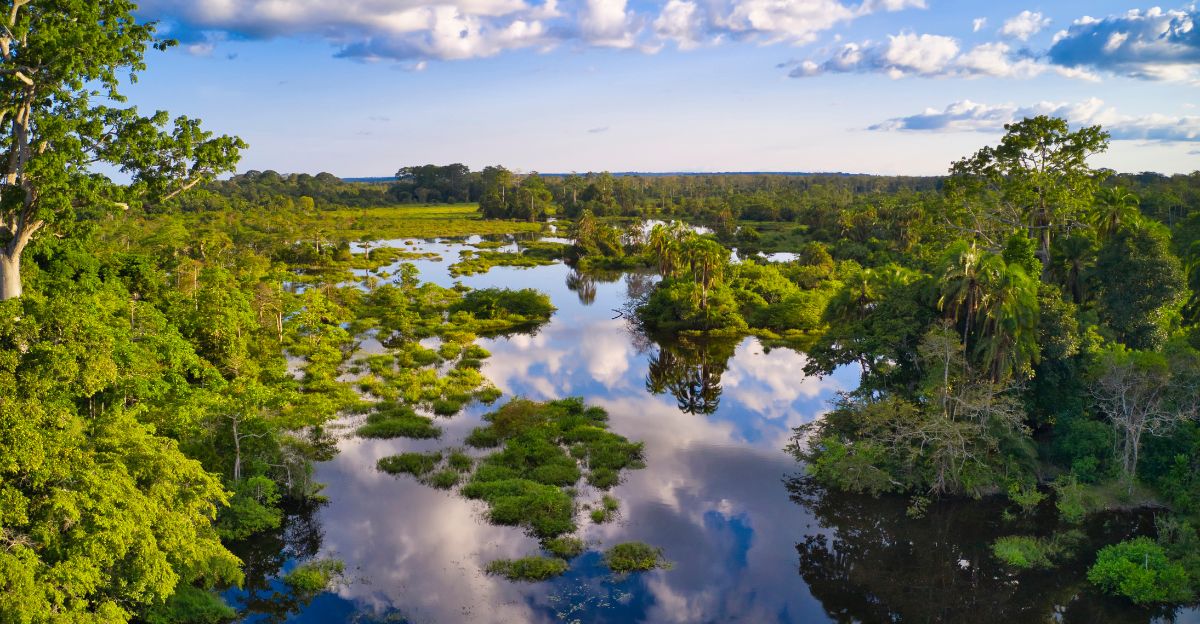
The Congo River in Africa is full of life and danger. Giant Nile crocodiles live here and have been known to attack people and boats. Two smaller types of crocodiles hide along the banks, making the river risky for anyone nearby.
The deep forests are also full of dangerous snakes. Green mambas strike fast, cobras wait by the water, and puff adders hide under leaves, all of which pose real threats to people who might accidentally step too close.
Dangerous Insects and Small Threats
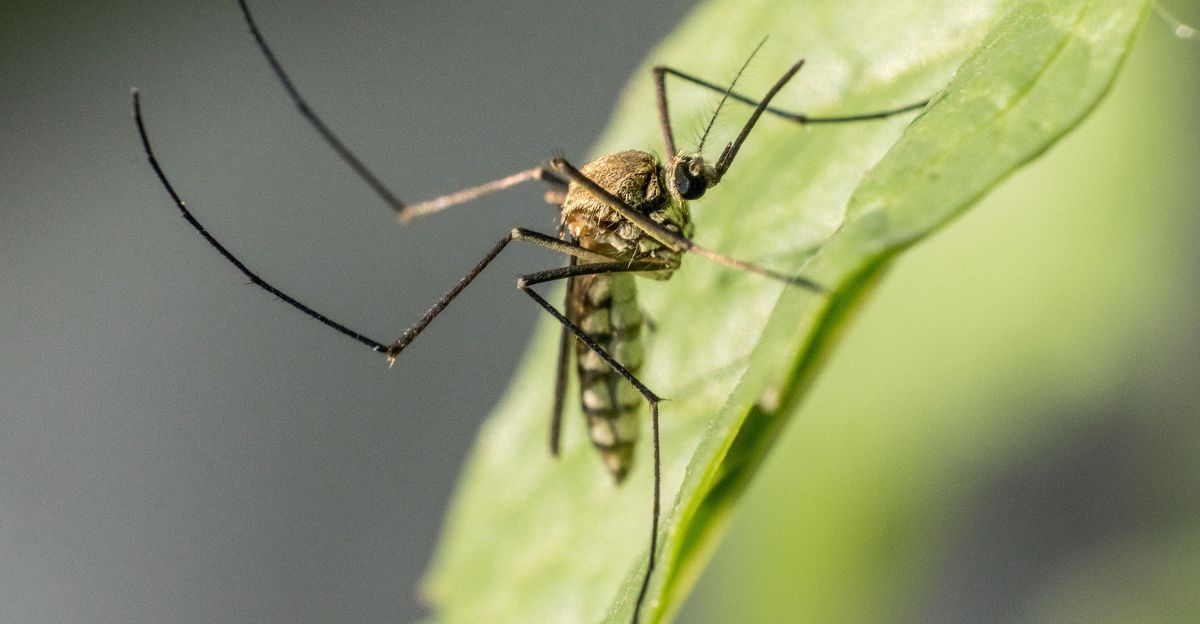
Not just big animals, but also small insects make the Congo River a dangerous place. Tsetse flies bite and give people sleeping sickness, which can kill if not treated.
Mosquitoes are common in this area and spread malaria and yellow fever, illnesses that can make thousands sick every year. Biting ants and some poisonous caterpillars also live there.
Even otters and rare monkeys here must be careful of these tiny killers, showing that the Congo is full of serious dangers at every turn.
Amazon River
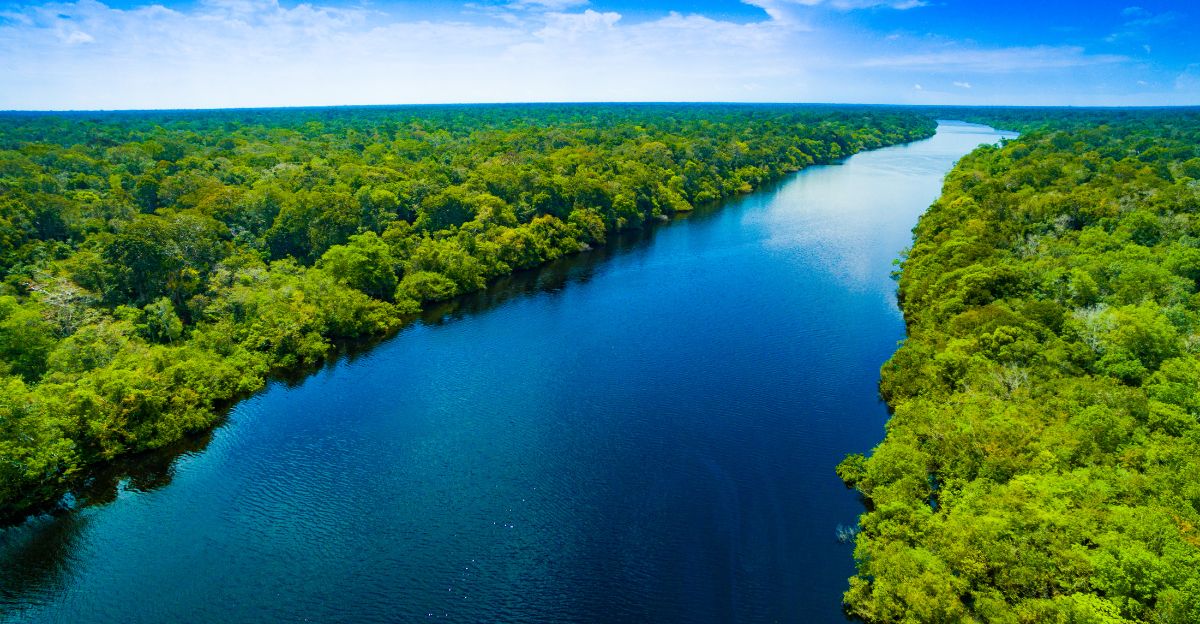
The Amazon River is massive and home to some of the world’s most powerful animals. The black caiman, a giant cousin of the alligator, can reach 20 feet long and often hunts at night.
Sometimes sharks come upriver from the sea, and piranhas swim in groups ready to bite.
There are also massive fish like the arapaima, so getting in the water can be scary for visitors and locals.
Snakes and the Enormous Anaconda
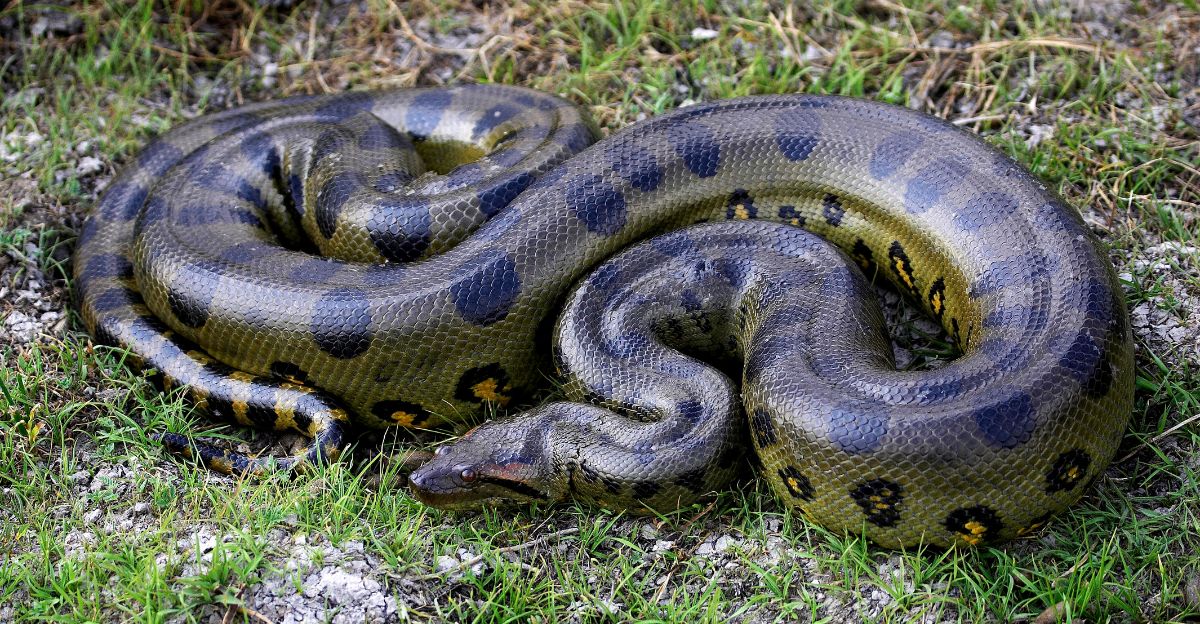
In addition to armored reptiles, the Amazon is known for deadly snakes hiding in trees and water. The bushmaster snake’s bite is highly poisonous.
The fer-de-lance snake is aggressive and lives near villages, while the legendary green anaconda can grow longer than 26 feet and is strong enough to squeeze and swallow animals as big as deer.
While attacks on humans are rare, people there respect these snakes deeply.
Nile River
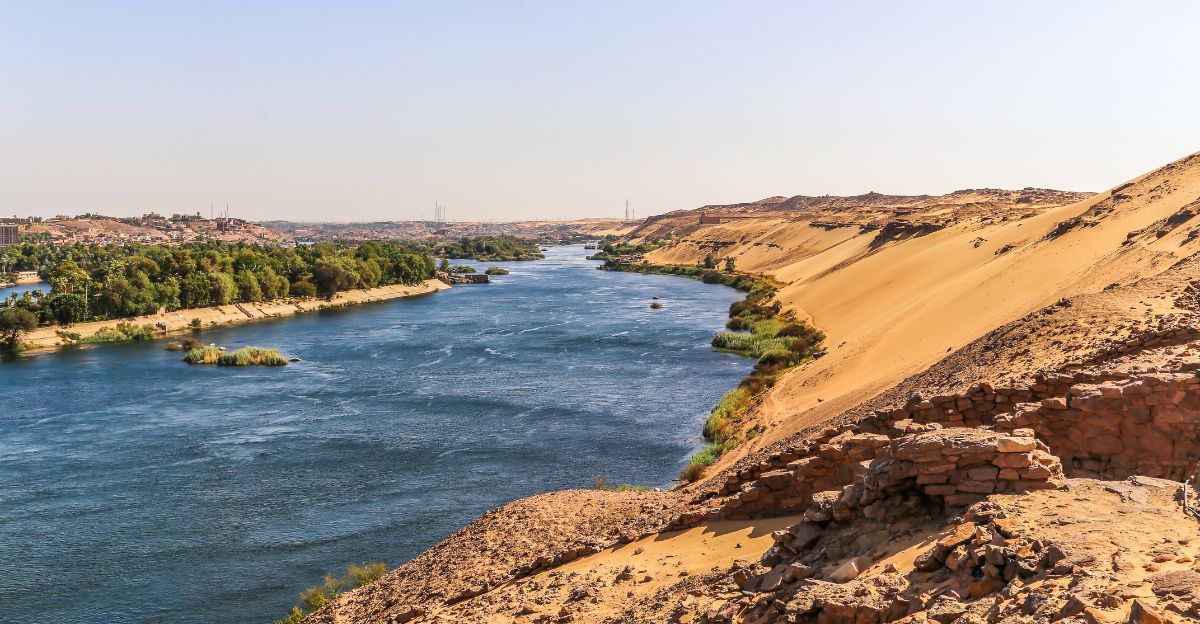
The Nile River in Africa supported many early civilizations, but is also one of the most dangerous rivers today. The Nile crocodile is vast, fast, and well-camouflaged, reaching 20 feet long and weighing thousands of pounds.
These crocodiles are blamed for hundreds of deaths every year, especially where people must use the river for daily activities.
“Attacks on humans occur in places where humans rely on the waterways for every aspect of life…” Ultimate Kilimanjaro explains. You need to be very careful near these animals.
More Dangers from Snakes and Hippos
Nile dangers go beyond crocodiles. Black mambas and spitting cobras live near the water and can deliver deadly bites.
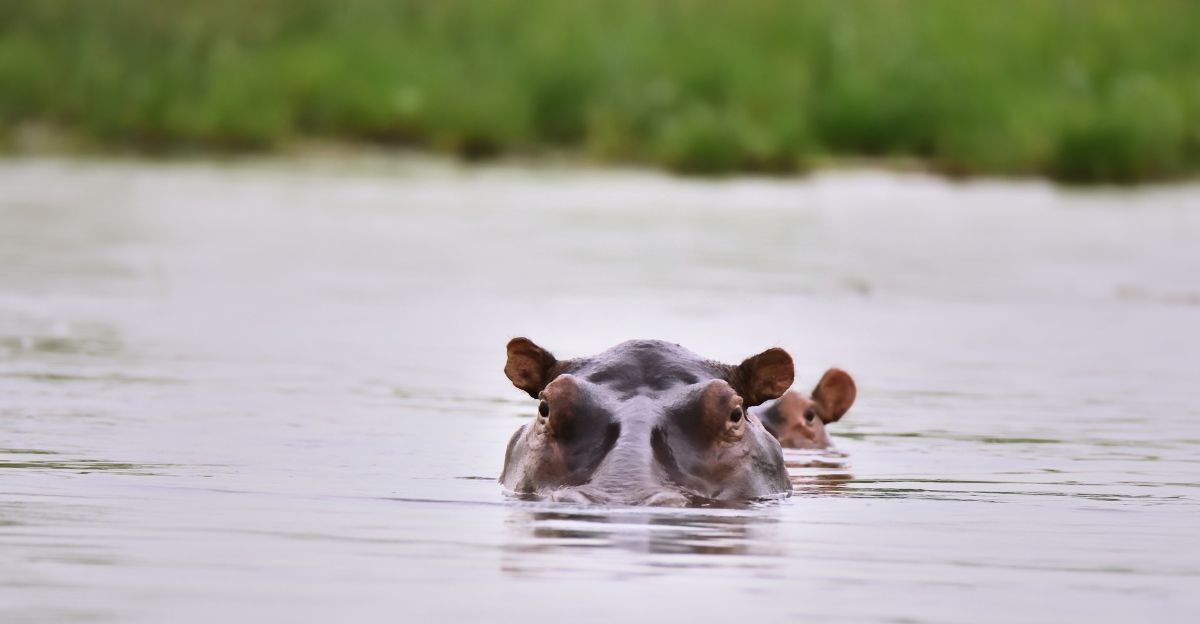
However, the animal responsible for more deaths is actually the hippo. Hippos, despite mainly eating plants, are strong and very territorial.
They can flip boats, crush predators with their jaws, and even scare off hungry lions. Along the Nile, hippos remind everyone not to underestimate large, plant-eating creatures.
Zambezi River
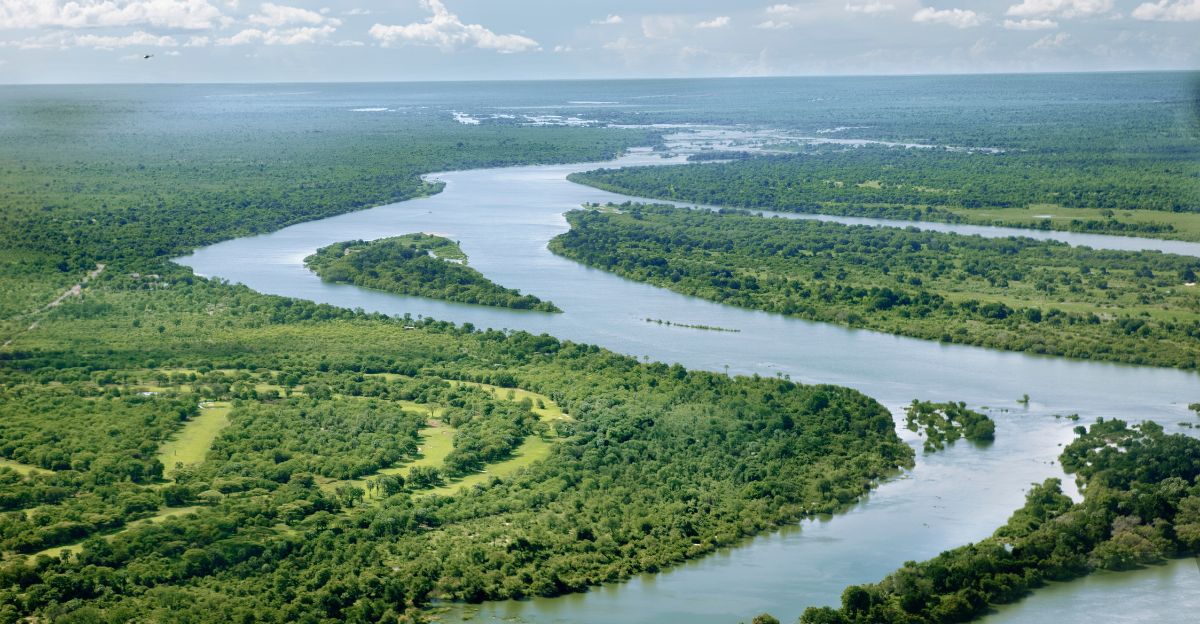
The Zambezi River in southern Africa is known for its wildlife and strong currents. More than 12,000 Nile crocodiles live here, especially near Victoria Falls.
Some of these crocs hunt big animals—zebras, buffalo, or even people who get too close. Elephants and buffalo also come to drink at the riverbanks and sometimes become prey.
Rapids, deep water, and rocks make swimming or boating even riskier.
Hippos and Other Deadly Animals
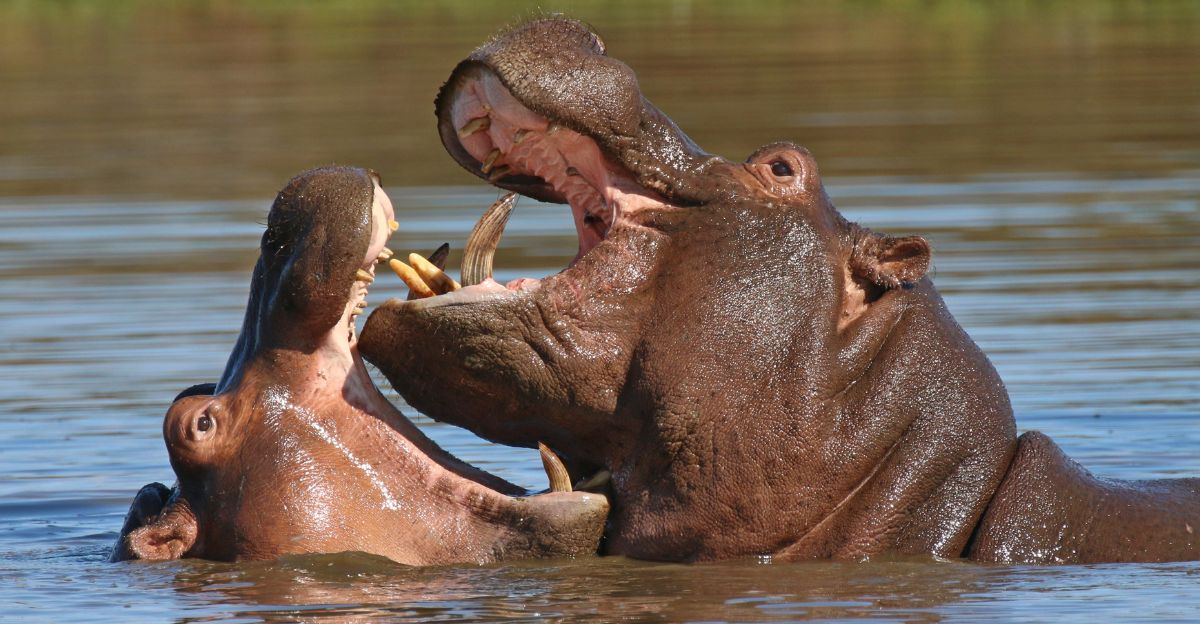
Hippos are just as dangerous in the Zambezi as in the Nile. They defend their space and have been blamed for more deaths than crocodiles in many areas.
Their jaws are strong enough to bite a boat in half and attack anything if crowded. “What makes hippos dangerous is their tendency to defend their territories. They are responsible for about 500 human fatalities per year, most of which occur along riverbanks…”
Sometimes, lions and crocs eat leftovers from hippo kills. Old landmines left from past wars can make the riverbanks even more dangerous in certain areas.
Brahmaputra River
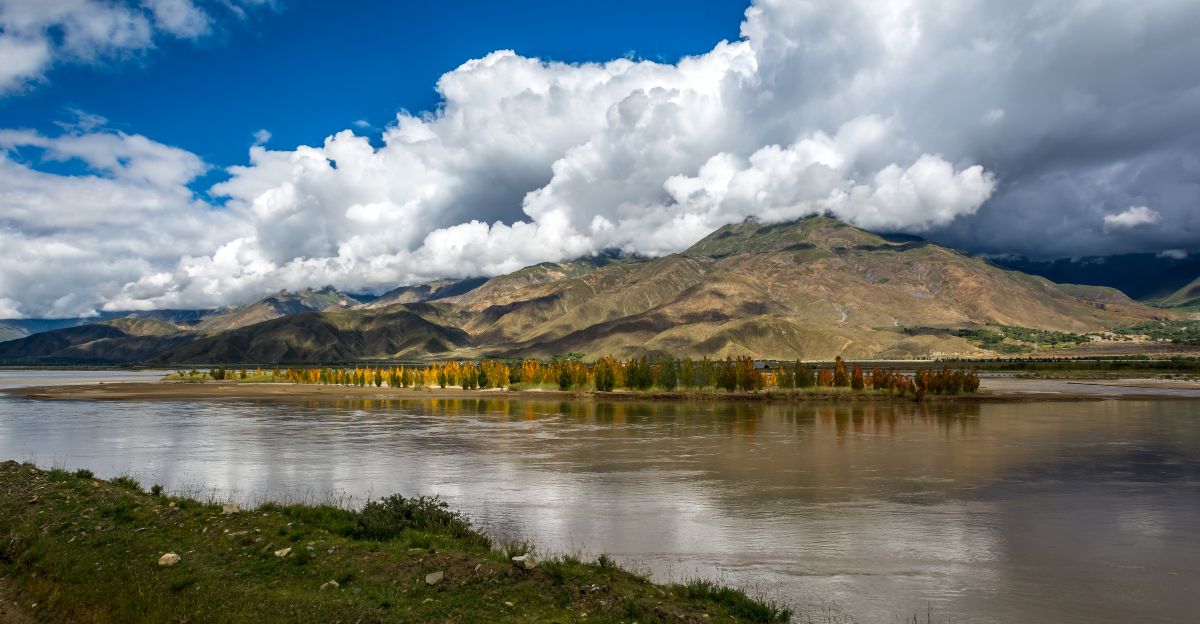
The Brahmaputra River starts in Tibet and runs through India and Bangladesh.
Floods create new islands and muddy land every year, forcing endangered animals like rhinos, elephants, and wild buffalo to cross risky waters. Sometimes, these crossings bring the animals dangerously close to people, and both animal and human fatalities can result.
Poaching and shrinking habitats make things worse for these giant animals.
Floods Bring More Problems
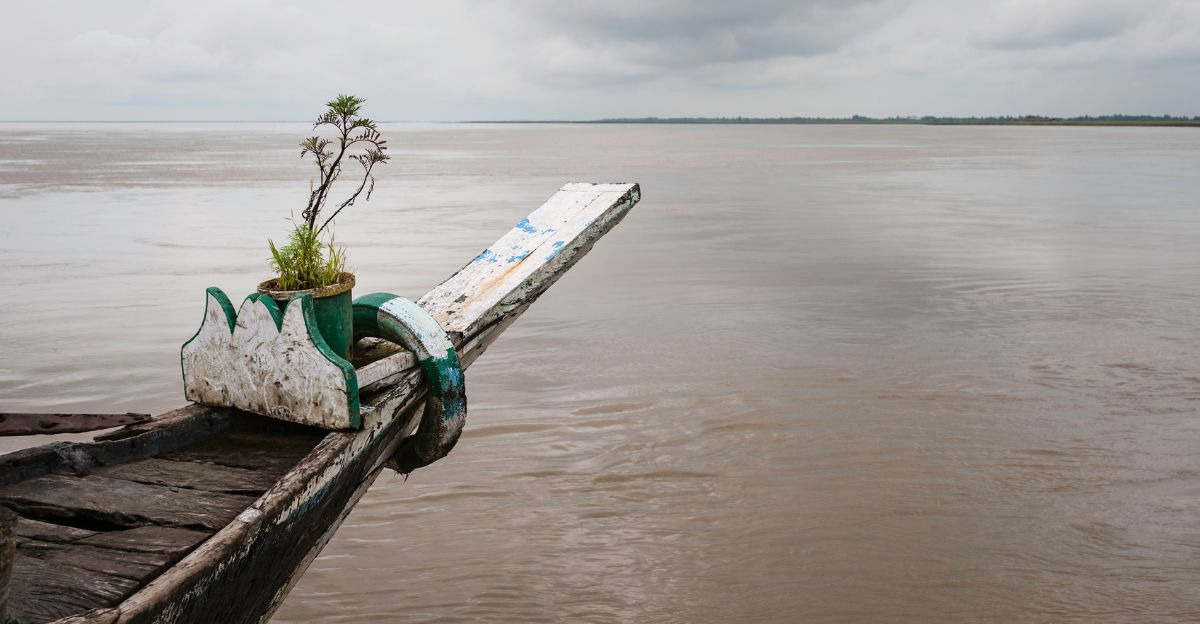
When monsoon floods hit, the Brahmaputra doesn’t just get deeper; it also moves large animals like tigers, leopards, and wild boars into areas where people live.
The fast, muddy water also hides crocodiles and snakes, threatening fishers and villagers.
“Decisions about wildlife management should be based on science rather than willful ignorance of it,” says George Koenig, supporting careful planning to keep people safe during flood times.
Mississippi River
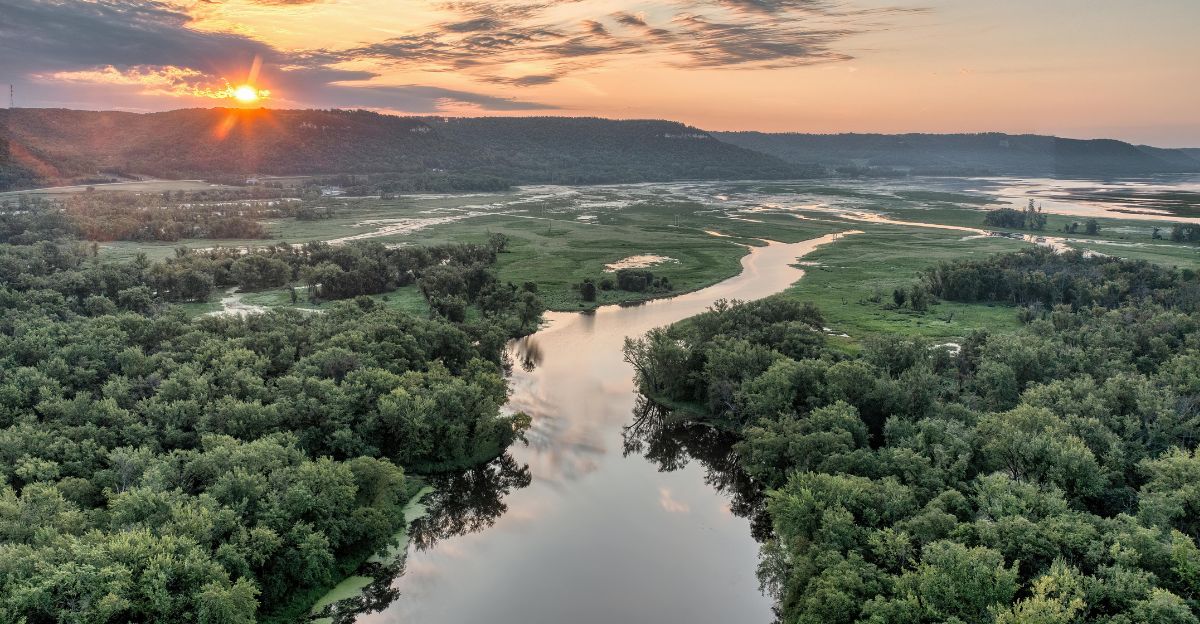
America’s Mississippi River may look calm, but it hides dangers. The cottonmouth, or water moccasin, is a venomous snake that can deliver a serious bite if provoked.
Alligators are also becoming more common along the southern stretches, especially after big storms or floods push them out of their usual swamps and into towns.
Sometimes, people stumble upon them in unexpected places after bad weather.
Spiders, Fish, and Floods
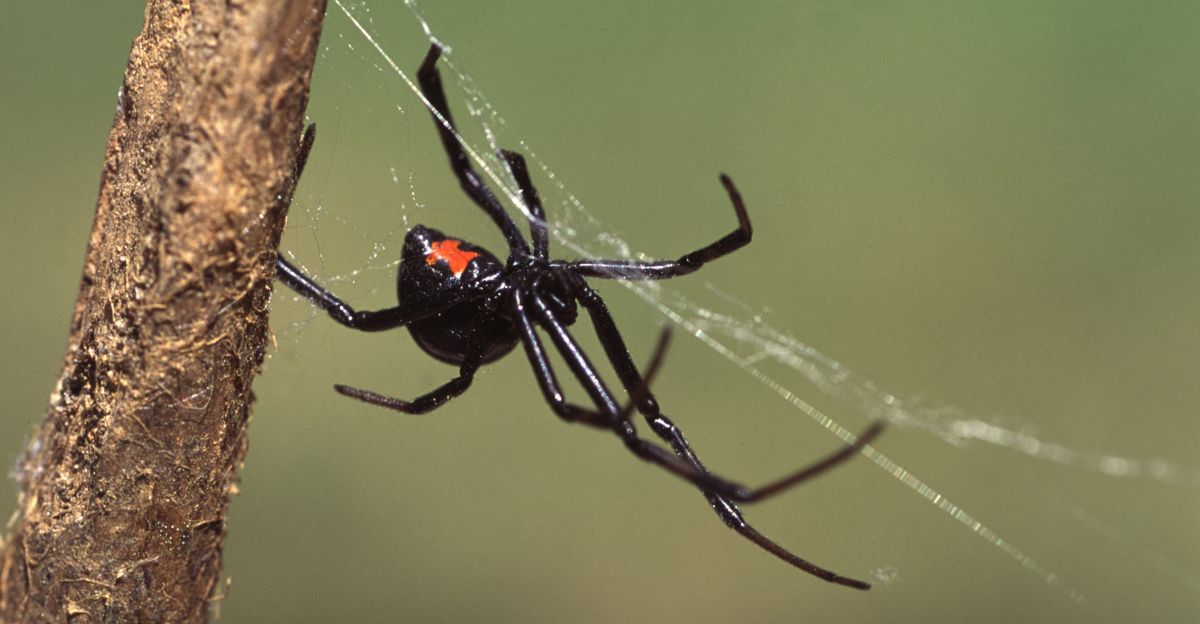
Besides snakes and alligators, the Mississippi has dangerous spiders like black widows and brown recluses near the water.
Large catfish and sturgeons don’t attack people, but can cause accidents by surprising swimmers or fishermen. After floods, all kinds of wild creatures sometimes end up in neighborhoods.
The National Park Service warns, “Injuries from wildlife are not a pleasant way to spend your vacation…” so it’s best to stay alert by the river.
Ganges River
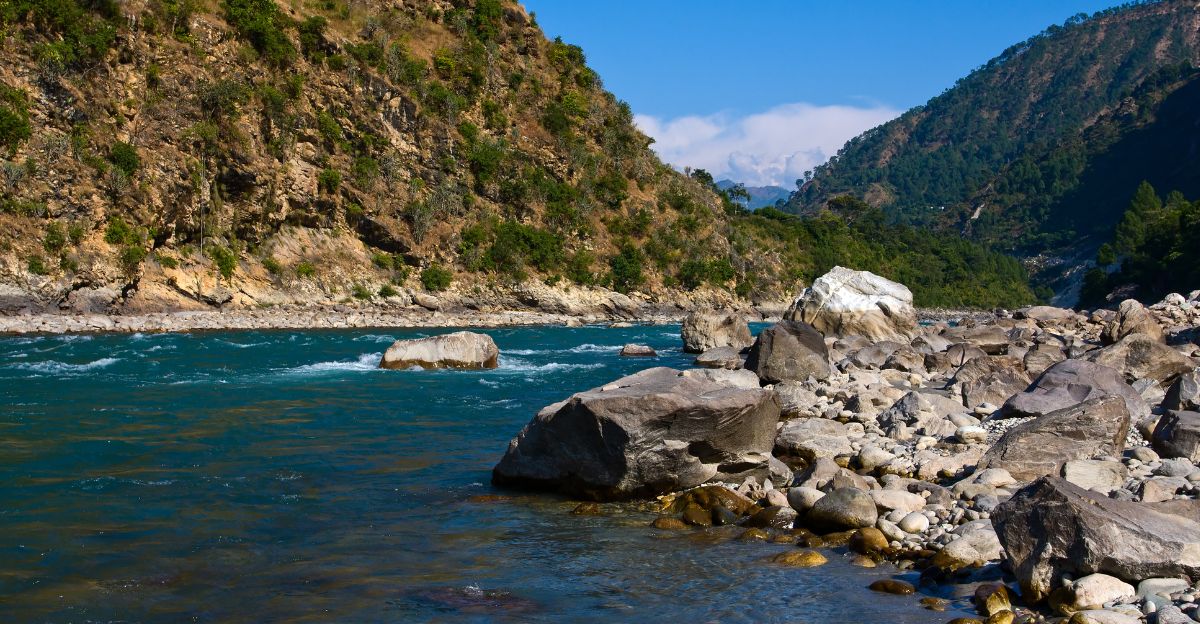
The Ganges River in India is well-known as a holy river, but it is also home to dangerous wildlife. The mugger crocodile is a master at hiding and can attack from the water’s edge.
There are also giant catfish, called goonch, which have been known to feed on many things, possibly even human remains.
Jay Inslee urges us to protect these habitats: “What is a fish without a river?… What is the Endangered Species Act without any enforcement mechanism to ensure its habitat is protected? It is nothing.”
Gharials, Eels, Snakes, and Rays
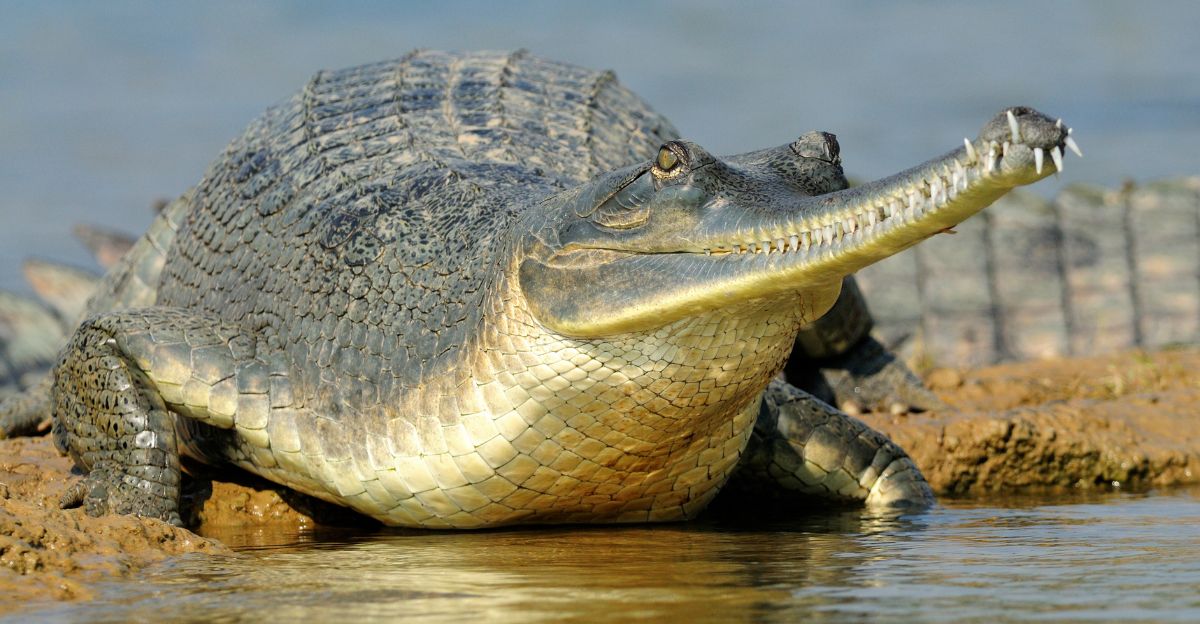
The long, thin gharial, a fish-eating crocodile, can grow up to 20 feet and is powerful in the water, even if it is not usually dangerous to people. Reticulated pythons and deadly electric eels also live here.
Getting into the water is risky because stingrays with venomous tails can easily hurt someone who steps on them, making swimming a potentially dangerous activity in the Ganges.
Mekong River
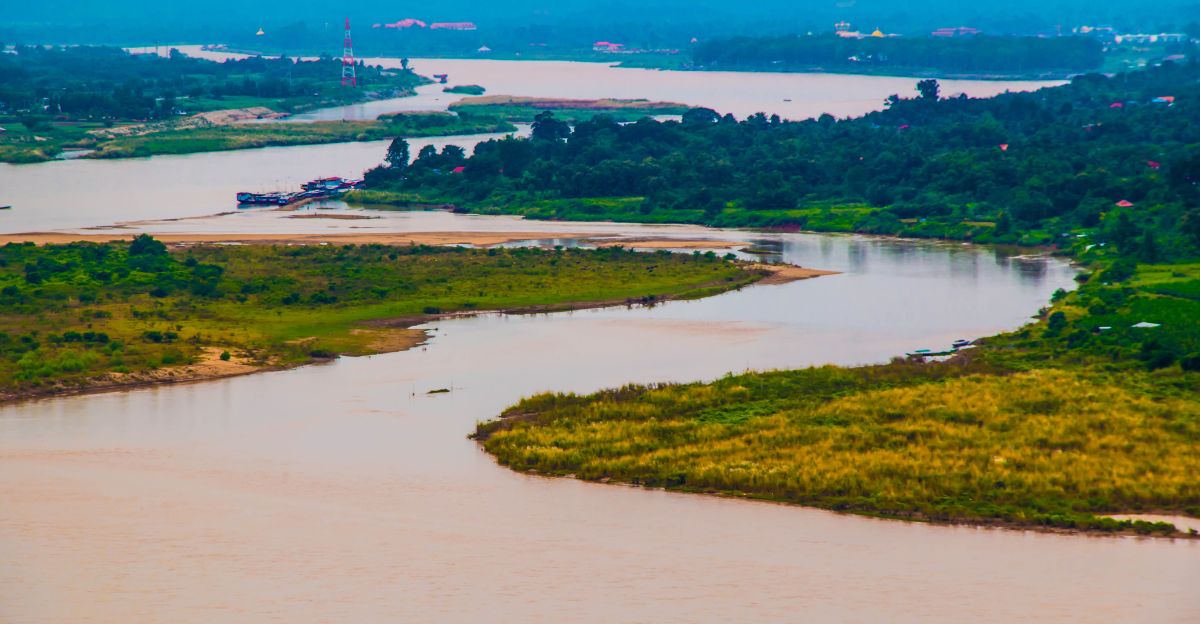
The Mekong runs through Southeast Asia alongside forests full of powerful animals like Indochinese tigers, elephants, and leopards.
Shrinking forests push these animals closer to the river and sometimes into human areas.
Illegal hunting and habitat loss make living near the Mekong more dangerous for people and wildlife.
As John Dingell said, “Living wild species are like a library of books still unread. Our heedless destruction of them is akin to burning the library without ever reading its books.”
Monster Fish and Huge Stingrays
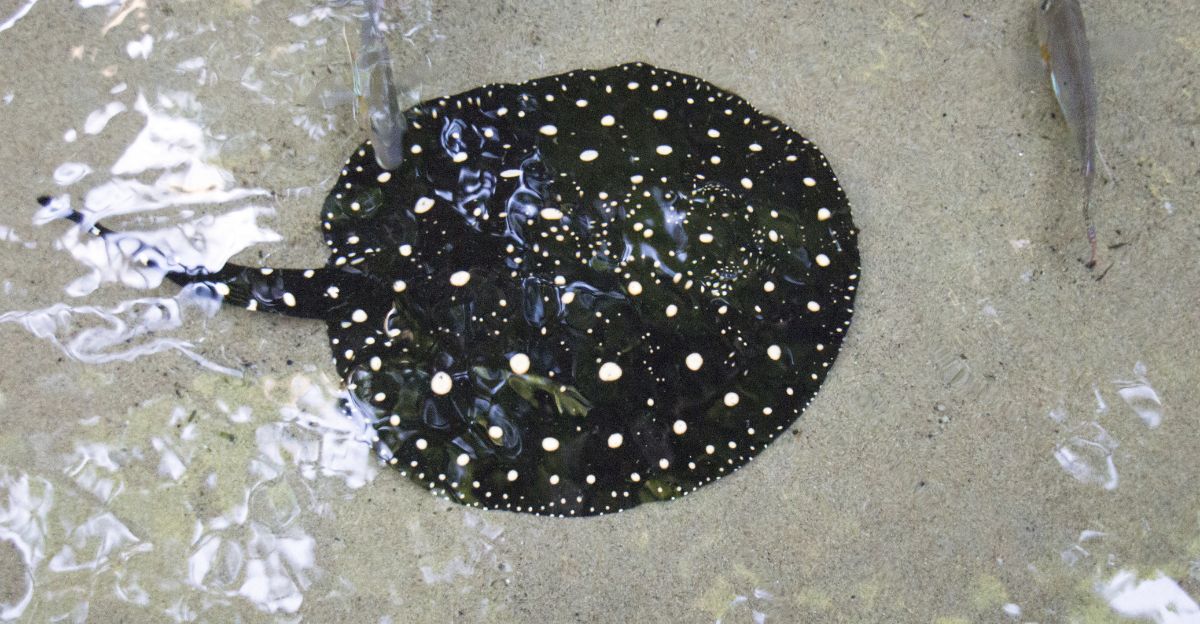
The Mekong is famous for giant fish, such as the endangered Mekong giant catfish, which can weigh over 600 pounds, and massive stingrays with venomous spines.
While these fish and rays rarely attack, an accidental encounter with one could be severe. Jimmy Stewart enjoyed watching animals through a camera, not hurting them: “Animals give me more pleasure through the viewfinder of a camera than they ever did in the crosshairs of a gunsight.”
Tarcoles River
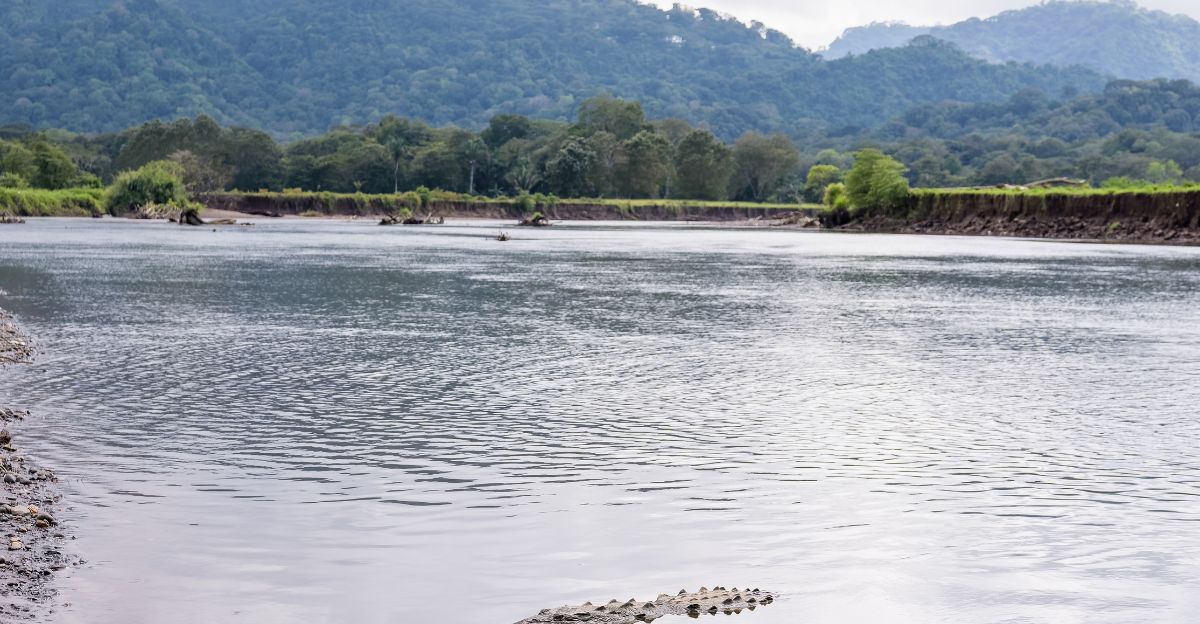
Costa Rica’s Tarcoles River has thousands of American crocodiles, some over 20 feet long!
Even though water pollution is a problem, crocodiles thrive here and sometimes attack cattle and people who get too close.
Their numbers and size make the Tarcoles famous but also dangerous.
People Can Make Rivers More Dangerous
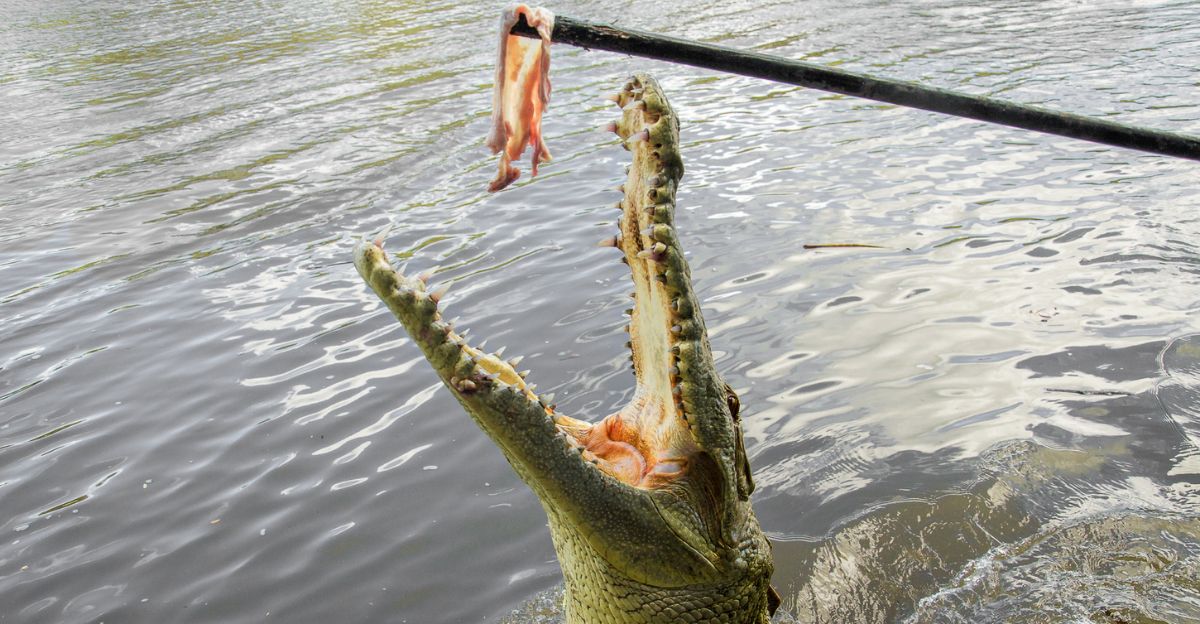
Some tour guides let tourists feed wild crocodiles for pictures, teaching crocs not to be afraid of humans.
This risky behavior makes attacks more likely for everyone. As Alex Miller warns, “We’re in the process of bringing about the extinction of all of the species we most care about—including our own.”
We need to think carefully about how our actions affect rivers and animals.
Be Careful Around Wild Rivers
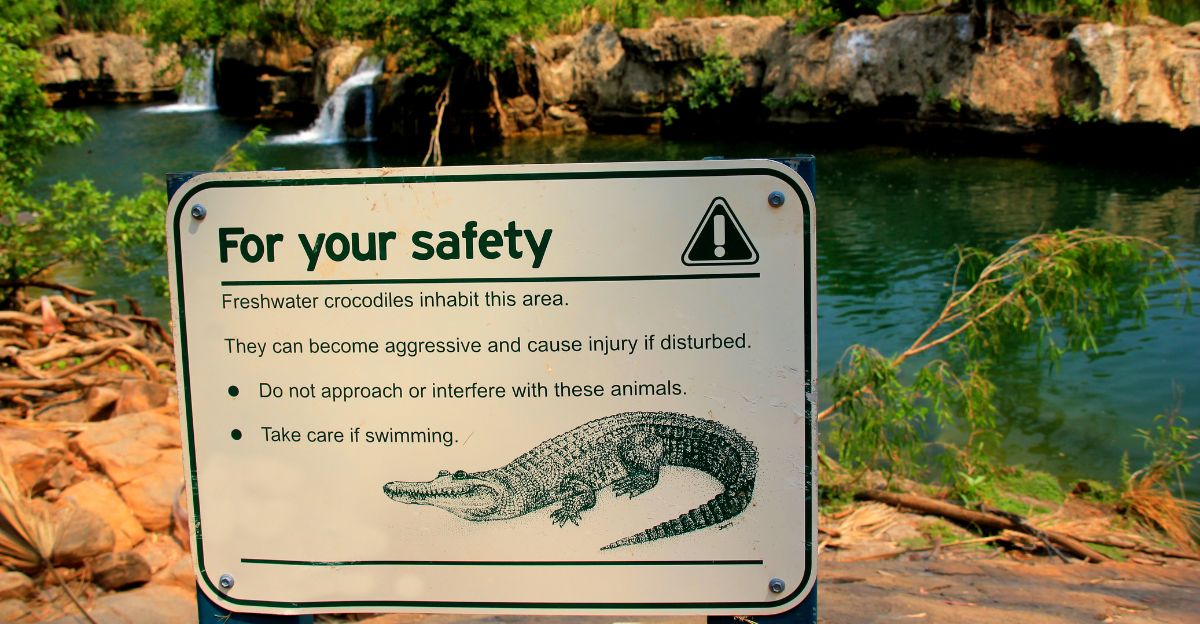
Rivers give life but also hold many dangers—from sneaky crocodiles to giant fish, aggressive hippos, deadly snakes, and even hidden risks after storms.
To stay safe, respect these waters, know the local animals, and follow smart rules. That way, rivers can remain places of beauty, adventure, and safety for people and wildlife for years.