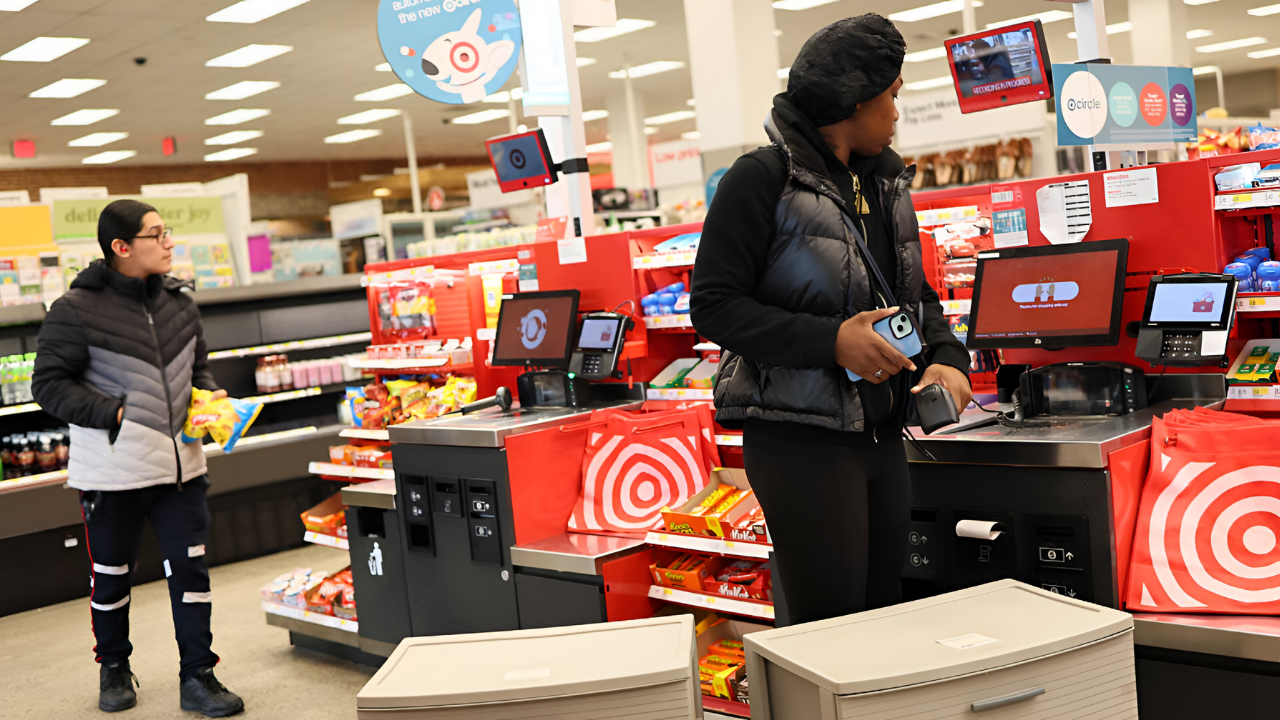
Most retailers respond to slowing sales by slashing prices and cutting costs. Target is taking a different route. Under incoming CEO Michael Fiddelke, the company is doubling down on design, curated assortments, and the in‑store experience—even as inflation‑sensitive shoppers grow cautious and competitors ramp up discounting. The move puts Target’s brand identity and its place in U.S. retail to the test as many households tighten budgets.
Strategic Crossroads in a Tough Quarter

Target’s latest third‑quarter results show strain but not crisis. Comparable sales declined, and store traffic softened, though digital sales held up, hinting at changing shopper habits rather than collapsing demand. Operating income declined more rapidly than revenue, reflecting higher costs to maintain margins without engaging in aggressive price wars. That leaves a core question: in an age of discounting and economic pressure, what should Target be?
Copying rivals would be simplest. Walmart, for example, cut prices on thousands of items and quickly regained value‑seeking customers. But Target, smaller and less able to match Walmart’s pricing scale, chose restraint—accepting near‑term pain instead of a price battle it can’t win. The decision anchors a broader strategy centered on differentiation, not price competition.
Competing with Walmart Without Becoming Walmart

Walmart’s power lies in its vast size and supply-chain efficiency, allowing it to offer low prices without crushing margins. Its recent comparable‑sales growth, especially online, reinforces its structural edge. Mimicking that model would risk shrinking Target’s profits without building loyalty.
Fiddelke’s question is whether shoppers will stick with Target for something other than the lowest price. The plan is to maintain solid value while emphasizing aspects harder to copy, such as distinctive private-label design, a sense of discovery, and an emotional connection to the brand. These aren’t easily quantified in earnings reports but form the heart of Target’s long‑game strategy.
Inside Target’s New Playbook
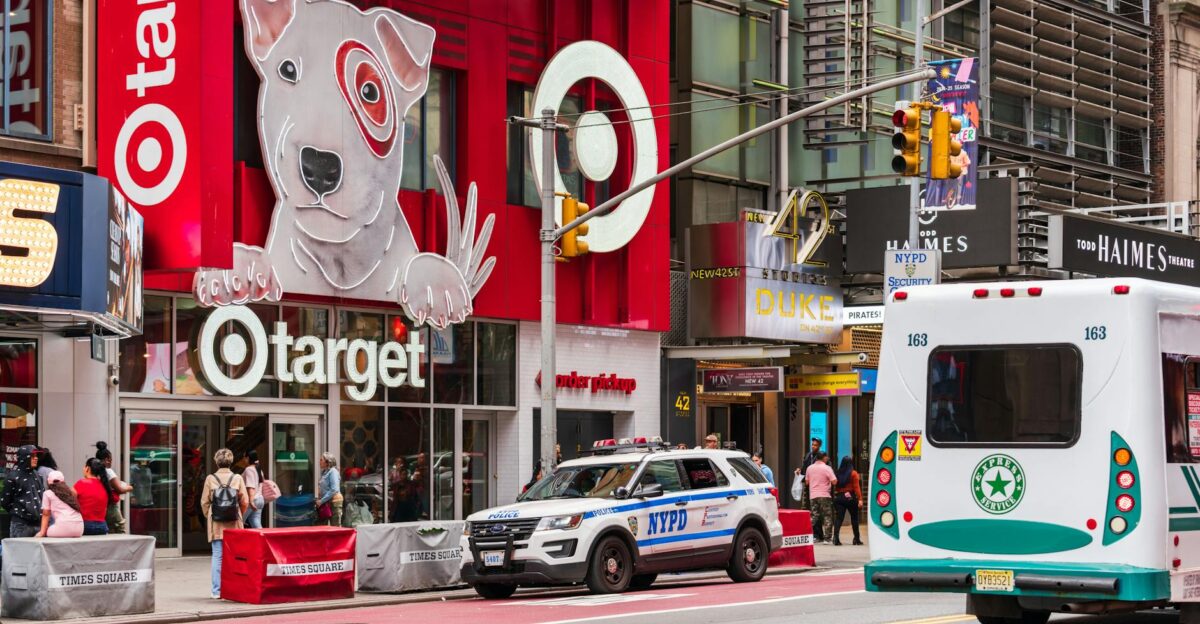
Fiddelke has said Target must “play our game,” not someone else’s. That means focusing on what made the chain distinctive in the first place—design, surprise, and curated experiences. Thousands of new and exclusive products are being rolled out. Seasonal displays and store layouts encourage browsing rather than quick, utilitarian trips for essentials.
The reimagined SoHo store in New York illustrates this concept. Apparel regained prominence, displays became more immersive, and designer collaborations were spotlighted. The shift moves away from a strictly functional store toward one centered on exploration and discovery. The aim isn’t to go upscale but to make a mid‑priced shopping trip feel conscious and engaging.
Target’s loyalty initiative, Target Circle 360, underpins the effort. The paid membership provides faster shipping, delivery benefits, and periodic incentives. Subscriptions are growing, and same‑day delivery is on the rise. The idea is that invested members are less likely to defect over small price gaps and more willing to stay loyal while the company retools its value proposition.
Home décor is another pillar. Executives describe the current reset in home merchandise—the largest in about a decade—as key to reasserting Target’s design‑driven identity. New layouts and refreshed private labels aim to spark discovery while fortifying margins. A stronger home business simultaneously supports profitability and strengthens the brand’s style credentials.
Risks in a Strained Consumer Economy
The strategy depends heavily on younger shoppers. Early results in beauty and apparel suggest Gen Z customers respond to novelty and tactile, in‑person experiences—and may tolerate modest price differences for inspiration and discovery. Yet overall consumer sentiment remains cautious. Many households are trading down or delaying discretionary purchases to cover basics like rent, groceries, and debt. In such conditions, price‑focused retailers often hold the upper hand.
Target’s mid‑market position makes this balancing act precarious. Walmart and Costco occupy well‑defined ends of the spectrum—one the low‑price leader, the other a bulk‑value membership club. Target sits between them: typically pricier than Walmart but not a premium brand either. History shows this “middle ground” can be vulnerable when shoppers make sharper spending trade‑offs.
Executives are aware of the risk. J.C. Penney’s failed shift away from frequent discounts a decade ago remains a warning against changing pricing behavior too abruptly. Target has vowed to avoid that mistake by keeping selective promotions even as it invests in presentation and experience. Still, persuading shoppers to embrace a redefined idea of value won’t be easy.
Looking Beyond the Aisles
Beneath the store revamps lies an unseen profit engine: Target’s retail media business, Roundel. The division sells advertising based on shopper data and in‑store placements, generating billions in high‑margin revenue. As brands increasingly shift ad budgets toward retailer‑owned media, Roundel offers a financial buffer that can offset weaker product sales and sustain margins while Target’s transformation unfolds.
For investors, the mood is patient but cautious. Analysts acknowledge the long runway of a strategy centered on experience and brand emotion rather than price. Yet they note that extended periods of flat sales could sap market confidence. The turnaround requires both time and consumer tolerance for moderate price firmness while value perception evolves.
The implications stretch beyond Target. Walmart’s success may reinforce the dominance of scale and cost efficiency as the defining retail advantage. But if Target proves that design, curation, and emotional resonance can sustain market share even amid economic strain, it would suggest that experience still matters in mass retailing. Over the next few years, as the company’s investments in stores, assortments, and loyalty programs meet real‑world consumer behavior, the outcome will shape not only Target’s trajectory but also how Americans experience everyday shopping.
Sources
Target Corporation Reports Third Quarter Earnings — Target Corporate
Target Appoints Michael Fiddelke As Chief Executive Officer — Target Corporate
Target Circle: Free and Paid Loyalty Program Benefits — Target Corporate
Target Opens “Target SoHo,” a Design-Forward Shoppable Concept Store in SoHo, New York — Target Corporate
Roundel: Target’s Retail Media Business — Target Corporate