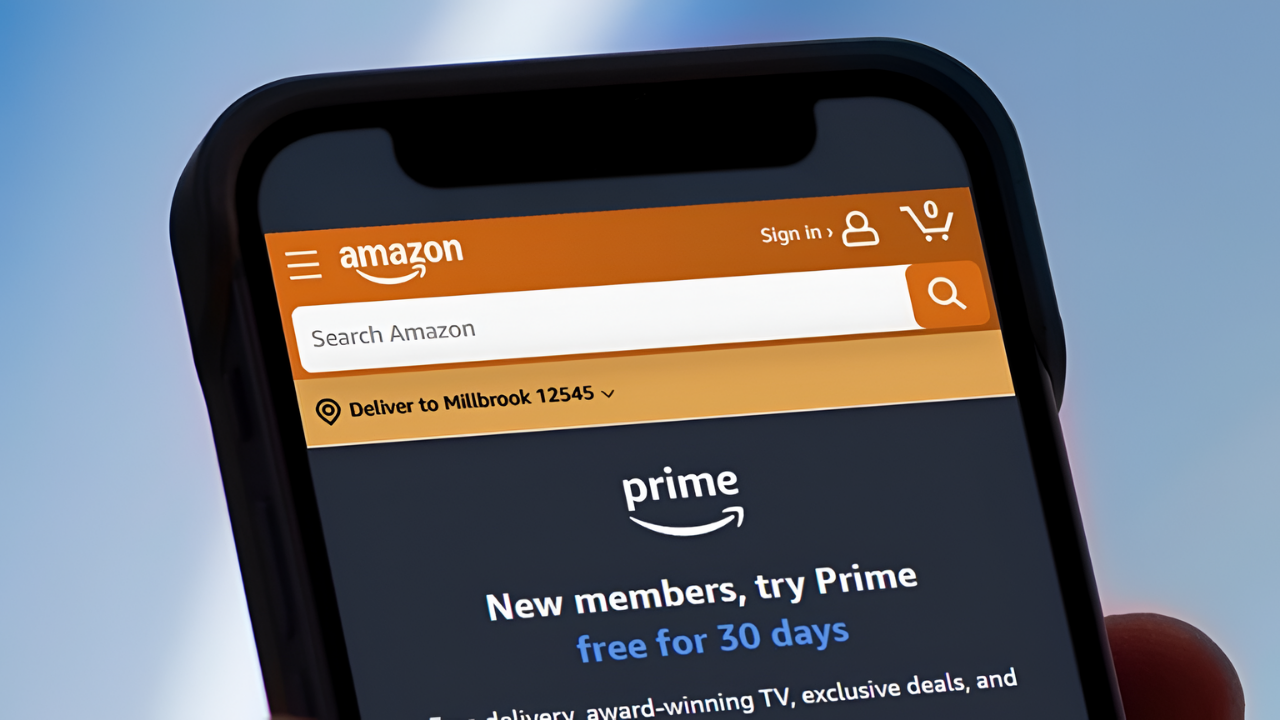
At the end of 2025, millions of Americans started receiving small payments, usually under $51, with the note “Amazon FTC Settlement.” These unexpected checks and deposits were the result of a federal case against Amazon. Regulators had found that about 35 million customers were charged for an Amazon Prime membership they never knowingly agreed to buy. It marked one of the most visible signs that U.S. officials had forced one of the world’s largest online retailers to answer for alleged deceptive practices.
For years, people had complained about accidentally joining Prime. They thought they were signing up for faster shipping, a single promotion, or a free trial, only to discover later that they had been enrolled in a paid subscription. Many found it frustratingly hard to cancel. Even deleting the Amazon app didn’t stop the charges, since payments continued through saved credit card details.
According to the U.S. Federal Trade Commission (FTC), these were not random mistakes. The agency concluded that Amazon had failed to get “informed, affirmative consent” before charging recurring Prime fees. From mid-2019 through mid-2025, the FTC estimated that about 35 million Americans were signed up without proper consent, generating billions of dollars in unwanted or unnoticed charges.
The Problem of Dark Patterns
At the heart of the case was a growing concern in digital design: so-called dark patterns. These are design choices that influence users to act a certain way, often to benefit the company by making some options more prominent or others harder to find.
In Amazon’s case, investigators said that the Prime sign-up process subtly pushed users to click “agree” while hiding or complicating the way to decline. Canceling was also a hassle, with multiple pages and confusing steps. The FTC argued that this wasn’t accidental. The design of the Prime webpage and app features had been optimized to convert users into paying subscribers, even those who never meant to subscribe in the first place.
Such dark patterns are common across digital platforms. But the Amazon case offered one of the most detailed examples to date, showing how interface design can cross from persuasion into deception. Regulators said this kind of manipulation violated U.S. consumer protection laws, which require clear, honest consent for recurring payments.
The Legal Battle and Internal Evidence
The FTC sued Amazon in June 2023, accusing the company of breaking the Restore Online Shoppers’ Confidence Act (ROSCA) and Section 5 of the FTC Act, which bans unfair or deceptive practices. Amazon denied wrongdoing and fought the charges aggressively.
As the case moved toward trial, investigators obtained thousands of pages of internal documents, emails, presentations, and design memos, that revealed tensions inside Amazon. Some executives had reportedly warned that confusing cancellation systems could damage customer trust, even as others noted that simplifying them might reduce revenue. These internal discussions strengthened the FTC’s argument that the problem wasn’t a mistake but a calculated business decision.
The trial began in September 2025 in federal court in Washington state. Facing the possibility of damaging evidence becoming public and a potentially harsh court ruling, Amazon entered settlement talks. On September 25, 2025, both sides reached a record-setting agreement.
Under the settlement, Amazon agreed to pay $2.5 billion, the largest penalty ever under ROSCA and among the biggest in FTC history. Of that total, $1 billion went toward federal penalties, and $1.5 billion funded payments to affected consumers. Roughly 35 million people qualified for refunds. Amazon also had to redesign its subscription pages to make terms and cancellations clear and to remove misleading or manipulative design elements. Free trial details and billing start dates now had to be obvious and easy to find.
Top Amazon executives named in the case, such as Senior Vice President Neil Lindsay and Vice President Jamil Ghani did not receive personal fines. They also did not have to admit wrongdoing, though they were subject to compliance oversight for three years.
Refunds, Deadlines, and Broader Impact

Refund payments began rolling out between November and December 2025. Most eligible customers received automatic transfers or checks averaging around $40, and none higher than $51. Those who didn’t get payments automatically could claim them through a federal website by July 23, 2026. After that deadline, unclaimed funds would expire.
Amazon has since reviewed its other subscription services, including Music, Fresh, and Audible, to find and fix similar problems. In early 2026, it launched a new, simplified system for signing up and canceling Prime memberships in the U.S. The updated process highlights clear consent, visible cancellation buttons, and plain-language explanations, standards already common in parts of Europe.
The case has also had ripple effects beyond Amazon. Digital rights experts say it’s now a landmark example of how dark patterns can violate U.S. law. Legal scholars view the outcome as a blueprint for future enforcement, giving consumers and attorneys new tools to challenge deceptive subscription practices. In Washington, lawmakers are already discussing possible laws to tighten consent rules and ban misleading interface designs.
For Amazon, the $2.5 billion payout was a large but manageable hit—far smaller than its overall revenue. The bigger consequence may be cultural: it set a clear precedent that user experience design can become a legal issue when it crosses into manipulation. For consumers, it’s a timely reminder to read the fine print before clicking “accept.” And for regulators, it marks one of the most significant steps yet in holding tech giants accountable for the subtle ways digital design can shape, and sometimes exploit, user behavior.
Sources
FTC – FTC Secures Historic $2.5 Billion Settlement Against Amazon – September 28, 2025
U.S. District Court (Western District of Washington) – Stipulated Order for Permanent Injunction and Monetary Judgment (Case No. 2:23-cv-0932-JHC) – September 23, 2025
FTC – Amazon Refunds – January 5, 2026
FTC – FTC Takes Action Against Amazon for Enrolling Consumers in Amazon Prime Without Consent – June 21, 2023
CNBC – Amazon reaches $2.5 billion settlement with FTC over ‘deceptive’ Prime practices – September 25, 2025