In November 2025, envelopes and digital payment notices began appearing across the U.S. Some carried checks. Others showed deposits labeled simply: Amazon FTC Settlement. The amounts were modest—often under $51—but the reason behind them was not.
These payments marked the aftermath of a $2.5 billion federal case involving Amazon Prime enrollments. For millions of Americans, the refund was the first visible sign that something they never knowingly agreed to had finally been acknowledged—and punished.
How Millions Were Signed Up Without Knowing
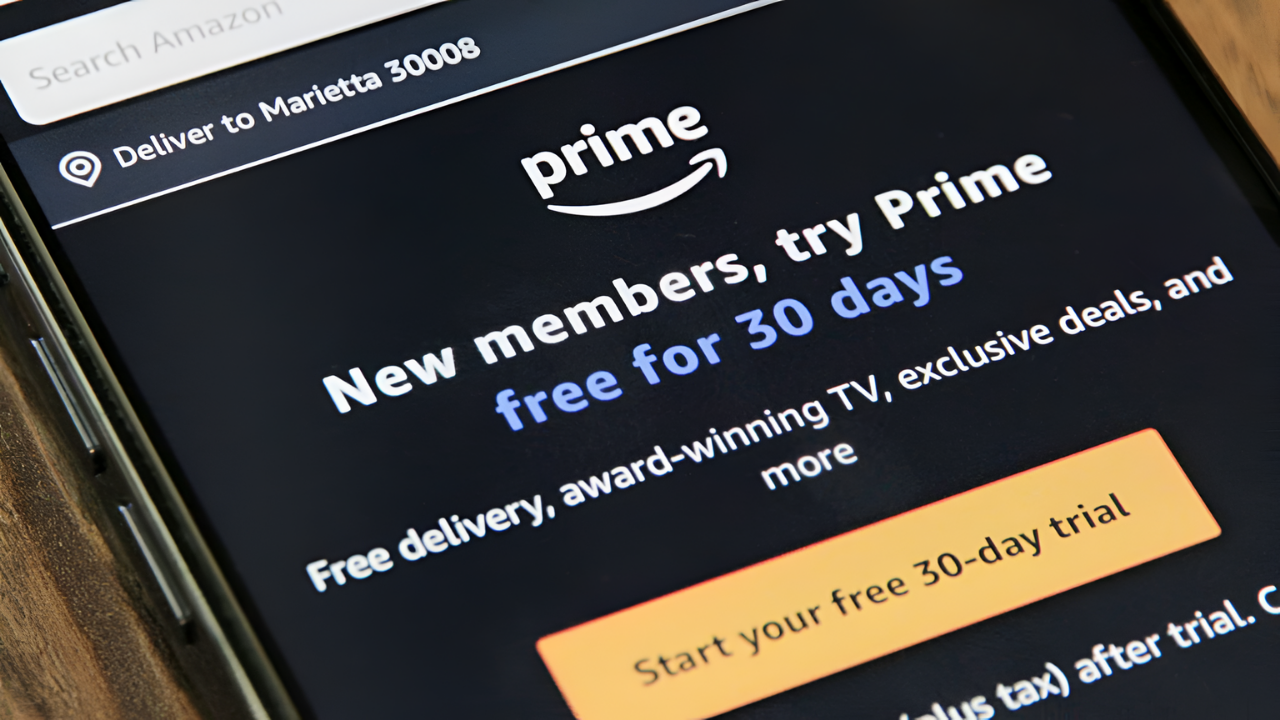
For years, consumers reported the same experience: they clicked a button for faster shipping or a free trial, only to later discover recurring Prime charges. Canceling proved confusing, multi-step, and easy to abandon midway.
Even deleting the Amazon app didn’t stop billing. According to the FTC, these weren’t accidents. They were the result of enrollment flows that failed to obtain informed consent, quietly converting casual users into paying subscribers without clear disclosure.
The Scale Becomes Clear

By 2025, regulators quantified the damage. An estimated 35 million U.S. consumers were enrolled in Amazon Prime without meaningful consent between June 2019 and June 2025.
The financial impact stretched into the billions. While individual charges often went unnoticed, the cumulative effect was massive. Analysts began asking how such practices persisted for so long—and how many other companies relied on similar subscription mechanics hidden in plain sight.
Dark Patterns Enter the Spotlight
The FTC’s case centered on “dark patterns”—user interface designs that steer consumers toward choices they didn’t intend to make. While the concept had existed for years, Amazon’s scale made it impossible to ignore.
Internal flows guided users toward Prime enrollment while obscuring alternatives. Opt-out paths were fragmented. Cancellation required navigating multiple screens. Regulators concluded the design was not neutral—it was engineered to convert and retain subscribers through friction.
A Lawsuit Years in the Making

The FTC filed suit against Amazon in June 2023, alleging violations of the Restore Online Shoppers’ Confidence Act (ROSCA). Amazon denied wrongdoing and fought the case aggressively. Discovery stretched on.
Internal documents were compelled. By mid-2025, the matter headed toward trial in federal court in Washington State. As evidence mounted, so did the risks: reputational damage, judicial findings of deception, and potential executive exposure.
Trial Pressure Forces a Reckoning
When trial began in September 2025, the tone shifted quickly. Internal emails and presentations revealed executives were aware that customers were enrolling unintentionally and signing up for Prime without their consent.
Discussions acknowledged that simplifying cancellation would reduce revenue. Facing likely findings of deceptive conduct, Amazon entered settlement negotiations. Within days, the case that had simmered for years reached a dramatic conclusion—one that would reshape FTC enforcement history.
A Record-Breaking Settlement
On September 25, 2025, the court entered a $2.5 billion settlement, the largest ROSCA case in FTC history. Amazon agreed to pay $1 billion in civil penalties—the biggest ever for an FTC rule violation—and $1.5 billion in consumer refunds.
The agency’s second-highest restitution award meant roughly 35 million consumers became eligible for compensation. The agreement also mandated sweeping changes to Amazon’s subscription practices.
What Amazon Was Forced to Change
The settlement required Amazon to eliminate deceptive enrollment interfaces, provide clear disclosures, and implement true one-click cancellation. Subscription terms had to be explicit.
Free trials had to clearly state when charges would begin. Cancellation could no longer be buried across multiple screens. The FTC made clear this wasn’t a suggestion—it was a structural correction designed to prevent future manipulation of consumer choice.
Refunds Begin Rolling Out
Automatic payments were sent between November 12 and December 24, 2025, reaching millions of eligible customers. Others were required to file claims through an FTC-administered portal.
Individual payouts were capped at $51, with average refunds estimated in the low-$40 range. For some households, the money recovered years of unnoticed charges. For others, it was symbolic—proof that the system had finally caught up.
The Deadline Many Could Miss

Consumers who did not receive automatic payments must file a claim by July 23, 2026. Miss the deadline, and eligibility disappears.
The FTC urged consumers to check bank statements, email records, and mail carefully. With roughly one in four U.S. households potentially eligible, the agency framed the claims process as a race against time—especially for those unaware they were ever enrolled in Prime.
Public Trust Fractures
By late 2025, Amazon Prime’s reputation had shifted. Once seen as a consumer-friendly convenience, it became a case study in manipulation at scale. Advocacy groups praised the enforcement but criticized the delay.
Seven years of harm preceded accountability. Online forums filled with cancellation stories. For many consumers, the settlement validated long-standing frustration—and deepened skepticism toward “free trials” across the digital economy.
Inside Amazon’s Own Documents
Trial exhibits revealed striking internal language. Executives described subscription tactics as “a shady world.” Others warned of trust erosion while acknowledging revenue dependence on friction.
FTC documents showed Amazon was aware that consumers were enrolling in Prime unintentionally. These records proved decisive. They showed awareness, not ignorance—and intent, not accident. For regulators, the documents transformed design choices into evidence of deception.
Leadership Faces the Fallout

CEO Andy Jassy inherited the controversy after becoming chief executive in 2021, but the practices predated his tenure. Still, investor pressure mounted. Analysts questioned governance and compliance oversight.
During earnings calls, leadership acknowledged the need to restore customer trust. Internally, long-ignored warnings from researchers gained new weight. The settlement forced a reckoning not just with regulators—but with Amazon’s own culture. However, while the company paid $2.5 billion, the named executives—Senior Vice President Neil Lindsay and Vice President Jamil Ghani—faced no personal fines, no demotions, and were required to admit no wrongdoing. Their compliance obligations extend just three years, compared to ten for the company.
Compliance Overhaul Begins
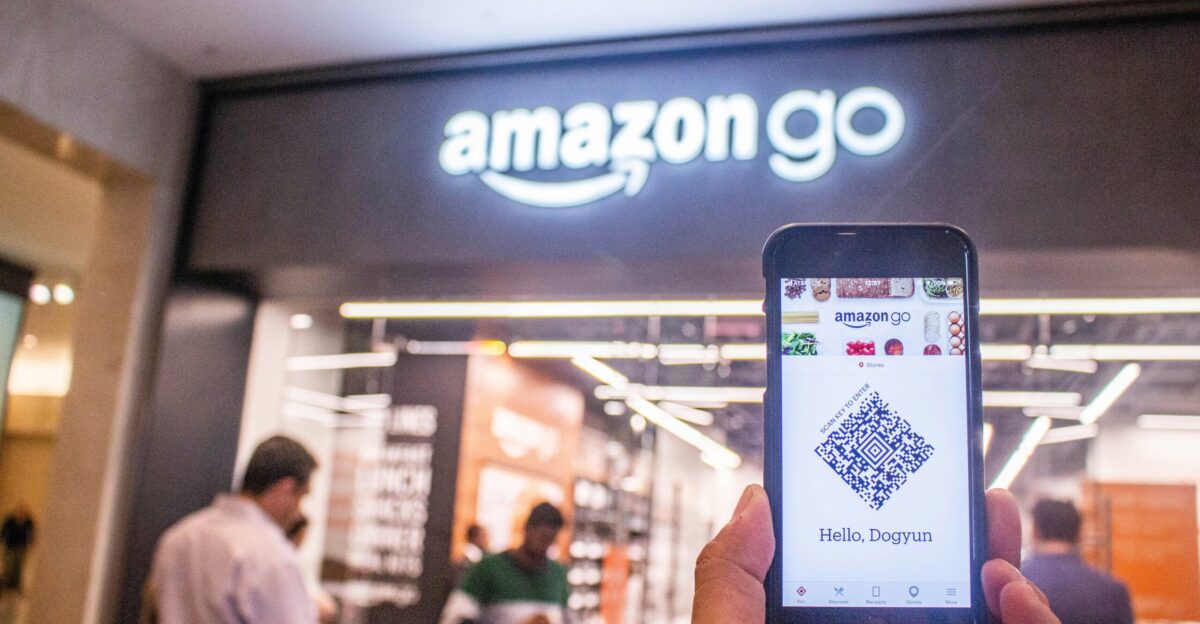
In late 2025, Amazon launched audits across all subscription services, including Prime, Music, Fresh, and Audible. Early reviews flagged similar friction patterns elsewhere in the ecosystem.
The company announced standardized cancellation rules and clearer consent requirements across products. While Amazon framed the effort as proactive reform, critics viewed it as court-mandated cleanup following years of regulatory resistance.
A Redesigned Prime Experience
By early 2026, Amazon unveiled a redesigned Prime enrollment flow. Each step required explicit consent. Trial end dates were displayed clearly.
Cancellation buttons were placed prominently—not buried in settings. Amazon described the changes as “restoring trust.” Consumer advocates responded bluntly: the redesign matched what regulators had demanded for years, raising questions about why it took a $2.5 billion penalty to arrive there.
Was the Penalty Enough?
Legal experts debated deterrence. Amazon’s annual revenue dwarfs the settlement amount. Some analysts argued the company profited far more than it paid.
Others countered that precedent mattered more than dollars. Still, the question lingered: if deceptive design yields billions and penalties represent a fraction of earnings, does enforcement truly change incentives—or simply set a price for misconduct?
Lawmakers Take Notice
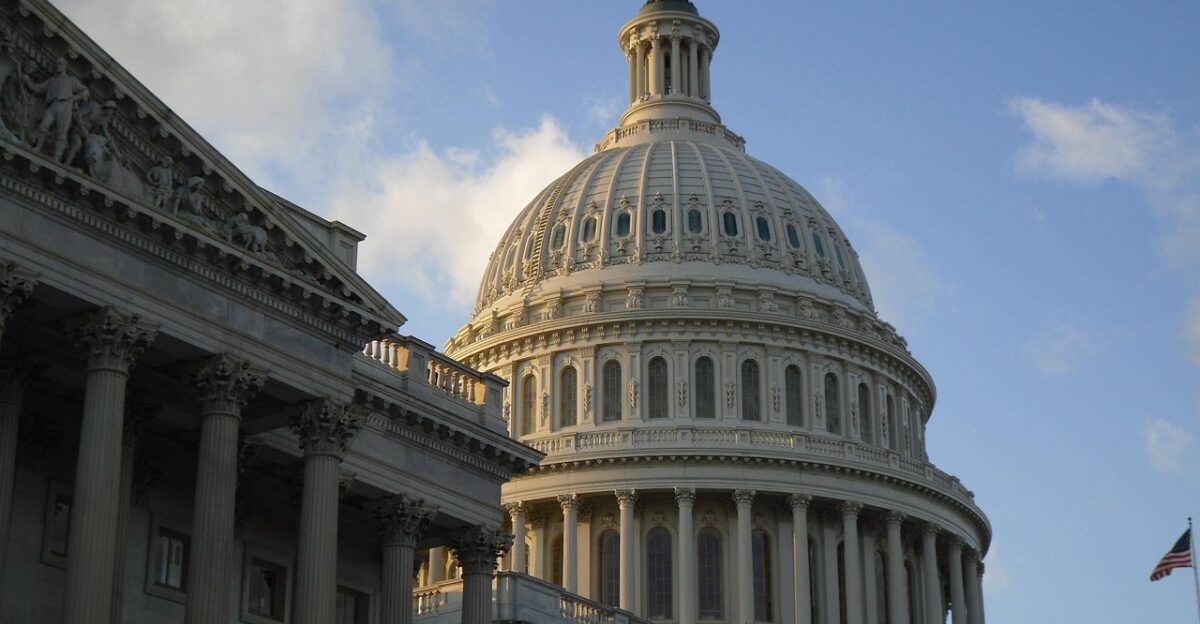
The case energized Congress. By early 2026, lawmakers discussed stricter subscription rules, clearer consent standards, and outright bans on certain manipulative design elements.
Dark patterns shifted from niche tech jargon to legislative language. The Amazon case became a reference point in hearings and draft proposals, signaling a possible shift from enforcement-by-case toward broader statutory reform.
A Global Ripple Effect
International regulators paid attention. The EU already required simpler cancellations—rules Amazon had followed overseas while using darker patterns in the U.S.
The contrast exposed a regulatory double standard. Consumer advocacy groups in the UK and Australia analyzed the case and called for stronger subscription protections in their own markets, highlighting the need for reforms similar to those imposed on Amazon. The FTC’s action helped align global enforcement around a shared view of deceptive design.
A Legal Template for the Future
The settlement established a clear precedent: dark patterns can violate Section 5 of the FTC Act and ROSCA. State attorneys general and private plaintiffs gained a roadmap for future cases.
Legal scholars predicted an uptick in litigation targeting subscription traps across industries—from streaming to software. After Amazon, the legality of manipulative design was no longer ambiguous.
What the Case Ultimately Changed
Amazon absorbed the $2.5 billion cost. But the larger impact lies elsewhere. Regulators proved they could challenge Big Tech—and win.
Consumers learned to question “free” offers. Designers were put on notice that friction can be unlawful. As AI-driven nudging grows more sophisticated, the gap between innovation and regulation may widen again. The Amazon settlement isn’t the end of the story. It’s the line that redefined it.
Sources:
FTC – FTC Secures Historic $2.5 Billion Settlement Against Amazon – September 28, 2025
U.S. District Court (Western District of Washington) – Stipulated Order for Permanent Injunction and Monetary Judgment (Case No. 2:23-cv-0932-JHC) – September 23, 2025
FTC – Amazon Refunds – January 5, 2026
FTC – FTC Takes Action Against Amazon for Enrolling Consumers in Amazon Prime Without Consent – June 21, 2023
CNBC – Amazon reaches $2.5 billion settlement with FTC over ‘deceptive’ Prime practices – September 25, 2025