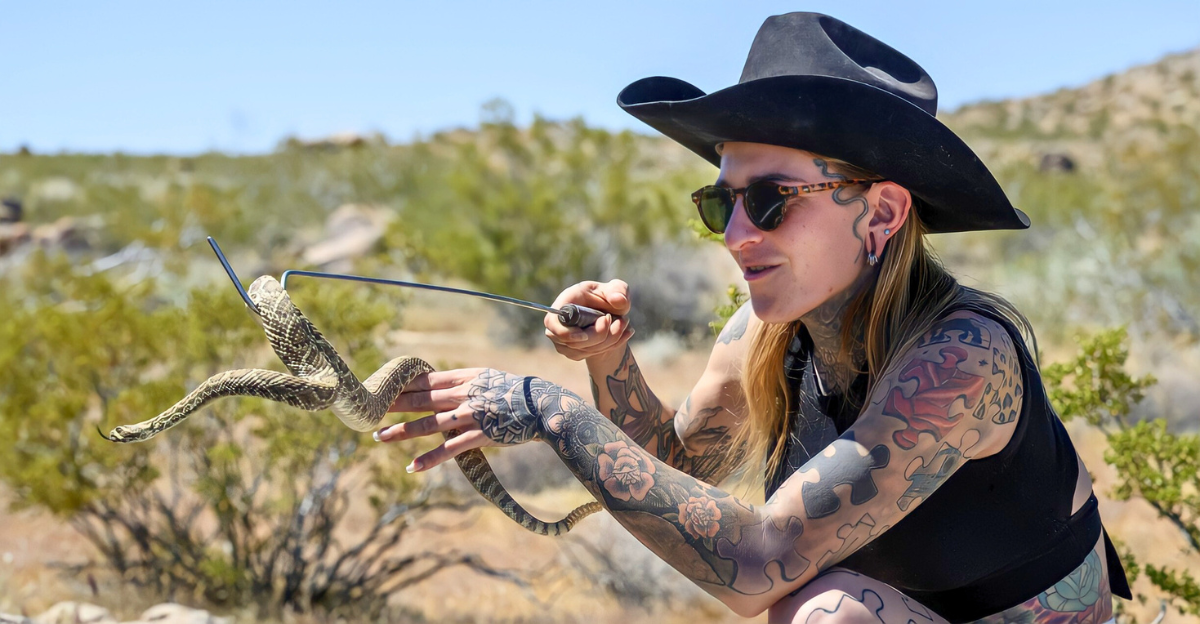
Every year, thousands of Americans encounter one of nature’s most notorious predators: the rattlesnake. From winding forest paths to sunny backyard gardens, these resilient reptiles strike with little warning and can turn a routine outing into a life-threatening emergency.
Rattlesnakes continue to account for the majority of serious and fatal snakebite cases in the United States, with up to 8,000 venomous bites annually, but which states top the list of most-likely encounters?
1. Texas
It comes as no surprise that Texas is at the top of the list with six native rattlesnake species and some of the highest venomous snakebite rates in the country. Its immense geography spans mountains, canyons, prairies, deserts, forests, and coastal areas, each providing specialized rattlesnake habitats.
Big Bend National Park, Palo Duro Canyon, and the Davis Mountains offer rocky dens for the spectacular western diamondback, black-tailed rattlesnake, and elusive rock rattlesnake. Dense populations are often clustered around water sources, grassy prairies, and boulder fields.
2. North Carolina
Home to three distinct species, the eastern diamondback, timber, and Carolina pigmy rattlesnakes, the state’s impressive ecological diversity creates a vast array of habitats where these snakes thrive. Coastal areas, forests, and national parks such as Croatan and Uwharrie National Forests are hotspots where all three rattlesnake species can be encountered.
While rattlesnakes are essential to the ecosystem as rodent predators, their tendency to bask on trails and hide in underbrush means unwary outdoor enthusiasts are at risk of accidental bites, especially in late spring through early autumn when the snakes are most active.
3. Florida
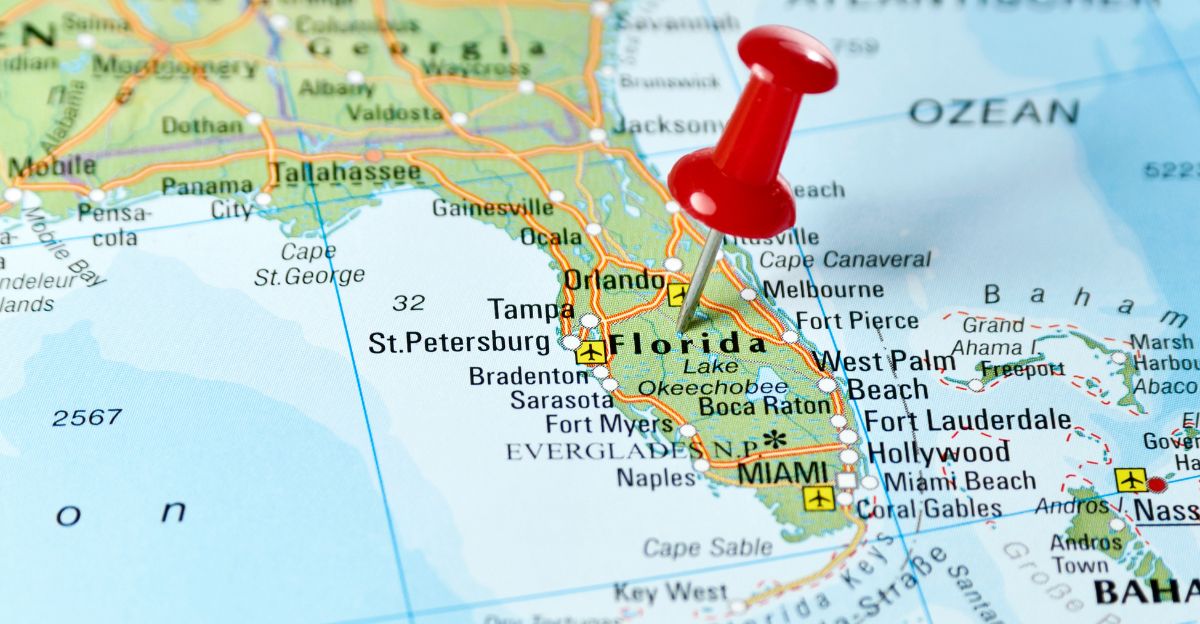
The eastern diamond-backed rattlesnake, the largest and most dangerous in North America, inhabits all of Florida’s counties from the panhandle to the Keys. It thrives in longleaf pine savannas, pine flatwoods, scrubby sandhill areas, and even barrier islands.
As prescribed fires and habitat shifts change traditional snake territory, encounters near homes and recreational areas have become more frequent. Despite their fearsome reputation, Florida’s rattlesnakes generally avoid people, and most bites happen when snakes are disturbed or accidentally stepped on during outdoor activities.
4. Arkansas
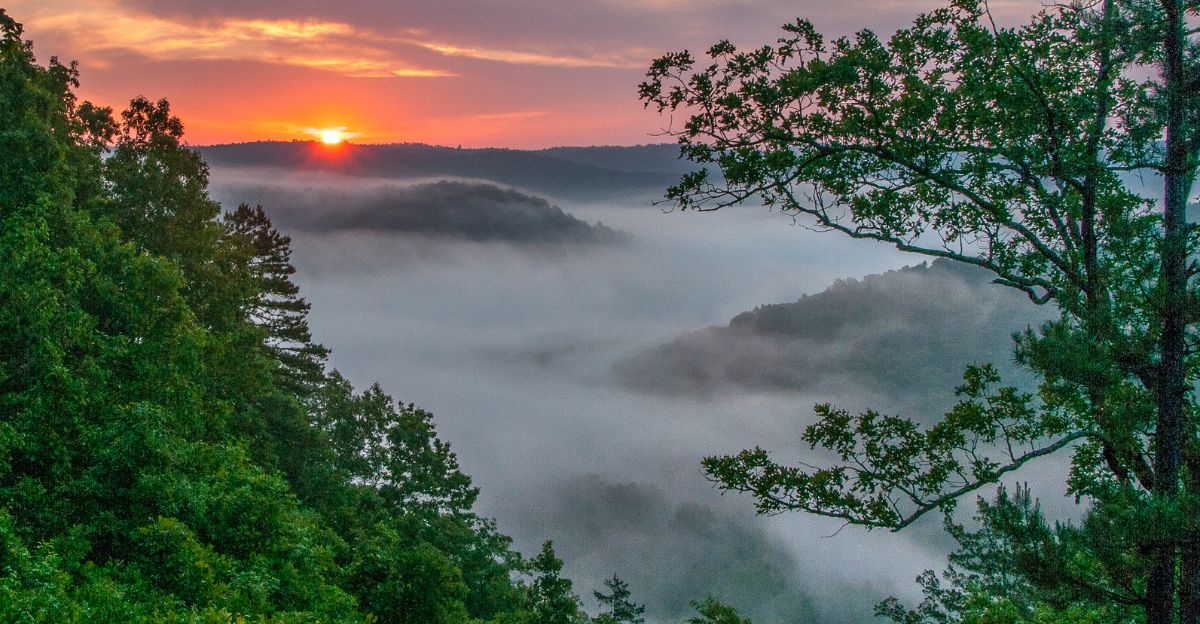
Boasting a habitat for three primary species, the timber rattlesnake, western pigmy rattlesnake, and western diamondback rattlesnake, your chances of running into one here are quite good. Timber rattlesnakes are found throughout the state, thriving in various environments.
Known for their potent venom and large size, these snakes are generally shy but can become defensive if startled during the summer months. The state records hundreds of venomous snakebites each year, primarily during warmer months.
5. Georgia
The timber rattlesnake, also known locally as the “velvet tail,” is widespread throughout much of Georgia. It favors undisturbed wooded areas, especially mixed pine-hardwood forests, and is often found near old homesites and barns where prey animals congregate.
While these snakes play a big role in controlling rodent populations, their presence in dense and varied landscapes puts outdoor enthusiasts, hunters, gardeners, and rural residents at increased risk for encounters, particularly in South and Central Georgia, where rattlesnake populations remain robust. Most rattlesnakes prefer to avoid humans, only resorting to defensive bites when surprised or threatened, and they warn with their distinctive tail rattle.
6. Louisiana
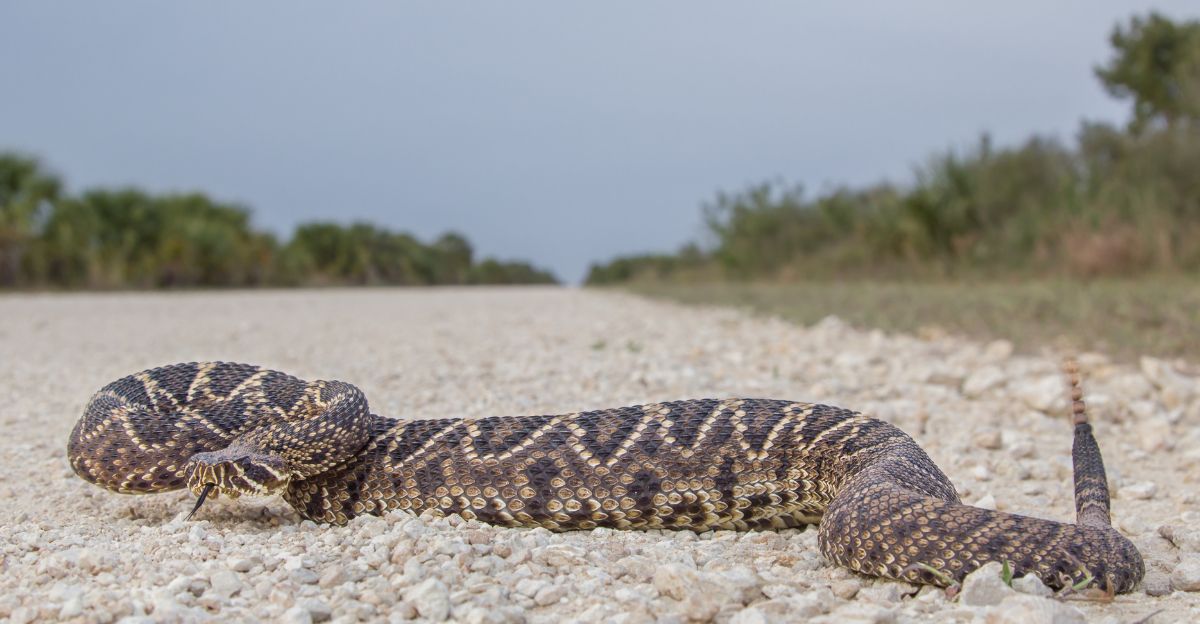
Among the three main rattlesnake species found here, the timber rattlesnake is the most prominent. It inhabits much of the state except the coastal marshes and the southwest pinelands. It is often seen in hardwood forests, salt dome islands, and elevated ridges around the Atchafalaya Basin, where its cryptic coloration blends perfectly with leaf litter and fallen logs.
Areas like the Kisatchie National Forest, Bogue Chitto National Wildlife Refuge, and Chicot State Park are particularly known for dense rattlesnake populations, with the piney woods and transitional upland zones providing optimal basking and hunting grounds. The Atchafalaya Basin’s elevated landforms also harbor thriving populations, especially during spring flooding when snakes concentrate on higher ground.
7. Mississippi
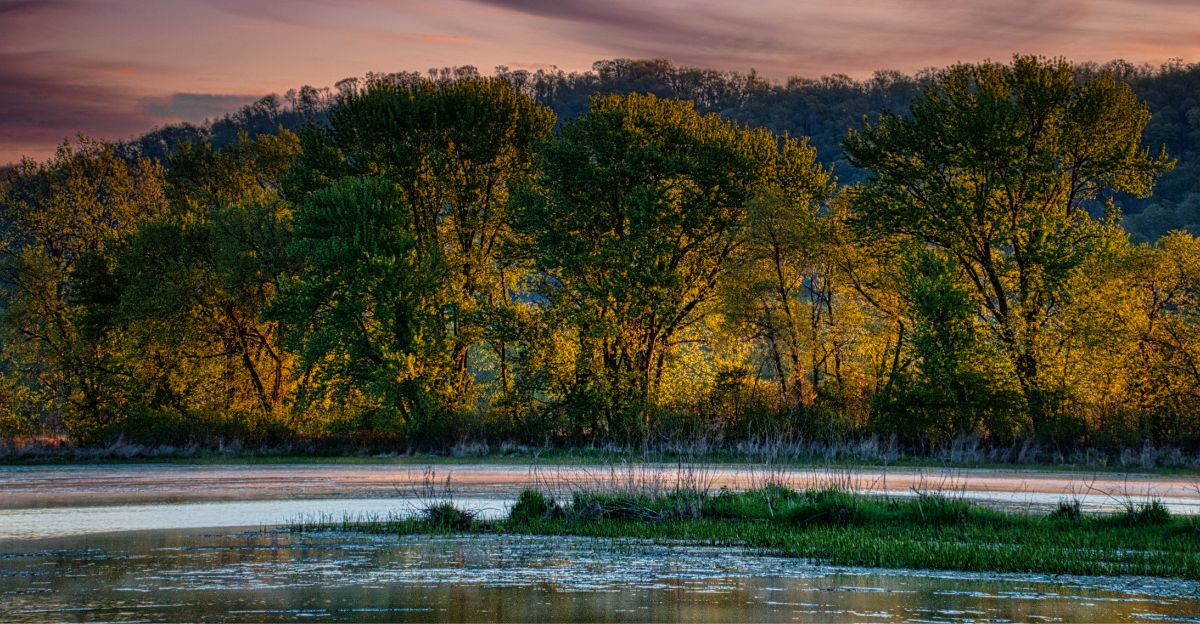
Rattlesnakes were once common throughout Mississippi’s longleaf pine forests, although habitat loss and human persecution have reduced their numbers in recent years. Rattlesnakes are widespread and favor rugged river bluffs, dense hardwood forests, and pine-covered hills; their secretive nature means they often shelter under rocks, leaves, or fallen branches.
The activity in Mississippi peaks during warm, humid months, and they are known to venture near human residences in search of rodents or shelter. Increasing development, agriculture, and hunting have placed pressure on these species, prompting encounters and sometimes conflict.
8. Missouri
Missouri is home to four distinct rattlesnake species: the timber rattlesnake, western pygmy rattlesnake, eastern massasauga, and prairie massasauga. These snakes are most commonly found in south-facing rocky areas, river bluffs, and lowland thickets, particularly in the Ozarks and along the Mississippi River floodplain, where rodents and rabbits offer plentiful prey.
While rattlesnake bites in Missouri are relatively rare compared to the riskier states, the potential danger is real, timber rattlesnakes pack a potent venom that requires immediate medical attention if bitten, and unwary hikers or outdoor workers in infested areas should always stay vigilant.
9. California

The state is home to seven distinct rattlesnake species, including the Western diamond-backed, Sidewinder, Speckled, Red diamond, Mojave, Panamint, and Western rattlesnake. Each of these species has adapted to thrive in California’s varied environments, and they are thriving more than ever before.
Rattlesnakes in California are most active during the warmer months, particularly from April to June, which coincides with the peak of outdoor recreation and tourism. They are notorious for blending into their surroundings, making them difficult to spot as they bask on sun-warmed rocks, coil beneath logs, or swim across clear alpine lakes.
10. Virginia
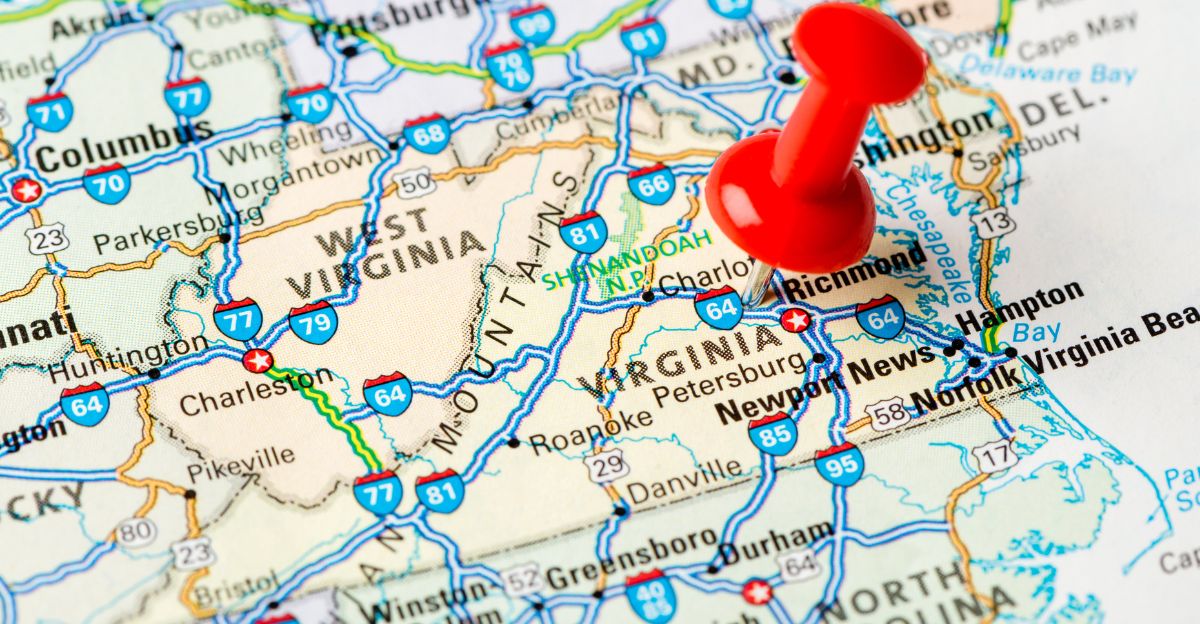
Virginia is home to both the timber rattlesnake and the endangered canebrake rattlesnake, making it one of the more notable states for rattlesnake encounters. Their preferred habitats include upland hardwood and mixed oak-pine forests, ledges, talus slopes, and sun-exposed rocky outcrops, which allow them to regulate temperature throughout the spring and fall.
During warmer months, these snakes often move into open woods, grass fields, and even secondary growth close to human dwellings. While timber rattlesnakes are generally docile and prefer avoidance over confrontation, bites most often occur when humans inadvertently provoke or attempt to handle them, particularly in remote or rural areas.
11. Alabama
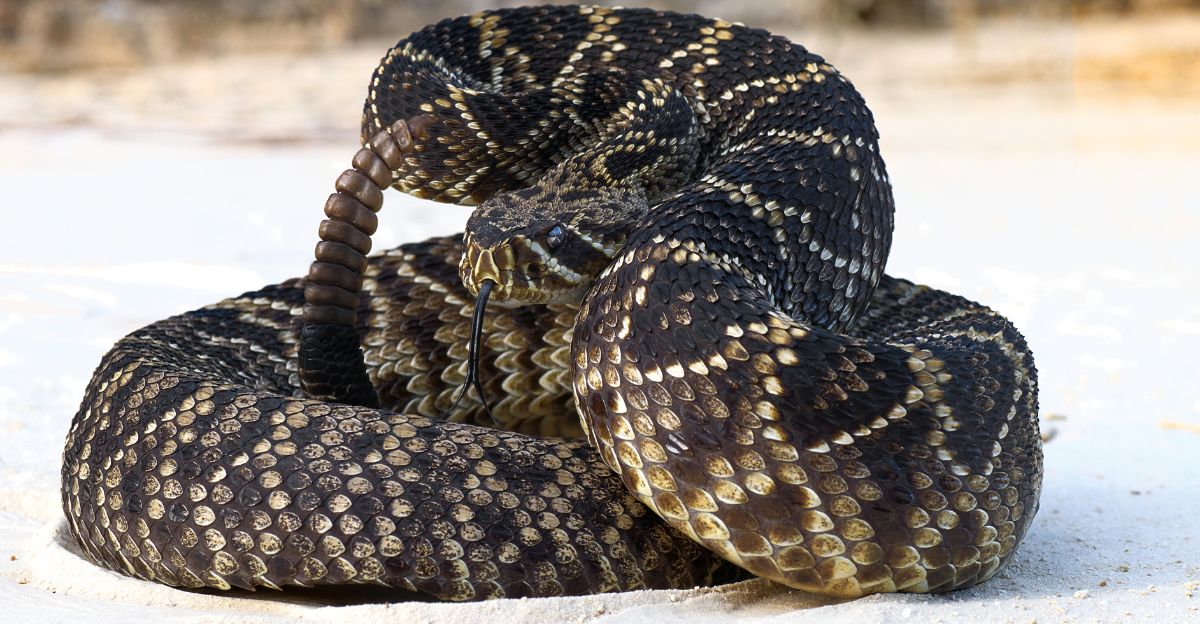
The eastern diamondback, Alabama’s largest and most rare venomous snake, is primarily found in the lower coastal plains and adjoining red hills of the south, where it prefers dry pine flatwoods and longleaf pine-turkey oak hills, often sheltering in gopher tortoise burrows. The pygmy rattlesnake, the smallest of Alabama’s rattlers, rarely attains lengths over 30 inches and is distributed statewide, although sightings increase in late summer.
Its faint rattle can hardly be heard a few feet away, making accidental encounters more probable in grassy or brushy environments.
12. Oklahoma
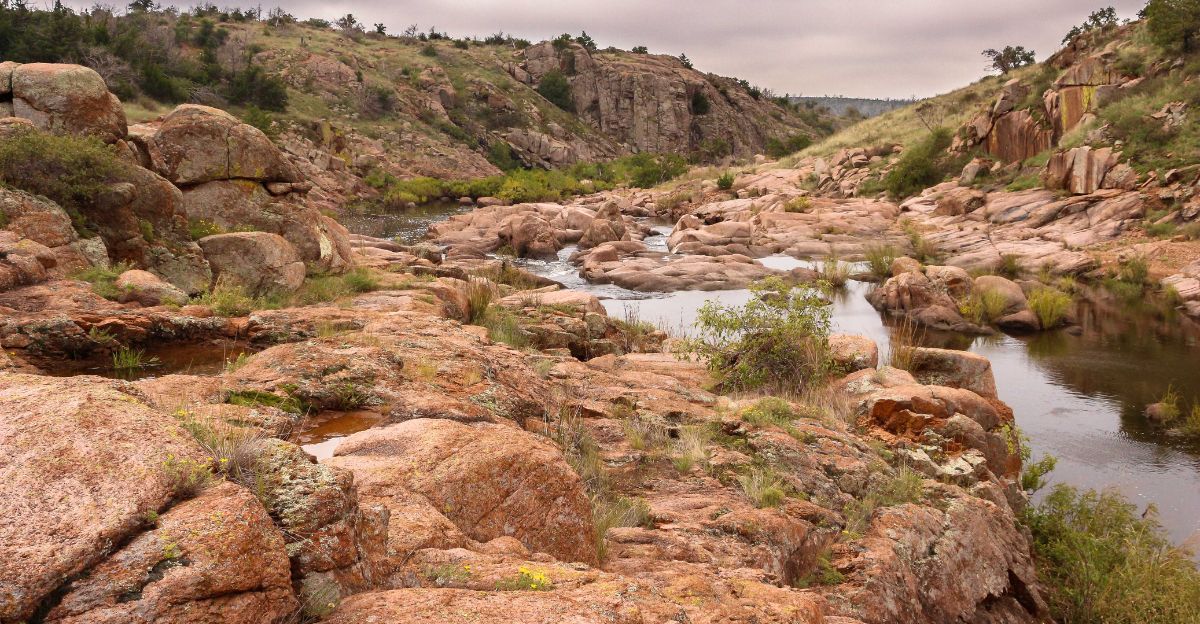
Oklahoma has a dynamic landscape, rolling plains, rocky outcrops, pine forests, and arid bluffs that offer suitable habitat for several rattlesnake species, notably the timber, western diamondback, and prairie rattlesnakes. Outdoor workers, hikers, and ranchers face elevated risk, especially from late spring through early fall, when snakes are most active. Due to Oklahoma’s diverse terrain, rattlesnake encounters are frequent and potentially dangerous.
13. Arizona
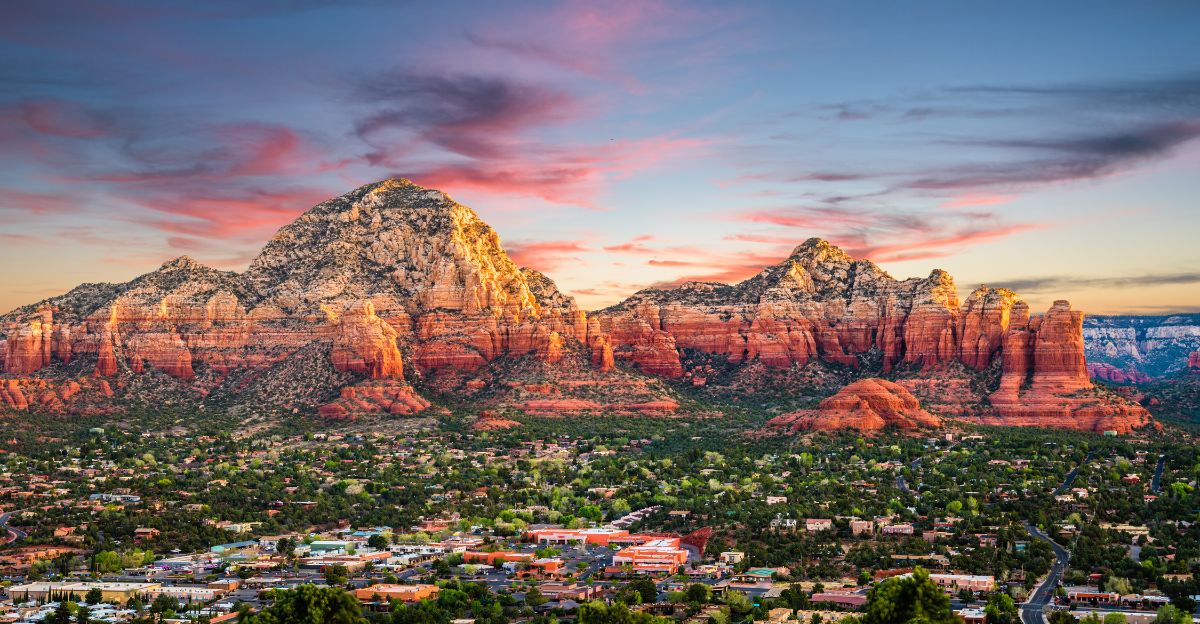
Arizona stands alone as the state with the highest diversity of rattlesnake species in the United States, boasting at least 13 distinct types. This exceptional variety is due in part to the state’s dramatic geography, which spans scorching lowland deserts, lush riparian zones, rugged rocky and slopes.
Encounters with rattlesnakes are not uncommon in Arizona. Outdoor enthusiasts, hikers, and even suburban residents may cross paths with these snakes any time from spring through early fall, when rattlesnakes are most active.
14. Kansas
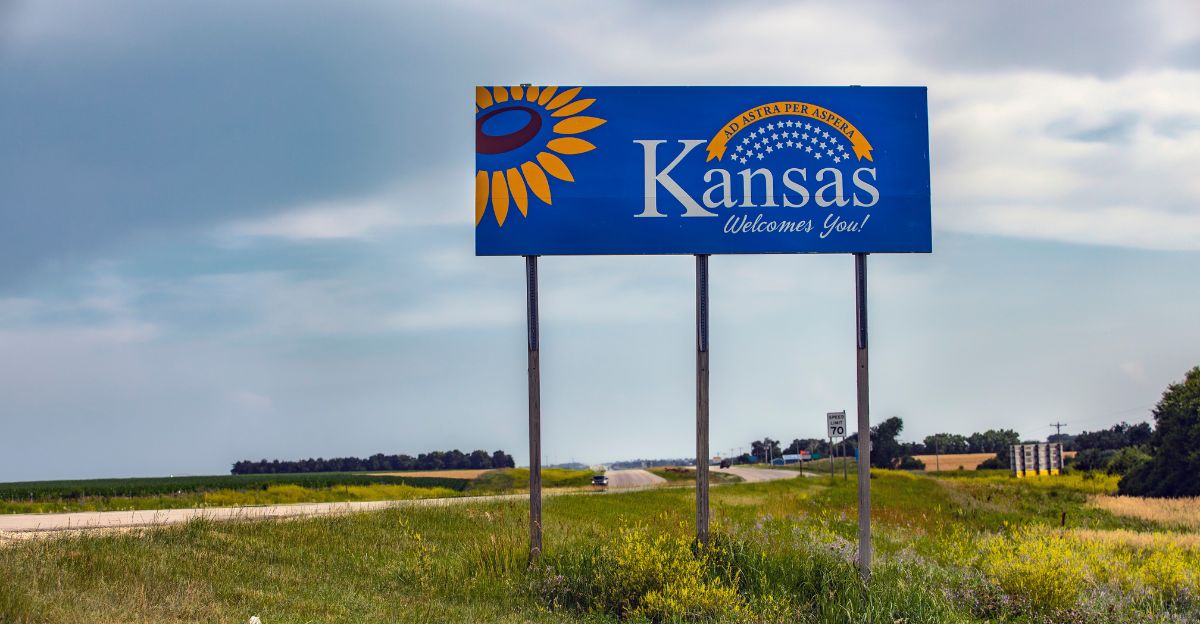
Kansas features a surprisingly diverse rattlesnake population, with four distinct species roaming its grasslands, prairies, and forests. The most notable is the Prairie Rattlesnake, which dominates the western half of the state, thriving in open prairies, rocky canyons, and fields near mammal burrows. This species is especially prominent where vast, unspoiled landscapes provide ample habitat, and it’s commonly encountered by ranchers, hikers, and outdoor workers.
Outdoor activity is deeply woven into Kansas culture, from farming to hiking, which puts residents face-to-face with these elusive reptiles throughout the warmer months. Most rattlesnake bites in Kansas happen when someone steps on or disturbs a snake that is well-camouflaged in its environment.
15. Kentucky
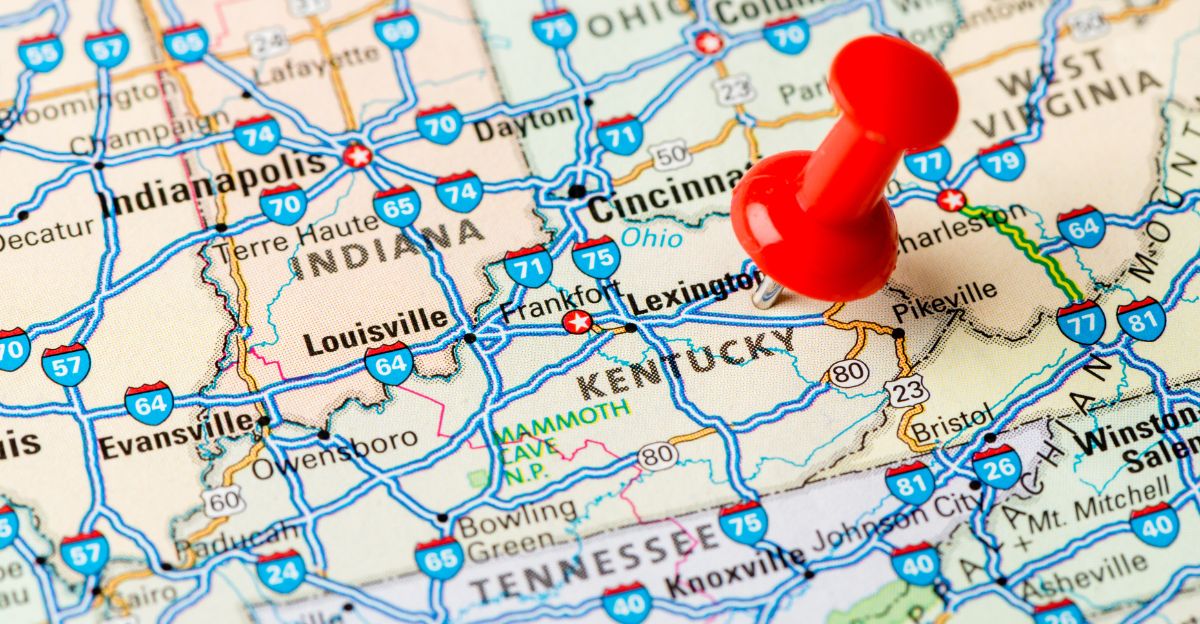
Kentucky offers a diverse and scenic landscape teeming with forests, rocky slopes, wetlands, and rivers, making it an ideal habitat for rattlesnakes, especially the timber and pygmy species. Though rattlesnake bites are rare, peak risk occurs during warmer months when both species are most active, especially in popular recreation destinations like Lake Barkley, Land Between the Lakes, Daniel Boone National Forest, and the Big South Fork National River and Recreation Area.
16. New Mexico
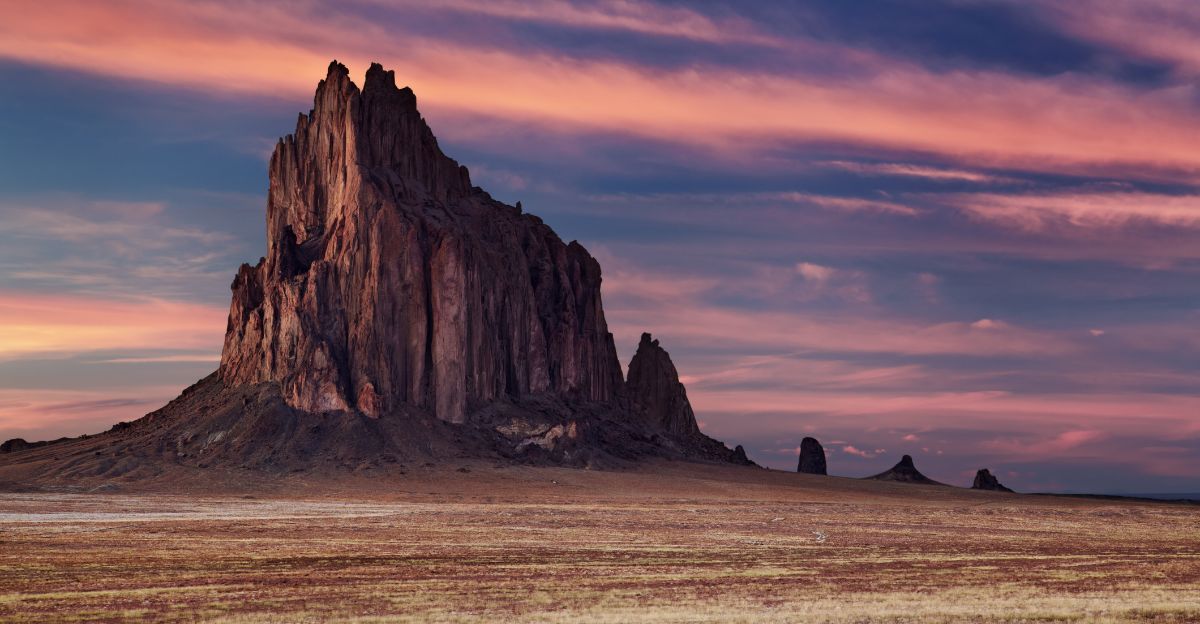
From the rugged mountains and arid grasslands to desert scrub and riparian woodlands, rattlesnakes have mastered almost every ecological niche. The state’s combination of wilderness recreation, agricultural activity, and expanding residential developments into foothill areas means residents and visitors regularly encounter these iconic reptiles, making New Mexico a place where heightened awareness and respect for rattlesnakes are a part of daily life.
17. Tennessee
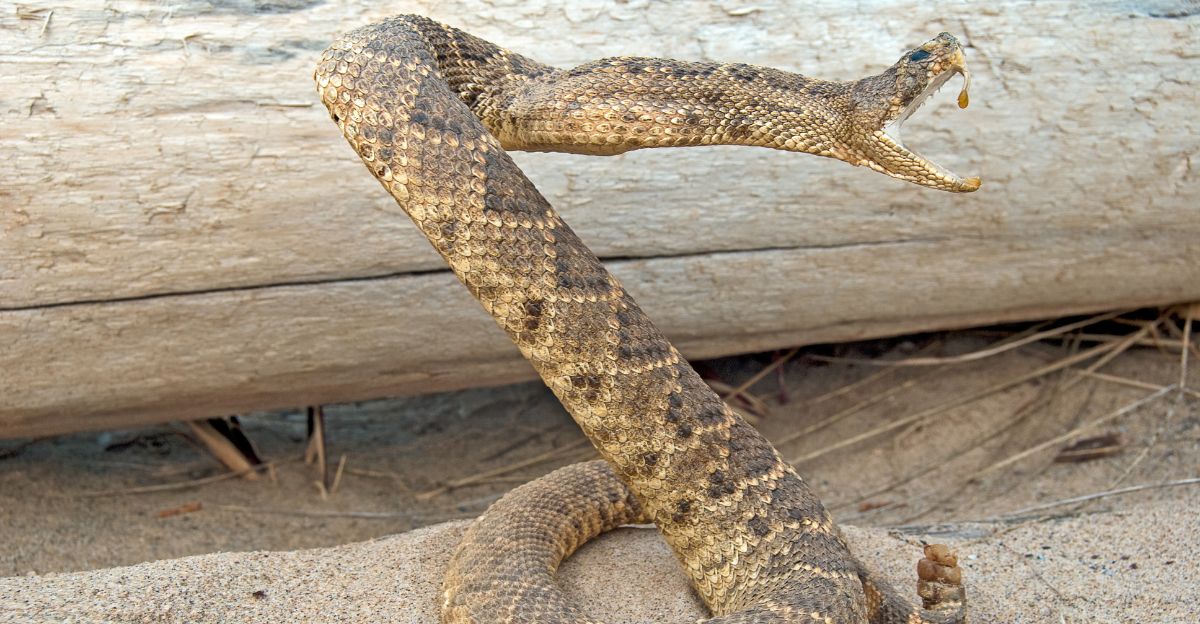
Tennessee is home to two rattlesnake species: the timber rattlesnake and the western pygmy rattlesnake, each thriving in various unique habitats throughout the state. Timber rattlesnakes are most commonly found coiled on south-facing rocky hillsides, densely wooded forests, and near stream corridors, cane thickets, and swamps.
They are the largest venomous snake in Tennessee. They can be spotted in regions such as the Great Smoky Mountains National Park, Cherokee National Forest, Cumberland Plateau, and Big South Fork National River and Recreation Area.
18. Nebraska
Nebraska is home to three species of rattlesnakes, each occupying distinct habitats that reflect the state’s geographic diversity. While most rattlesnakes in Nebraska shy away from humans and strike only out of self-defense, mishaps can occur during outdoor work or recreation; hay cutting, hiking, and new trail routes near traditional den sites have all led to heightened rattlesnake encounters in recent years.
19. Montana
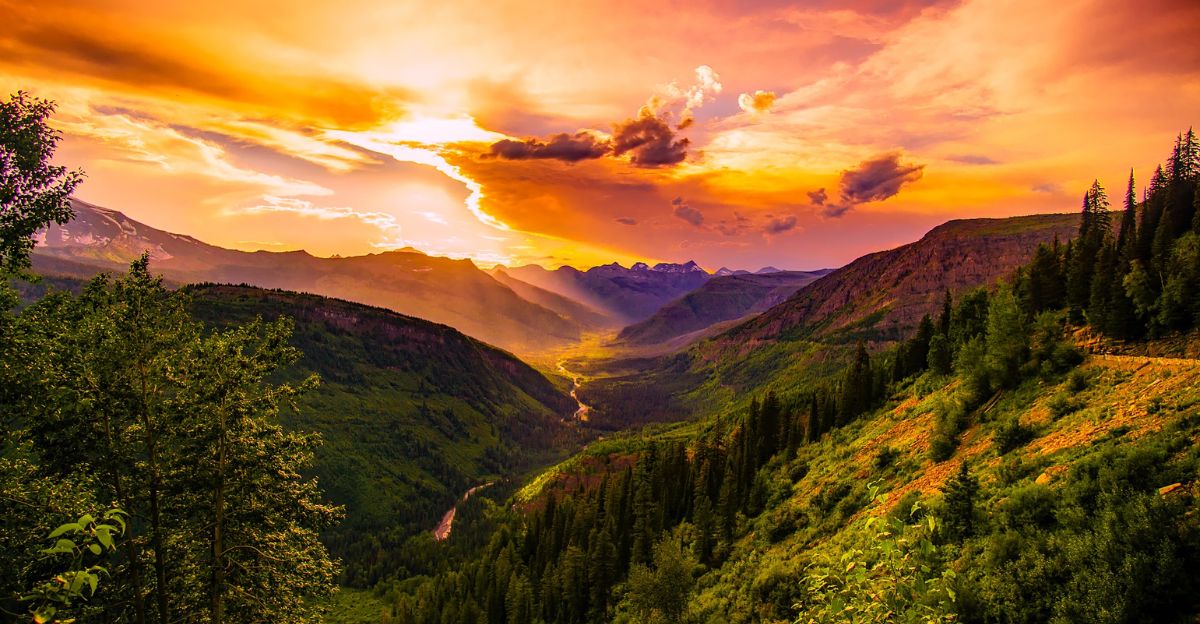
Montana is defined by vast prairies, sagebrush valleys, and rugged foothills, the perfect environment for the state’s only rattlesnake, the prairie rattlesnake. Prairie rattlesnakes favor sun-bathed, south-facing slopes and are often seen basking in the warmth or coiled atop rocks waiting for rodents, rabbits, or other small prey.
While their presence can elicit fear, these snakes are naturally reclusive and usually move away if not threatened. The greatest risk for bites typically comes during late spring and summer, when increased outdoor activity coincides with their most active season.