The landscape of American caffeine consumption is shifting dramatically. In 2025, sweeping tariffs on imported coffee sent prices soaring nationwide, according to CNBC and the Bureau of Labor Statistics.
Retailers saw coffee prices jump 14.5% in July, reaching $8.41 per pound. “We’ve never seen volatility like this,” said Peter Goggi, Tea Association president.
Ripple Effects Hit Home
With tariffs as high as 50% on Brazilian coffee and additional duties on India and Vietnam, American coffee lovers began to feel the pinch.
According to Genuine Origin, U.S. households could pay $2,000 extra annually for hot drinks alone. “It’s a shock that no one prepared for,” noted Kirk, a café manager in Seattle.
Historic Dependence
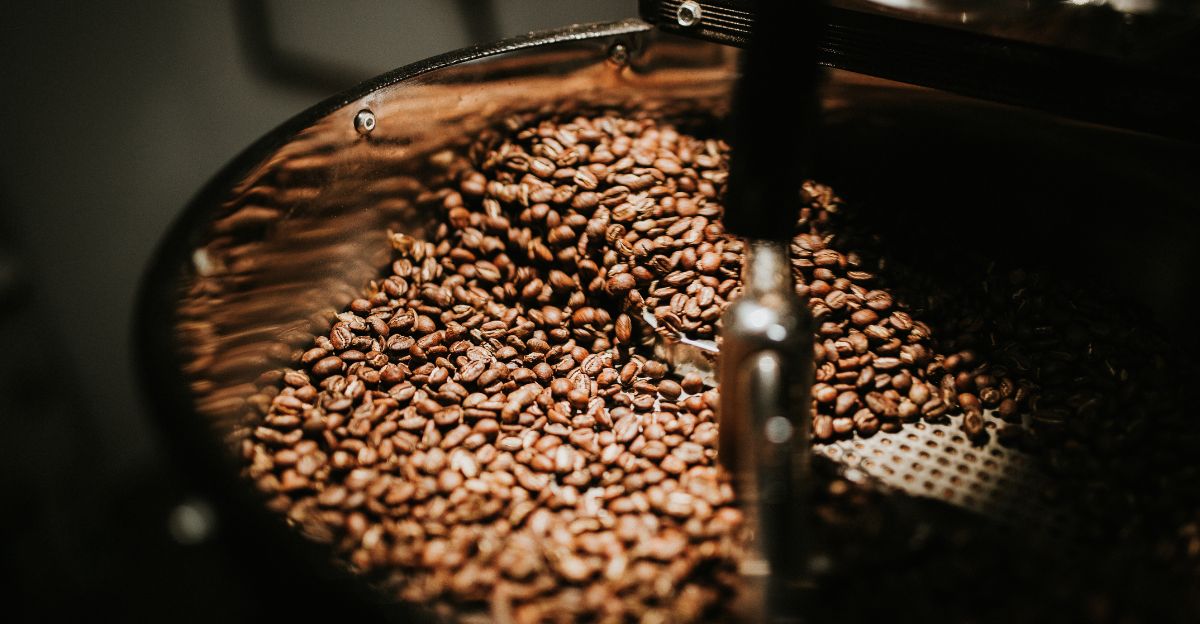
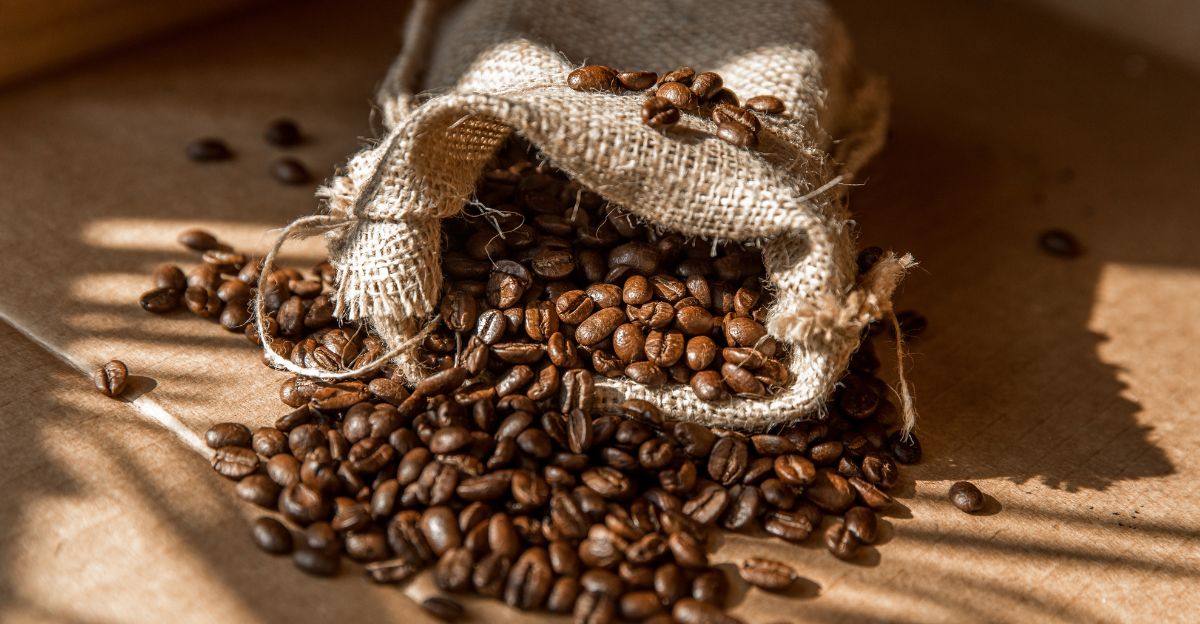
America has long depended on foreign-sourced coffee beans, importing over 25 million bags each year; Brazil accounts for one-third.
“Domestic production can’t fill the gap,” Peter Goggi told policymakers. Imports have been essential for decades, making new tariffs especially disruptive.
Market Pressures Mount
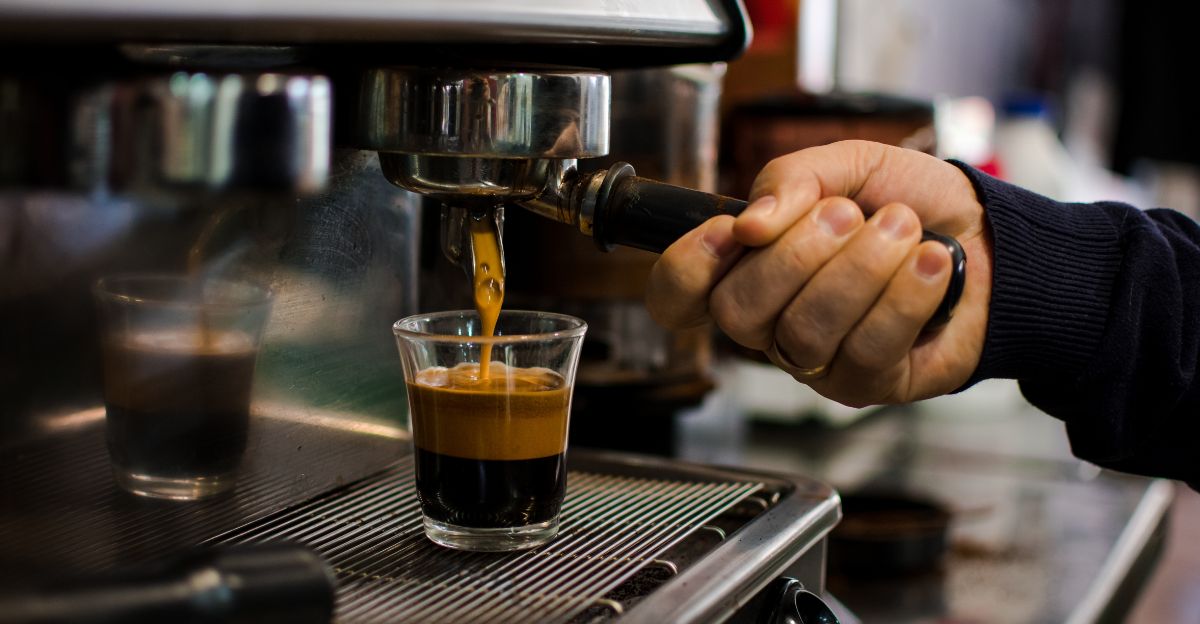
As prices rose, many global brands scaled back U.S. shipments to avoid losses. Specialty cafés saw supply chain headaches and cost spikes.
National Coffee Association data showed an increase in consumers preparing coffee at home—71% in 2025, up from 63% in 2020. Alternatives soon took center stage.
Yaupon Ascends
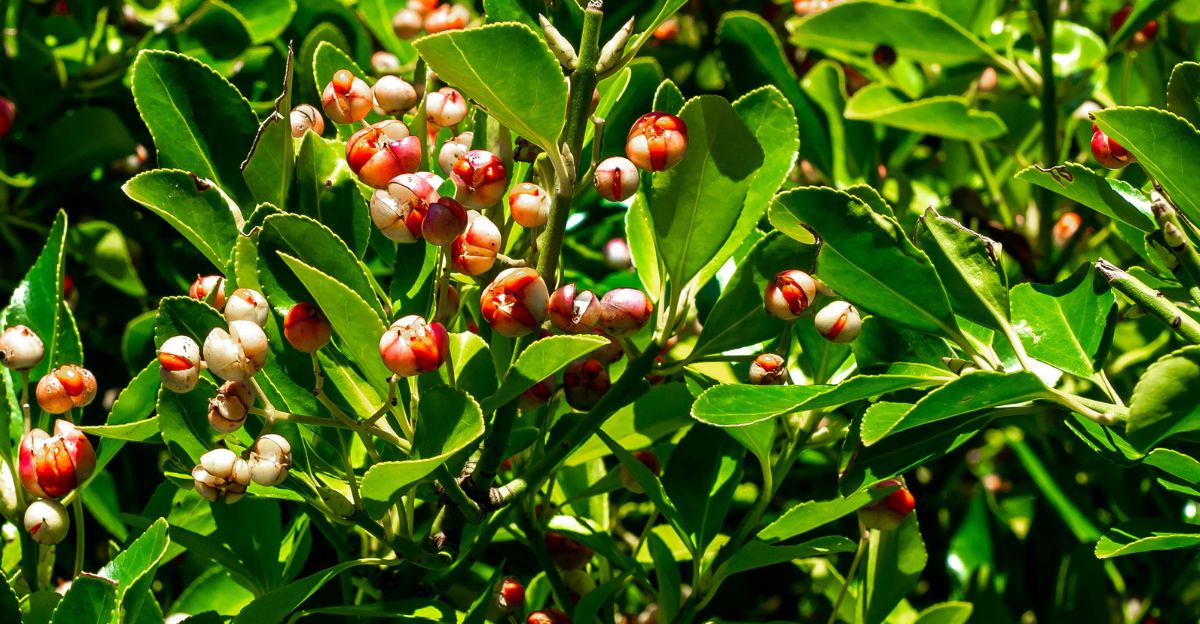
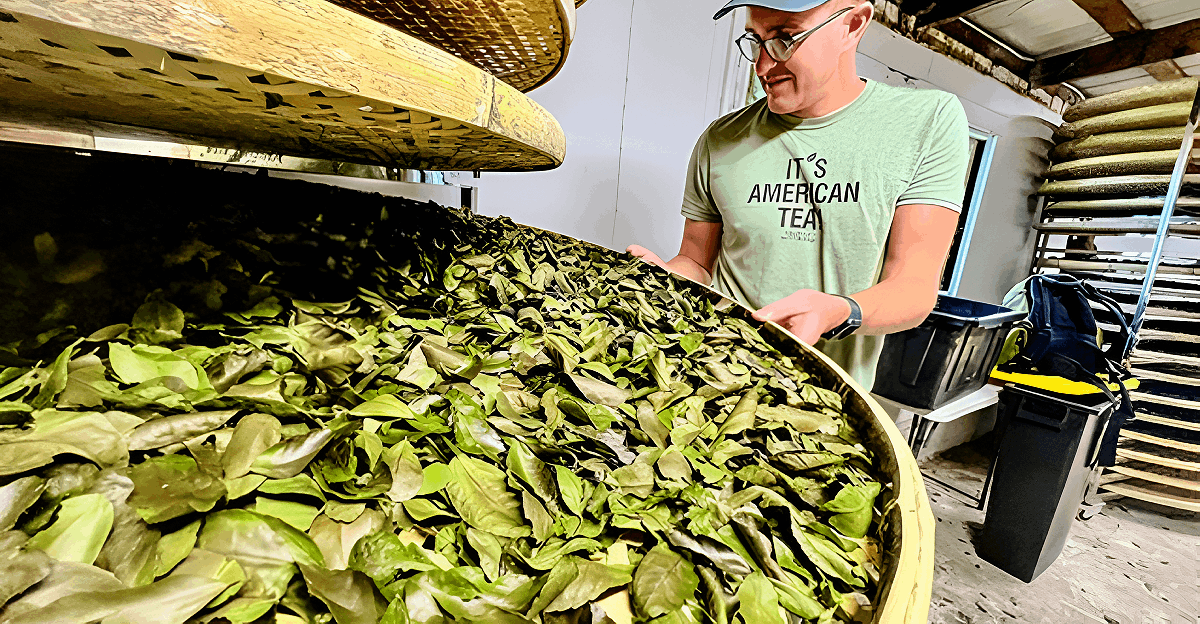
In April 2025, as tariffs hit, American yaupon tea—North America’s only native caffeinated plant—rose from obscurity.
Founders like Abianne Falla of CatSpring Yaupon saw orders surge more than 150%. “Yaupon offers a local, tariff-free solution,” reports The Washington Post.
Southern Surge

Texas and Florida became leading producers almost overnight. CatSpring Yaupon expanded partnerships, sourcing from local ranches.
“Yaupon is a 20-million-acre problem turned opportunity,” Falla notes. Rural economies benefitted, creating jobs and revitalizing neglected farmland.
Helping Communities
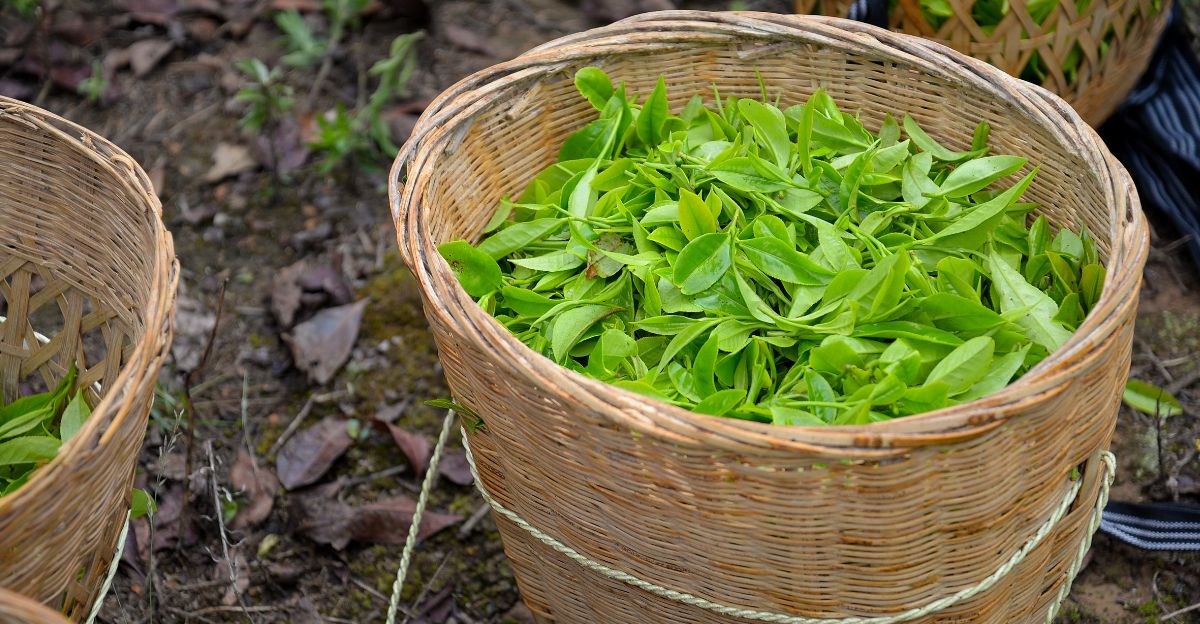
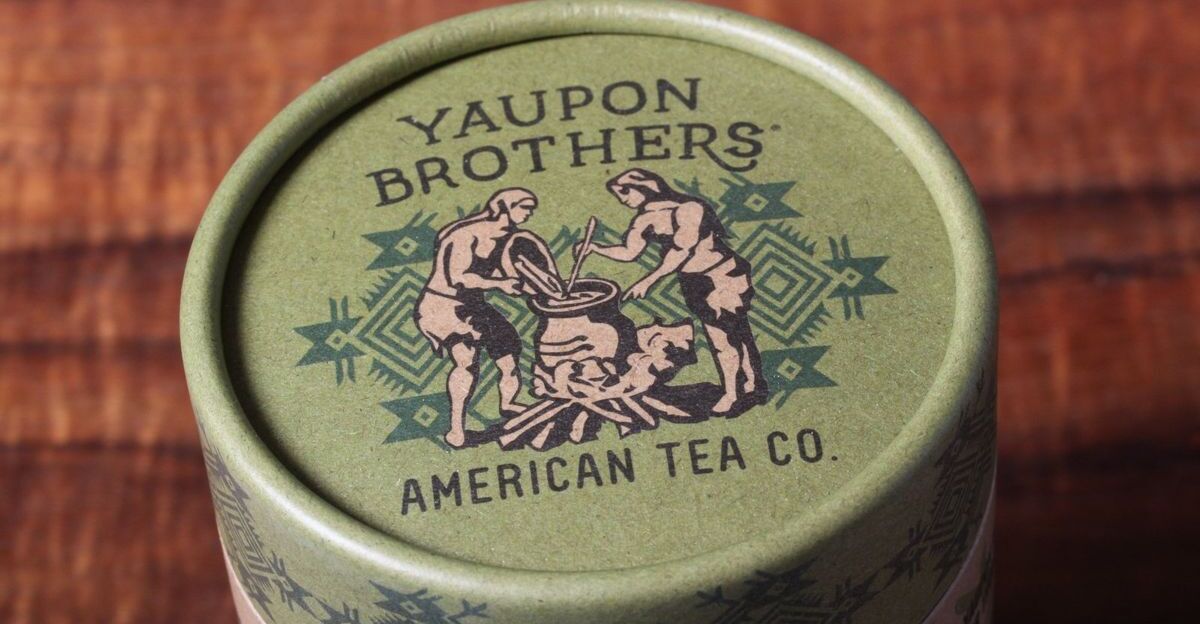
Yaupon Brothers, a Florida-based grower, reported a boom as consumers and retailers experimented with new blends.
“We’re helping our communities and hiring more hands,” said co-founder Bryon White. Consumers described the drink as mild and “pleasantly surprising.”
Industry Response

Tea Association president Peter Goggi called the tariffs “unprecedented,” emphasizing the lack of domestic tea farms.
As imported tea prices followed coffee upward, yaupon filled the gap for both drinkers and retailers. Policy experts flagged the rapid industry adaptation.
Wider Market Trends
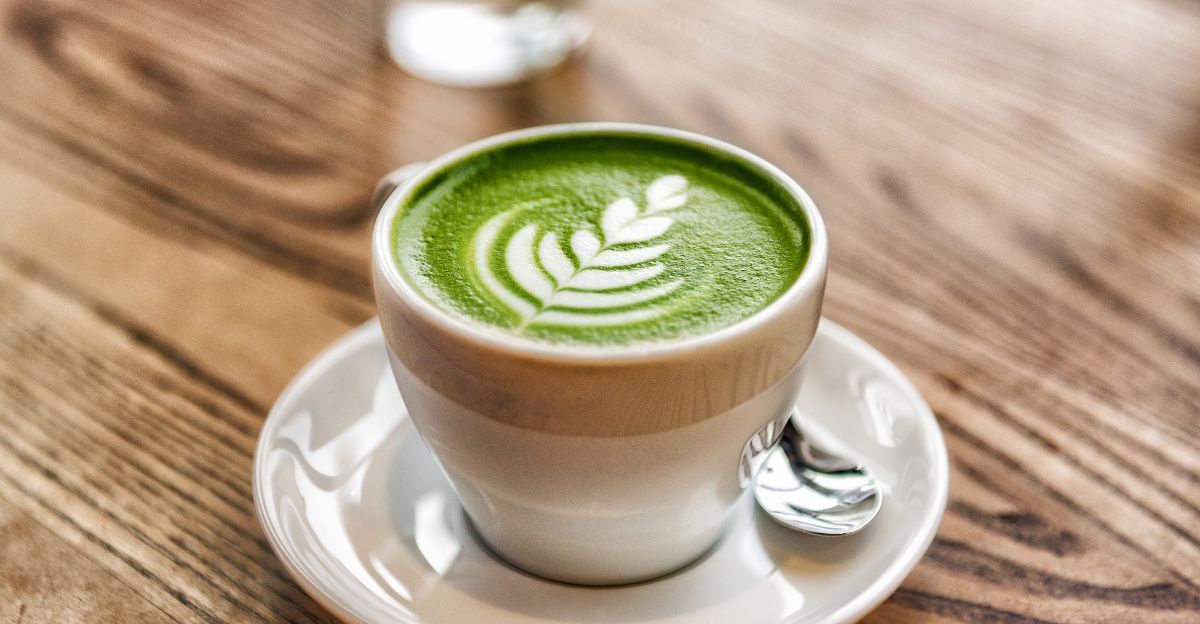
Traditional teas like matcha and herbal blends faced declining sales—organic matcha saw search volumes drop 20%, with consumers sensitive to rising costs.
Yaupon’s unique jitter-free energy and antioxidant profile positioned it for 15–20% annual growth. “It’s a functional and sustainable choice,” noted Accio Business.
Wellness and Heritage

Yaupon’s rise wasn’t just about cost. Touted for wellness benefits and regenerative farming, it embodies centuries-old indigenous traditions.
“Yaupon has a low acid profile and doesn’t get bitter,” explained Bartram’s Garden expert. Market interest grew in antioxidant-rich, locally-sourced products.
Frustration Boils Over

Importers and café owners faced logistical headaches as suppliers navigated shifting tariffs and rising costs. “We’ve rewritten menus and retrained staff weekly,” said Darleen, a Seattle barista. Transparency about pricing became critical as tensions mounted.
Leadership Adapts
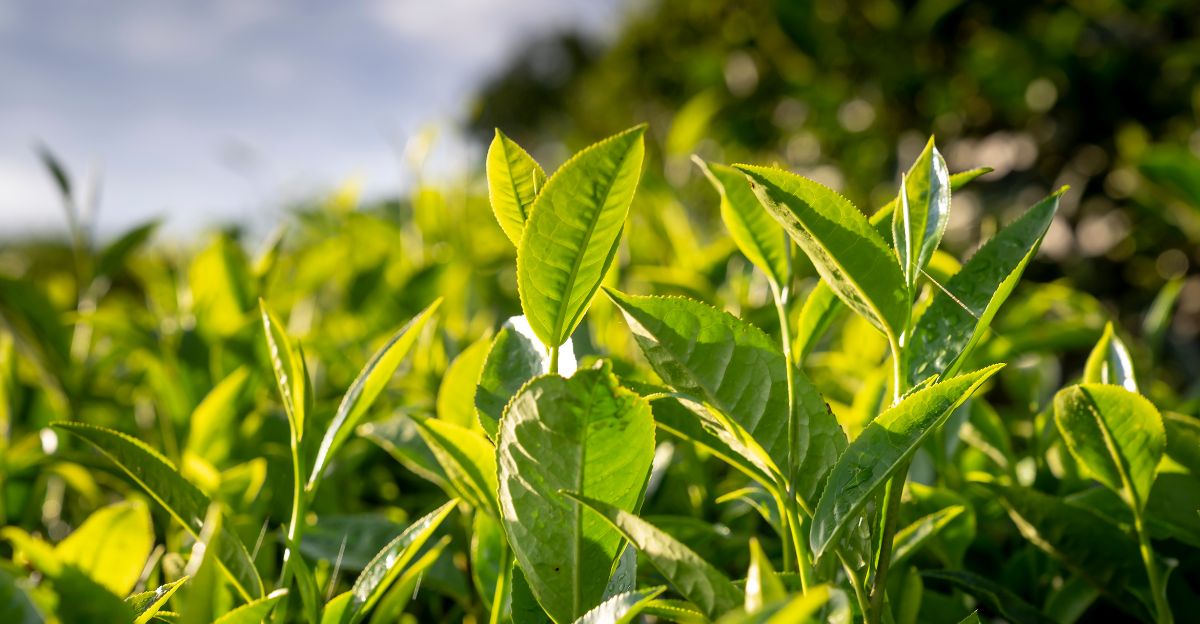
Yaupon industry groups—including the American Yaupon Association—shifted gears, welcoming new leaders and launching e-commerce campaigns.
Networks between growers and urban grocers expanded rapidly. “The momentum is changing everything,” said an industry spokesperson.
The Comeback Trail

Entrepreneurs and ecologists collaborated to revive wild harvesting and sustainable cultivation. Big retailers began stocking yaupon teas, and online sales grew by double digits monthly. Young farmers brought new energy and ideas, aiming for long-term success.
Skepticism Persists
Experts like Christine Folch of Duke University caution that sudden fads can fade: “Novelty wears off,” she said. Some consumers remain loyal to traditional coffees despite cost. Will yaupon’s popularity survive stabilizing tariffs and supply chains?
Looking Ahead

Market analysts question whether demand for local caffeine sources will grow or settle. Investors track exports and homegrown trends.
“Change comes gradually—habits are hard to break,” said Peter Goggi. The coming months will test yaupon’s staying power.
Policy’s Lasting Impact

Trump’s tariff strategy sparked fierce debate, with Senator Rubio and trade experts urging targeted relief. These actions highlight broader tensions in American trade and economic nationalism, raising stakes for global commodities.
International Ripples
Major coffee exporters, especially Brazil, expressed concern and threatened trade retaliation. U.S. companies scrambled to adjust contracts. “It’s unprecedented,” said an exporter, noting new barriers to market entry.
Environmental Upside
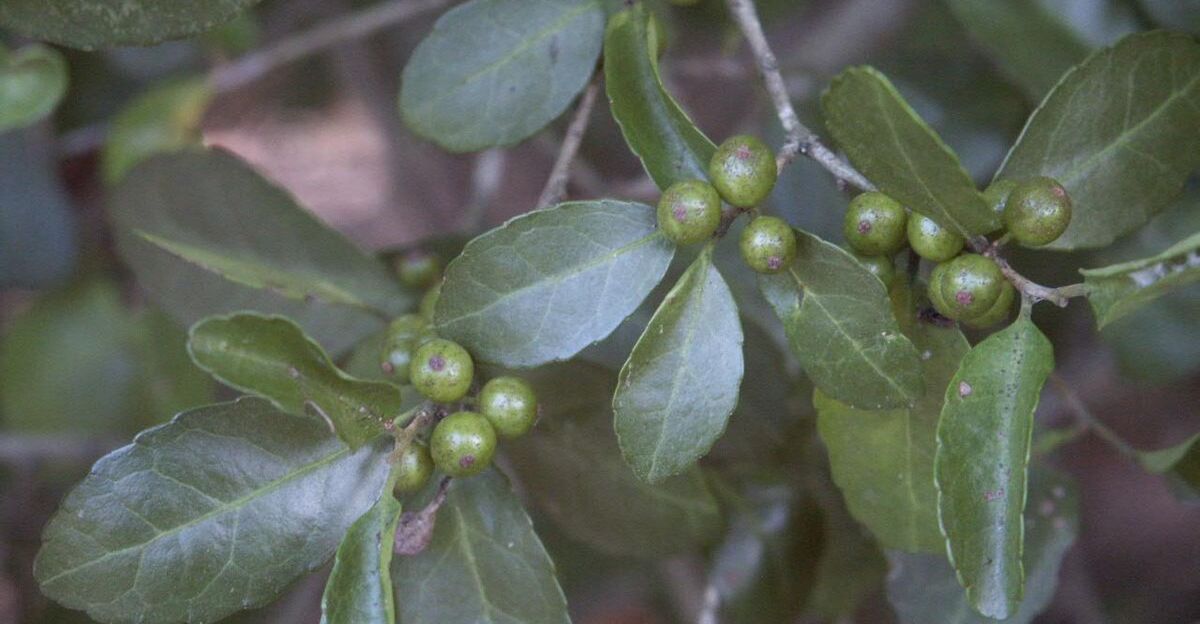
Yaupon’s popularity brought environmental attention. Its drought resistance and low-maintenance profile win praise among sustainability advocates.
“Scaling up could reduce carbon footprints compared to imports,” said a conservation expert, while cautioning about long-term impacts.
Cultural Shifts

Regional pride surged as more Americans rediscovered yaupon. Food historians noted its indigenous roots and cultural importance. “#YauponRenaissance” trended online, signaling a generational embrace of new caffeine habits.
The Big Picture

Yaupon’s meteoric rise amid coffee trade turmoil signals America’s willingness to reinvent traditions under pressure. Experts see lessons in resilience and adaptability as the market stabilizes. Whether temporary or transformative, it’s a story of opportunity unearthed from overlooked roots.