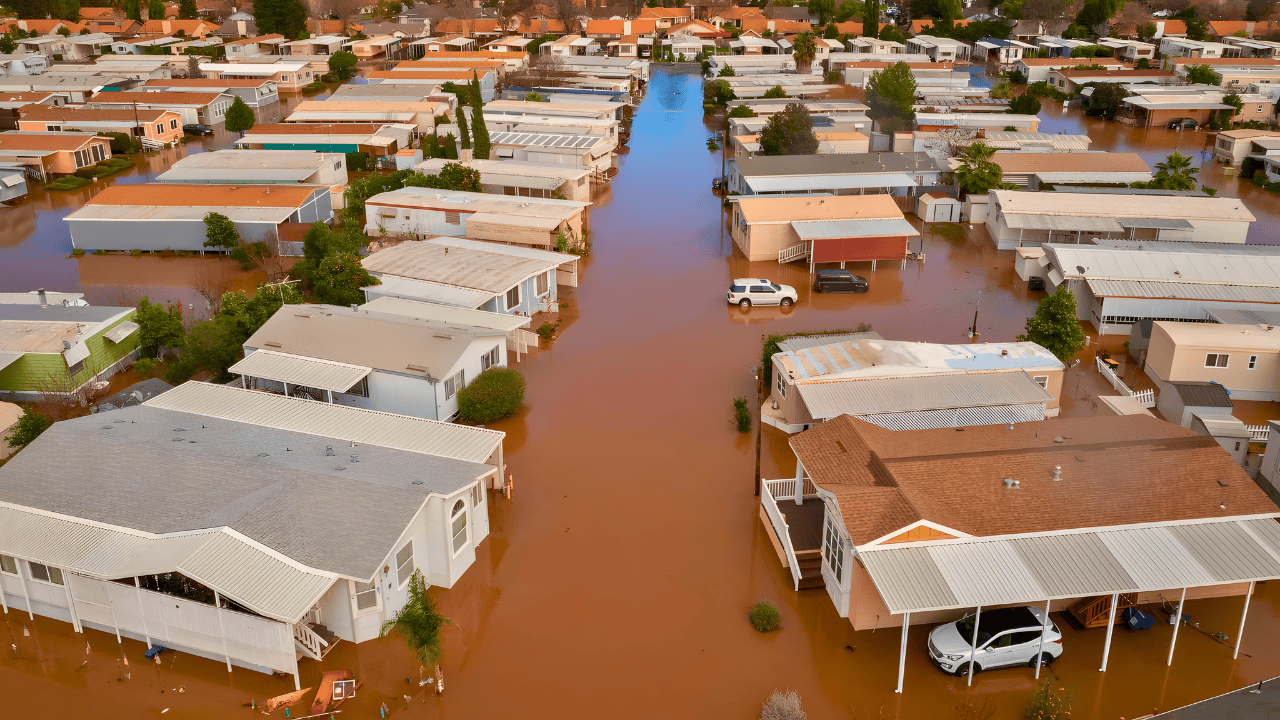
At 10 a.m. on January 3, 2026, pounding rain turned Santa Barbara County into a maze of rising water and blocked roads. Downpours topping an inch an hour triggered mudslides that buried stretches of U.S. Highway 101, stranded motorists and shut down Santa Barbara Airport. By midday, one of California’s key coastal corridors was effectively cut, isolating communities along the Central Coast and testing emergency systems that have faced repeated stress from extreme weather in recent years.
Storm Mechanics and a Saturated Landscape

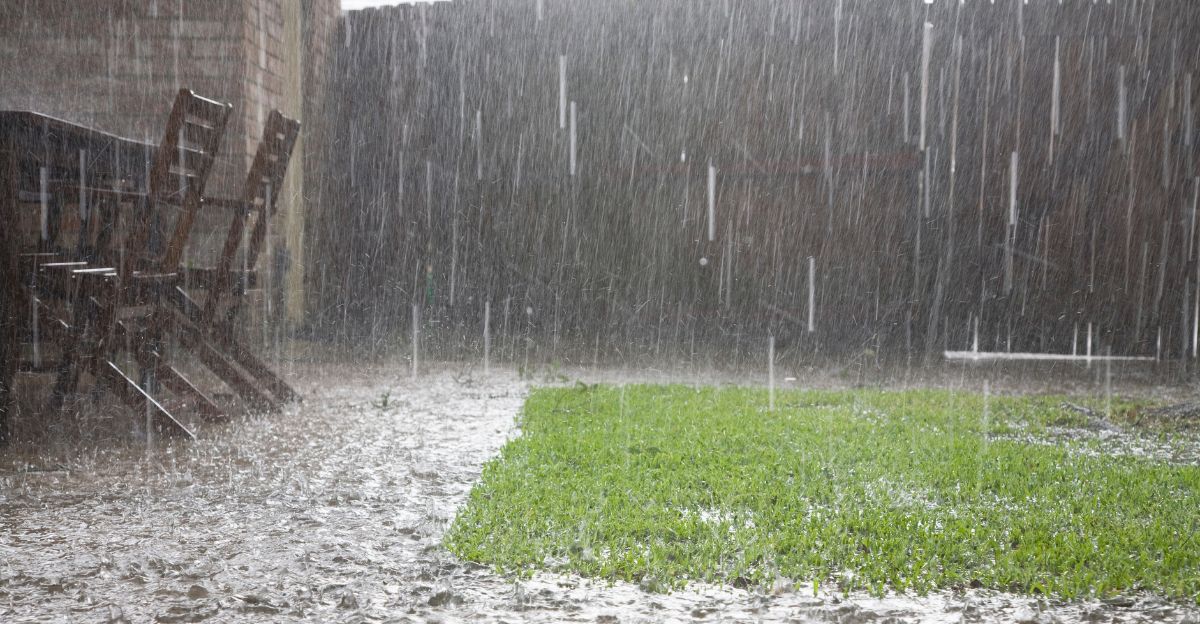
Meteorologists traced the event to an intense atmospheric river, a narrow band of moisture streaming in from the Pacific that stalled over Santa Barbara County. These systems, which can transport enormous volumes of water vapor, are growing more powerful as the climate warms and ocean temperatures rise, increasing the risk of extreme rainfall. The county entered the storm already saturated: by January 2, Santa Barbara had exceeded its typical annual rain total, leaving little capacity in soils and waterways to absorb more water. When the storm arrived, steep hillsides quickly gave way, sending mud and debris downslope and compounding the flooding in low-lying neighborhoods and transportation corridors.
Highways Closed, Airport Flooded
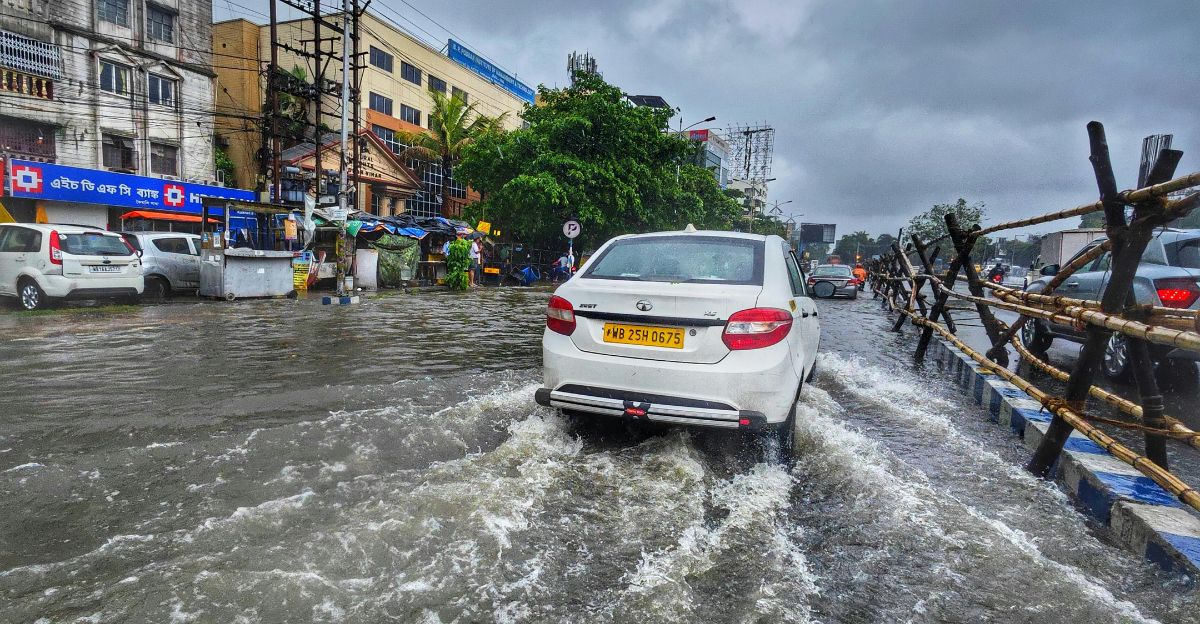
Highway 101 and portions of Highway 1, primary north–south routes on the Central Coast, were shut down for hours as mud and water covered lanes and trapped vehicles. Southbound traffic on 101 was turned around at Gaviota, while northbound drivers were forced off at Winchester Canyon, sending thousands onto lengthy detours over smaller roads or keeping them in place until conditions improved. The closures affected commuters, long-distance travelers and freight carriers, and brought a temporary halt to much of the region’s road-based movement.
Santa Barbara Airport, located in a low-lying area near Goleta, also flooded, forcing its temporary closure and disrupting flights in and out of the region. With both highway and air access constrained, emergency managers contended with a rare combination of transportation outages, even as they tried to move equipment and personnel to the hardest-hit zones. Caltrans crews and local agencies worked through the evening to clear debris and assess pavement damage, and by Sunday morning key highway links were reopened, easing the immediate disruption.
Local Economy Under Strain
The storm’s economic effects rippled quickly through Santa Barbara County. Retailers and service businesses faced disruptions as employees struggled to travel and customers stayed home during highway closures. Restaurants that depend on visitors and pass-through traffic saw reduced activity, and hotels dealt with booking adjustments as travelers could not reach the region or decided to postpone their trips. At the same time, some businesses shifted operations, leaning more heavily on phone orders, curbside pickups and deliveries where roads remained usable, seeking to offset lost foot traffic.
Agriculture, a central pillar of the local economy, faced its own challenges. Fields in lower elevations were vulnerable to inundation, while crops on hillsides were exposed to erosion risk. With highways closed and secondary roads clogged or unsafe, many harvest and field crews could not reach job sites, and some growers temporarily halted operations. Producers of strawberries, wine grapes and avocados also encountered delays moving goods to regional distribution centers and markets. Although shipments resumed after roads were cleared on Sunday, it could take days or weeks for farmers and insurers to fully gauge damage to soils, plants and infrastructure such as access roads and drainage systems.
Human Toll and Emergency Response

As water rose and creeks surged, first responders dealt with a stream of calls related to stranded vehicles, flooded homes and blocked roadways. Some residents in flood-prone areas relocated to stay with family and friends, while emergency managers monitored conditions in neighborhoods below unstable slopes. In Goleta Valley, a rescue attempt in a swollen creek ended in tragedy when a man was swept away and died, underscoring how quickly conditions deteriorated during peak flows.
Local governments and state agencies had pre-positioned some resources ahead of the storm, including swift-water rescue teams and road-clearing equipment. Caltrans mobilized additional crews to remove mud and fallen rock from key corridors, while public information officers pushed frequent updates on closures, detours and weather warnings. The governor’s office made state support available as needed. Despite concern that Highway 101 might remain closed for an extended period, round-the-clock work allowed traffic to resume by Sunday morning, limiting the duration of the most severe transport disruptions.
Preparing for a Future of Climate Extremes
The January storm reinforced the vulnerability of Santa Barbara County and the broader Central Coast to swings between drought and deluge. Recent years have brought extended dry periods, followed by sequences of powerful atmospheric rivers that strain storm drains, levees and hillside communities built in canyons and along creeks. Engineers and planners are reexamining roads, culverts, airports and utility systems to see where upgrades, additional flood protections or different land-use choices may be necessary.
For residents, the flooding served as a reminder to revisit household emergency plans and insurance coverage. Standard homeowners policies generally do not include flood protection, pushing many to consider separate policies through programs such as the National Flood Insurance Program. Emergency management officials advise maintaining supplies sufficient for at least a week, including water, non-perishable food, medications, lights and communication tools, and establishing a family plan in case evacuation orders come with little warning.
Economically, the storm produced clear losers in tourism, transport and some farming operations, while increasing short-term demand for construction, road repair and debris-removal services. Analysts expect the immediate financial damage to remain relatively contained, but repeated events of this kind could erode margins for small businesses and growers and place additional strain on public budgets for infrastructure repair.
As atmospheric rivers become more frequent and intense, Santa Barbara’s experience illustrates the need for communities to adapt on multiple fronts: reinforcing critical structures, improving drainage and early warning systems, protecting people and property in high-risk areas, and maintaining public awareness of changing climate conditions. How effectively the region pursues those steps in the coming years will shape its resilience the next time a stalled storm turns the Central Coast’s main arteries into rivers of mud and water.
Sources:
“Southern California storms slam Santa Barbara, Ventura. Rain through Tuesday.” Los Angeles Times, 3 Jan 2026.
“Flash Flood Warning Issued for Parts of Santa Barbara County as 101 Closes for ‘Unknown Duration’.” Santa Barbara Independent, 3 Jan 2026.
“Santa Barbara Airport Closes Due to Flooding.” Santa Barbara Independent, 3 Jan 2026.
“California man dies after being swept into creek during Jan. 2026 storms.” FOX 11 Los Angeles, 3 Jan 2026.