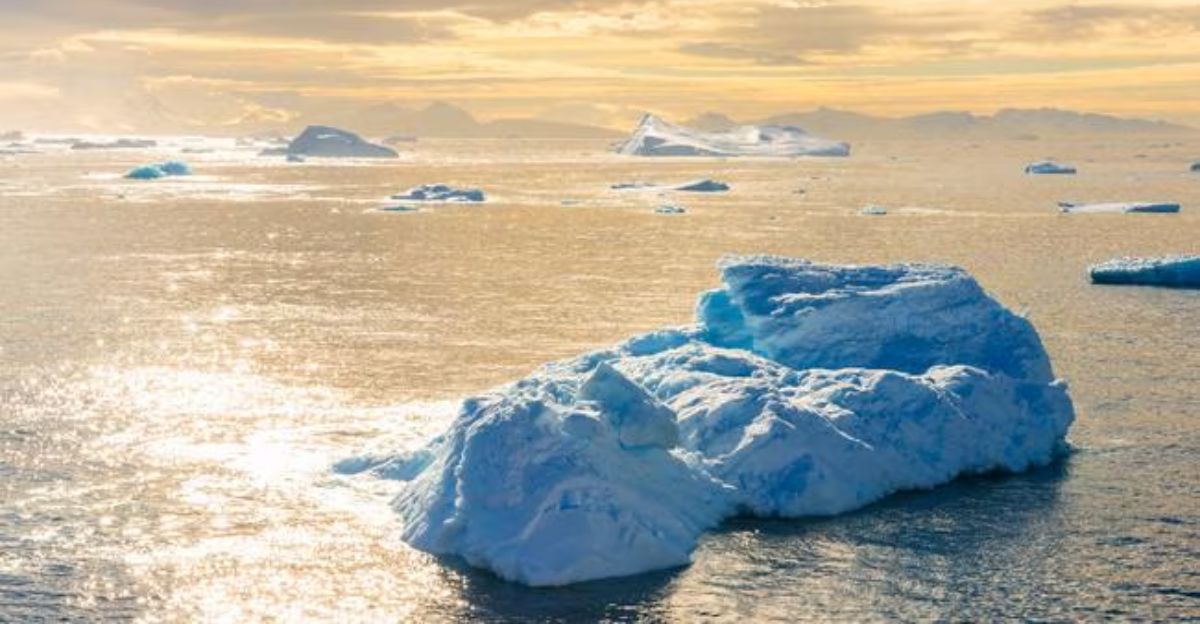
Deep beneath Antarctica’s thick ice, powerful whirlpools of water, called submesoscale eddies are speeding up the melting of the Thwaites Glacier. These spinning water masses, usually no more than six miles wide, pull warm ocean water from the depths and push it right up against the glacier’s base. A study published in Nature Geoscience in December 2024 found that these underwater storms are responsible for about 20% of the ice loss from Thwaites and its neighbor, the Pine Island Glacier, over just nine months.
The eddies form in the Amundsen Sea, on the western edge of Antarctica, where cold glacial meltwater meets the warmer circumpolar deep water that flows around the continent. Unlike slower, large-scale ocean currents, these smaller swirls operate on the scale of hours or days. Because of this short lifespan, earlier climate and ocean models, which tracked only seasonal patterns, had completely missed them. Researchers Yoshihiro Nakayama from Dartmouth College and Lia Siegelman from the Scripps Institution of Oceanography pieced together sensor data and computer simulations to capture how these hidden whirlpools are reshaping one of the world’s most vulnerable glaciers.
The Role of Thwaites Glacier
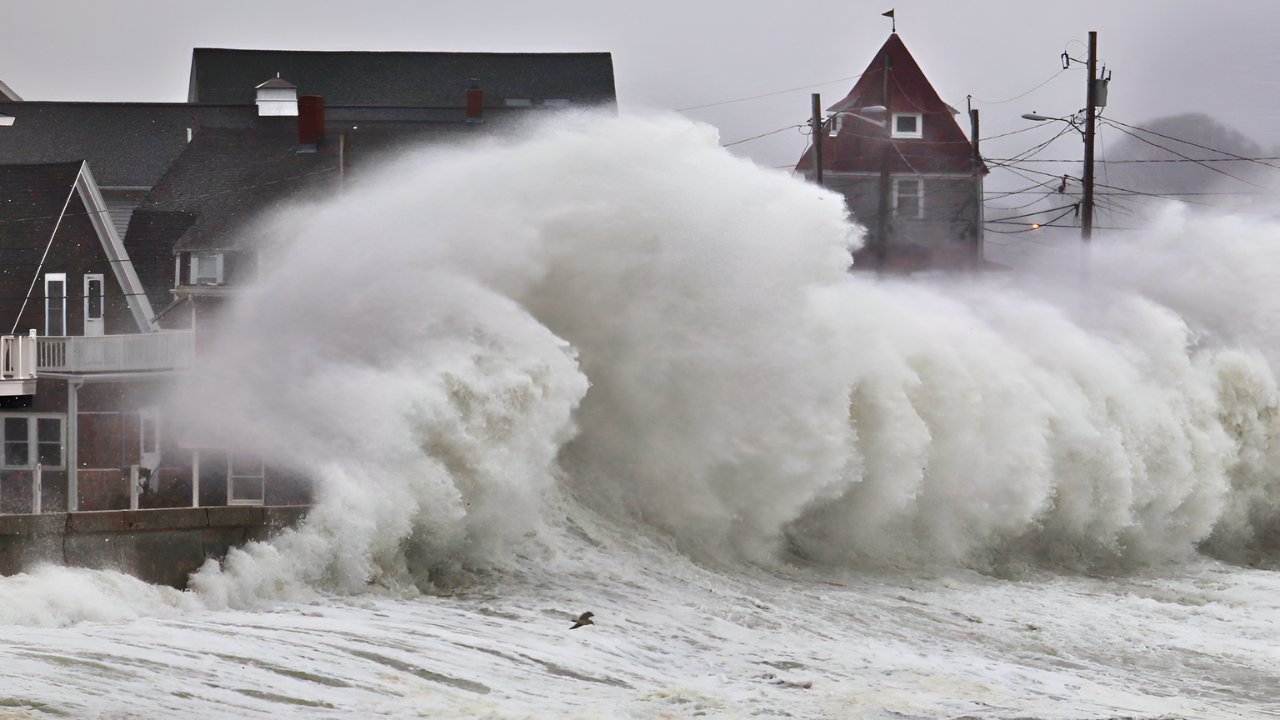
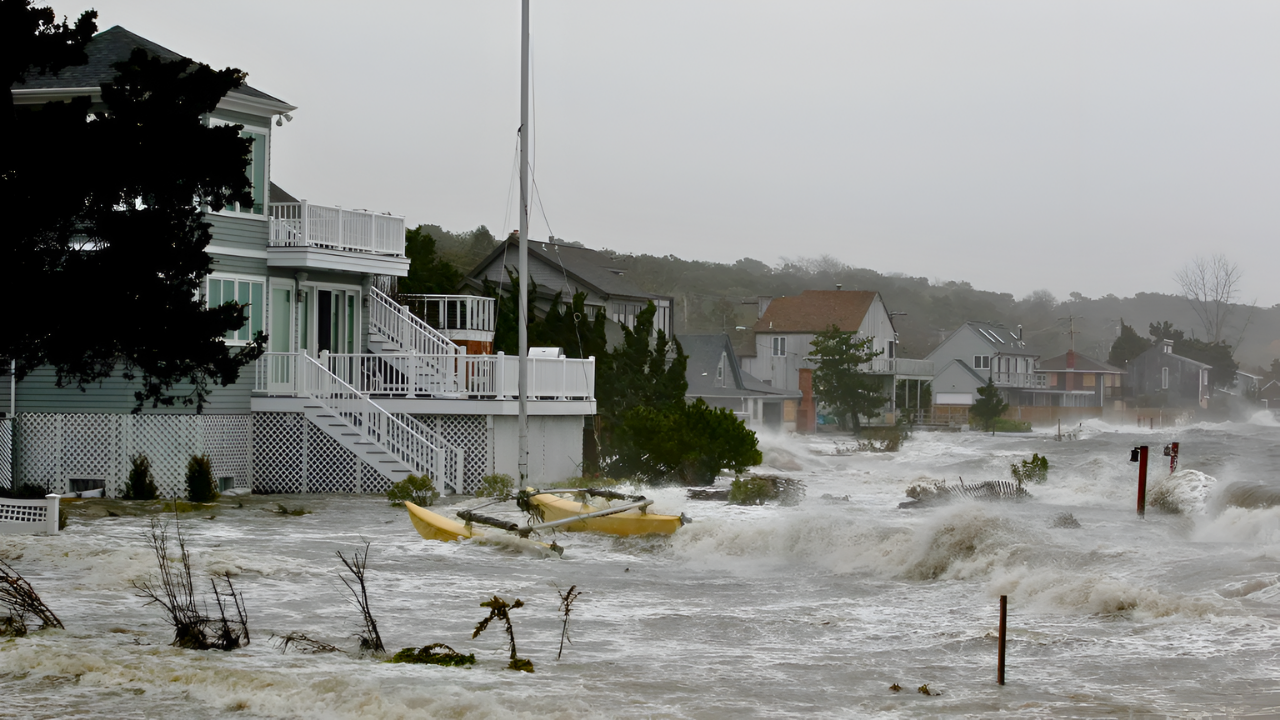
Thwaites Glacier, often called the “Doomsday Glacier,” sits like a massive plug holding back an enormous portion of West Antarctica’s ice. If Thwaites collapses completely, sea levels could rise by more than two feet around the world. And if its collapse triggers the failure of nearby glaciers, such as Pine Island Glacier, total global sea level rise could reach up to ten feet, enough to flood coastal communities across the planet.
The new research shows that these submesoscale eddies are weakening this icy barrier faster than expected. By forcing warm water to the ice base, they are accelerating melting and exposing more of the glacier’s grounding line, the place where the ice meets the seabed. As that line retreats inland, even more ice becomes vulnerable to the ocean’s heat. Scientists estimate that this process could increase ice loss by as much as 20 to 30%, turning Thwaites into an even greater driver of global sea level rise.
A Dangerous Feedback Loop
Every time more ice melts, fresh, cold water pours into the surrounding sea, forming a layer above the denser, saltier deep water below. In theory, this layering should help keep the deep ocean heat away from the glacier’s base. But the eddies act like underwater blenders, stirring these layers together and allowing warm water to reach the ice again. This creates a feedback loop, the more melting occurs, the stronger the eddies become, and the more heat they deliver back to the ice.
This finding helps explain short-term bursts of melting that older models couldn’t account for. Instead of gradual, steady melt, the eddies cause sudden spikes driven by ocean turbulence. As global oceans continue to warm with climate change, scientists fear these eddies will grow stronger and more frequent, potentially forcing Thwaites into an irreversible retreat. Geological evidence suggests such rapid collapses have happened before, even before satellites were around to track them.
The Race to Improve Monitoring
The study led by Nakayama, Siegelman, and co-researcher Marianna Poinelli represents a breakthrough in how scientists study Antarctic ice. By combining limited field data with advanced computer models, they created the first detailed, hour-by-hour look at these small-scale ocean processes. Their work revealed that the short-lived eddies can drive pulses of melting that move far faster than the slow, steady erosion scientists once assumed dominated the region.
Because traditional forecasting tools only measure changes over weeks or months, they miss these fast and powerful events. The team recommends using autonomous underwater vehicles, moored instruments, and robotic gliders to collect real-time data. This would allow scientists to predict melting with greater precision and identify when the system might reach a tipping point.
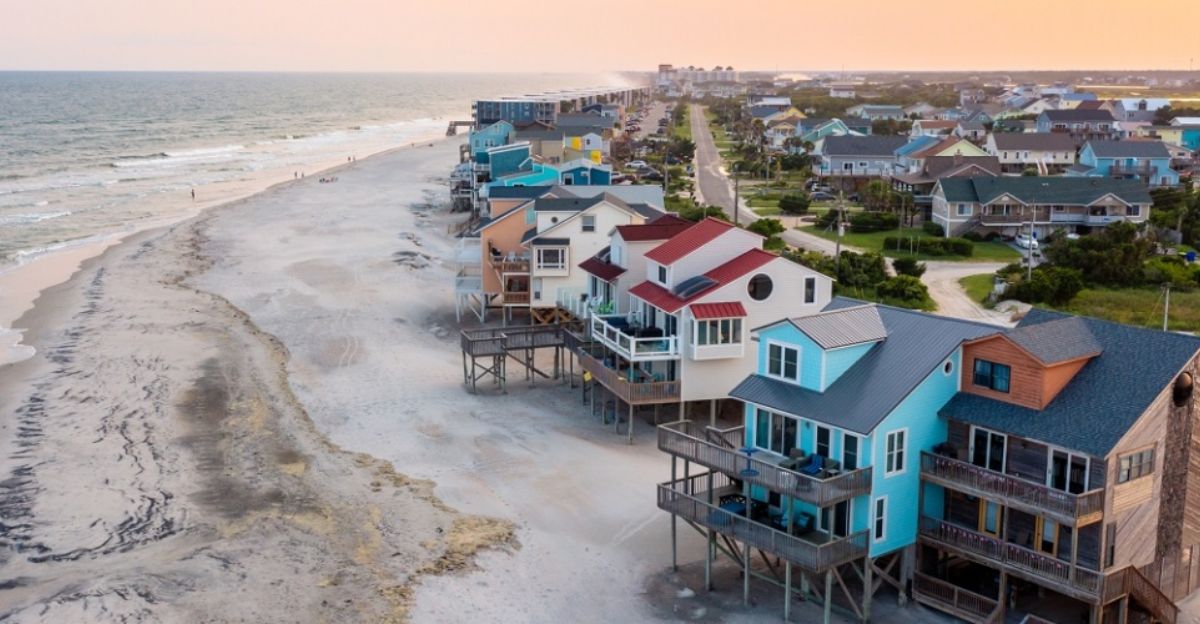
The stakes are enormous. A potential ten-foot rise in global sea level could displace up to 200 million people worldwide. In the United States alone, coastal cities such as Miami, New Orleans, Boston, and New York face $1–2 trillion in property losses. Understanding how and when glaciers like Thwaites might collapse is therefore not just a scientific challenge, it’s urgently practical. Better data and improved models could help governments and communities strengthen flood defenses, manage migration, and prepare for the rising seas that this fragile Antarctic glacier now threatens to unleash.
Sources:
Nature Geoscience, Tipping point in ice-sheet grounding-zone melting due to ocean water intrusion
Nature Geoscience, Rapid retreat of Thwaites Glacier in the pre-satellite era
Phys.org, Antarctic ice loss linked to ‘storms’ at ocean’s subsurface
Climate Adaptation Platform, Thwaites Glacier’s Melting Could Trigger Fatal Sea Level Rise
ABC News, Antarctic glacier retreating at rate 10 times faster than previously measured
Project Censored, Antarctic Ice Sheets Approaching Tipping Point