
Americans pour thousands into car modifications chasing style and speed, only to face voided warranties worth over $30,000, plummeting resale values, and repair bills that spiral out of control. Dealerships report budgets shattering after installs of rims, chips, and exhausts, turning what drivers see as enhancements into mechanical and financial pitfalls.
The aftermarket parts industry pulls in billions yearly, with typical upgrades running $1,000 to $3,000. Owners often overlook how these changes disrupt factory-tuned systems like engines, transmissions, and suspensions, leading to denied warranty claims, $3,000 to $5,000 transmission fixes, and vehicles that prove harder to sell. What begins as a customization thrill frequently ends in regret, as interconnected components fail under untested stresses.
Why Dealerships Steer Clear of Modified Vehicles

Service centers reject modified cars to dodge liability from altered engineering. Factory designs balance timing, response, and wiring precisely; aftermarket swaps introduce variables that baffle diagnostics and invite breakdowns. A single change can ripple across systems, stripping warranty coverage and leaving owners without recourse for repairs.
Even subtle tweaks complicate service, as technicians cannot guarantee outcomes on non-original setups. Dealerships prioritize protecting themselves from failures tied to unapproved parts, stranding drivers with escalating costs.
The Warranty Voiding Chain Reaction

Standard warranties shield $30,000 to $50,000 over three to five years, but upgrades like performance chips, exhausts, or suspensions erase that protection overnight. Manufacturers block liability for failures linked to modifications, no matter the root cause.
A $500 to $3,000 investment pales against a $4,000 transmission overhaul paid out of pocket. Proving a mod did not trigger the issue rarely succeeds, amplifying losses across engine, electrical, and emissions coverage.
Eight Upgrades Experts Flag as Costly Mistakes
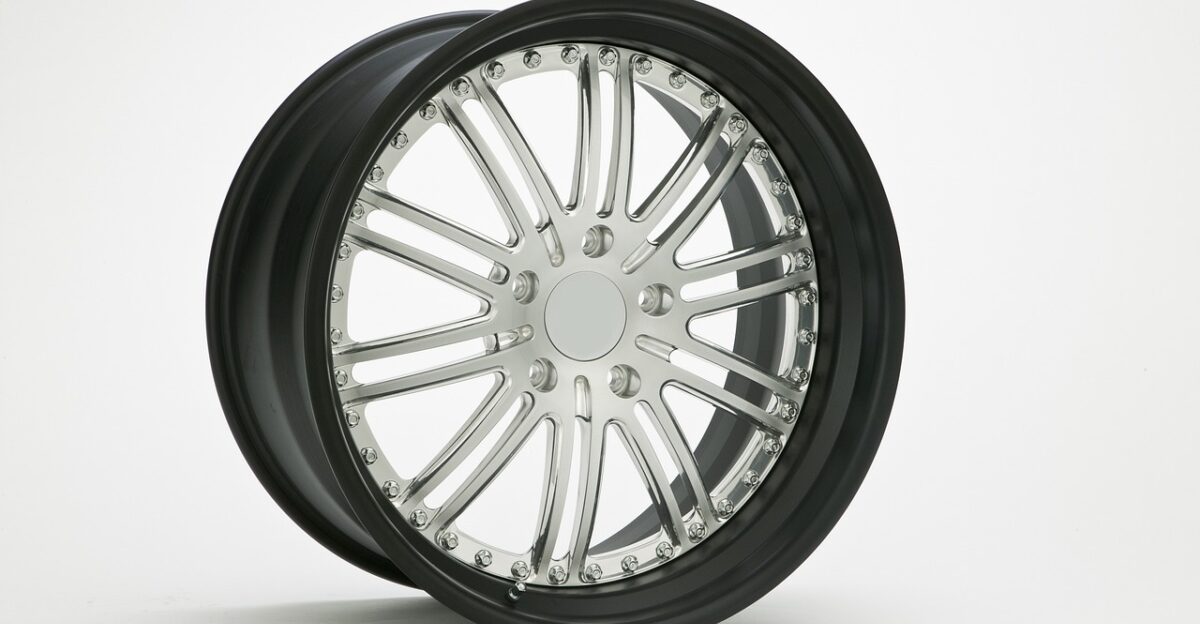
Industry observers highlight common modifications that harm vehicles, void protections, and erode value—items pitched as everyday boosts for looks or power.
Aftermarket rims ($1,000–$3,000) degrade ride quality, speed tire wear via added unsprung weight, and demand pricier specialty tires ($1,000–$2,500), while voiding suspension warranties.
Oversized wheels (20–22 inches, $1,500–$3,000) with low-profile tires bend easily, wear fast, and strain alignments, shocks, and struts, piling on $2,000–$4,000 yearly in tire costs.
Exhaust systems ($2,000–$3,000) draw noise fines ($500–$1,000), risk legal penalties from illegal catalytic changes, and cut efficiency despite promised sound and performance.
Infotainment retrofits for CarPlay/Android Auto ($1,000+) clash with factory wiring, sparking electrical faults or fires, and prompt service refusals.
Performance chips ($500–$1,000) overstress engines, causing $3,000–$5,000 transmission damage and instant warranty loss.
Extended warranties ($1,000–$3,000) offer skimpy coverage on reliable modern cars, with dealers profiting heavily on denied wear-and-tear claims.
Nitrogen tire inflation ($100+) yields trivial pressure stability (1.3 psi yearly edge), yet demands rare refills unavailable at most stations.
Cold air intakes ($200–$500) add just 5–10 horsepower, trigger error codes, void warranties, and drop resale by about $1,000.
Poor installations worsen these issues, as unskilled work on electronics or exhausts leads to $2,000+ fixes without backup.
Smarter Paths Forward
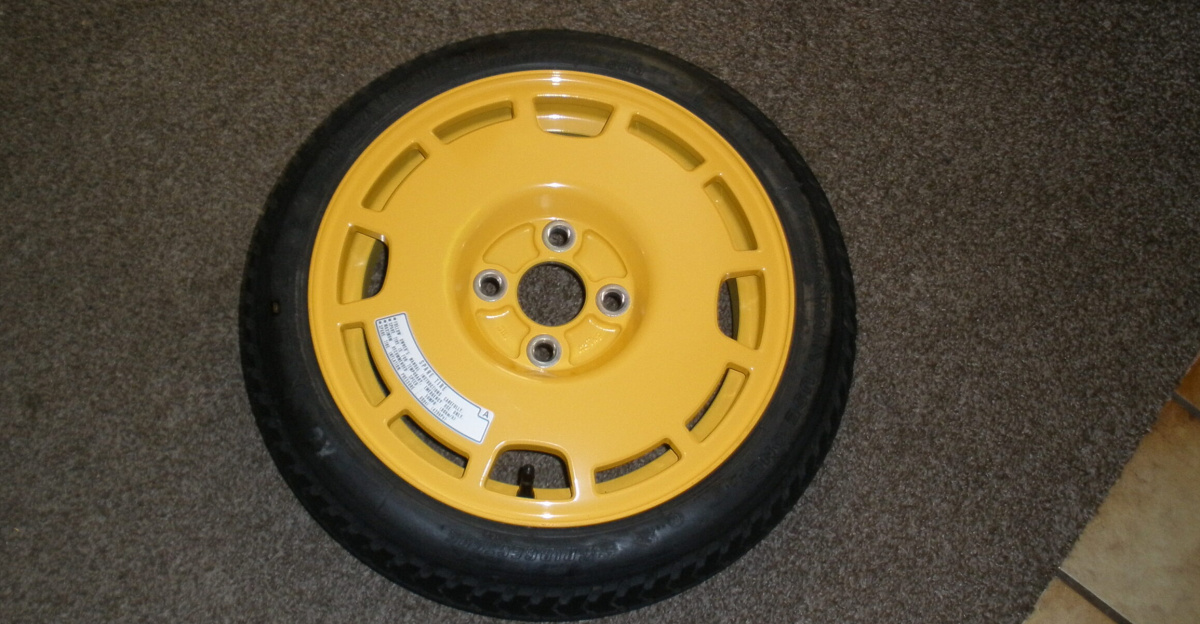
Opt for OEM tires ($1,000–$1,500), driving courses ($300–$500), or factory accessories to boost safety and value without risks. These choices sidestep warranty traps and preserve resale appeal.
Modified cars falter on roads—oversized wheels puncture, chips fry transmissions, exhausts invite tickets—disrupting the engineered harmony of modern vehicles. Resale hits hard too: $8,500 in mods might slash value by $3,000–$5,000, as buyers shun customs for stock reliability. Sticking to maintenance, quality tires, and pro service avoids the true toll of customization: lost warranties, endless repairs, and diminished returns. Owners weighing upgrades must balance fleeting gains against enduring financial and mechanical exposure.
Sources:
I’m a Car Expert: 5 Car Upgrades That Aren’t Worth the Money. GOBankingRates, 2025.
Is an Extended Car Warranty Worth It? Pros and Cons to Consider. Cars.com, May 2025.
What Does a Cold-Air Intake Do, and Is It Worth It? Cars.com, March 2022.
You’ve Been Warned: Buying This Tire Upgrade Is A Waste of Money. Yahoo Lifestyle, November 2025.
12 Ways You’re Wasting Money on Your Car in 2025. Quote.com, September 2025.