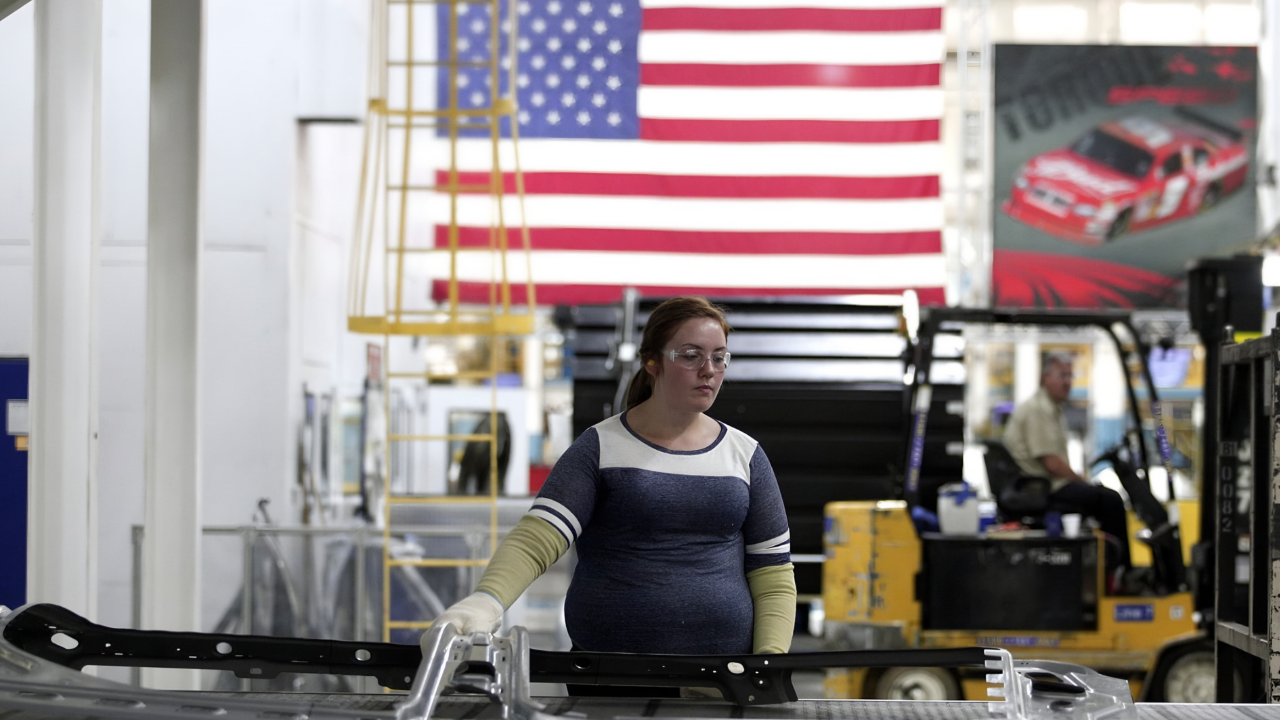
U.S. manufacturing weakened further at the end of 2025, with the Institute for Supply Management’s Manufacturing PMI falling to 47.9 in December, its lowest reading in 14 months and the weakest since October 2024.
Any reading below 50 signals contraction. The decline marked the sector’s 10th consecutive month of shrinking activity, underscoring persistent stress inside factories even as parts of the broader U.S. economy continued to grow.
Contraction Spreads Across the Sector

ISM data showed the downturn broadening sharply in December. About 85% of U.S. manufacturing GDP was in contraction, up from 58% the month before. Even more concerning, 43% of manufacturing output fell into “strong contraction,” defined as industries with PMI readings at or below 45.
This sudden expansion of weakness suggests the slump is no longer isolated to a few industries but has become systemic across factory America.
Tariffs, Rates, and Currency Pressure Combine

Manufacturers cited a toxic mix of higher tariffs, elevated interest rates, and a strong U.S. dollar as key forces suppressing demand. Tariffs raised input costs and reduced export competitiveness, while higher borrowing costs discouraged capital spending.
The strong dollar further eroded overseas demand for U.S. goods. Together, these pressures weighed heavily on new orders, particularly for export-oriented manufacturers already operating on thin margins.
New Orders Signal Ongoing Weakness

The ISM new orders index registered 47.7 in December, remaining in contraction for the fourth straight month and for 10 of the last 11 months overall. Weak order books signal limited near-term relief for factories, as production typically follows demand with a lag.
Panelists reported customers delaying purchases or downsizing orders, reflecting uncertainty over pricing, trade policy, and the broader economic outlook heading into 2026.
Prices Stay Elevated Despite Slump

Even as demand faltered, cost pressures refused to ease. The ISM prices-paid index held at 58.5 in December, marking the 15th consecutive month of rising factory input costs.
Tariffs, higher transportation expenses, and supplier pricing power continued to squeeze manufacturers. This combination—falling orders and stubbornly high costs—left many firms absorbing margin pressure or passing price increases down the supply chain.
Employment Continues to Shrink

Factory employment remained firmly in contraction, with the ISM employment index signaling the 11th straight month of job declines. Manufacturers reported hiring freezes, reduced overtime, and cautious workforce management rather than outright mass layoffs.
Still, with manufacturing accounting for roughly 8.3–8.5% of U.S. employment, prolonged contraction places a significant number of factory workers at risk of reduced hours or job losses.
85% in Contraction Means Trillions at Risk

Manufacturing represents about 10–10.1% of the U.S. economy. With roughly 85% of manufacturing GDP now contracting, an estimated $2.3–2.6 trillion in factory-linked economic activity is under pressure.
While not all of this output disappears, sustained weakness at this scale can ripple outward, weighing on suppliers, logistics firms, equipment makers, and regional economies heavily dependent on industrial production.
Only One Major Industry Still Expanding

Of the six largest manufacturing industries tracked by ISM, only computer and electronic products remained in expansion during December.
Demand tied to data centers, artificial intelligence infrastructure, and advanced electronics provided rare pockets of growth. In contrast, traditional heavyweights such as transportation equipment, chemicals, and fabricated metals continued to contract, highlighting a widening divide between tech-driven manufacturing and legacy industrial segments.
Tariffs Hit Exporters the Hardest

Export-focused manufacturers reported outsized pain from tariffs and currency strength. Higher trade barriers raised final prices abroad, while the strong dollar reduced competitiveness in foreign markets. New export orders stayed in contraction, reflecting softer demand from Europe and Asia.
For many firms, overseas sales once provided a buffer during domestic slowdowns; that cushion has now largely disappeared.
Consumers Pull Back on Goods

Higher borrowing costs and elevated prices pushed U.S. consumers away from manufactured goods and toward services such as travel and entertainment. Durable goods purchases—appliances, vehicles, and home improvement items—were increasingly delayed. This shift further reduced factory demand, reinforcing the downturn.
Manufacturers noted that even promotional pricing struggled to revive volumes amid cautious household spending behavior.
Inventory and Production Stay Subdued
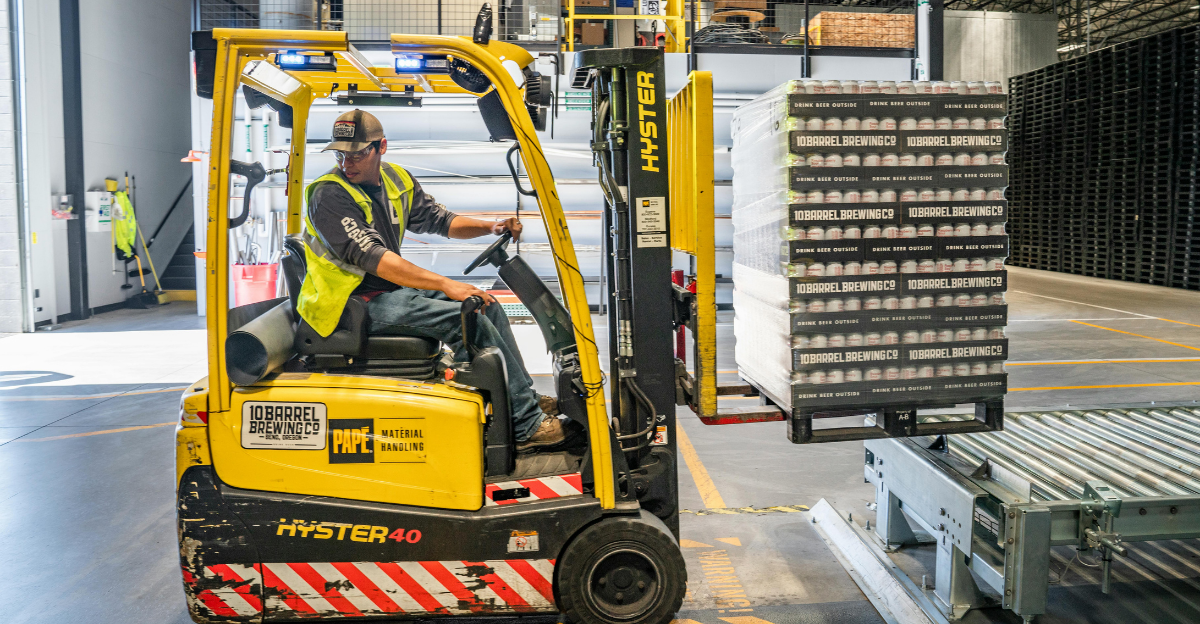
Weak demand kept factory output and inventories under pressure. Manufacturers limited production runs to avoid excess stock, while customers worked through existing inventories rather than placing new orders.
This cautious stance helped prevent a glut but also constrained revenue growth. The feedback loop between low orders, restrained production, and hesitant restocking contributed to the sector’s prolonged contraction.
Regional Pain Spreads Unevenly

Industrial regions in the Midwest and South felt the slump most acutely, particularly areas reliant on autos, machinery, chemicals, and basic materials. Smaller manufacturers reported less pricing power and fewer options to absorb tariff-related costs.
While some large firms diversified sourcing or passed costs along, smaller plants often faced sharper margin compression and greater vulnerability to further demand shocks.
Adjacent Industries Feel the Spillover

Manufacturing weakness spilled into transportation, warehousing, and industrial services. Fewer factory orders meant reduced freight volumes, lower equipment utilization, and softer demand for maintenance services.
Suppliers of raw materials and intermediate components saw orders scaled back. These knock-on effects amplified the economic impact beyond factory floors, affecting a wider ecosystem tied to industrial activity.
Strong Dollar Reshapes Global Trade

The strong U.S. dollar compounded tariff effects by making American goods more expensive overseas. International buyers increasingly turned to alternative suppliers in Asia and Europe.
This shift weakened U.S. trade balances in manufactured goods and reduced capacity utilization at domestic plants. Manufacturers warned that regaining lost market share could take years, even if trade conditions eventually improve.
Inflation Risks Linger

Despite slowing production, persistent input-cost inflation raised concerns about goods-driven price pressures lingering into 2026.
Manufacturers faced a dilemma: absorb higher costs and risk losses, or pass them to customers and further suppress demand. This tension complicates broader inflation management, as factory-level price pressures can filter into consumer prices even during periods of economic cooling.
Data Centers and Chips Buck the Trend

The expansion in computer and electronic products stood out as a bright spot. Investment tied to data centers, artificial intelligence, and semiconductors continued to flow, supporting production and employment in these niches.
Large, long-term capital commitments insulated these segments from short-term demand swings, underscoring how structural technology trends are reshaping parts of U.S. manufacturing even amid widespread contraction.
Markets Watch New Orders Closely
Investors and analysts increasingly focused on new orders as the key signal for any turnaround. Without a sustained rebound in demand, production gains are unlikely to last.
Equity markets reflected this divide, with traditional manufacturing stocks lagging while technology-linked industrial firms fared better. Expectations now hinge on whether policy changes can revive orders early in 2026.
Policy Debate Intensifies

The deepening slump reignited debate over tariffs, reshoring, and industrial policy. Supporters argue tariffs protect domestic capacity, while critics point to higher costs and weaker demand. ISM respondents frequently cited tariffs as a drag on both orders and margins.
Policymakers face pressure to balance strategic goals with the immediate economic strain facing manufacturers.
2026 Outlook: Relief or Prolonged Pain?

Potential interest-rate cuts and easing trade tensions could provide modest relief in 2026, but risks remain high. With new orders still contracting and employment shrinking, manufacturers warn that recovery will require clear improvements in demand.
ISM officials emphasize watching order flows and pricing trends as the clearest indicators of whether the sector can stabilize or slides deeper.
A Slump With Economy-Wide Consequences

The manufacturing downturn now stretches well beyond factory walls. With 85% of manufacturing GDP in contraction, rising costs, shrinking employment, and weakened exports pose risks to households, regional economies, and supply chains.
The December data underscore how tariffs and financial conditions can amplify stress, revealing vulnerabilities that headline GDP figures often fail to capture as 2026 begins.
Sources:
- Reuters, 2026-01-05
Publication: Reuters
Article Title: “US factory sector contracts for 10th straight month in …”
- ISM via Supply Chain Dive, 2026-01-05
Publication: Supply Chain Dive
Article Title: “US manufacturing activity drops to lowest point of 2025: PMI”
- Trading Economics, 2026-01-05
Publication: Trading Economics
Article Title: “United States Manufacturing PMI”
- ARC Advisory Group, 2026-01-06
Publication: ARC Advisory Group
Article Title: “US Manufacturing Activity Remained in Contraction …”
- Supply Chain Dive, 2026-01-05
Publication: Supply Chain Dive
Article Title: “US manufacturing activity drops to lowest point of 2025: PMI”
- ISM via ABA Banking Journal, 2026-01-05
Publication: ABA Banking Journal
Article Title: “ISM: Manufacturing sector contracted in December”