
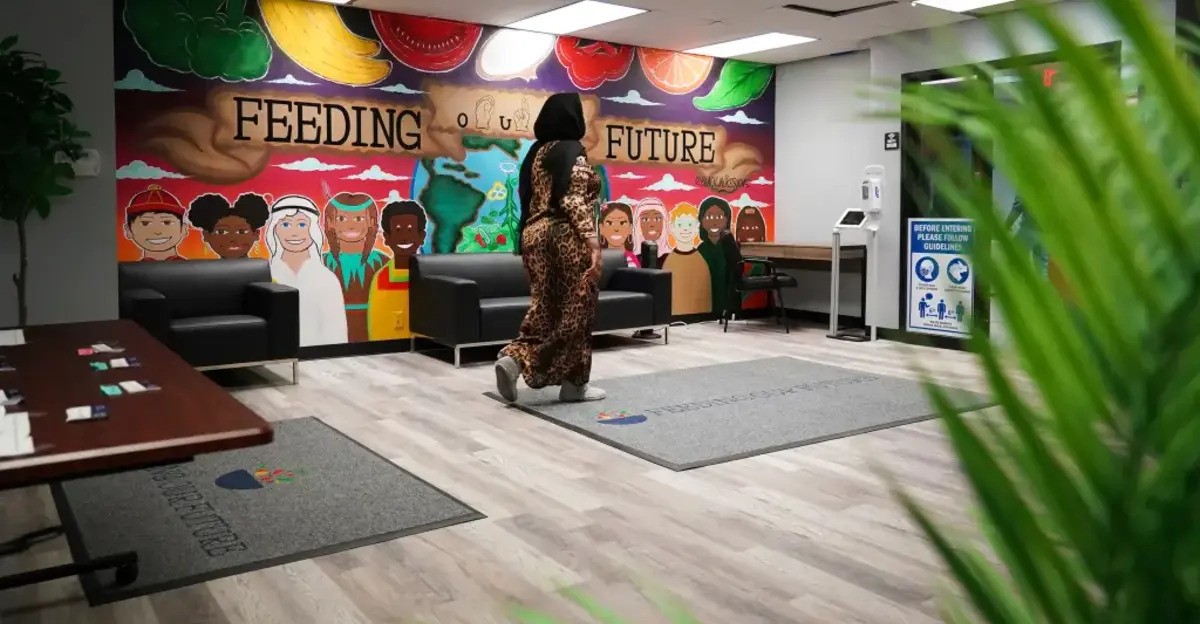
Federal child nutrition funds totaling nearly $250 million vanished during the COVID-19 pandemic in Minnesota. Nonprofits and sham sites claimed reimbursements for 91 million kids’ meals that were never served.
Low-income children went hungry while fraudsters built luxury empires with taxpayer dollars. The scheme exploited relaxed pandemic oversight rules, sparking one of the largest U.S. relief frauds in history.
Federal investigators uncovered a sprawling network of fake meal distribution sites across the state—what drove this massive betrayal of vulnerable children?
Empire Grows

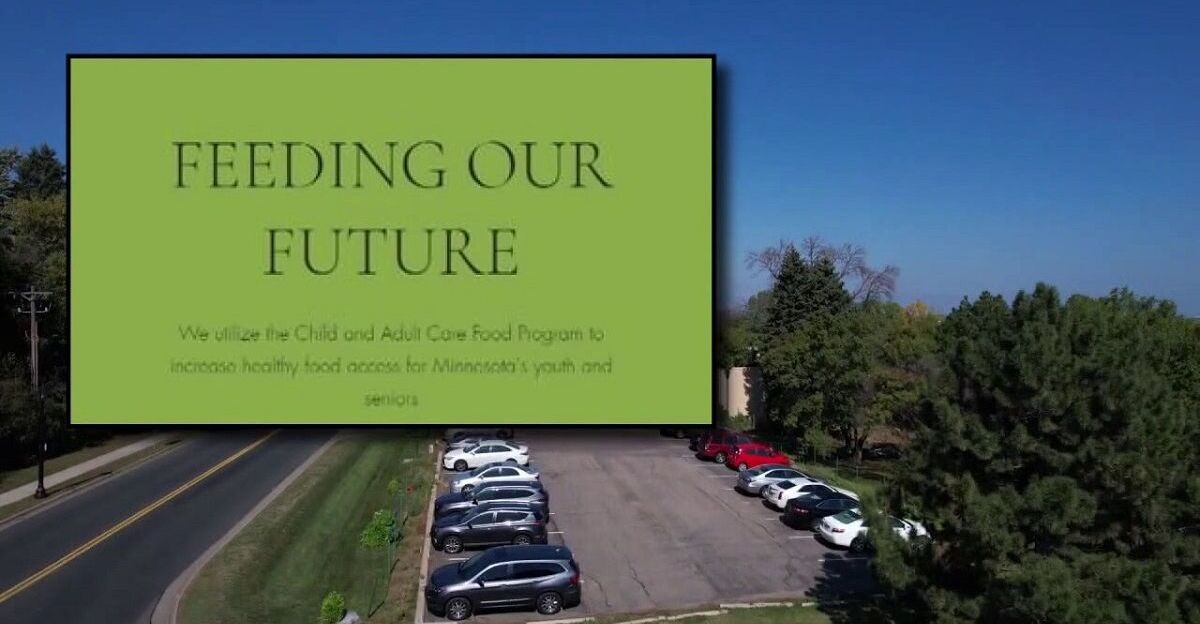
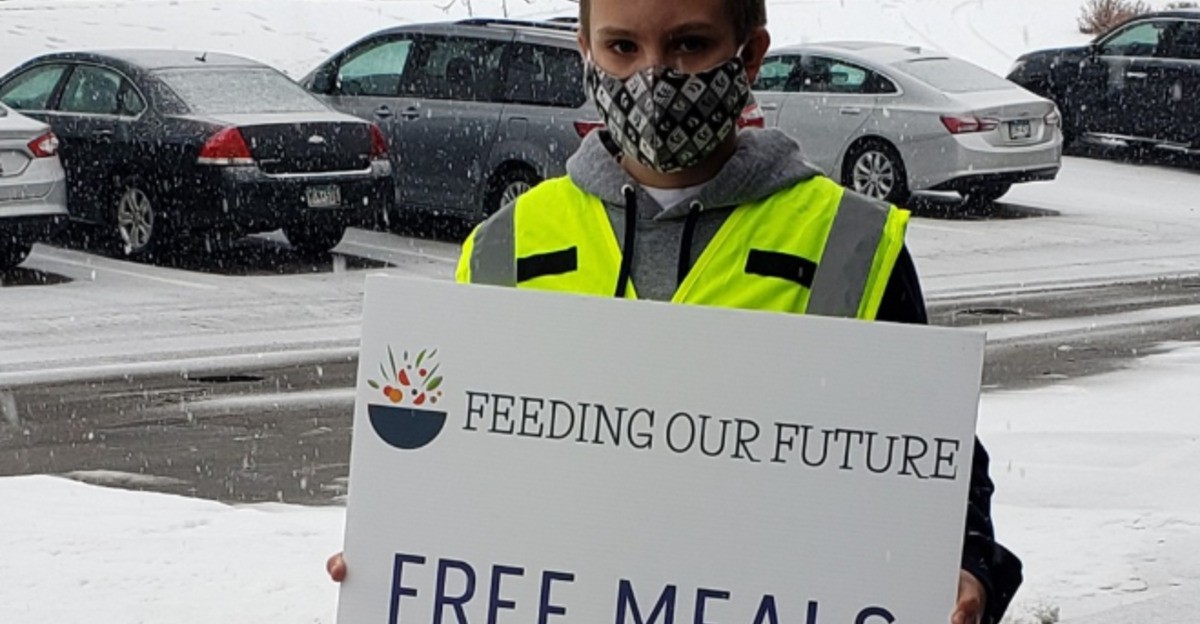
Feeding Our Future, a Minnesota nonprofit, sponsored over 250 fake meal sites statewide during the pandemic. Shell companies, such as Safari Restaurant and related entities, funneled millions of dollars through bogus invoices and fabricated attendance records.
Stolen federal funds bought mansions, Lamborghinis, Rolls-Royces, and designer goods for scheme participants. By 2021, reimbursement claims had escalated to unprecedented levels, with some sites claiming thousands of meals daily.
Federal auditors flagged mathematically impossible numbers, yet payments continued flowing—how did state and federal regulators miss these glaring red flags for so long?
Nonprofit Roots
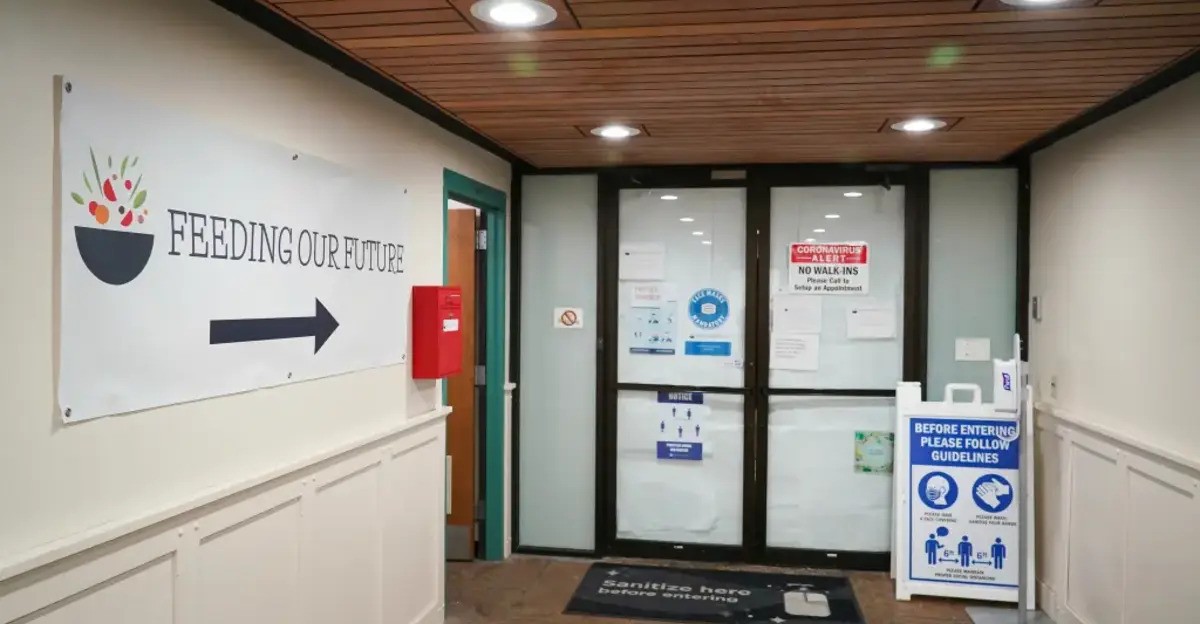
Founded in 2016 by Aimee Bock, Feeding Our Future initially sought state grants but faced multiple rejections for financial mismanagement and questionable practices.
Pre-pandemic operations already raised serious concerns amid implausible meal service claims and poor recordkeeping. The IRS revoked the organization’s tax-exempt status in February 2020 for failure to file required annual forms.
When COVID waivers dramatically relaxed federal oversight requirements, the operation exploded across Minnesota cities like Minneapolis and Rochester. Pandemic emergency rules created the perfect environment for fraud—why did state oversight completely fail to prevent the scheme’s expansion?
Warnings Ignored
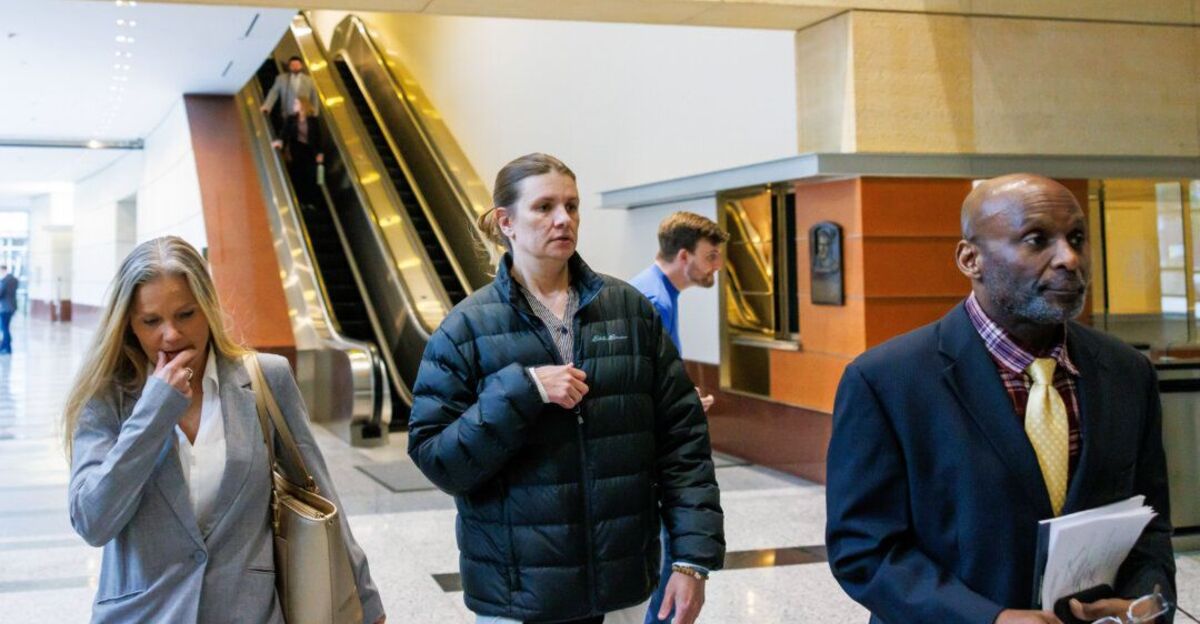
Minnesota Department of Education flagged serious fraud concerns as early as 2019, eventually labeling multiple Feeding Our Future sites ‘severely deficient’ by December 2020. Aimee Bock sued MDE, and after the nonprofit addressed some cited deficiencies, MDE voluntarily resumed payments under ongoing court proceedings.
In June 2021, Judge John Guthmann held MDE in contempt for delays in processing site applications and ordered the agency to pay $47,500 to Feeding Our Future. Meanwhile, FBI investigators quietly launched criminal probes starting in February 2021, monitoring the expanding fraud network.
The combination of legal pressure, discrimination allegations, and pandemic chaos created a perfect storm—would mounting litigation shield the massive scam from timely shutdown?”
Empire Implodes
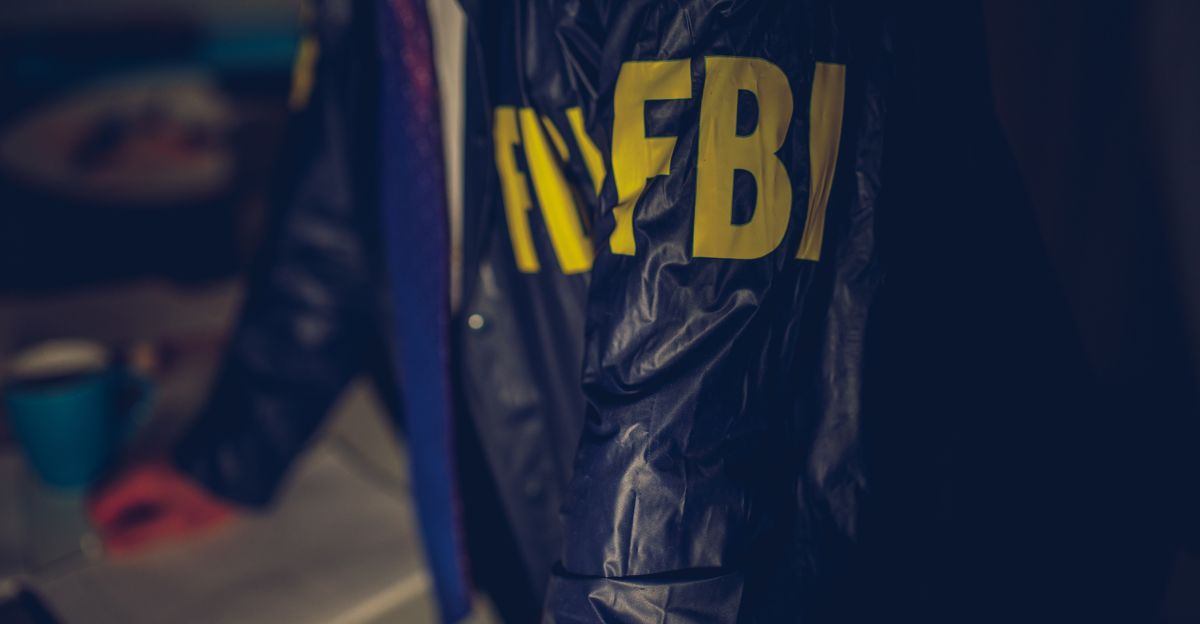
In January 2022, coordinated FBI raids shut down Feeding Our Future sites across Minnesota, seizing records and freezing assets. Founder Aimee Bock and Safari Restaurant owner Salim Said emerged as leaders of the $250 million kids’ meal fraud empire, spanning hundreds of fake meal sites.
Federal prosecutors charged them with wire fraud, conspiracy, money laundering, and bribery for orchestrating sham reimbursement claims.
After a lengthy trial presenting mountains of financial evidence and witness testimony, a Minneapolis jury convicted both defendants on March 19, 2025—delivering justice after years of systematic theft from children’s nutrition programs.
Statewide Fallout
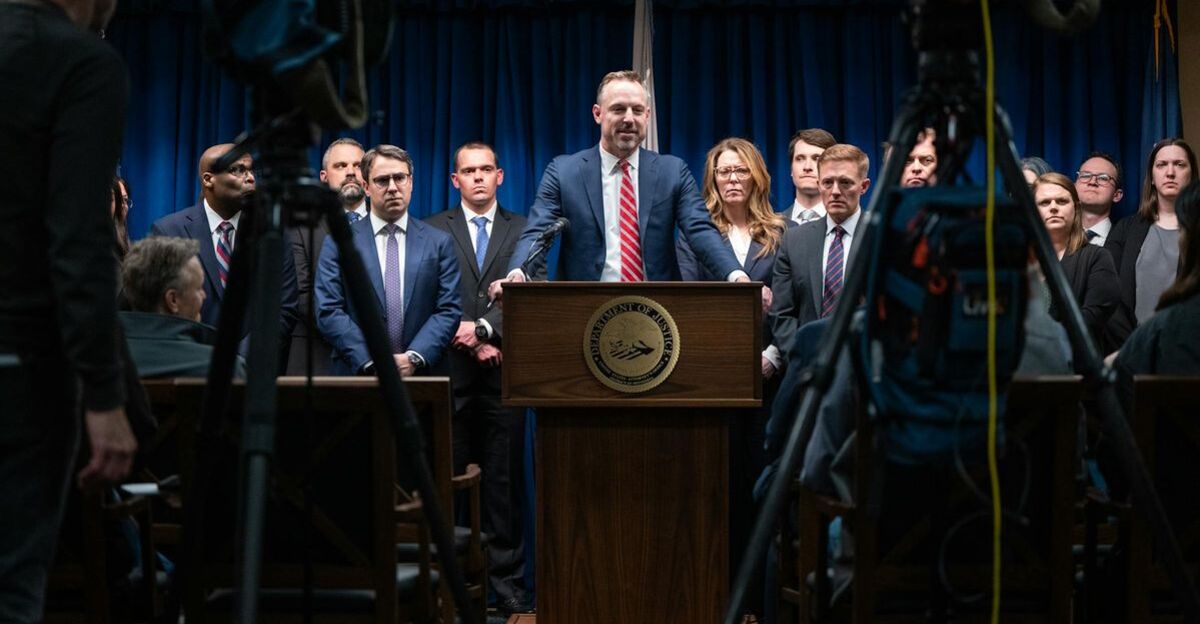
Fraud penetrated multiple regions in Minnesota, including Shakopee, Rochester, Lakeville, and Rosemount, creating a statewide criminal network. Defendants, such as Abduljabar Hussein of Shakopee, allegedly received millions in fraudulent reimbursements, purchasing luxury vehicles, including Porsches, and paying off home mortgages.
Zamzam Jama in Rochester laundered stolen funds through restaurant operations to acquire homes and expensive vehicles.
Despite aggressive federal asset seizures, recoveries lagged behind, leaving approximately $75 million of the $250 million stolen, resulting in a massive gap. Local communities suffered deepened hunger crises as legitimate nutrition programs faced increased scrutiny and funding restrictions.
Human Toll

Federal money earmarked for feeding low-income children during the pandemic instead funded personal luxuries, designer goods, and real estate for fraudsters. SIR Boxing owner Cerresso Fort testified about mathematically impossible meal numbers at trial, famously stating: “That math ain’t mathin’.”
Federal prosecutors documented how Aimee Bock personally approved approximately $240 million in fraudulent payment claims through fake invoices.
U.S. Attorney Joe Thompson called the betrayal Minnesota’s “shame,” noting how vulnerable communities lost. Minneapolis neighborhoods and cities statewide lost trust in vital aid programs designed to help struggling families, while hungry children suffered the real consequences of stolen funds.
Regulatory Scrutiny
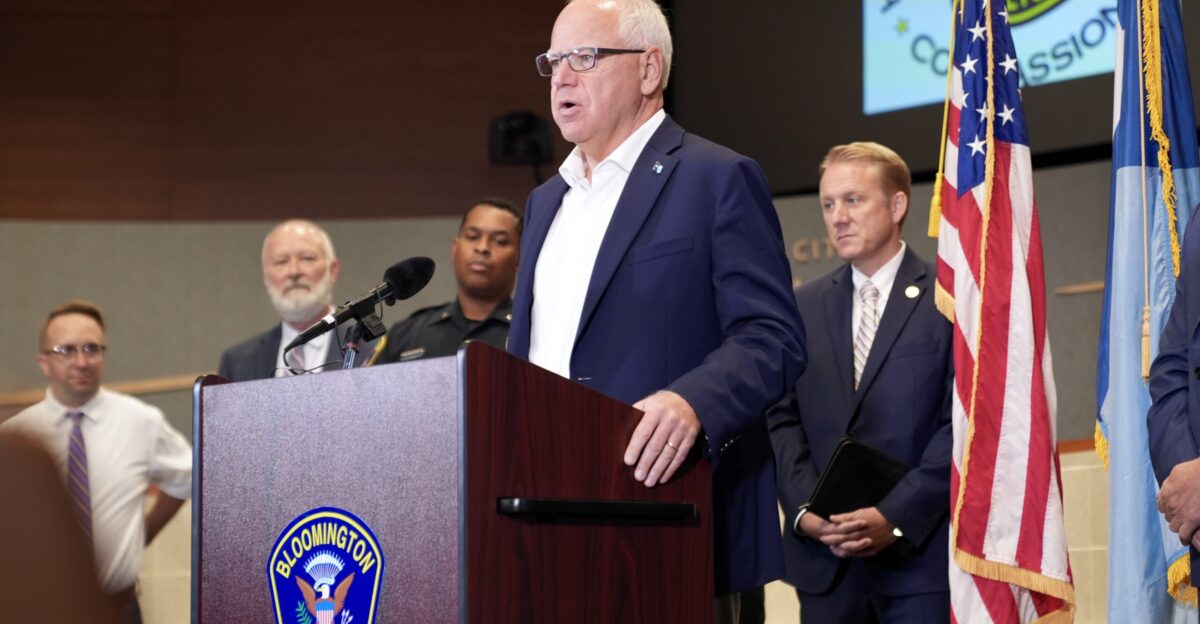
USDA provided federal funding for child nutrition programs, which the Minnesota Department of Education administered with what state auditors later deemed “inadequate” oversight and controls.
Governor Tim Walz defended his administration’s alerts to law enforcement agencies but faced mounting bipartisan calls for comprehensive regulatory reform. Federal prosecutors expanded their investigation through multiple superseding indictments, adding defendants and charges as evidence emerged.
Pandemic-era waivers that eliminated site visits and relaxed documentation requirements enabled widespread abuse across Minnesota—did these well-intentioned emergency rules inadvertently invite the largest nutrition fraud in American history? Systemic vulnerabilities remained exposed.
Pandemic Context
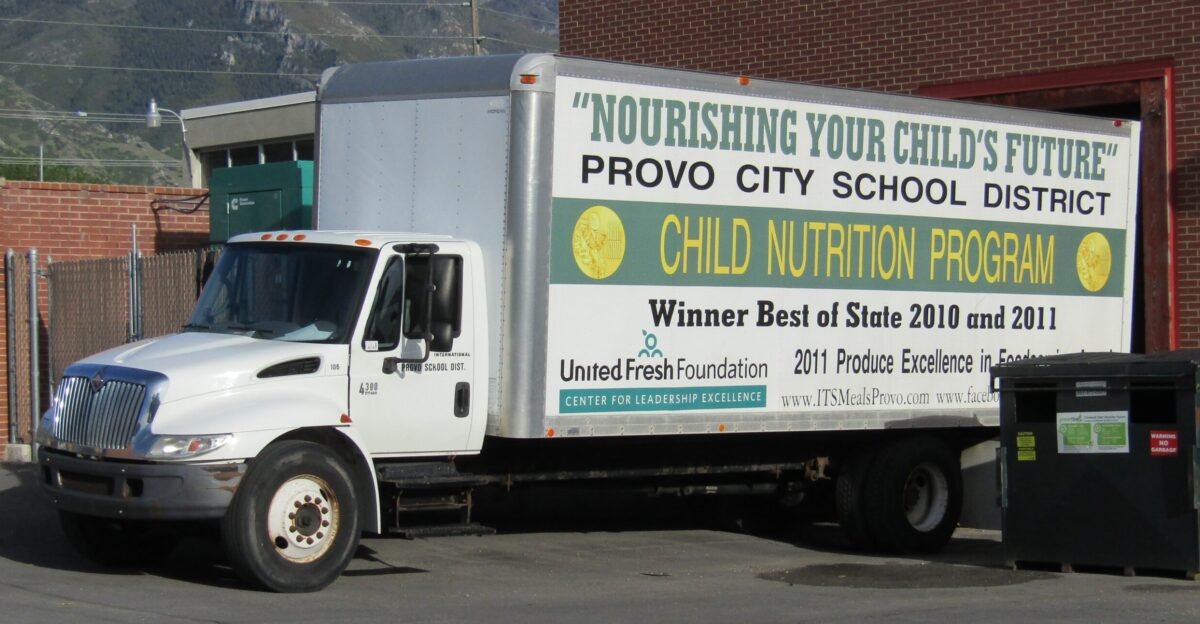
COVID school closures prompted nationwide expansion of child nutrition waivers, eliminating normal oversight safeguards to expedite feeding programs during the emergency. Minnesota experienced a surge in fraud that far exceeded that of other states’ pandemic relief schemes.
The House Education Committee formally labeled it one of the largest U.S. pandemic relief scams ever prosecuted by the federal government. Investigators discovered similar criminal networks exploited Medicaid programs and autism services funding, with some defendants linked across multiple separate fraud cases.
The pattern revealed broader systemic vulnerabilities in emergency relief programs—what critical lessons must policymakers learn before the next national crisis creates similar opportunities for massive theft?
Conviction Surge

Among 78 people indicted in the sprawling investigation, 57 received criminal convictions by late 2025—dozens through guilty pleas, seven following jury trials, including Aimee Bock’s high-profile prosecution. Recent guilty pleas continued into February 2025 as additional defendants accepted responsibility.
Abdirashid Bixi Dool, the 78th person charged in November 2025, allegedly claimed his operation served 40,000 meals weekly while personally pocketing $1.1 million in fraudulent reimbursements.
This cascading series of convictions reveals federal prosecutors systematically dismantling the entire criminal network. Additional indictments are possible as the investigation expands into related fraud schemes statewide.
Internal Conflicts

Aimee Bock claimed complete ignorance of fraud occurring beneath her, but federal prosecutors methodically proved she personally reviewed and approved every fraudulent invoice and site application.
Salim Said admitted his involvement in fraud operations around Safari Restaurant but strategically blamed business partners for corrupting his legitimate operations. Dramatic witness tampering emerged during trials when multiple defendants allegedly orchestrated a $120,000 cash bribe to a sitting juror in 2024, delivered in a Hallmark gift bag.
These internal tensions and betrayals fractured the predominantly Somali American fraud ring as cooperating witnesses provided testimony—accelerating the network’s complete collapse under federal pressure.
Leadership Falls
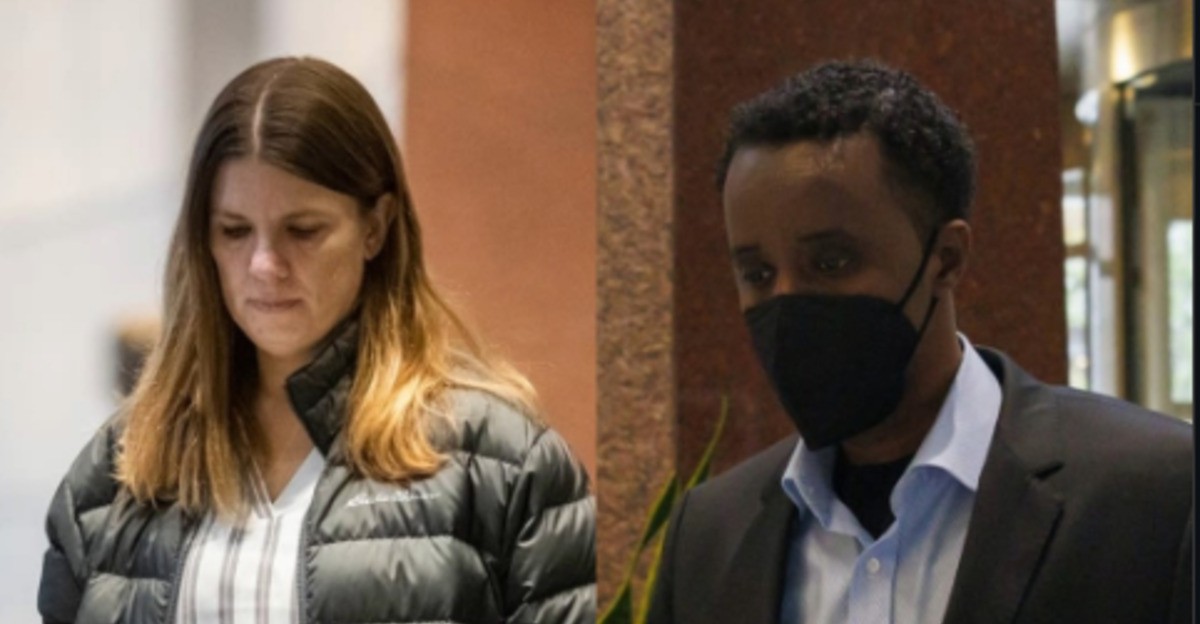
Aimee Bock, a former daycare worker who became the operation’s “gatekeeper,” was convicted on March 19, 2025, and ordered to forfeit $5.2 million in December 2025 through federal asset seizure proceedings.
Salim Said, the Safari Restaurant co-owner whose network of operations received tens of millions in fraudulent federal payments, was found guilty of conspiracy and money laundering charges.
Mohamed Jama Ismail became the first defendant sentenced on October 15, 2024, receiving 12 years in federal prison and ordered to pay $47 million in restitution to taxpayers. Coordinated FBI raids permanently ended all Feeding Our Future operations statewide—no new leadership emerged.
Asset Seizures

Federal forfeitures aggressively targeted luxury purchases and real estate holdings across Minnesota and beyond. Convicted defendants surrendered vehicles, including luxury SUVs, homes in multiple cities, and hundreds of thousands in cash seized from bank accounts.
Financial records documented elaborate kickback schemes funneling money to Aimee Bock and other network leaders through shell companies. FBI investigators recovered approximately $75 million in assets as of early 2025, but significant holdings, including overseas properties in Turkey, remain extremely difficult to seize through international legal processes.
Federal prosecutors continue pursuing laundered gains hidden in complex financial transactions, targeting remaining assets to maximize taxpayer restitution.
Expert Doubts
Financial analysts and fraud experts question whether a full recovery remains possible, given the sophistication of overseas transfers and the laundering of hidden assets internationally.
MPR News investigative reporting uncovered troubling links connecting Feeding Our Future defendant Gandi Kediye to separate taxpayer-funded group homes, suggesting broader fraud networks. Minnesota’s state auditor documented catastrophic oversight failures but noted litigation created a “chilling effect” that paralyzed MDE investigators.
Ongoing federal probes signal deep skepticism about whether the fraud network has been fully contained and prosecuted—will connected frauds in other Minnesota social service programs, including EIDBI autism services, ultimately evade justice despite mounting evidence?
The Probe Widens
FBI investigators continue expanding their statewide investigation, charging the 77th defendant, Ousman Camara, and the 78th defendant, Abdirashid Bixi Dool, in 2025, with more indictments expected per DOJ statements.
Connections to Minneapolis city officials emerged when Abdi Salah, a paid aide to Mayor Jacob Frey, pleaded guilty to wire fraud related to Feeding Our Future operations. Mayor Frey stated he was unaware of Salah’s criminal activities.
Looking forward, federal officials promise tighter USDA oversight rules and enhanced state monitoring, but significant vulnerabilities in emergency relief programs persist. Prosecutors hint that additional charges may target peripheral figures who facilitated the massive fraud network.
Policy Shifts

The unprecedented scandal sparked urgent bipartisan calls for comprehensive regulatory reform, with Governor Walz promising enhanced oversight measures for future emergency programs. National political attention increased scrutiny on Minnesota’s handling of multiple concurrent fraud schemes targeting federal pandemic relief funds.
MDE implemented significant reforms following scathing state audit findings, aiming to prevent similar betrayals of vulnerable populations. National policy implications extend beyond Minnesota—federal lawmakers debate whether to fundamentally overhaul emergency waiver processes for child nutrition programs.
Could this catastrophic fraud case ultimately reshape child nutrition oversight procedures nationwide, forcing stronger safeguards before the next national emergency creates similar vulnerabilities?
National Ripples
U.S. Attorney Andrew Luger characterized the scheme as a “blatant betrayal” of children and taxpayers, calling for accountability at every level. Compared to pandemic fraud cases prosecuted in other states, Minnesota’s $250 million theft ranks among the absolute largest ever federally prosecuted.
Attorney General Merrick Garland publicly cited it as one of the most significant pandemic relief frauds in American history. International complications emerged as investigators discovered stolen funds purchased substantial properties overseas including real estate in Turkey—creating serious cross-border asset recovery challenges.
Federal prosecutors now work with international partners attempting to seize and repatriate laundered assets hidden abroad.
Legal Ramifications

With 78 individuals indicted on federal charges, trials and plea negotiations are expected to continue into 2026 as prosecutors methodically build their cases. Charges including bribery, wire fraud, conspiracy, and money laundering carry severe mandatory minimum sentences under federal guidelines.
First sentences handed down, including Mohamed Jama Ismail’s 12-year federal prison term, signal that defendants face decades of incarceration for their roles. Federal judges emphasize restitution orders requiring convicted defendants to repay stolen taxpayer funds, though full recovery appears unlikely.
The legal focus remains squarely on asset forfeiture proceedings to maximize the recovery of fraudulently obtained funds and properties for victimized communities across Minnesota.
Cultural Backlash
The majority of indicted defendants are Somali American, drawing heightened political scrutiny and media attention to Minnesota’s large immigrant communities. Aimee Bock filed multiple discrimination lawsuits against the state before federal charges were filed, alleging racial bias in MDE’s treatment of her nonprofit.
The case significantly shifted public perceptions regarding nonprofit oversight requirements and immigrant access to federal aid programs, according to extensive media coverage.
The profound ethical breach—a trusted nonprofit ostensibly feeding hungry children had become a conduit for personal enrichment—fundamentally shattered public trust. Communities debate whether discrimination allegations inappropriately shielded criminal activity from timely investigation and intervention.
Lasting Signal
This nonprofit’s spectacular implosion serves as a stark warning about the dangers of dangerously lax oversight during national crisis situations when normal safeguards are suspended. With 57 individuals convicted and federal investigations actively expanding into related fraud networks, Minnesota exemplifies the catastrophic risks emergency relief programs face without proper controls.
Post-COVID audits across multiple agencies reveal systemic gaps that enabled hundreds of millions in theft. National conversations now focus on prevention strategies and enhanced monitoring—what permanent safeguards must be implemented to protect vulnerable programs?
Will lessons learned prevent similar betrayals when the next national emergency inevitably demands rapid relief distribution?
Sources:
CBS News Minnesota – Feeding Our Future coverage, 2025
Cato Institute – Minnesota Fraud Update, 2025
DOJ USAO-MN – Federal prosecutions and sentencing records, 2022-2025
IRS Criminal Investigation – Four more defendants plead guilty to $250 million Feeding Our Future fraud scheme, Feb 7, 2025
Minnesota Courts – Official statement on Feeding Our Future v. Minnesota Department of Education, Sep 2022
MPR News – Feeding Our Future defendant connected to taxpayer-funded group homes, Dec 30, 2025