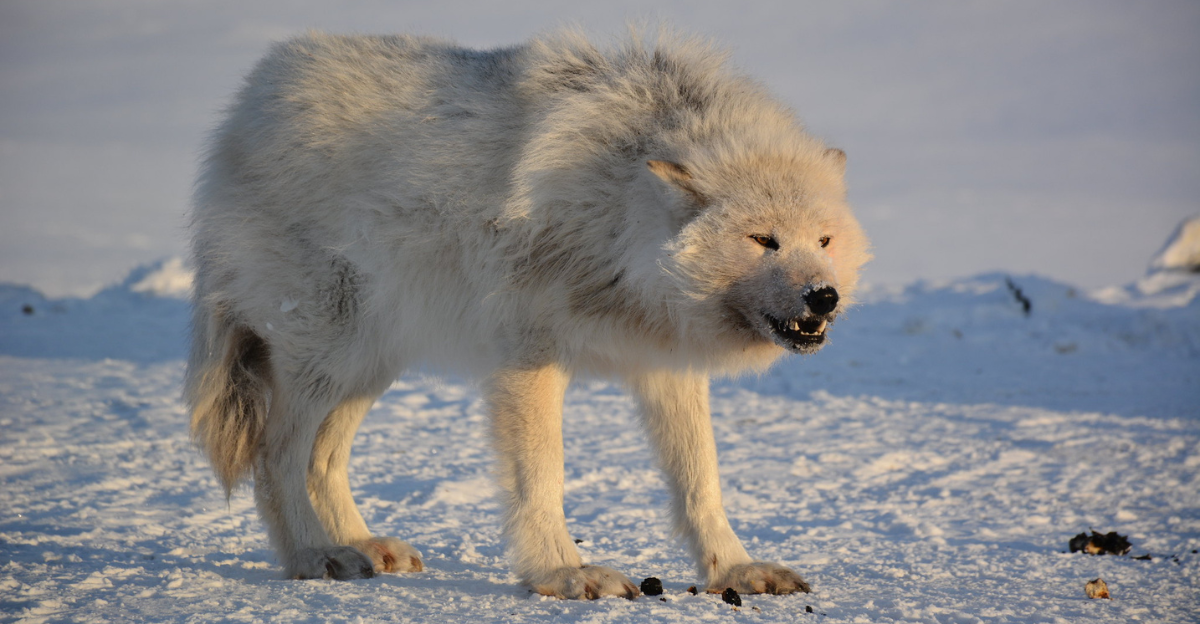
The remarkable resurgence of wolves in twelve US states offers both inspiration and intrigue, redefining perceptions of wildlife recovery and ecological balance across the country. Far from isolated pockets of wilderness, these state populations reflect years of collaborative efforts between conservationists, legislators, scientists, and everyday citizens.
According to Animals Around the Globe, the trend marks a renaissance for an iconic species that had nearly vanished from American landscapes, with new research showing how wolves reclaim their roles as apex predators and keystone species.
“Wolves remake rivers and people,” shares John Smith, a Yellowstone reintroduction expert, underscoring how both nature and society adapt when predators return.
1. Idaho
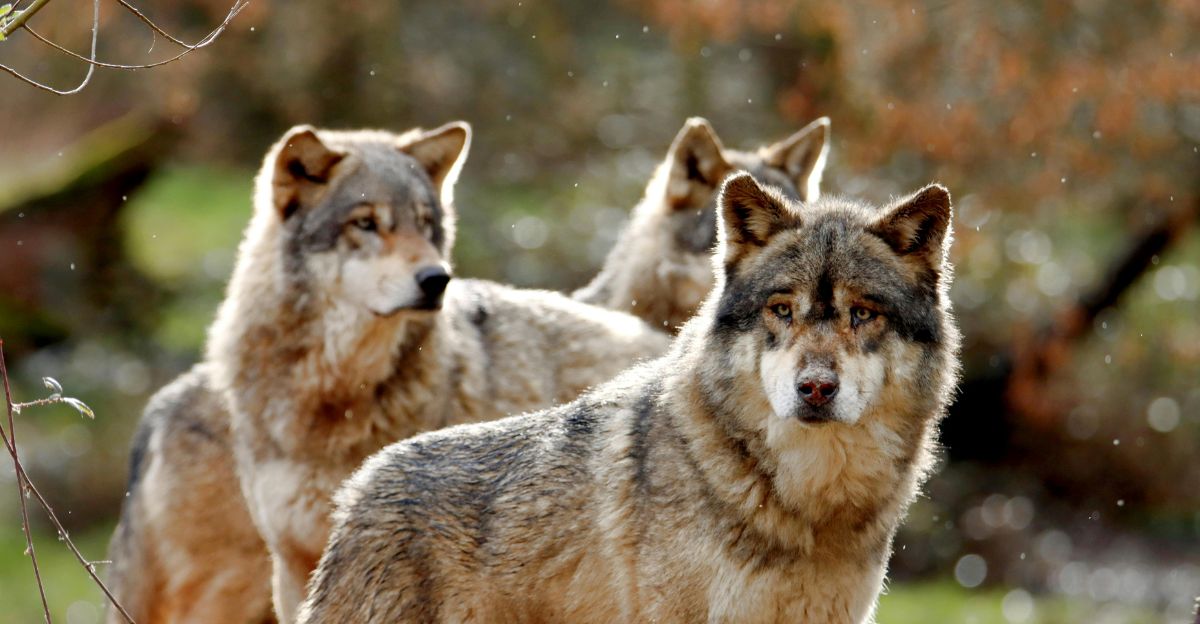
Idaho serves as a stronghold for gray wolves, thanks to vast wilderness and adaptive state wildlife management.
With over a thousand wolves, Idaho’s population benefits from protected corridors and targeted conservation policies that balance ecological goals with the interests of ranchers and local communities.
These efforts sustain healthy packs in the Frank Church–River of No Return Wilderness and foster collaborative conflict-resolution measures.
2. Wyoming
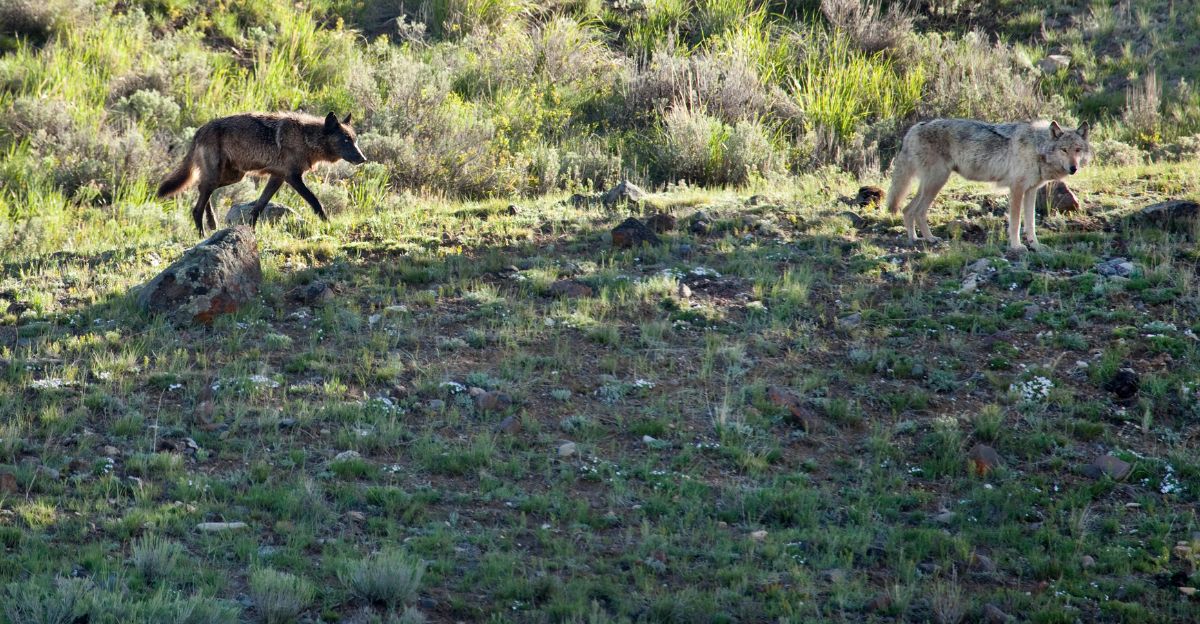
The Yellowstone National Park region in Wyoming is at the heart of one of America’s most successful reintroduction stories.
Since the mid-1990s reintroduction, the wolf population has helped restore ecosystem balance, particularly by managing elk numbers and improving biodiversity.
Wolves now thrive in both protected lands and managed public spaces, showing the breadth of their recovery.
3. Montana
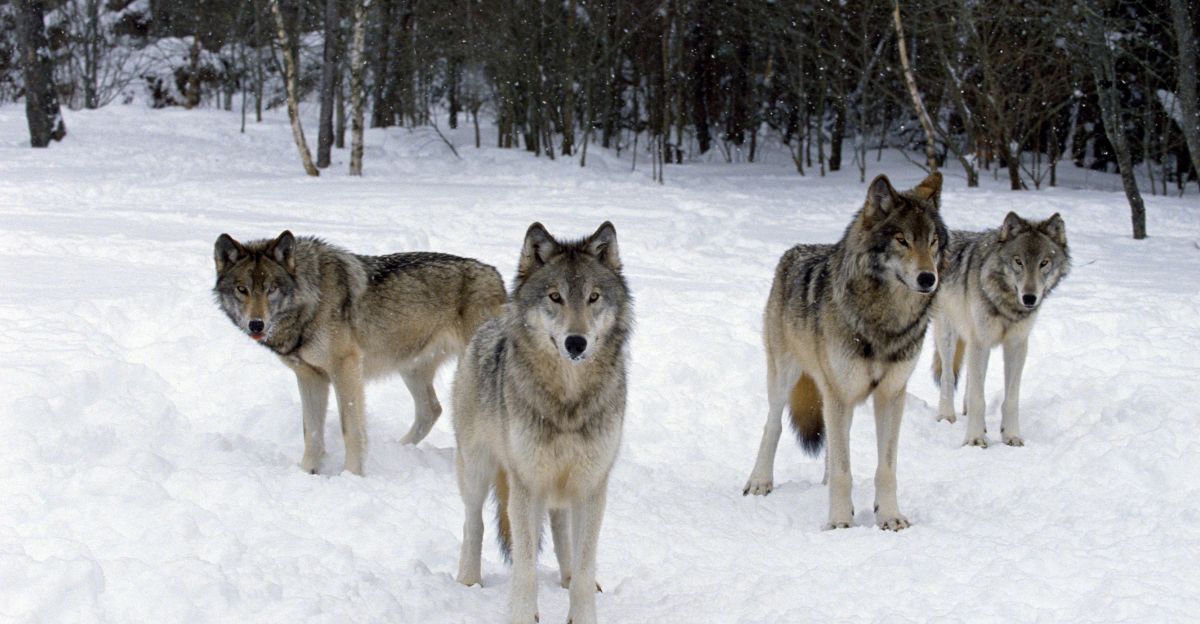
Montana acts as a vital corridor for wolves migrating between Canada and the continental US. The state’s mosaic of forests and plains supports robust populations that have reestablished themselves through state-sponsored research, hunting regulations, and natural migration. Montana’s wolf recovery also showcases the beneficial ripple effects on local flora and fauna.
4. Washington
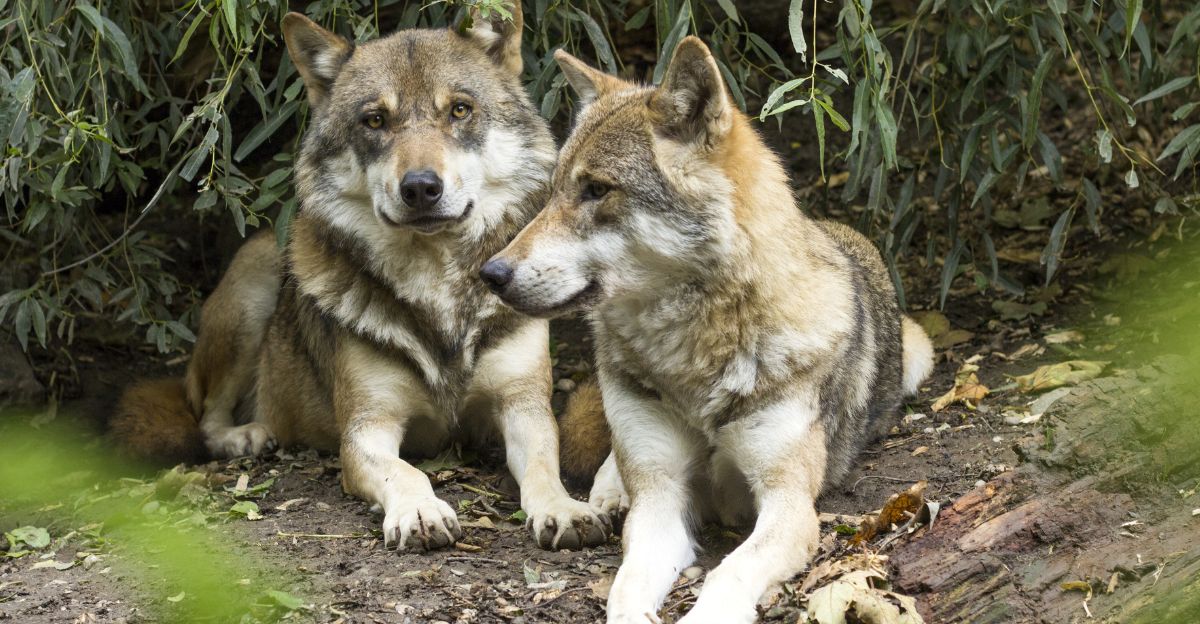
Wolves have reemerged most notably in the northeastern and eastern parts of Washington. Here, recovery programs focus on coexistence, public education, and ongoing population monitoring to minimize livestock conflicts while supporting ecological health. Wild packs are now seen as a symbol of successful human-wildlife partnership, with numbers rising steadily.
5. Oregon
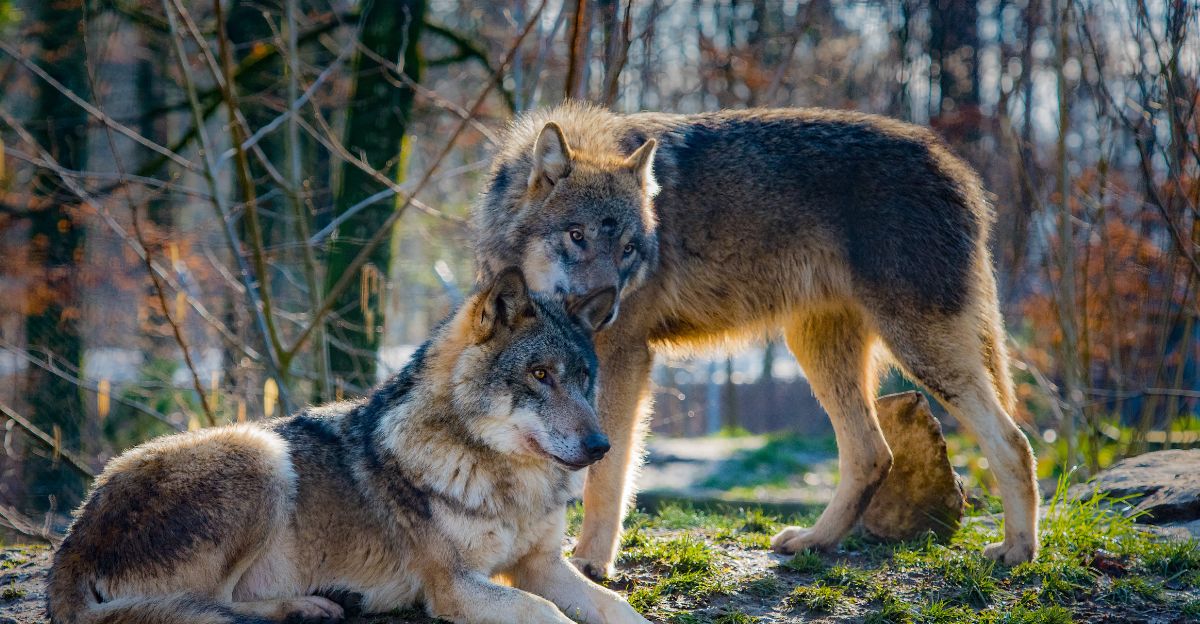
Eastern Oregon and the Cascade Mountains host growing wolf populations, the result of sustained monitoring and flexible conservation initiatives.
State agencies emphasize non-lethal livestock protection and adaptive management, ensuring that wolves and agricultural communities can thrive side-by-side.
6. California
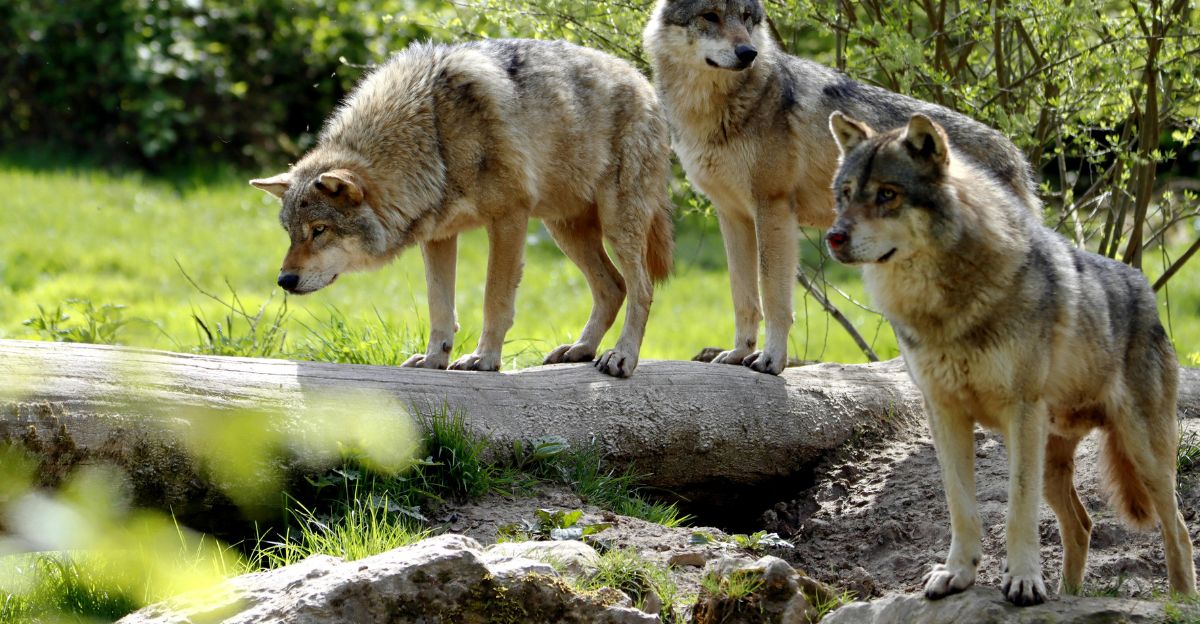
California’s wolves have reclaimed territory on their own, rather than by direct reintroduction. Since 2011’s historic arrival of the OR-7 wolf, several breeding packs—Whaleback, Lassen, and Shasta—have taken root.
Wildlife agencies monitor and support these populations, which are seen as indicators of the state’s ecological health and resilience.
7. Arizona
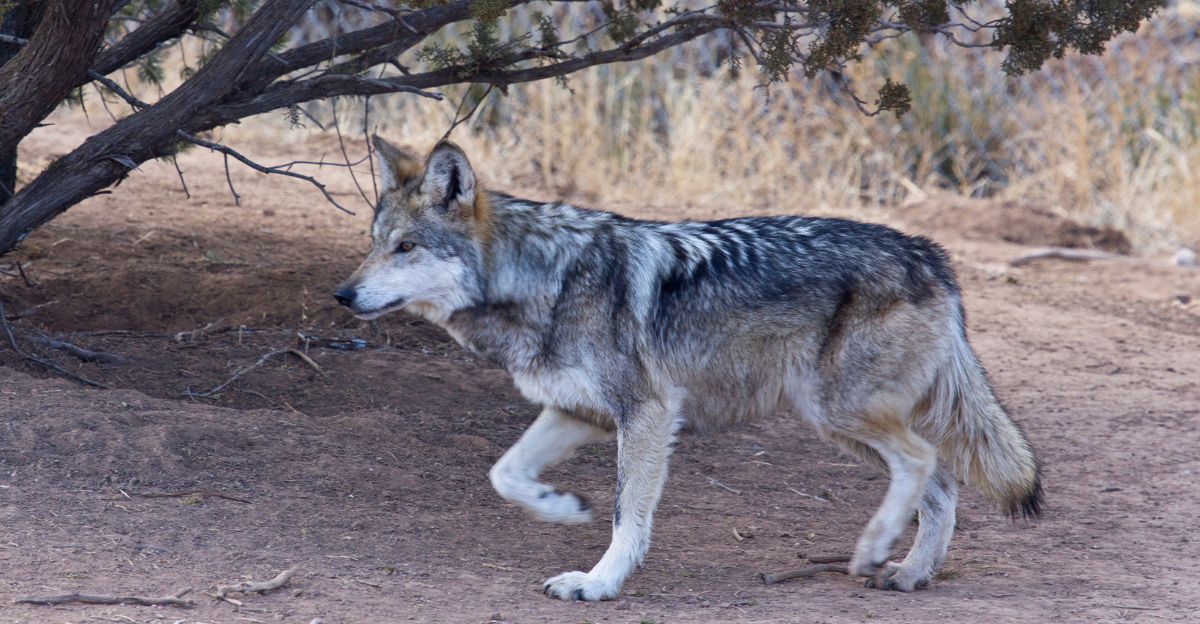
The endangered Mexican gray wolf calls southeastern Arizona home, thanks to careful captive-breeding and release programs overseen by state and federal wildlife agencies.
These wolves still face major challenges, but focused conservation and partnerships with local stakeholders provide strong hope for sustainable recovery.
8. New Mexico
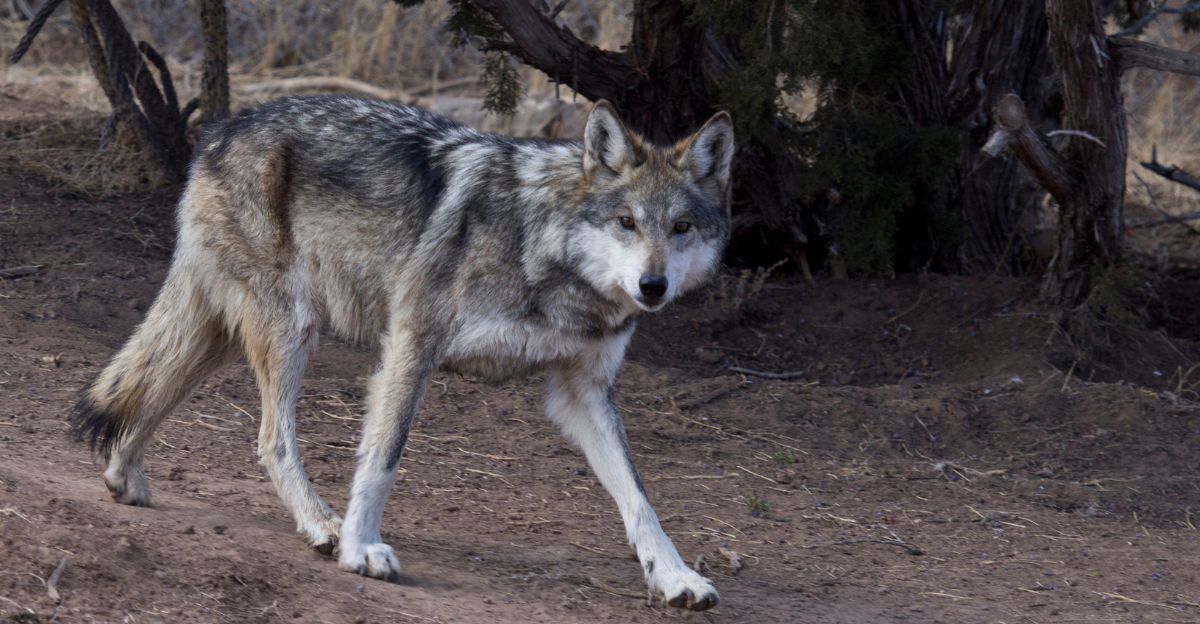
New Mexico’s wolf comeback centers on its participation in the Mexican gray wolf recovery project. Through inter-agency collaboration, biologists and landowners work to balance wolf population growth and property protection, ensuring that wolves once again roam the region’s mountains and deserts.
9. Wisconsin
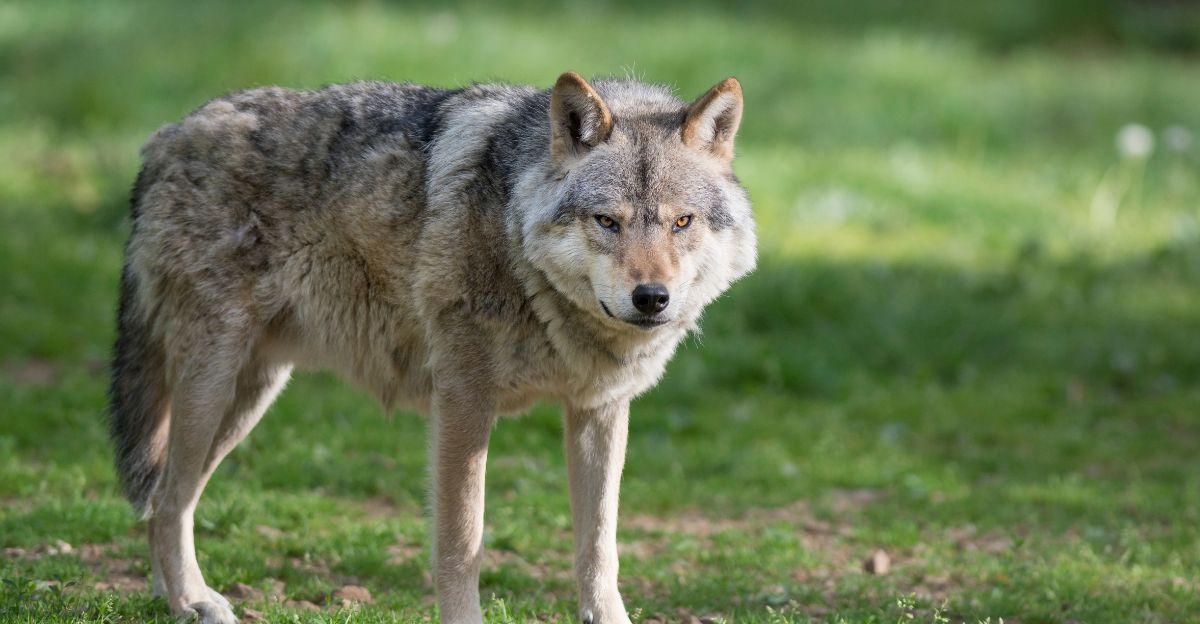
Northern Wisconsin fosters a secure and growing gray wolf population, bolstered by stringent conservation strategies and public awareness initiatives.
Banned wolf hunting, coupled with habitat protection, has led to thriving packs that contribute to the state’s rich biodiversity.
10. Minnesota
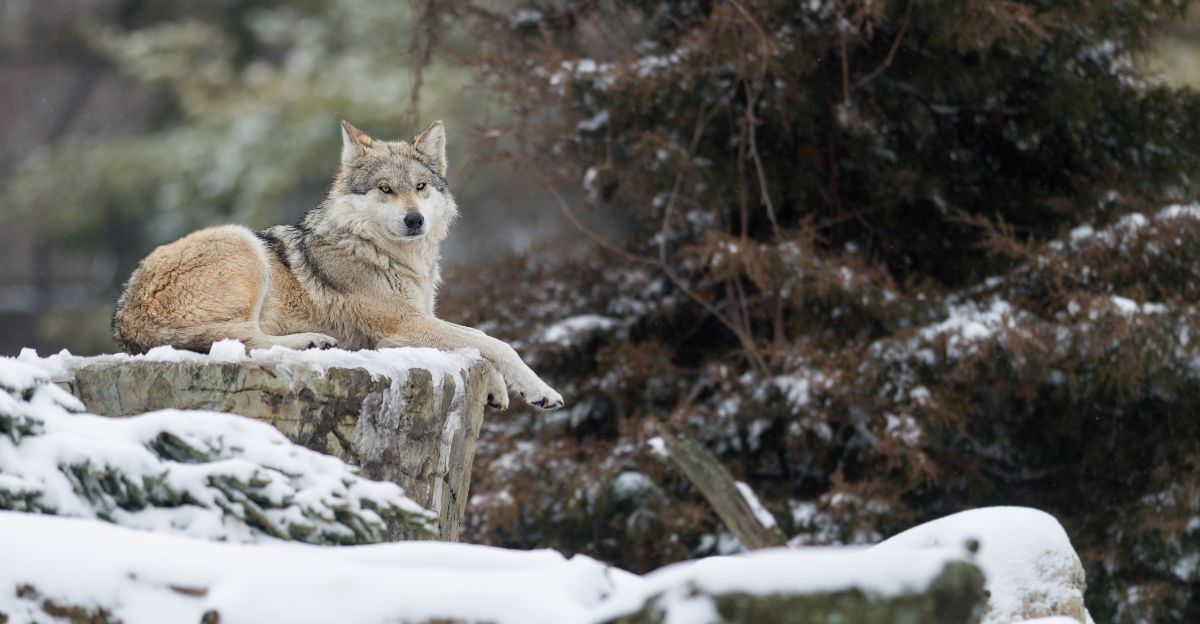
Minnesota stands out for its uninterrupted history of wolf populations. The state’s vast forests offer ideal habitat, and continuous management efforts ensure a flourishing wolf presence. By prioritizing coexistence and regulated interactions, Minnesota remains a model for lasting recovery.
11. Michigan
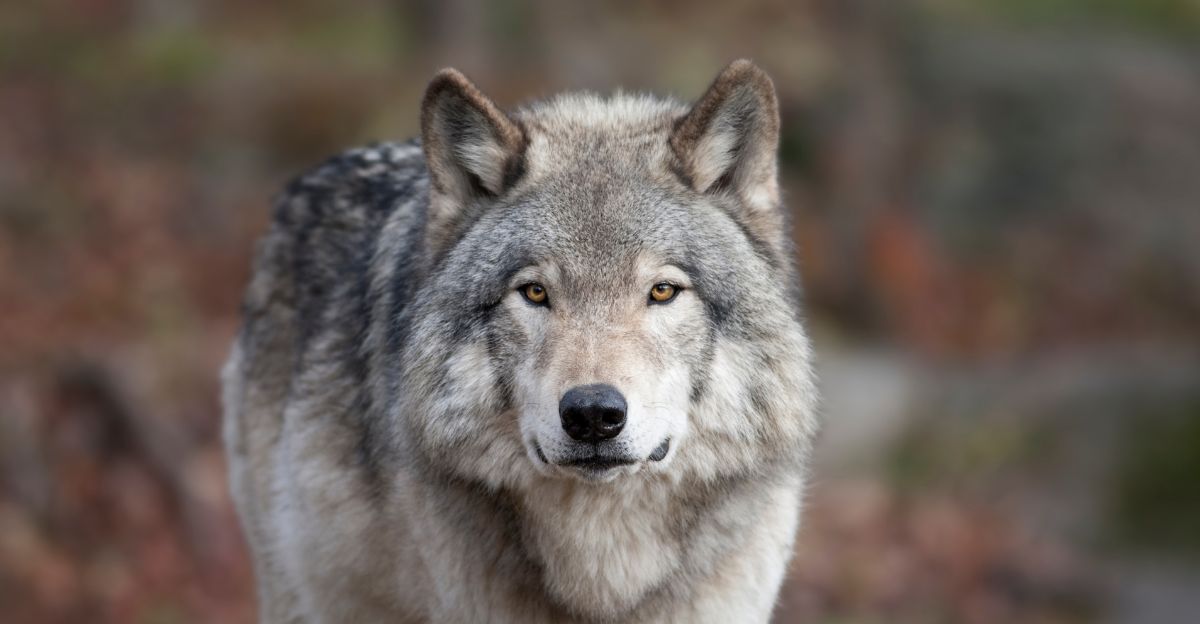
Michigan’s Upper Peninsula has emerged as a crucial stronghold for gray wolves. Diligent conservation activity and community engagement have preserved these populations, benefiting local ecosystems and reinforcing the region’s reputation as a steward of wildlife.
12. Colorado
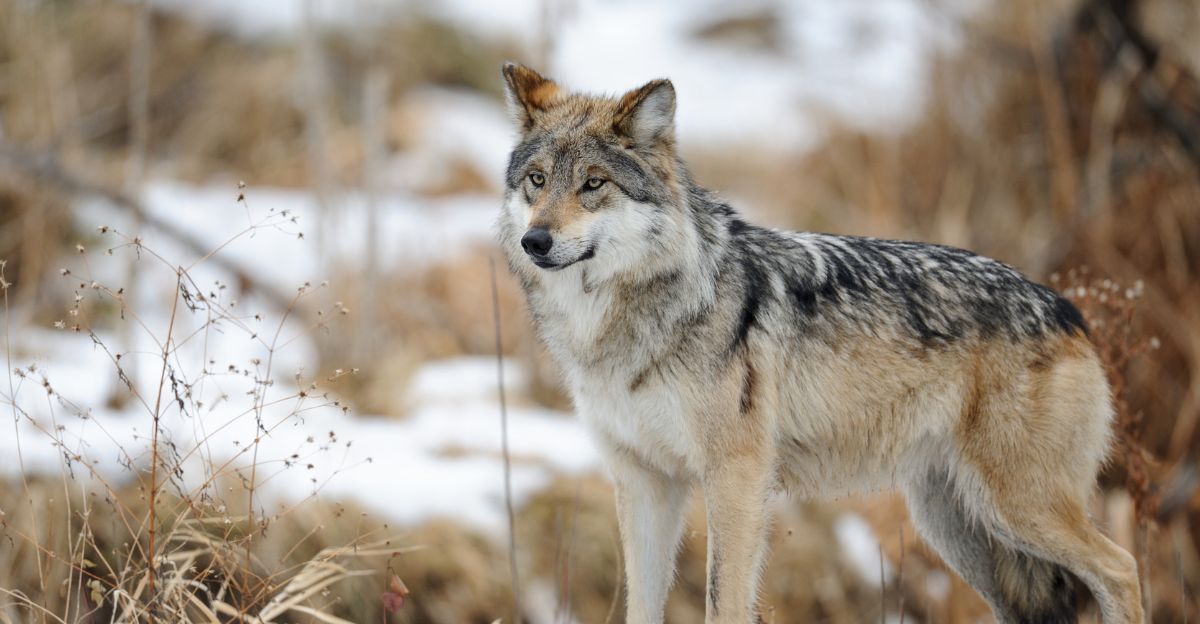
Colorado’s wolf recovery is driven by newly initiated reintroduction programs and scientific planning. With careful stakeholder negotiation and ongoing research, the state is welcoming wolves back to lands that once saw their disappearance, marking a major milestone in species restoration and public awareness.