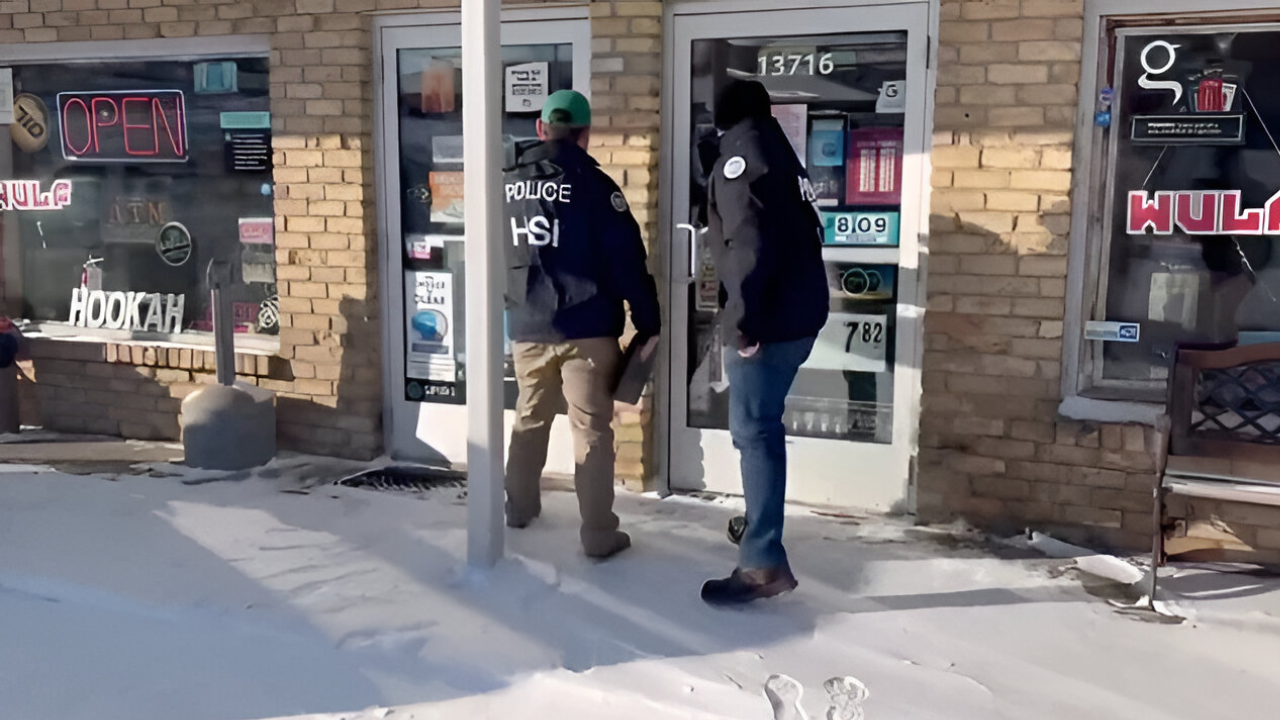
In the heart of Minnesota’s bustling business districts, a federal crackdown unfolded on New Year’s Day 2026, suspending nearly 7,000 borrowers from Small Business Administration programs over suspected pandemic-era loan fraud totaling $400 million. This unprecedented action by SBA Administrator Kelly Loeffler marked the agency’s sharpest enforcement move in years, exposing vulnerabilities in relief programs rushed out during the COVID-19 crisis.
The Numbers Start Moving

Ten months into her role, Loeffler, a former Georgia senator and fintech executive, ordered a week-long audit targeting pandemic loans in Minnesota alone. The review flagged 7,900 loans linked to about 6,900 individuals, leading to their permanent ban from all SBA programs, including disaster aid. No prior case matched this scale: it dwarfed a mid-2000s investigation involving just 76 fraudulent loans worth $76 million.
The concentration in one state raised alarms. Auditors tied the loans—mostly from the Paycheck Protection Program (PPP) and Economic Injury Disaster Loans (EIDL)—to patterns of shell companies and inflated applications. Nationally, the SBA had approved $1.2 trillion in such aid since 2020, with over $800 billion in PPP funds disbursed rapidly between 2020 and 2021. By mid-2023, 92% of PPP loans were forgiven after borrowers met payroll requirements. Yet the SBA’s Office of Inspector General pegged fraud at around $200 billion, or 17% of total outlays.
A Program Built for Speed, Vulnerable to Abuse
Launched under the 2020 CARES Act, PPP and EIDL prioritized velocity to aid struggling firms. Forgiveness was automatic for compliant users, minimizing red tape. But speed bred risks. Minnesota’s case exceeded national fraud rates, mirroring earlier scandals like the “Feeding Our Future” scheme, which siphoned $250 million from state human services through fake entities.
Minnesota’s Peculiar Vulnerability

Home to the nation’s largest Somali-American community, over 65,000 strong and centered in Minneapolis, the state saw fraud networks exploit relief channels. Federal probes linked at least $2.5 million in PPP and EIDL funds to individuals already charged in social services theft. By September 2025, the U.S. Attorney’s Office in Minnesota indicted eight people, six from the Somali community, on related charges. Patterns involved simultaneous filings across programs, with funds quickly dispersed via luxury purchases or informal hawala networks to Somalia—some allegedly reaching terror groups like Al-Shabaab, though no PPP-specific ties were confirmed publicly by January 2026.
The bans hit Minneapolis, St. Paul, Bloomington, and Edina hardest, flagging about 5% of the state’s total pandemic loans per Star Tribune analysis. Lenders and business groups worried about spillover effects on legitimate borrowers.
Loeffler’s Call to Governor Walz
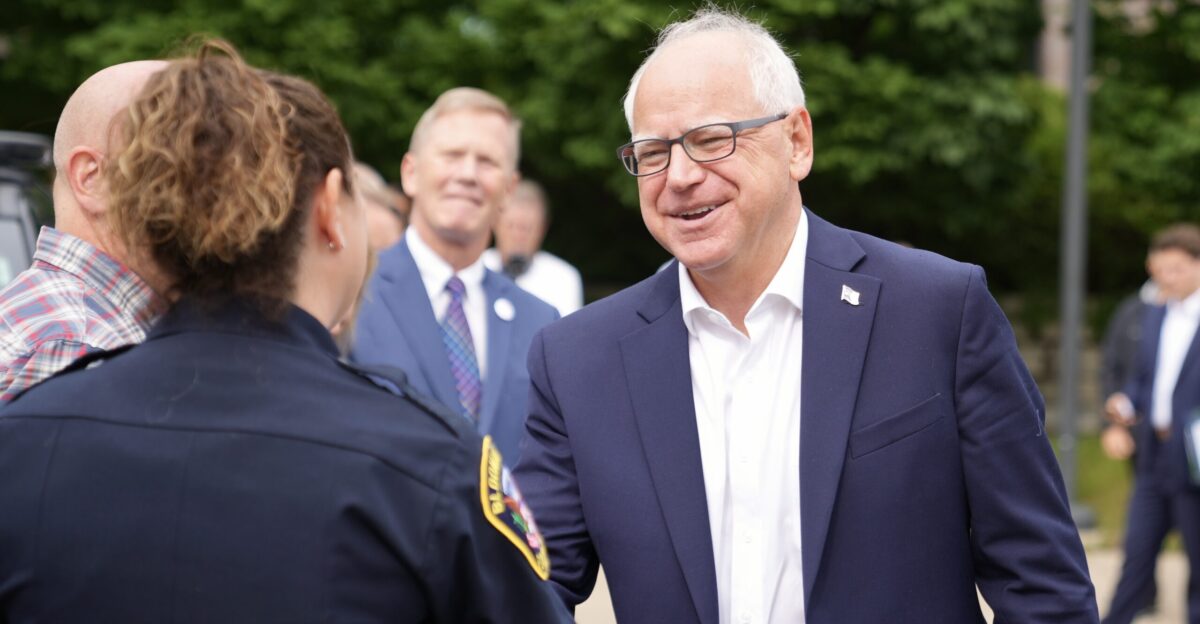
Days before the announcement, Loeffler wrote Governor Tim Walz on December 23, 2025, halting $5.5 million in annual federal aid to Minnesota’s SBA resource partners—nonprofits and lenders guiding applicants. The move implicated state oversight in the fraud surge. Walz defended his administration, noting schemes predated it, but faced Republican criticism tying it to broader Medicaid fraud.
Her letter also revealed $430 million more in flagged PPP loans—13,000 total—already funded and often forgiven, including under the prior administration. Auditors and FBI agents voiced frustration over detection lagging approvals.
Immediate Impact and Broader Fallout

Suspensions barred access to federal capital indefinitely. Loeffler stated the agency suspended the borrowers “amid suspected fraudulent activity.” She signaled more to come: “This is just the first state.” Prosecutors prepared multi-phase indictments, aided by a 10-year statute of limitations extension from 2022. Civil suits under the False Claims Act loomed, alongside asset seizures.
Recovery remains daunting. Nationally, $28 billion has been reclaimed from pandemic fraud, but Minnesota suspects often proved judgment-proof, funneling cash overseas swiftly. Preliminary reviews eyed hotspots in California, Texas, Florida, and New York.
This enforcement pivot under Loeffler contrasts her predecessor’s access-focused approach, reflecting a mandate to curb waste. It underscores tensions in emergency aid: rapid delivery preserved jobs but invited exploitation. As audits expand, the balance between aid speed and safeguards will shape future crises, testing whether lessons from Minnesota prevent wider losses or chill legitimate access.
Sources
CBS News Minnesota – SBA suspends thousands of pandemic-era loan borrowers approved by Minnesota over potential fraud
Fox News – SBA suspends nearly 7,000 Minnesota borrowers over suspected $400M pandemic loan fraud
Minneapolis Star Tribune – What we know about claims of SBA fraud in Minnesota as suspensions announced
City Journal – Minnesota Welfare Fraud: Some Funds Went to Al-Shabaab
New York Times – How Fraud Swamped Minnesota’s Social Services System
U.S. Small Business Administration – Kelly Loeffler Profile and SBA Office of Inspector General Reports