In the early hours of January 3, 2026, a dramatic U.S. military operation culminated in the capture of Venezuelan President Nicolás Maduro and his wife, Cilia Flores. What unfolded was not merely the apprehension of one authoritarian leader, but a calculated geopolitical maneuver involving precision military strikes, a contested oil tanker pursued across the Atlantic, and a confrontation with Moscow that continues to reverberate through international waters. The operation—code-named “Absolute Resolve”—has sparked fierce debate over presidential war powers, international law, and America’s willingness to reshape hemispheric politics through force.
Maduro had mocked American warnings for weeks. In public performances, he danced to electronic music sampling his own defiant words: “No crazy war.” Intelligence indicated he had rejected an offer to go into exile in Turkey, choosing instead to remain in Caracas. That confidence proved catastrophic. When Delta Force commandos breached his fortified compound shortly after 2 a.m. local time, Maduro attempted to reach his safe room but was apprehended within minutes.
Surgical Precision in Under Three Hours
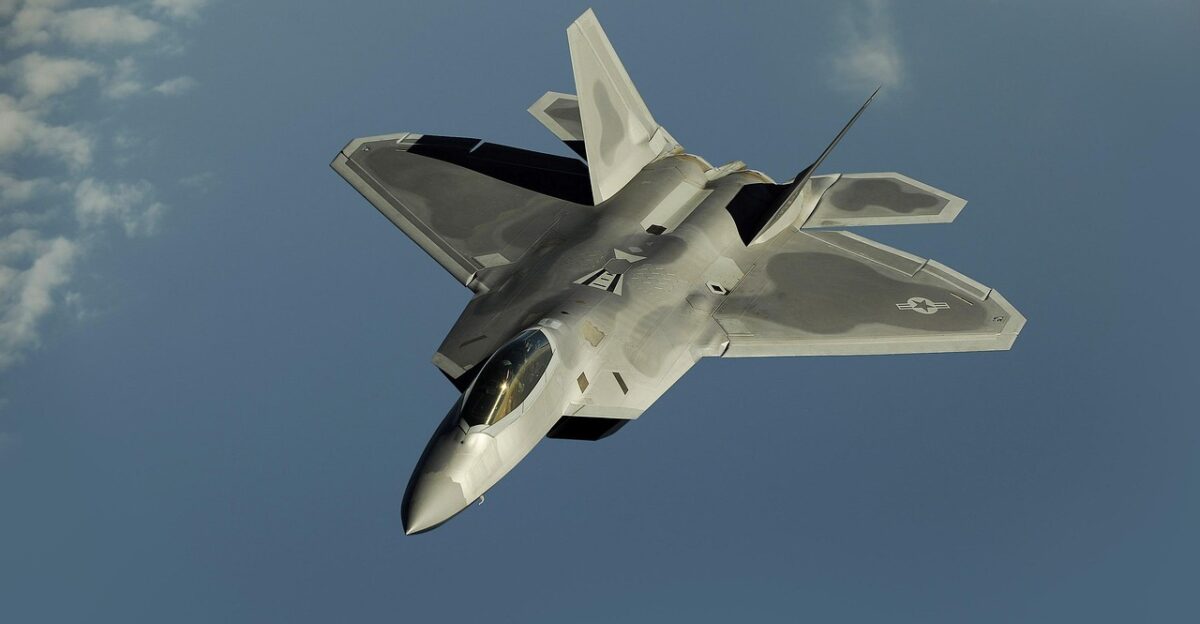
Over 150 American aircraft descended at dawn, launching from 20 bases across the Western Hemisphere. Delta Force, supported by the 160th Special Operations Aviation Regiment known as the Night Stalkers, executed the ground operation in less than 60 minutes. U.S. forces cut power across Caracas, neutralized air defenses, and extracted Maduro with breathtaking speed. One helicopter sustained gunfire but remained operational throughout the mission. By 3:29 a.m. Eastern time, Maduro and Flores were aboard the USS Iwo Jima, blindfolded and bound for federal prosecution.
Trump announced the capture at 5:21 a.m., posting a photograph of the blindfolded Venezuelan leader aboard the carrier. Within hours, Maduro was airborne, ultimately arriving at a Brooklyn courthouse to face federal charges of narco-terrorism and drug trafficking conspiracy. The constitutional implications lingered: Trump had not briefed Congress before ordering the raid, invoking Article II presidential powers to respond to threats without legislative approval. While senior Republicans quickly endorsed the operation, critics questioned whether regime change without congressional oversight violated constitutional checks on executive authority.
Oil as the True Objective
Trump’s team made the operation’s underlying motive unmistakable. They claimed Venezuela had “stolen oil” through nationalizations in 1976 and 2007, when the country established state-owned Petróleos de Venezuela under President Carlos Andrés Pérez. Vice President JD Vance declared plainly: “The stolen oil must be returned.” Secretary of State Marco Rubio moved to maximize Venezuela’s legal exposure, while Trump’s advisors calculated that strangling the nation’s oil exports—its only revenue source—would permanently lock regime change in place.
The Tanker That Painted a Russian Flag
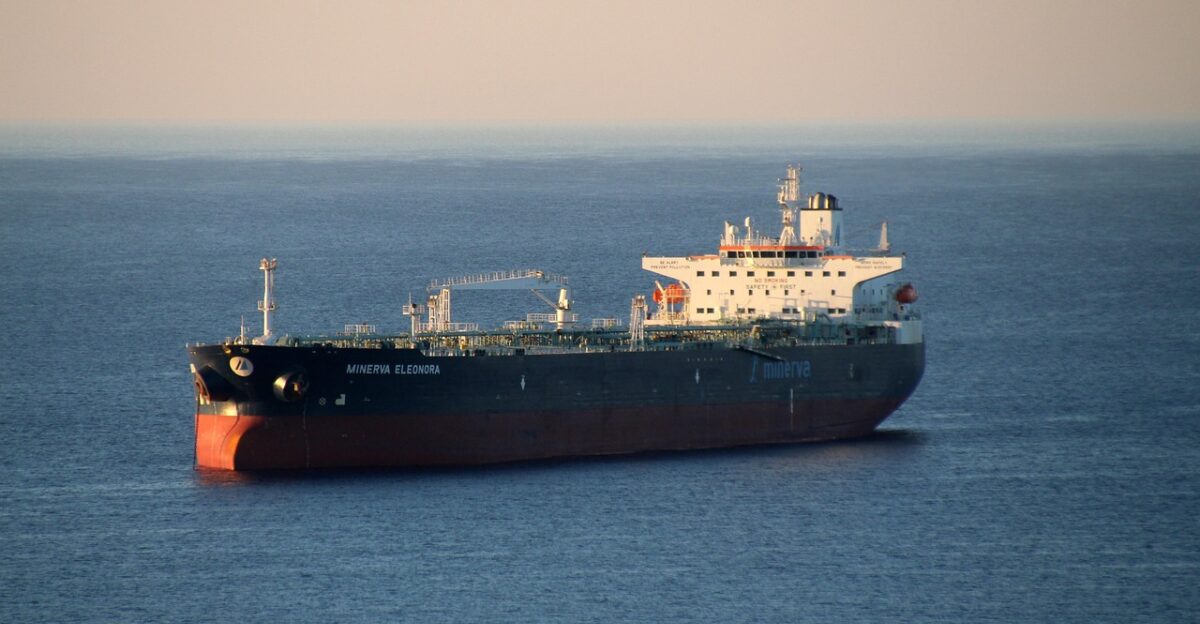
Meanwhile, the oil tanker Bella 1 became the focus of a separate drama. Originally registered under invalid Panamanian paperwork, the vessel departed Iran carrying sanctioned crude and had been tracked by the U.S. Coast Guard for weeks. Boarding attempts repeatedly failed as the crew resisted. Then, on December 31, crew members painted a Russian flag on the hull, registered the ship with Russia’s maritime registry, renamed it Marinera, and declared Sochi as its home port. Moscow formally demanded that American forces cease pursuit, citing maritime law and the vessel’s new Russian status. Former Treasury sanctions officer David Tannbaum expressed skepticism: “Russia’s rapid flag registration would likely not hold up legally.”
Bella 1 was not Washington’s first catch. The Coast Guard had already seized the tanker Skipper in December, which carried smuggled Iranian crude linked to Hezbollah and Islamic Revolutionary Guard networks. Both vessels were heading toward Asia when intercepted. Venezuela condemned the seizures as “international piracy,” but Trump’s team expected more captures, each representing $50-100 million in lost revenue for any Venezuelan government.
Military Hardware Arrives in Britain
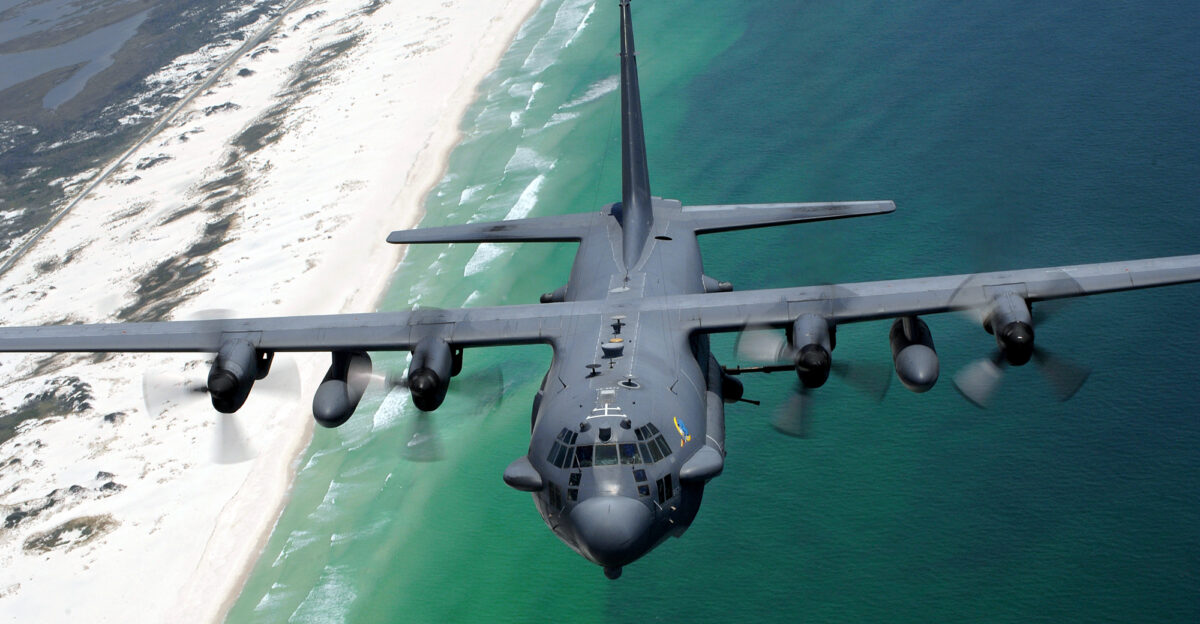
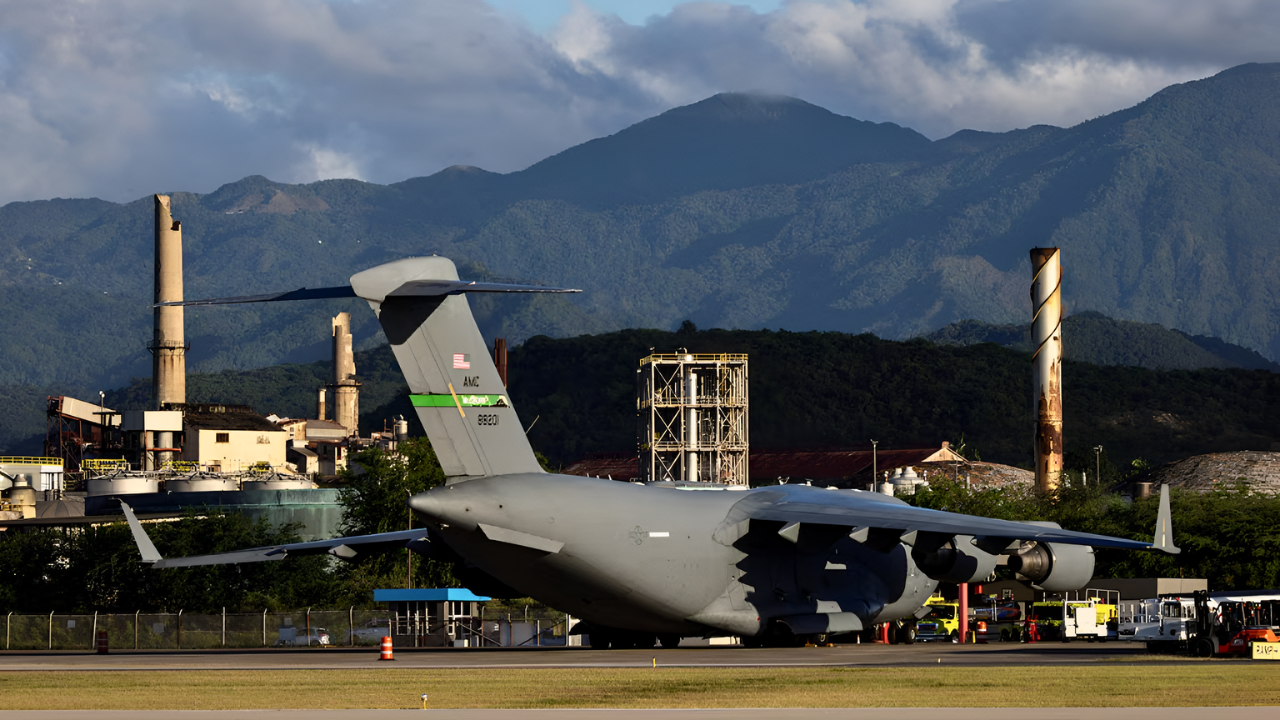
Flight tracking revealed at least ten C-17 Globemasters from Fort Campbell and Hunter Army Airfield landing at RAF Fairford and RAF Mildenhall between January 3-4. More significantly, two AC-130J Ghostrider gunships—America’s deadliest aerial platforms equipped with 105mm howitzers and precision targeting—touched down at Mildenhall. On January 5, one Ghostrider departed on a northwest sortie. The Pentagon was clearly staging assets requiring both precision and overwhelming firepower.
Constitutional Crisis Meets Maritime Law
As Bella 1 continued toward British waters, international maritime law collided with American strategic interests. Britain faces an uncomfortable position: if the U.S. attempts seizure near Royal Navy waters, London must either facilitate the operation or distance itself. Trump’s administration views international law as secondary to strategic imperatives. AC-130 gunships and special operations forces on British bases suggest coordination, yet Parliament was never consulted.
Russia cannot militarily defend a tanker in the Atlantic without triggering Cold War-level escalation that Putin will not risk. Moscow’s strategy relies on legal ambiguity and diplomatic pressure, betting that painting a Russian flag raises the political cost of seizure sufficiently to deter action.
A Shadow Government Emerges
With Maduro locked in Brooklyn, a power vacuum opened in Caracas. Within days, Delcy Rodríguez—Maduro’s former foreign minister and vice president—was sworn in as interim president. She outlined a “transitional government” maintaining legitimacy while remaking foreign policy. Exiled General Miguel Rodríguez Torres, founder of Venezuela’s intelligence service who spent nearly five years imprisoned by Maduro before fleeing to Spain in 2023, is positioned to lead. The implicit trade-off: Venezuela welcomes American investors, cuts ties to Iran and Russia, and accepts American oversight of its oil industry.
Implications Beyond Venezuela
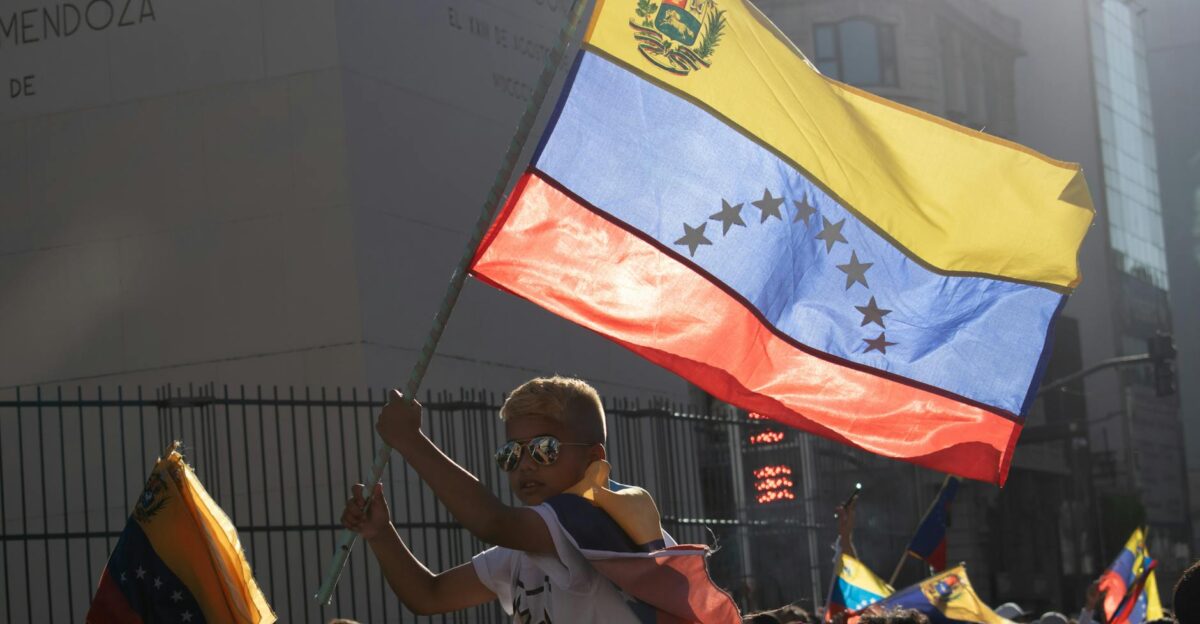
The UN Security Council convened on January 6 to address what multiple nations called a violation of Venezuelan sovereignty. China’s representative stated U.S. actions “seriously infringe upon other countries’ sovereignty.” Secretary-General António Guterres warned the operation “constitutes a dangerous precedent” and expressed alarm that “the rules of international law have not been respected.” The U.S. and allies vetoed formal condemnation, with Trump’s administration invoking presidential war powers and classified intelligence.
Operation Absolute Resolve toppled a government in under three hours. The subsequent C-17 deployment to British bases established infrastructure for follow-up operations. The Bella 1 pursuit signals the administration intends to consolidate control over Venezuela’s resources, not merely its government. As GB News analyst Charlie Peters observed, Trump “cares more for might and strategic U.S. interests rather than niceties of international law.” Every week Bella 1 remains unseized represents a symbolic victory for Iranian-Venezuelan traders. American capabilities remain staged at RAF bases, awaiting orders that could redefine both international maritime enforcement and the limits of presidential power.
Sources
U.S. Special Ops Aircraft Arriving In UK Could Point To Looming Oil Tanker Boarding Operation – The War Zone
U.S. special operations units transit UK en route to Europe – UK Defence Journal
Sudden increase in US military aircraft to Europe prompts speculation – Global Times
Trump has a list of demands for Venezuela’s new leader – Politico
History of the Venezuelan oil industry – Wikipedia
US Airpower Paved Way for Special Ops to Capture Venezuela’s Maduro – Air & Space Forces Magazine