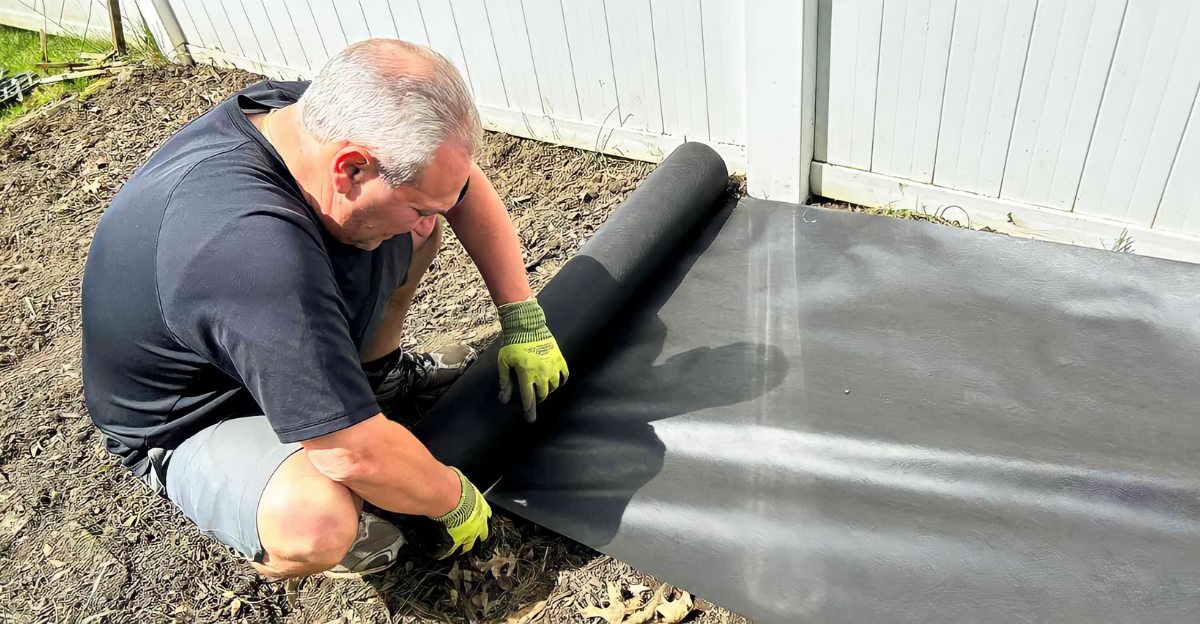
In 2025, American homeowners are reconsidering their lush green lawns as environmental and economic pressures reshape perceptions. Traditional grass lawns consume a staggering 30% of household water nationwide, and in arid regions, this figure can escalate to as much as 60%. With tightening water restrictions and rising concerns about sustainability, homeowners are moving away from conventional turf in favor of more water-efficient landscaping.
One homeowner noted, “We realized how much water we were wasting. Switching to alternatives makes sense!” This widespread shift is fundamentally altering how we view outdoor spaces, ushering in new trends in landscaping across the country.
Drought Conditions
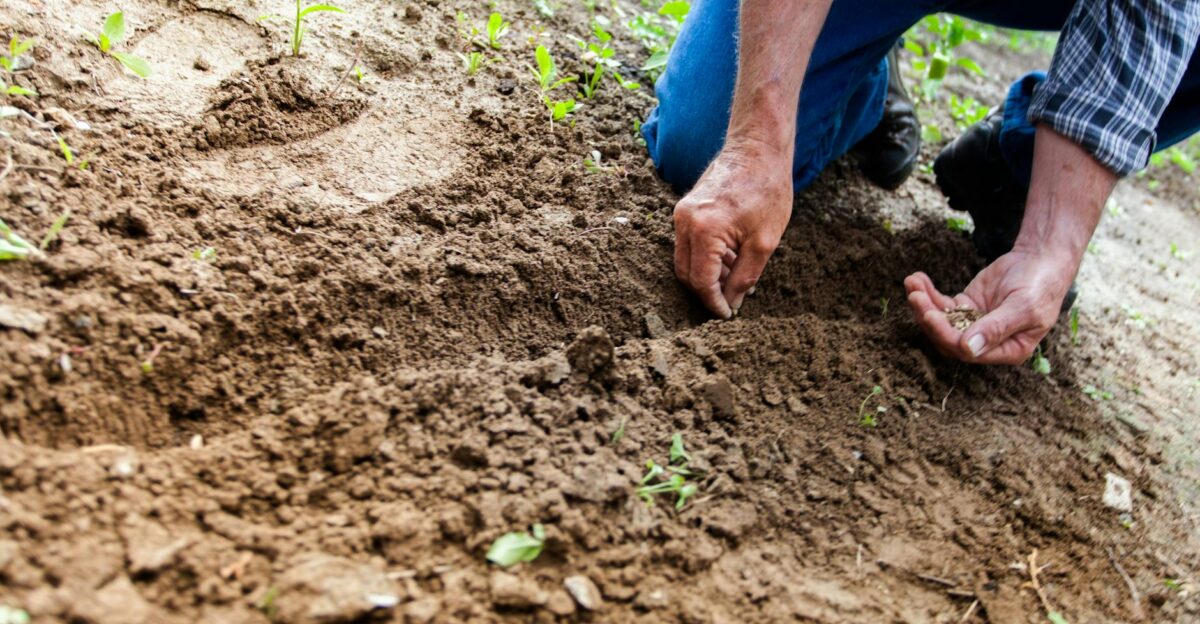
Rising drought conditions have prompted cities nationwide to encourage residents to explore alternatives to water-thirsty lawns. For example, municipalities in California and Texas are increasingly promoting low-water ground covers, offering rebates on conversion projects to incentivize Change. Local governments recognize that maintaining lush lawns is no longer sustainable, and they are taking actionable steps to preserve valuable water resources.
As a city planner from California stated, “Encouraging homeowners to switch to drought-tolerant landscapes is crucial for our future.” This movement toward conservation has initiated a reimagining of landscaping norms, reflecting a growing commitment to environmental responsibility.
Declining Turf Culture
Historically, pristine grass lawns symbolized status and order in suburban neighborhoods. However, this culture is experiencing a notable decline due to increasing environmental advocacy and shifting homeowner values. The traditional ideal of a perfect lawn is becoming less desirable, as communities recognize the ecological impact of excessive water use and chemical treatments.
A local gardener shared, “I used to feel pressured to have a flawless lawn. Now, I appreciate the beauty of native plants and their benefits to wildlife.” This cultural shift represents a transformative moment, as more homeowners prioritize sustainability in their outdoor spaces.
Regulatory Pressures
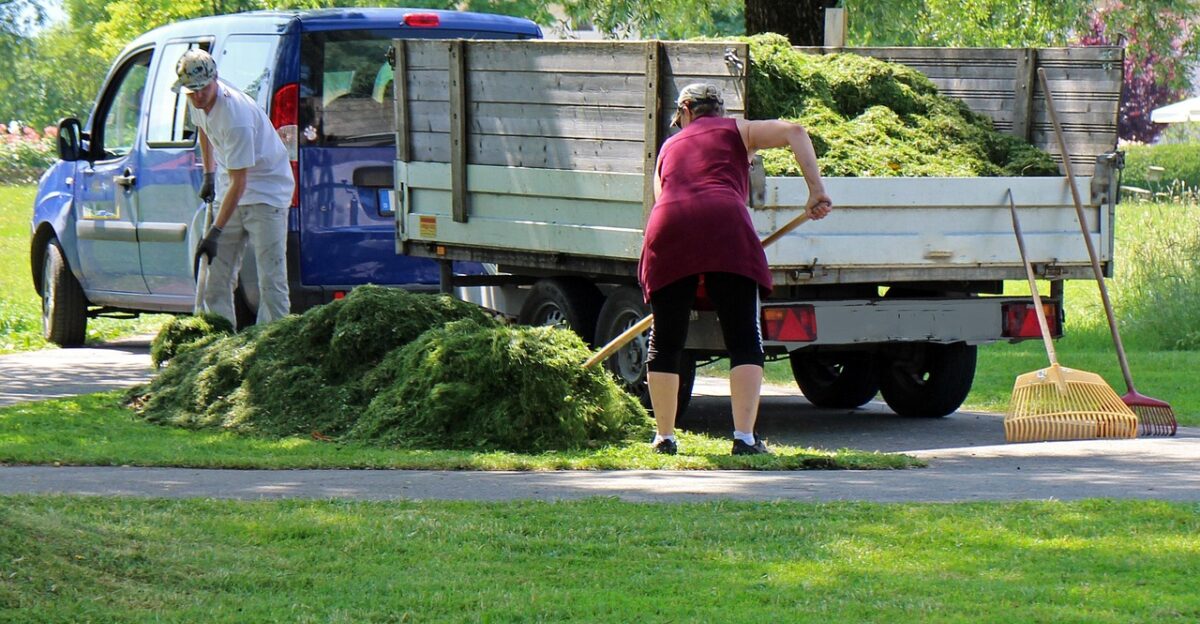
Mounting regulatory and ecological pressures are reshaping lawn care practices. Local governments are implementing bans on excessive watering and harmful chemicals, making traditional lawn care increasingly risky and costly. As cities seek to enhance biodiversity and climate resilience, the focus is shifting toward more sustainable landscaping solutions.
A gardener in Texas observed, “The rules are changing. Embracing native plants helps the environment and reduces my upkeep costs, too!” As the regulatory landscape evolves, it propels this trend forward, encouraging residents to adopt practices that support long-term ecological health.
The Alternative
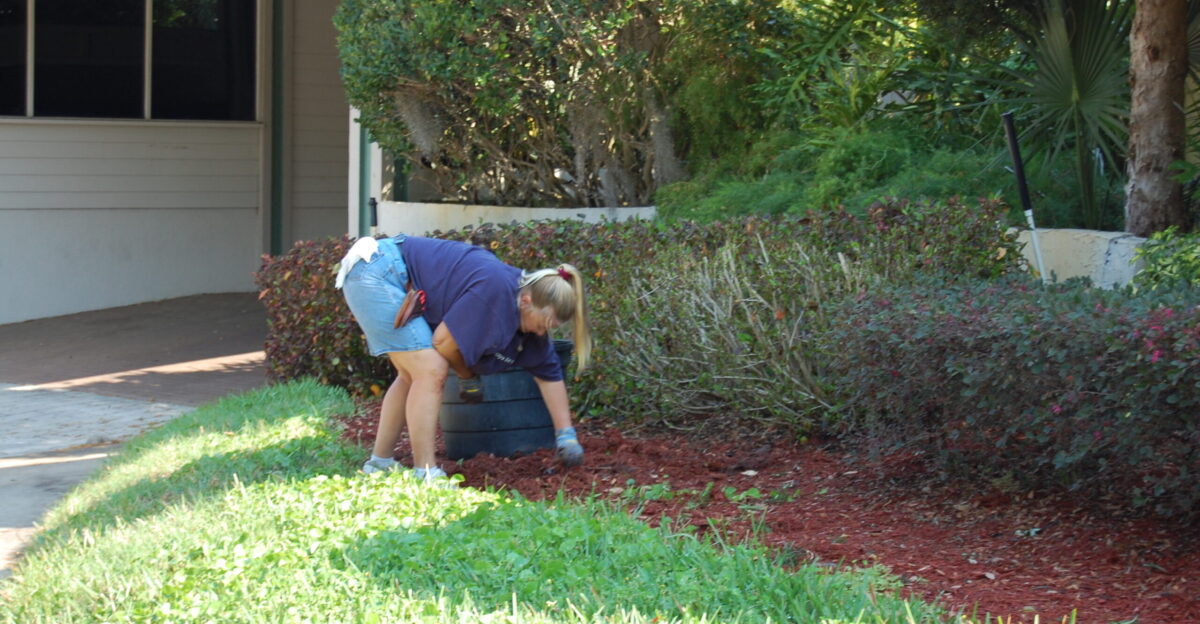
A notable shift is emerging in landscaping trends: by 2025, more than 1 in 5 homeowners in drought-prone regions have transitioned from traditional turf to resilient ground covers such as clover, sedum, and thyme. These alternatives offer significant cost and ecological advantages, appealing to a growing number of environmentally conscious residents.
A homeowner from Arizona expressed, “Switching to clover has not only reduced my water bills but also created a vibrant, inviting lawn that attracts local pollinators.” This indicates a transformative moment, pushing the boundaries of conventional landscaping and highlighting the benefits of embracing diverse, sustainable options.
Regional Movement
This transition is not limited to a single region; it spans the Northeast, Midwest, and West Coast. Many municipalities are formalizing native ground cover lawns as a proactive measure to curb water usage. Incentive programs have emerged, routinely covering up to 50% of conversion costs for residents willing to make this Change.
A resident in California shared, “It’s amazing how much support is available for making the switch. I never thought I could have such a beautiful yard with so little effort!” These efforts showcase a growing commitment to sustainable practices at both local and community levels.
Personal Testimonials
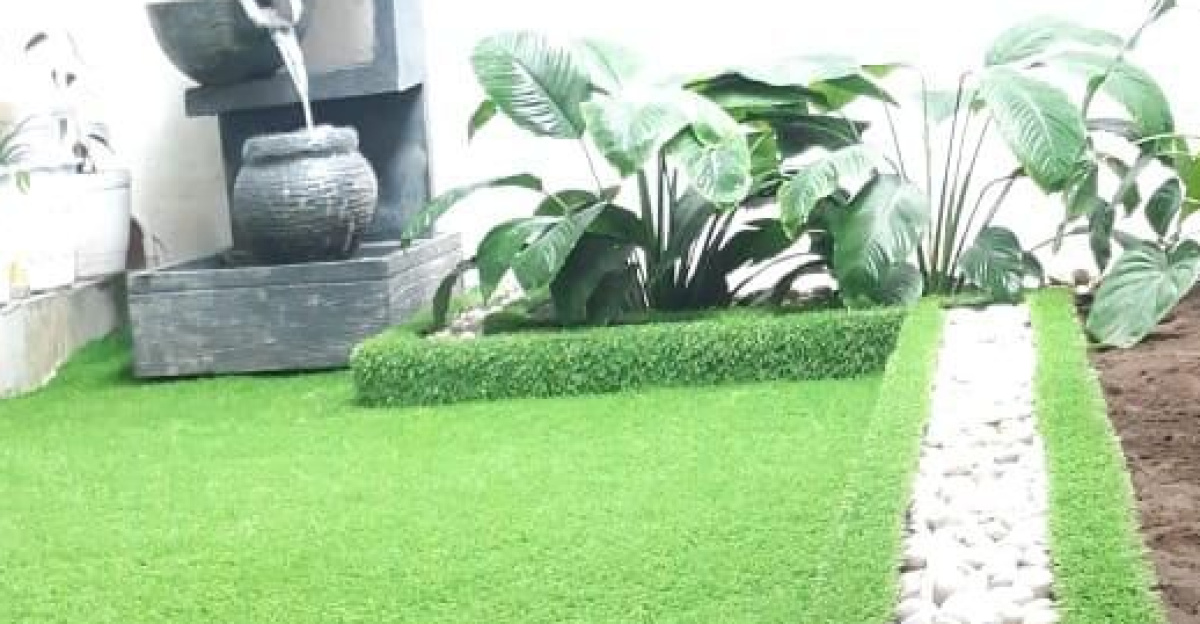
The personal experiences of homeowners mirror this shifting landscape. Barbara Glenn, a resident of Sacramento, California, confidently stated, “Our clover lawn cuts our irrigation by half, and my flowers attract bees all year round.” Stories like hers are familiar, emphasizing the dual benefits of personal savings and enhanced ecological health.
As this trend gains momentum, more homeowners share their successes in creating vibrant, low-maintenance yards. Such testimonials reinforce the growing perception that adopting sustainable landscaping fosters a sense of community while contributing positively to the environment.
New Regulations
Local governments increasingly regulate landscaping practices, with new ordinances mandating native ground cover in developments. Some regions require up to 50% of landscaping to consist of native plants, encouraging more sustainable environments. The Bee City USA initiative has also gained traction, with over 100 member cities now focused on fostering habitats for pollinators.
As a city official remarked, “Healthy landscapes start with healthy pollinators. It’s not just a trend; it’s a necessity for our ecosystems.” These regulatory advances reflect a profound commitment to sustainability and biodiversity at the community level.
Industry Response
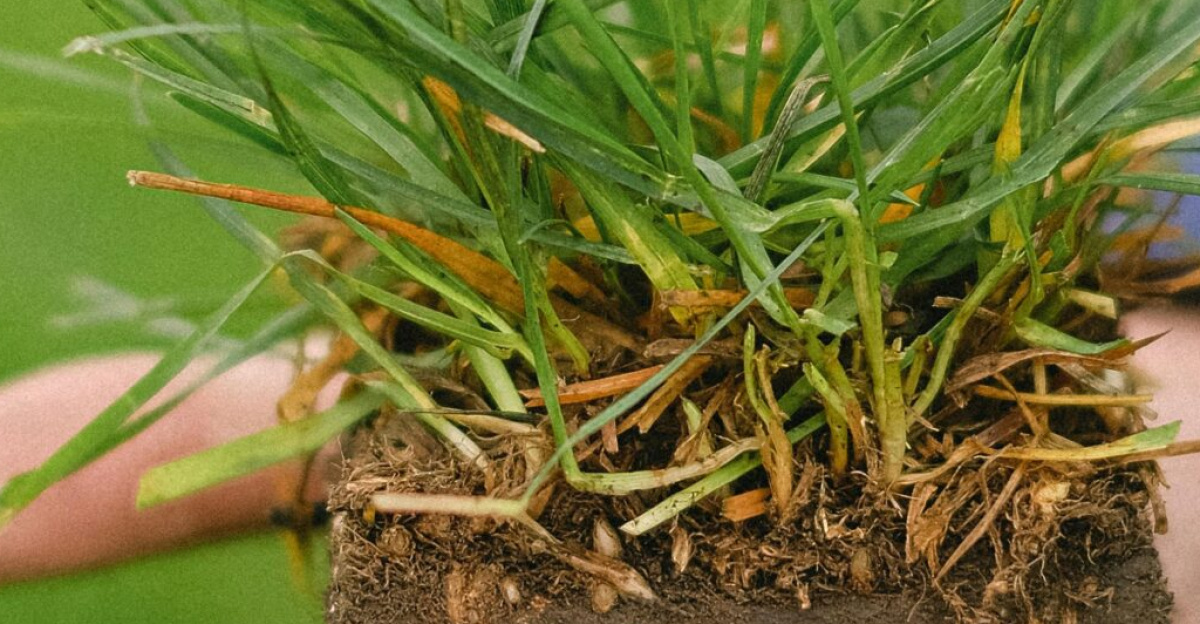
The shift toward sustainable landscaping is reverberating throughout the landscape industry. Nurseries are experiencing a remarkable 20-30% increase in demand for ground cover plants, including sedum, creeping Jenny, and thyme. This surge not only highlights the changing preferences of consumers but also indicates a broader acceptance of alternative landscaping methods.
One nursery owner shared, “Customers are asking for low-maintenance options more than ever. They want gardens that bloom with life, not lawns that wilt under the heat.” This adaptation within the industry demonstrates a profound shift in consumer priorities.
Switching Grass Types
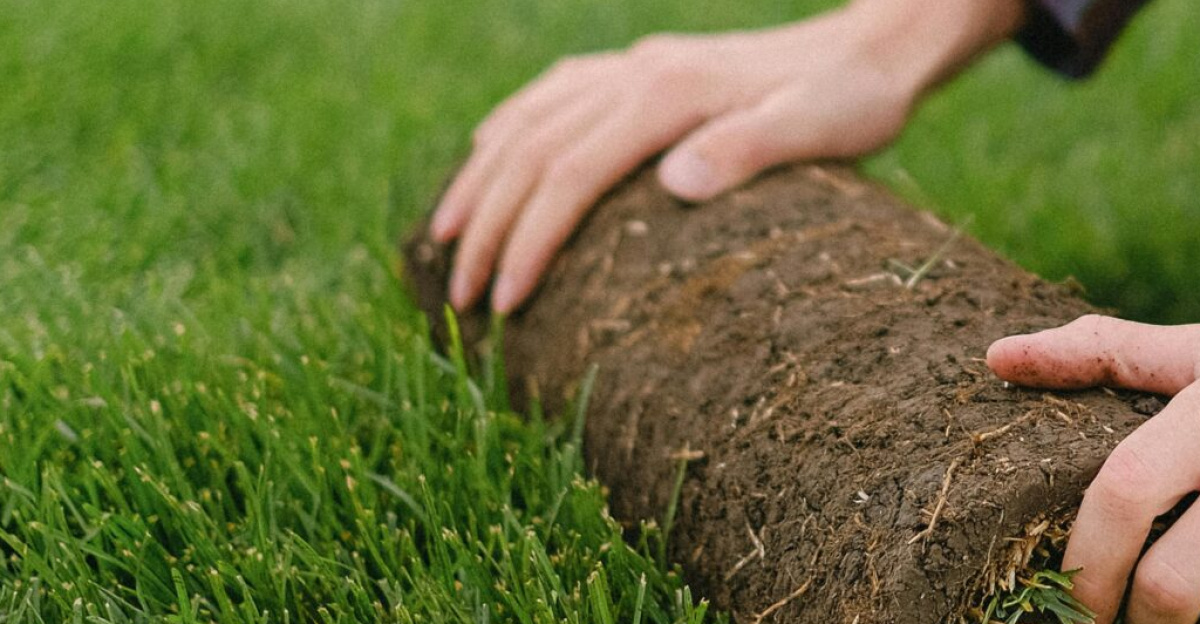
By switching from conventional grass to diverse ground covers, households can save an estimated 40-70% in water usage annually. In addition, these changes promote improved soil health and reduce runoff pollution in urban areas, which are key drivers behind municipal incentives aimed at fostering sustainable landscapes.
A homeowner in Florida expressed, “The water savings have been incredible, and my garden feels healthier than ever. It’s a win-win!” This pivotal Change underscores the tangible benefits of embracing alternatives to traditional lawns, prompting residents to rethink their landscaping choices for a more sustainable future.
Transition Challenges

Despite the positive trend, not all transitions are seamless. Many homeowners encounter unexpected costs associated with stringent conversion deadlines, while others lament the loss of open play space for children.
A concerned parent remarked, “I want to support the environment, but my kids miss having space to play. It’s a balancing act.” This ongoing debate highlights the complexities of transitioning from traditional lawns to alternatives, illustrating the diverse perspectives that shape this evolving narrative in residential landscaping.
Landscape Innovations

In response to these emerging trends, landscape architecture firms are launching new divisions focused on “ecological transformation.” These teams are dedicated to replacing traditional turf with native ground covers and waterwise materials, concentrating on sustainable design and installation practices.
A landscape architect shared, “We’re excited to redefine outdoor spaces and show clients how beautiful native plants can be. It’s about harmony with nature.” As industry innovations continue, they reflect a broader recognition of the need for sustainability in design, paving the way for environmentally friendly landscapes.
Marketing Ground Covers
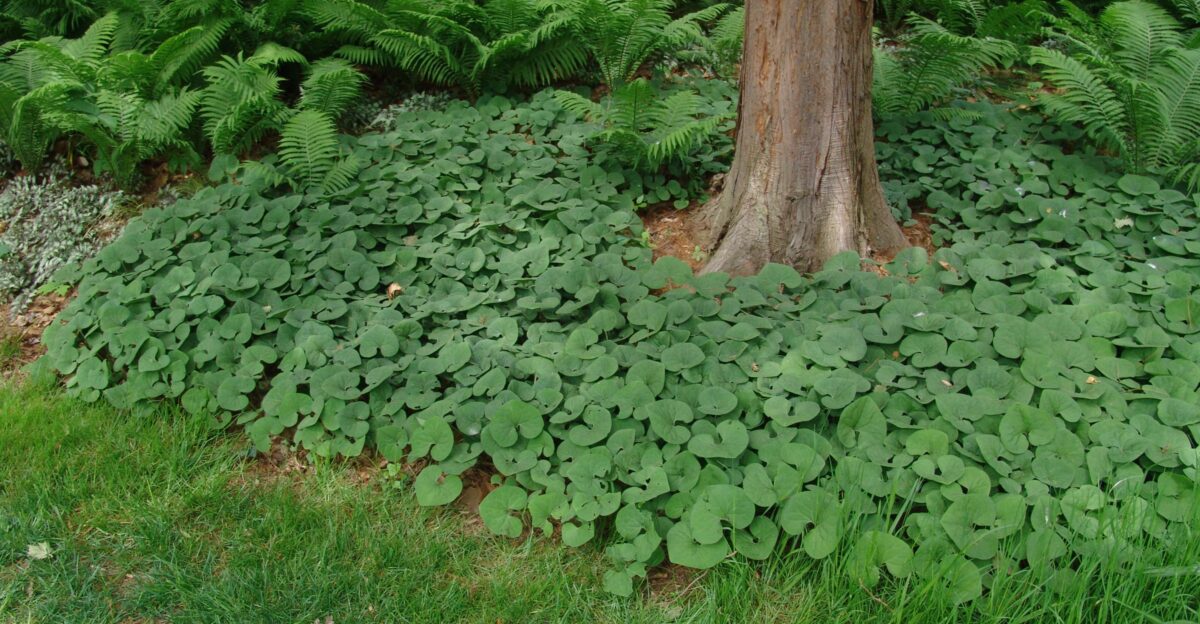
To stimulate interest, companies are rebranding ground covers with appealing terms like “living mulch,” “pollinator havens,” and “pet-friendly turf.” This effective marketing strategy has significantly boosted adoption rates and cultivated consumer loyalty.
A local retailer mentioned, “People want to feel connected to their yards. By promoting these landscapes as beneficial for the environment, we’re capturing the hearts and wallets of homeowners.” This shift in perception helps to align consumer interests with sustainable landscaping practices, fostering a growing market for eco-friendly options.
Expert Insights

While ground covers offer numerous benefits, some horticulturists caution that they may not withstand heavy wear or sports activities, recommending a mix of turf and ground cover zones for optimal results. A horticultural expert pointed out, “Ground covers are fantastic for aesthetics and conservation, but they may require careful planning for high-traffic areas.”
This expert insight reminds us that while alternative landscaping can be beneficial, it’s essential to consider the specific needs of each yard to create functional outdoor spaces.
Future Prospects
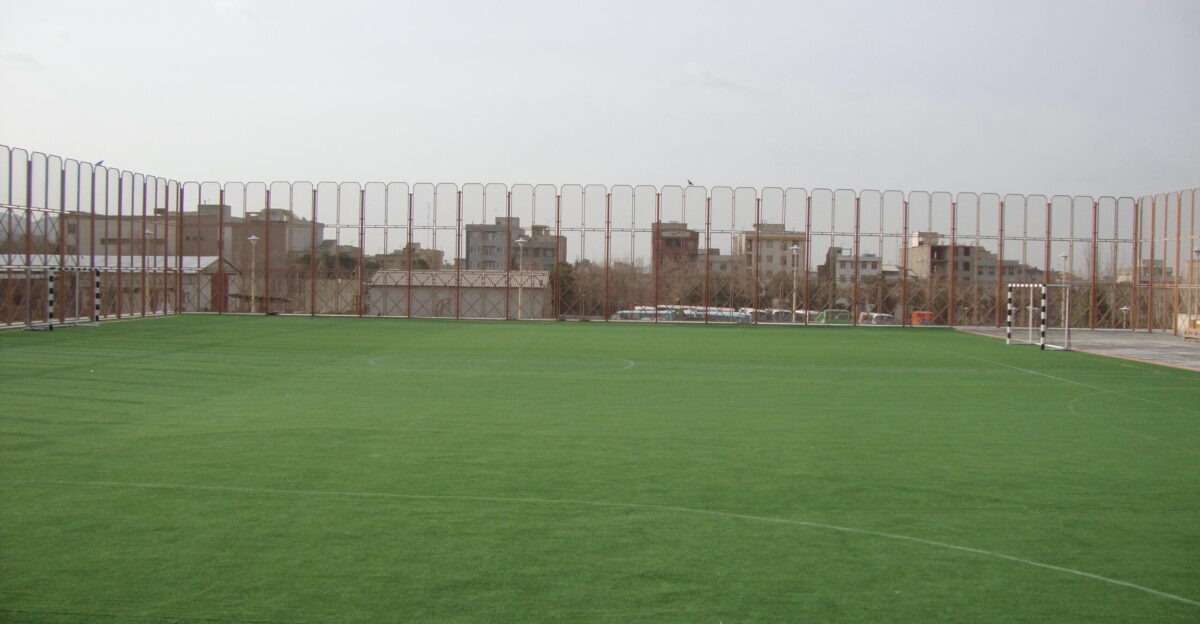
The question arises: Will this shift toward sustainable landscaping last? Experts suggest that future incentives and ongoing climate volatility could solidify ground covers as the new norm in the U.S. However, they also caution that the enduring culture of pristine turf may slow the adoption rate.
A sociologist elaborated, “Change takes time, especially when established norms are involved. But even small shifts can lead to larger cultural transformations over time.” This insight highlights the dynamic interplay between tradition and innovation that characterizes this moment in landscaping history.
Policy Advances
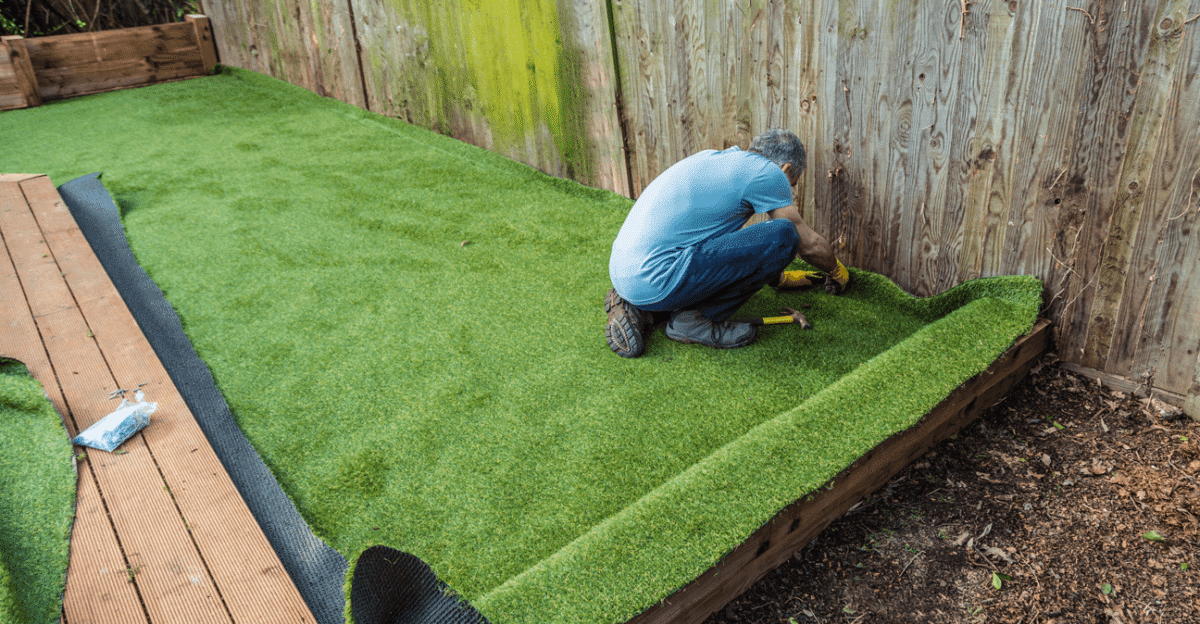
Local municipalities are considering more stringent limits on turf grass installation. Proposed bills in several states aim to require native ground cover in public parks by 2026, potentially transforming urban landscapes nationwide.
One city council member stated, “These changes are essential for conserving resources and creating resilient ecosystems.” This proactive policy direction reflects a growing awareness of prioritizing sustainability and biodiversity, setting the stage for an innovative approach to public landscaping.
International Perspectives
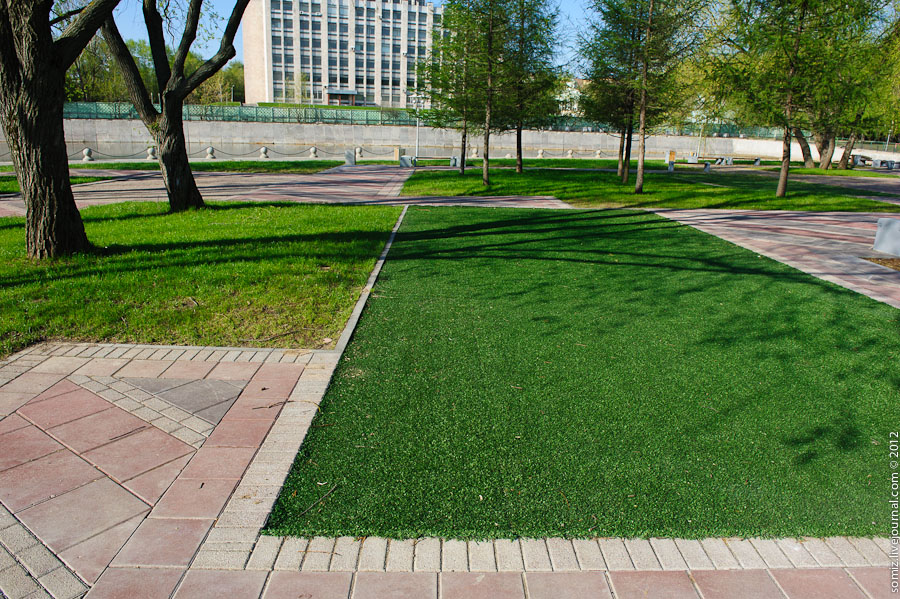
This movement toward sustainable landscaping is not exclusive to the United States; cities around the globe, including Melbourne, Australia, and Berlin, Germany, are experiencing similar transitions. These urban centers cite cost, climate resilience, and regulations as primary drivers of Change, a trend echoed in European Union policy statements.
An urban planner in Melbourne remarked, “The push for sustainable landscapes is not just a local initiative; it’s a global movement toward environmental stewardship.” This international wave emphasizes shared values as communities unite to embrace sustainable landscaping.
Environmental Gains
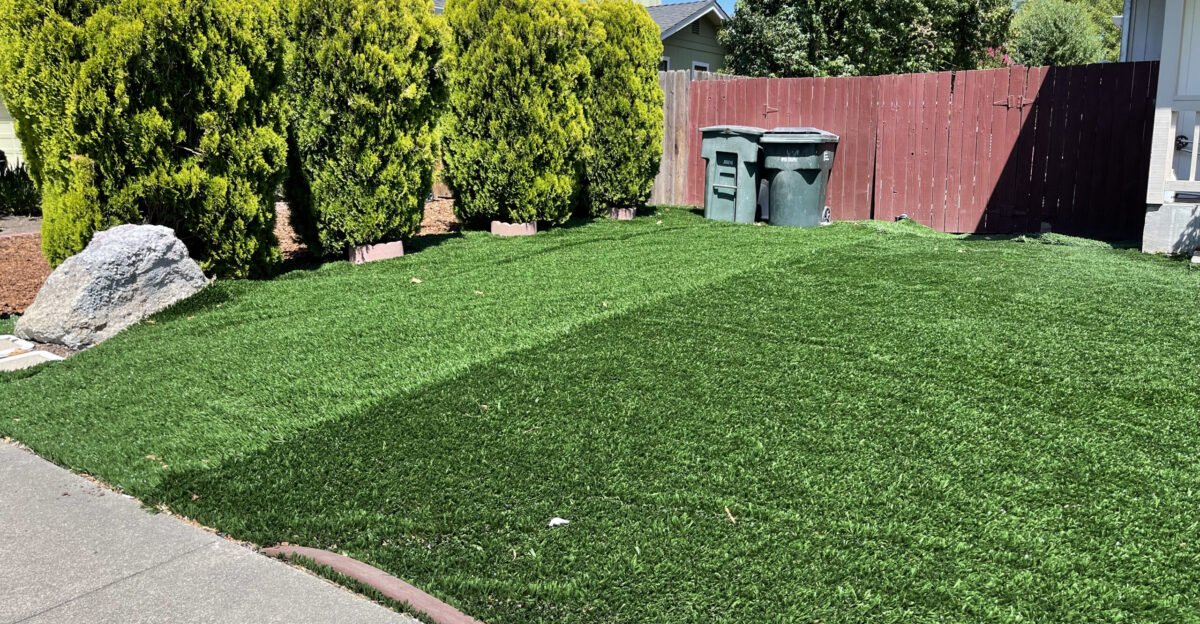
Transitioning to ground covers conserves resources and significantly reduces mower and fertilizer use, which in turn cuts emissions and runoff. New EPA guidelines advocate for ecosystem-friendly landscaping practices, emphasizing the importance of protecting urban biodiversity.
An environmental activist stated, “We are responsible for creating landscapes that give back to the earth. It’s not just about aesthetics; it’s about fostering healthier communities.” These insights underscore the critical relationship between landscaping choices and environmental outcomes, reinforcing the necessity of sustainable practices.
Cultural Transformation
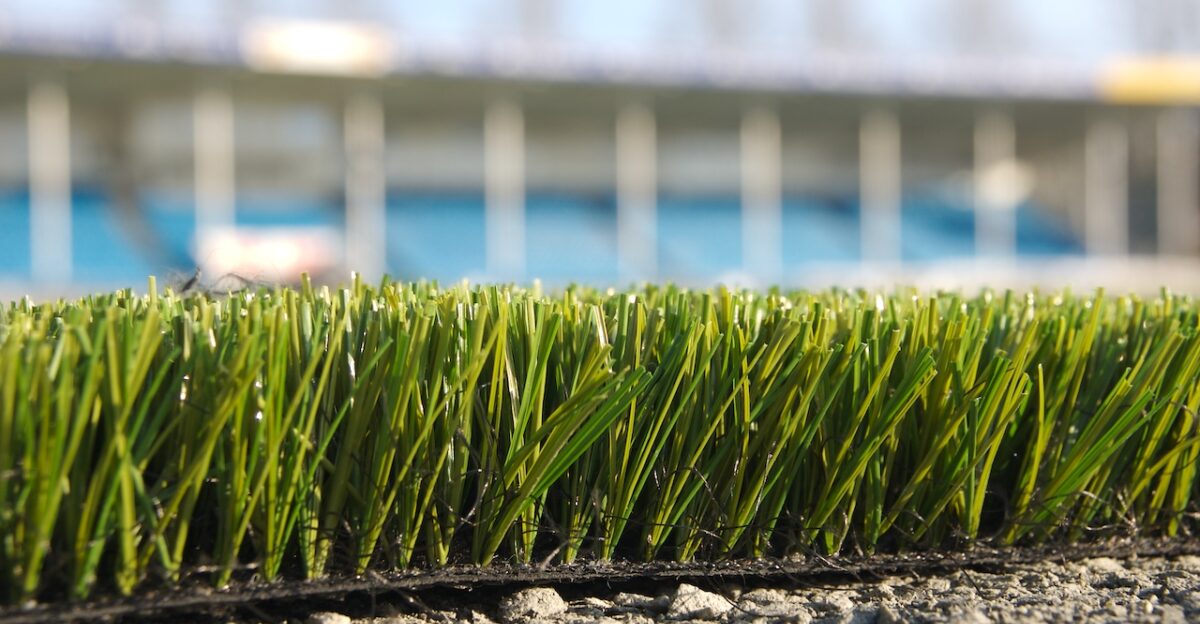
As lawn alternatives become more prevalent, they serve as visible markers of cultural Change. Younger generations of homeowners increasingly favor bold, creative landscaping that prioritizes ecological health over traditional aesthetics.
A millennial homeowner expressed, “I want my garden to reflect my values, and that means choosing plants that benefit wildlife and use less water.” This cultural transformation highlights a broader generational shift in mindset, where sustainability is integral to residential life and identity.
The Road Ahead
As the movement toward sustainable landscaping continues to evolve, it leaves room for exciting new developments. Homeowners, local governments, and the landscaping industry must collaborate to foster a more sustainable future. With increased awareness of environmental issues and the benefits of native plants, the shift away from traditional lawns seems poised to gain lasting momentum.
As one homeowner optimistically reflected, “This isn’t just a trend; it’s a lifestyle change that’s here to stay.” This collective commitment to sustainability promises a brighter, greener future for American landscapes.