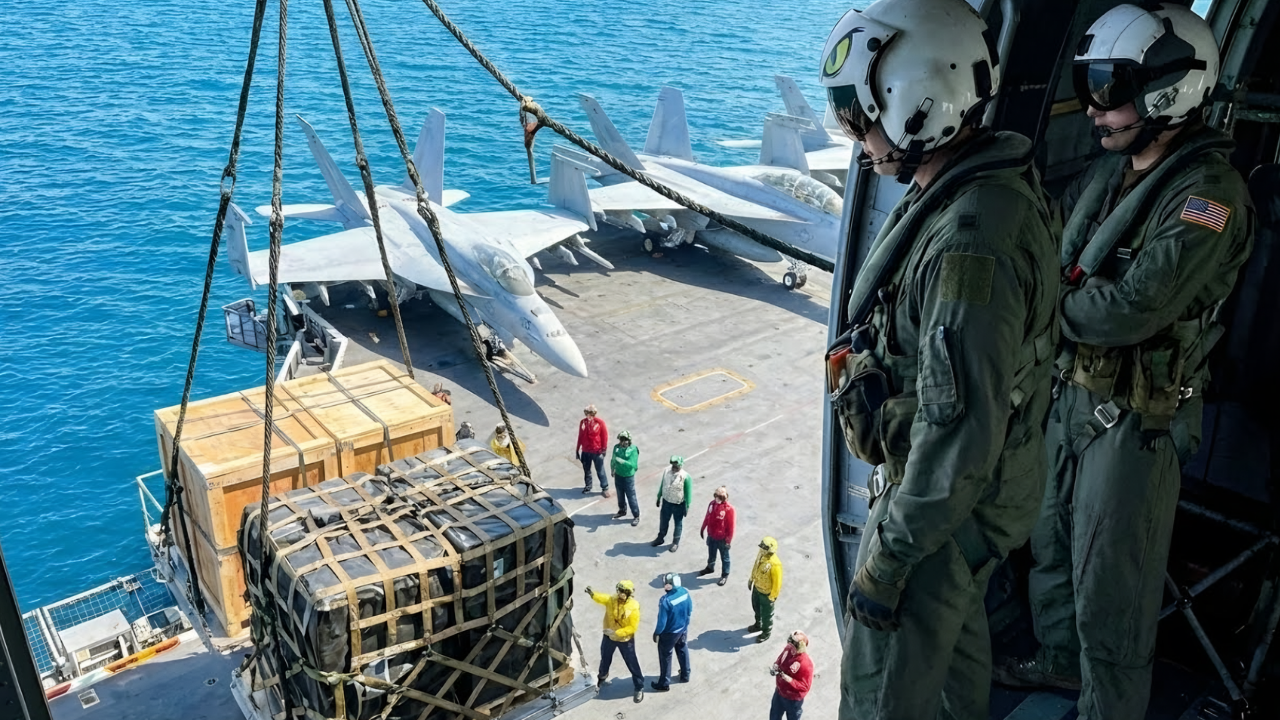
Iran is aggressively rebuilding its ballistic missile arsenal after a devastating June 2025 Israeli-American military campaign destroyed much of its offensive capability. U.S. intelligence agencies report Tehran is systematically acquiring advanced components from Chinese suppliers to accelerate this rearmament.
Washington has shifted tactics, moving from sanctions alone to direct maritime enforcement operations designed to intercept shipments before they reach Iranian hands.
China’s Enabling Role
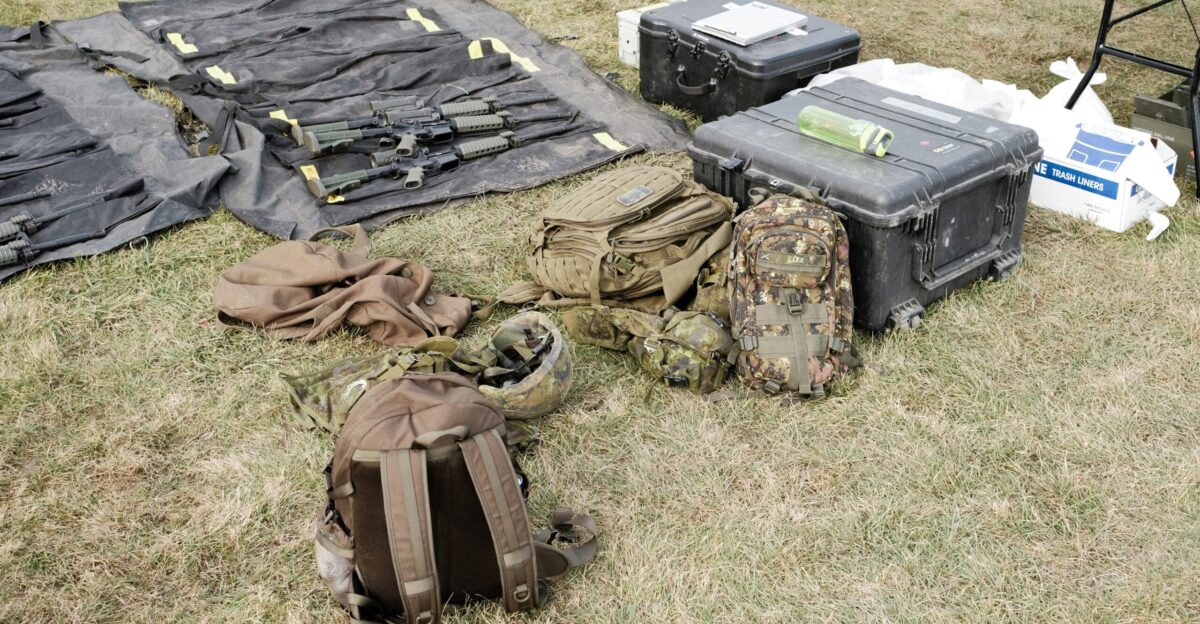
Beijing has become Tehran’s primary supplier of dual-use technologies, civilian-grade equipment with military applications. Experts at the Foundation for Defense of Democracies (FDD) characterize China as a “permissive jurisdiction” for exporting illicit missile-related goods to Iran’s Islamic Revolutionary Guard Corps (IRGC).
U.S. Treasury Department officials say Chinese firms have “failed to deter” despite April 2025 economic sanctions targeting procurement networks.
Chemical Pipeline Under Spotlight
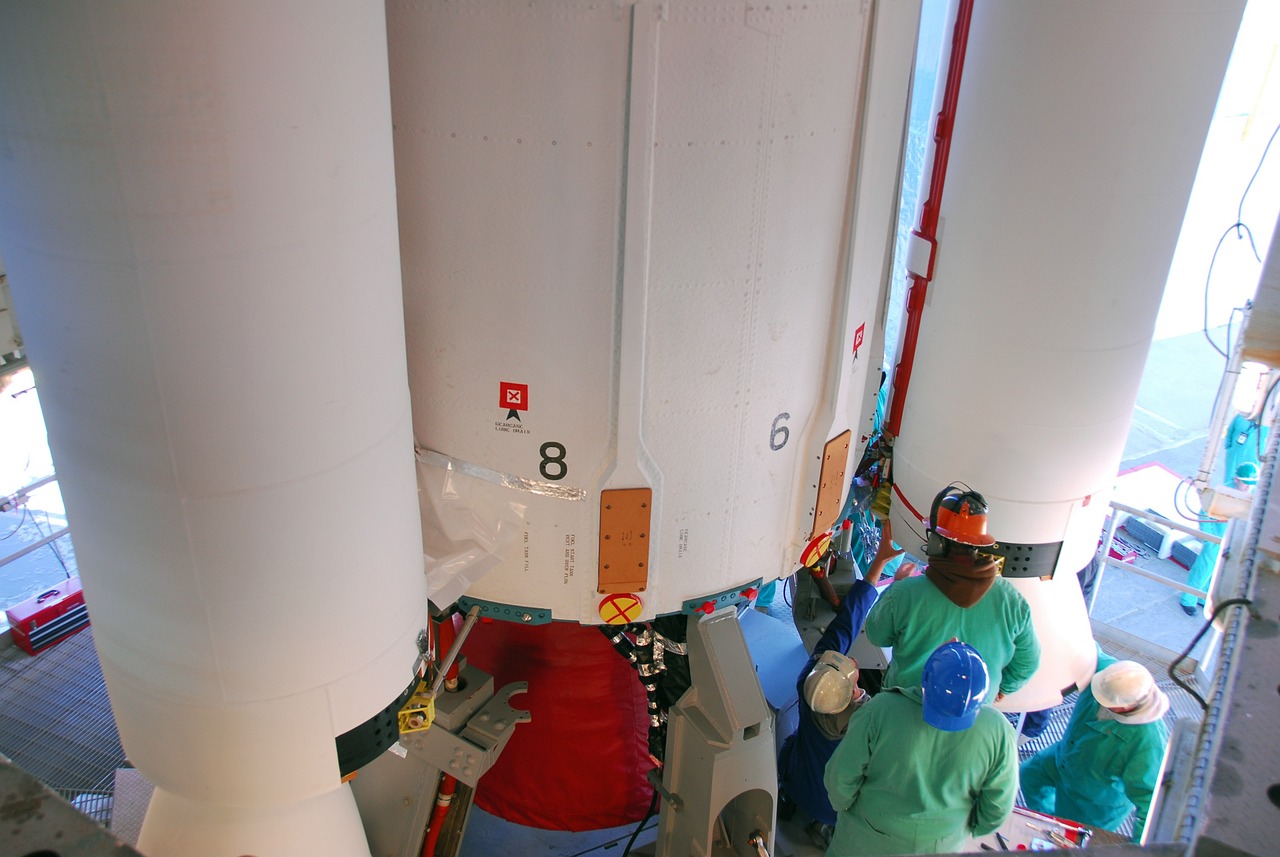
In early 2025, Iran successfully imported 1,000 tons of sodium perchlorate, a chemical used in solid-rocket fuel, from China aboard the cargo ships Golbon and Jairan. These shipments provided enough material to fuel approximately 260 short-range ballistic missiles.
U.S. authorities publicly sanctioned multiple Iranian and Chinese entities that facilitated these transfers, but congressional investigators discovered that the flow continued unabated.
The Larger Order
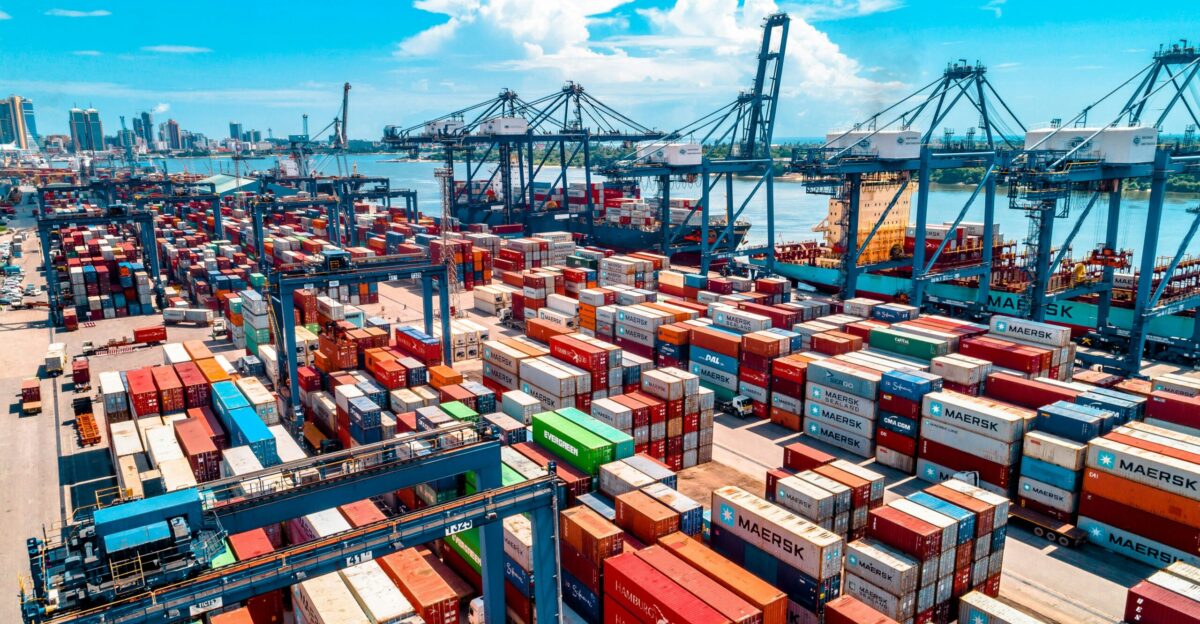
By June 2025, American intelligence had detected an even larger Iranian procurement order: 185 shipping containers of ammonium perchlorate, the refined form of sodium perchlorate, from the Hong Kong-based supplier Lion Commodities Holdings Ltd.
U.S. officials estimated this volume could fuel production of up to 800 ballistic missiles. Congressional representatives Krishnamoorthi (D-IL) and Courtney (D-CT) demanded an urgent investigation into how such bulk quantities could traverse international waters.
The Interdiction

Last month, a U.S. Special Operations team under Indo-Pacific Command authority boarded a cargo vessel several hundred miles off Sri Lanka’s coast in the Indian Ocean. The soldiers seized Chinese-manufactured dual-use components, including precision spectrometers, gyroscopes, and measurement devices, destined for Iranian companies specializing in missile procurement.
The interdiction marked the first known American military seizure of Chinese-origin cargo headed to Iran in recent years.
From Ocean to Destruction

After confiscating the cargo, U.S. forces destroyed the seized components aboard the vessel. The ship itself was allowed to continue its voyage, signaling Washington’s intent to pressure supply chains rather than cripple maritime commerce.
U.S. officials characterized the components as “potentially useful” for enhancing Iran’s conventional missile systems, particularly in terms of guidance and targeting precision. The operation took place weeks before a separate U.S. seizure of a sanctioned tanker off the coast of Venezuela.
A Rare Show of Force
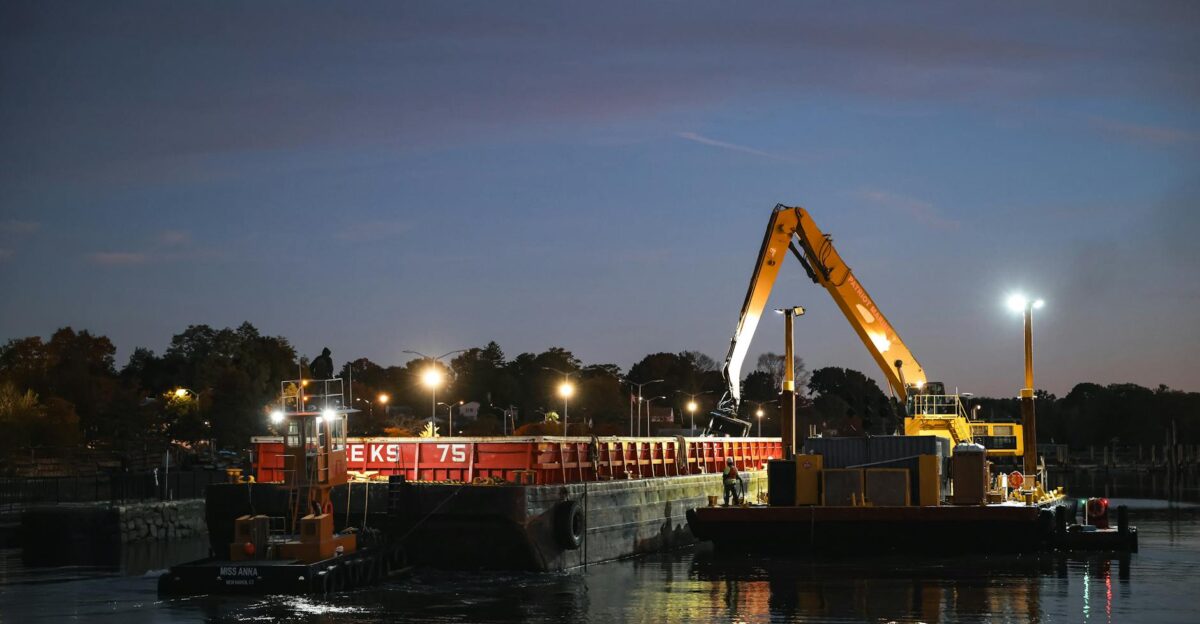
Military analysts view the Indian Ocean raid as a dramatic escalation in U.S. enforcement posture under the Trump administration. Interdicting vessels on the high seas carries legal and diplomatic risks, requiring robust legal justification under U.N. Security Council resolutions.
The operation signals Washington’s willingness to use military assets—not just economic sanctions to disrupt Iran’s rearmament timeline. Experts expect more such actions as tensions remain elevated following the June 2025 conflict.
Why Precision Components Matter
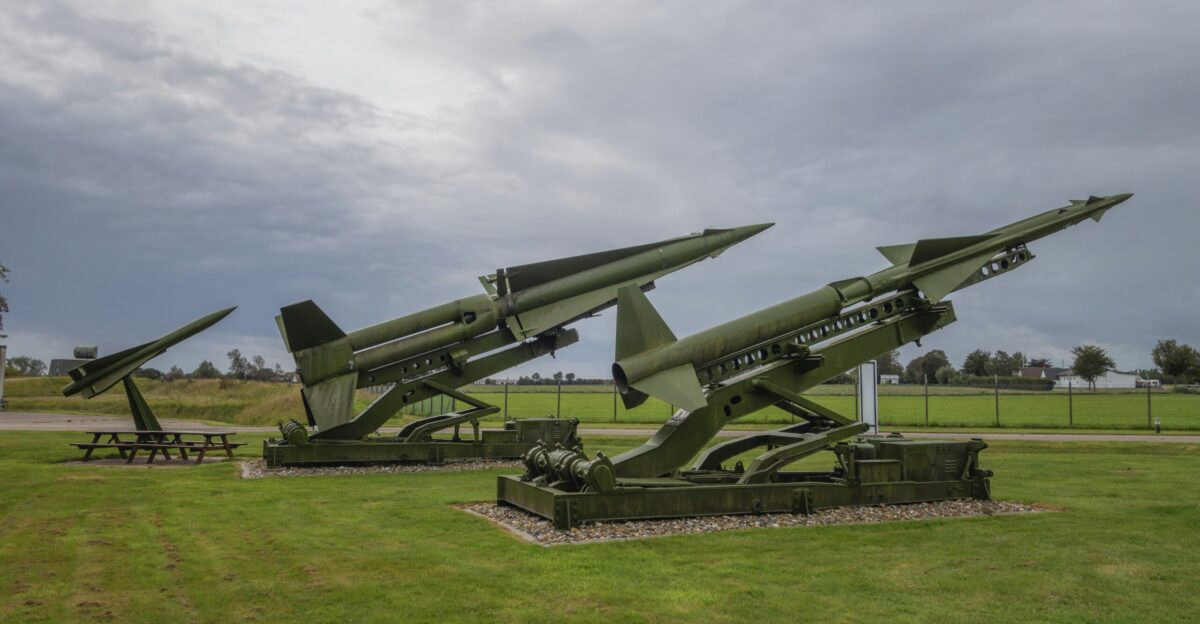
Dual-use items, such as spectrometers and gyroscopes, are far more strategically significant than bulk chemicals, according to FDD Iran Director Behnam Ben Taleblu. While ammonium perchlorate fuels missile engines, precision guidance components dramatically improve targeting accuracy and warhead reliability.
A handful of spectrometers seized today could enhance dozens of existing Iranian missiles, making each warhead more lethal. This explains why Washington prioritizes intercepting these smaller, high-value shipments.
The Regulatory Backdrop
In late September 2025, the United Nations reimposed an international arms embargo on Iran, reinstating “snapback” restrictions that prohibit weapons-related shipments to Tehran. This action followed the June 2025 Israeli-American strikes on Iran’s nuclear and missile infrastructure.
U.N. Security Council Resolution 1929 explicitly authorizes member states to inspect and seize prohibited cargo on the high seas. The November seizure explicitly invoked this legal authority, giving the operation firm international standing.
The Incomplete Picture
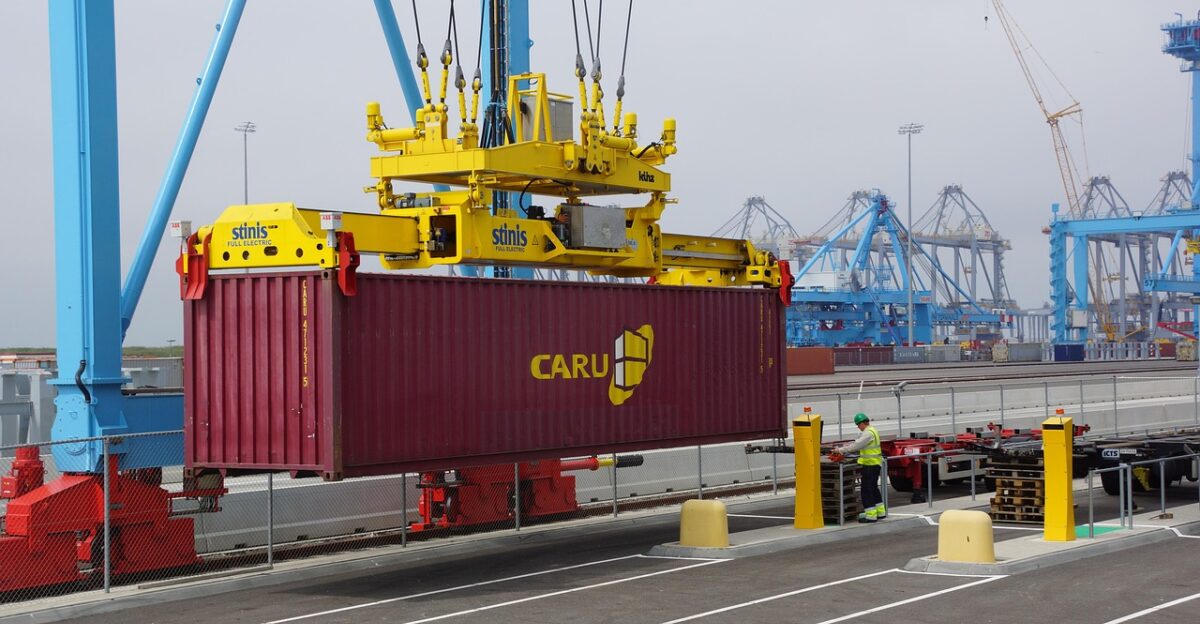
Despite the November seizure, U.S. intelligence assesses that significant quantities of missile-related goods continue flowing from China to Iran through multiple routes. The captured cargo represents only one identified transaction, likely one of dozens annually.
Satellite imagery and shipping records indicate that Iranian front companies and intermediaries routinely obfuscate their destinations and utilize transshipment hubs in Southeast Asia. Officials privately acknowledge the November seizure may have disrupted merely 5–10% of active procurement channels.
Beijing’s Strategic Calculus
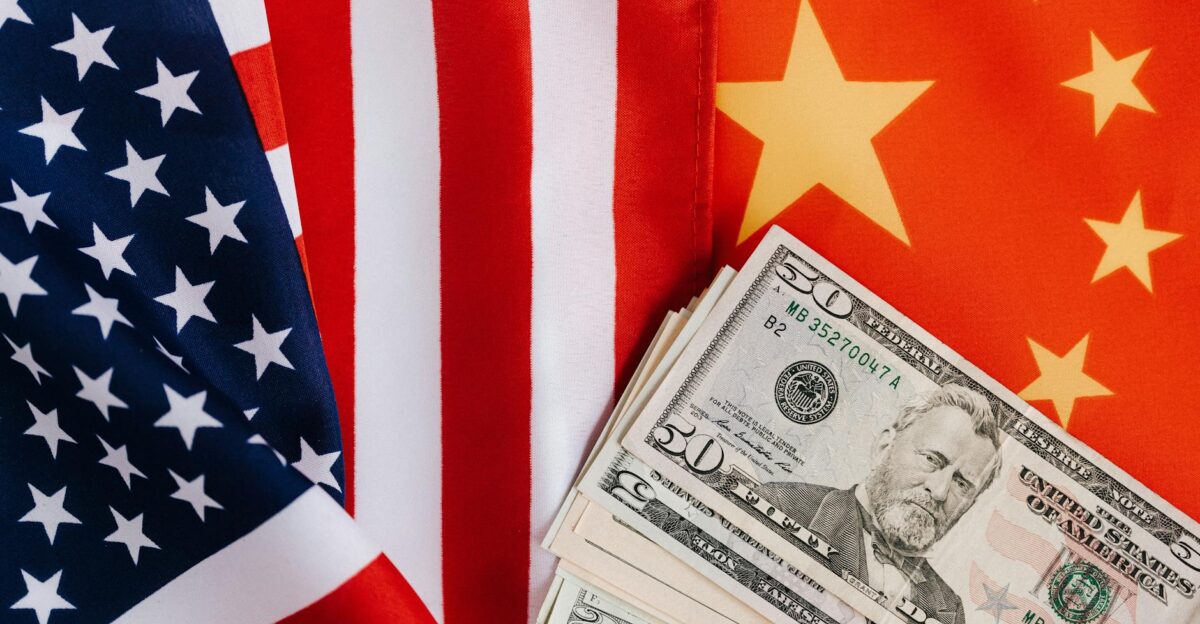
Chinese state officials deny supporting Iran’s military programs, yet Beijing’s tolerance of private firms exporting sensitive technologies to Tehran reflects calculated ambiguity. Some analysts argue that China tolerates the trade for profit; others suggest it serves geopolitical interests by keeping Iran militarily capable in the face of U.S. influence.
U.S. Treasury sanctions have had minimal deterrent effect on Chinese exporters. This asymmetry frustrates Washington policymakers, who say Beijing “seems increasingly emboldened” despite diplomatic pressure.
Supply Chain Adaptations
Iranian procurement networks have rapidly adapted to U.S. enforcement by diversifying routes and suppliers. Intelligence indicates Tehran is expanding purchases from Russia, North Korea, and lesser-scrutinized Southeast Asian nations. Hong Kong and Singapore remain major transshipment hubs due to ambiguous regulatory oversight.
The November seizure may accelerate these adaptive strategies, ultimately increasing compliance costs rather than blocking transfers outright. U.S. officials debate whether maritime interdiction alone suffices.
The Trump Administration’s Escalation
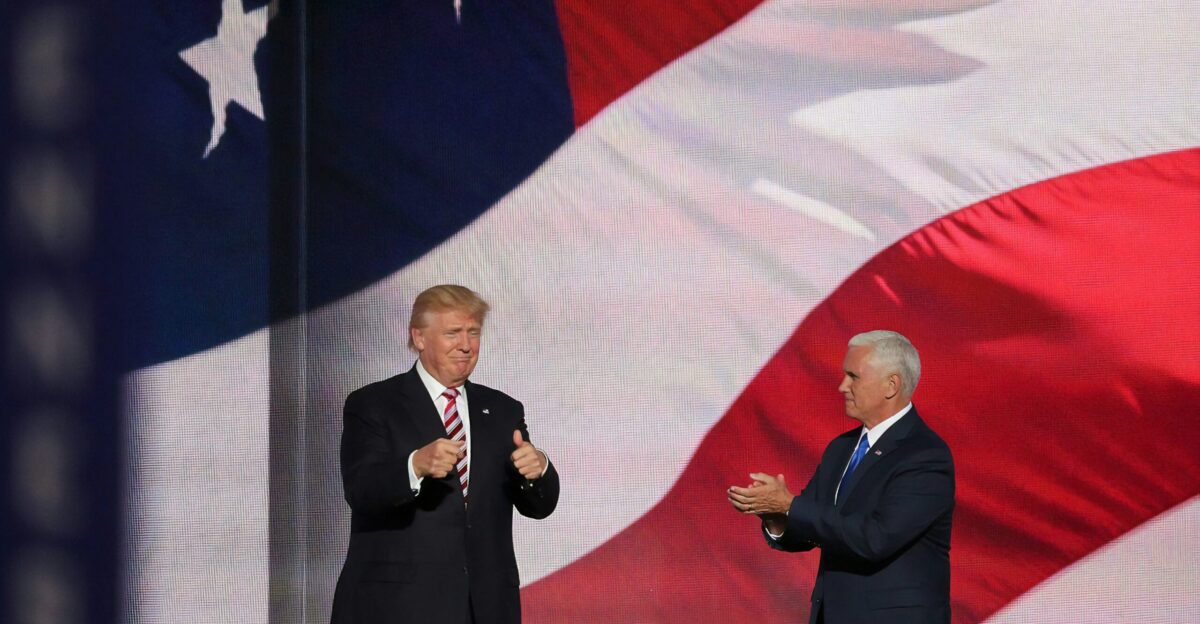
Trump officials have made Iran containment a centerpiece of their Middle East policy, authorizing aggressive maritime operations that were not pursued in prior administrations. The November Indian Ocean raid and the December seizure of a Venezuelan tanker exemplify this “maximum pressure” naval strategy.
Secretary of State Marco Rubio has emphasized that Washington will use “all tools”, diplomatic, economic, and military, to degrade Iranian rearmament. Congress is broadly supportive, though legal scholars debate the scope and sustainability of high-seas enforcement.
Expert Outlook: Can Seizures Slow Iran?
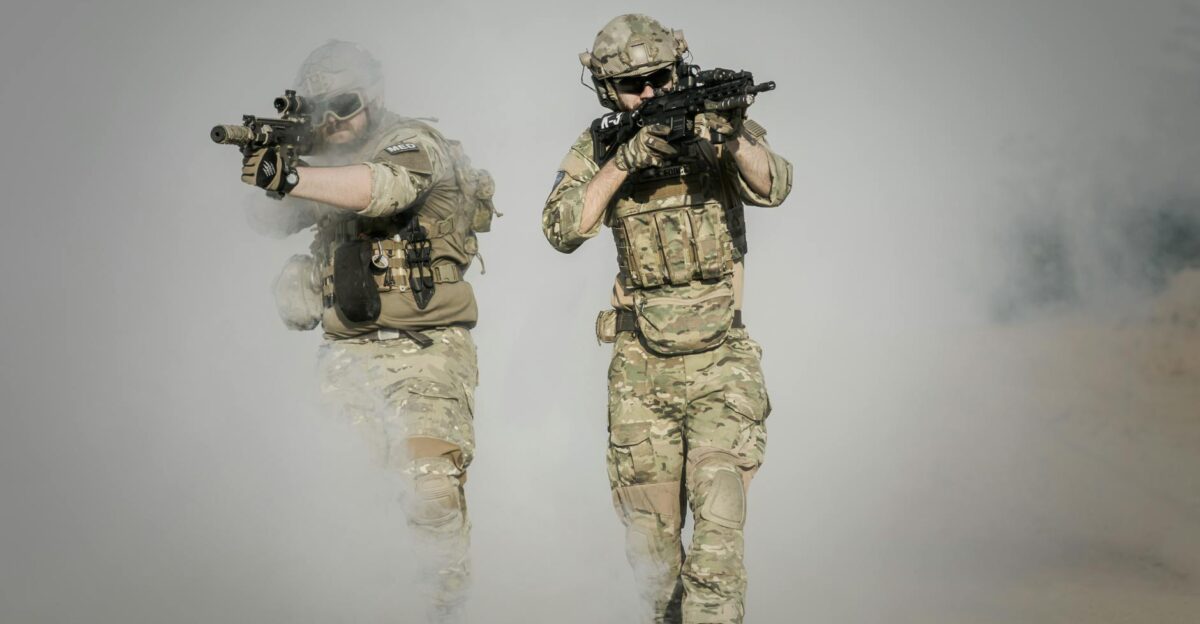
Military analysts are divided on whether interdictions have a material impact on Iranian capabilities. Optimists note that precision components are scarce and difficult to replace; a 10–15% disruption could delay missile upgrades by months.
Skeptics argue Iran holds substantial existing stockpiles, and procurement occurs so continuously that isolated seizures amount to minor friction. FDD’s Bradley Bowman notes that Iran’s 800-missile order “could more than double” its entire arsenal, a scale suggesting even successful interdictions are incremental.
What’s Next on the Horizon?

U.S. officials hint at expanded maritime enforcement operations in the coming months, with a particular focus on targeting vessels transiting the Strait of Hormuz and other chokepoints in the Indian Ocean. Intelligence agencies are reportedly mapping additional Iranian procurement channels to prioritize for future interdiction.
Meanwhile, Iran’s government has threatened retaliation for any “piracy in international waters,” raising the specter of escalating naval tensions. The trajectory suggests 2026 could witness unprecedented U.S.-Iran maritime confrontations.
The Israeli-American Precedent

The November seizure reflects lessons learned from June 2025’s 12-day conflict, when Israel and the U.S. conducted sustained air strikes on Iranian nuclear and ballistic missile facilities. That campaign destroyed production capacity but left Tehran’s will to rearm intact.
U.S. planners concluded that sustained interdiction of imported components rather than episodic strikes might impose greater cumulative costs on Iranian rearmament. The shift signals a longer-term containment strategy.
Regional Allies’ Mixed Reaction
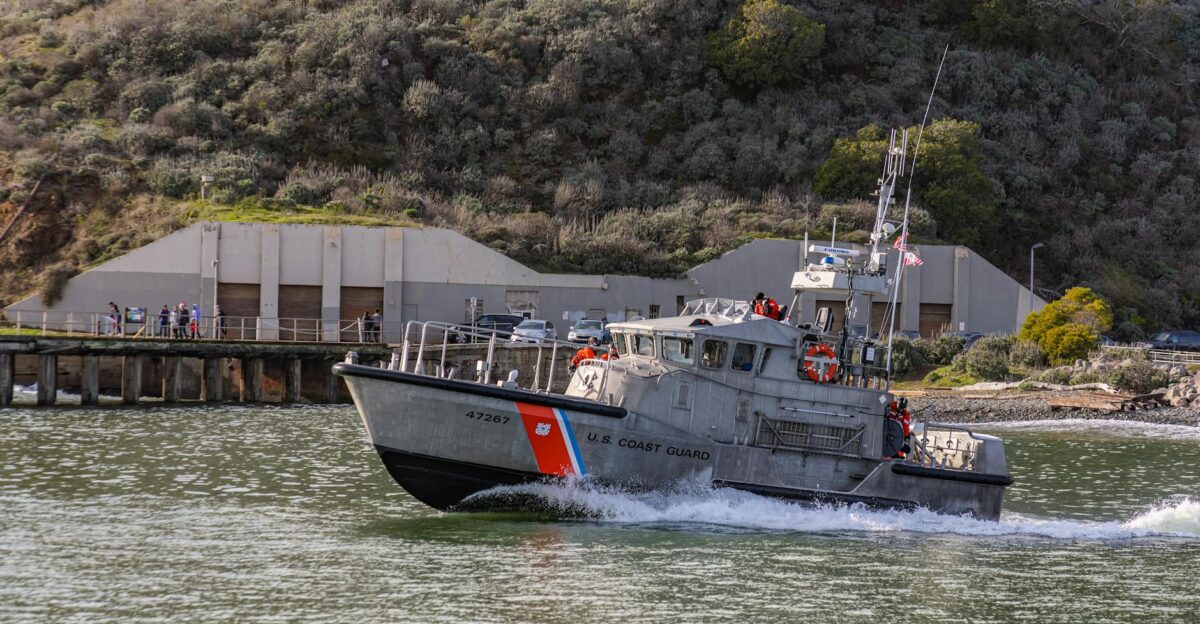
Gulf Arab states have cautiously welcomed U.S. maritime enforcement, viewing it as reinforcement against Iranian expansionism. However, some allies express concern that overly aggressive U.S. actions could provoke Iranian retaliation against commercial shipping or U.S. bases.
India and other maritime powers in the Indian Ocean have quietly urged Washington to coordinate interdictions through regional frameworks to avoid unilateral assertions of authority. These diplomatic tensions hint at limits to unilateral enforcement.
Legal Ambiguities Under Scrutiny
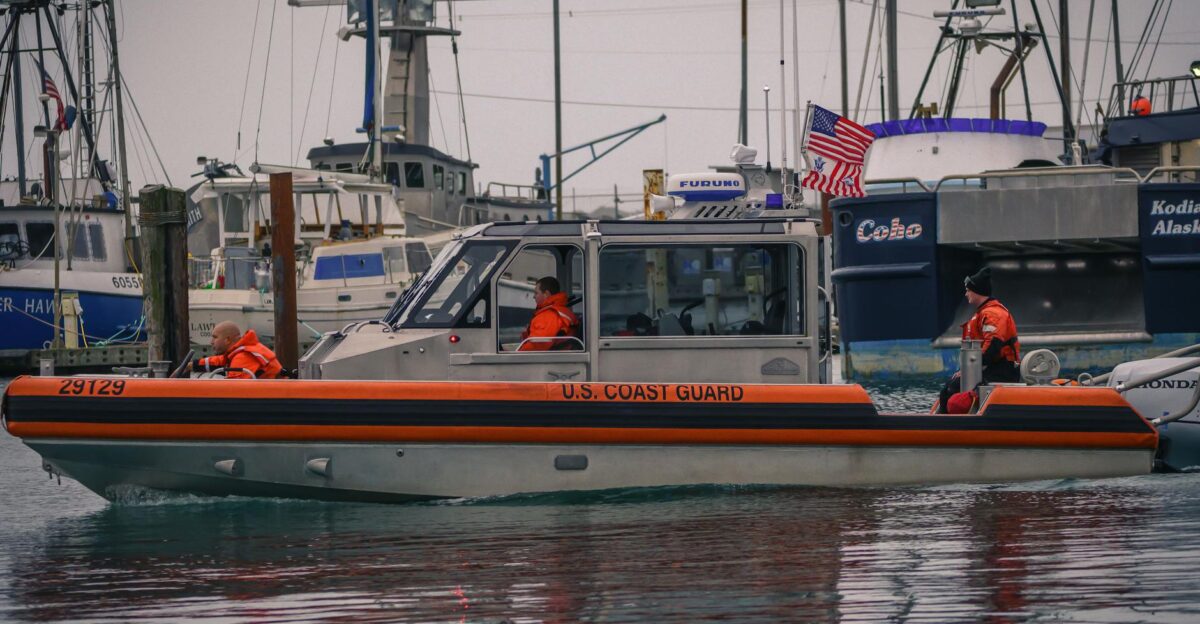
International law scholars debate whether the November seizure fully complied with U.N. procedures. Critics note the operation lacked transparent notification to the vessel’s flag state and Iran before boarding. Defenders argue U.N.
Resolution 1929 grants broad authority for inspections when states have “reasonable grounds to believe” cargo is prohibited. The legal ambiguity could invite counterclaims from Iran or its allies, potentially escalating to U.N. Security Council disputes over the legitimacy of enforcement.
China’s Diplomatic Pushback
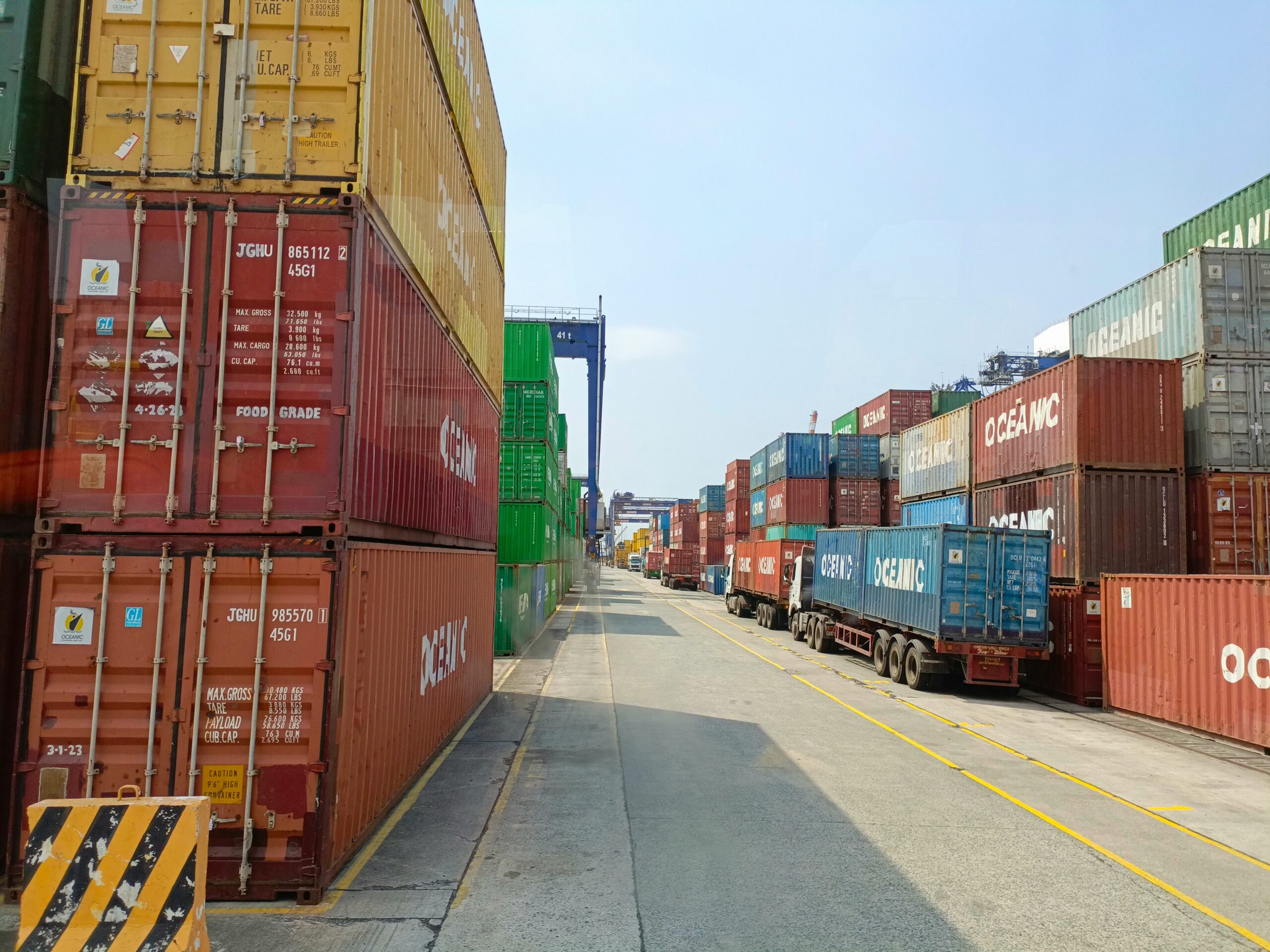
Beijing formally protested the seizure as an infringement on Chinese shipping rights and sovereignty. The Global Times, a state-aligned publication, characterized the operation as “maritime piracy” and called for an international investigation into the incident.
However, China has not escalated beyond diplomatic statements, suggesting restraint in confronting the U.S. militarily. This mismatch between rhetoric and action reflects Beijing’s reluctance to risk broader U.S.-China military escalation, despite elevated trade tensions.
The Bigger Picture: Containment in Motion
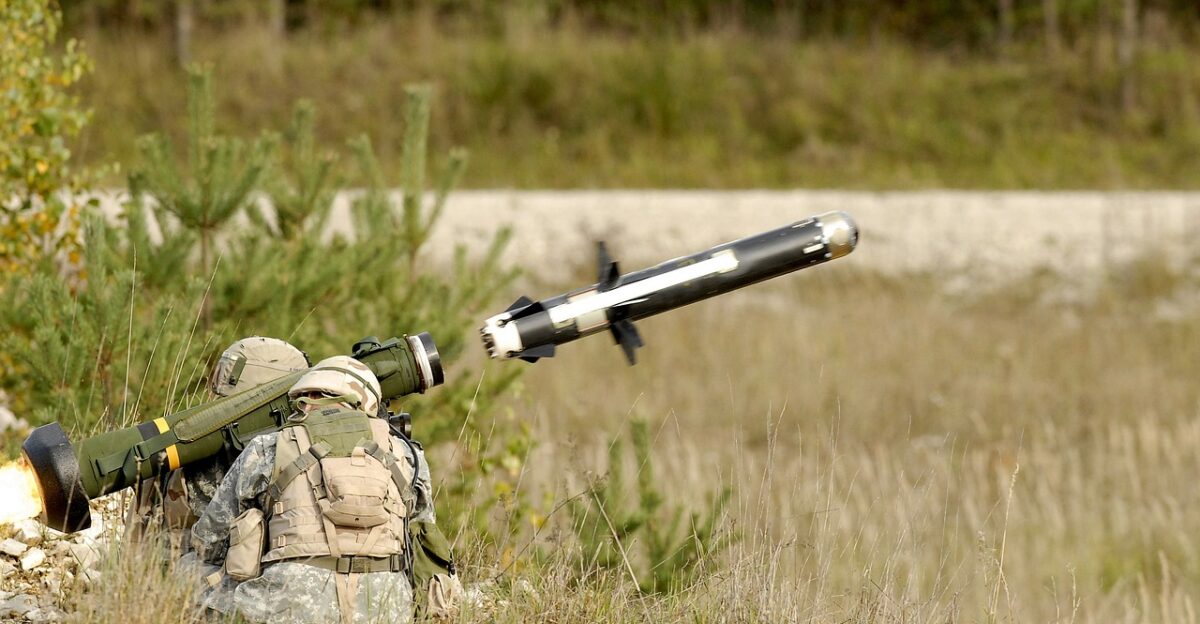
The November seizure of Chinese missile components symbolizes a fundamental shift in U.S.-Iran strategy from sanctions and diplomacy toward militarized supply-chain interdiction. It signals that Washington, alongside Israel, now views degrading Iran’s rearmament as a long-term operational priority requiring sustained engagement.
Whether this approach succeeds depends on the cooperation of allied nations, Chinese restraint, and Iran’s ability to adapt. For now, it marks a clear escalation in the invisible war over technology flows shaping Middle Eastern military balances.
Sources:
Wall Street Journal – U.S. Forces Raid Ship, Seize Cargo Headed to Iran From China
Reuters – US Forces Raided Ship Headed to Iran from China in Indian Ocean
New York Times – U.S. Boarded Ship and Seized Cargo Heading to Iran From China
Foundation for Defense of Democracies – Iran Purchases Missile Fuel Materials From China
U.S. Department of Treasury – Treasury Targets Network Procuring Missile Propellant Ingredients for Iran’s IRGC