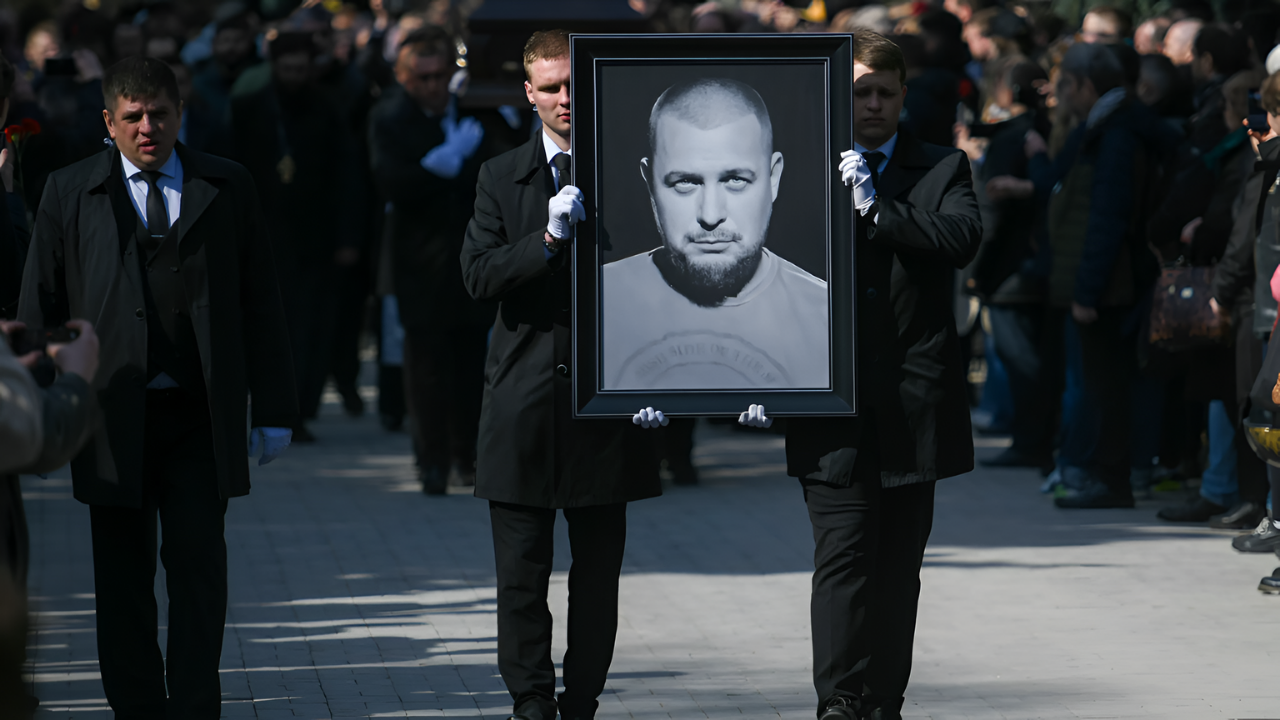
Between December 2024 and December 2025, three Russian lieutenant generals were killed by precisely executed bombings in Moscow and its suburbs. Each death removed specialized expertise from Russia’s wartime command structure. Ukrainian intelligence claimed responsibility for one assassination and was implicated in the others. The attacks exposed glaring security failures in what was supposed to be Russia’s most protected city and demonstrated how modern conflict has erased the concept of safe rear areas.
Three Methods, Three Targets
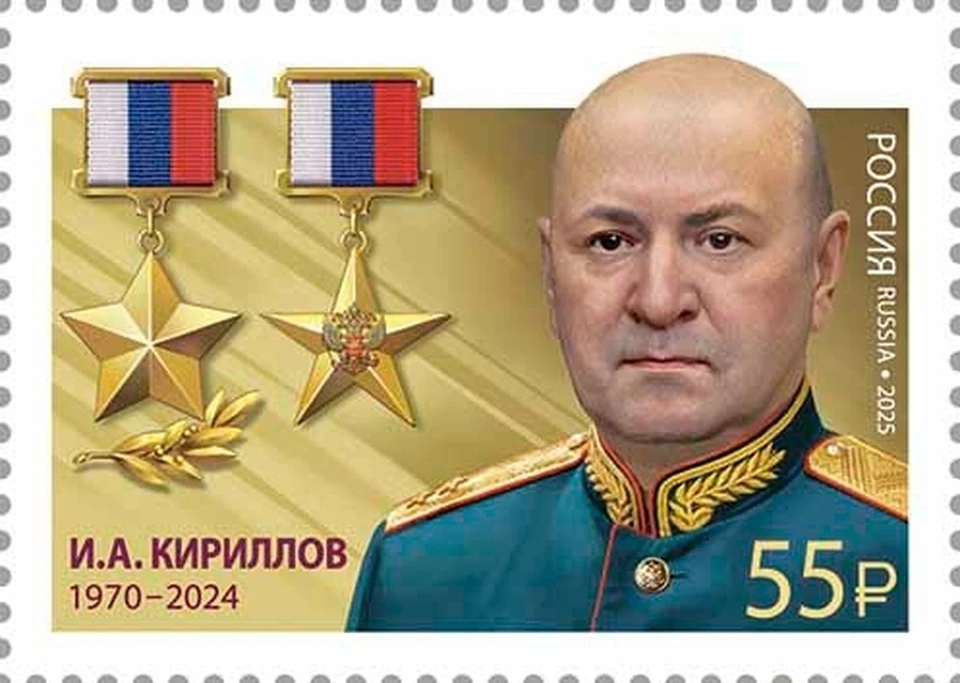
The assassinations showcased distinct operational techniques. On December 17, 2024, Lieutenant General Igor Kirillov stepped outside his Moscow apartment on Ryazansky Prospekt when a bomb hidden in an electric scooter detonated, killing him and his aide instantly. The device, containing 300 grams of TNT equivalent, was remotely triggered by a Ukrainian intelligence officer streaming live from Dnipro. Four months later, on April 25, 2025, Lieutenant General Yaroslav Moskalik died when an improvised explosive device detonated beneath his Volkswagen Golf near his home in Balashikha.
Then on December 22, 2025, Lieutenant General Fanil Sarvarov was killed by a magnetic mine attached under his Kia Sorento as he left a parking lot in southern Moscow. He suffered catastrophic injuries and died in hospital. The progression from scooter bomb to car bomb to magnetic mine suggested deliberate operational evolution rather than improvisation.
Strategic Value of Each Target
The generals were not selected randomly. Kirillov, 54, commanded Russia’s Radiation, Chemical, and Biological Defense Troops. Ukrainian and Western authorities had documented 4,800 instances of chemical weapons deployment in Ukraine under his oversight since February 2022, including the use of banned agents like chloropicrin. The United States, United Kingdom, and Canada had all sanctioned him. Ukraine’s Security Service publicly claimed responsibility, with an intelligence officer stating that Kirillov was “a war criminal and a perfectly legitimate target, as he gave orders to use banned chemical weapons against the Ukrainian military.”
Moskalik, 58, served as deputy chief of the Main Operational Directorate of the General Staff, the body coordinating all Russian military operations across Ukraine. His decades of planning knowledge touched every major battlefield decision. Sarvarov, 56, headed the Operational Training Directorate, responsible for preparing forces before deployment. His death came as Russia implemented year-round conscription targeting 261,000 new recruits for 2026. Removing him threatened the training pipeline at a critical expansion moment.
Security Collapse in Moscow
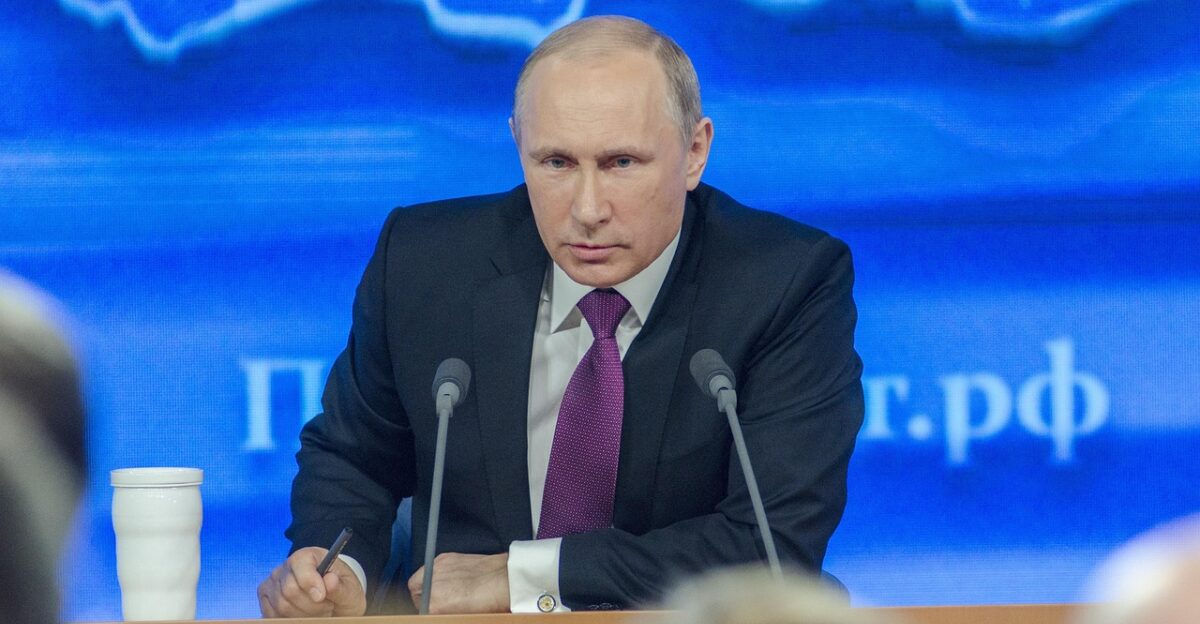
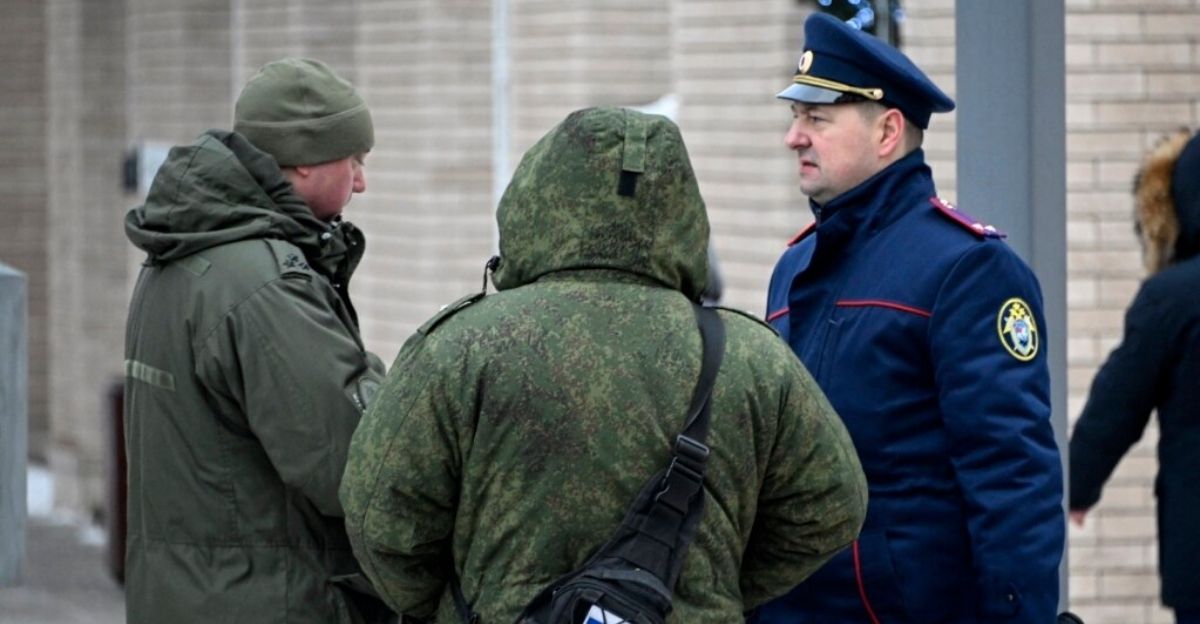
Russian security services failed repeatedly to prevent the attacks despite operating in their own capital. After Kirillov’s death, President Vladimir Putin reportedly instructed agencies to improve their efficiency, yet two more assassinations followed within eight months. The FSB arrested suspects after each attack and publicized confessions—Uzbek national Akhmadzhon Kurbonov admitted to killing Kirillov for $100,000 and a European passport, while Ignat Kuzin confessed to Moskalik’s murder for $18,000—but these arrests came after the fact and did not prevent subsequent strikes.
The attacks occurred early in the morning, suggesting detailed surveillance of routines. All three targets lived in southern Moscow or nearby suburbs, hinting at patterns in military housing clusters. Russian military analyst Vladislav Shurygin suggested relocating senior officers to secured underground facilities or guarded sanatoriums, calling the lack of protection “institutional immaturity.” The timing of Sarvarov’s assassination proved particularly provocative: it occurred on December 22, 2025, days into peace negotiations led by U.S. envoy Steve Witkoff, who had just concluded meetings described as “productive and constructive” in Miami and Moscow.
Broader Implications for the Conflict
The assassinations formed part of a wider Ukrainian intelligence campaign inside Russia, including June 2025’s “Operation Spiderweb” targeting multiple airbases, railway and fuel depot sabotage, and attacks on pro-war commentators. The British Defence Ministry assessed that losing so many high-ranking officers undermined command cohesion and contributed to Russian tactical difficulties. Replacing lieutenant generals proved extraordinarily difficult because their expertise required decades to develop. New appointees inherited controversial portfolios under intense scrutiny while battlefield demands required immediate decisions. Russia responded by tightening security protocols, increasing protective details, and restricting movement for senior officers. A March 2025 military district reorganization may have reflected security-driven reassignment as much as operational planning.
The Moscow assassinations redefined asymmetric warfare by demonstrating that capital cities no longer guarantee safety during conflict. Ukraine, the smaller power, used intelligence networks and technical precision to force Russia into defensive postures far from the front lines. As diplomacy unfolded and Russia drafted hundreds of thousands of new conscripts, the message remained stark: modern warfare respects neither distance nor the traditional sanctuary of rear areas. Senior Russian officers now fear their morning commutes as much as battlefield deployments.
Sources
Statement on Igor Kirillov’s elimination. Security Service of Ukraine, December 17, 2024
Statement on arrest of Akhmadzhon Kurbonov. Russian Federal Security Service, December 18, 2024
Assessment of Russian general officer losses and command degradation. UK Defence Intelligence, October 2025
Statement on elimination of Russian military command personnel. Ukrainian Presidential Office, April 28, 2025
Statement on investigation into Fanil Sarvarov’s death. Russian Investigative Committee, December 22, 2025