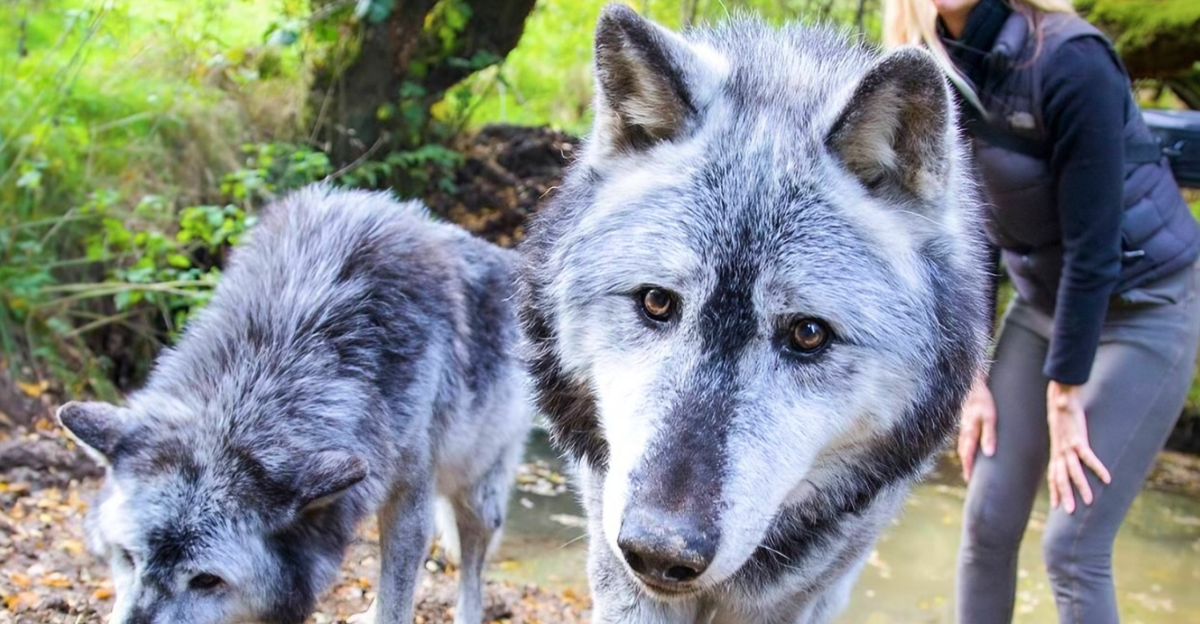
In recent years, wolf populations have faced alarming declines across every continent. Conservationists are raising urgent concerns about the potential extinction of entire species. Mysteriously elusive, only ten of the rarest wolves remain scattered in isolated habitats, fighting for survival as their numbers dwindle.
“You can feel the heavy weight of loss when you see what was once a thriving community now struggling to exist,” reflects a wildlife advocate working closely with these species. As each day passes, these magnificent animals’ unique characteristics and behaviors could fade from existence, leaving an irreplaceable gap in our ecosystems and cultures.
Dire Numbers on the Rise
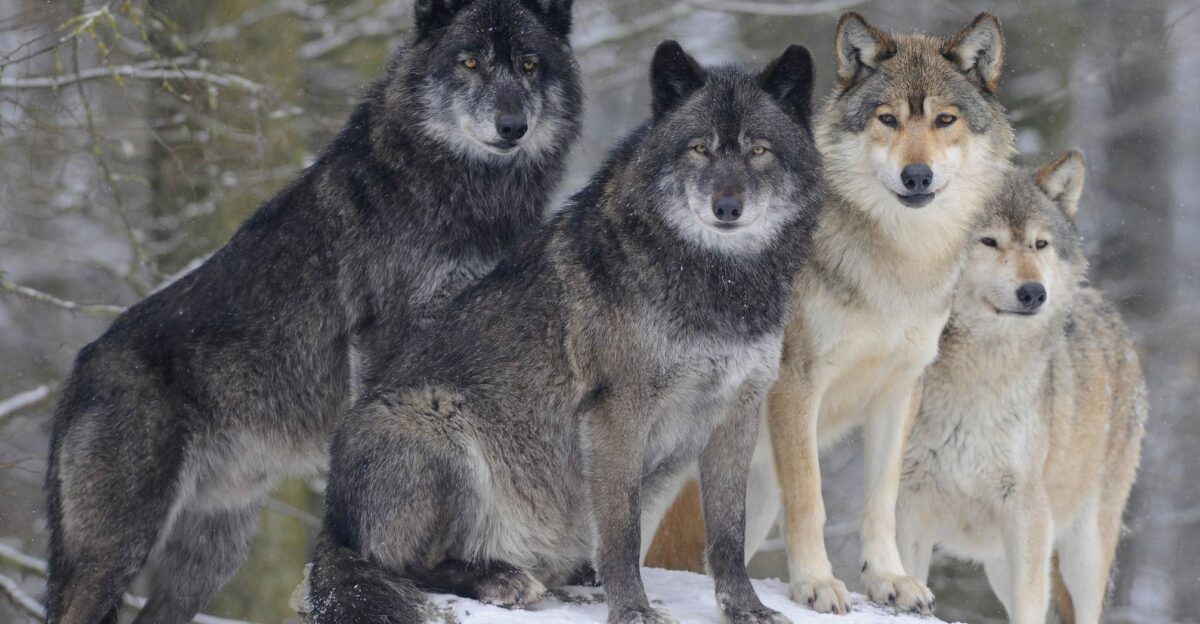
Recent reports have highlighted concerning trends in wolf conservation. Studies indicate that several species have declining populations falling below critical thresholds necessary for sustainability. Astoundingly, at least half of the world’s rarest wolves have fewer than 500 individuals left in the wild.
“We’re reaching a point where we may not be able to bring them back,” warns a conservation biologist. This staggering reality underscores these captivating creatures’ grave risks and shines a spotlight on the immediate actions needed to secure their futures. With mere fractions of their initial populations remaining, urgency in conservation efforts is paramount.
Shifting Habitats
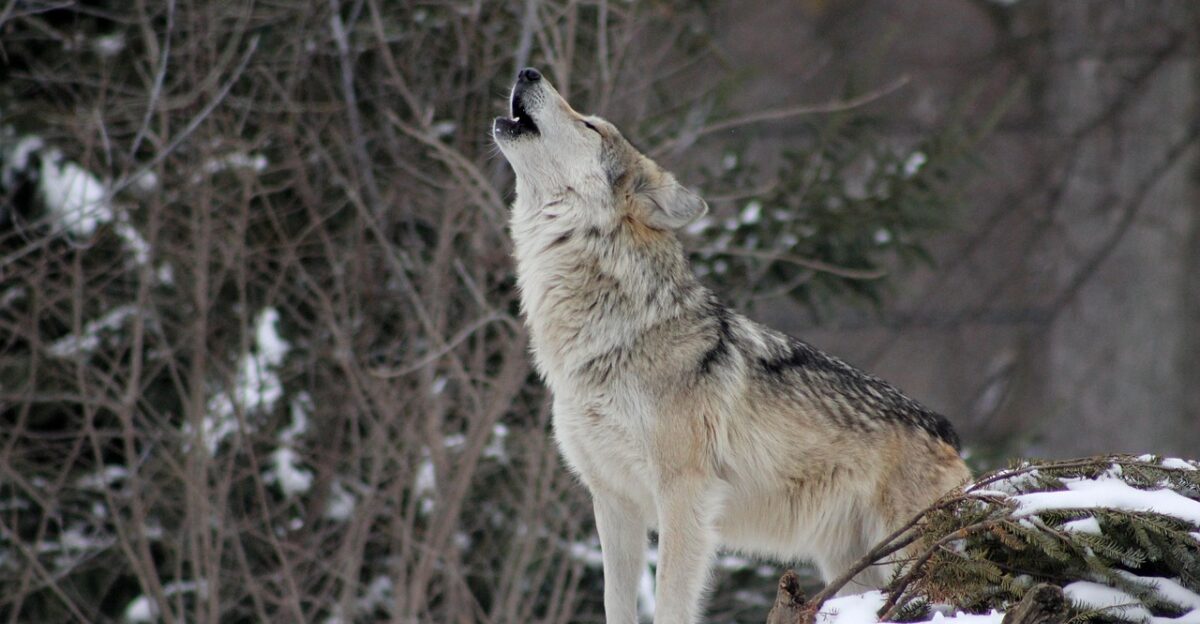
Once roaming freely across vast stretches of the Northern Hemisphere, wolves now find their territories shrunken due to human impact. Over centuries, extensive habitat loss, hunting, and relentless persecution have squeezed these majestic animals into isolated regions. “It’s heartbreaking to watch such a grand creature have its home taken away, confined to small patches of land,” laments a local hunter turned conservationist.
This drastic alteration threatens individual species and jeopardizes genetic diversity within populations, leading to long-term implications for their survival. The challenges wolves face highlight an urgent need for better land use policies that respect their natural habitats.
Unraveling Pressures
The pressures on wolf populations continue to mount. Agricultural expansion, livestock production, and infectious diseases fragment remaining habitats, making survival increasingly challenging. “Every time a new farm goes up, we lose more space for wildlife,” notes an environmental researcher observing local changes. Such dynamics elevate the vulnerability of wolf populations to decline further.
Additionally, predator control initiatives implemented under the guise of protecting livestock have profoundly disrupted fragile wolf populations, pushing them closer to the brink of extinction. With human activities increasingly encroaching on their territories, the need for comprehensive conservation strategies has never been more urgent.
The Endangered Wolf List
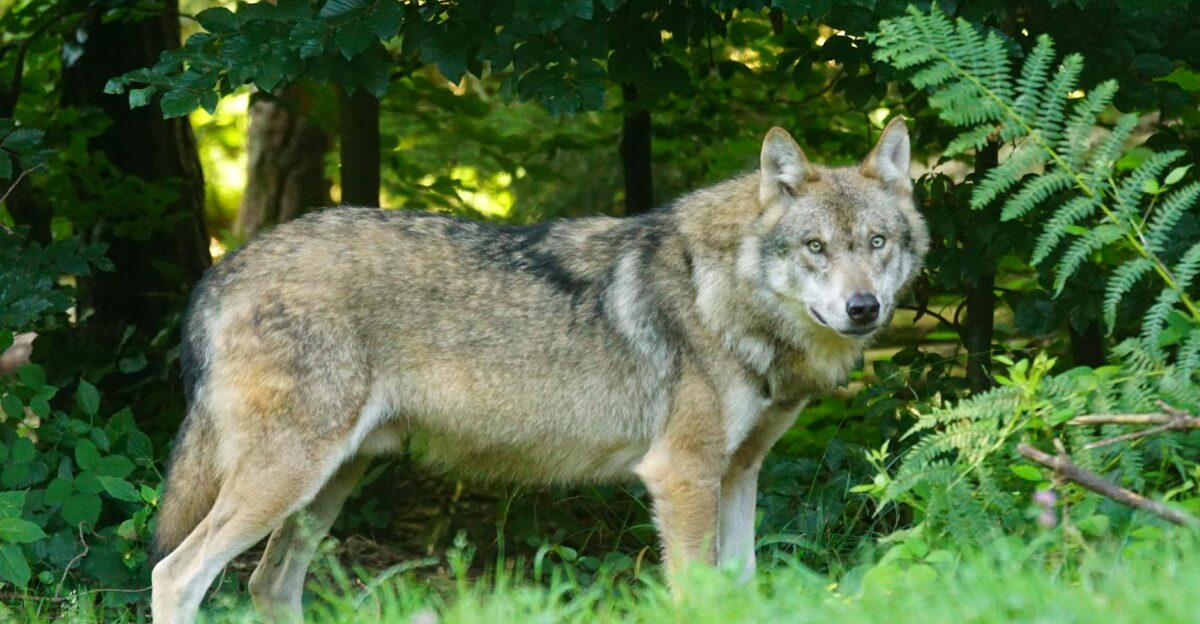
Global attention is drawn to the world’s ten rarest wolf species, all facing various degrees of threat. This list includes the Ethiopian wolf, Mexican gray wolf, red wolf, Himalayan wolf, Arabian wolf, Darwin’s fox, Baffin Island wolf, Greenland wolf, Northwestern wolf, and Yukon wolf. “Each species tells a story of survival and resilience, but time is running out,” says a wildlife conservation officer.
Their survival hangs in the balance, underscoring the complexity of ecological networks requiring protection. The stakes couldn’t be higher, as scientists and conservationists rally together to devise effective strategies to safeguard these vulnerable populations from extinction’s grip.
Deep Dive into the Ethiopian Wolf
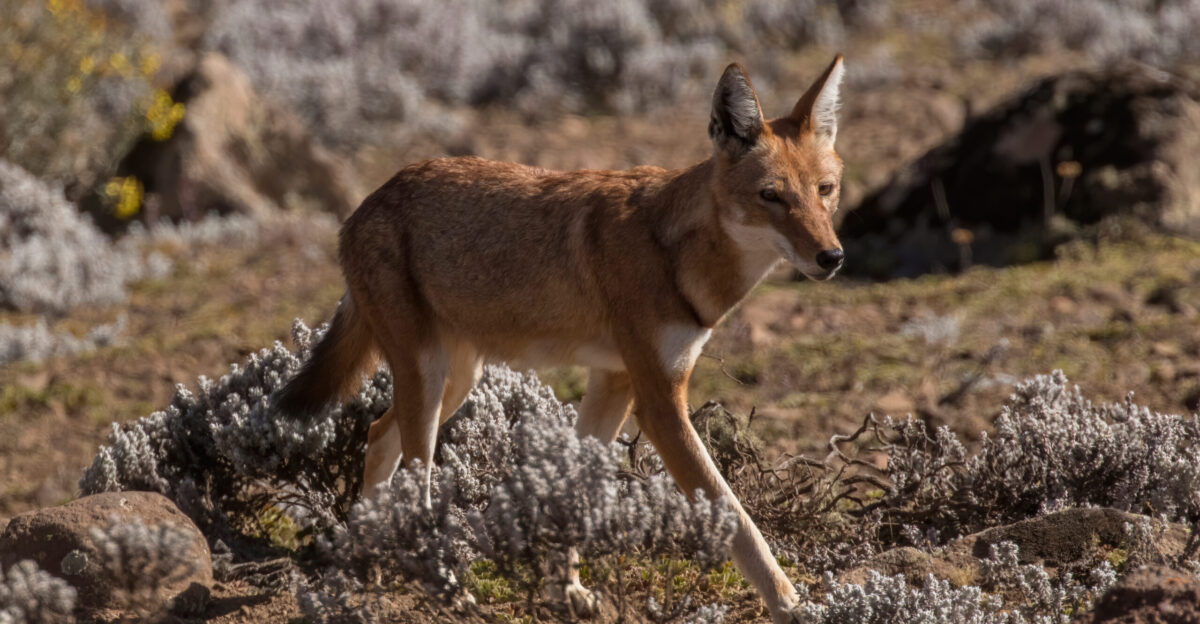
The Ethiopian wolf stands as Africa’s rarest predator, confined to the highland plateaus of Ethiopia. With fewer than 500 adults estimated to be alive, their vulnerability is exacerbated by the nation’s growing human population, which is encroaching on their dwindling habitats.
“We’re trying to coexist with nature, but it often feels like a losing battle,” shares a local farmer struggling with the impacts of habitat competition with wildlife. Encroaching farmlands and loss of habitats stress the already fragile existence of these wolves, pressing for urgent conservation efforts and raising awareness of their plight among the communities entwined with their future.
The Red Wolf Comeback
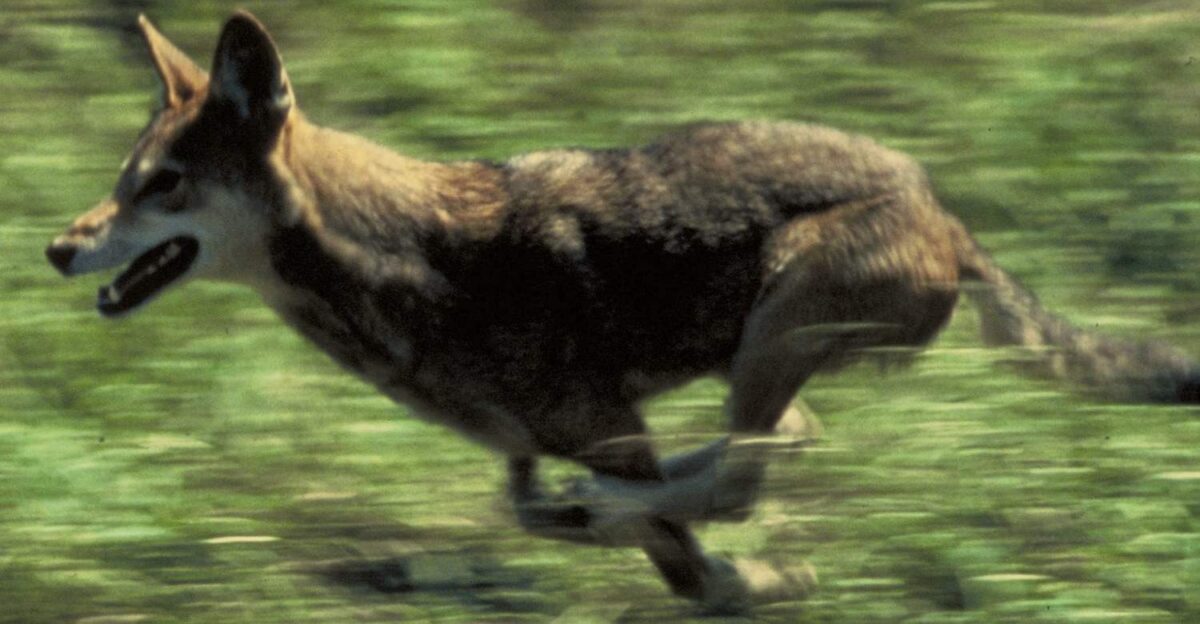
Historically declared extinct in the wild, the American red wolf has seen a remarkable, but precarious, revival. As of 2023, fewer than 35 red wolves roam the swamps of North Carolina thanks to dedicated reintroduction efforts. “Watching them return to the wild feels like a second chance for our ecosystems,” remarks a wildlife biologist involved in restoration projects.
Yet, the ongoing vulnerability of these wolves remains in stark contrast to their incredible comeback story. They now stand as a symbol of hope, highlighting the importance of committed conservation and emphasizing the work that still lies ahead to ensure their survival.
The Mexican Gray Wolf
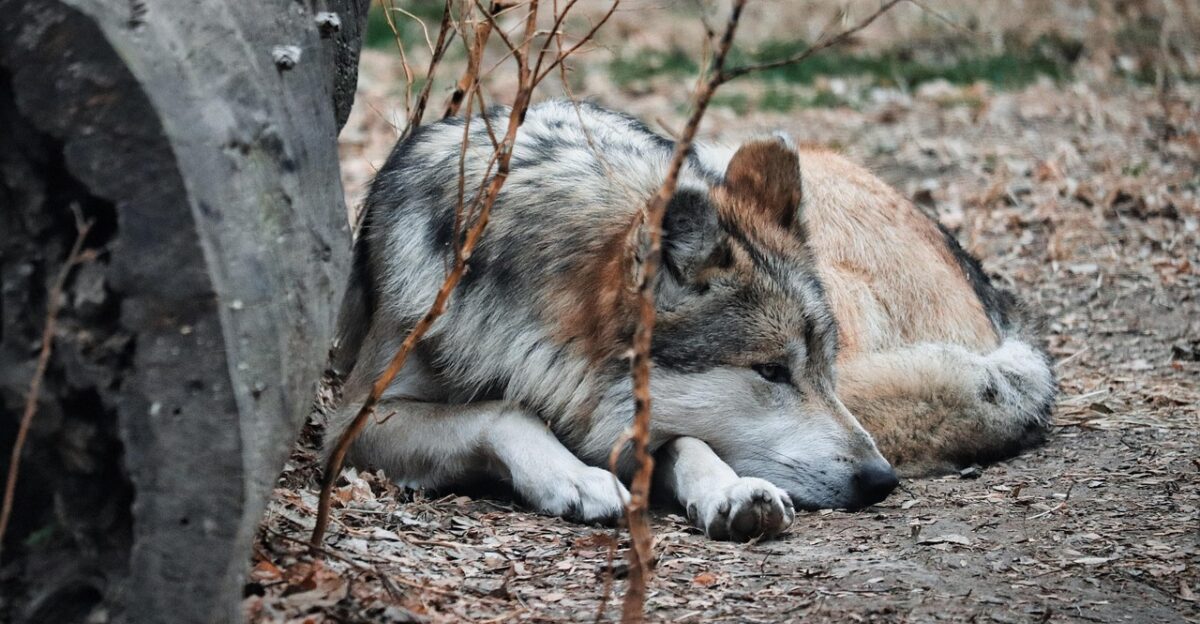
As the smallest subspecies of gray wolf, the Mexican gray wolf resides in fragmented environments across Arizona and New Mexico. Reports from 2025 confirmed only 286 Mexican gray wolves in the wild, despite encouraging signs of population growth. “Every wolf counts, and every sighting brings such hope.
But we still have a long road ahead,” explains a conservation volunteer dedicated to monitoring these wolves. They face habitat loss, management conflicts, and environmental pressures, which underscore the importance of ongoing conservation strategies to enhance their numbers and ensure a secure future for their species.
The Himalayan Wolf: A Vulnerable Existence
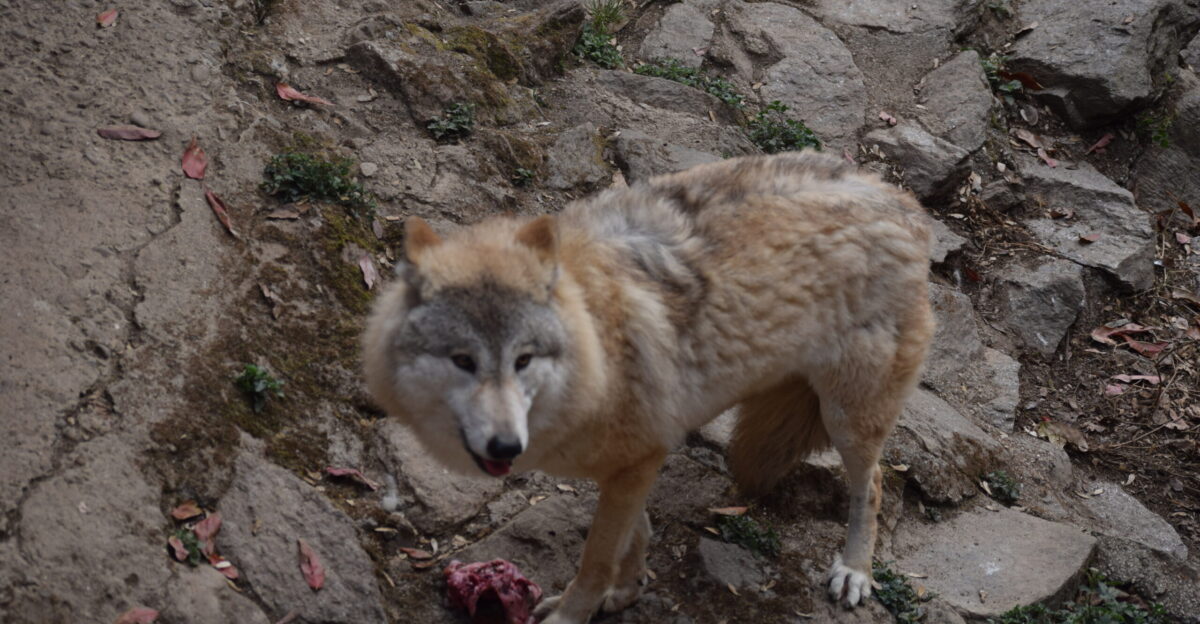
The Himalayan wolf, classified as ‘vulnerable’ by the IUCN in 2023, inhabits the majestic landscapes spanning the Himalayas and Tibetan Plateau. This elusive creature has an estimated population between 2,275 and 3,792 individuals, but its habitat faces severe threats from degradation and human conflict. “The contrast of their grace against the backdrop of shrinking wilderness is striking,” notes a wildlife photographer capturing their plight.
As their habitat dwindles and conflicts arise, the survival of the Himalayan wolf hangs by a thread. It illustrates the challenges of balancing conservation efforts and human activities surrounding these unique landscapes.
The Arabian Wolf in Crisis
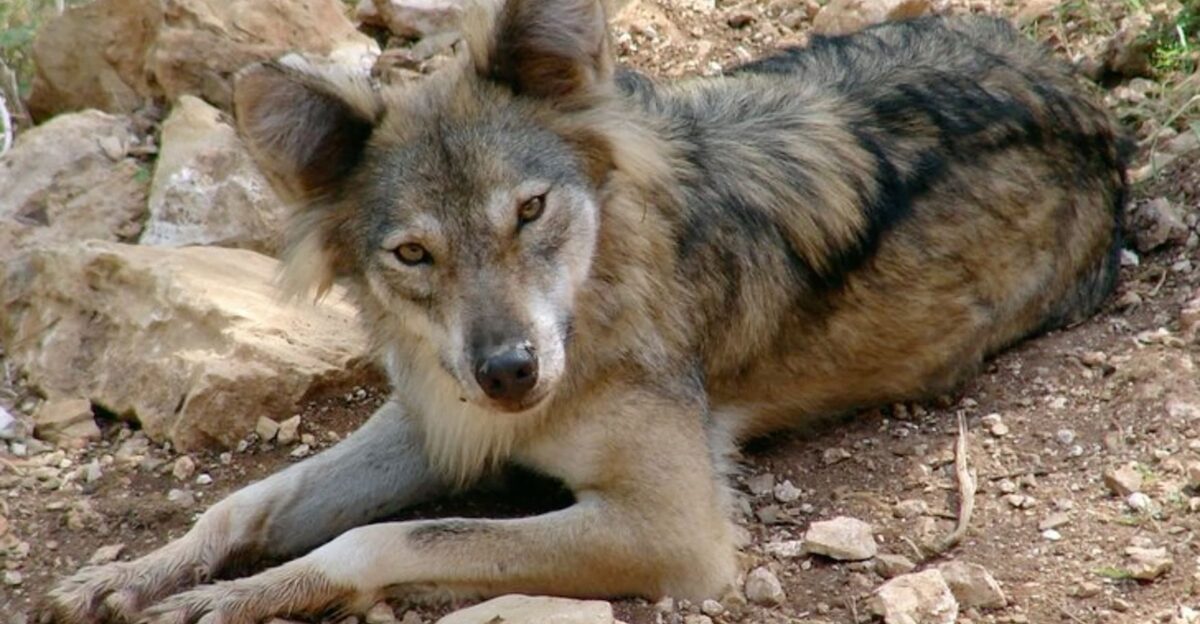
Amid the arid regions of Saudi Arabia and the broader Middle Eastern landscape, the Arabian wolf is in real danger. Increased habitat fragmentation and ongoing livestock conflicts are pushing this unique desert-adapted wolf toward the precipice of extinction. “When we lose wolves, we lose a vital piece of our ecosystem,” shares a local conservationist who works to protect these fragile populations.
The stark realities facing Arabian wolves underscore the urgent need for coordinated conservation efforts to create safe corridors and habitats, ensuring they have a fighting chance as we navigate the complexities of human-wildlife coexistence amid pressing environmental changes.
Chile’s Darwin’s Fox
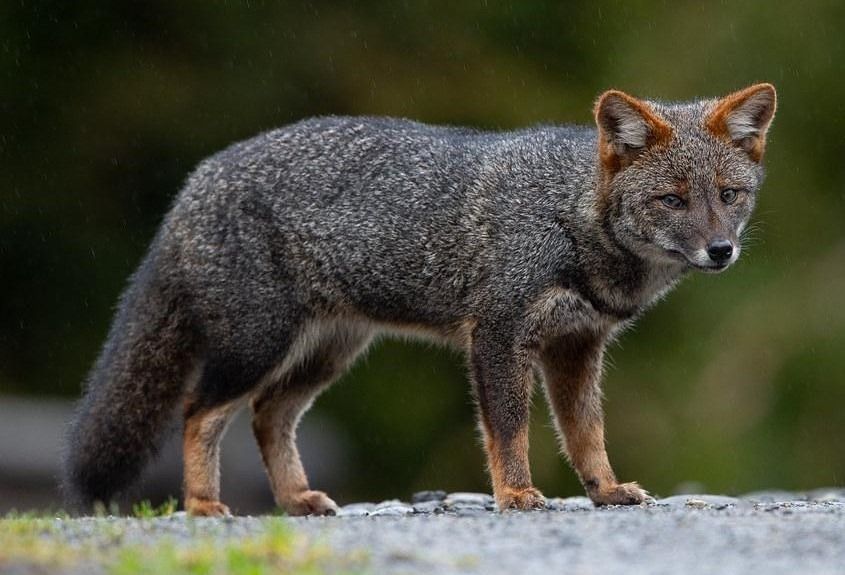
With fewer than 250 individuals left, Darwin’s fox is one of the world’s most endangered canids, restricted to the forests of southern Chile. “Seeing these beautiful creatures teeter on the edge of extinction fills me with sorrow and determination,” reflects an environmentalist familiar with the species.
Their populations are isolated, facing risks from introduced predators and disease, highlighting the delicate balance they must maintain in this fragile ecosystem. A concerted effort toward habitat protection and wildlife management takes center stage, as advocates aim to bolster efforts that ensure Darwin’s fox has a future in its native landscape.
Arctic Rarity: The Baffin Island Wolf
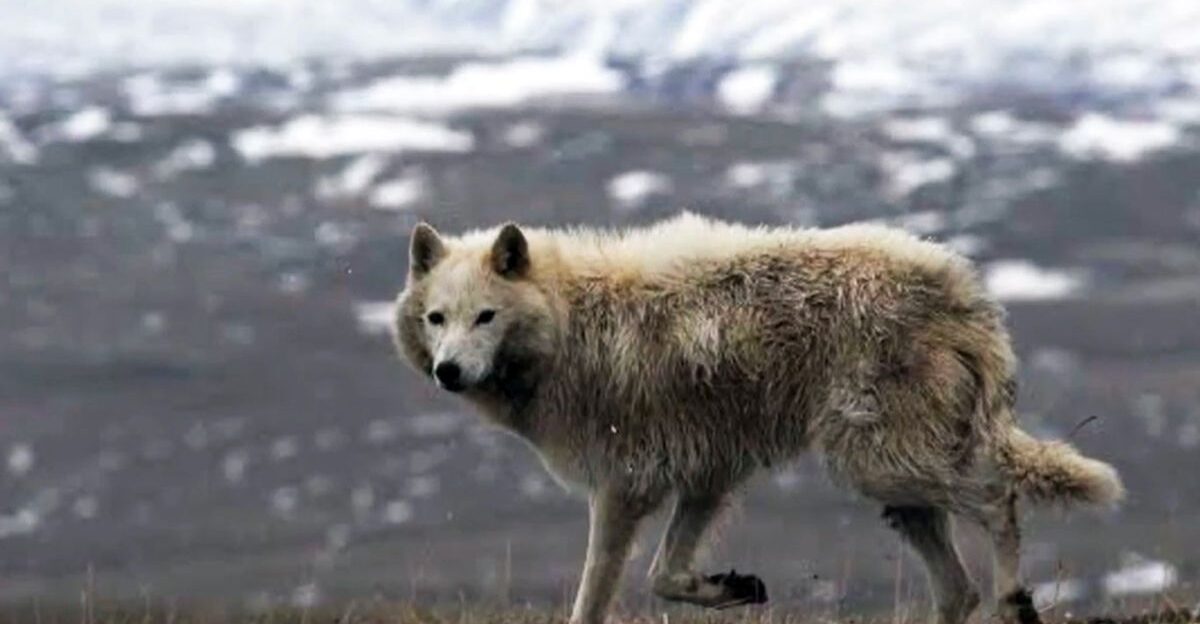
The Baffin Island wolf, unique to Canada, represents one of the smallest Arctic wolf subspecies. Limited data on their populations make their conservation status precarious. “With little knowledge about them, we risk losing these fascinating wolves in silence,” warns a wildlife researcher studying their adaptations. The few sightings reported underscore the need for further exploration and understanding of their resource needs.
As thawing Arctic landscapes accelerate due to climate change, the survival of the Baffin Island wolf becomes increasingly uncertain. A multifaceted approach is needed to uncover more about these elusive creatures and actively engage protective measures tailored to their unique environment.
Greenland Wolf: A Hidden Survivor
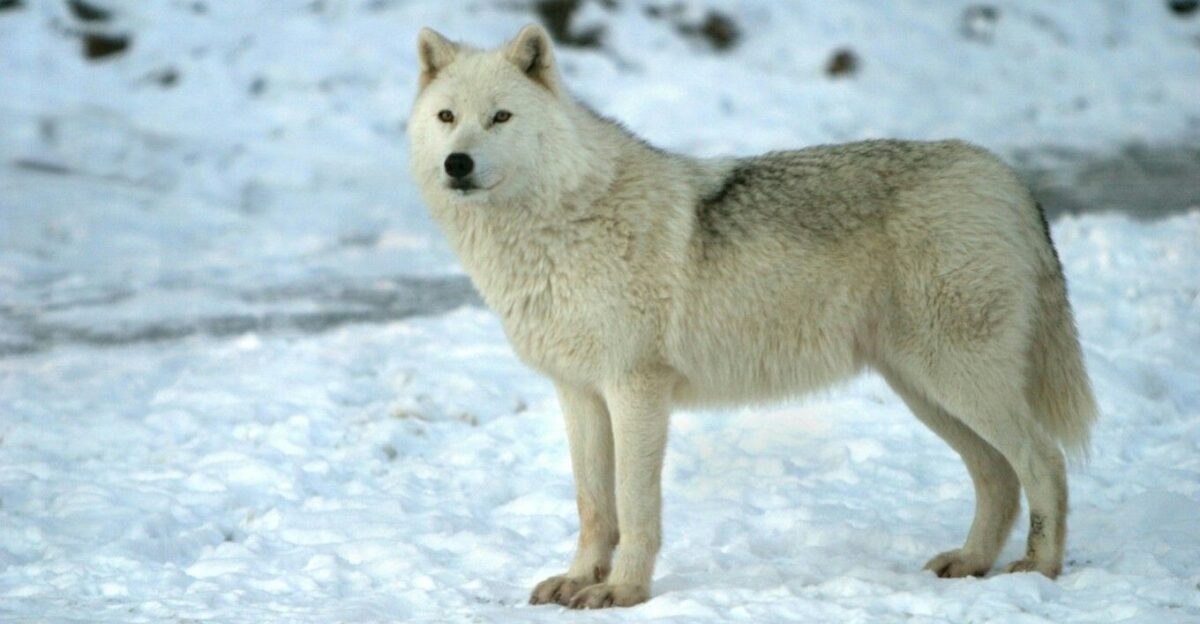
The Greenland wolf’s journey showcases resilience in the face of adversity, having been driven to local extinction in eastern Greenland. Following recolonization efforts beginning in the late 20th century, only around 200 wolves were estimated to survive in these rugged terrains by 2018. “These wolves have a remarkable ability to adapt, but they need our help to thrive,” notes a local conservation officer dedicated to their protection.
As communities witness their return, sustainable land management practices and habitat preservation become paramount. A shared commitment to safeguarding this resilient predator’s future is essential to ensure its place in the Arctic ecosystem.
The Northern Subspecies’ Tale
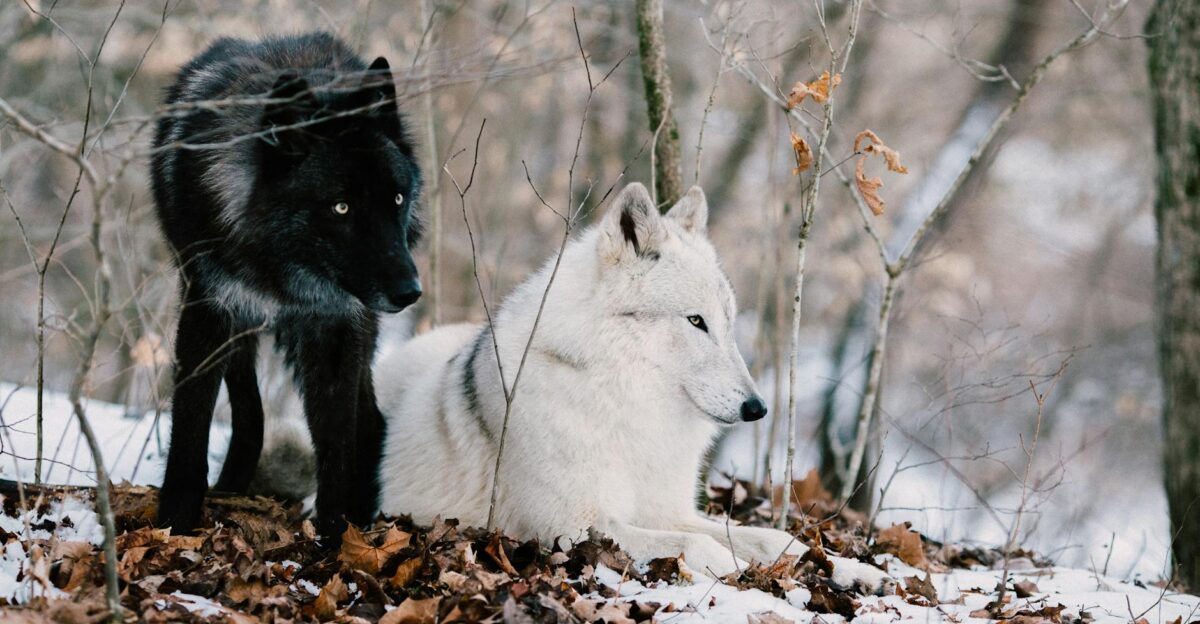
The Northwestern and Yukon wolves have historically been broad-ranging subspecies, but significant portions of their original range have been lost. While not classified as globally rare, local populations are critically threatened by hunting practices and habitat changes. “We have a shared responsibility to protect these wolves. Their survival is entwined with the health of our ecosystem,” expresses a passionate wildlife advocate.
The plight of these wolves highlights the necessity for sustainable land practices that consider all regional inhabitants. As local and international efforts to monitor and protect these populations ramp up, every voice advocating for their protection contributes to a broader movement.
Potential Pathways for Wolves
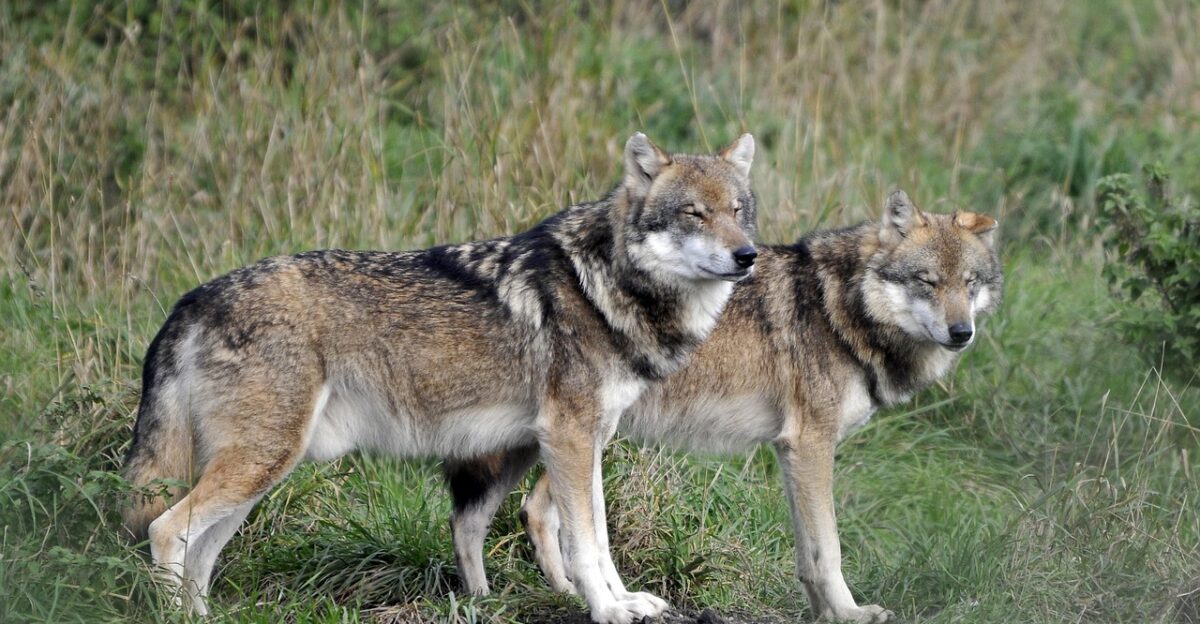
With mounting threats, researchers warn that other wolf populations could soon face similar rapid declines. Ongoing factors like climate change, human encroachment, and habitat fragmentation complicate the prospects of stable recovery for these rare species. “Every small injury to their habitat can have exponential effects,” cautions an environmental scientist.
The future of wolf survival hinges on proactive conservation efforts, emphasizing the need for collaboration among various stakeholders. As the world strengthens collaboration to mitigate these challenges, each effort can reignite the hope that these apex predators can thrive again, enriching ecosystems and balancing nature’s order.
The Need for Policy Change
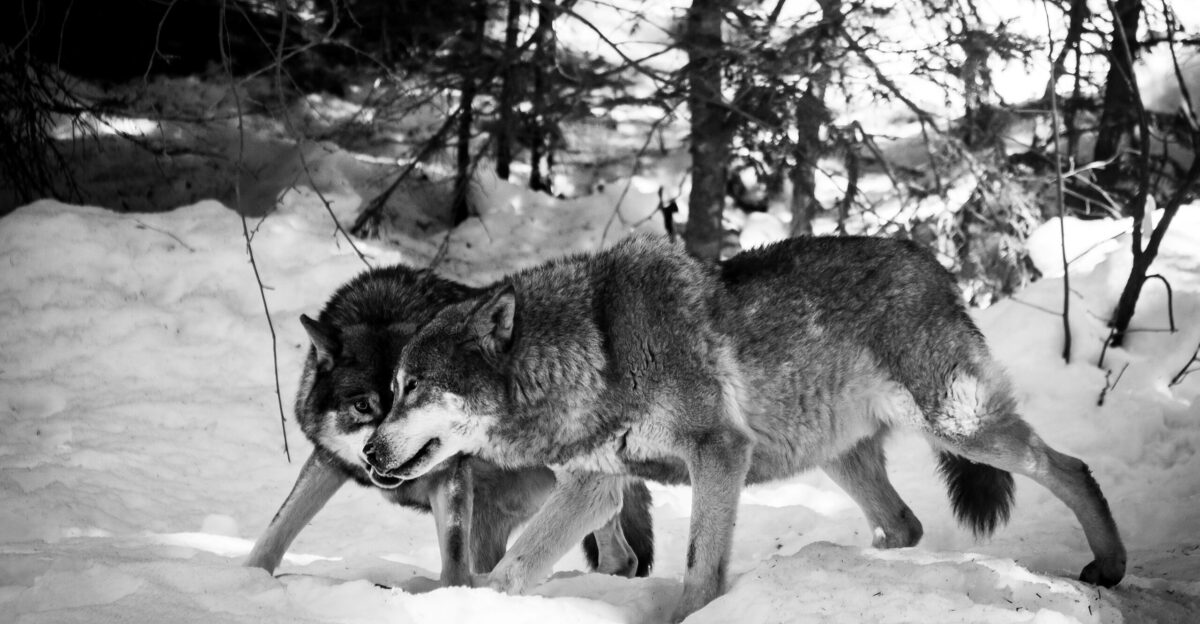
International cooperation is critical for wolf conservation initiatives. Organizations like IUCN, U.S. Fish & Wildlife, and various national governments are working together to update preservation laws and funding for restoration. “It’s all about ensuring we’ve got the right protections in place,” says a conservation policy analyst.
However, effective enforcement often lags behind urgent needs, hampering progress. Striking a balance between human interests and wildlife necessities is a complex challenge. Advocacy and policy reform efforts must align urgently to protect these vulnerable species and foster harmony between human activities and the natural world.
Crossing National Borders
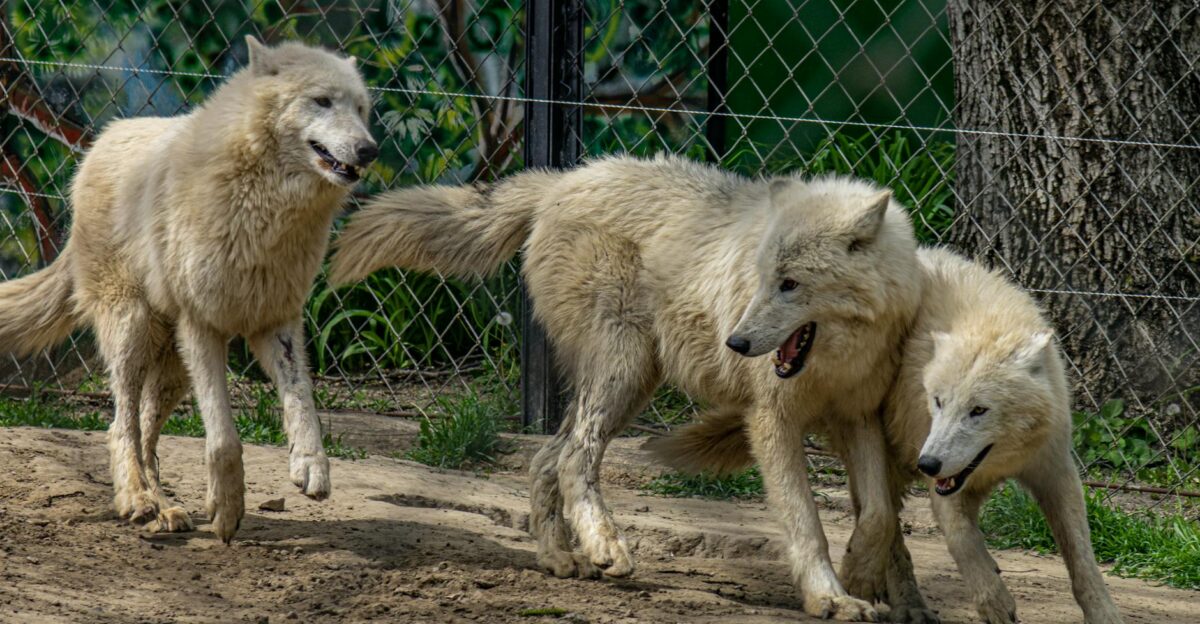
The habitats of several rare wolf species span international boundaries, complicating conservation efforts. Different regulations and conflicting land uses across regions require multinational agreements for adequate protection. “Without cross-border collaboration, our conservation efforts for these iconic species will fall short,” an international conservation diplomat points out.
The complexity of preserving ecosystems where wolves roam highlights the critical need for shared strategies among nations. As collective efforts take root, long-term sustainability measures can instill hope that wolves may continue to roam freely across landscapes that once thrived with their presence.
Legal Battles and Environmental Impact
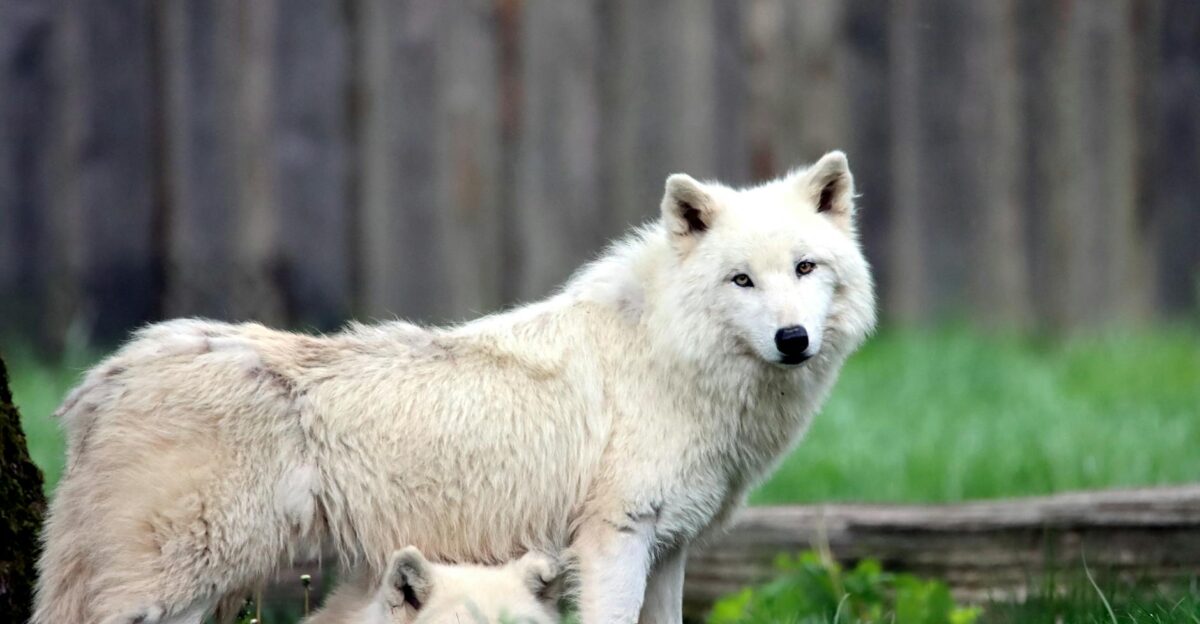
Legal disputes over wolf protections are escalating, with ranchers and developers advocating for relaxed regulations while scientists push for stronger safeguards. “Every court case feels like a step backward for conservation,” laments a wildlife advocate deeply involved in legal efforts. Environmental lawsuits and the establishment of new reserves pose challenges to shaping the future of wolf survival.
Striking a balance that honors economic development while safeguarding wildlife habitats remains a complex, yet vital, undertaking. Every success in the courtroom serves not just the wolves but echoes a larger message of hope for preserving biodiversity amid competing human interests.
Wolves in Cultural Narratives
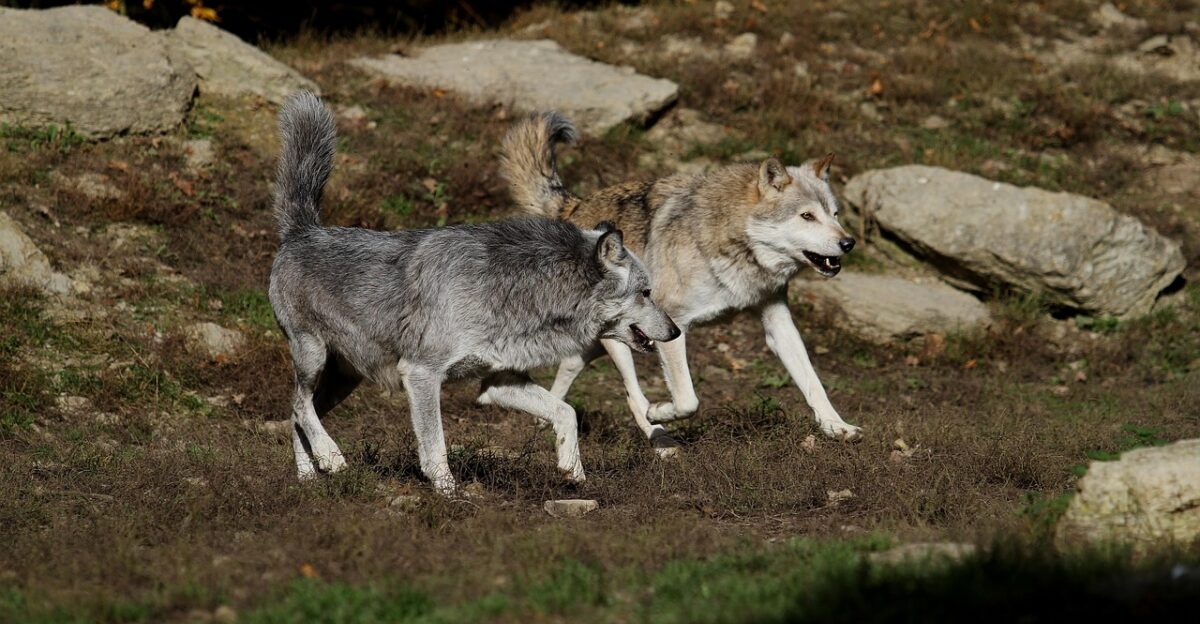
Wolves are powerful in human culture, embodying fear, fascination, and reverence. From folklore to modern media, these magnificent creatures have captivated our imaginations. “The stories we tell about wolves shape our relationship with the natural world,” reflects a cultural anthropologist. Perhaps their duality as both predators and protectors speaks to deeper societal themes.
As we navigate the challenges before us, acknowledging the cultural significance of these animals can catalyze more profound respect and urgent action. Encouraging awareness and empathy for wolves can foster a collective commitment to their preservation, intertwining their futures with our shared humanity.
A Hopeful Future for Wolves
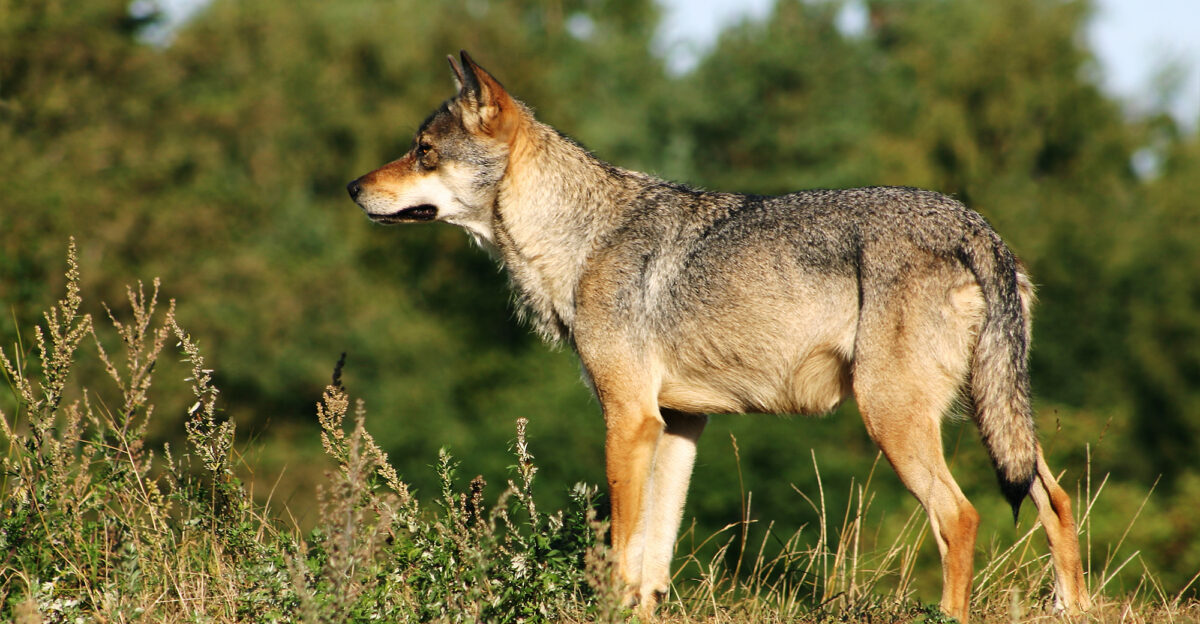
The intricate tapestry of wolf conservation tells stories of struggle, resilience, and collaboration. By uniting efforts across scientific, cultural, and legal avenues, there is hope for a brighter future for these rare species. “It’s about working together, respecting these beautiful animals, and ensuring they continue roaming our landscapes,” shares a seasoned conservationist.
As we confront the challenges that lie ahead, adapting our actions to foster coexistence with wolves is crucial. We can elevate their populations with collective determination and passion, ensuring that these magnificent creatures will thrive for generations to come. The commitment of communities, researchers, and advocates will shape their legacy.