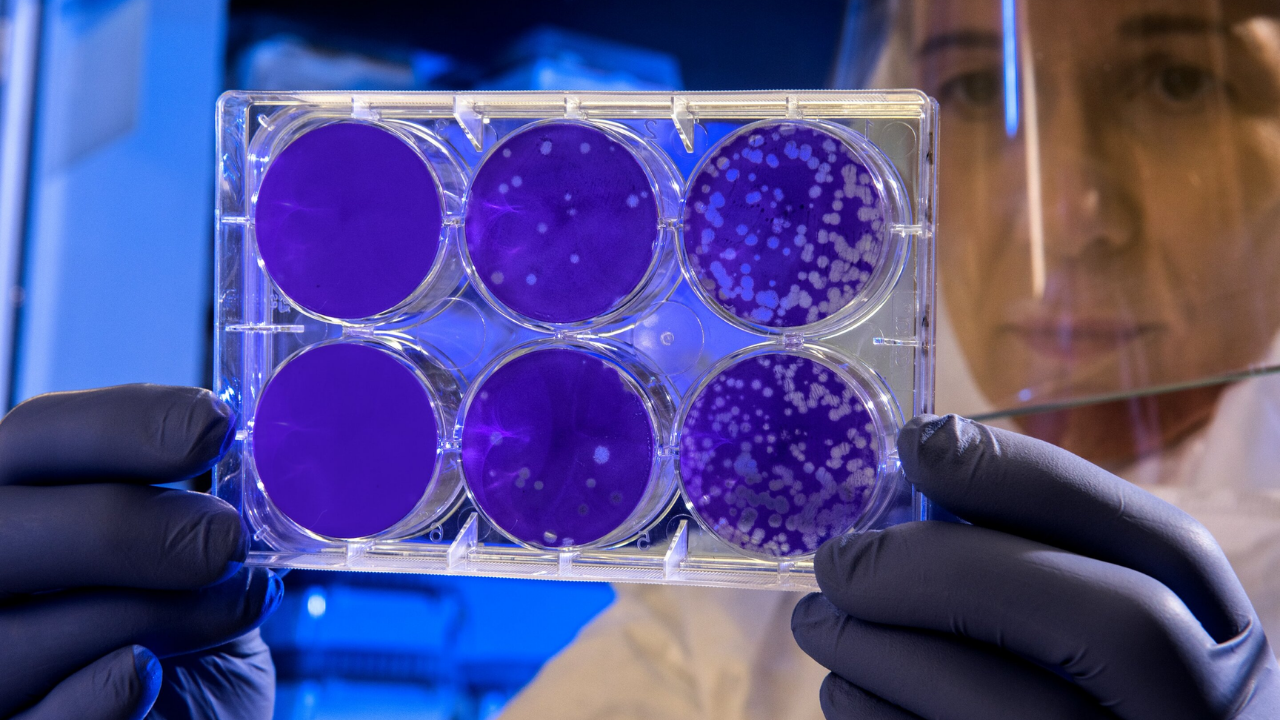
In the ultra-sterile cleanrooms where NASA assembles spacecraft bound for other worlds, scientists have uncovered 12 previously unknown bacterial species that endured rigorous cleaning protocols. These resilient microbes, detected through modern genetic analysis of samples from 2007, reveal how even the most controlled environments on Earth foster hardy survivors, challenging assumptions about biological cleanliness for space exploration.
Discovery in Archived Samples
Researchers re-examined 48 preserved bacterial strains gathered from NASA’s Kennedy Space Center during the Phoenix Mars Lander assembly. Collected before spacecraft arrival, during construction, and after rollout, the samples captured microbes persisting through multiple cleaning cycles. Advanced genomic sequencing, unavailable in 2007, identified 12 strains as novel species, overlooked by earlier identification methods limited to cultivation and basic tests.
These bacteria were not recent intruders but long-term residents adapted to the cleanroom’s harsh conditions, including desiccation, chemical sterilants, ultraviolet light, and nutrient scarcity. The facilities fully complied with planetary protection standards at the time, proving the microbes thrived despite protocols designed to suppress life.
Traits of Extreme Resilience
Genomic scans revealed key survival mechanisms in these species: genes for DNA repair, resistance to oxidative stress, detoxification of chemicals, and biofilm formation. These adaptations enable endurance against radiation, disinfectants, and prolonged starvation—conditions mirroring aspects of space travel
Cleanrooms, equipped with HEPA filters and strict human protocols, are not sterile but managed for low particle counts and cultivable microbes. This selective pressure eliminates most life forms, leaving behind extremotolerant outliers that evolve into a specialized ecosystem.
Relevance to Phoenix Mission
The Phoenix lander probed Mars’ polar regions, where subsurface ice raises astrobiology stakes. Dormant Earth microbes hitchhiking to such sites could confound future life-detection instruments, even if they do not grow. While no evidence shows these bacteria contaminated the spacecraft or survived Mars’ journey and surface, their cleanroom persistence highlights risks for missions targeting potentially habitable zones.
Planetary protection aims to avoid forward contamination of other planets and backward risks to Earth. Standards emphasize reducing microbial numbers, but this study stresses evaluating diversity, genomic traits, and long-term viability alongside counts.
Cleanrooms as Natural Laboratories
These facilities inadvertently mimic space stresses, acting as filters that enrich for tough microbes. Historical precedents, like Viking-era heat sterilization failing to eliminate all spores, align with these findings. Traditional culture-based monitoring misses unculturable species, but sequencing exposes them, filling knowledge gaps without implying protocol failures.
The discovery underscores three cleanliness layers: physical (particles), procedural (protocols), and biological (microbial resilience). NASA excels in the first two; advancing the third requires genomic surveillance over petri-dish tests.
Beyond space, these organisms hold value: their enzymes and repair systems could inspire biotechnology, medicine, or industrial applications needing stress tolerance. Archived sample preservation enabled this breakthrough, proving curation’s ongoing worth.
As missions eye Mars, Europa, and Enceladus—especially “special regions” with liquid water—stricter measures like enhanced sterilization or material choices may emerge. Even non-viable microbial remnants could skew biosignature hunts, urging refined detection and experiment designs. This measured insight prompts planetary protection evolution, balancing exploration ambition with scientific integrity.
Sources:
- 26 new tough microbes found in NASA cleanroomsPublication: Tech Explorist (May 13, 2025)
- Scientists discover 26 new bacterial species in NASA’s … (“stop and re-check everything”)Publication: Live Science (Dec 28, 2025)
- Tough microbes found in NASA cleanrooms hold clues to …Publication: EurekAlert (American Association for the Advancement of Science) (May 11, 2025)
- Nasa scientists discover 26 unknown bacterial species in … (“‘Stop and re-check everything!’”)Publication: GB News (Dec 29, 2025)
- NASA finds super-tough bacteria that could survive Mars tripPublication: Interesting Engineering (Jan 2, 2026)
- NASA Identifies 26 Resilient Bacterial Species Capable of Evading Cleanroom SterilizationPublication: SatNews (Jan 2, 2026)