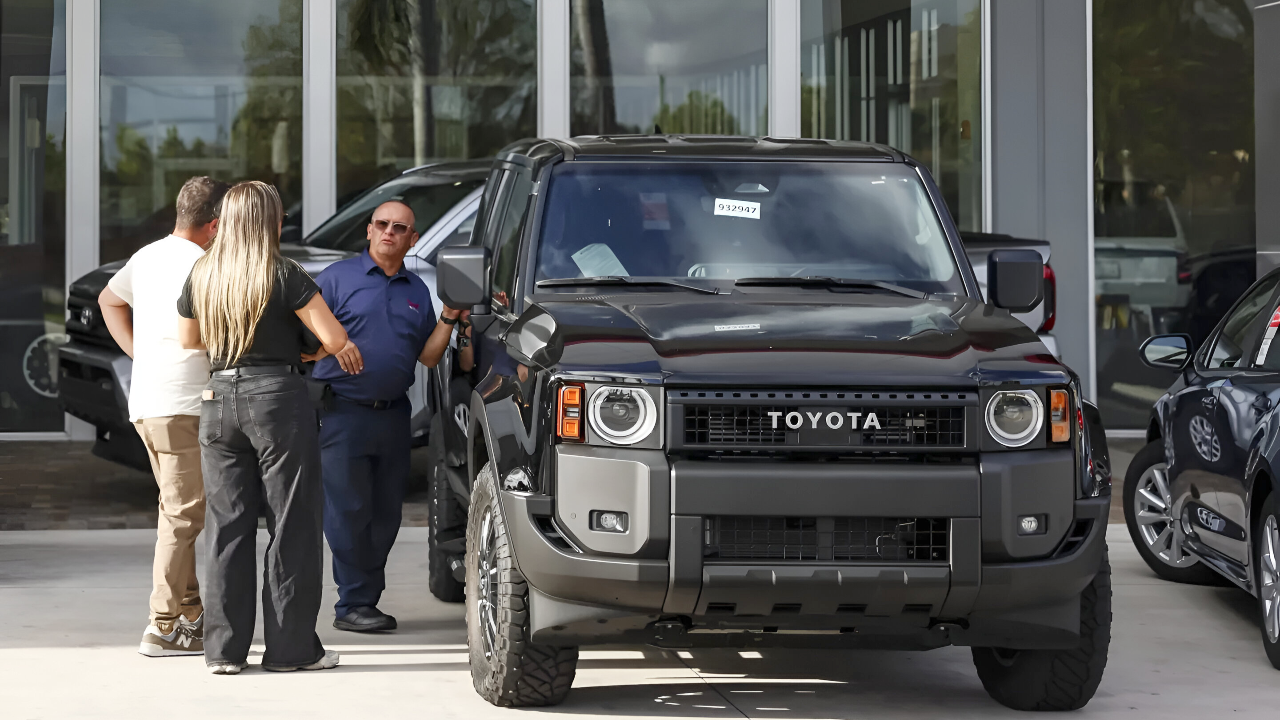
Every year, American families face the question: buy new or buy used? In 2025, the stakes are higher. A new analysis of 12 popular car models reveals a $25,000 gap between new and used vehicles, with 30–40% depreciation in the first three years. Some cars melt in value quickly, while others hold steady. Here’s what’s going on.
The Depreciation Trap Nobody Talks About
Most buyers don’t realize a new car loses value instantly. Drive a $50,000 sedan off the lot, and it drops to $45,000 in a day. CarEdge data shows 20–30% depreciation in 2–3 years. Post-pandemic market chaos has eased, but choosing the wrong car still costs thousands. Used car prices are stable, but the wrong decision hurts your wallet.
New Car Financing vs. Used—The Numbers Shock
Financing changes the game. Experian’s Q3 2025 report shows that new car loans average 6.56% APR, while used loans average 11.40%. On a $50,000 car, the monthly payments are $975 new versus $560 used. Total interest over 60 months is almost identical: $8,470 vs. $8,029. The key difference is the monthly cash flow. Payment gaps now drive smarter purchasing decisions.
The Luxury Car Collapse That Creates Bargains
Luxury models collapse fastest. BMW 7 Series loses $62,000–$71,000 over five years. Maserati Quattroporte drops 64–83%. Meanwhile, Toyota Tacoma keeps 74–78% of its value. High-end brands tank while practical vehicles stay steady. For buyers, this creates a window: nearly-new luxury cars for half price, or reliable new models that won’t hemorrhage value. Opportunity hides in plain sight.
Electric Vehicles—The Depreciation Wildcard
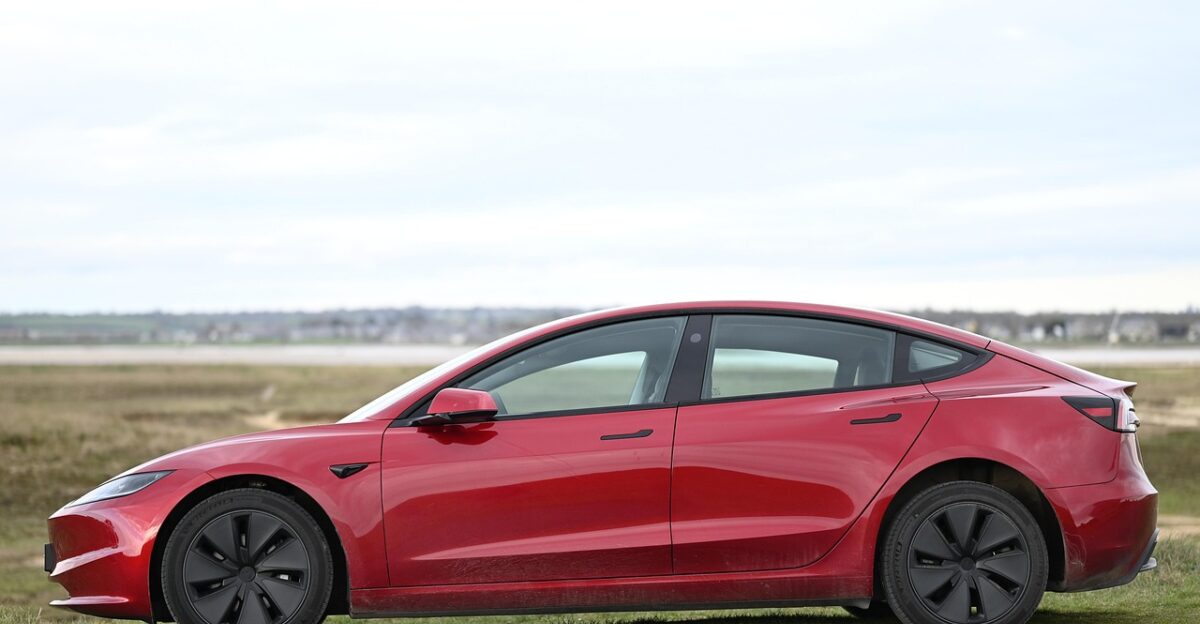
EVs are unpredictable. Tesla Model S loses 69% in five years; Hyundai Ioniq 5 drops 60%. Changing federal credits, new incentives, and rapid tech shifts devastate resale. Yet used EVs become bargains. A two-year Ioniq 5 costs half of new while retaining most battery life. Timing purchases is everything. In this volatile market, depreciation curves define financial winners and losers.
The Sweet Spot Strategy
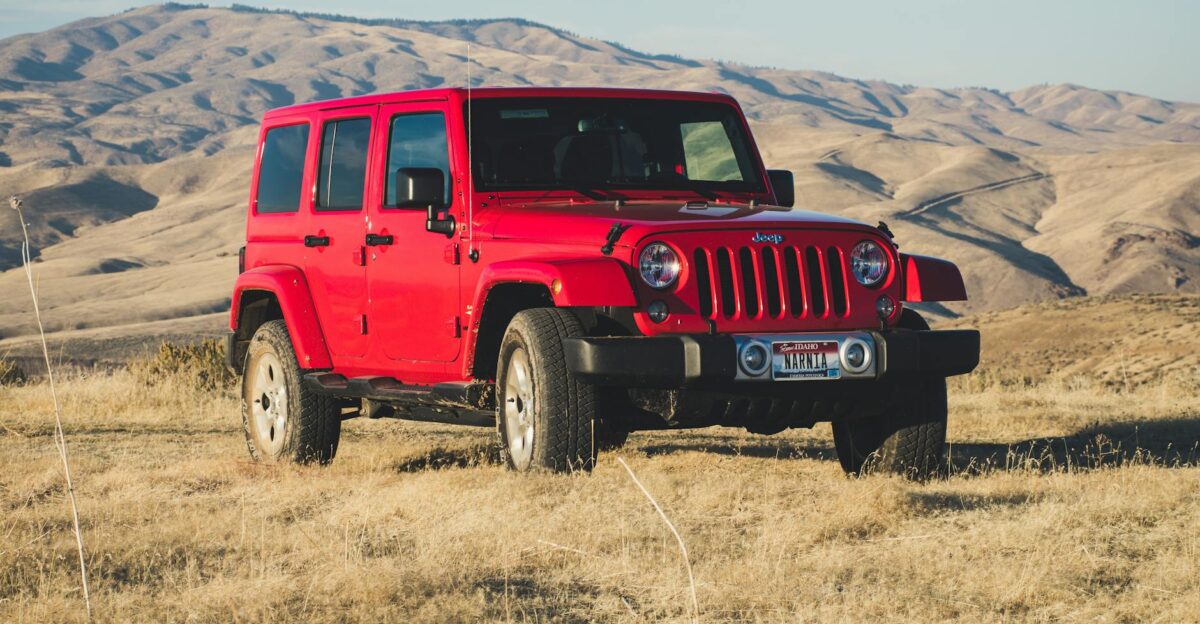
The smartest play depends on vehicle type. Luxury sedans and EVs are best bought three to four years used. Standard vehicles like Civics, Tacomas, and Wranglers justify new purchases. Financing, warranty coverage, and maintenance certainty shrink the new-car premium. Strategy is personal: align your choice with depreciation curves and ownership timeline. Knowing which category each vehicle falls into maximizes savings.
The Six Cars Better Bought Used
Some models are new financial traps. Buying three– to four-year-olds saves thousands while maintaining performance. Causes vary: tech obsolescence, maintenance fears, or fading popularity. However, the math remains the same—$30,000–$90,000 saved. Identifying these vehicles helps buyers dodge expensive mistakes and capitalize on the used market. Here’s the list where timing matters most.
#1 – Tesla Model S
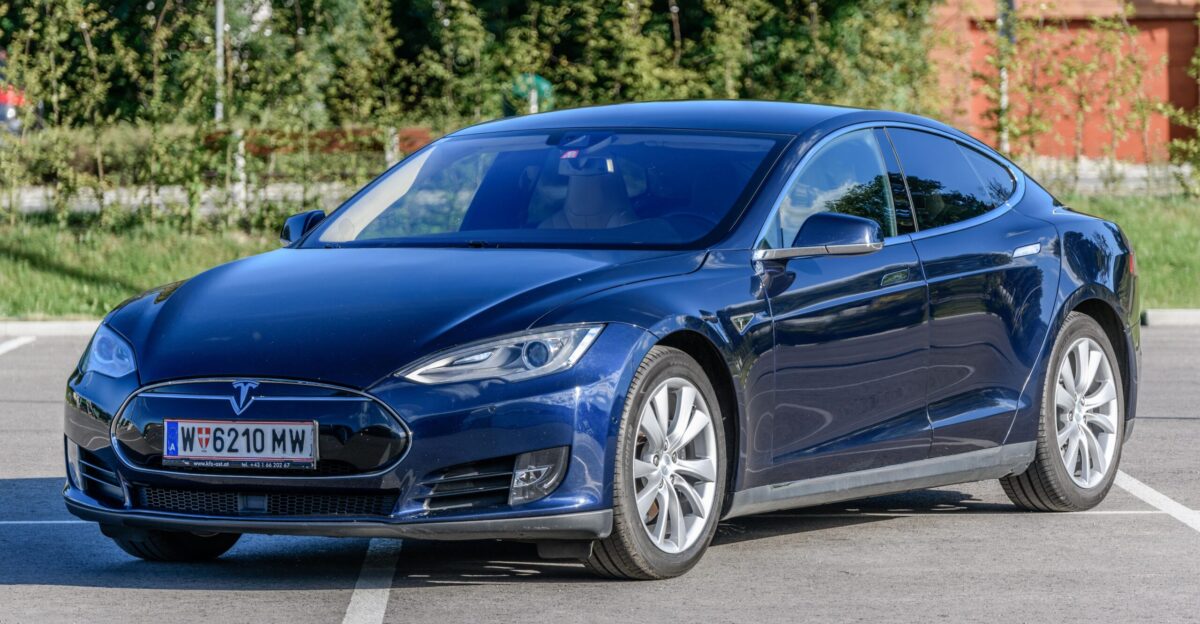
The Tesla Model S loses 69% of its value over five years, amounting to roughly $62,385. Year 1 alone drops $27,708. Price cuts in 2025 accelerate depreciation, making used models $50,000–$60,000—$30,000–$40,000 less than new. The sweet spot: three–four years old. Battery remains 85–90%. Cutting-edge tech risks disappear while savings hit. Tesla’s innovation advantage translates into an unusual windfall for used cars.
#2 – BMW 7 Series
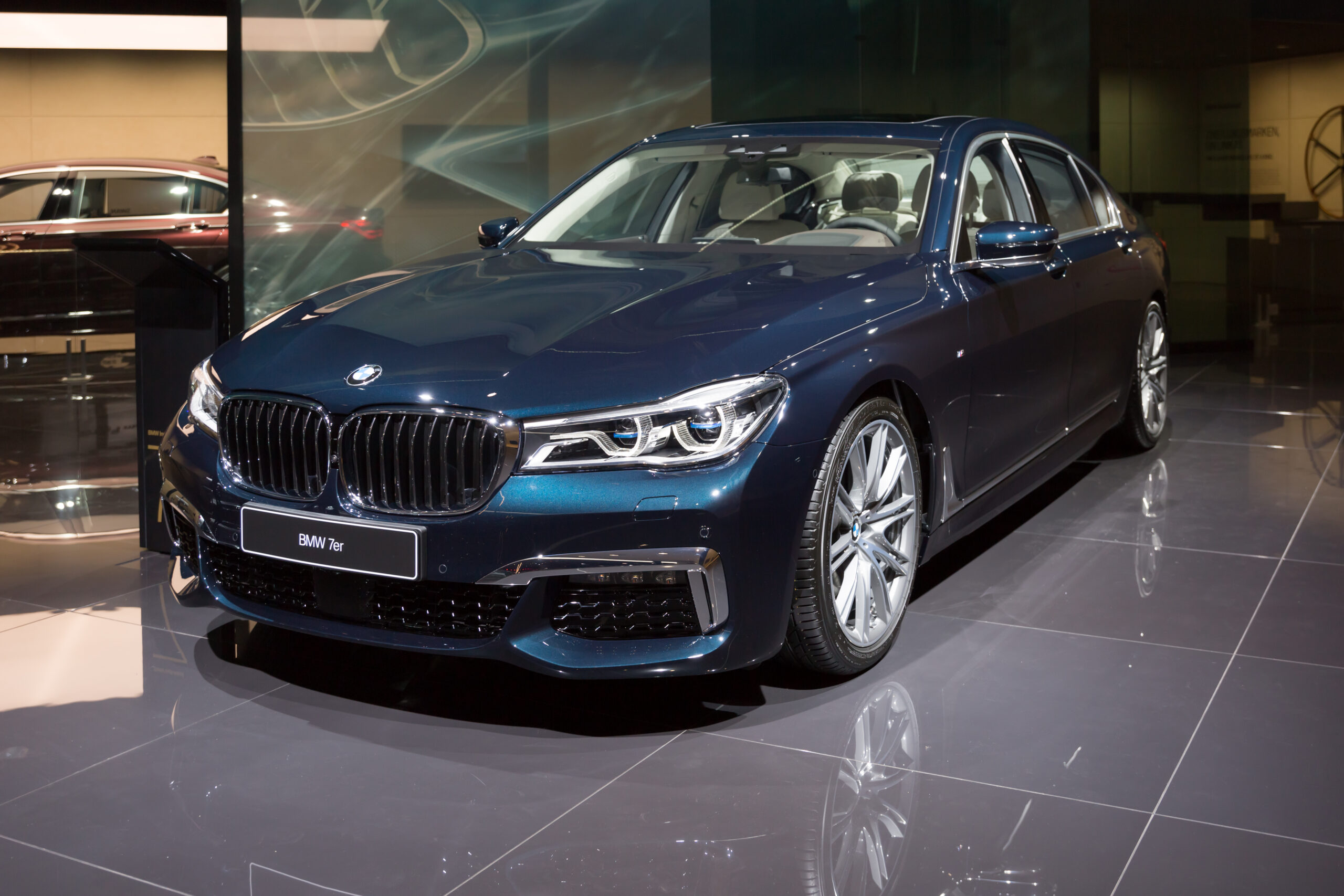
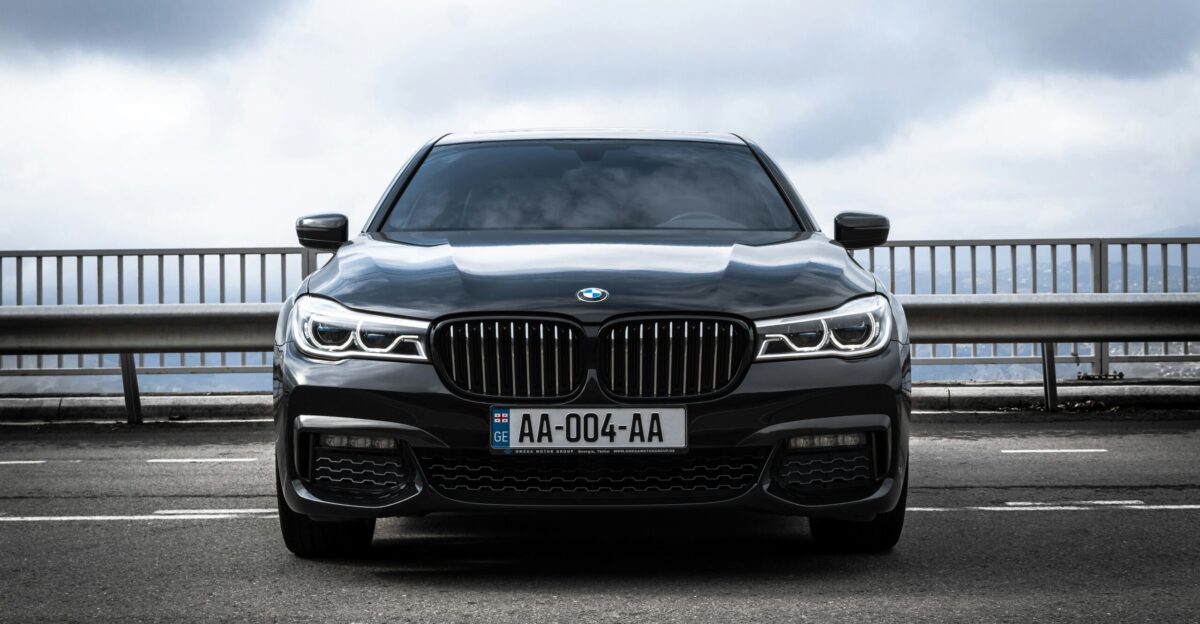
The BMW 7 Series loses $62,000–$71,000 in five years, representing a 62–67% decline. Year 1 costs $28,435. Electronics, adaptive suspensions, and fading prestige make new purchases expensive. Three-year-old models trade at 45–54% of the MSRP, saving $ 50,000 or more. Maintenance averages $2,000+ annually. Pre-purchase inspections are essential. Prestige remains while sticker shock disappears. Luxury used sedans offer value that savvy buyers can’t ignore.
#3 – Maserati Quattroporte
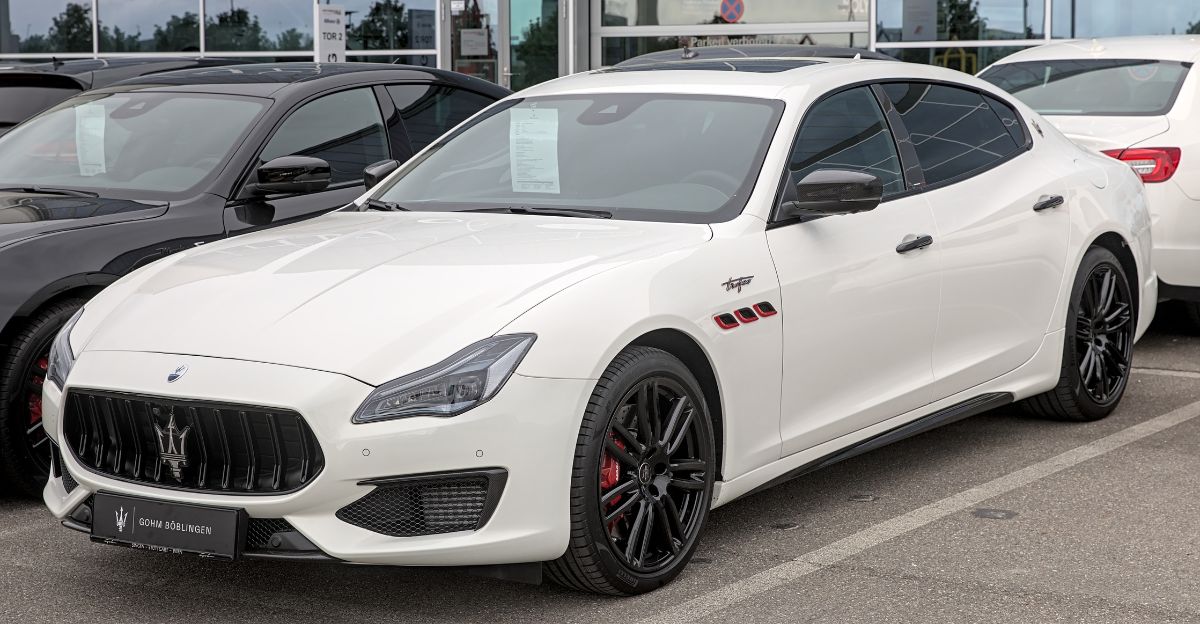
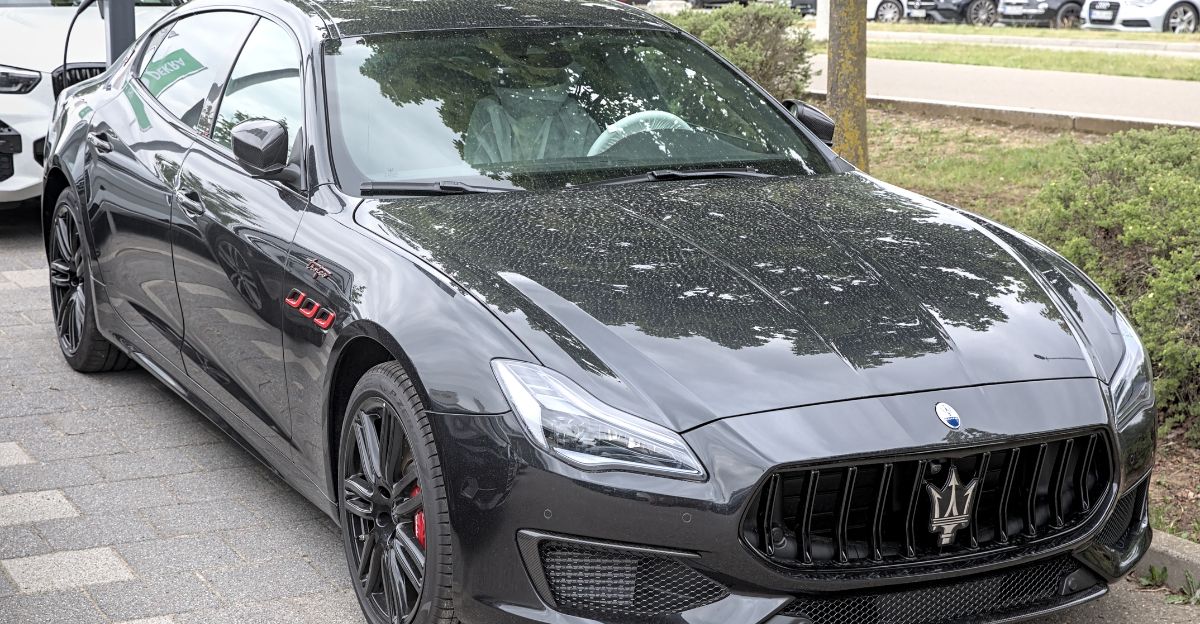
The Maserati Quattroporte loses 64–83%, with a loss of around $ 90,000, and 63.4% of the value is gone in three years. A $130,000 model drops to $45,000–$50,000. Italian reliability concerns and annual maintenance costs exceeding $2,000 deter new buyers. Only buy used with an independent mechanic on hand and ready to make repairs, with sufficient funds available. This is exotic luxury at economy-car pricing. The window for bargains is narrow but irresistible.
#4 – Nissan Leaf
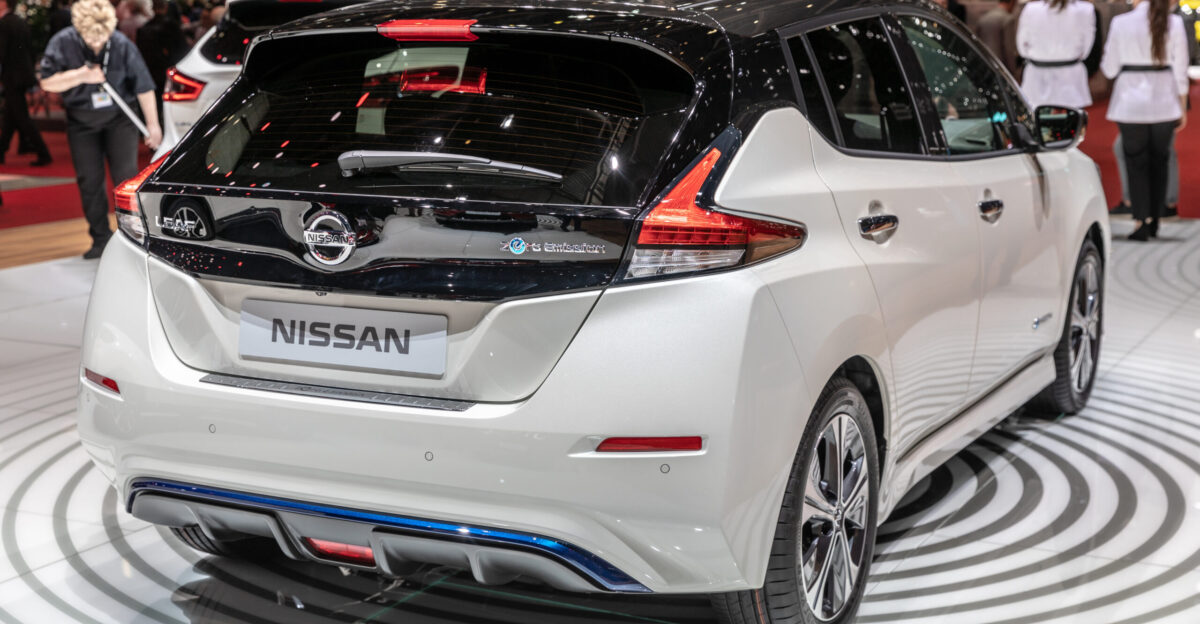
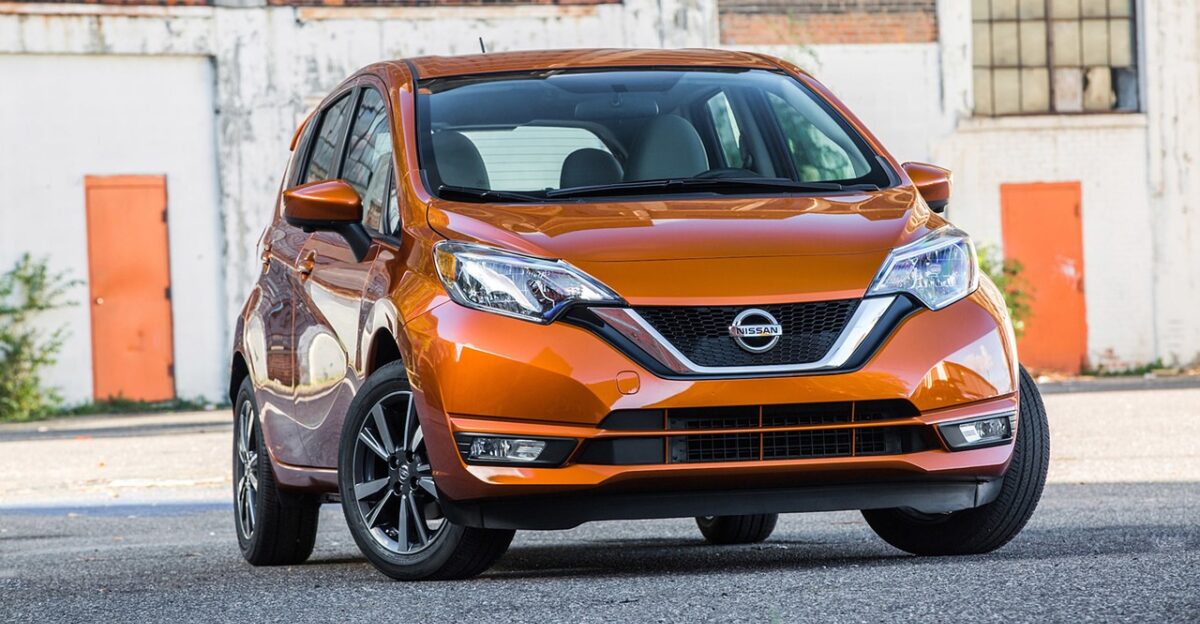
Nissan Leaf depreciates 66% in five years, $22,563 lost. Year 1 alone drops 51%, the steepest among EVs. The limited 150-mile range and battery concerns make new purchases a risk. Used Leafs cost $13,000–$16,000 for 2020–2022 models, offering affordable urban EV options. Avoid 2017–2019 models with older batteries. Weakness becomes a new strength, offering low-cost EV entry. Timing determines savings.
#5 – Hyundai Ioniq 5
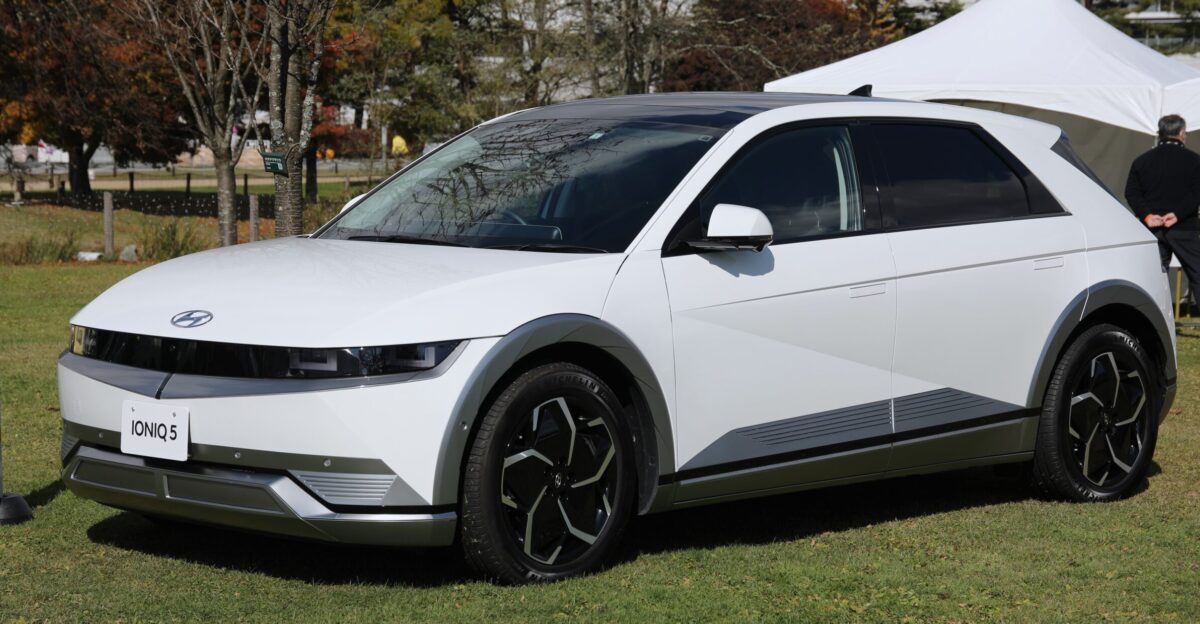
The Hyundai Ioniq 5 loses 60% of its value over five years, with a 32.9% depreciation in Year 1. Tax credit changes, incentives, and shifts in the EV market crush resale. 2023–2024 models under 30,000 miles trade $25,000–$35,000—50% off MSRP. Warranty coverage remains, and build quality is strong. Buyers skip new premiums yet retain performance. Used Ioniq 5s offer an opportunity without compromise, if timing aligns correctly.
#6 – Chevrolet Bolt EV
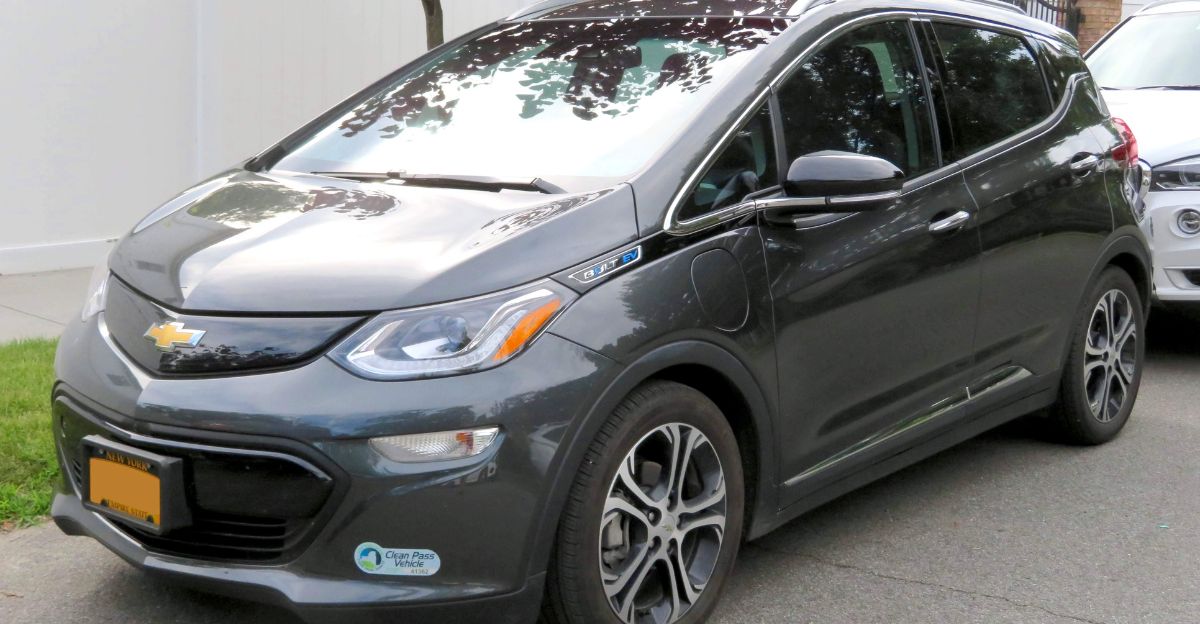
Chevrolet Bolt EV drops 40–52% in 2–3 years. A 2020 car with a $37,495 value sells for $14,500 today. Discontinuation, battery recalls, and GM price cuts reduce value. Yet used 2022–2023 models with refreshed batteries trade $15,000–$19,000. Ideal for city driving, Bolt EV compresses decades of EV knowledge into economy-car pricing. Used purchases convert volatility into value.
The Six Cars That Make Sense New
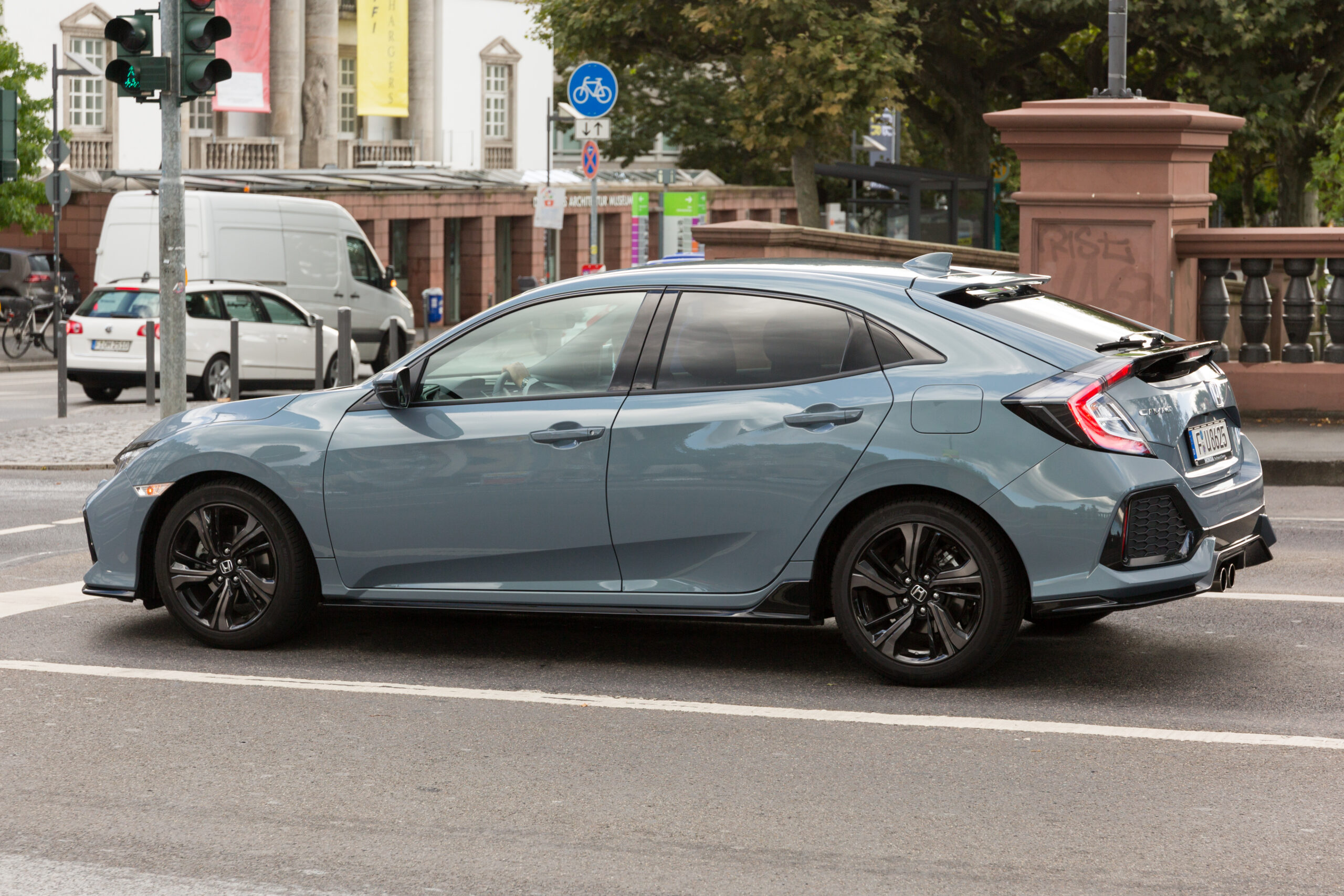
Some vehicles hold value, making new purchases smarter. Depreciation is minimal; used prices remain close to new. Financing advantages (6.56% vs. 11.40%), warranties, and known maintenance tip the scales. These practical, reliable models deliver clear value new. Buyers avoid depreciation traps while securing coverage. Here are the six where buying new is financially logical and long-term cost-effective.
#1 – Toyota Tacoma
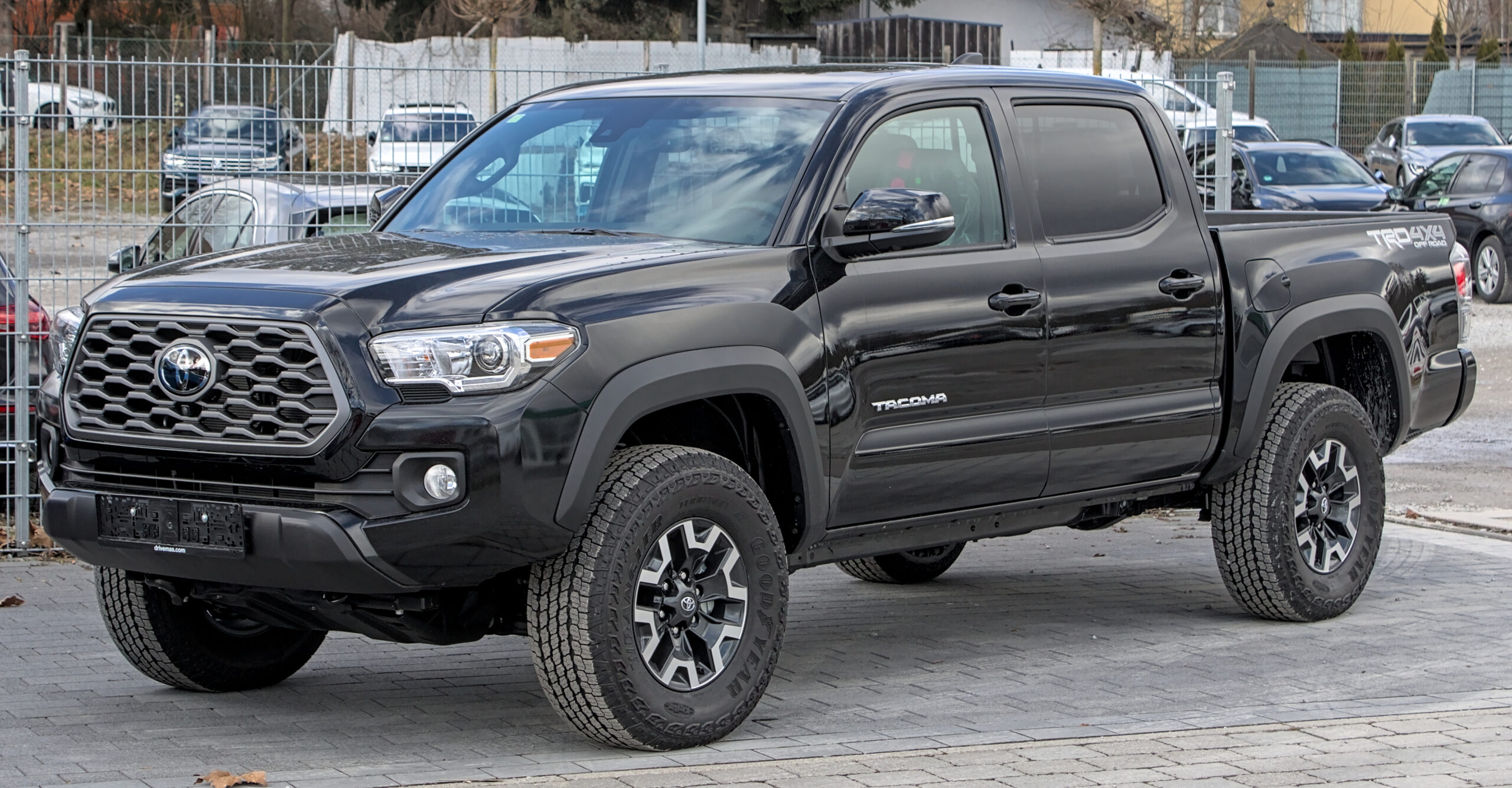
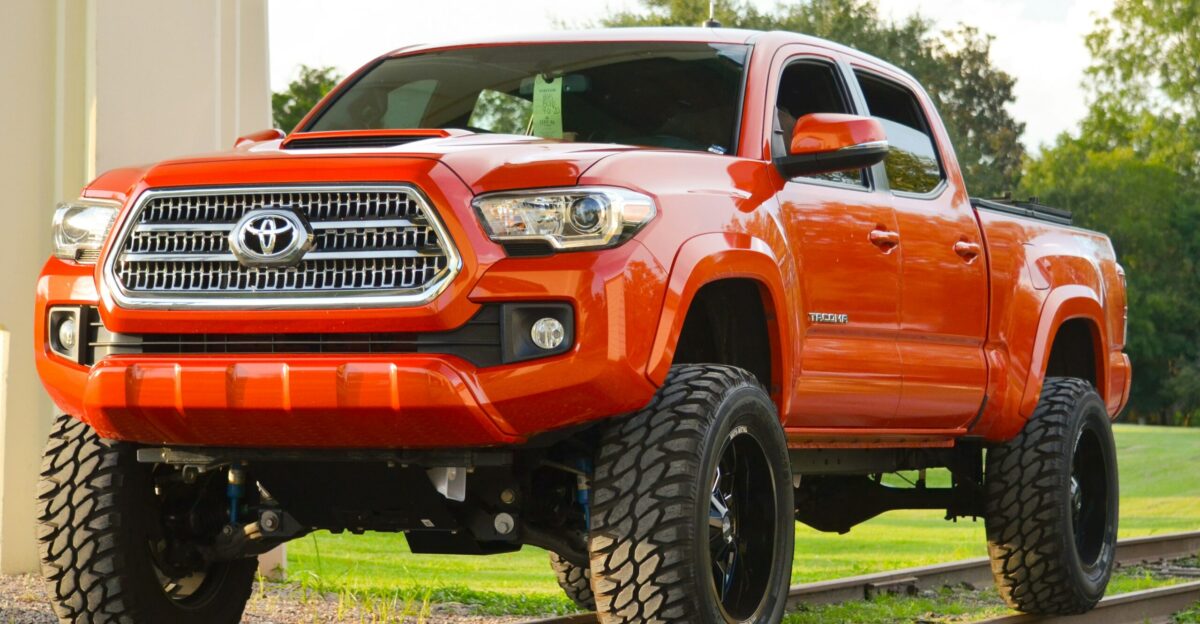
The Toyota Tacoma retains 74–78% of its value over five years, losing $8,000–$10,000. Year 3 depreciation averages 13.4%. New-car financing, warranties, and known maintenance justify the purchase. 2025 redesign strengthens appeal. Used Tacomas sometimes cost only 10–15% less than new, eliminating the savings advantage. Trucks holding value this well make new purchases smarter. Practicality and timing converge for optimal financial choice.
#2 – Honda Civic
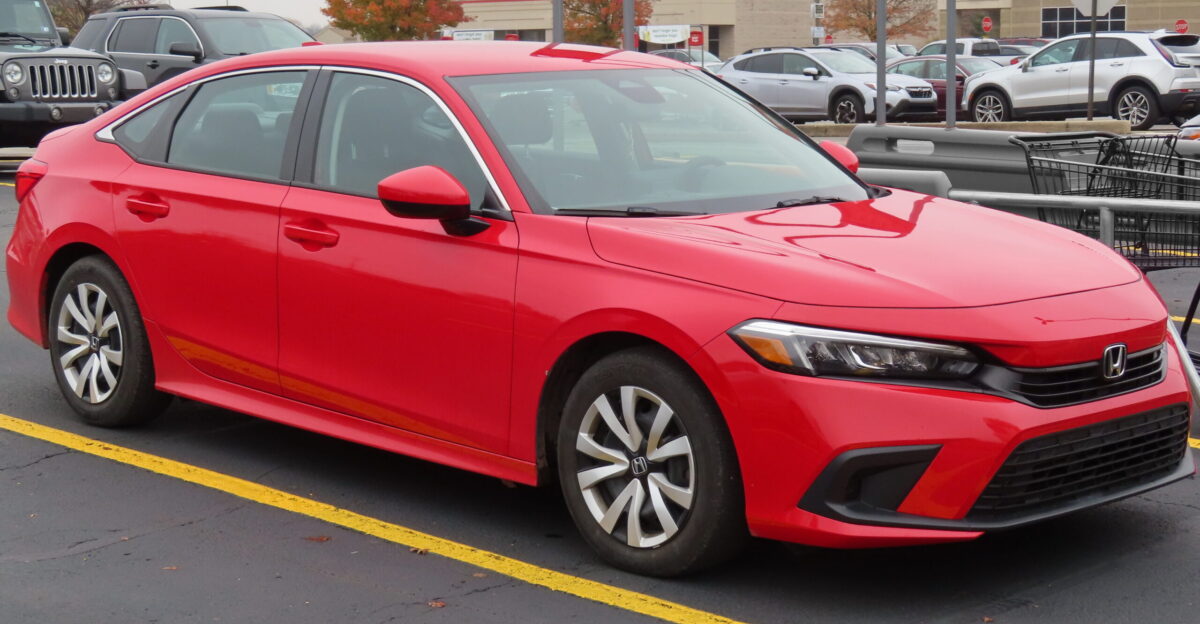
The Honda Civic holds 71–72% of its value over five years, losing $7,972 on a $27,500 investment. Year 1 retains 84.5%. Reliability 4.5/5, low $234 annual maintenance, and a three-year/36,000-mile warranty favor new. 6.56% new APR beats 11.40% used. Two-year-old models cost $24,000–$26,000, compared to $27,500 for new models. Compact reliability and predictable depreciation make new Civics a financially sound decision. Peace of mind comes at minimal cost.
#3 – Jeep Wrangler
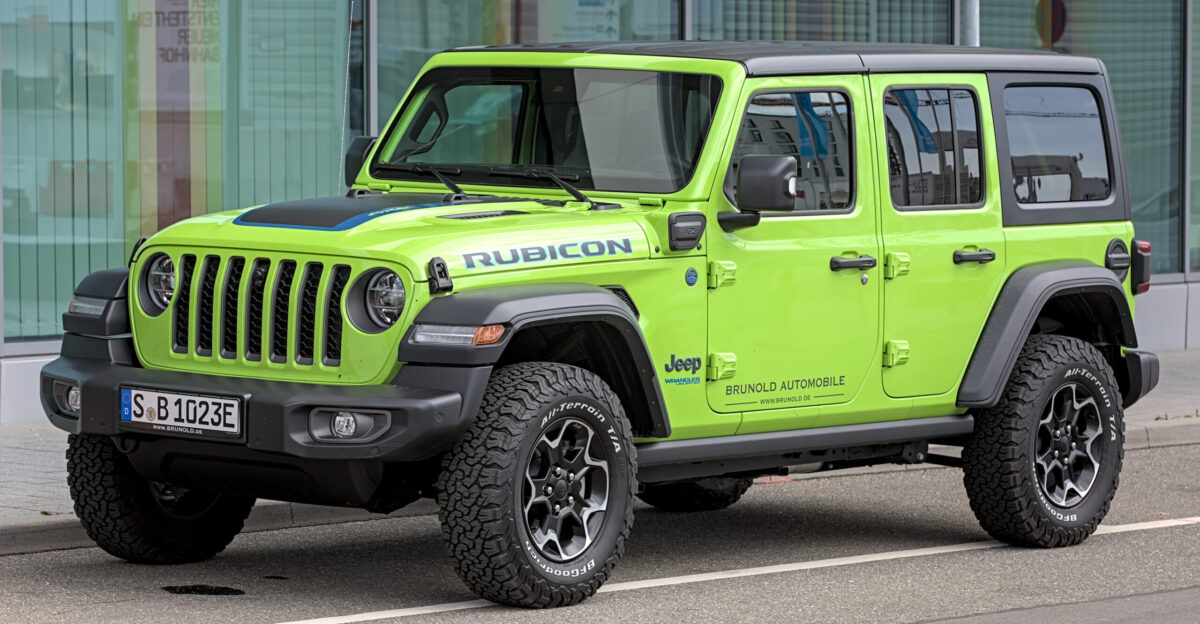
Jeep Wrangler keeps 71–79% over five years. Depreciation $10,000–$14,000. CarEdge shows a $34,110 resale value on a $48,226 purchase. Used Wranglers may cost $2,000–$5,000 less for three-year-old models, but this limits the savings. Buying new secures a warranty, allows for modifications, and provides ownership certainty. Avoid the 4xe hybrid, which loses 46% of its value in three years. For Wrangler buyers, new ensures value retention and predictable costs.
#4 – Hyundai/Kia Models
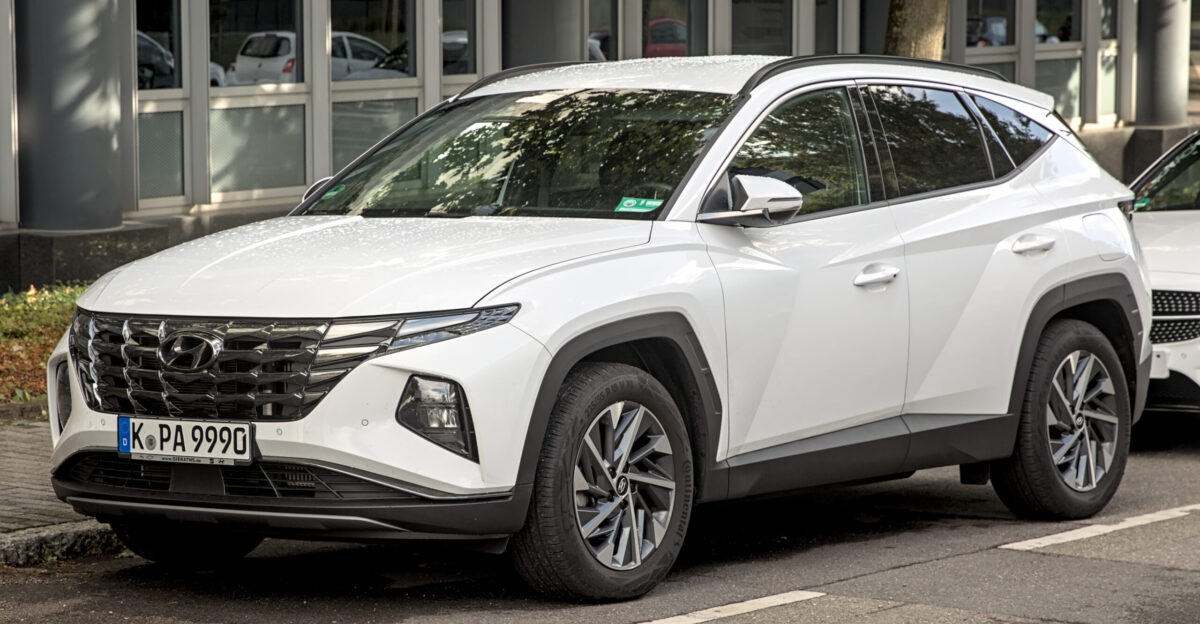
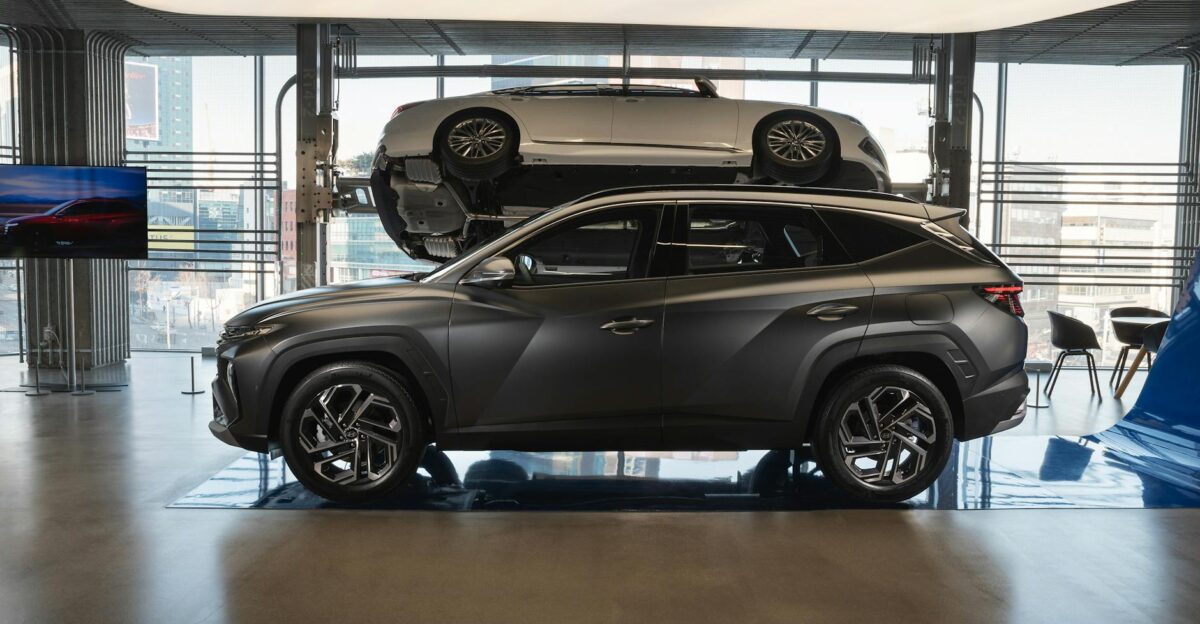
Extended warranties are key. Hyundai/Kia offer 10-year/100,000-mile powertrain and 5-year/60,000-mile comprehensive coverage—twice the coverage of competitors. Honda/Toyota offers only 3-year/36,000-mile basic coverage. Extended protection can save $3,000–$8,000. Warranty value diminishes with a used purchase. Tucson, Santa Fe, and Sorento become rational new choices. Paying new secures coverage rather than depreciation savings. Long-term reliability becomes financial leverage.
#5 – Subaru Outback/Forester
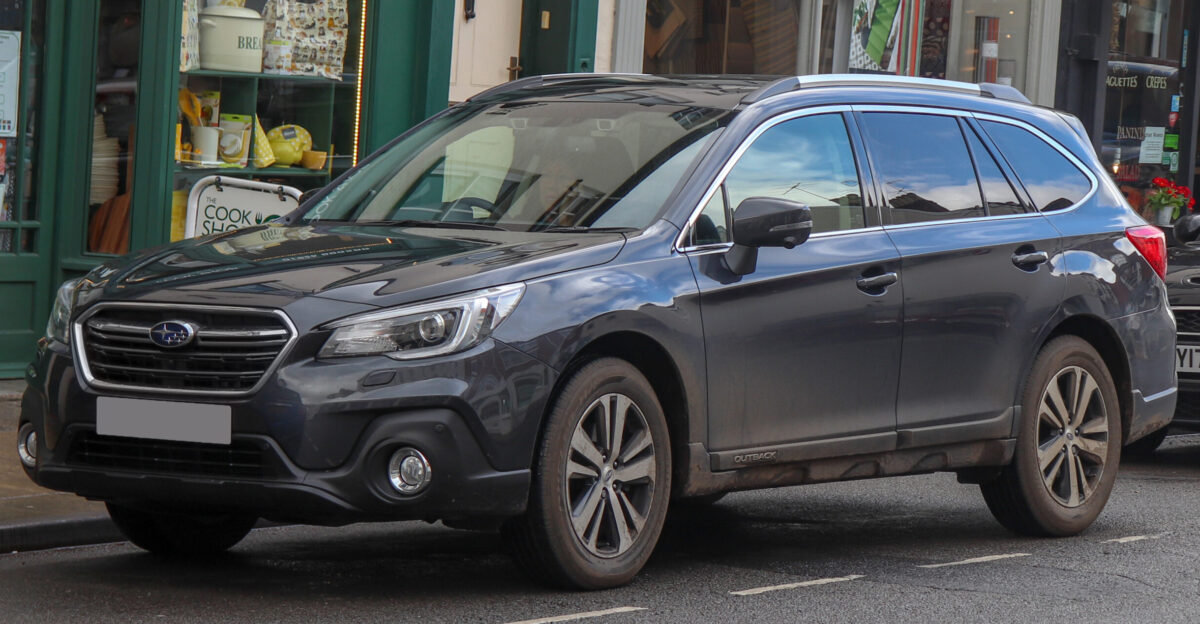
Subaru retains 57–65% of its value over 5 years, with total depreciation of $14,000–$17,500. The standout metric is early performance: only 27% value loss in years 1–2. Used Outbacks aged 2–3 years trade for $30,000–$35,000 versus $40,283 new, just $5,000–$7,000 less.
With 6.56% new-car financing, a full 3-year warranty, and no maintenance unknowns, buying new delivers better value. Subaru’s 4.0/5 reliability rating and standard AWD strengthen the case. The Forester follows the same depreciation pattern, making new purchases the smarter long-term decision.
#6 – Mazda CX-5
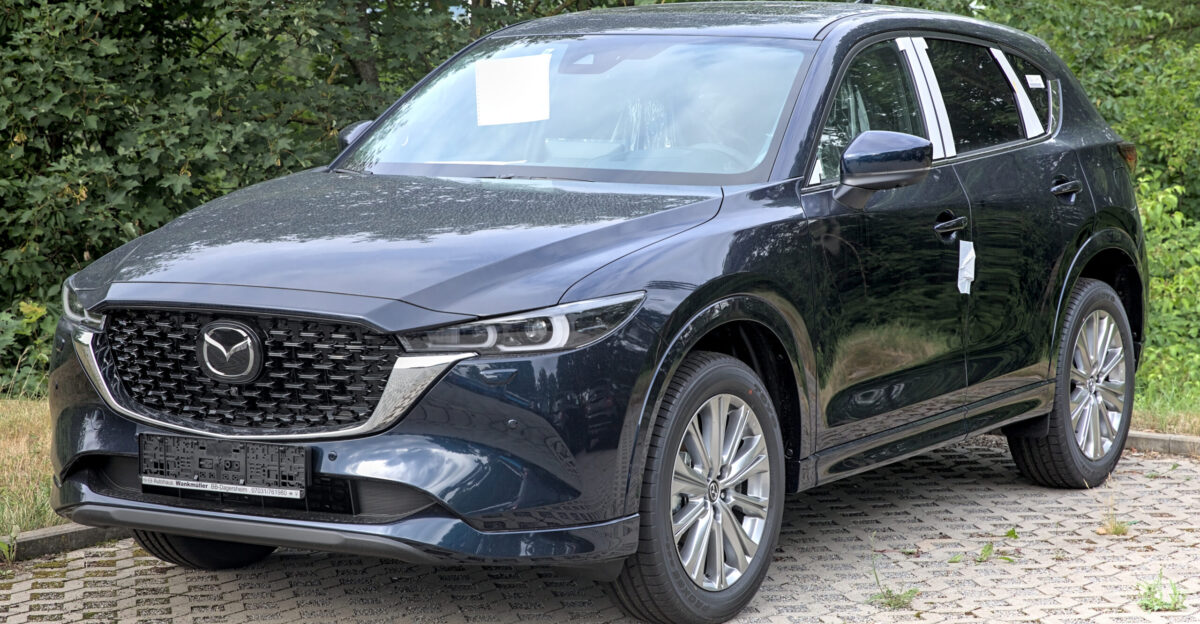
The Mazda CX-5 retains 61% of its value over 5 years, with $14,569 in depreciation on a $35,000–$38,000 purchase. Early depreciation remains modest, with just 20–25% value loss in years 1–2. Used CX-5s aged 2–3 years trade for $25,000–$28,000 versus $35,000–$38,000 new, a gap of only $8,000–$10,000.
With 6.56% new-car financing compared to 11.40% used rates, the $88 monthly premium fades once warranty value of $3,000–$5,000 and maintenance certainty are considered. Mazda’s upscale interior and 4.2/5 reliability rating make new purchases the logical choice.
The Final Calculation
New vs. used isn’t universal; it’s math. Luxury sedans and EVs drop 60–83% over five years—buy used. Trucks and practical sedans keep 70–80%—buy new. Financing (6.56% vs. 11.40%), warranties, and ownership horizon matter. $415/month differences may feel large, but interest parity and $3,000–$8,000 warranty value shift the balance. Twelve vehicles highlight extremes. Choose strategically.
Sources:
BMW 7 Series: True Cost to Own. Edmunds, February 20, 2025.
Maserati Quattroporte Depreciation King. The Drive, November 12, 2023.
Honda Civic Depreciation. CarEdge, October 14, 2024.