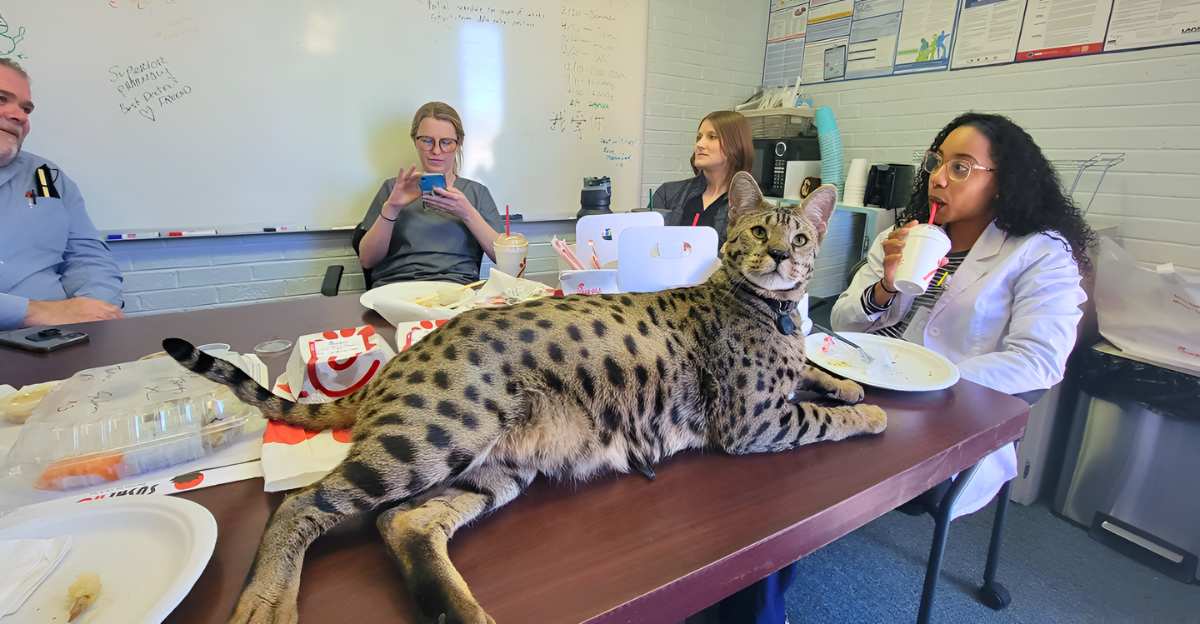
When most people think of cats, they imagine small, light animals curling up in a warm spot. But not every cat fits that picture.
Some breeds grow surprisingly big, almost like small wildcats. Their size is part of their charm, but it also comes with challenges.
Before we dive into the largest breeds, let’s look at why they’re so unique, and what you should know if you’re thinking about adopting one.
Size Isn’t Just About Weight
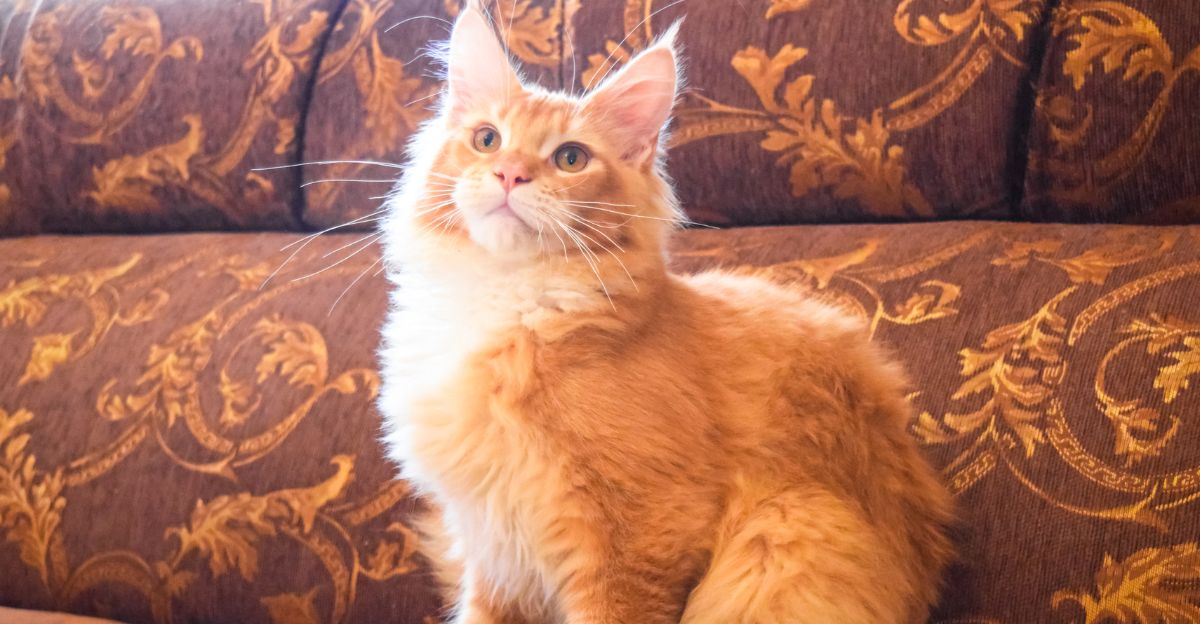
A cat’s size isn’t only measured by pounds. Some breeds are tall or long, while others just look bigger because of all their fur.
Even within a breed, males are often larger than females. Diet and activity levels also matter. These differences affect how much space they need, how active they are, and even how much furniture you might need to protect.
Why People Love Big Cats
Large cats can feel sturdier and often bond closely with their families. Many people enjoy their striking looks, too.
But their size also means more food, more grooming, and sometimes more health issues. The attraction is real, but it’s important to know what you’re signing up for before bringing one home.
1. Maine Coon
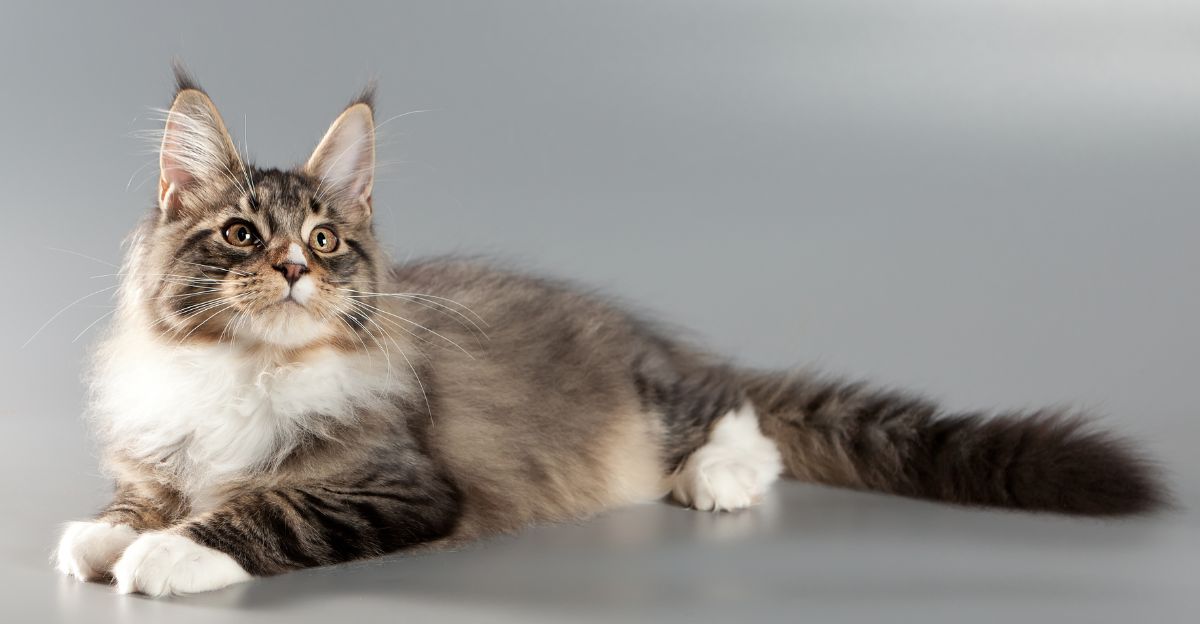
The Maine Coon is probably the most famous big cat breed. They’re playful, gentle, and easy to spot with their tufted ears and long, fluffy tails.
Males often reach 15–25 pounds, making them one of the heaviest domestic breeds. They also grow slowly, not reaching full size until around age four, which surprises many first-time owners.
2. Persian
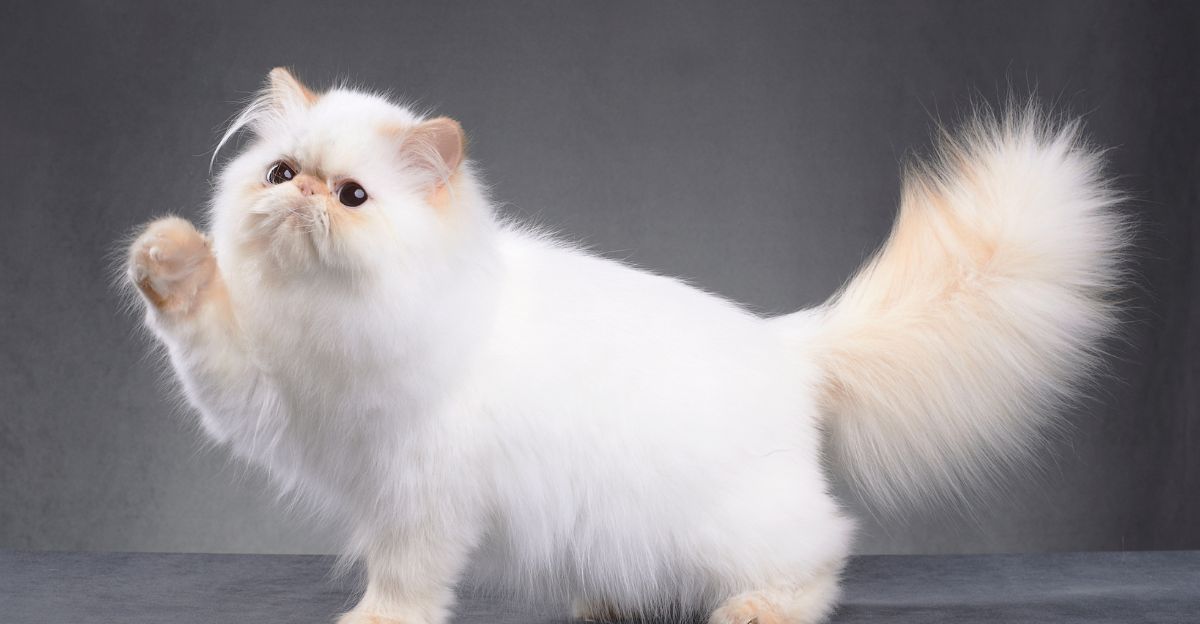
Persians look huge thanks to their long, thick coats, but their actual bodies are more medium-sized, usually 7–12 pounds.
They’re quiet, gentle cats who prefer calm homes. Their coats need daily brushing, which is the biggest commitment. Anyone considering a Persian should think carefully about whether they can keep up with the grooming.
3. Siberian
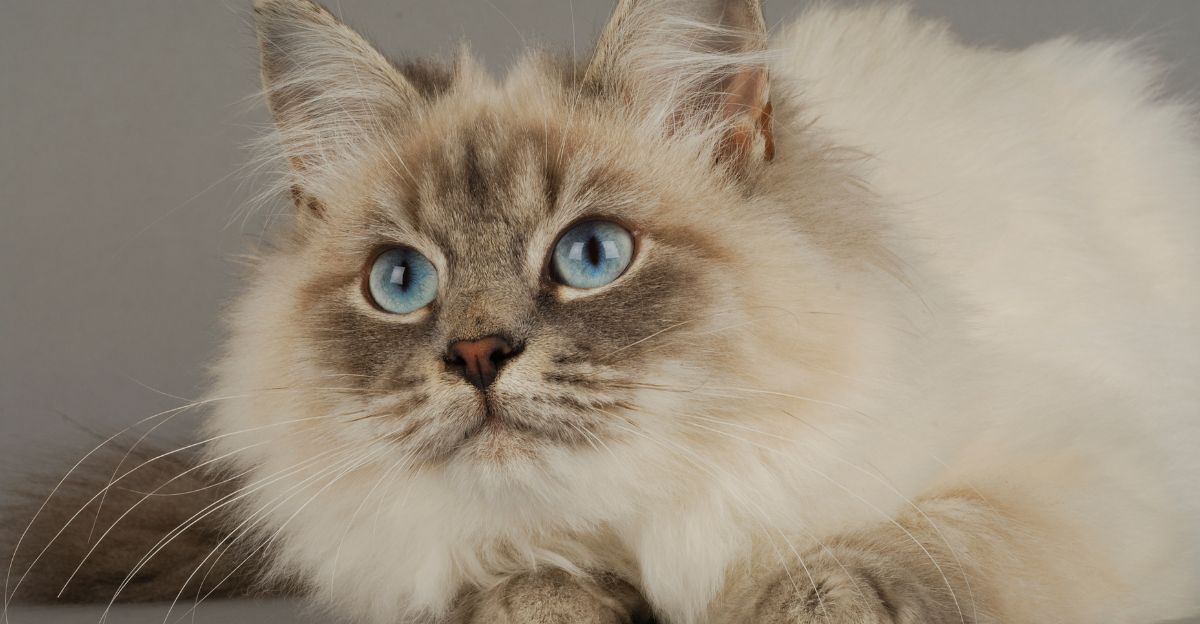
Siberians come from Russia and are built for cold weather. Their triple-layered coats keep them warm but also require regular brushing to avoid mats.
They usually weigh 8–17 pounds and are muscular and strong. Friendly and playful, they do well in homes with plenty of activity and interaction.
4. Ragdoll
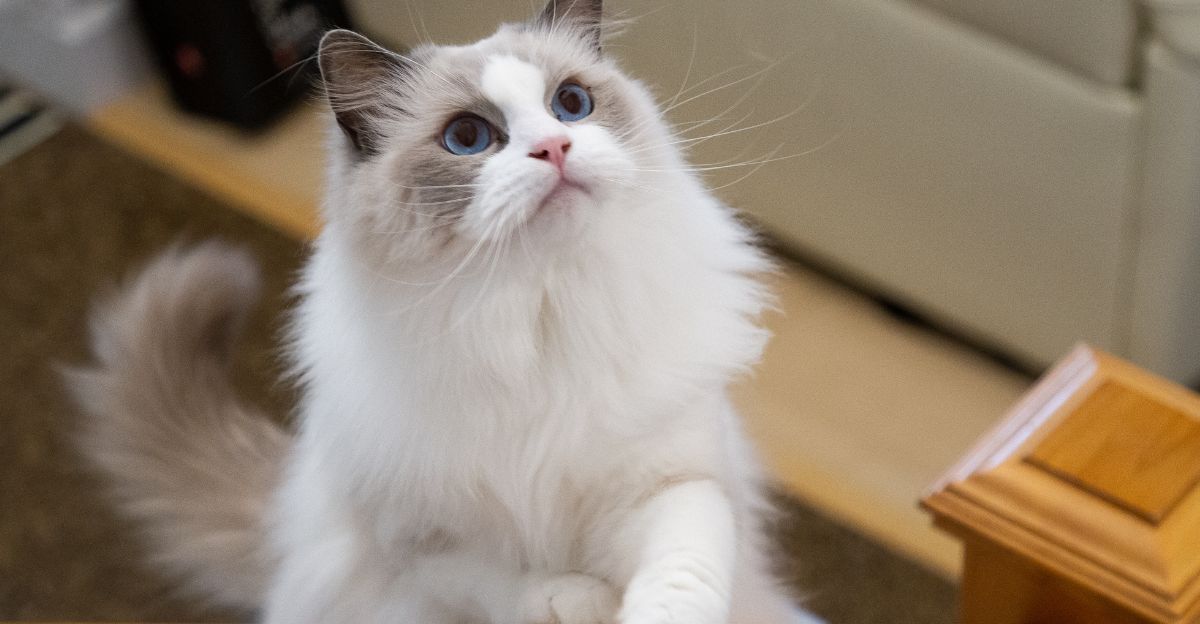
Ragdolls are big, soft cats known for going limp when picked up, hence the name. They often weigh up to 20 pounds but are usually calm and easygoing.
They enjoy being held more than most cats and often get along with everyone, including kids and other pets. Their semi-long coats need care but are easier to manage than Persians.
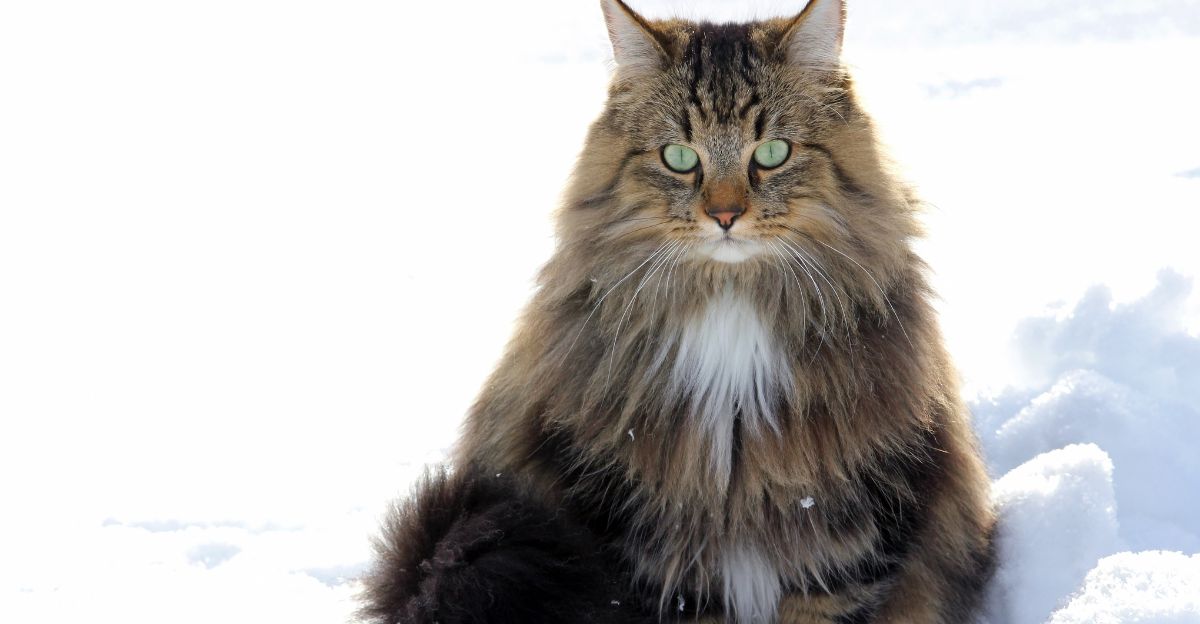
5. Norwegian Forest Cat
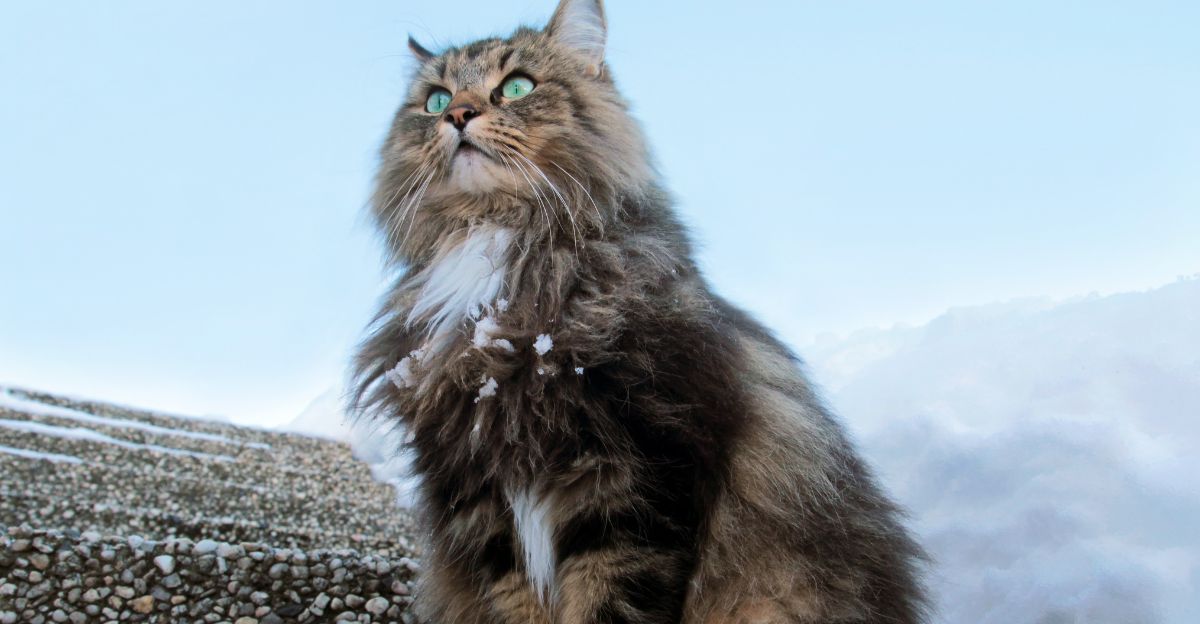
This breed comes from Norway and has roots in old hunting traditions. They weigh 8–16 pounds and have long, water-resistant coats.
Strong climbers, they love vertical spaces like cat trees. They also grow slowly, often not reaching their full size until age five. Independent but intelligent, they enjoy exploring and staying active.
6. Savannah Cat
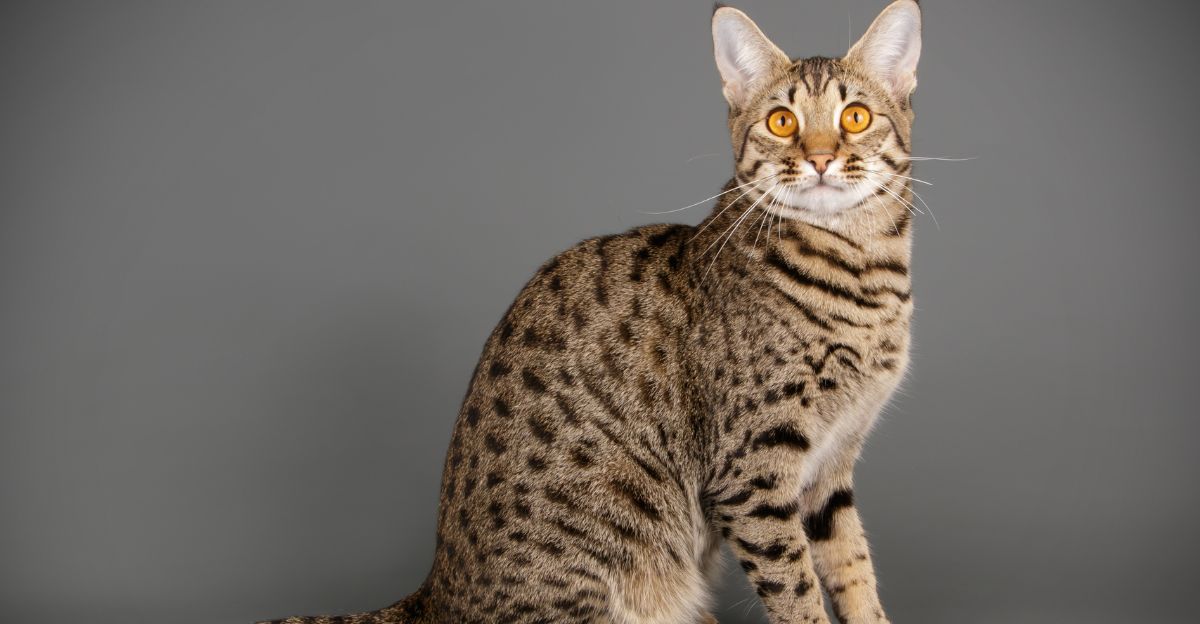
Savannah cats are hybrids, created by crossing domestic cats with African servals. They can weigh 12–25 pounds and stand tall with long legs and spotted coats.
They’re highly active and love water and play. Because of their wild ancestry, they can be expensive and are restricted in some areas. They’re not a good match for every household.
7. Bengal
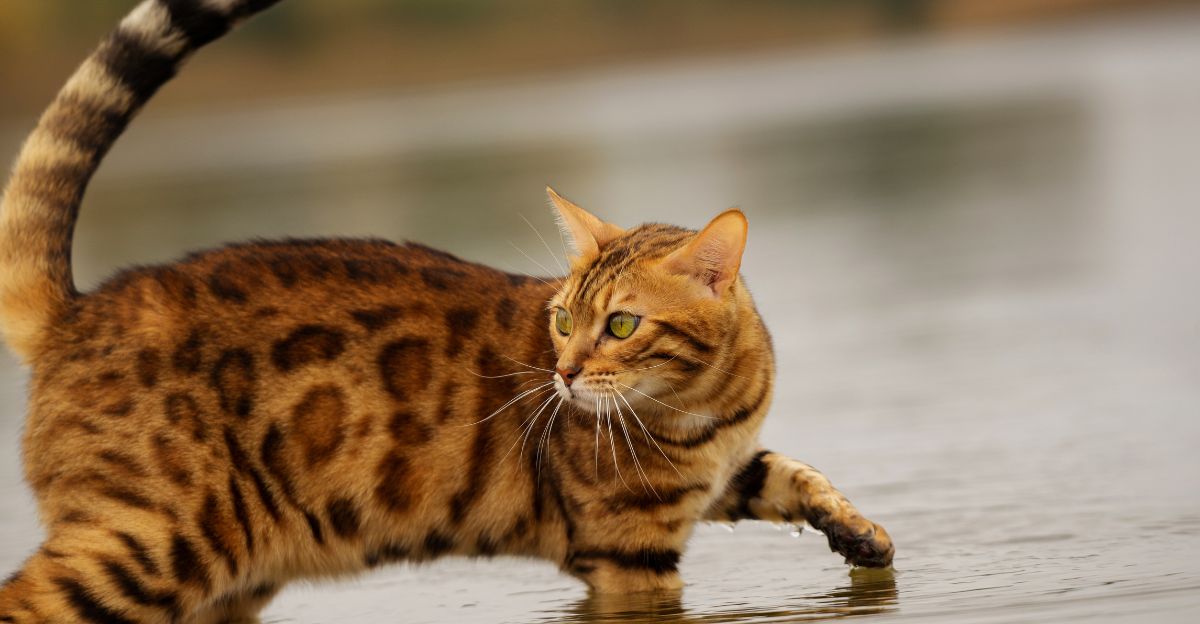
Bengals also have wild roots, coming from the Asian leopard cat. They’re muscular and athletic, usually weighing 8–15 pounds.
Known for their energy, they need a lot of stimulation, training, and playtime. Bengals are great for experienced owners who enjoy active pets but may be overwhelming for first-time cat owners.
8. Ragamuffin
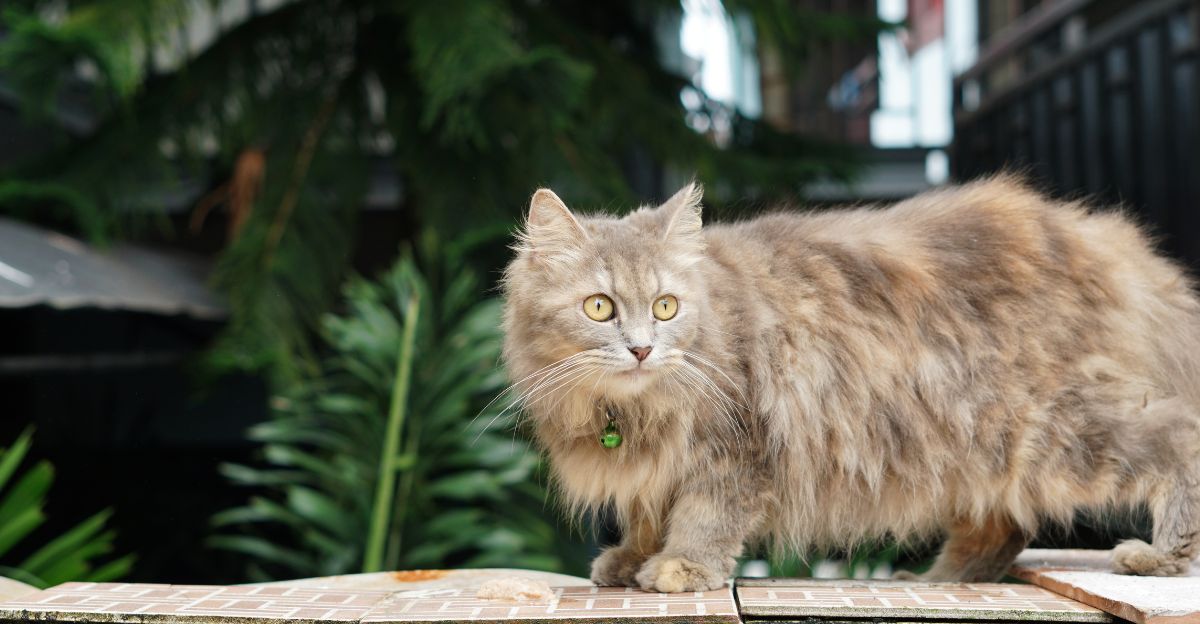
Ragamuffins are close relatives of the Ragdoll. They’re big cats, usually 10–20 pounds, with long, silky coats and very people-focused personalities.
They’re gentle and patient, making them a good choice for families with kids. These cats don’t like being left alone for too long, though, and need plenty of attention.
9. Chausie
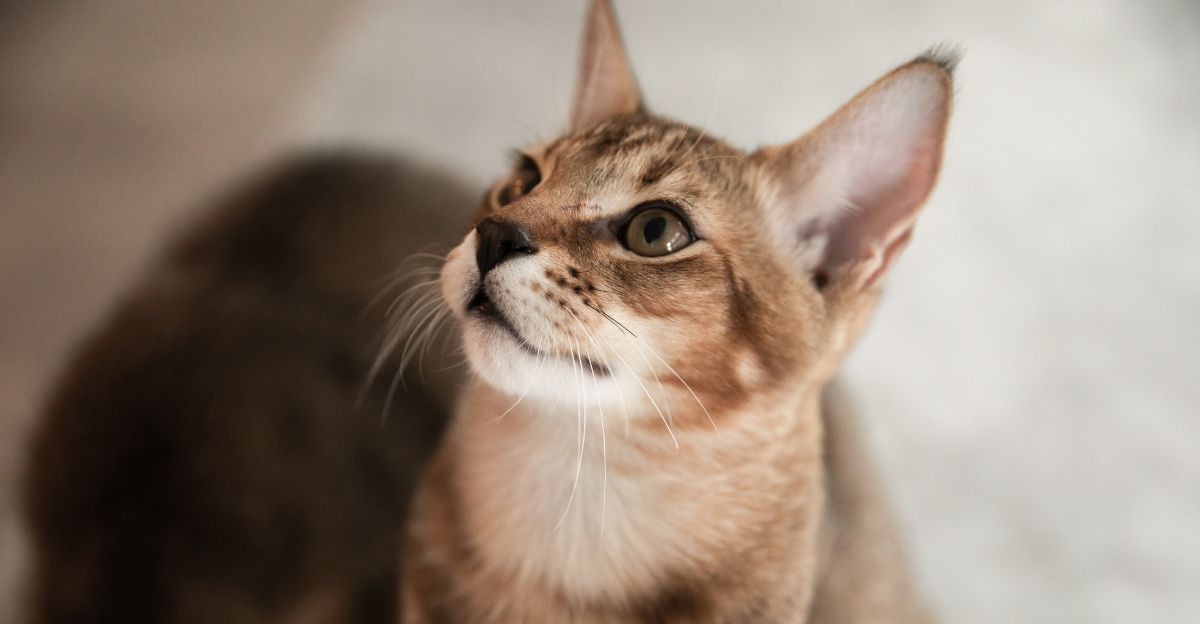
Chausies have some wild jungle cat ancestry, which gives them a tall, lean build. They can reach up to 20 pounds and are very active and intelligent.
They enjoy climbing and interactive play. Because they’re harder to find and can be pricey, they’re best for owners ready to meet their high energy needs.
10. American Bobtail
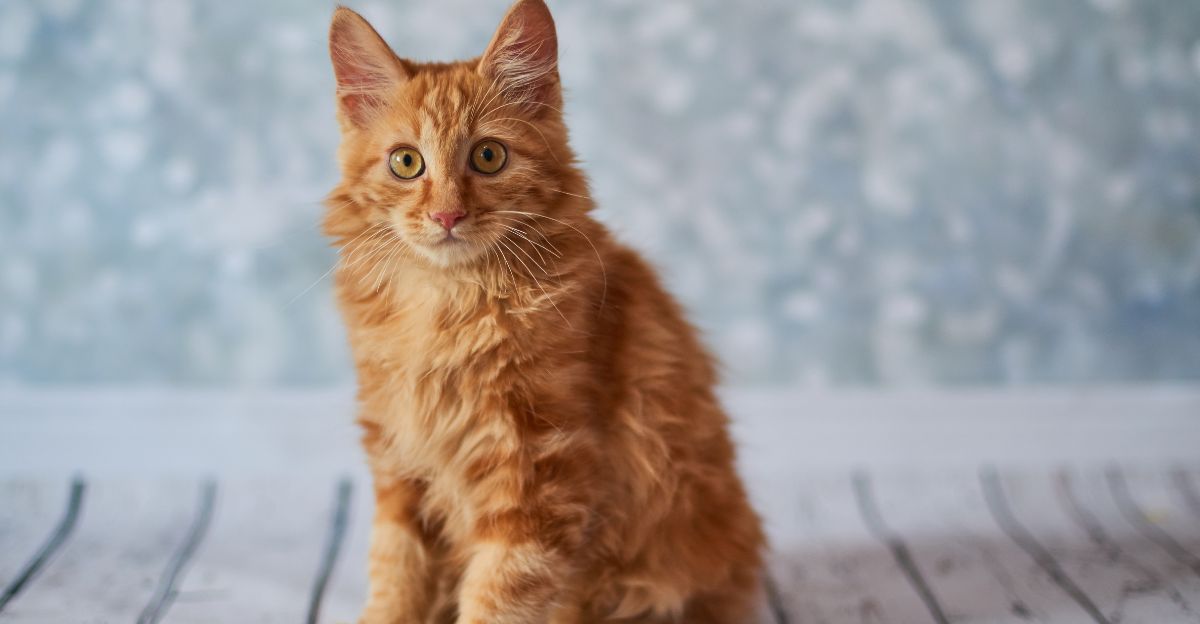
American Bobtails are known for their short tails and rugged look. Weighing 7–16 pounds, they’re clever, adaptable, and very affectionate with their families.
Despite looking wild, they’re calm and loving, often used as therapy animals. Their coats, whether short or long, need regular grooming.
Grooming Needs
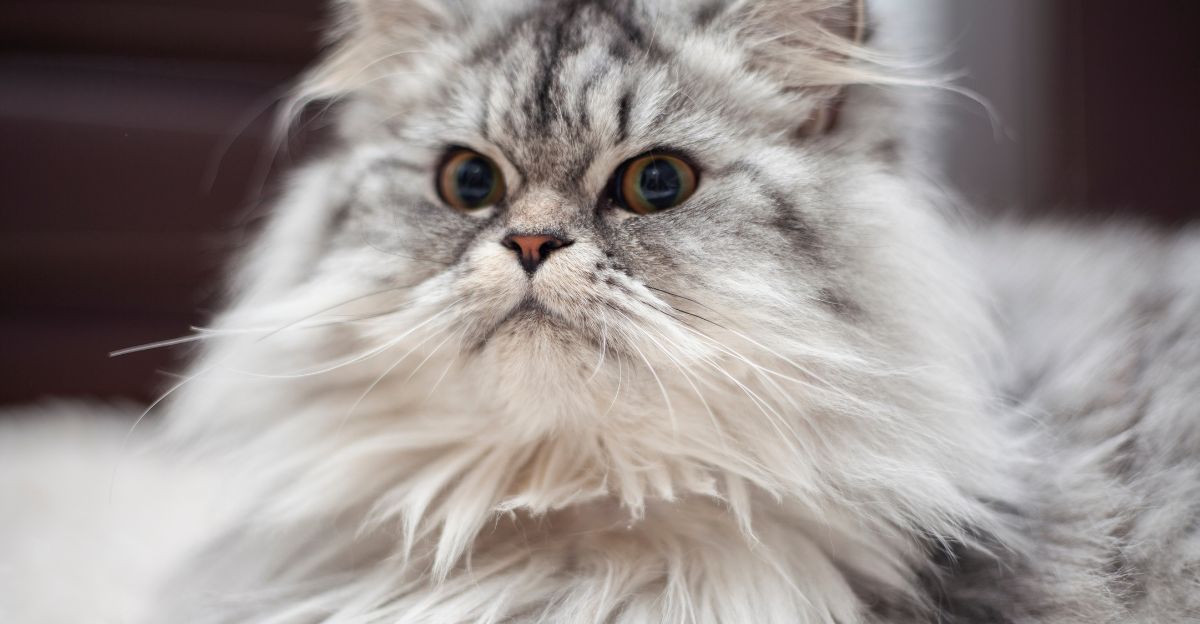
Most large cats have thick or long coats, which means brushing is part of the routine. Without it, tangles and mats can form, leading to discomfort.
Even short-haired big cats shed a lot and need regular care. Anyone adopting should think about whether they can commit to consistent grooming.
Health Considerations
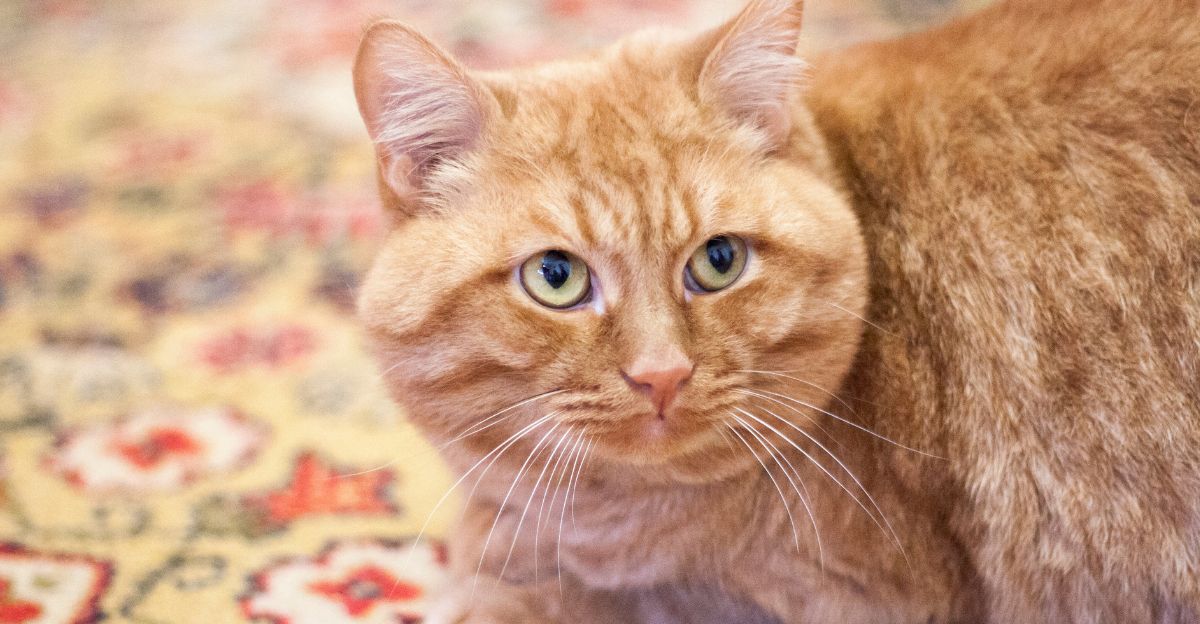
Because of their size, large cats can face issues like joint problems or heart disease. Carrying too much weight makes these risks worse.
Regular vet checkups and a balanced diet are especially important. Keeping them lean and active can add years to their lives.
Exercise and Space

Bigger cats often need more room to move. They like climbing, jumping, and exploring. Cat trees, tall shelves, and interactive toys help keep them busy indoors. Without enough stimulation, they may become bored and start scratching furniture or acting out.
Feeding Requirements

Large cats eat more than smaller ones, which means higher food costs. High-quality food is key to keeping their joints, coats, and energy levels healthy.
Portion control matters, too: overfeeding can quickly lead to obesity. A vet can help set the right diet and feeding schedule.
Temperament Matters
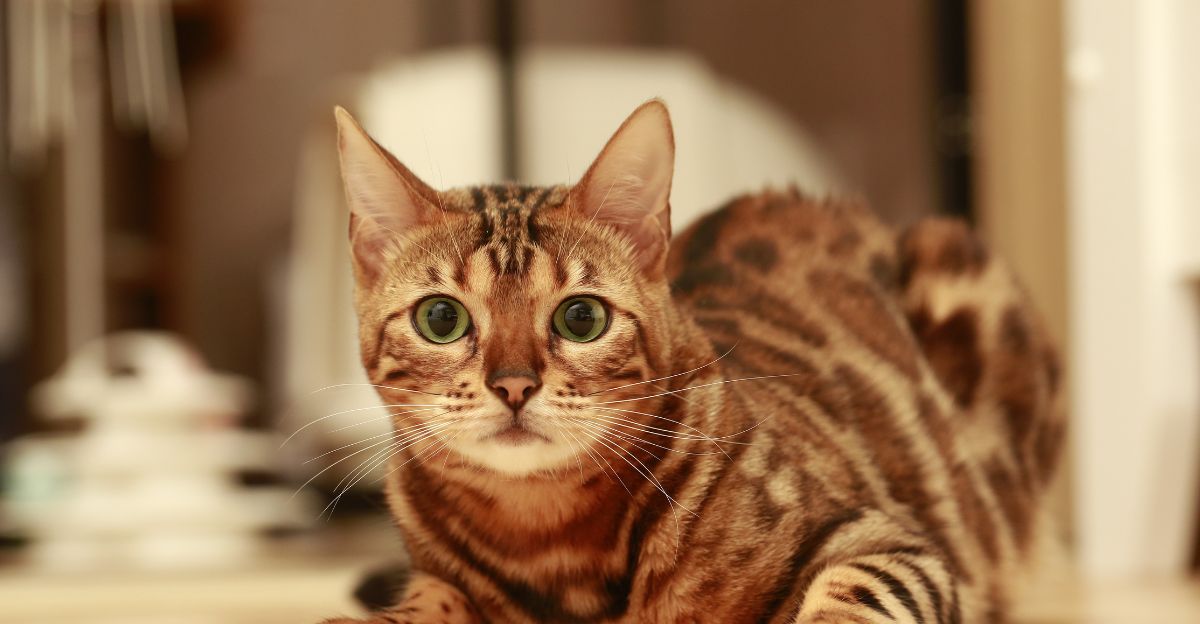
Not all large cats have the same personality. Some, like Ragdolls, are laid-back, while others, like Bengals, need near-constant engagement.
Knowing the breed’s temperament before adopting is essential. A large cat with lots of energy can be overwhelming if you’re unprepared for it.
Adoption vs. Breeder
You don’t always need to buy from a breeder to get a large cat. Rescues and breed-specific organizations often have them available.
Adopting can give an older cat a new chance at life, while breeders may provide detailed health history. Both paths have pros and cons: research before deciding.
Final Thoughts
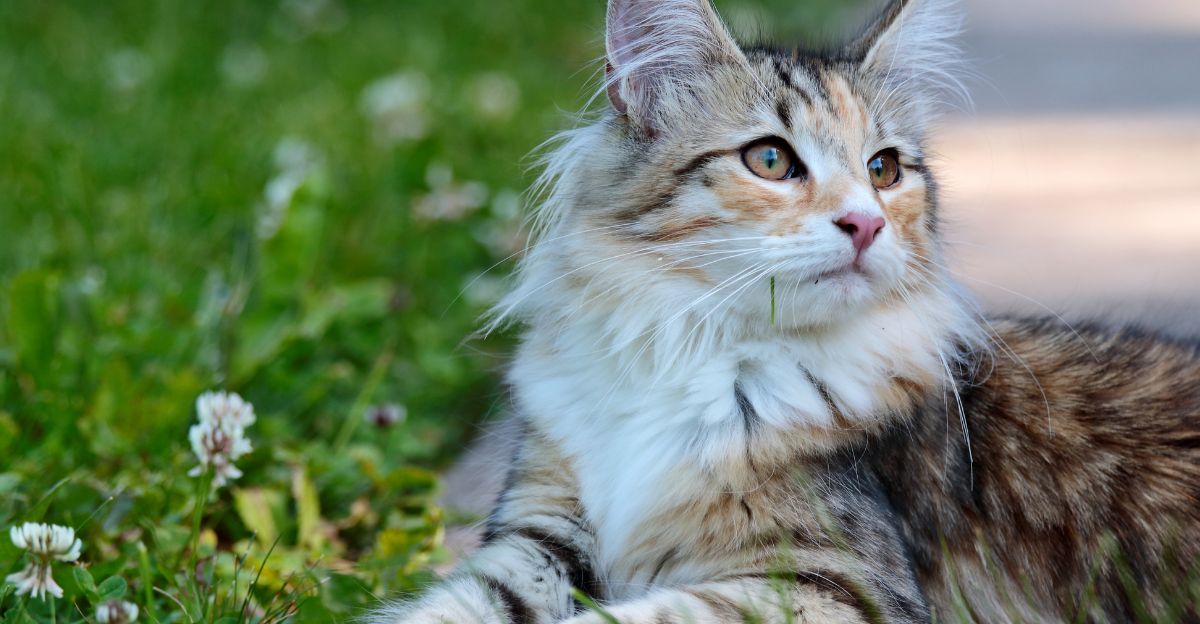
Large cats are beautiful and make wonderful companions, but their size comes with extra responsibilities.
Grooming, diet, health, and space all matter more than with smaller breeds. If you’re ready for the commitment, a large cat can be a loyal, loving pet that truly stands out.