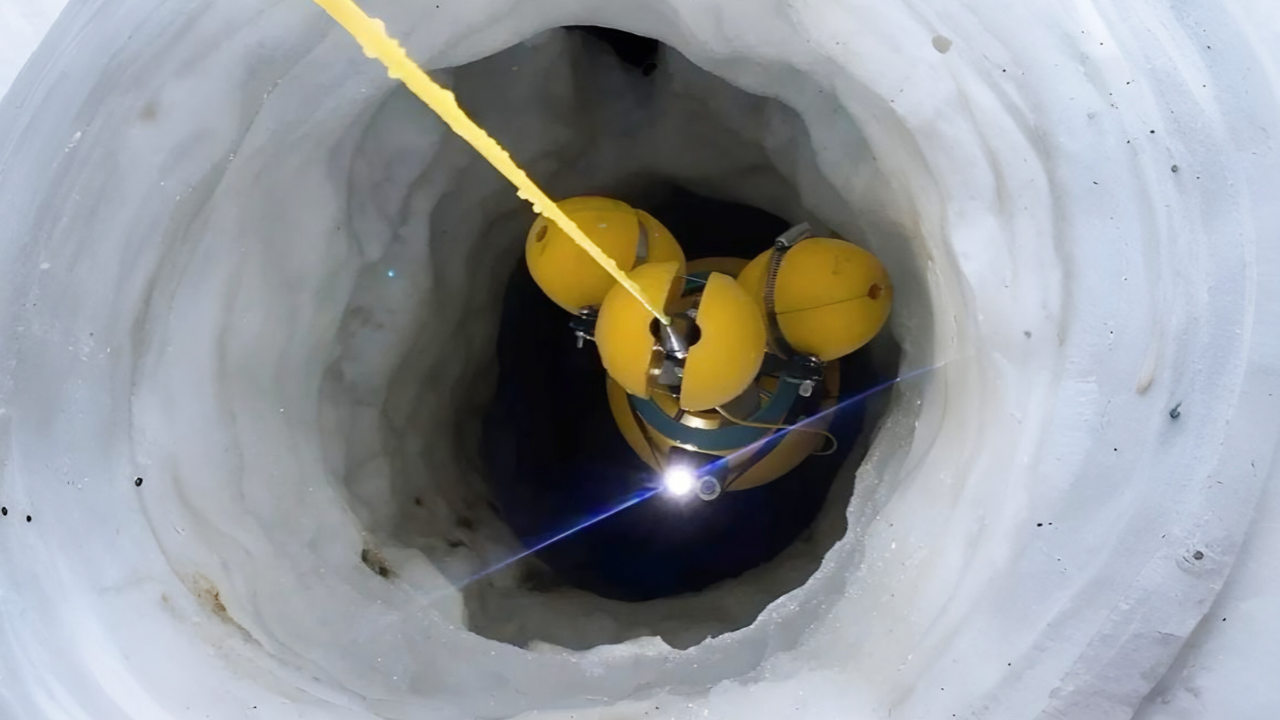
An Australian research team deployed a robotic ocean probe in April 2024 to study Antarctica’s hidden depths. The torpedo-sized device, called an Argo float, drifted into the cavity beneath Denman Glacier and disappeared under the ice shelf. Scientists expected to lose contact for a few weeks at most. Instead, the float spent eight months trapped beneath the ice, traveling over 300 kilometers through uncharted waters.
The float conducted nearly 200 temperature and salinity measurements from the seafloor to the ice base during its journey. It cycled every five days, diving to depths of 6,600 feet and collecting data that scientists had never accessed before. In December 2025, the float finally resurfaced and transmitted its findings via satellite. Australia’s CSIRO published the results in the journal Science Advances, revealing the first direct measurements from beneath an East Antarctic ice shelf.
This discovery happened by chance, but the timing proved critical. Scientists have grown increasingly concerned about East Antarctica, which holds enough ice to raise global sea levels by approximately 60 meters. For decades, researchers believed this region remained stable compared to West Antarctica’s rapidly melting glaciers. The float’s data challenged this assumption.
What Scientists Found Beneath Denman Glacier
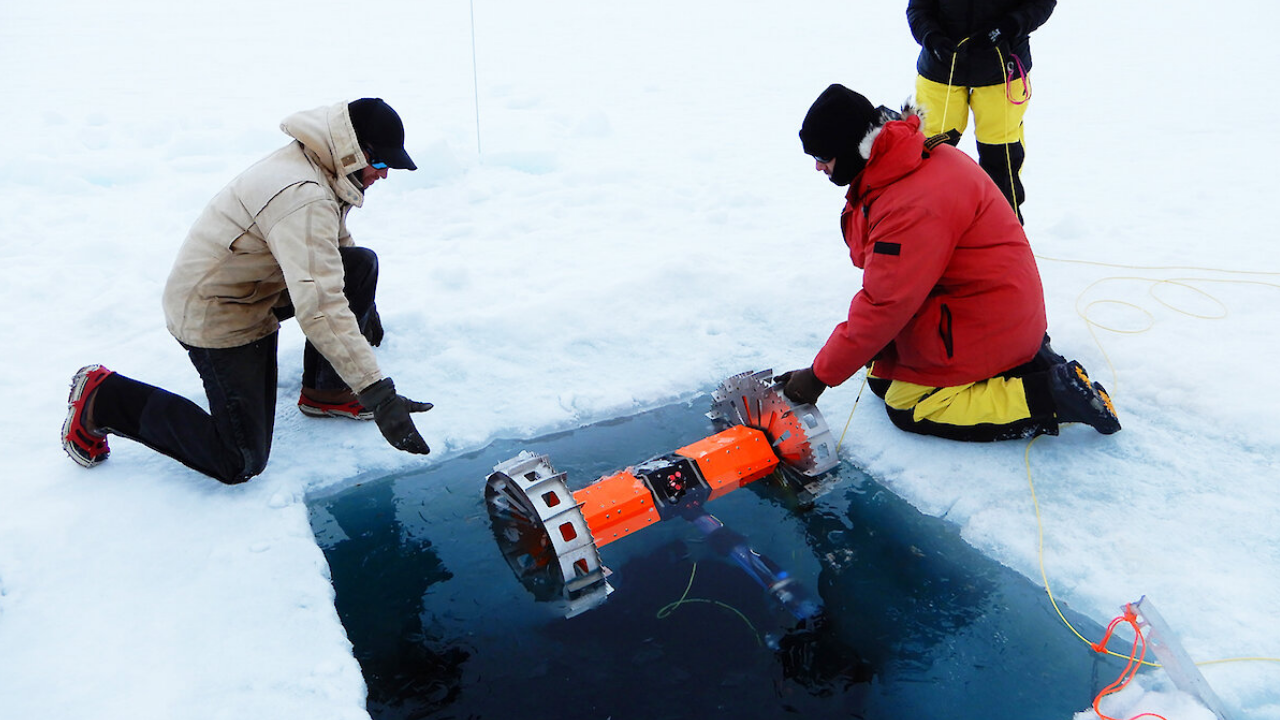
The float detected warm ocean water infiltrating the cavity beneath Denman Glacier. This water, heated in open seas, flows through a massive underwater canyon that plunges 11,500 feet below sea level—deeper than Mount Everest stands tall. The warm water rises to contact the glacier’s base, accelerating melting in a process scientists call basal melt.
Denman Glacier alone contains enough ice to raise global sea levels by five feet. The glacier sits atop Earth’s deepest land canyon, creating a dangerous configuration. Warm water can easily enter the deep cavity and erode the glacier from below. The float’s measurements confirmed that this process has already begun. Meanwhile, the neighboring Shackleton Ice Shelf showed no such warm water intrusion, isolating the immediate threat to Denman.
NASA satellites have previously detected that Denman’s grounding line retreated 5.4 kilometers between 1996 and 2018, and the glacier has begun to accelerate. The float’s data provided the missing piece of the puzzle, explaining why Denman behaves differently from its neighbors. Direct ocean measurements revealed that geography matters—the deep canyon provides a direct path for warm water to reach the ice base.
What This Means for the World
Scientists have raised the stakes on sea level rise projections. A 2018 study by the UK National Oceanography Centre projected that coastal flooding could cause $14 trillion in annual damages by 2100 under extreme warming scenarios. That figure represents about 13 percent of projected global GDP and includes infrastructure damage, agricultural losses, and mass displacement of coastal populations.
A five-foot sea level rise would transform coastlines worldwide. Miami Beach neighborhoods would flood, New York subway sections would require massive fortifications, and water management systems in Amsterdam, Rotterdam, and Venice would face severe strain. About 40 percent of humanity—over three billion people—lives within 62 miles of coastlines. Major cities, including Shanghai, Jakarta, and Mumbai, face direct threats from rising waters.
The discovery has prompted immediate action. CSIRO plans to deploy five additional floats by 2027 to continuously monitor the region. International partners, including the UK’s Natural Environment Research Council, Japan’s JAMSTEC, and the U.S. National Science Foundation, have expanded their Antarctic monitoring budgets. Insurance companies have begun recalibrating coastal flood risks, and urban planners in vulnerable cities are now incorporating Denman’s vulnerability into their long-term strategies.
The robot’s success demonstrates that scientists can reach previously inaccessible areas using autonomous technology. The global Argo network comprises over 4,000 floats that monitor ocean conditions worldwide, but few venture beneath ice shelves. This mission demonstrated that specially equipped floats can withstand extreme conditions and collect crucial climate data. Scientists plan follow-up missions to determine whether Denman’s melting will unfold over decades or centuries, but the evidence confirms that East Antarctica can no longer be considered a stable, dormant ice mass.
Sources:
Science Advances, Circulation and ocean–ice shelf interaction beneath the Denman Glacier, December 4, 2025
CSIRO Official Statement, December 2025
CSIRO News, Adrift like Shackleton: Robot float survives Antarctic ice, December 5, 2025
NASA Jet Propulsion Laboratory, Huge East Antarctic Glacier Especially Susceptible to Climate Impacts, 2020
CNN, Flooding from sea level rise could cost our planet $14.2 trillion, July 30, 2020
University of Tasmania Antarctic Program partnership announcements, December 2025