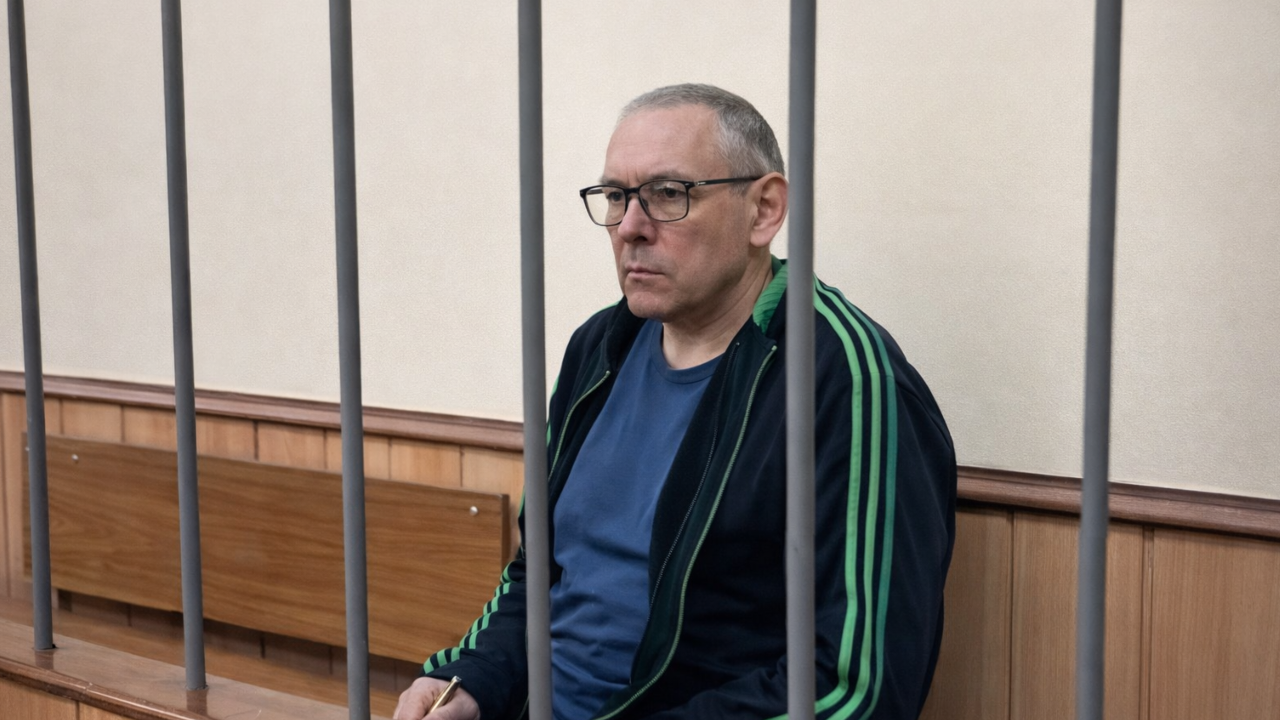
Russia’s war against Ukraine has revived an internal security campaign that treats surrender and captivity as potential betrayal. Returning prisoners of war face intensive screening for “disloyalty,” echoing Soviet-era practices that equated capture with treason.
In 2025–2026, convictions for treason and related state crimes reached post-Soviet highs, reflecting a security apparatus focused on deterrence and control after battlefield strain. The message is blunt: surrender carries consequences at home, reinforcing fear as a tool of discipline.
Historical Precedent
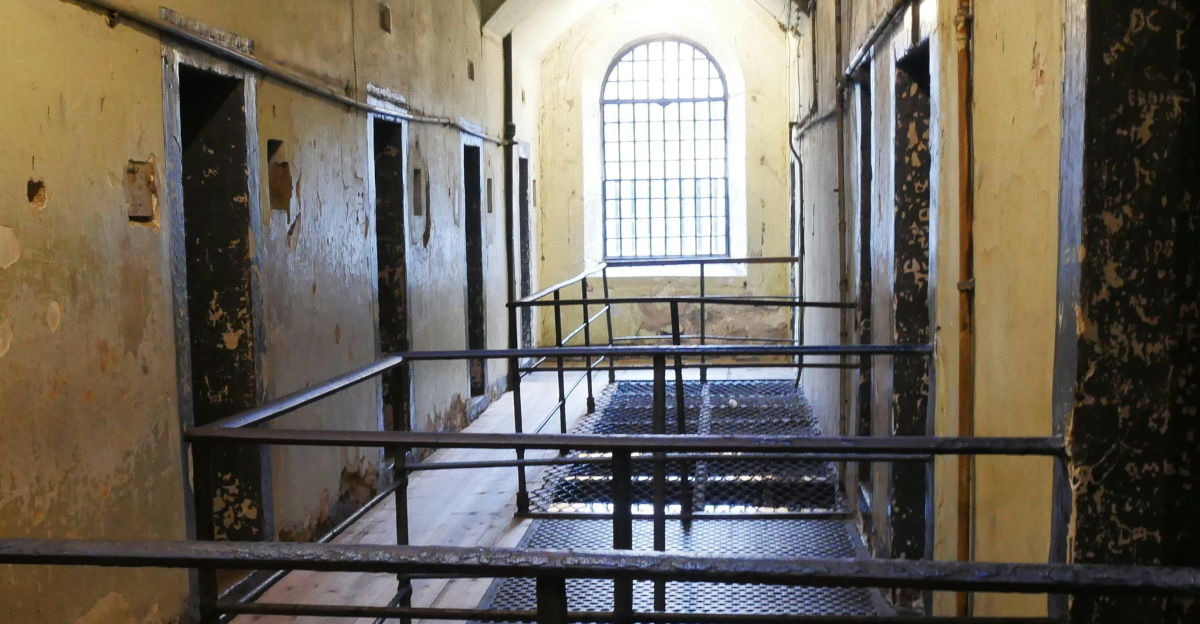
The template dates to Stalin’s World War II policies, when Soviet soldiers captured by Nazi forces were branded deserters.
Millions of returning POWs were forced through filtration, with large numbers imprisoned, exiled, or worse for alleged collaboration. The state prioritized ideological purity and rear-area security over individual justice. Today’s Russian system draws from that legacy, reviving the assumption that captivity itself signals weakness or betrayal requiring punishment.
Current Trends
Since 2023, Russia has steadily expanded prosecutions for treason, espionage, and “state crimes,” culminating in a record total during 2025. The Federal Security Service has framed the campaign as a defense against spies and saboteurs.
POW exchanges proceed, but returnees encounter loyalty checks and investigations. The surge in cases suggests a broadening definition of treason that captures soldiers, officials, and civilians alike.
Psychological Pressures
Captivity and return both involve coercion. Ukrainian authorities report widespread abuse of Ukrainian POWs in Russian custody, while families describe pressure tactics aimed at extracting cooperation.
Returning Russian POWs face interrogations that scrutinize statements, behavior, and any contact with captors. The process weaponizes fear, using uncertainty and the threat of prosecution to discourage surrender and silence those who might speak about conditions in captivity.
Strategic Challenges
The purge produces contradictions. While exchanges are necessary to recover Russian soldiers, the threat of prosecution undermines trust within the ranks. High casualties, leadership shake-ups, and arrests deepen anxiety.
Soldiers weigh the risks of captivity abroad against punishment at home, a calculation that harms morale and cohesion. The result is a self-defeating cycle in which repression meant to enforce discipline instead weakens combat effectiveness.
Verified Exchange Data
By mid-2025, dozens of exchanges had returned thousands of Ukrainian service members, prioritizing the wounded, ill, women, and long-term captives.
Estimates indicate that Russia continues to hold many Ukrainian military personnel and civilians. Some exchanges were mediated internationally and focused on vulnerable groups. Despite these efforts, releases remain uneven, with civilians comprising a small share of those returned.
Treason Conviction Statistics
Monitoring groups report more than 1,600 convictions for treason and related offenses since 2022, with 2025 marking the highest annual total on record.
The increase reflects intensified investigations, broader charges, and expedited trials. In occupied Ukrainian territories, courts installed by Russia have issued numerous treason and espionage sentences, often following closed proceedings and limited access to legal representation.
Filtration remains central. During World War II, the Soviet state processed millions of returnees through screening camps. Since 2022, similar mechanisms have been reported for POWs and civilians, overseen by security services.
Early in the invasion, hundreds of Russian officials were themselves accused of treason, underscoring the campaign’s breadth. In occupied areas, locals have received lengthy sentences on contested evidence.
Torture and Denial Evidence
International investigators have documented executions and abuse of Ukrainian POWs, alongside patterns of torture used to force confessions.
Russia rejects these findings and often denies full POW status, transferring detainees to penal systems. Thousands of Ukrainians have been returned since the invasion, yet survivor testimonies consistently describe severe mistreatment, reinforcing concerns about systemic violations rather than isolated incidents.
Russia’s treatment of returning POWs represents its harshest internal loyalty drive in decades, consciously echoing Stalin-era precedents. Record treason convictions in 2025 signal a state governed by suspicion, where fear substitutes for confidence.
The consequences are corrosive: eroded morale, reluctance to surrender, and a feedback loop in which military setbacks intensify repression. The purge reshapes the war’s human cost far beyond the battlefield.
Sources:
Title: Russia Sentences 190 Ukrainians for “Treason” and “Espionage” on Occupied Regions
Publication: United24Media
Title: How Russia tries to turn desperate Ukrainians into traitors
Publication: BBC
Title: Collaboration with Russia during the Russo-Ukrainian war (2022–present)
Publication: Wikipedia
Title: Russia’s Treason Convictions Hit Post-Soviet Record in 2024
Publication: The Moscow Times
Title: Ukraine and Russia commence new prisoner of war exchange
Publication: Euronews
Title: Soviet atrocities committed against prisoners of war during World War II
Publication: Wikipedia