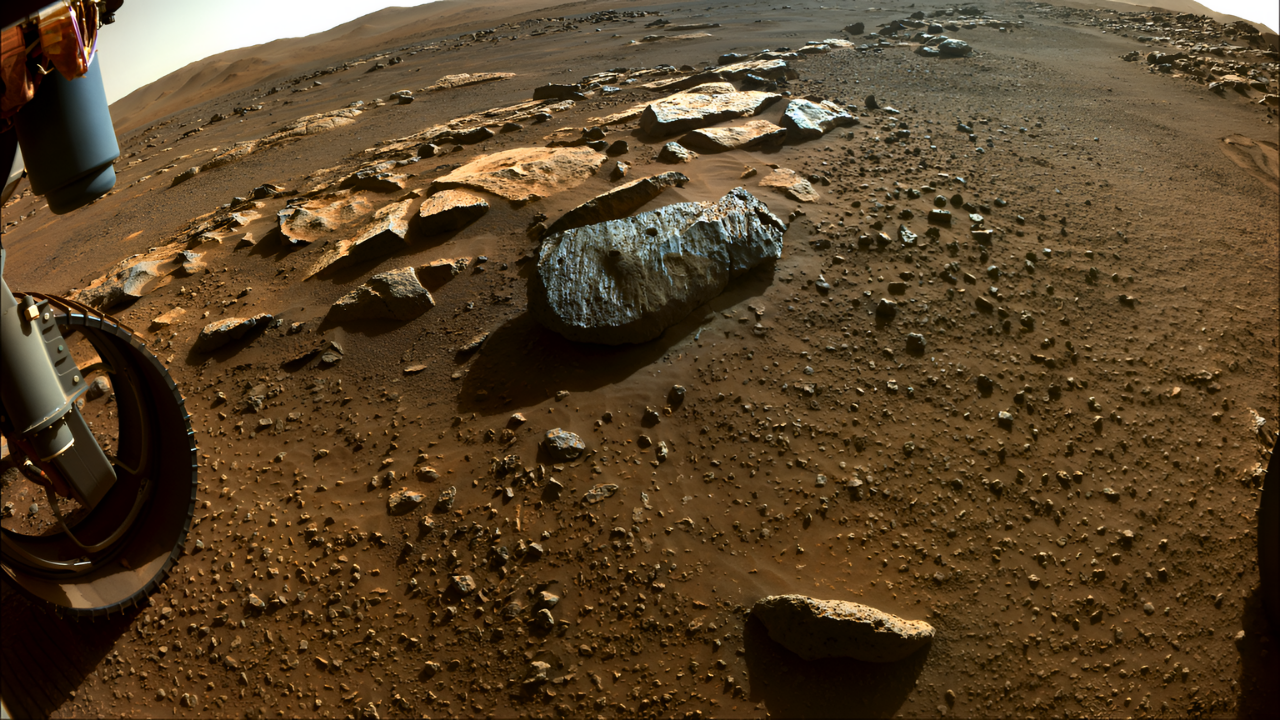
For decades, humanity has asked a singular question: Are we alone in the universe? Mars, Earth’s rusty neighbor, holds tantalizing clues buried in ancient rock formations and dried riverbeds. Scientists have long suspected that billions of years ago, Mars harbored conditions capable of supporting microbial life.
Now, after years of robotic exploration, evidence is mounting that we may finally be close to answering this cosmic riddle, though the path remains uncertain and controversial.
The Stakes Escalate
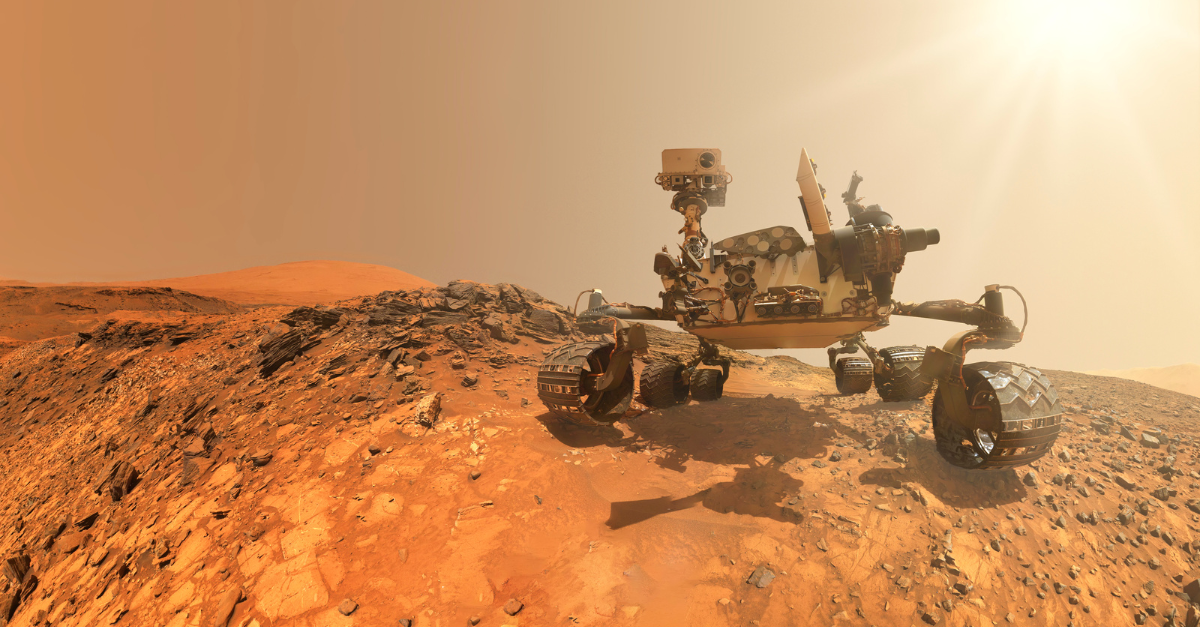
NASA’s Perseverance rover has been methodically drilling, analyzing, and collecting rock samples across Mars’s Jezero Crater since its February 2021 landing. Over the course of four years, the rover has gathered twenty-seven rock cores, each one potentially holding secrets about Mars’s distant past.
Scientists carefully study these samples using advanced onboard instruments, searching for chemical signatures that may indicate ancient biological activity. The scientific community watches intently, knowing that any credible sign of past microbial life would fundamentally reshape humanity’s understanding of life itself.
Ancient River Valleys Hold Secre
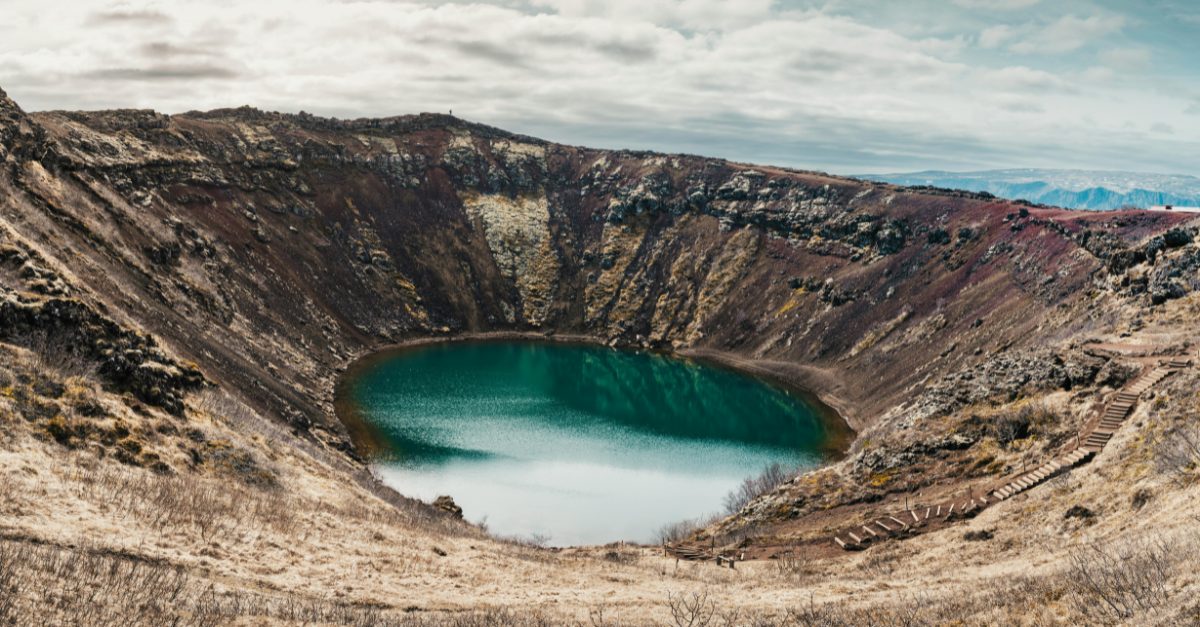
Jezero Crater was chosen as Perseverance’s landing site specifically because geological evidence suggests it once hosted a river delta. In this location, liquid water flowed freely across Mars’s surface billions of years ago. Water is considered essential for life as we understand it.
The northern cliff face of Jezero reveals layered sedimentary rocks deposited when this ancient river carved through the Martian landscape. Scientists reasoned that if microbial life ever thrived on Mars, fossilized remains or chemical traces might be preserved in these river-fed deposits, protected from radiation by overlying rock layers.
The Search Intensifies
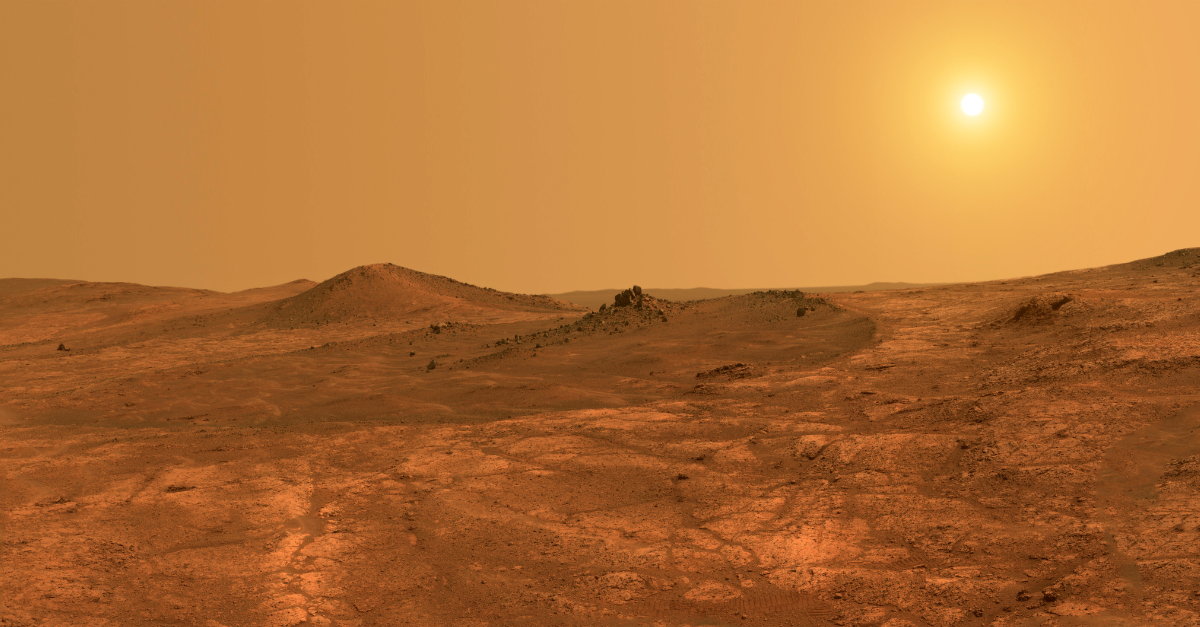
By mid-2024, Perseverance had spent over three years analyzing Jezero’s geology, drilling into promising rock formations, and scanning for organic compounds and mineral signatures associated with biological processes. Researchers developed increasingly sophisticated protocols for interpreting instrument data, knowing that false positives could mislead the entire scientific community.
The rover carries two specialized instruments, PIXL (Planetary Instrument for X-ray Lithochemistry) and SHERLOC (Scanning Habitable Environments with Raman & Luminescence for Organics & Chemicals), designed to detect elemental composition and organic signatures at unprecedented resolution.
The Discovery Revealed
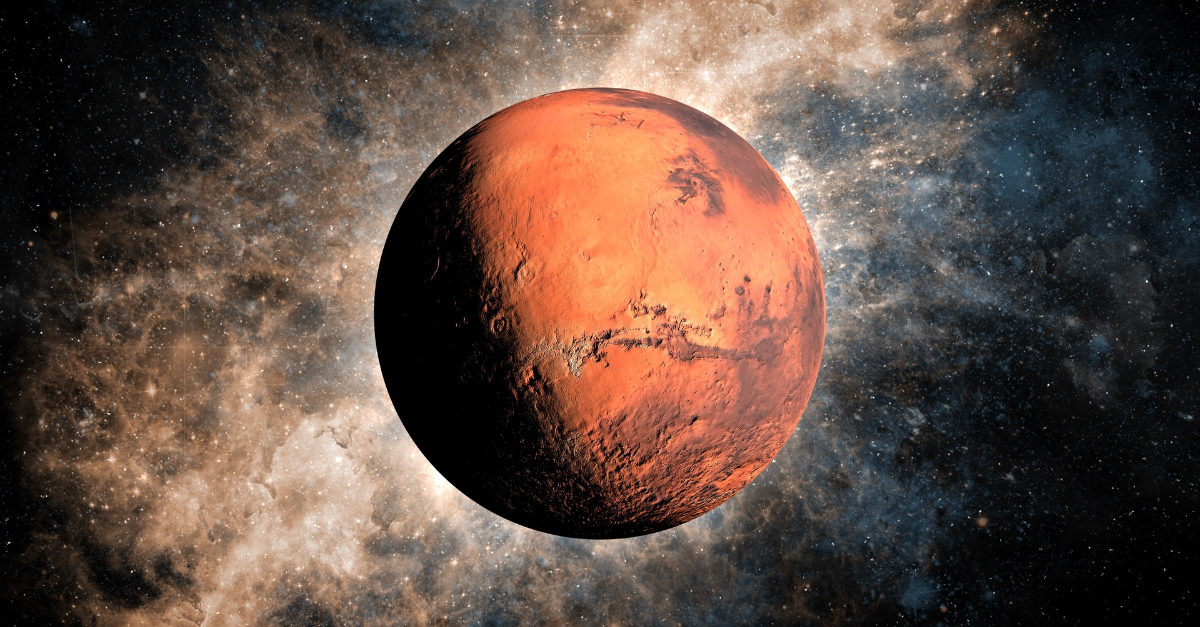
In July 2024, Perseverance drilled a core sample from a distinctive rock formation nicknamed “Cheyava Falls” in the Neretva Vallis an ancient river valley within Jezero Crater. The sample, labeled “Sapphire Canyon,” revealed an extraordinary chemical signature: leopard-spotted patterns of vivianite (hydrated iron phosphate) and greigite (iron sulfide), alongside organic carbon compounds.
On September 10, 2025, after a full year of peer review scrutiny, NASA announced that these mineral patterns represent the closest evidence humanity has ever found of potential past microbial life on Mars. Acting NASA Administrator Sean Duffy declared: “This finding is the closest we have ever come to discovering life on Mars.”
Mars in the Spotlight
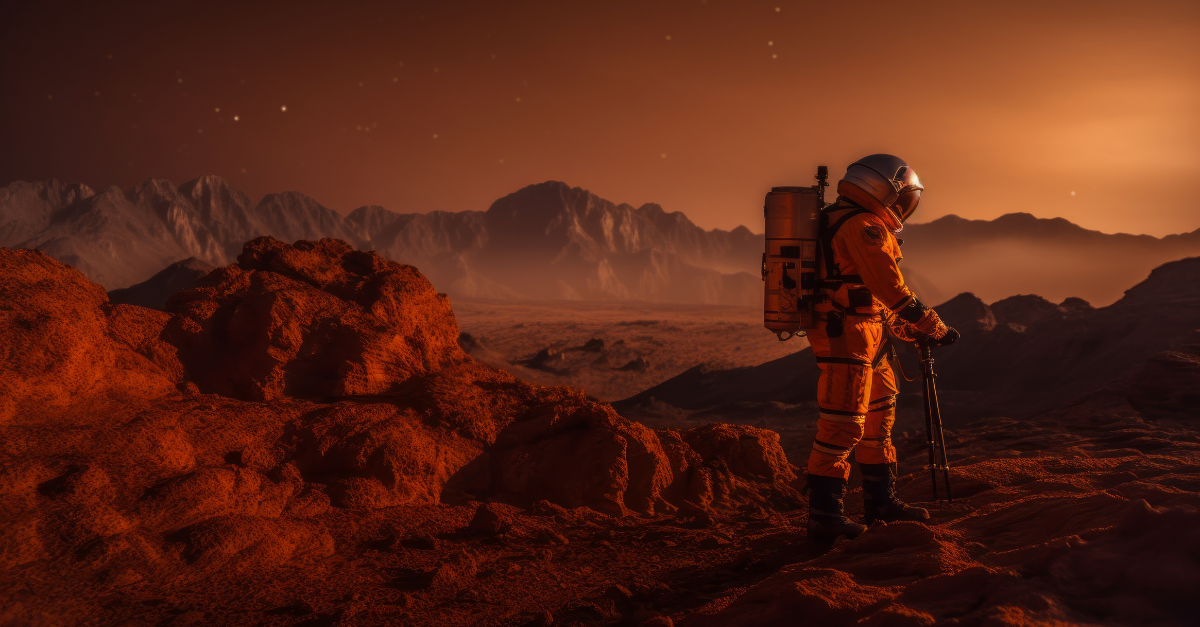
The September 2025 announcement captured global attention instantly. Major news outlets, including CNN, the BBC, and The New York Times, devoted extensive coverage to the finding. The story resonated because it touched humanity’s deepest question: the uniqueness or commonality of life in the cosmos. Social media erupted with speculation and excitement.
Government leaders, from scientific advisors to political figures, issued statements acknowledging the significance of the findings. The discovery elevated Mars from a distant geological curiosity to a frontline in humanity’s search for cosmic companionship, energizing public interest in space exploration and astrobiology.
The Science Behind the Minerals
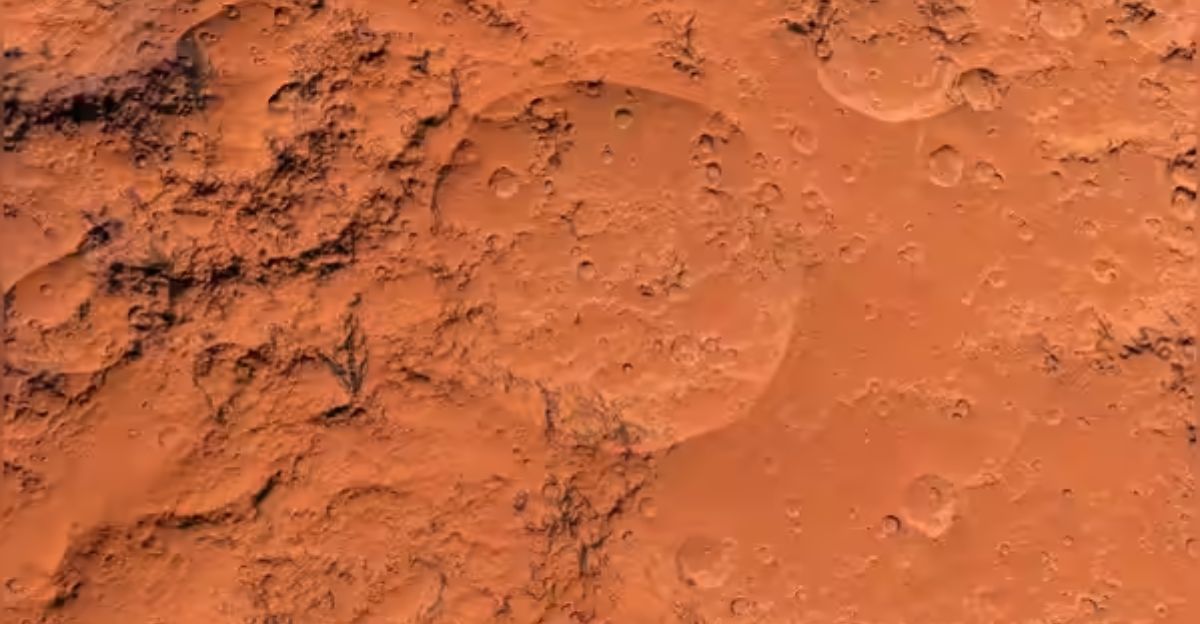
Vivianite and greigite are iron-rich minerals that are rarely found together in nature, except in environments where microbes once metabolized. On Earth, anaerobic bacteria create vivianite by oxidizing iron phosphate under specific chemical conditions. Greigite similarly forms in microbial mats where iron sulfide accumulates.
The spotted pattern itself suggests a reaction front: a boundary where two chemical zones meet and react, a signature often associated with microbial activity. NASA scientist Nicky Fox stated, “This is certainly not the final answer,” cautioning that abiotic (non-biological) processes could theoretically produce these minerals. However, they become “less likely” under the discovered conditions.
Age Adds Weight to the Claim
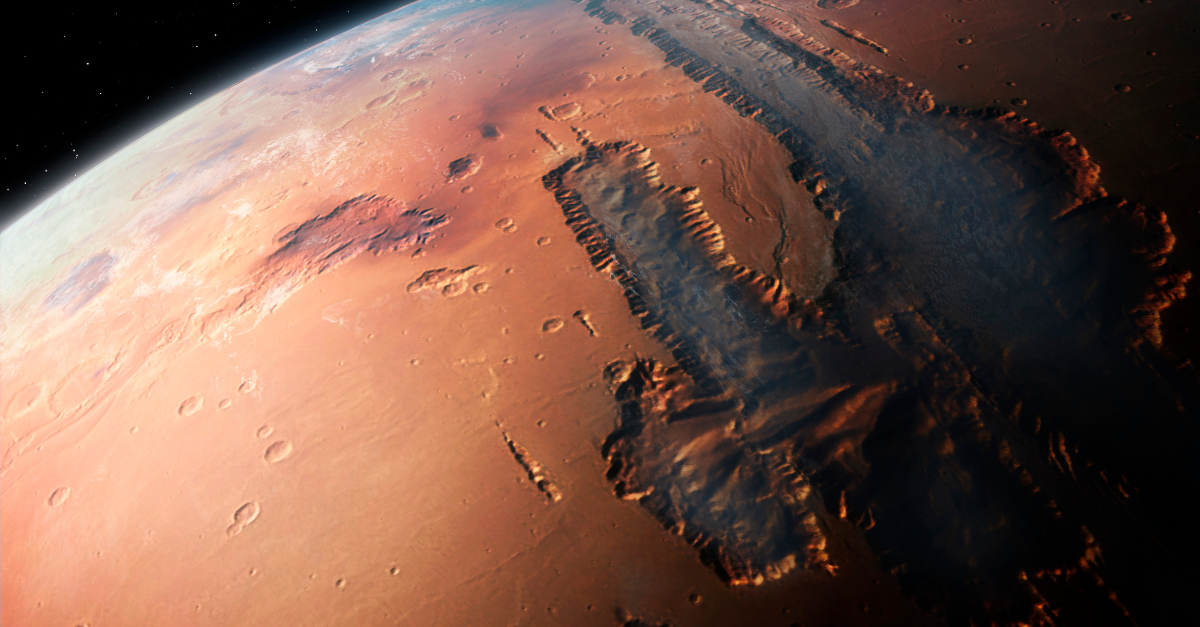
The Cheyava Falls rock is estimated to be between 2 and 3.5 billion years old, an era when Mars possessed liquid water, a thicker atmosphere, and magnetic fields that potentially shielded the surface from solar radiation. This timeframe aligns perfectly with the theoretical window during which early microbial life is believed to have emerged on the Red Planet.
However, geological dating involves uncertainty margins; some analyses suggest the rock crystallized closer to the three-billion-year mark, while others lean toward the three-point-five-billion figure. Regardless of the precise age, the rock’s antiquity makes it among the oldest potential biological evidence ever discovered on Earth.
A Broader Mars Context
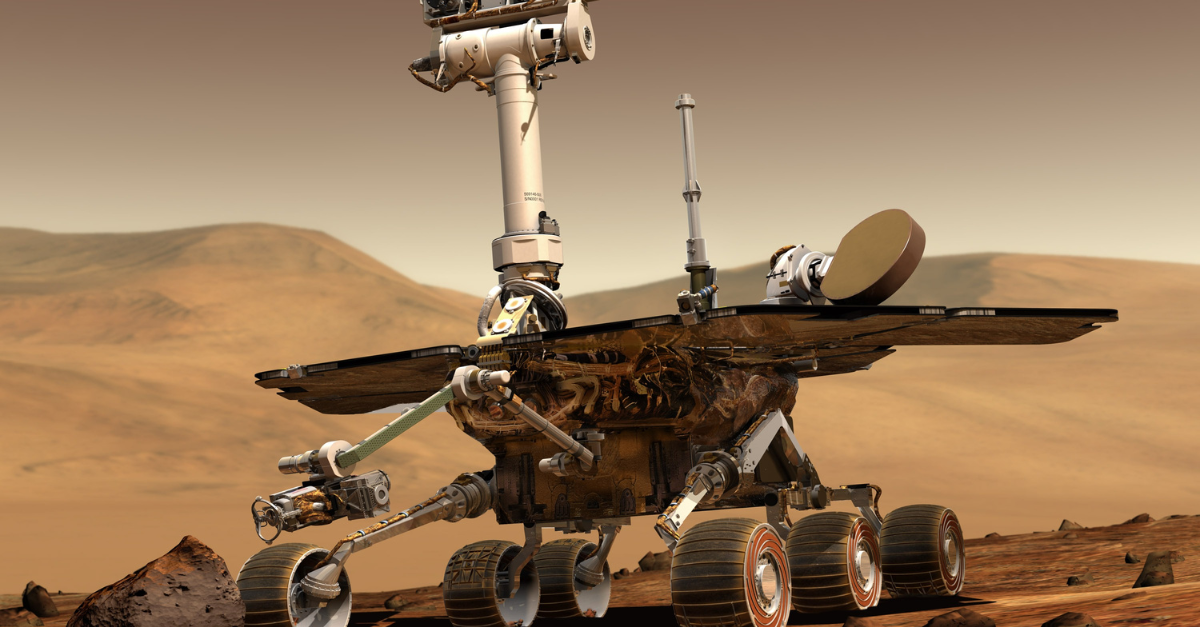
This discovery arrives amid growing international interest in Mars exploration. China’s Zhurong rover, the European Space Agency’s Rosalind Franklin rover (expected to launch soon), and future human missions all aim to investigate Mars’s past habitability. The Cheyava Falls finding gives these missions added urgency and scientific direction.
Companies like SpaceX are advancing Mars transport capabilities, while international agreements on planetary protection and sample handling are being refined. The discovery effectively transforms Mars from a remote scientific interest into a focal point of planetary science, reshaping budgets and priorities across multiple space agencies.
The Return-Sample Imperative
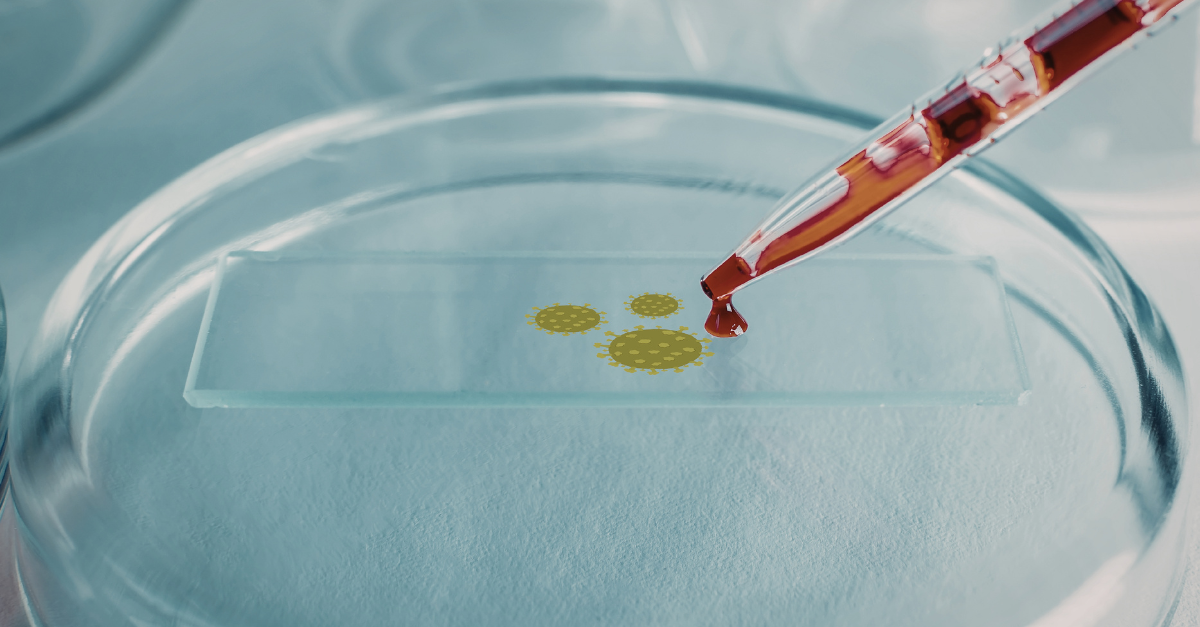
Here lies a critical constraint: Perseverance cannot definitively prove that the Cheyava Falls minerals formed through past microbial metabolism. The rover’s onboard instruments, though sophisticated, have inherent limitations. To move beyond “potential biosignature” to confirmed ancient life, scientists need to return physical samples to Earth-based laboratories for analysis.
NASA’s Mars Sample Return mission, a multi-billion-dollar endeavor, aims to retrieve the cores collected by Perseverance by the early 2030s. This mini-revelation underscores that despite the breakthrough announcement, humanity remains years away from final confirmation, a humbling reminder of the gap between exciting evidence and definitive proof.
Scientific Skepticism and Debate
Not all researchers embrace the biosignature interpretation without reservation. Some astrobiologists argue that purely non-biological reactions could produce the leopard-spotted mineral patterns and organic carbon compounds through abiotic chemical processes. Debates in preprint servers and peer-review forums have centered on whether alternative explanations (hydrothermal systems, radiation-driven chemistry, and iron cycling) adequately explain the observations.
This scientific friction is healthy, reflecting the field’s maturity and rigor. Extraordinary claims require extraordinary evidence, and the community is appropriately cautious about crowning any single rock sample as proof of extraterrestrial life.
Institutional Pressure and Strategy Shifts
NASA’s announcement of the Cheyava Falls finding represents a subtle but significant strategic pivot. For decades, NASA communications have emphasized the search for “evidence of past habitability” rather than “evidence of past life.” The shift in language, now openly discussing biosignatures and potential microbial activity signals, reflects growing confidence in the robotic and analytical capabilities.
Senior leaders, including Administrator Sean Duffy, appear willing to take measured communicative risks, acknowledging the gravity of the discovery while maintaining scientific honesty about remaining uncertainties. This institutional confidence reflects decades of investment and technological advancement, which have finally borne fruit.
The Peer-Review Gauntlet

The one-year delay between sample collection (July 2024) and announcement (September 2025) reflects the rigorous peer review process. The findings were published in the prestigious journal Nature, one of the highest hurdles in science. Multiple independent research teams scrutinized the data, examined alternative hypotheses, and challenged interpretations.
This vetting process, while lengthy, strengthened the credibility of the claim. Rather than rushing to public fanfare, NASA allowed the scientific method to work deliberately. The peer-review outcome acceptance in Nature lent institutional weight to the biosignature interpretation, even as the authors carefully hedged their language with words like “potential” and “consistent with.”
Expert Perspectives Vary
Prominent astrobiologists and Mars researchers have responded with measured enthusiasm. Dr. Jack Hills from Los Alamos National Laboratory cautioned that while vivianite and greigite are intriguing, they are not pathognomonic, meaning they are not uniquely diagnostic of life. Dr. Penelope Boston of NASA’s Astrobiology Institute emphasized the need for additional lines of evidence.
Yet others, including researchers affiliated with the Planetary Society, called the discovery “groundbreaking” and “the closest we’ve come.” This spectrum of expert opinion reflects genuine scientific uncertainty: the evidence is compelling but not conclusive, a state that will likely persist until samples arrive on Earth.
The Road Ahead: What’s Next?

Perseverance will continue drilling and collecting samples across Jezero Crater, potentially encountering additional rocks with biosignature patterns or other evidence of past habitability. Scientists have already identified promising formations within a few kilometers of the rover’s current position. Simultaneously, mission planners are advancing the Mars Sample Return architecture, with early-stage missions scheduled to launch in the early 2030s.
The ultimate goal remains audacious: bringing pristine Martian rocks to Earth-based laboratories for destructive analysis of isotopic ratios, identification of organic compounds, and searches for microfossils that no rover instrument can perform. The next decade will clarify whether the Cheyava Falls discovery was an isolated anomaly or the opening chapter of a revolutionary finding.
Political and Policy Ripples
The Cheyava Falls announcement carries geopolitical weight. Nations with space programs, such as the United States, China, Russia, India, and Europe, are now intensely focused on Mars exploration. Funding priorities are shifting; Congress has shown increasing support for NASA’s Mars-related initiatives. The discovery adds rhetorical ammunition to advocates seeking sustained, ambitious space exploration budgets.
International frameworks for planetary protection and sample handling have taken on new urgency. Some policymakers view Mars exploration as a marker of national technological prowess, elevating it beyond pure science into strategic positioning. The discovery thus indirectly influences defense budgets, technology investments, and international collaboration agreements.
International Collaboration Accelerates

The European Space Agency’s Rosalind Franklin rover, delayed for years, is now positioned to complement Perseverance’s work with its own analytical capabilities. China’s Zhurong rover has already collected data from its landing site. India’s Chandrayaan missions, although focused on the moon, provide expertise applicable to planetary science. International research teams are discussing joint sample-analysis protocols.
The discovery of Cheyava Falls has galvanized a collective understanding that Mars science transcends national boundaries, and that collaborative investigation serves both the pursuit of scientific integrity and the promotion of peaceful international cooperation. Funding agencies worldwide are fast-tracking Mars-related grants, signaling a genuine international research renaissance.
Regulatory and Planetary Protection Frameworks
The prospect of returning Mars samples to Earth has sparked intense discussions about planetary protection, specifically preventing potential Mars-derived microbes from contaminating Earth’s biosphere and vice versa. International treaties, including the Outer Space Treaty, govern such activities. NASA and global partners are developing containment protocols, approved laboratory facilities, and safety standards.
The Cheyava Falls finding lends urgency to these discussions: if the sample truly represents ancient life, even fossilized remains could contain genetic information or biochemical structures worth protecting. Regulatory bodies in multiple countries are drafting guidelines, establishing review boards, and funding specialized facilities designed to handle extraterrestrial samples safely and securely.
Cultural and Philosophical Implications
For humanity’s cultural and philosophical traditions, the potential discovery of past Martian life carries profound weight. It reshapes narratives about the rarity or commonality of life in the cosmos. Religious communities grapple with implications for creation theology and humanity’s place in the universe. Educational curricula are being revised to incorporate biosignature science and astrobiology as standard subjects.
Popular culture, including literature, film, and art, increasingly engages with the reality rather than the fantasy of extraterrestrial microbial life. The Cheyava Falls finding signals a civilizational moment: the transition from “imagining” alien life to “investigating” its likely reality. This gradual yet accelerating shift marks a maturation of human consciousness regarding our cosmic context.
The Beginning of the Answer

The Cheyava Falls discovery does not answer the question “Is there life on Mars?” but rather signals that humanity is finally equipped to ask it rigorously. The leopard-spotted minerals, the organic carbon, and the reaction fronts all point toward ancient biological processes, yet remain tantalizingly short of proof.
Over the coming decade, as Perseverance continues its exploration, sample-return missions launch, and Earth-based laboratories analyze pristine Martian rocks, the whole picture will emerge. Whether it confirms past microbial life or refutes it, the investigation itself represents humanity’s maturation as a spacefaring, scientifically sophisticated species. The universe asked us for evidence, and we are finally learning to listen.
Sources:
NASA: NASA Says Mars Rover Discovered Potential Biosignature Last Year
Nature Journal: Redox-driven mineral and organic associations in Jezero
CNN: Rock discovery contains clearest sign yet of ancient life on Mars
Reuters: NASA rover finds potential sign of ancient life in Martian rocks
BBC: NASA rover finds rocks on Mars with potential signs of past life
Scientific American: Can Labs on Earth Solve the Mystery of Mars’s Most Exciting Rock