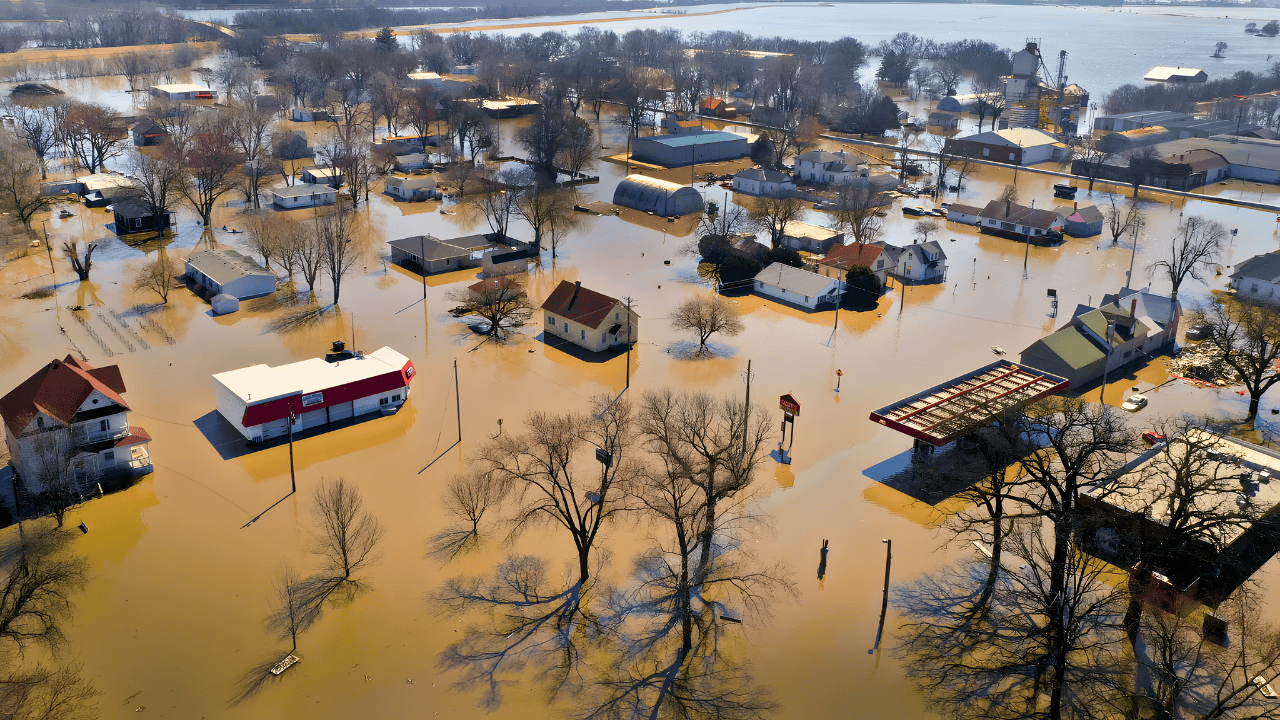
Climate change is pushing sea levels higher, and that means more frequent and severe coastal flooding across the United States. But these aren’t ordinary floods. Researchers warn that rising waters could overwhelm thousands of industrial sites, waste facilities, and oil refineries along America’s shorelines, releasing dangerous pollutants into neighborhoods.
Hurricane Harvey in 2017 offered a glimpse of this threat when floodwaters caused factories to release 10 million pounds of toxic chemicals. Scientists now predict this problem will get dramatically worse by the end of the century, potentially affecting 80 million Americans who live near these hazardous sites.
Thousands of Toxic Sites at Risk
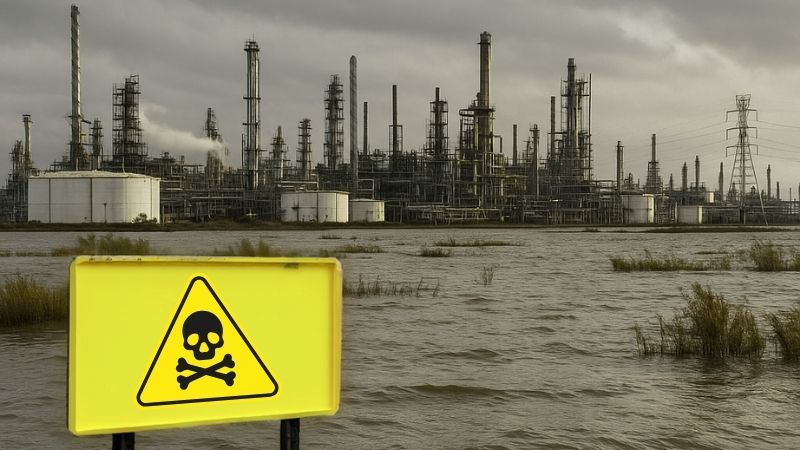
A groundbreaking study from UCLA published in Nature Communications has identified more than 5,500 industrial and waste facilities sitting in future flood zones. These include sewage treatment plants, oil refineries, power stations, and landfills scattered across 23 states and Puerto Rico. The research found that nearly 3,800 of these sites could experience flooding by 2050, regardless of what actions we take now.
If greenhouse gas emissions continue at current rates, all 5,500 sites could face flood risk by 2100. Seven states hold nearly 80% of these vulnerable facilities, with Florida leading the list, followed by New Jersey, California, Louisiana, New York, Massachusetts, and Texas. The concentration of risky sites in these states means that when flooding occurs, it could release oil, sewage, and industrial waste directly into surrounding communities and waterways.
Why Coastal Communities Face Growing Danger
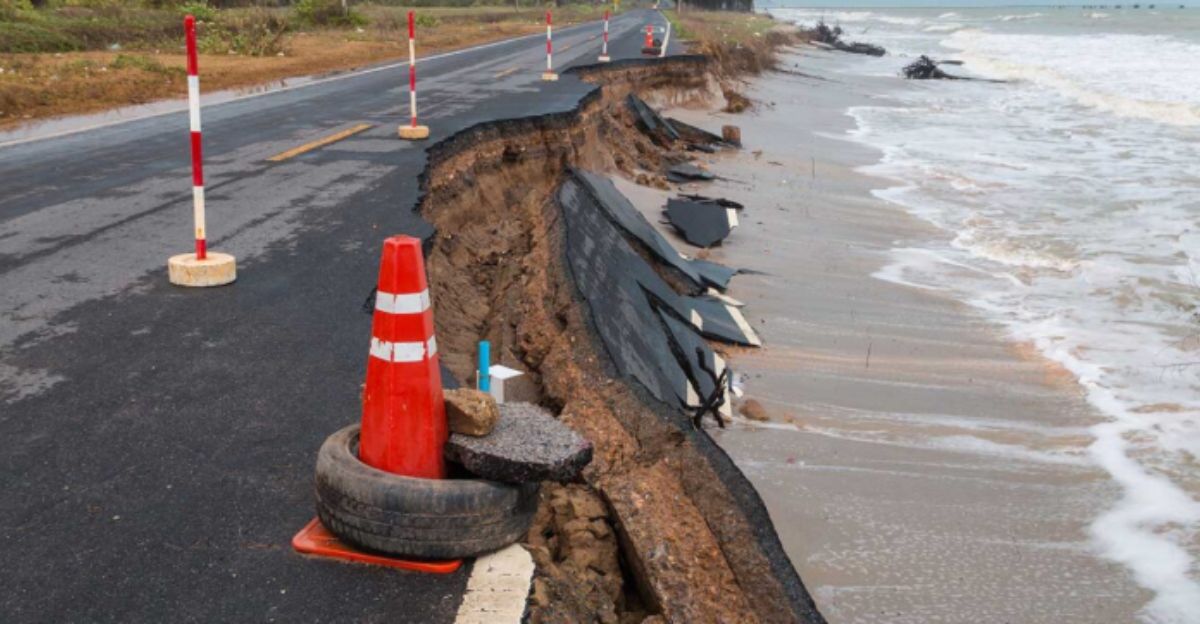
Sea levels along U.S. coasts are expected to rise 10 to 12 inches by 2050 due to melting glaciers and warming ocean water. Many industrial facilities and ports were built decades ago when shorelines seemed safely distant from flooding. Now those same locations sit directly in harm’s way. Making matters worse, storms that used to happen once every 100 years are now occurring annually in some coastal areas.
When Hurricane Katrina hit New Orleans and Hurricane Harvey struck Houston, both storms caused industrial sites to release hazardous materials into floodwaters. The toxic contamination included oil, chemicals, and raw sewage that spread through neighborhoods, causing immediate health problems and long-term environmental damage.
Vulnerable Neighborhoods Bear the Heaviest Burden
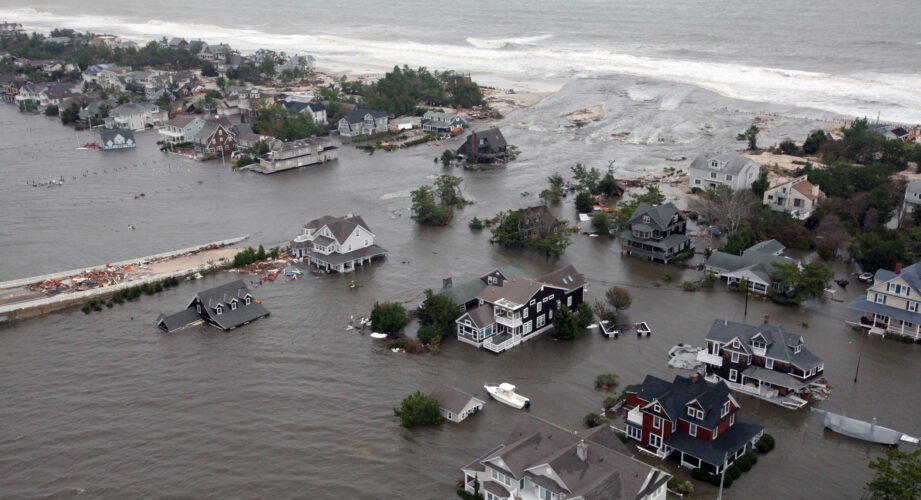
Communities living near these at-risk facilities face unique challenges. Research shows that neighborhoods surrounding toxic sites tend to have higher rates of poverty, more renters than homeowners, larger Hispanic populations, more elderly residents, and residents with limited English skills or access to vehicles. These factors make it harder for people to evacuate during floods or recover afterward.
When contaminated floodwaters reach these areas, residents face health risks including skin rashes, respiratory problems, severe headaches, and even cancer from long-term exposure. The study found that marginalized communities face 19 to 50% higher chances of being near toxic flood sites compared to wealthier areas. This pattern reflects decades of zoning decisions and infrastructure neglect that concentrated hazardous facilities in less affluent neighborhoods.
Solutions Require Urgent Action and Fair Treatment
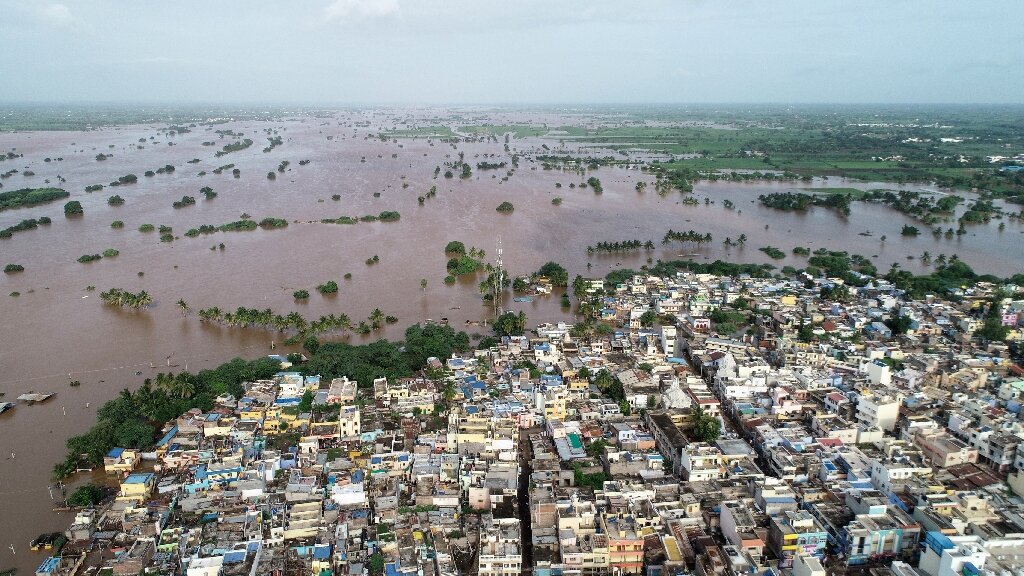
Experts emphasize that the time to act is now. Reducing greenhouse gas emissions could save between 300 and 362 facilities from flooding by 2100, though thousands will still face risk due to past emissions already locked into the climate system. Practical solutions include relocating the most vulnerable facilities away from flood zones, building protective barriers like sea walls and flood gates around critical infrastructure, and creating early warning systems to alert communities before floods arrive.
However, funding remains a major obstacle, particularly for protecting low-income neighborhoods that need help most. Some states like Florida and Texas are testing large-scale flood defenses and improving emergency response systems, but progress varies widely. Community advocates are demanding that residents have a real voice in planning decisions and that cleanup of contaminated sites moves faster. The question now is whether America can mobilize the political will and financial resources needed to protect millions of people from the toxic flooding threat before the next major storm hits.
Sources:
UCLA Fielding School of Public Health, 5,500 toxic sites in U.S. at risk of flooding because of sea level rise, November 19 2025
Nature Communications, Sea level rise and flooding of hazardous sites in marginalized communities across the United States, November 19 2025
Climate Central, Rising seas put 5,500 toxic sites at risk of flooding by 2100, November 20 2025