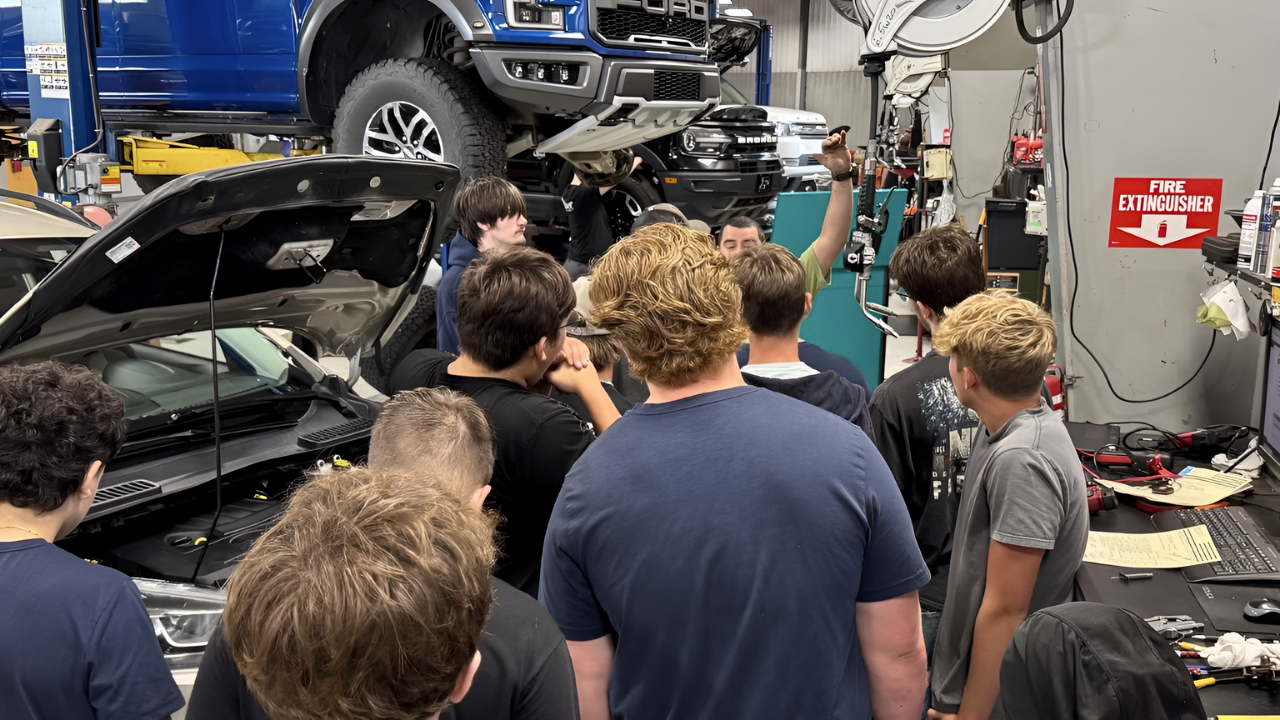
Across the United States, drivers are unexpectedly losing control of their vehicles due to sudden engine seizures, major transmission failures, and even fires. Many of these incidents involve car models once known for their reliability. When these breakdowns happen, drivers are often left stranded on highways or faced with expensive repairs. Independent mechanics and government safety data confirm that these problems are not isolated events, they’re part of a growing pattern affecting millions of vehicles.
Fairly new engines are failing much earlier than expected, sometimes between 50,000 and 100,000 miles, even with regular maintenance. Traditionally, engines have lasted well over 200,000 miles before wearing out. Replacing these failed engines or transmissions can cost anywhere from $4,000 to $10,000, often more than the value of the car itself. Experts say these breakdowns are caused by manufacturing flaws, not poor maintenance by owners.
Patterns Mechanics Are Seeing Nationwide
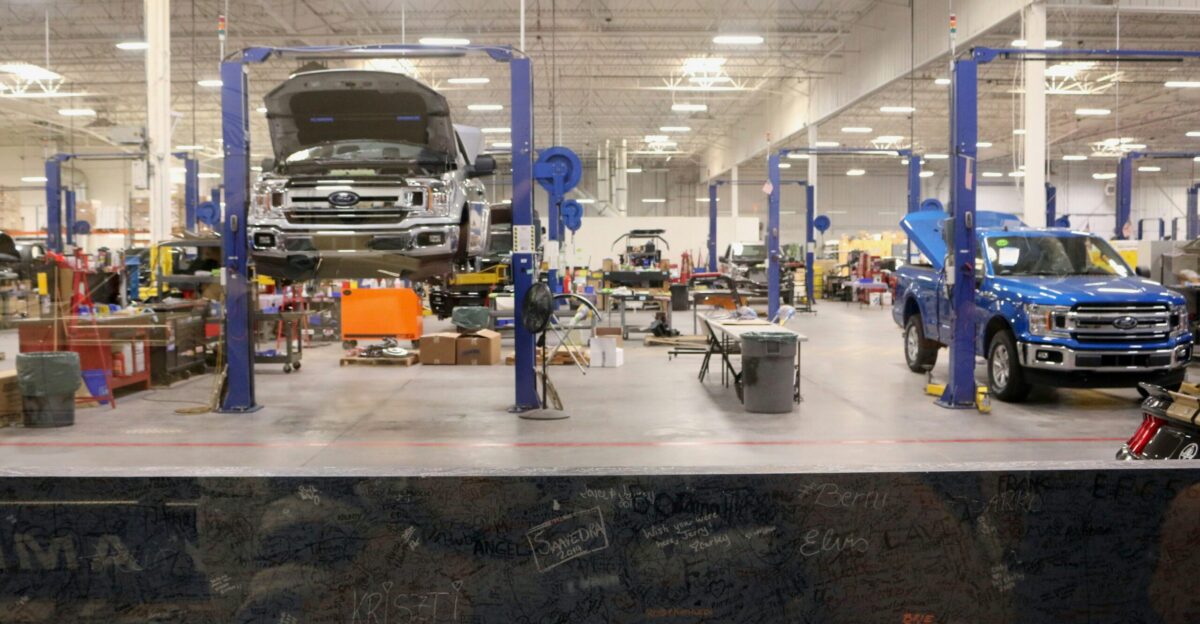
Auto repair shops throughout the country are reporting the same types of problems, even before they make headlines or appear in consumer reviews. Many garages have waiting lists for repeat issues—particularly engine replacements, transmission rebuilds, or electrical failures. By the time drivers bring their vehicles in for diagnosis, the damage is often extensive and costly.
Repair invoices and shop logs show clear patterns in the types of parts that fail, the mileage at which problems appear, and the brands involved. What often starts as a small noise or vibration can quickly develop into a complete mechanical collapse. Mechanics say this consistency across multiple makes and models points to widespread design or manufacturing flaws rather than driver behavior.
Federal Recalls and Safety Investigations
The National Highway Traffic Safety Administration (NHTSA) has issued numerous recalls addressing serious hazards like total engine failure, vehicle fires, and unintended acceleration. Each recall campaign can affect hundreds of thousands of cars, and some automakers have paid penalties exceeding $100 million for slow responses or safety violations. These investigations are driven by verified complaints submitted by vehicle owners and repair professionals.
Recent data from the NHTSA highlights several brands and models with recurring high-risk defects. Hyundai and Kia have recalled millions of vehicles equipped with faulty Theta II engines that can seize or catch fire, resulting in a combined $210 million penalty. Chrysler’s Pacifica minivans from model years 2017 to 2026 have suffered from transmission shorts and power loss, with repairs costing up to $5,500. Ford recalled more than half a million F-150 trucks because they could downshift into first gear at highway speeds, a flaw linked to several crashes.
GM has also pulled nearly 600,000 trucks and SUVs, including newer Silverado, Sierra, Tahoe, and Suburban models, due to crankshaft and rod damage that can cost $5,000–$12,000 to fix. Toyota’s Tundra and Lexus LX600 models have been called back for powertrain failures, while Jeep’s plug-in hybrid Wranglers and Grand Cherokees have faced engine contamination issues resulting in dozens of fires. Nissan Rogues are notorious for transmission overheating, and even newer vehicles like Volkswagen Atlas and Ford Escape Hybrids are being recalled for parts prone to failure or fire.
Experts trace many of these defects to poor-quality casting in engine foundries, supplier cost-cutting, and manufacturer delays in addressing known problems. Despite fines and recalls, some of these issues persist across multiple model years.
Costs, Safer Brands, and What Drivers Can Do
For vehicle owners, the financial fallout can be severe. Someone who buys a used car for $12,000 may face thousands in unexpected repairs, often negating any savings from choosing a cheaper model. A single transmission replacement can cost $4,500, wiping out a buyer’s budget or forcing them to scrap the car altogether. The hidden cost of defective parts makes seemingly affordable vehicles far more expensive to own in the long run.
As a result, mechanics and safety experts recommend sticking to brands with fewer serious failures and more consistent records. Toyota (except for the recalled Tundra and LX600), Honda, Mazda, Lexus, and Subaru are frequently cited as better long-term choices, with fewer catastrophic breakdowns and lower lifetime repair costs. Owners can visit NHTSA.gov to check if their cars are included in any recall and schedule free repairs when applicable.
Those dealing with ongoing problems may benefit from extended warranty programs or “lemon law” protections, which require manufacturers to replace or compensate owners for defective vehicles. Being proactive, keeping service records, paying attention to early warning signs, and verifying recall updates, helps drivers stay safe and avoid unexpected expenses.
Ultimately, government data and repair trends show that choosing a truly reliable vehicle can protect both finances and safety. As manufacturers face increasing scrutiny over safety and accountability, buyers who make informed decisions based on verified information are more likely to enjoy dependable ownership and peace of mind on the road.
Sources:
Hyundai and Kia recalled millions of vehicles with a dangerous defect. PBS News, 2023
Hyundai-Kia’s Billion Dollar Engine Problem. Safety Research & Strategy, 2021
Ford F-150 2014 Transmission Sudden Downshift Recall. Ford Official Recall Documents, 2024
GM Recalls Nearly 600,000 Trucks And SUVs Over Risk of Engine Failure. CBS News, 2025
Jalopnik: These Are The Worst Transmission Recalls Of The Last 5 Years. Jalopnik, 2025
NHTSA Vehicle Recalls Database. National Highway Traffic Safety Administration, 2025