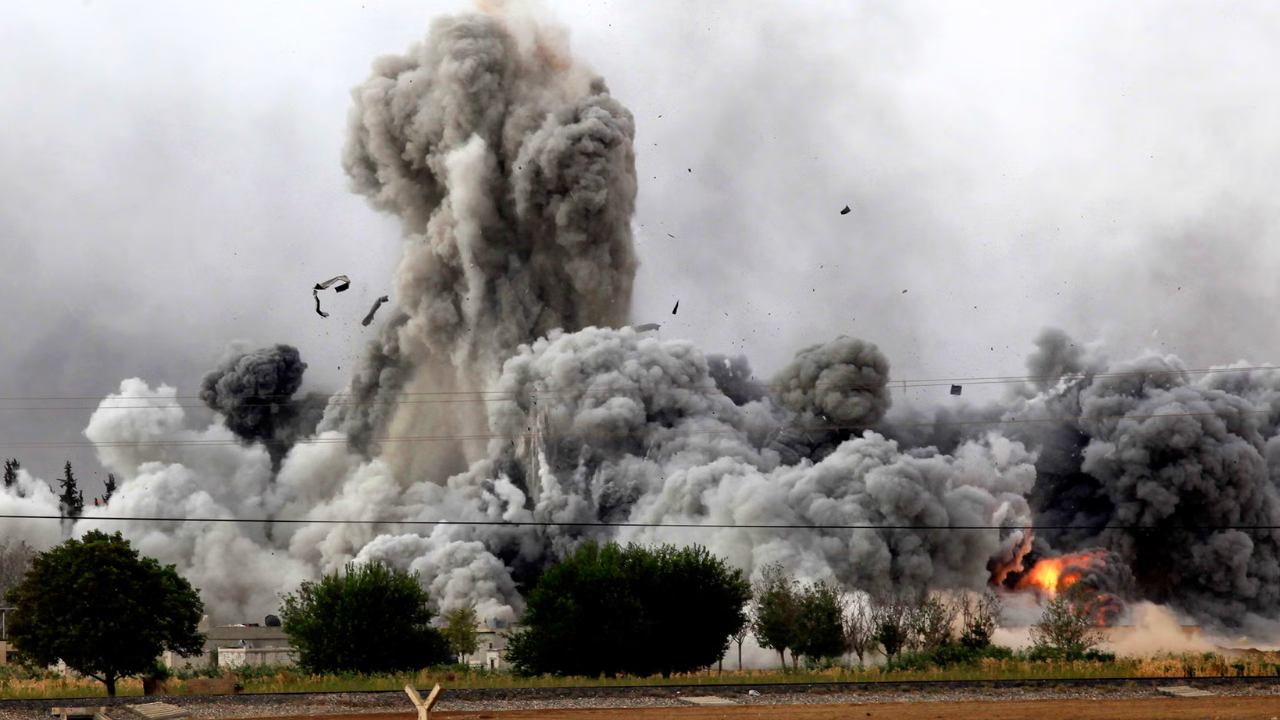
On Christmas morning 2025, as families across the U.S. shared holiday meals, American warplanes struck two ISIS camps in Nigeria’s Sokoto State. Authorized by President Trump and executed with Nigerian forces on December 26 local time, the precision operation highlighted deepening U.S.-Africa counterterrorism ties amid Nigeria’s escalating violence.
AFRICOM Confirms Precise Hits
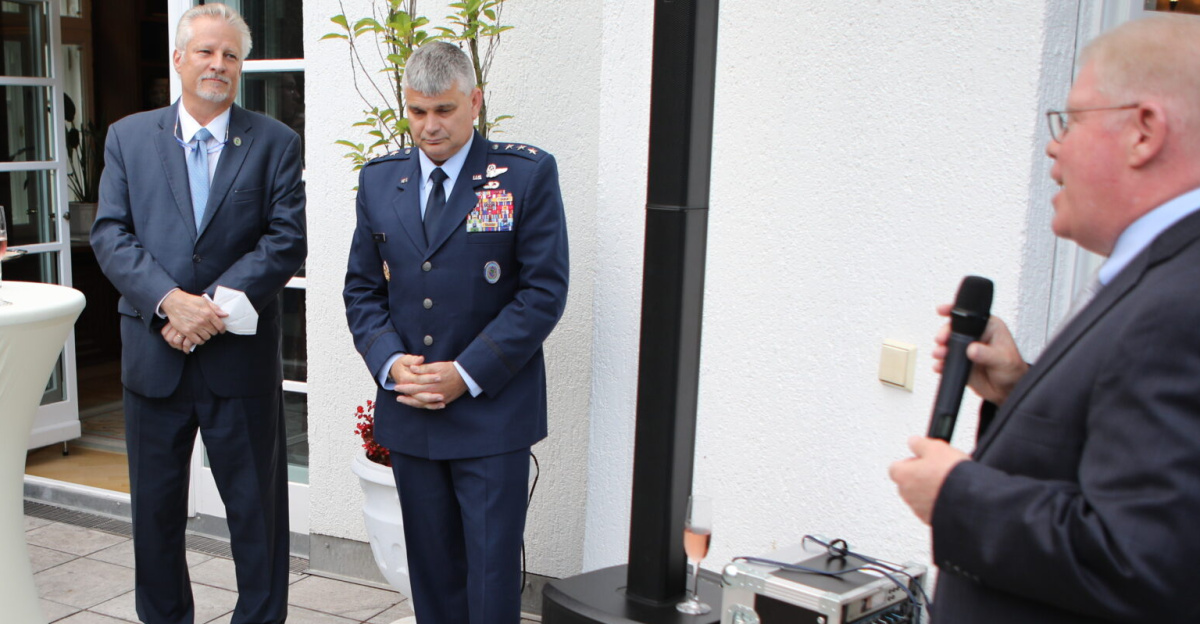
U.S. Africa Command verified the strikes targeted ISIS sites in Sokoto, reporting multiple terrorists killed while withholding details on casualties, aircraft, and damage for security reasons. The operation unfolded from intelligence gathered over prior days, with munitions launched from maritime platforms in the Gulf of Guinea. Nigeria disclosed more: 16 GPS-guided bombs from MQ-9 Reaper drones neutralized the enclaves in the Bauni forest near Tambuwal Local Government Area. No civilian casualties were reported, though debris landed in nearby Kwara State communities like Jabo and Offa.
Trump’s Retaliatory Framing
President Trump announced the action on December 25, linking it to attacks on Nigerian Christians and warning terrorists of severe consequences. His statement cast the strikes as direct payback, timed symbolically on Christmas. This religious emphasis contrasted with AFRICOM’s measured release, which avoided specifics on motives. A timeline gap emerged—U.S. reports used Washington time for December 25, while Nigeria logged the hits between 00:12 and 01:30 on December 26—reflecting coordination across zones.
Joint Nigerian-U.S. Effort
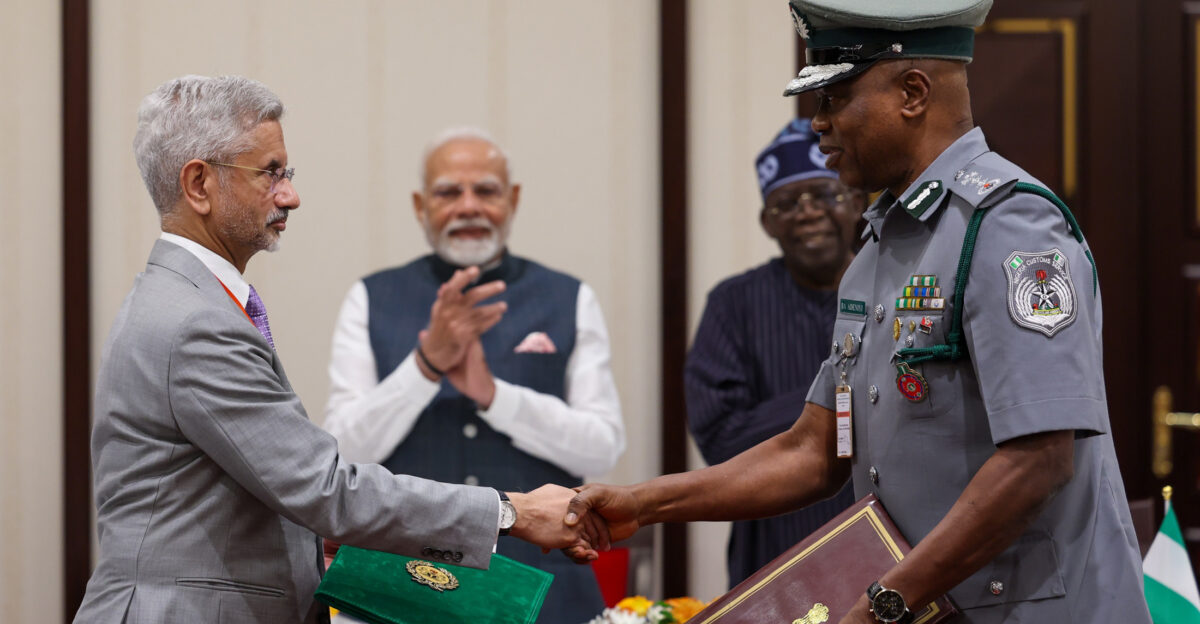
Nigeria’s Defence Headquarters and Ministry of Information confirmed full partnership, citing President Bola Ahmed Tinubu’s explicit approval and senior military oversight. The sites housed foreign ISIS infiltrators from the Sahel, staging attacks with local groups like Lakurawa or Islamic State-Sahel Province, distinct from the northeast’s ISWAP. Abuja portrayed the operation as Nigerian-led, preserving sovereignty while leveraging U.S. technology and intelligence. This model underscored mutual reliance: American assets paired with local authority and terrain knowledge.
Broader Regional Threats
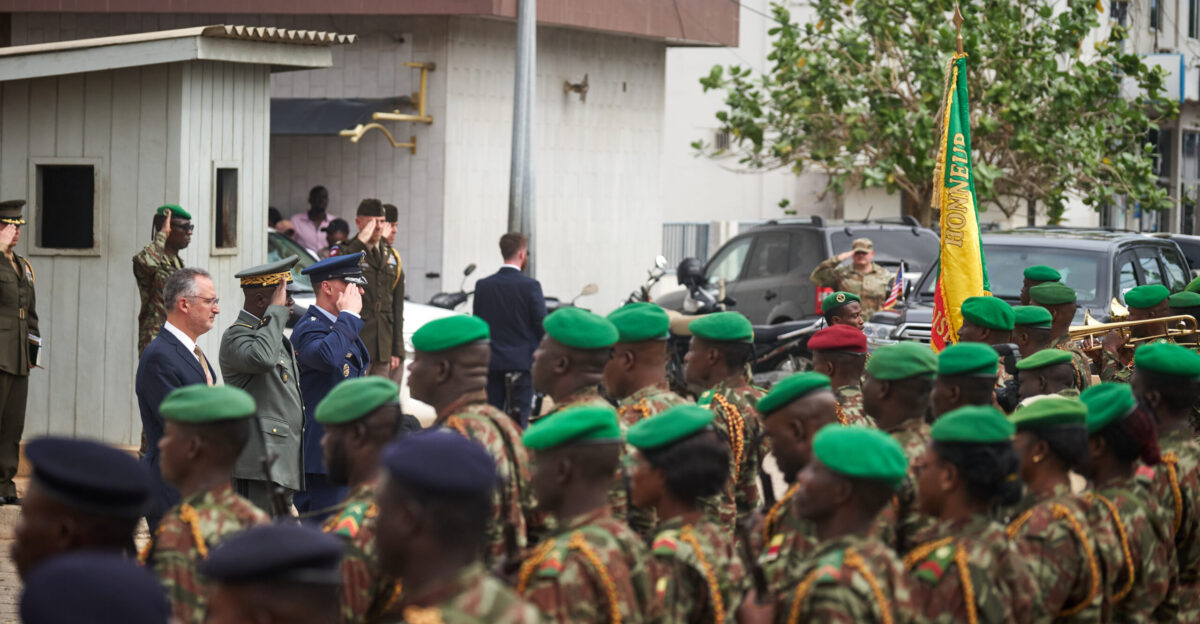
The strikes fit an intensifying U.S. campaign. AFRICOM logged four ISIS-Somalia hits December 22-25, plus an al-Shabaab strike on December 17, suggesting accelerated operations across Africa. Commander General Dagvin Anderson described the approach as disrupting extremists globally to protect Americans. Nigeria rejected a solely religious lens, with its Foreign Affairs Ministry condemning violence against all faiths—Christians, Muslims, and others—as contrary to national values. From 2019-2023, Nigeria saw 55,910 deaths and 21,621 abductions, including 16,769 Christians and 6,235 Muslims among 30,880 civilians.
Future Challenges Ahead
Casualty numbers remain unverified, with both sides vague on scale against groups estimated at 200-3,000 fighters. An AFRICOM reference to the “Secretary of War”—a title revived under Pete Hegseth, sworn in January 2025 before the department’s September rename—nodded to shifting U.S. military rhetoric. Hegseth later signaled “more to come,” fueling speculation on expanded actions. Analysts doubt isolated strikes will curb northwest Nigeria’s threats, entangled in banditry, herder-farmer clashes, poverty, and state weaknesses. Lasting security demands governance, justice, and economic measures beyond airstrikes, as regional jihadist flows persist.
Sources:
U.S. Africa Command Press Release 36158: US Africa Command Conducts Strike against ISIS in Nigeria
Nigerian Ministry of Information: Successful Precision Strikes on Foreign ISIS Elements
Nigerian Ministry of Foreign Affairs: Press Statement on Joint US-Nigeria Operation
AFRICOM Commander Gen. Dagvin Anderson: Statement on counterterrorism operations
Department of War: Pete Hegseth biography and tenure dates
Catholic News Agency: Trump vows more strikes on Nigerian militants due to Christian persecution