
Twenty-five years ago, animator Eric Ryder pitched a science fiction narrative to Lightstorm Entertainment featuring oceanic aliens and corporate exploitation. The company passed on his project, titled “KRZ.” Sixteen years later, Avatar became a global phenomenon. Now, just days before Avatar: Fire and Ash premiered in December 2025, Ryder filed a $500 million lawsuit claiming James Cameron stole his most distinctive concept—a substance harvested from ocean creatures that extends human life indefinitely.
From Collaboration to Courtroom
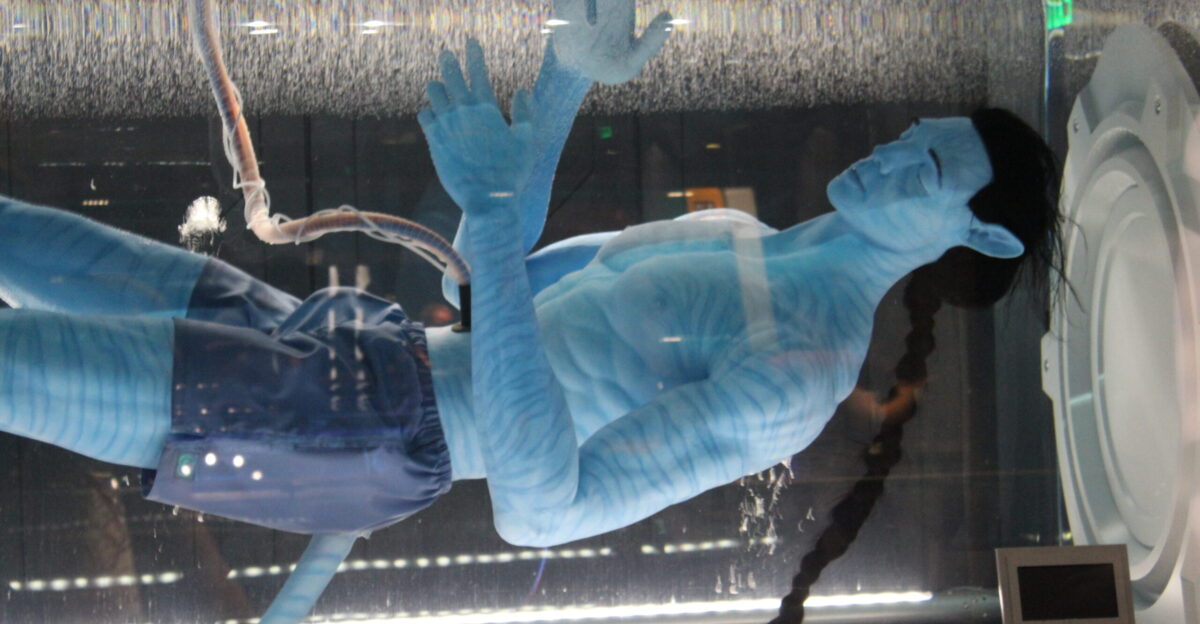
Ryder developed KRZ between 1996 and 1998, pitching it to Lightstorm executives Jon Landau and Jay Sanders around 2000. The story centered on anthropomorphic ocean beings threatened by a mining corporation extracting resources from their world. Lightstorm executives discussed the project extensively before ultimately rejecting it. Years of silence followed. Then Avatar exploded in 2009, eventually grossing $2.92 billion worldwide to become cinema’s highest-grossing release. Avatar: The Way of Water followed in 2022, earning $2.34 billion and cementing its position as the third-highest-grossing release in history.
The First Defeat and a Strategic Retreat
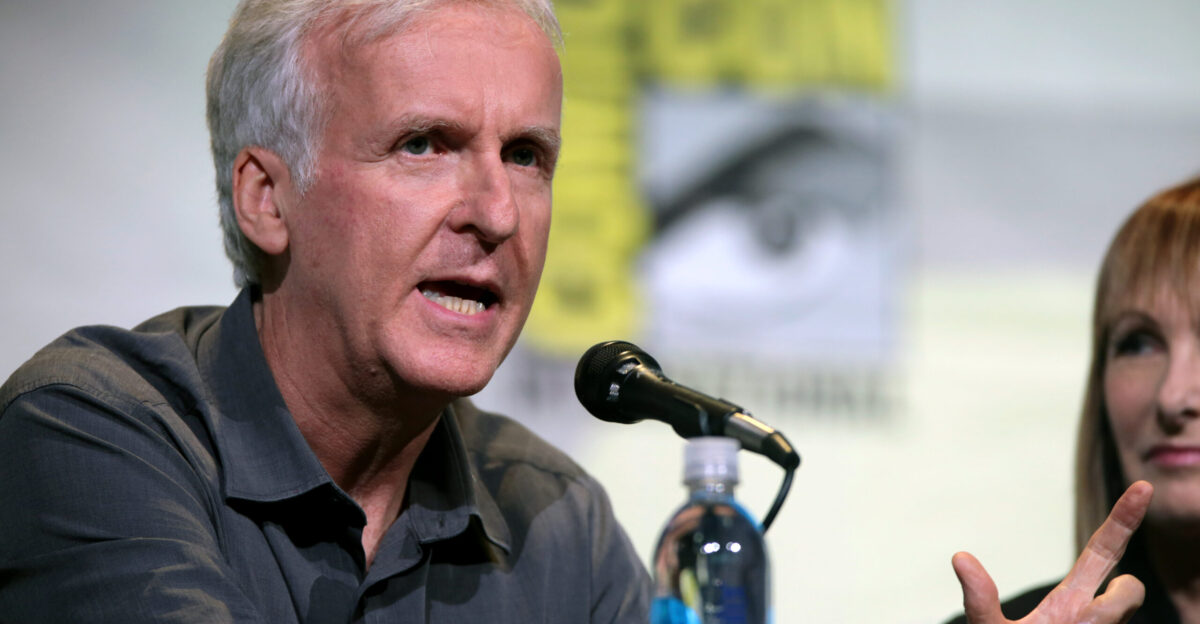
In December 2011, Ryder sued Cameron and Lightstorm for copyright violations, arguing they had stolen his story’s core elements. Cameron’s defense proved devastating: he produced a scriptment—an extended treatment—written in 1995, predating Ryder’s KRZ entirely. Judge Susan Bryant-Deason granted summary judgment to Cameron, finding no substantial similarity between the works. California appellate courts upheld the decision in 2016. Ryder had lost completely. Most plaintiffs would have walked away. Ryder waited.
The Substance That Changed Everything
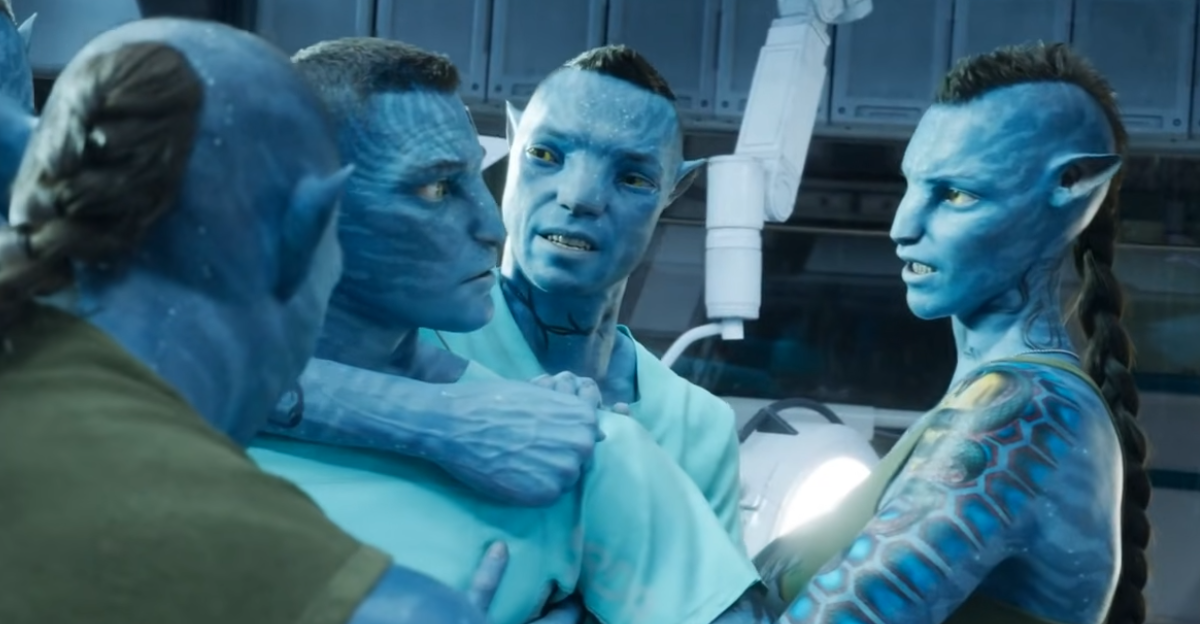
When Avatar: The Way of Water introduced Amrita in 2022, Ryder recognized something absent from the original Avatar. This yellowish brain fluid, extracted from whale-like Tulkun creatures, completely halts human aging and sells for $80 million per vial. The substance drives the sequel’s entire narrative—explaining why the Resource Development Administration returns to Pandora with hunting vessels to slaughter ocean creatures. Ryder’s 1996 KRZ story featured precisely this concept: an animal-based substance harvested from ocean beings that extends human lifespan. The original Avatar contained no such element. The sequel made it central.
An Offer That Raises Questions

On May 1, 2018, Cameron’s representatives contacted Ryder, seeking to purchase his KRZ copyright outright. Ryder declined the acquisition offer. The timing troubles Ryder’s legal team at Kasowitz Benson Torres: if Cameron believed KRZ lacked merit after winning decisively in court, why attempt to acquire it? If the offer represented good-faith business, why incorporate KRZ’s life-extending substance into Avatar 2 after Ryder refused to sell? The paradox suggests knowledge and intent, arguing the offer was an attempt to preempt liability, according to the lawsuit.
Architectural Similarities
Both narratives share identical structural frameworks. KRZ features anthropomorphic ocean inhabitants facing annihilation as a corporation mines their moon for valuable substances. Avatar: The Way of Water presents Na’vi ocean clans battling a corporation extracting Amrita through ecosystem-destroying methods. Ryder’s complaint includes comparison charts documenting alleged parallels in dialogue patterns, visual imagery, and thematic elements.
Stakes and Strategy
Filed December 15, 2025, Ryder’s lawsuit seeks at least $500 million in compensatory damages plus punitive penalties if courts find willful violation. That figure represents roughly one-quarter of Avatar: The Way of Water’s worldwide gross. The calculation assumes the stolen concept directly contributed to box office success, streaming revenue, and merchandise sales. Ryder also requested an emergency injunction blocking Avatar: Fire and Ash’s December 19 release—just four days away. Courts rarely halt major releases days before premiere.
The Release That Proceeded
No injunction materialized. Avatar: Fire and Ash opened to $89 million domestically and $347 million globally in its opening weekend. The sequel’s release proceeded without legal interruption. Disney, Lightstorm, 20th Century Studios, and Cameron now face litigation while the film accumulates hundreds of millions in revenue. Attorney Daniel Saunders, representing Ryder, called it “downright theft,” declaring, “The defendants’ alleged misappropriation to create the third highest-grossing movie of all time is blatant and egregious”.
Sources
Kasowitz, “Copyright Infringement Lawsuit Against James Cameron,” December 15, 2025, Morningstar/PRNewswire
Los Angeles Times, “Director James Cameron Wins Avatar Legal Case,” October 2, 2013
Reuters Legal, “Disney, James Cameron Sued for Copyright Infringement Over Avatar,” December 16, 2025
Loeb & Loeb, “Ryder v. Lightstorm Entertainment, Inc.,” February 29, 2016
Morningstar/PRNewswire, “Kasowitz Files Copyright Infringement Lawsuit,” December 15, 2025
Kasowitz Official, “Copyright Infringement Lawsuit Press Release,” December 15, 2025