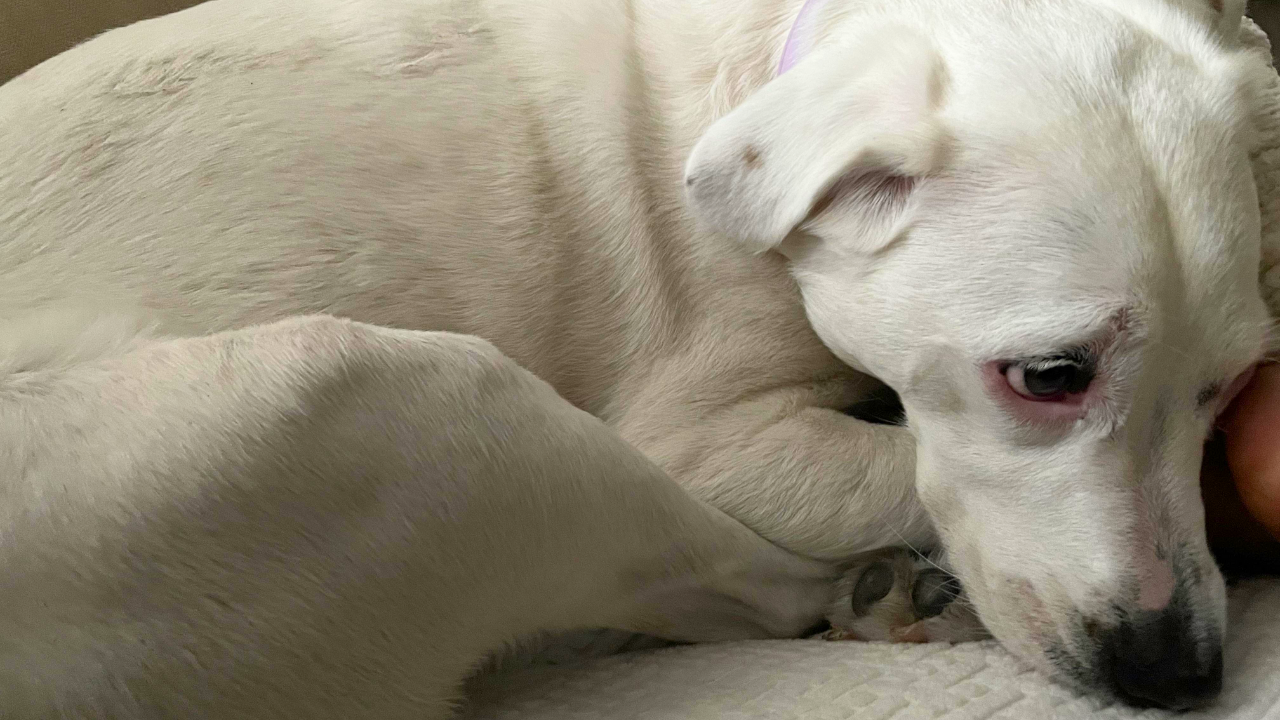
Your dog spins in relentless circles during walks, ignores other dogs, and freezes at the sound of a vacuum. These quirks might seem like quirks of personality, but they could signal bigger neurological differences akin to autism in humans, a pattern veterinarians have noted for over 60 years.
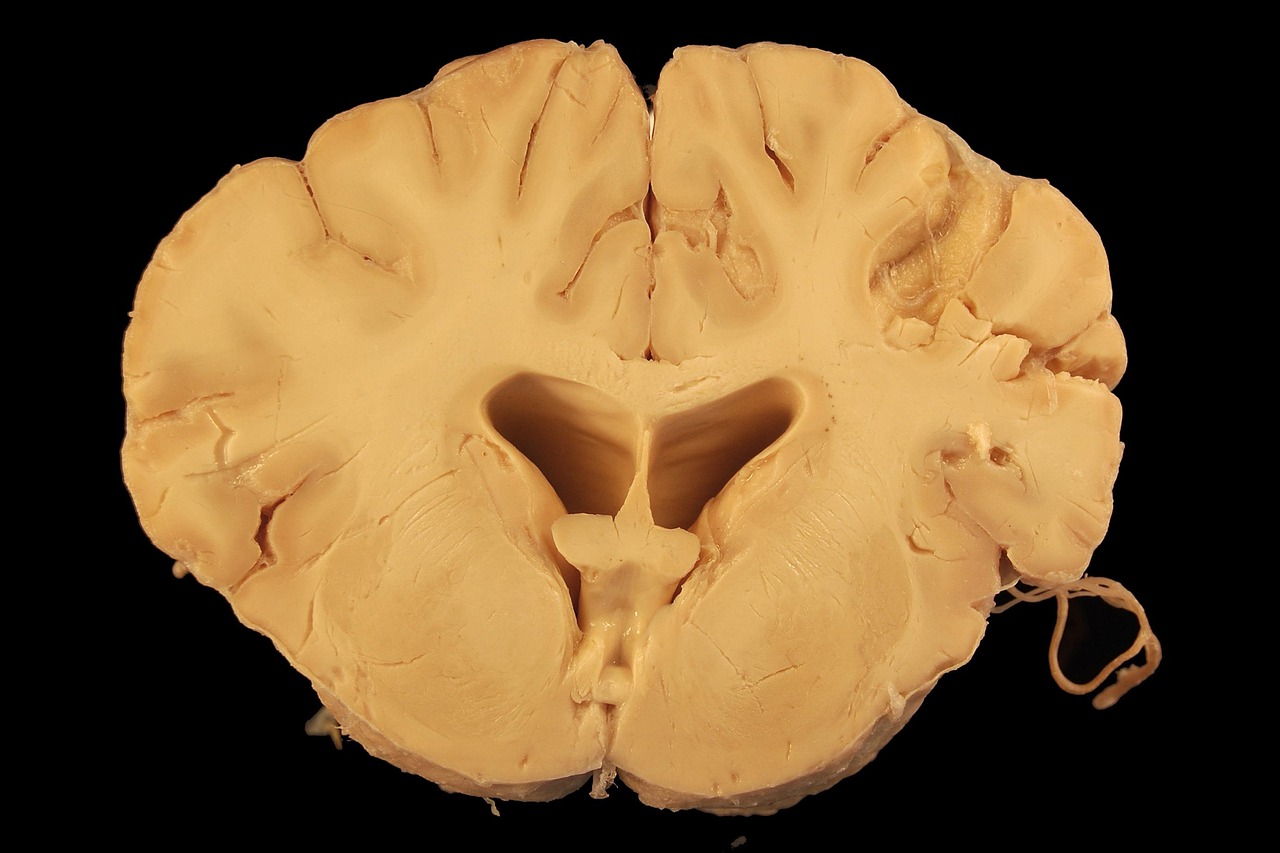
Scientists are now examining canine brains, which share structural and chemical similarities with human ones, including neurotransmitters like serotonin and dopamine that influence mood and behavior. Dr. Jacqueline Boyd, an animal scientist at Nottingham Trent University, highlights these parallels, suggesting that struggles with impulse control or social bonds have a neuroscientific basis.
A Mystery Observed for Decades
Veterinarians identified autism-like behaviors in dogs as early as the 1960s, yet no formal diagnosis exists today. Instead, the catch-all term “canine dysfunctional behavior” leaves owners without clear guidance. This gap persists despite evidence from studies on breeds like Bull Terriers, where 20% showed compulsive tail-chasing linked to elevated blood biomarkers—neurotensin and CRH—also found in autistic children.
With about 65 million U.S. households owning dogs, even a 1-2% prevalence points to 650,000 to 1.3 million affected animals navigating misunderstood challenges.
The Ten Key Signs
Behavioral experts identify three core patterns: repetitive actions, social interaction deficits, and sensory sensitivities. Here are the ten most recognized indicators.
- Compulsive spinning or tail-chasing often dominates daily routines, sometimes causing injury, as observed in Bull Terriers that exhibit matching human autism biomarkers.
- Dogs may appear disconnected, avoiding eye contact, hesitating in approaches, or showing stiff body language, as if existing in a separate reality.
- They deliberately avert gazes, fail to process faces—especially eyes—mirroring deficits in Shank3 mutant beagles studied in genetic research.
- Ignore boundaries, nudging persistently without reading cues, inverting typical social radar.
- Everyday noises like vacuums or doorbells trigger panic; touch feels overwhelming, turning the world into a sensory assault.
- Some freeze in eerie stares into space, resembling dissociative states or trancing episodes in studied Bull Terriers.
- Movements lack fluidity, appearing rigid or mechanical, out of sync with social contexts.
- Interrupting rituals sparks aggression or distress, as dogs fiercely guard compulsive patterns for self-regulation.
- Nights bring restlessness, pacing, and sleep dysregulation, echoing human autism patterns.
- Chronic gut issues—diarrhea, constipation, sensitivities—link via the gut-brain axis, with inflammation potentially worsening behaviors.
Strategies for Support

A ketogenic diet, high in fat and low in carbs, has shown promise in reducing hyperactivity, compulsions, and improving social engagement, with reports of gains over weeks.
Strict routines—fixed feeding, walks, and play—provide predictability amid chaos. A dedicated quiet retreat space offers escape without punishment.
Gentle, reward-based training with treats and praise builds trust, outperforming punitive methods, as endorsed by groups like RSPCA and Dogs Trust.
Tools such as puzzle feeders, snuffle mats, calming vests, and noise reduction aid enrichment, cutting obsessions and anxiety per welfare studies.
Embracing Neurodiversity
Viewing these traits as brain wiring, not flaws, shifts care from correction to accommodation. Dr. Boyd emphasizes neurodiversity in dogs as a natural variation.
As research advances, formal recognition could transform lives for these dogs and owners, fostering tailored veterinary protocols, diets, and environments to help them thrive amid growing awareness of animal neurology.
Sources:
Elevated serum neurotensin and CRH levels in children with autistic spectrum disorders and tail-chasing Bull Terriers with a phenotype similar to autism | Nature Translational Psychiatry (2014)
Autism-like atypical face processing in Shank3 mutant dogs | Science Advances (2025)
Ketogenic diets improve behaviors associated with autism spectrum disorder | PLOS ONE (2016)
Effects of Environmental Enrichment on Dog Behaviour: Pilot Study | Journal of Applied Animal Welfare Science (2022)
Improving dog training methods: Efficacy and efficiency of reward-based training | Frontiers in Veterinary Science (2021)
Positive Reinforcement is More Effective at Training Dogs than an Electronic Collar | Frontiers in Veterinary Science (2024)