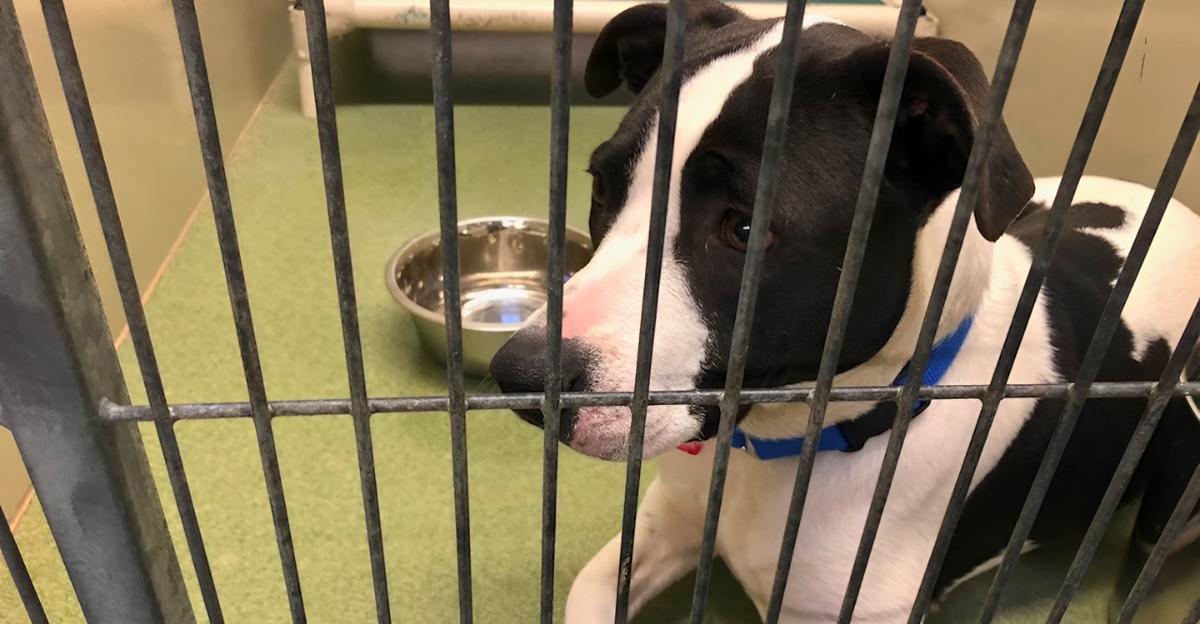
Dog breed stereotypes shape public perception, adoption trends, and even laws. Research shows breed explains less than 10% of personality traits, yet many gentle, playful dogs are labeled dangerous. Pit bulls, Rottweilers, and other misunderstood breeds face bans or high shelter euthanasia rates, while wagging Labradors or goofy mutts rarely make headlines.
Behind every stereotype is a dog rolling in the grass, chasing a toy, or curling up on a couch with a child. According to animal behavior expert Stanley Coren, misperceptions punish breeds instead of rewarding responsible ownership and these dogs’ daily joyful personalities.
How Stereotypes Take Hold
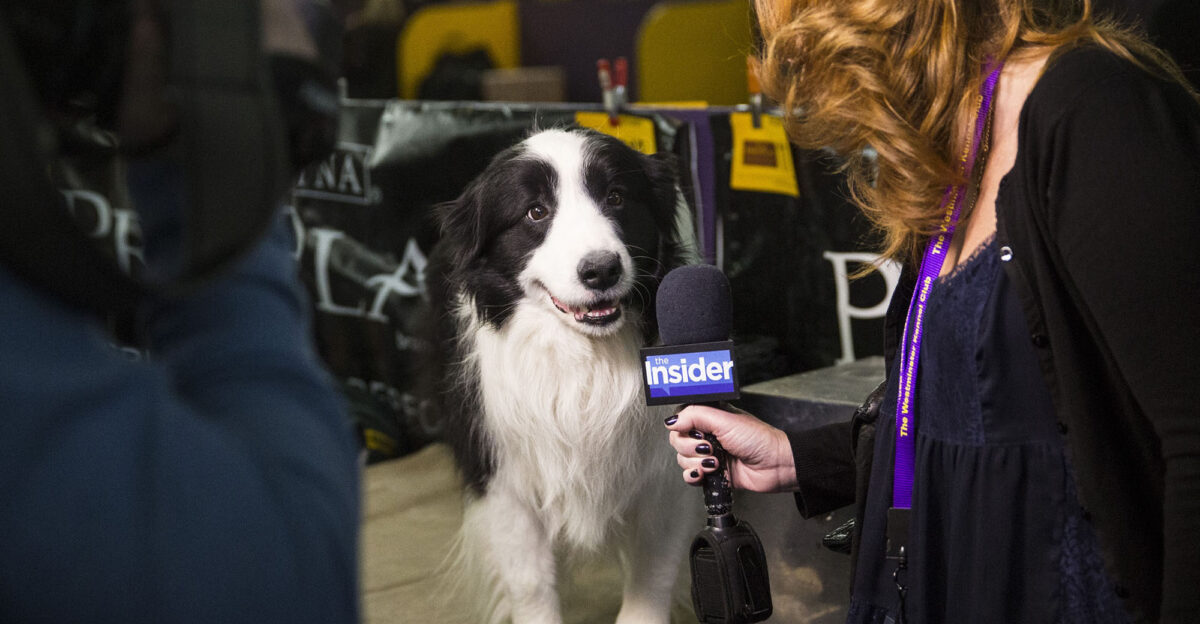
When a single dog-related incident dominates headlines, breed is usually front and center. The University of Denver found that news framing drives public demand for bans, even when neglect or mishandling is the real issue. One tragic story can make a whole breed seem dangerous, while a golden retriever napping in a sunbeam goes unnoticed.
Over time, fear hardens into law, and law cements the stereotype. He said headlines shape perception far more than reality, creating a cycle that overlooks individual personalities and everyday moments of play, affection, and loyalty that define most dogs’ true character.
Genetics Don’t Dictate Behavior
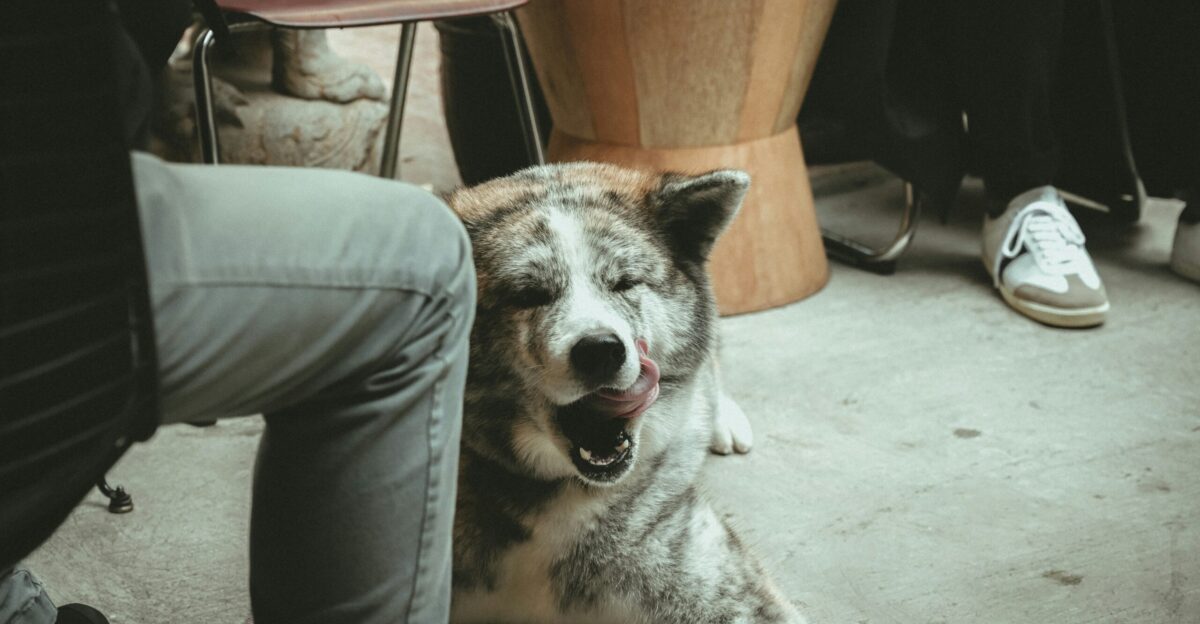
Decades of research confirm that genetics play a surprisingly small role in shaping behavior. According to a 2022 study in Science, breed accounts for only about 9% of personality variation. Traits like aggression, affection, or trainability are primarily influenced by upbringing, training, and socialization.
Judging a dog by its breed alone is like assuming all siblings share the same personality. A Great Dane may be shy and gentle, while a Chihuahua may be confident and loyal. Experts said that observing a dog playing fetch, snuggling on the couch, or interacting with children reveals far more than labels ever could.
1. Pit Bulls—Loyal Clowns at Heart
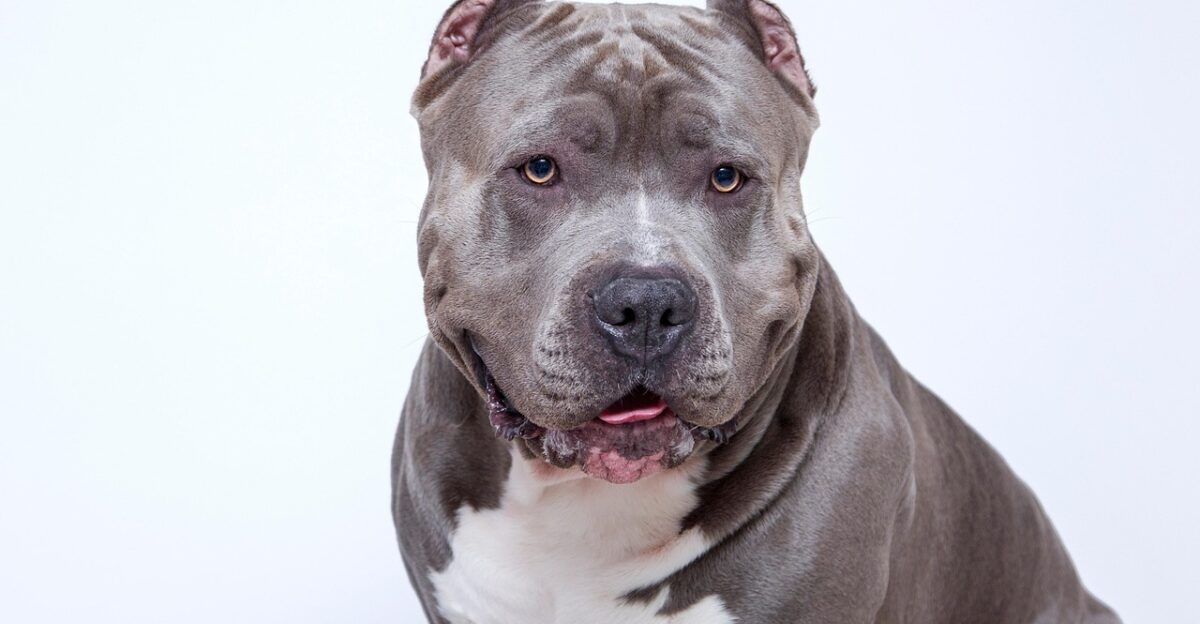
Few breeds carry as heavy a reputation as pit bulls. Headlines link their name to danger, leading to bans and shelter restrictions. Yet the American Temperament Test Society reports more than 85% pass temperament tests, often outperforming Golden Retrievers. Pit bulls are affectionate, playful clowns who love rolling in the grass, fetching balls, or curling up in laps.
With structure, socialization, and positive reinforcement, these dogs flourish. Coren said that what looks like a menace to the public often reveals loyalty, humor, and exuberance to families. Their goofy antics remind us that a bad reputation rarely matches the joyful reality.
2. Rottweilers—Gentle Giants in Disguise
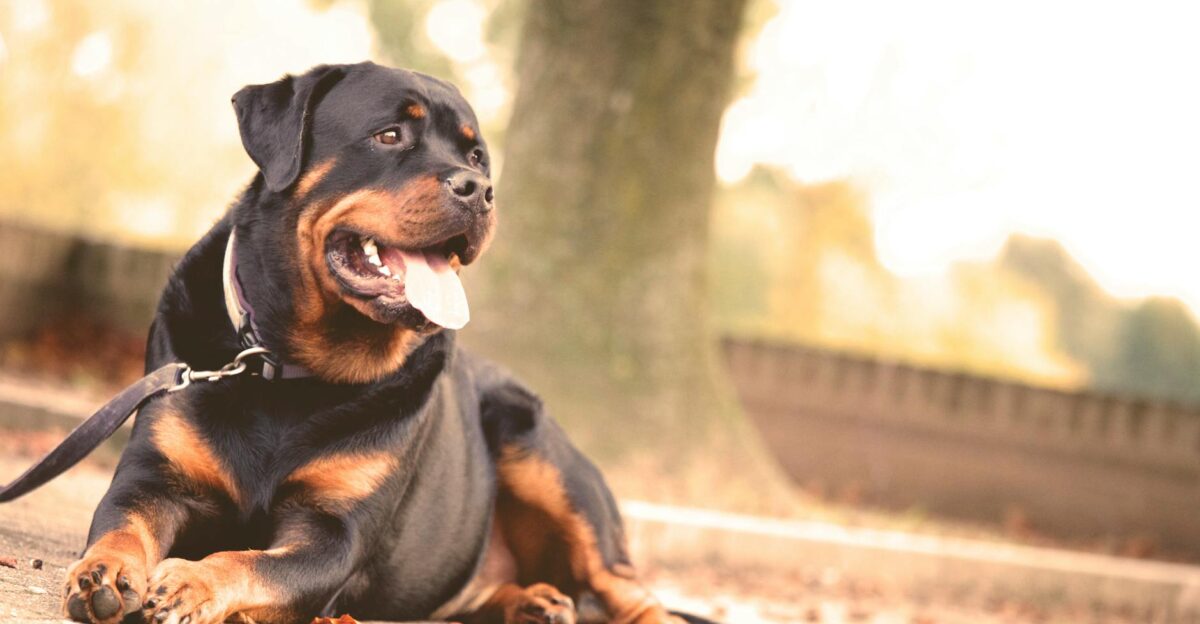
Rottweilers’ imposing build and guarding history make them easy targets for stereotypes. Movies and media often portray them as intimidating attack dogs. However, trainers report that Rottweilers are calm, loyal companions with deep devotion. With proper guidance and early socialization, they enjoy long walks, gentle play, and couch-side cuddles.
Aggression is not a breed trait but often a product of neglect or mishandling. The gentle giant image fits better … strong, watchful, capable of rolling in the yard or snuggling at the end of the day, balancing strength with surprising playfulness.
3. Dobermans—Protectors with a Soft Side
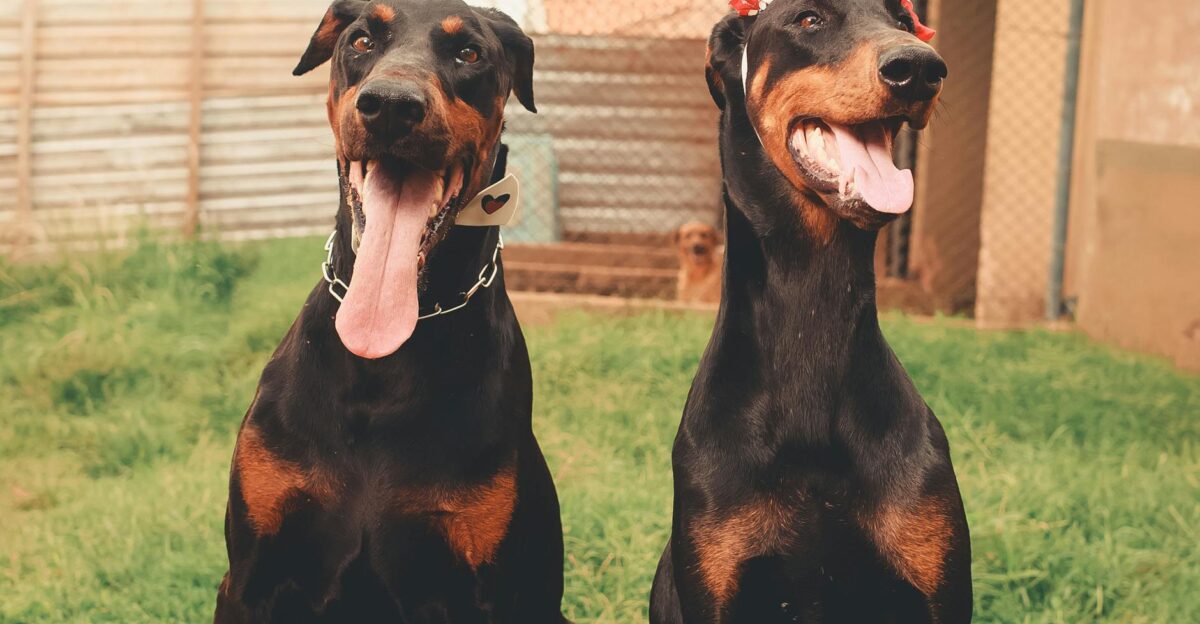
Doberman Pinschers often appear in pop culture as sleek, intimidating guard dogs. Trainers say they are affectionate, intelligent, and loyal companions. They thrive on play and attention, whether zooming through a yard, chasing a ball, or curling beside a human. Their protective instincts reflect devotion rather than unprovoked aggression.
Behind alert ears and a sleek frame lies a playful, sensitive dog who delights in companionship. Experts said that observing a Doberman tossing a toy or nudging a human reveals a blend of energy, loyalty, and humor often overlooked by first-time owners.
4. German Shepherds—Brains, Brawn, and Playfulness
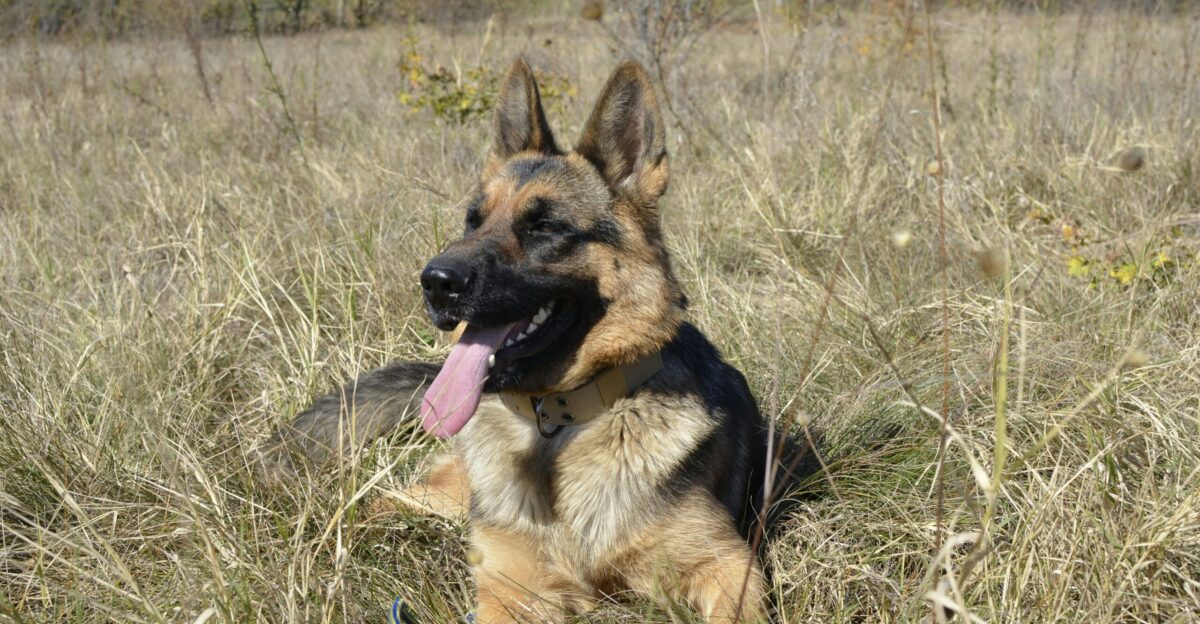
German Shepherds’ service roles contribute to a reputation for seriousness or aggression. Families often see playful, affectionate companions who bond closely with children. According to professional trainers, their intelligence and trainability make them stars in obedience and agility. Yet, they are just as happy bounding across a backyard or nudging a ball toward a human.
Aggression isn’t what makes them effective; loyalty and responsiveness are. Observing a Shepherd gently herding children or dozing beside a parent reveals the softer side behind the working-dog image, blending brains, brawn, and playful antics.
5. Chow Chows—Independent but Devoted
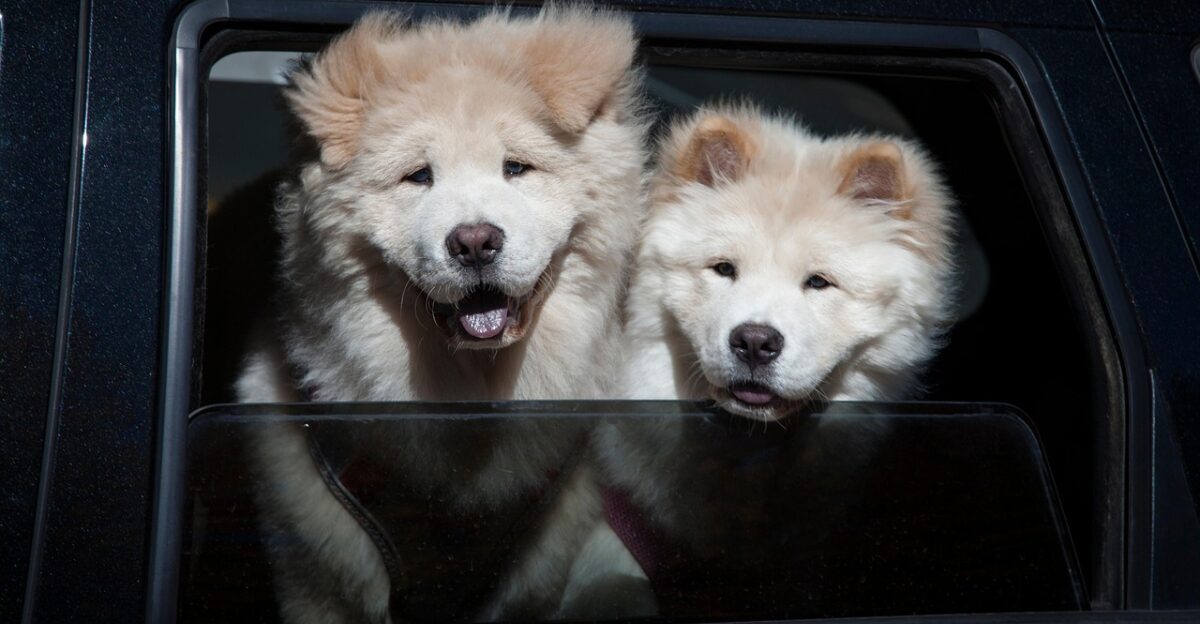
Chow Chows’ lion-like mane and reserved expression fuel myths of aloofness. Historically guard dogs, they require early training and confident handling, experts said. With socialization, they are loyal, affectionate, and surprisingly playful, sometimes bounding after a toy or curling up for a nap. Many owners compare them to cats, independent but devoted once trust is earned.
Their reputation for standoffishness reflects selectivity, not hostility. A Chow may not greet every visitor with a wag, but with chosen humans, they are goofy, cuddly, and fiercely loyal companions, proving appearances rarely capture personality.
6. Akitas—Loyal Guardians, Not Loners
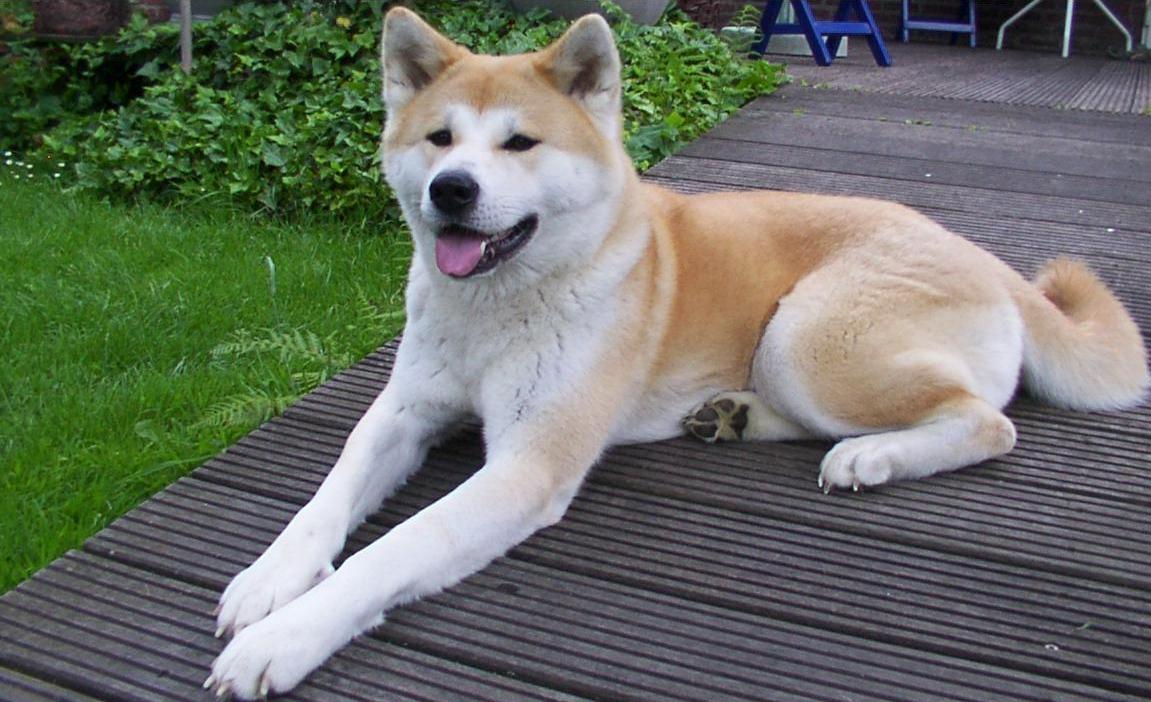
Akitas’ bold, independent personalities often earn them a reputation for stubbornness. Experts say they’re intelligent, fiercely loyal, and deeply bonded to family. The story of Hachikō, who waited years for his deceased owner, embodies the breed’s devotion. While Akitas may be selective with other dogs, they thrive with consistent training and confident leadership.
They can be playful at home, rolling in the yard or lying close to their favorite person. Mislabeling them as difficult ignores the strong bonds and gentle playfulness they bring. Proper care allows Akitas to show both courage and affection in equal measure.
7. Huskies—Escape Artists with Big Hearts
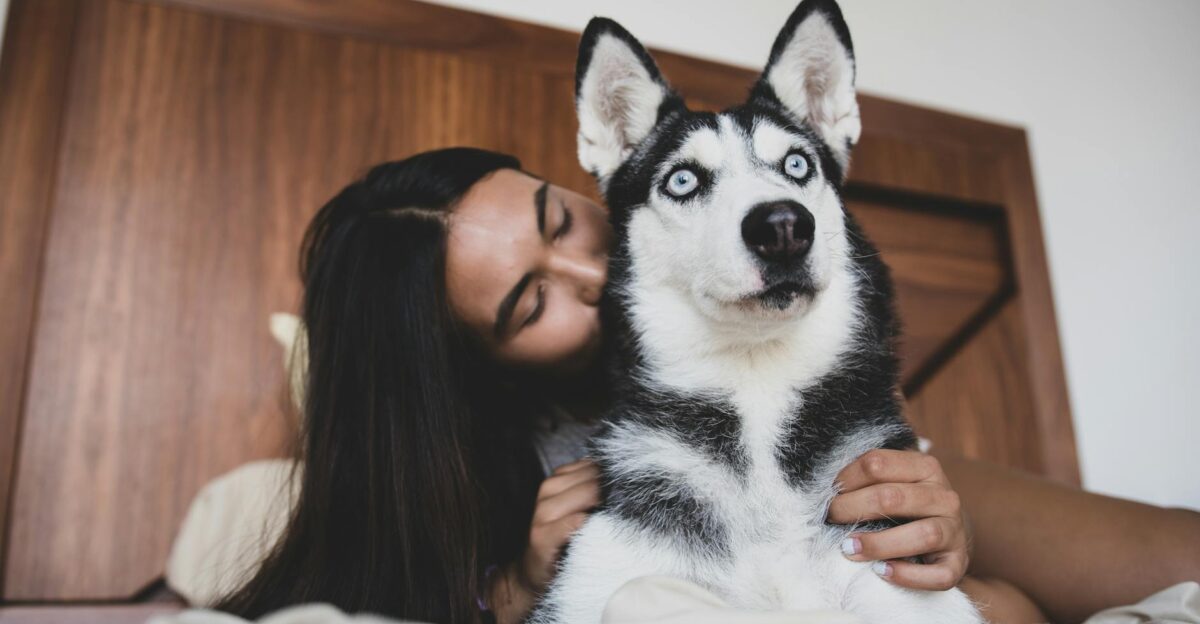
Siberian Huskies are infamous for escaping and mischief, yet trainers say much stems from unmet needs. Bred for endurance in harsh climates, they crave activity and mental stimulation. Huskies are affectionate, social, and endlessly entertaining when exercised and engaged. Their expressive “talking,” zoomies in the yard, and playful antics make them beloved by families.
Intelligence, not stubbornness, drives their curious and independent nature. Observing a Husky bounding through snow or rolling on the grass reveals a joyful, clever dog whose spirit thrives with interaction, proving that reputations often misread playful hearts.
8. Malamutes—Wolves on the Outside, Teddy Bears Inside
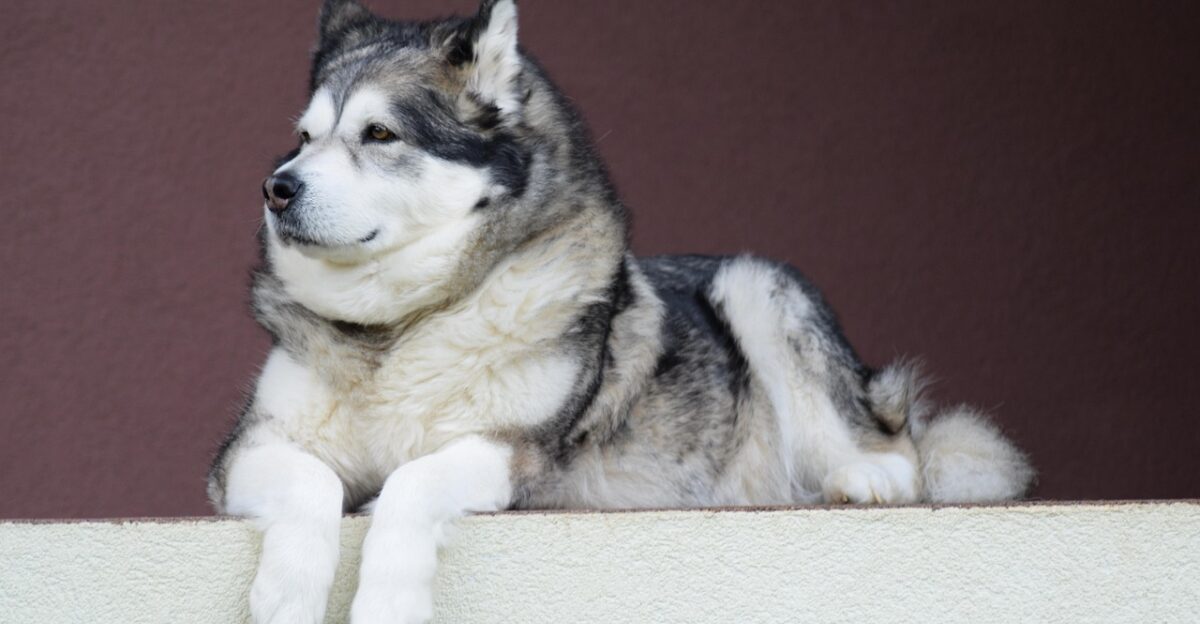
Alaskan Malamutes’ wolf-like appearance can be intimidating, but trainers say they are affectionate, family-oriented dogs who thrive on companionship and activity. Owners often describe them as “helping” visitors with curiosity rather than guarding. Misbehavior usually stems from boredom, not aggression, so walks, games, and puzzle toys are essential.
With proper stimulation, Malamutes are loyal, playful, and affectionate. Watching one trot alongside children in the yard or flop in a sunbeam illustrates their gentle nature. Their appearance may suggest a fierce wolf, yet their personalities resemble a teddy bear, loving, playful, and devoted to their families.
9. Cane Corsos—Protective but Peaceful
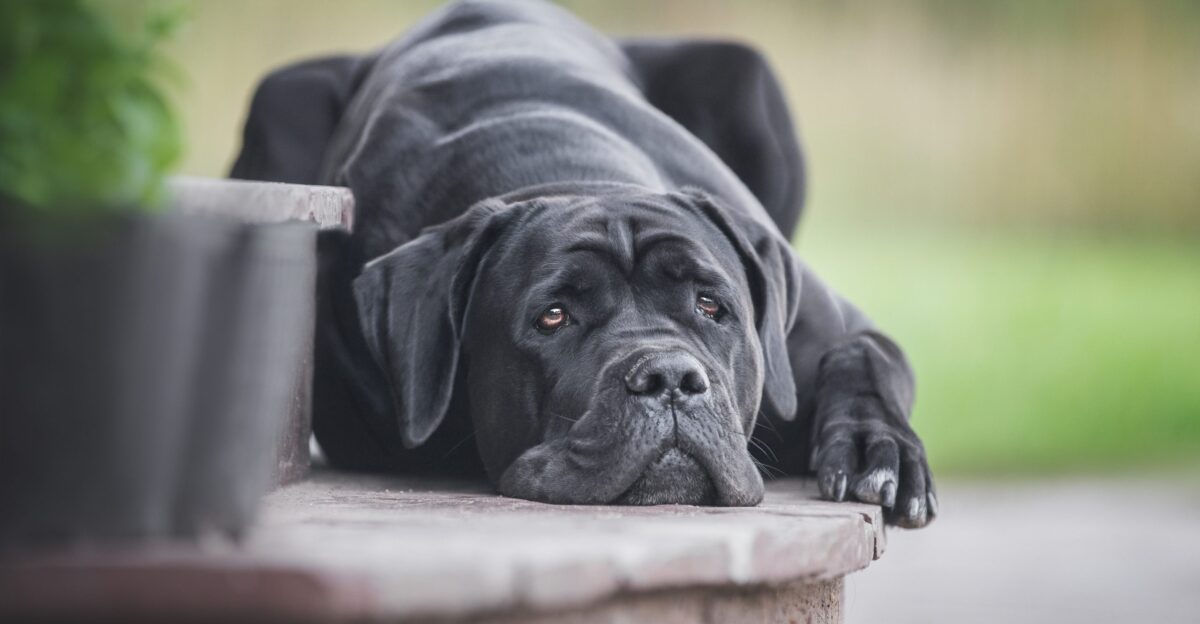
Cane Corsos’ size and guarding history can appear intimidating. Experts say they are calm, affectionate, and loyal companions when socialized and trained consistently. They thrive on connection with their families, appropriately channeling energy into structured play or protective duties. Owners often describe them curling up at their feet after an active day, demonstrating protectiveness and playful charm.
Aggression is rarely inherent; problems usually arise from neglect or inexperienced handling. With responsible care, the Cane Corso becomes a devoted guardian and warm family member, balancing strength with affectionate, playful companionship that surprises many first-time observers.
10. Neapolitan Mastiffs—Big Dogs with Bigger Hearts
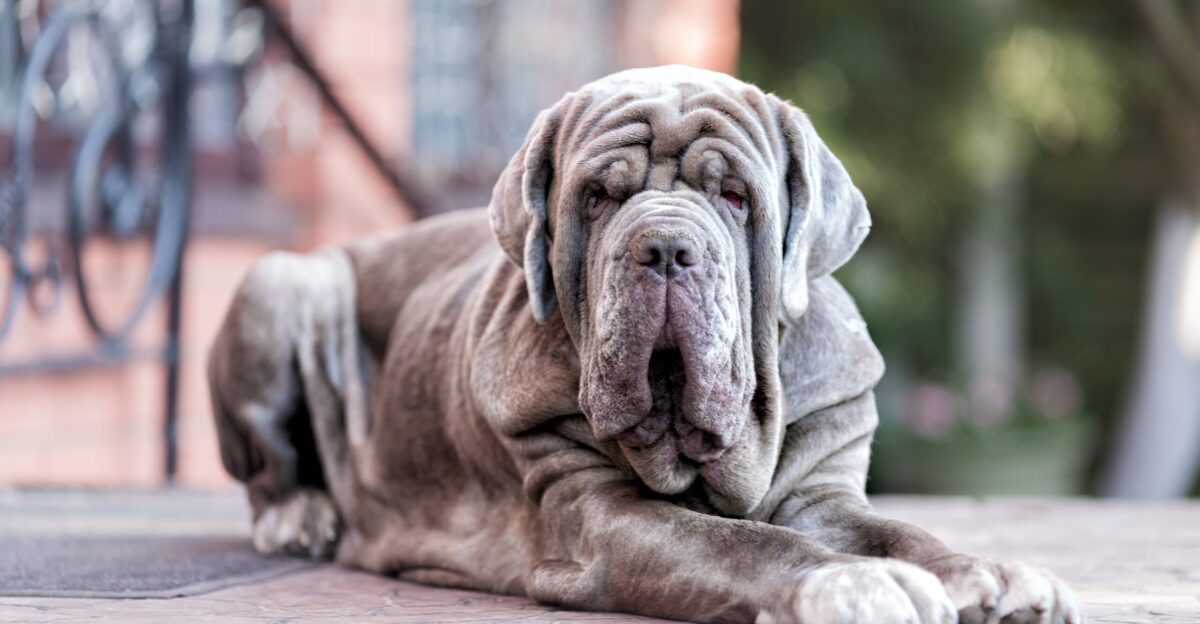
Neapolitan Mastiffs’ massive frames and serious expressions can intimidate, but trainers say they are affectionate giants. With patience and positive guidance, they thrive, showing playful sides alongside calm loyalty. Early socialization ensures safe interactions with humans and pets, while mental stimulation channels energy positively.
Owners often describe Mastiffs attempting to curl onto laps, panting happily, or nudging for attention. Far from stubborn or aggressive, they respond to leadership and affection, revealing personalities that blend gentleness, devotion, and humor. He said that their imposing physical presence belies enormous hearts filled with playful curiosity and family devotion.
11. Chihuahuas—Small but Misunderstood
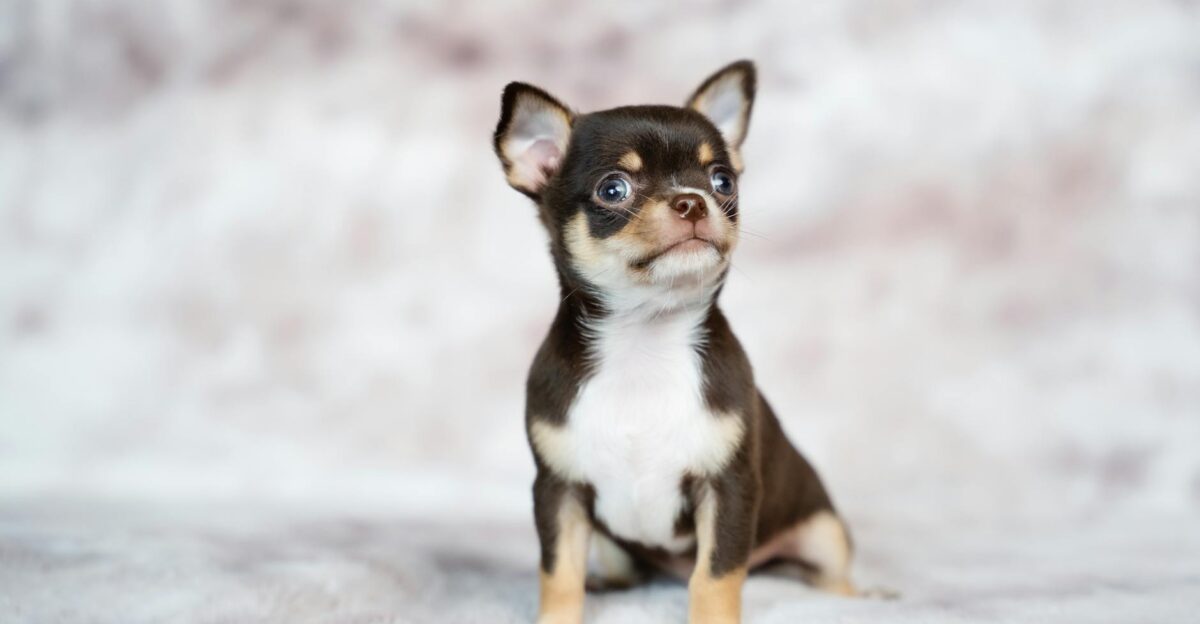
Chihuahuas are often labeled yappy or snappy, but trainers say size frequently masks intelligence and loyalty. High shelter surrender rates usually result from inconsistent training rather than breed traits. With proper guidance, Chihuahuas are affectionate, confident, and playful, bounding around the home, curling up on laps, or carefully watching children.
Their boldness reflects survival instincts, not aggression. Owners report surprising courage and devotion, proving that tiny dogs can have giant hearts. Observing one trot across a yard or snuggle beside a favorite human highlights their playful, loving personalities, which are shaped more by upbringing than breed.
12. Dalmatians—Spotted but Stereotyped
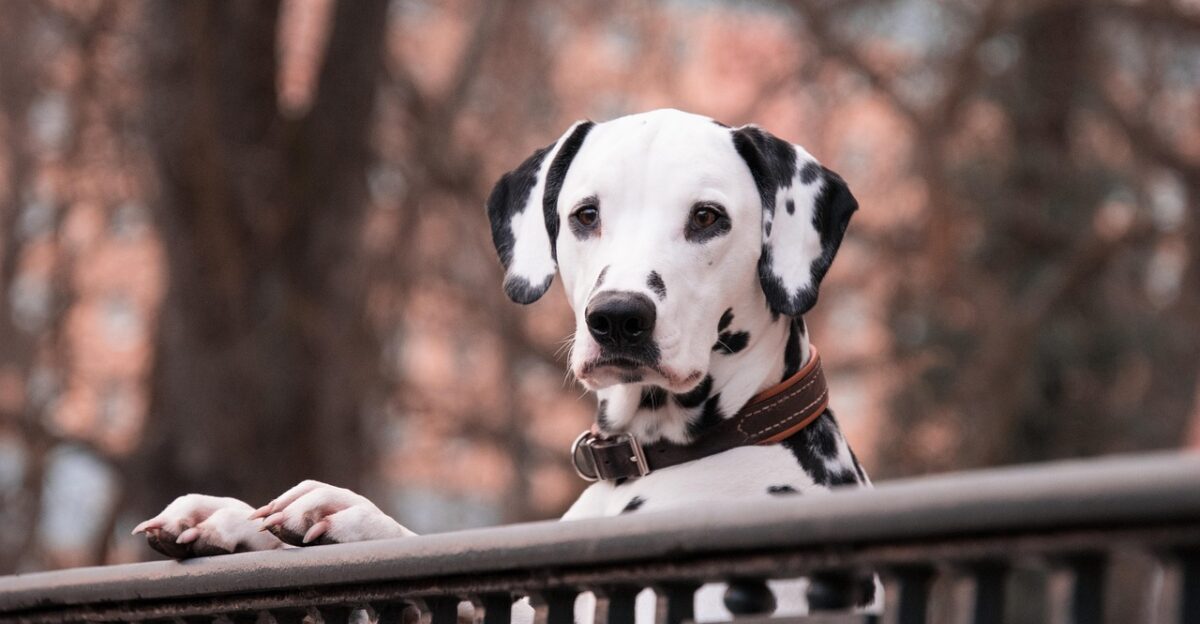
Dalmatians’ high-energy reputation often comes from media portrayals, yet trainers and veterinary records show most are affectionate and trainable. They thrive on activity like running through yards, chasing balls, or rolling in the grass, requiring physical and mental stimulation. Misunderstandings arise from isolated incidents rather than true breed tendencies.
Owners report that Dalmatians are loyal companions with a zest for life. Observing a Dalmatian bounding through a field or resting beside a human reveals their playful and affectionate side. Experts say spots alone don’t define temperament, and proper care allows these dogs to display intelligence, energy, and devotion.
13. Boxers—Goofy Protectors with Endless Energy
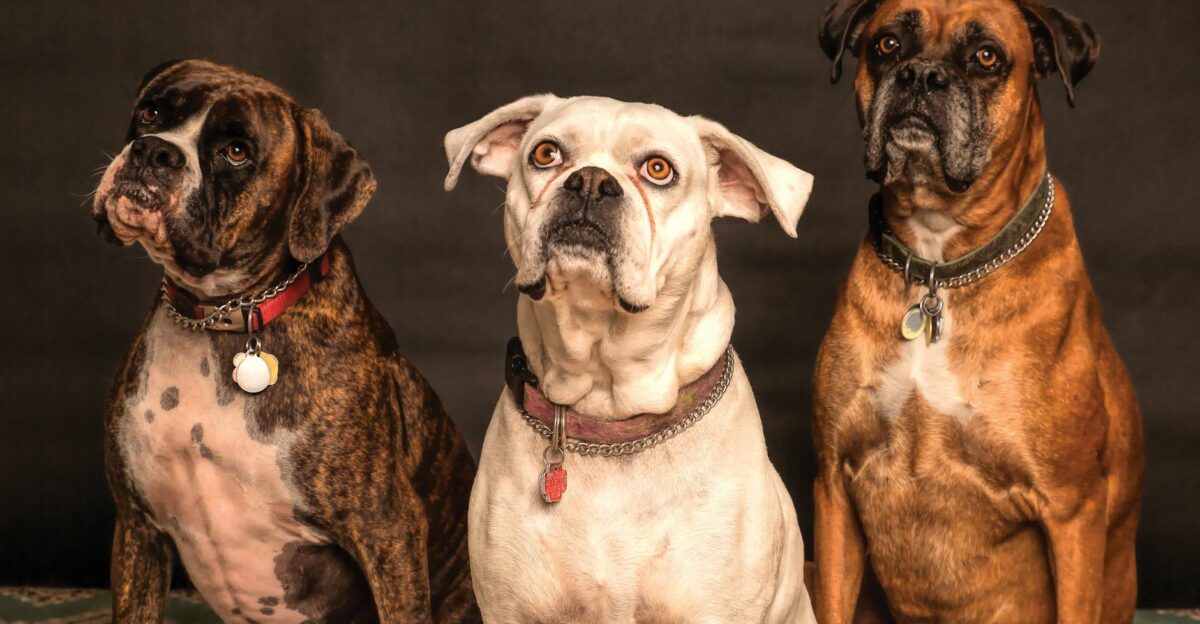
Boxers are energetic and affectionate, often misread as hyperactive. Trainers say their enthusiasm blends seamlessly with loyalty and family bonding. They delight in playful wrestles, zoomies through the yard, and gentle interactions with children. Structured training channels energy, while intelligence and eagerness to please make them highly trainable.
Owners call them “clowns” for expressive faces and comedic antics, showing humor alongside protectiveness. Observing a Boxer chasing a ball or resting with a child highlights their combination of vigilance, playfulness, and affection. Misunderstood as uncontrollable, these dogs thrive on both fun and family devotion.
14. Dachshunds—Bold Spirits in Small Bodies
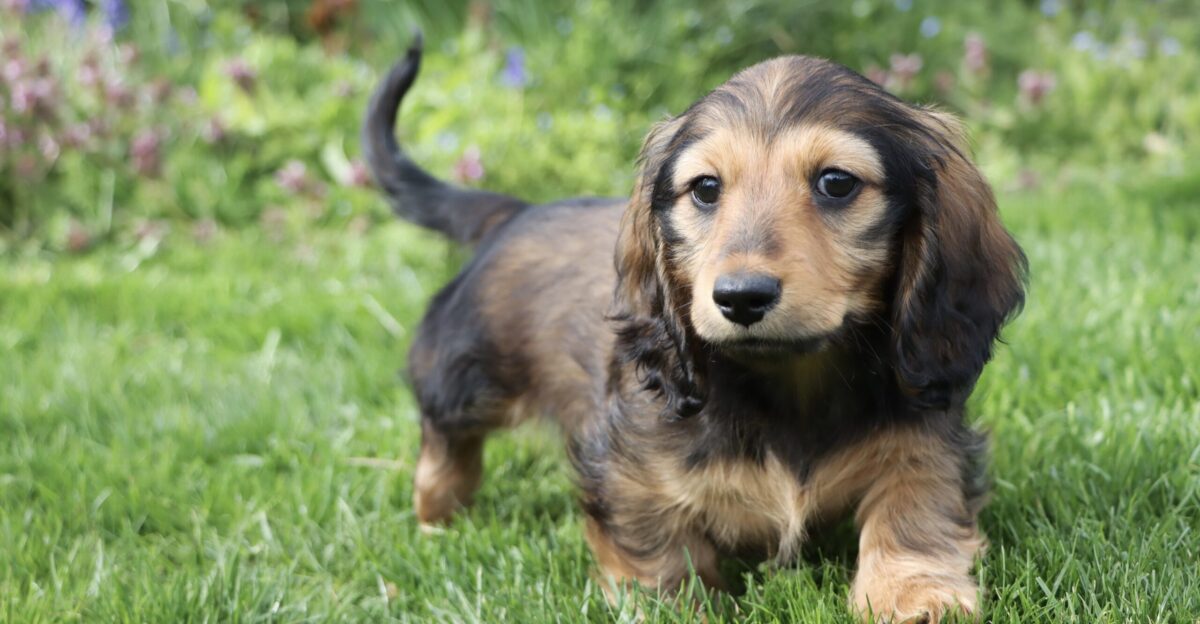
Dachshunds’ fearless personalities often earn them labels of stubbornness. Experts note they are intelligent, determined, and curious, bred to hunt badgers. With proper training and mental stimulation, they become affectionate, playful companions, digging in yards, tugging at toys, or curling under blankets. Their small size can mislead observers about their courage.
Owners praise their dramatic antics and clever problem-solving, revealing bold personalities in tiny packages. Trainers say proper guidance unlocks Dachshunds’ affectionate, loyal, and entertaining side, making them spirited family members capable of both play and devotion, defying common stereotypes.
15. Collies—Gentle Herders with Golden Hearts
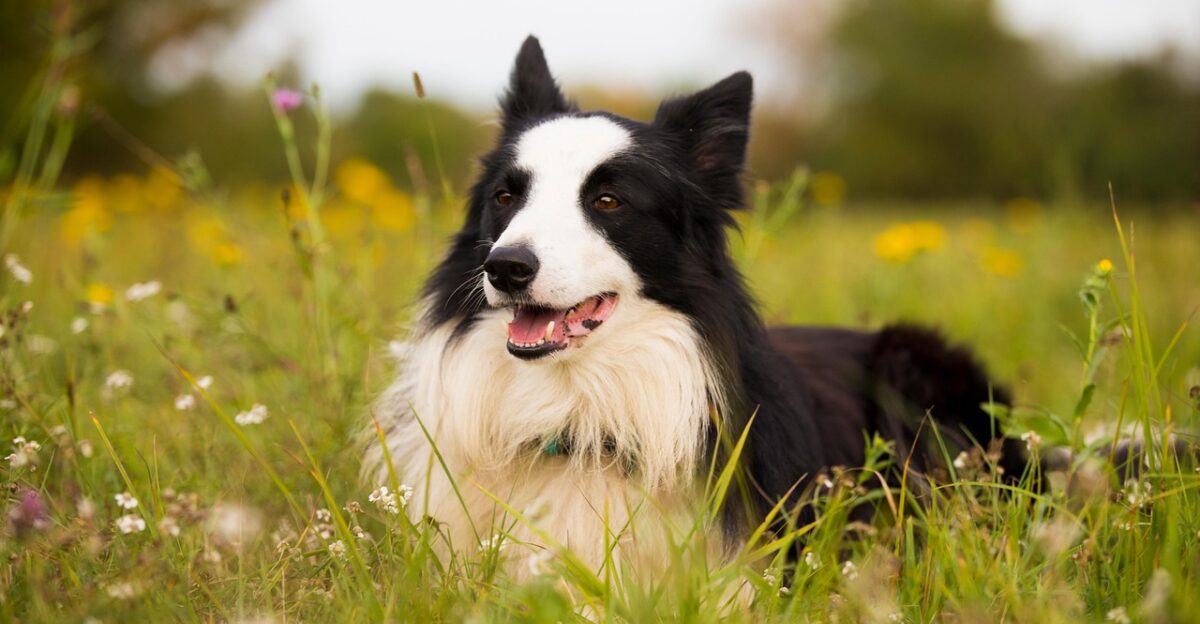
Collies are sometimes misunderstood as aloof or unfriendly with children. Their herding instincts may cause nudges, but this behavior reflects protection, not hostility. Owners report affectionate, playful, and devoted dogs who enjoy running, fetching, or curling beside family members. Trainers note Collies’ intelligence and eagerness to please allows them to bond closely, anticipating needs or joining in games.
Misunderstanding their herding tendencies has led to unnecessary rehoming. When nurtured, Collies blend protective instincts with playful, heartwarming antics, enriching family life and proving that their gentle, loyal personalities outweigh outdated misconceptions.
16. Bulldogs—More Than Just Couch Potatoes
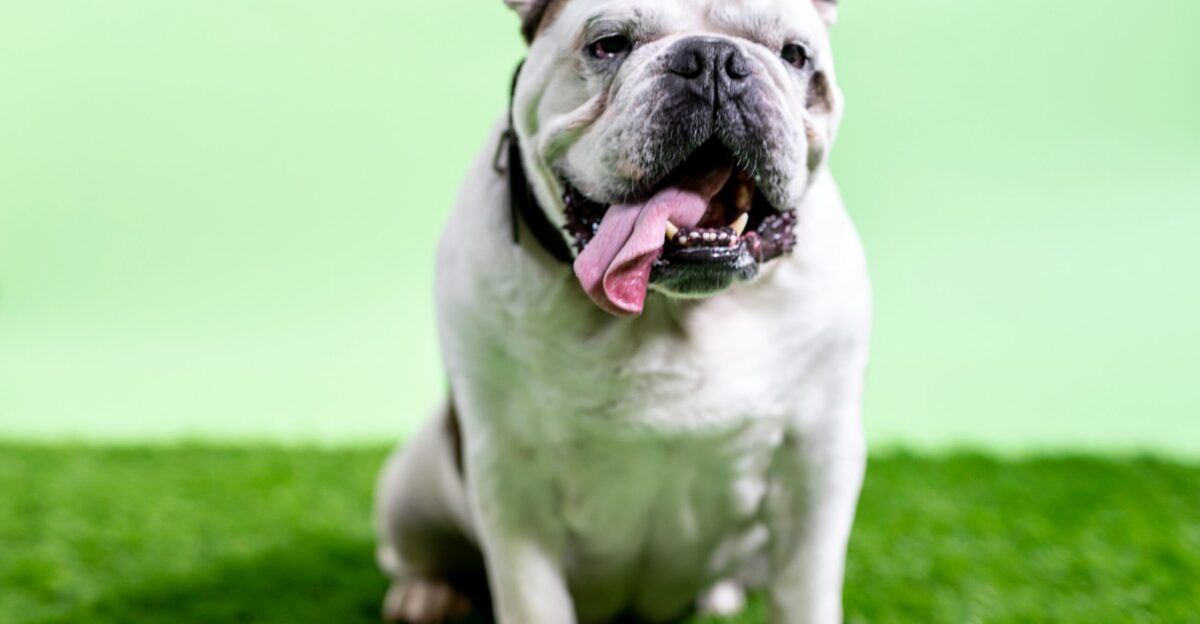
Bulldogs are often seen as lazy, yet trainers say they enjoy moderate exercise and playful interactions. Their stocky build requires care, but most relish short walks, chasing toys, or snuggling on laps. She said that poor breeding, not breed traits, drives many health concerns. Owners describe Bulldogs as goofy, affectionate, and loyal, showing playful bursts alongside long naps.
Observing a Bulldog sprawled in sunlight, playfully nudging a human, demonstrates how stereotypes miss their loving, playful, and entertaining personality. With proper care and attention, Bulldogs can be calm and delightfully fun, providing companionship that surprises many first-time owners.
Every Dog Deserves to Be Seen as an Individual
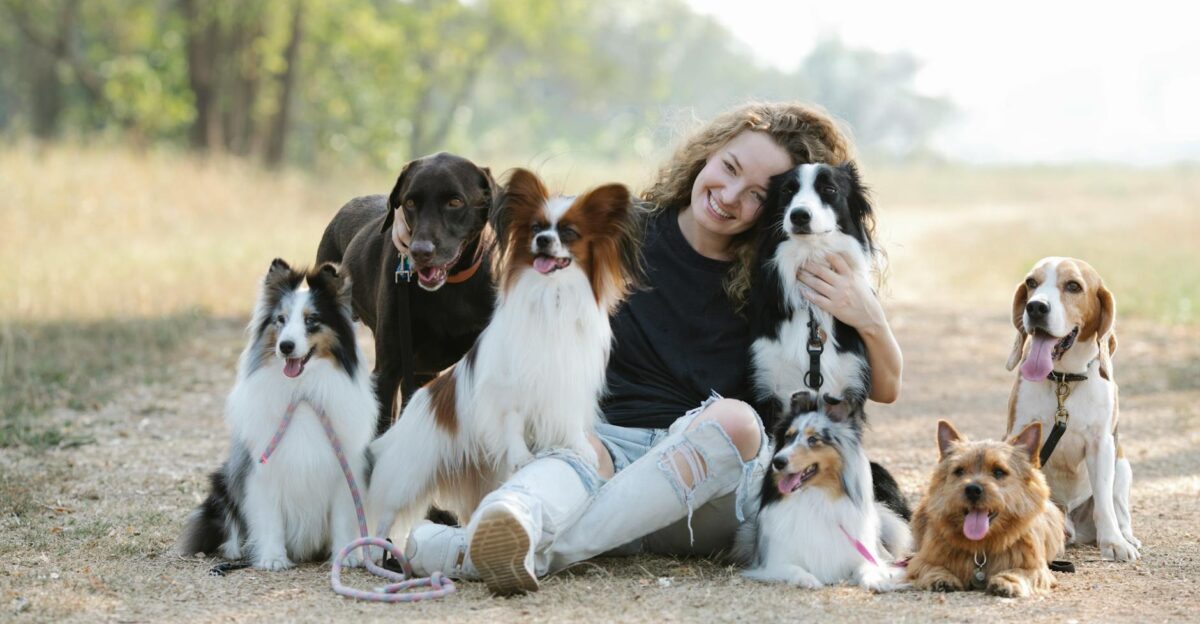
Scientific consensus and trainers agree that a dog’s breed tells you almost nothing about its behavior. What matters most is upbringing, environment, and socialization, not labels or stereotypes. Misunderstandings limit adoption, reinforce unfair laws, and unfairly brand certain breeds as dangerous.
Every dog, from a zooming Husky to a tiny, watchful Chihuahua, from a loyal Pit Bull to a goofy Bulldog, carries the potential for love, loyalty, and joy. Watching a dog chase a ball, tumble in the grass, or curl up with a child reveals a truth that stereotypes cannot touch: there are no “bad breeds.” Dogs can thrive as devoted, playful companions with responsible care and attention to personality.