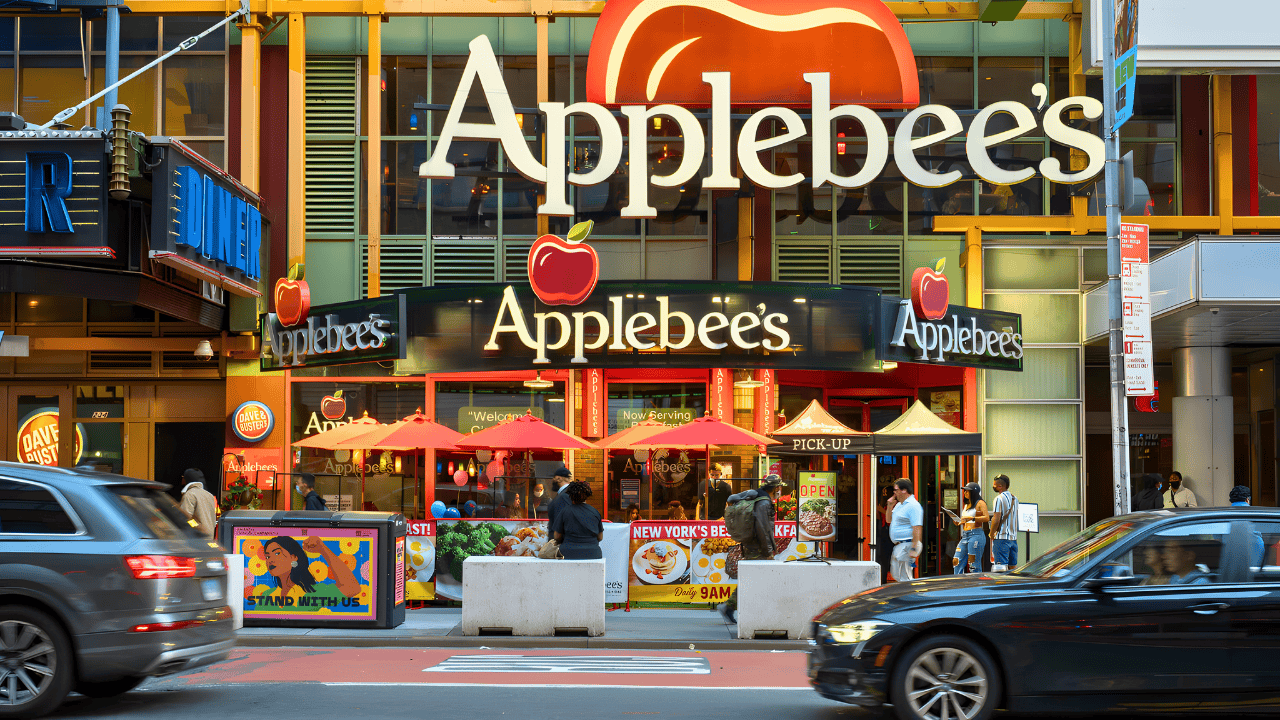
America’s casual dining chains, once bustling hubs of family meals and late-night cravings, have faced unprecedented closures. Nearly 350 full-service restaurants shut down in recent years, including household names battered by pandemic debt and changing consumer habits. Full-service outlets shrank 18% since 2019, with 16 companies filing for bankruptcy in 2024 alone.
The Casual Dining Decline
Seventy-five percent of restaurant visits now occur off-premise through takeout and delivery, a shift accelerated by the pandemic, leaving chains burdened by loans they took to survive. Leaders responded by slashing food costs, reducing staff, and minimizing training. Menus now feature frozen fries from bags and bottled dressings. Customers noticed the drop in quality immediately, leading to evaporating loyalty. What began as survival tactics accelerated the downfall of these establishments.
Cost-Cutting Consequences
Financial strain forced chains to choose between investing in quality or trimming expenses. Most opted for cuts, swapping suppliers and thinning menus. Reputation suffered as diners encountered burnt food, cold meals, and inconsistent service. Prices stayed high despite the decline, prompting widespread complaints on review sites. Bankruptcy filings in 2024 and 2025 underscored the damage: short-term savings eroded the core appeal that drew crowds for decades.
Nine Chains in Freefall
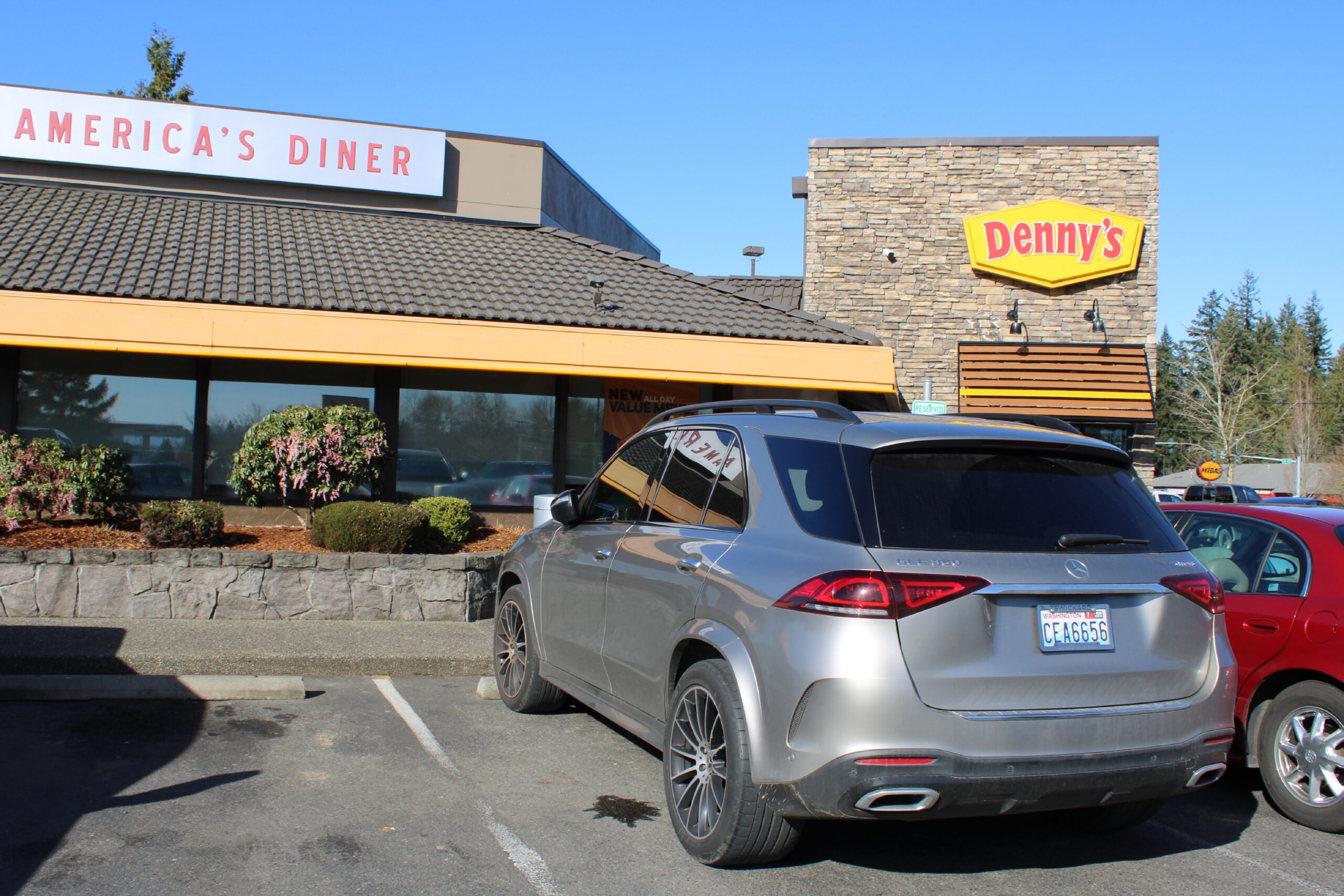
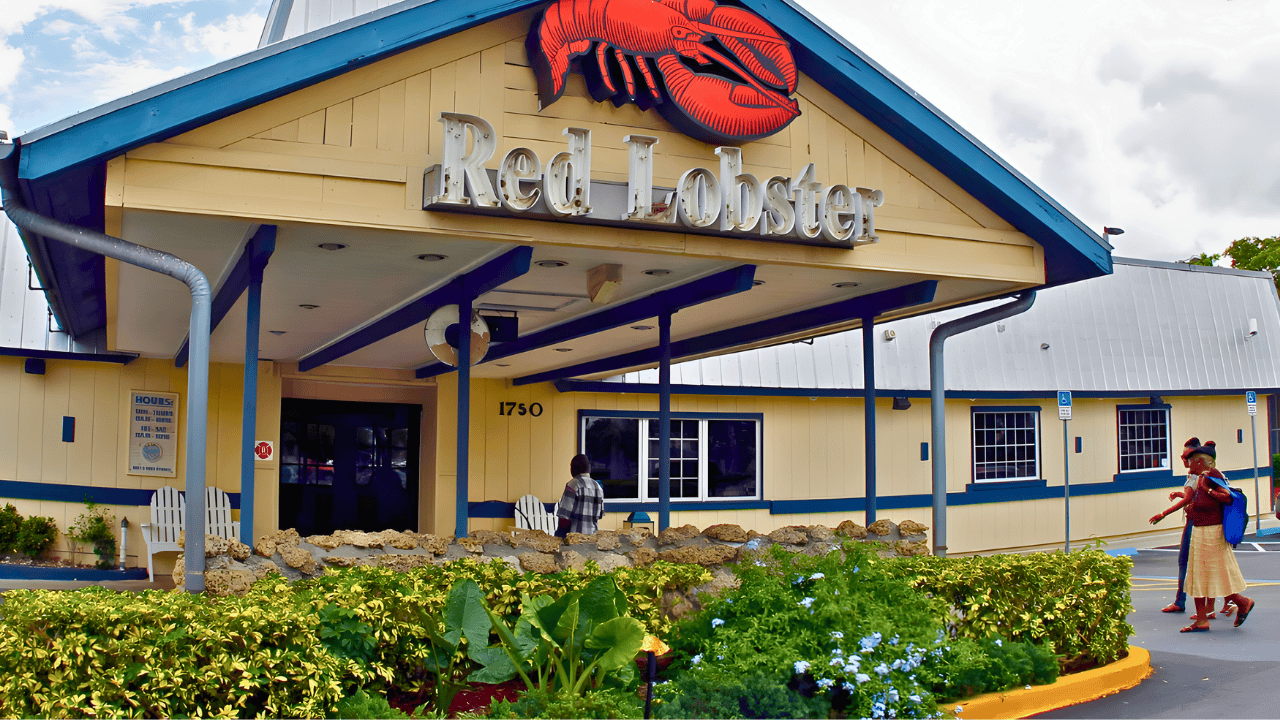
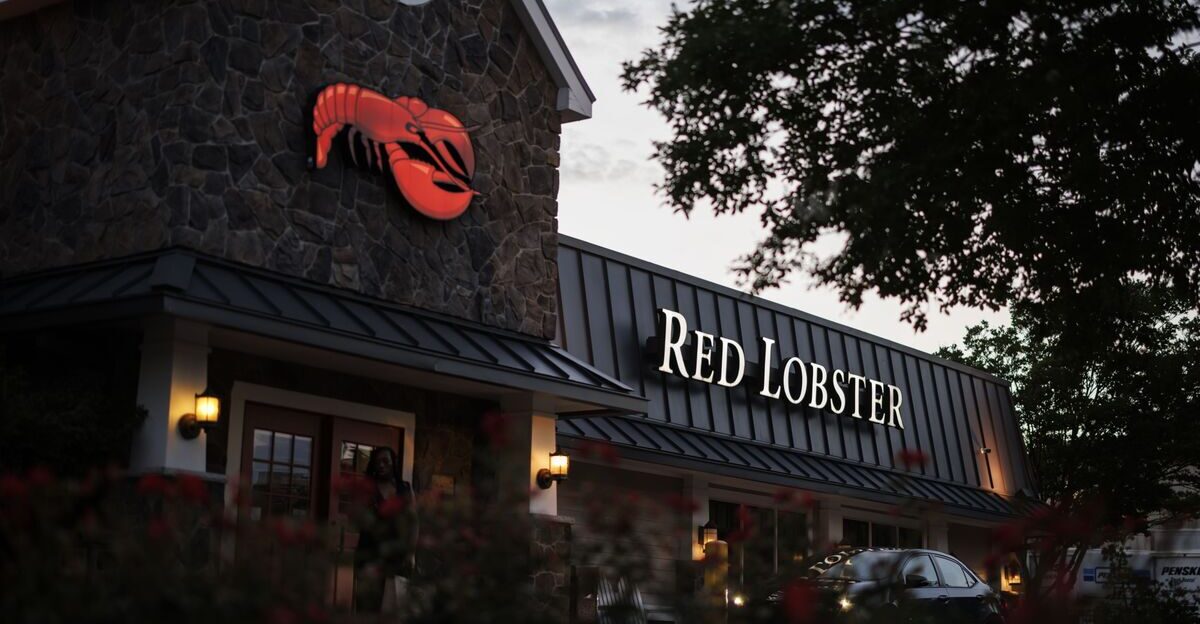
Nine prominent chains exemplify the crisis, with closures ranging from 35 to 134 locations. Applebee’s endured nine years of negative growth, closing 35 outlets by 2024 with same-store sales down 4.7%. Denny’s shuttered 73 spots amid complaints of bland Grand Slam breakfasts and erratic service. TGI Fridays lost 134 locations, sales plunging 43.5%, as signature preparations gave way to cost-cutting measures. Red Lobster filed for bankruptcy in May 2024 after 131 closures, its endless shrimp promotion turning into a costly misstep that resulted in $11 million in losses.
The fallout continued with Hooters facing 2025 bankruptcy after 41 closures and 16% sales drops. On The Border closed 40 locations before its March 2025 filing, hit by private equity-driven cuts. Frisch’s Big Boy lost 60% of its footprint—57 sites—alienating fans of its burgers and hot fudge cake. Outback Steakhouse saw traffic decline over 4%, with overcooked steaks drawing criticism. Ruby Tuesday, post-2020 bankruptcy, closed over 185 more locations, leaving remnants struggling with poor quality and high prices.
Shared Path to Ruin
A common pattern links these chains: pandemic debt led to falling traffic, prompting quality cuts over innovation. Executives bet on nostalgia to retain customers, but it failed. Meanwhile, competitors like Chili’s achieved remarkable same-store sales growth of 24%, while Texas Roadhouse posted 8.5% growth through quality focus. Olive Garden held steady by maintaining standards. These successes highlight that financial pressures do not require mediocrity.
Impacts on Workers and Communities
Tens of thousands of jobs vanished, displacing staff from roles that sustained families. Neighborhood anchors disappeared, erasing spots for celebrations and gatherings. Corporate priorities favored debt repayment over service and ingredients, creating ripple effects beyond balance sheets. Communities lost not just eateries but social fabric, while diners faced inflated prices for subpar experiences.
The Road Ahead: Rebuild or Fade Into Irrelevance
Looking ahead, the casual dining landscape has shifted toward fast-casual and delivery options. Surviving chains must rebuild trust through quality investments, or risk permanent irrelevance. Consumers hold the power, rewarding those that deliver value amid ongoing economic challenges.
Sources:
The Casual Dining Collapse: How Private Equity and Pandemic Debt Destroyed America’s Favorite Restaurants. Restaurant Business Online, December 2024.
CNN, May 2024.
TGI Fridays’ Rise and Disastrous Fall. CNBC, March 2024.
Applebee’s Nine-Year Decline: Why Unit Growth Turned Negative. Nation’s Restaurant News, November 2024.
Ruby Tuesday: 185 Locations Closed Since Bankruptcy Emergence. Restaurant Dive, January 2025.
Chili’s 24% Sales Growth vs. Casual Dining Collapse: The Quality Difference. Black Box Intelligence, December 2024.