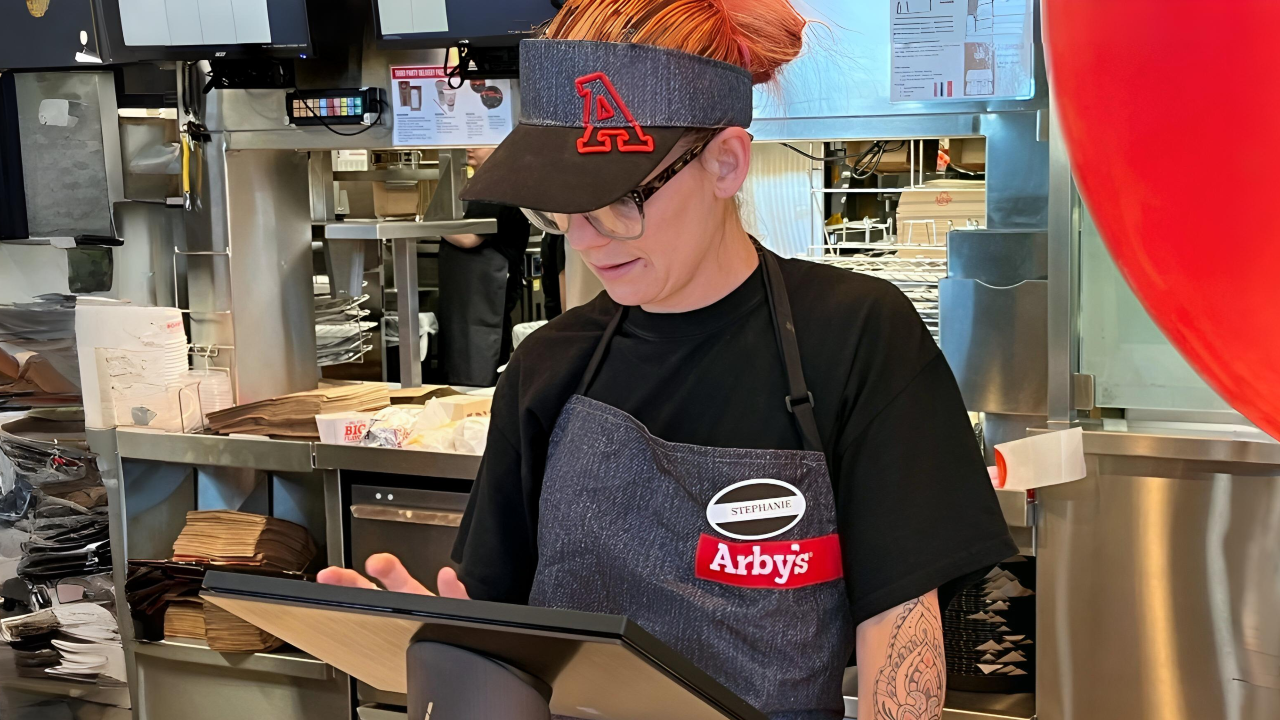
America’s fast-food sector confronts its most severe downturn in a decade, with consumer spending at casual dining chains falling 12% over the past 18 months. Now, 62% of Americans consider fast food a luxury beyond their means, as thin profit margins crumble under multiple strains.
Inspire Brands, valued at $29.5 billion and owner of Dunkin’, Buffalo Wild Wings, Sonic, Baskin-Robbins, and Jimmy John’s, posted a 6.3% sales drop in 2024—its first major decline in years. Arby’s, the 61-year-old roast beef chain, suffered the sharpest fall, vulnerable due to its reliance on premium beef amid persistent inflation. Franchisees grappled with cash shortages, mounting real estate costs, and bankruptcies, forcing a widespread retreat.
Built for a Different Era
Arby’s launched in Boardman, Ohio, in 1964 amid suburban growth, thriving on thick-sliced beef sandwiches that symbolized abundance. The model expanded to over 3,300 locations, securing its spot as America’s third-largest sandwich chain. Success hinged on cheap beef, steady wages, and reliable foot traffic. By 2024, those pillars eroded: beef prices soared, labor costs spiked, and suburban sites turned into costly burdens. Leaders faced a stark choice—modernize or consolidate in viable markets.
The Squeeze Tightens

Three forces converged from 2024 to 2025. California’s $20 minimum wage rendered locations unprofitable. Beef costs remained elevated, eroding margins on core menu items. Families shifted to home cooking or grocery meals, slashing visits. Quick-service restaurant traffic plunged 8% year-over-year in Q4 2024, per industry data. Franchisees buckled: some filed for bankruptcy, others shuttered sites abruptly, with employees discovering closures via locked doors and scant notice.
Quiet Closures Across Eight States
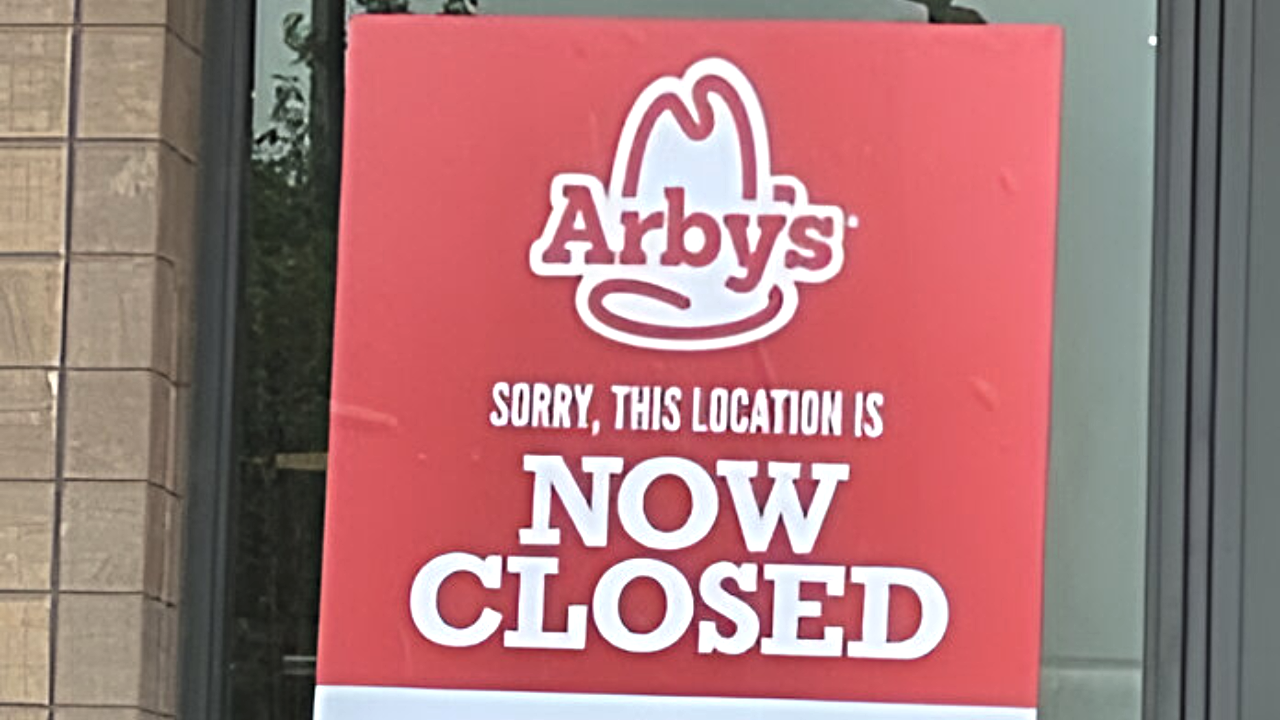
Between January and October 2025, Arby’s closed 14 to 19 outlets in eight states without fanfare: Tennessee (4), Florida (4), New Jersey (5), California (2), Maryland (1), Delaware (1), South Carolina (1), and Washington (1). No corporate announcement followed. Patrons encountered forwarding signs on locked doors; local reports pieced together the scope from Yelp changes, property listings, and resident posts. Adding 48 closures from 2024, the pattern signals a deliberate contraction.
Tennessee and Jacksonville bore the brunt. In October 2025, Tennessee lost four longstanding sites in Cordova, Germantown, Memphis, and Murfreesboro—areas with steady traffic but overwhelmed by real estate and wage hikes. Franchisees noted units bled money despite customers. Jacksonville saw four corporate-owned stores close in March 2025 along Butler Boulevard, Atlantic Boulevard, Baymeadows Road, and Southside Boulevard, including a 40-year anchor. These aligned shutdowns underscore parent-company strategy.
Franchisee Struggles and Industry Echoes

A franchisee crisis fueled the wave. Louisiana’s Miracle Restaurant Group, running 25 Arby’s, entered Chapter 11 bankruptcy in mid-2024, blaming weak sales and delayed refunds; it employed 322 staff across those sites. Surviving operators voiced private dismay over scant corporate aid amid doubled commodity costs and rigid wage mandates. Arby’s responses—dollar-menu tests, shorter hours, app enhancements—failed to offset real estate bills of $8,000 to $12,000 monthly or labor at 35% of sales.
The pain ripples industry-wide: Wendy’s eyes 300 closures, Denny’s 150-plus, Jack in the Box 72 to 120. Unlike the 2008 slump, traffic isn’t rebounding with economic signals. Job losses mount invisibly; 14-19 confirmed 2025 closures imply 280 to 420 affected workers at 20-30 per site, though reports suggest 1,400 across the states, hinting at unreported sites.
Leadership’s Muted Response
Inspire Brands issued no overhaul announcements, leadership changes, or rebranding. Roark Capital Group, its backer, stayed quiet. Analysts doubt recovery amid structural woes: permanent wage hikes, shifting youth habits toward delivery, and no pricing power. More trims loom as Arby’s contracts to sustainable size.
As 2026 unfolds, the chain risks shrinking 15-25% to 2,500-2,800 locations in three to five years, testing franchise viability and worker stability. Without transparent strategy, silence defines the path forward for this enduring brand.
Sources:
TheStreet, Arby’s closures and fast-food industry crisis coverage, December 2025
Nation’s Restaurant News, Inspire Brands financial performance and Arby’s contraction analysis, May 2025
Yahoo Finance, Arby’s restaurant closures and analyst commentary, December 2025
AllRecipes, Fast-food industry trends and Arby’s closure reporting, November 2025
National Restaurant Association, Consumer dining sentiment and QSR traffic data, Q4 2024
Restaurant Business Online, Franchisee perspectives on Arby’s operational challenges, December 2024