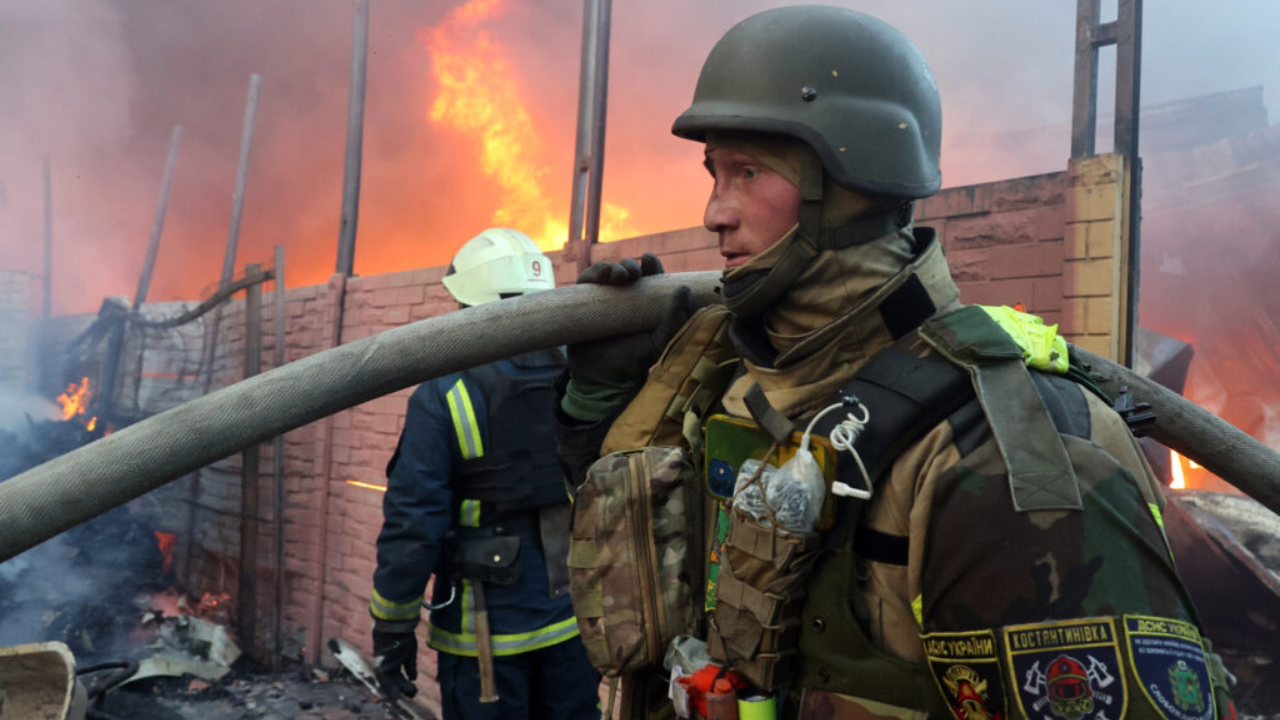
Three senior Russian military officers are dead in Moscow, a city meant to be Russia’s most secure. Between December 2024 and December 2025, Ukrainian intelligence carried out 3 precision assassinations of generals tied to key wartime functions. These were not random attacks but targeted operations exposing Russian security gaps and modern asymmetric warfare. The Kremlin’s worry is obvious: if generals are vulnerable at home, what is protected anymore?
A Pattern That Changed Moscow’s Mood
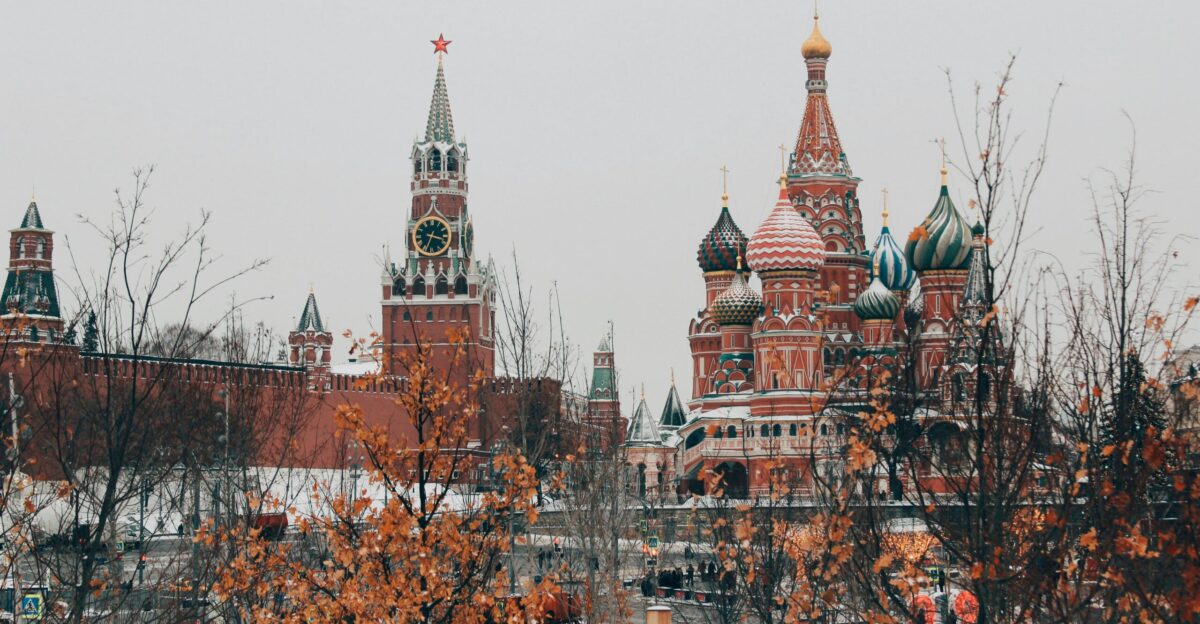
A pattern of targeted assassinations unfolded across Moscow’s streets and suburbs. 3 lieutenant generals tied to chemical defense, operational planning, and military training were eliminated by explosions. Each death stripped rare expertise from Russia’s wartime hierarchy. Intelligence officials suspected Ukraine orchestrated all 3 operations. Analysts called them Ukraine’s most sophisticated strikes inside Russia, and the timing made the pattern hard to ignore.
Igor Kirillov And A Toxic Reputation
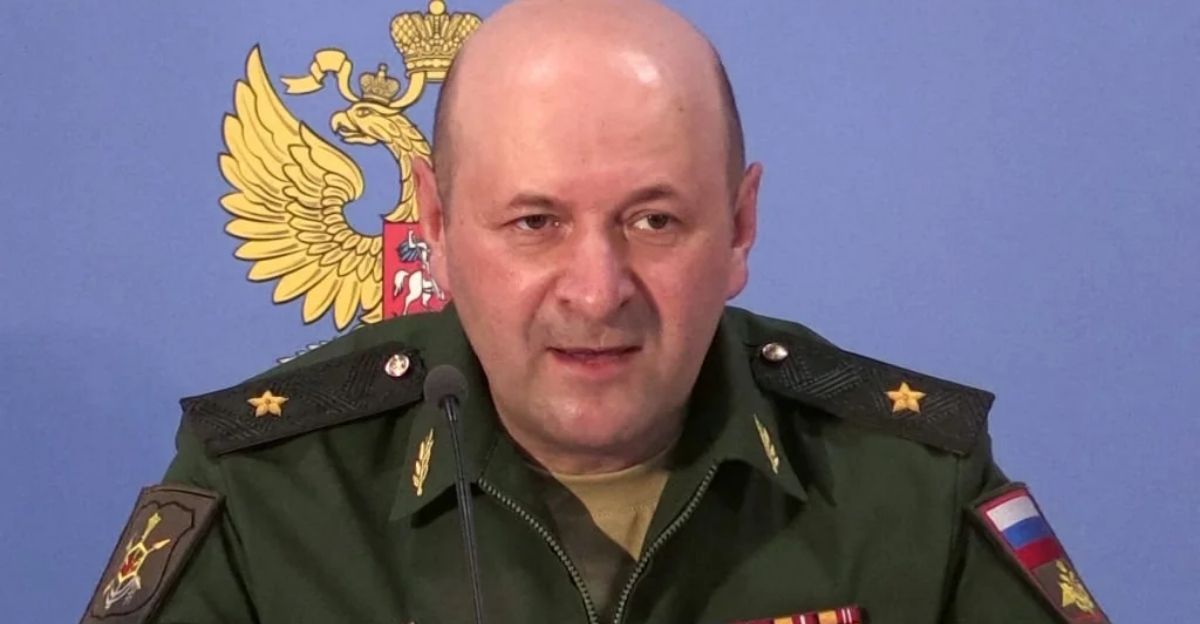
Igor Kirillov, 54, led Russia’s Radiation, Chemical, and Biological Defense Troops, the unit linked to chemical weapons use. Ukrainian and Western authorities documented 4,800 chemical deployments in Ukraine since February 2022 under his command. He promoted Kremlin narratives on TV and was sanctioned by the U.S., U.K., and Canada for banned agents, including chloropicrin. His case was already escalating.
A Scooter Bomb Outside His Home
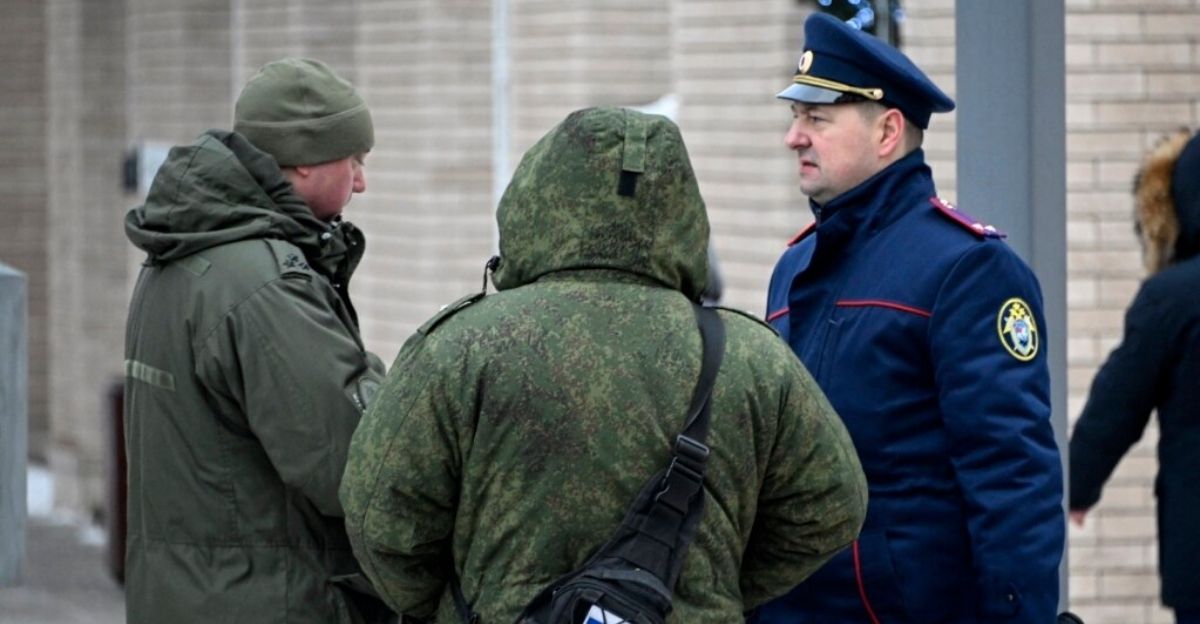
December 17, 2024, 6:12 a.m. Moscow time: Kirillov left his apartment on Ryazansky Prospekt. A modified electric scooter bomb held 300 grams of TNT equivalent. A Ukrainian intelligence officer livestreamed from Dnipro. The blast killed Kirillov and aide Ilya Polikarpov, shattering nearby windows. Uzbek national Akhmadzhon Kurbonov was arrested, confessing to $100,000 and a European passport. Ukraine soon spoke plainly.
Why Kirillov Was Called A “Legitimate Target”
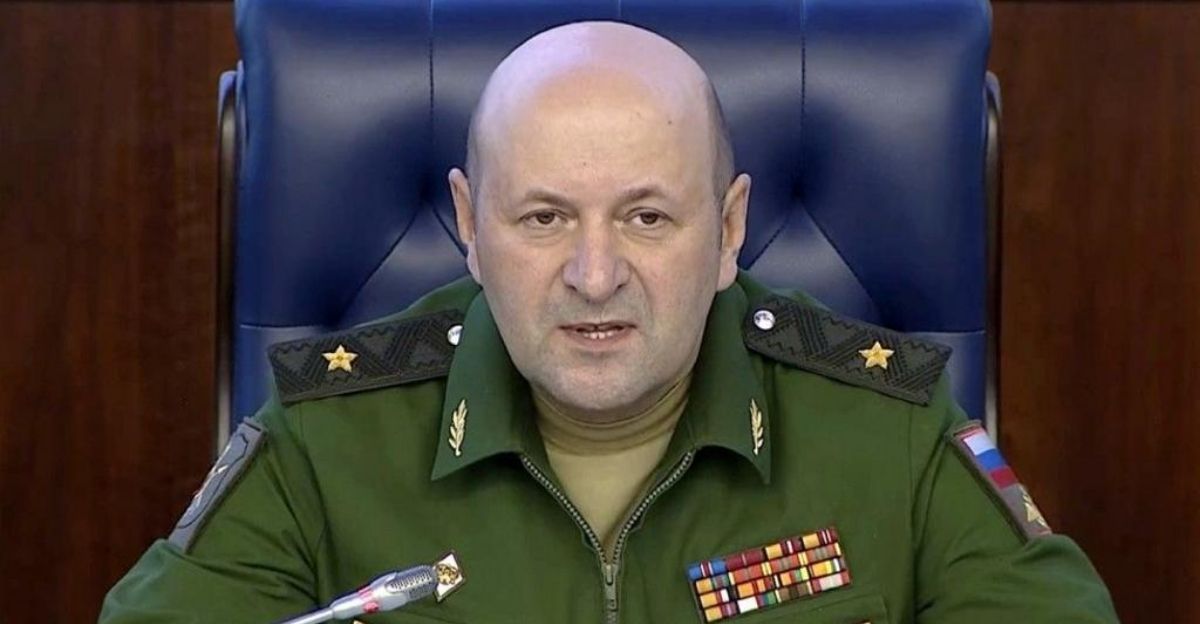
Ukraine’s security service claimed responsibility and framed Kirillov as accountable for chemical attacks. It called him “a war criminal and a perfectly legitimate target.” The public claim was notable because many covert operations stay officially unclaimed. Coming 1 day after Ukraine charged him with war crimes, the timing signaled intent, not coincidence. Still, a second strike soon reinforced this was not a one-off.
Yaroslav Moskalik And Russia’s “Operational Brain”
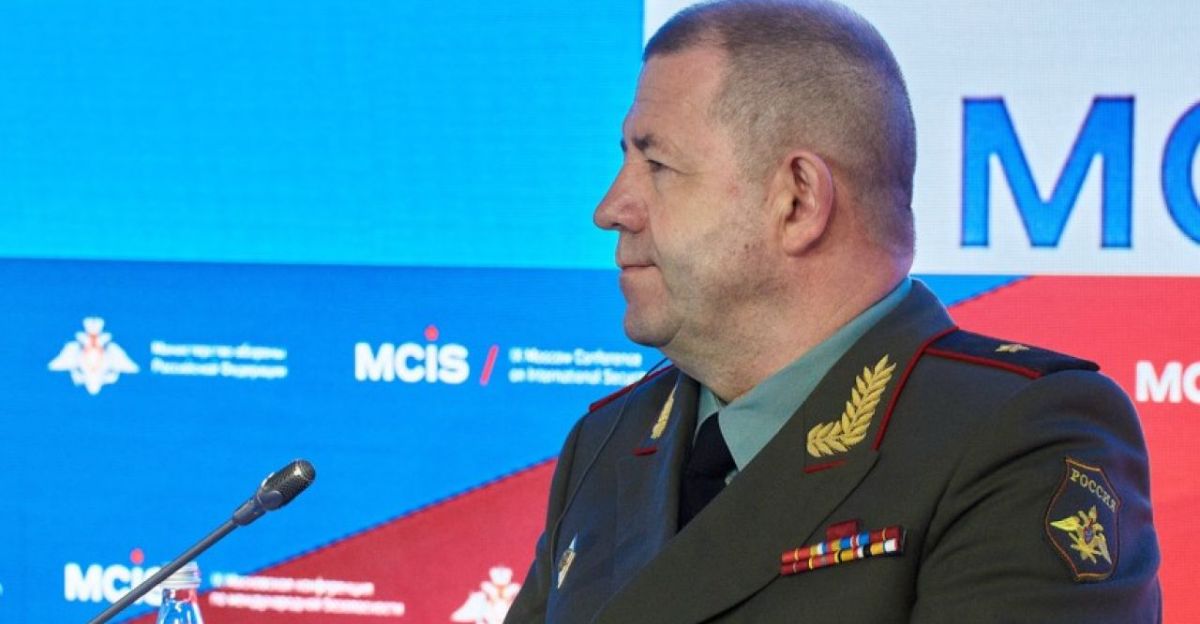
Yaroslav Moskalik, 58, served as deputy chief of the Main Operational Directorate of the General Staff, the body coordinating Russian military operations. He represented Russia in 2015 Paris negotiations and worked within Normandy Format discussions. Promoted to lieutenant general in December 2021, he carried decades of planning knowledge. Losing him meant more than optics, because his job touched every major battlefield decision.
A Car Bomb In Balashikha
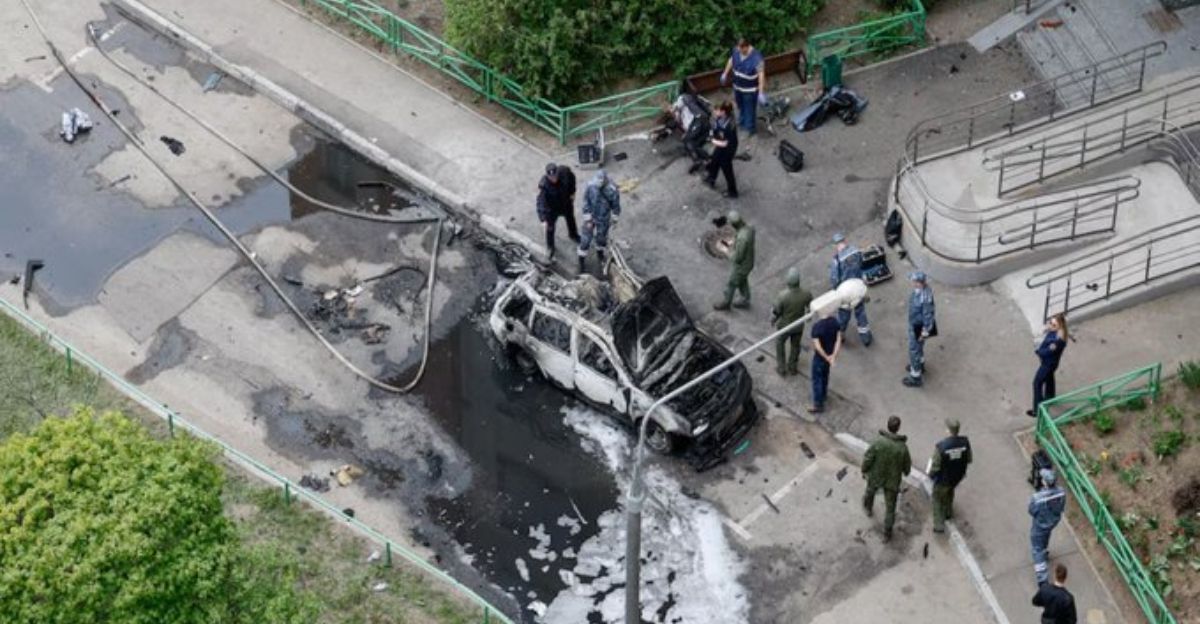
April 25, 2025, 10:40 a.m.: Moskalik drove near his home in Balashikha when an improvised device detonated beneath his Volkswagen Golf. The explosion wrecked the vehicle and shattered nearby windows. Authorities arrested 42-year-old Ignat Kuzin, who previously lived in Ukraine, and he confessed for $18,000. Zelenskyy referenced “elimination of senior command personnel,” and Kuzin later received life imprisonment. Was Moscow still secure?
Fanil Sarvarov And The Training Pipeline
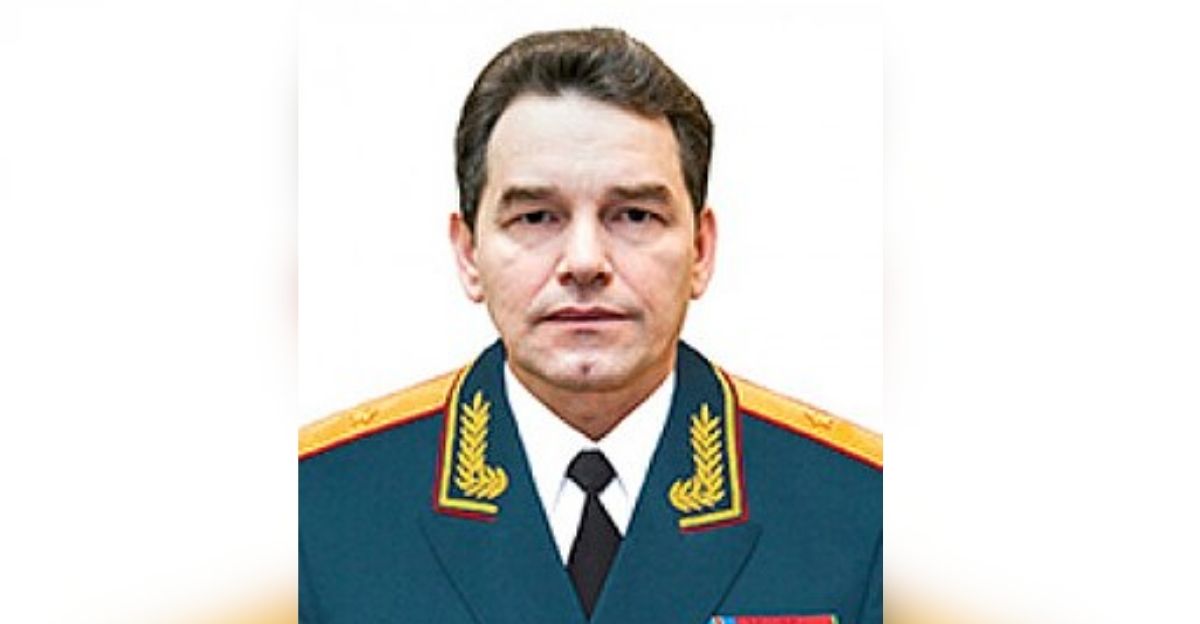
Fanil Sarvarov, 56, headed Russia’s Operational Training Directorate, responsible for preparing forces before deployment. He had experience including service in Syria in 2015-2016. His death landed as Russia moved toward emergency manpower measures, targeting 261,000 new conscripts for 2026 through year-round drafting. Sarvarov was tied directly to making those conscripts usable. Removing him threatened readiness, not just morale, and the method would surprise investigators.
A Magnetic Mine Beneath A Kia
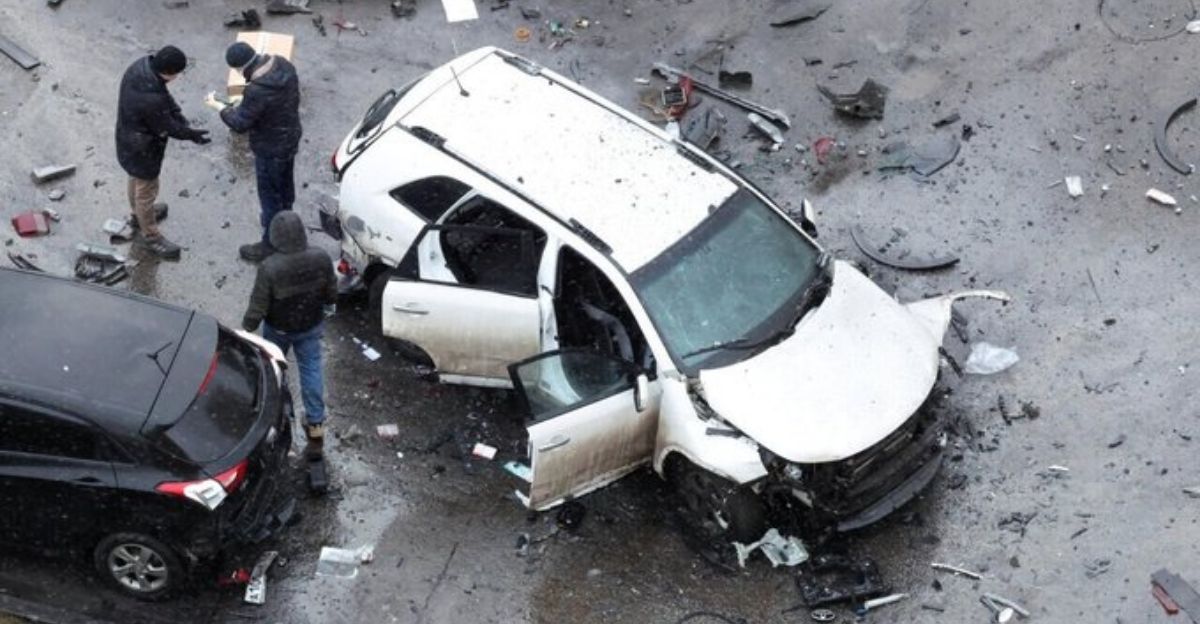
December 22, 2025, 6:55 a.m.: Sarvarov left a lot on Yaseneva Street in southern Moscow driving a Kia Sorento. An explosive device attached beneath the vehicle detonated as he moved. He suffered “multiple shrapnel injuries, closed fractures, leg injuries, and a fractured facial bone,” then died in hospital. Seven nearby vehicles were damaged. Russian investigators suspected Ukraine, but Ukrainian services stayed publicly silent, and the timing raised immediate questions.
Three Assassinations, Three Different Playbooks
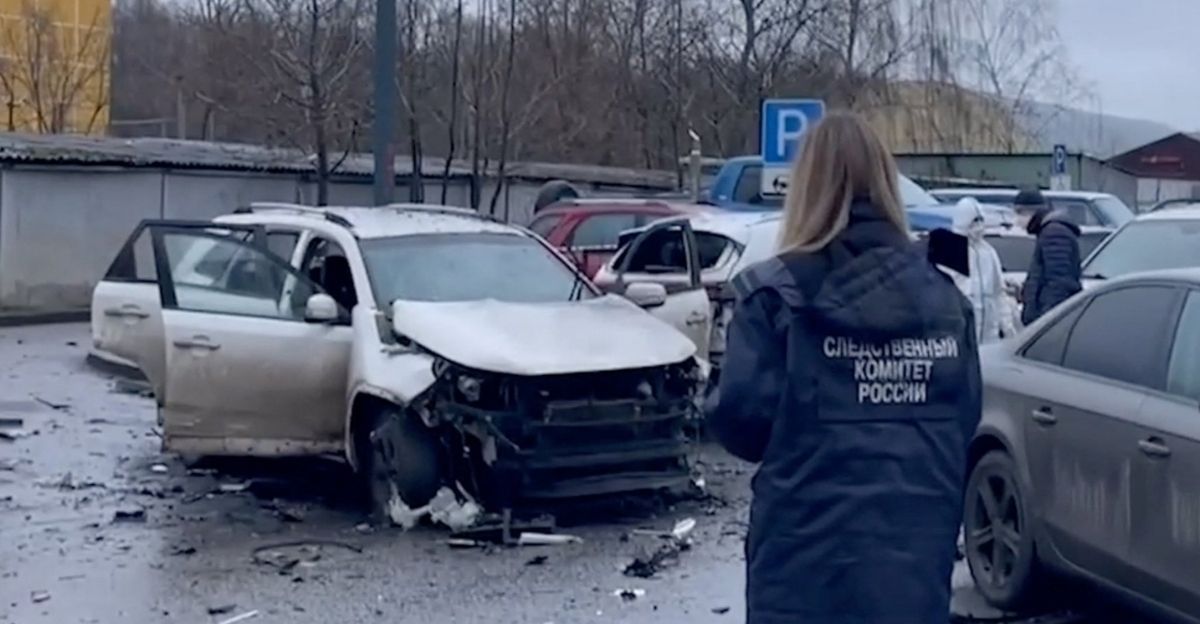
The 3 attacks showed 3 distinct methods. Kirillov was killed by an electric scooter bomb, remotely detonated and technically inventive. Moskalik died in a more traditional car bomb attack. Sarvarov was hit with a magnetic mine on a moving vehicle. Analysts saw progression and operational learning rather than random terror. Each technique matched the setting and target routine. Even the legal framing drew attention, hinting these were designed to look like wartime strikes, not traps.
How Moscow Became A Strike Zone
All 3 killings happened in Moscow or close suburbs, where the Kremlin, security headquarters, and the General Staff sit. Yet operators still surveilled targets, placed devices, and escaped. Early morning timing suggested detailed knowledge of routines. A focus on southern Moscow hinted at patterns in military housing or operational access. The strikes shattered the idea that rear areas stay safe. Still, one key moment made the campaign feel even more deliberate: Ukraine publicly owning one killing while hedging on others.
When Ukraine Chose To Speak
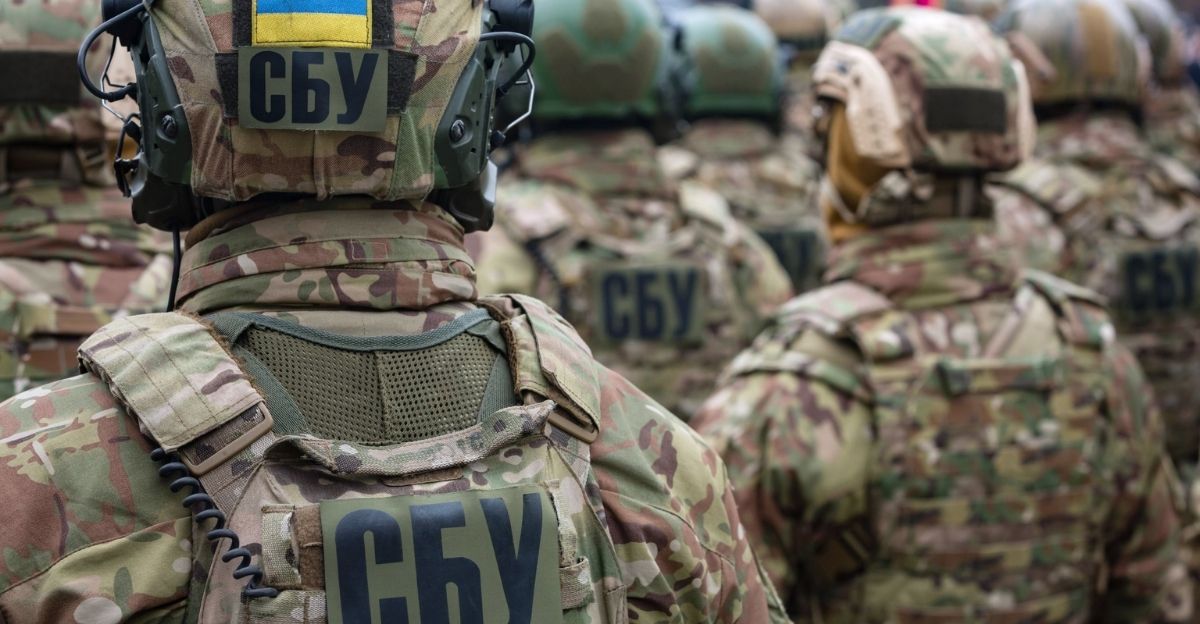
Ukraine’s Security Service described Kirillov’s death as war-crimes accountability. “Kirillov was a war criminal and a completely legitimate target, as he gave orders to use banned chemical weapons against the Ukrainian military. Such an inglorious end awaits all who kill Ukrainians. Retribution for war crimes is inevitable,” said a Ukrainian intelligence officer. Zelenskyy later cited “liquidation of senior command personnel.” Silence followed Sarvarov. That mix of clarity and ambiguity looked strategic, not accidental.
Why These Targets Were Not Random
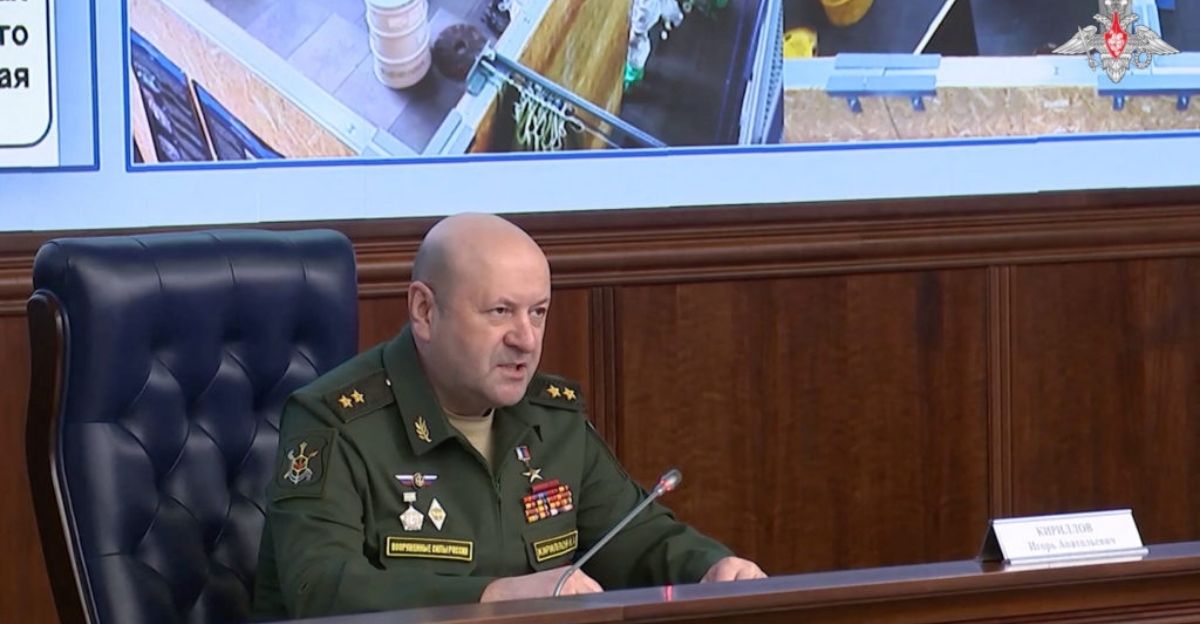
Each general represented a specific pressure point. Kirillov tied to chemical weapons use and international condemnation. Moskalik held command-and-control knowledge central to battlefield planning. Sarvarov oversaw training during a manpower surge. Together, the choices suggested a deliberate calculus: punish war crimes, disrupt operations, and degrade force generation. The psychological goal was obvious too, as senior officers reassessed personal safety. Analysts asked whether “rear area safety” still existed, and the answer seemed to shift daily.
What The UK Said About Command Damage
The UK Defense Ministry assessed that “the loss of so many high-ranking officers is likely to have had the effect of undermining command and control in parts of the Russian Armed Forces. This has likely contributed to Russian tactical and operational difficulties during the conflict.” Each death forced hurried reassignment and slowed decision cycles. New leaders needed time to inherit networks and routines. Russia kept fighting, but the organizational disruption piled up quietly. The question became why Russia still could not stop it.
A Security Apparatus That Looked Unready
Russian security agencies failed to prevent explosions killing senior generals in Moscow. After Kirillov, Putin reportedly told services to “learn from it and improve their efficiency,” yet 2 more assassinations followed within 8 months.
The FSB arrested suspects but did not block later attacks. Magnetic mines and scooter bombs appeared despite surveillance. Analyst Vladislav Shurygin suggested relocating senior officers to Metro-2 or secured sanatoriums, calling the lack of protection “institutional immaturity.” So why did the final attack land during diplomacy?
A Killing That Collided With Diplomacy
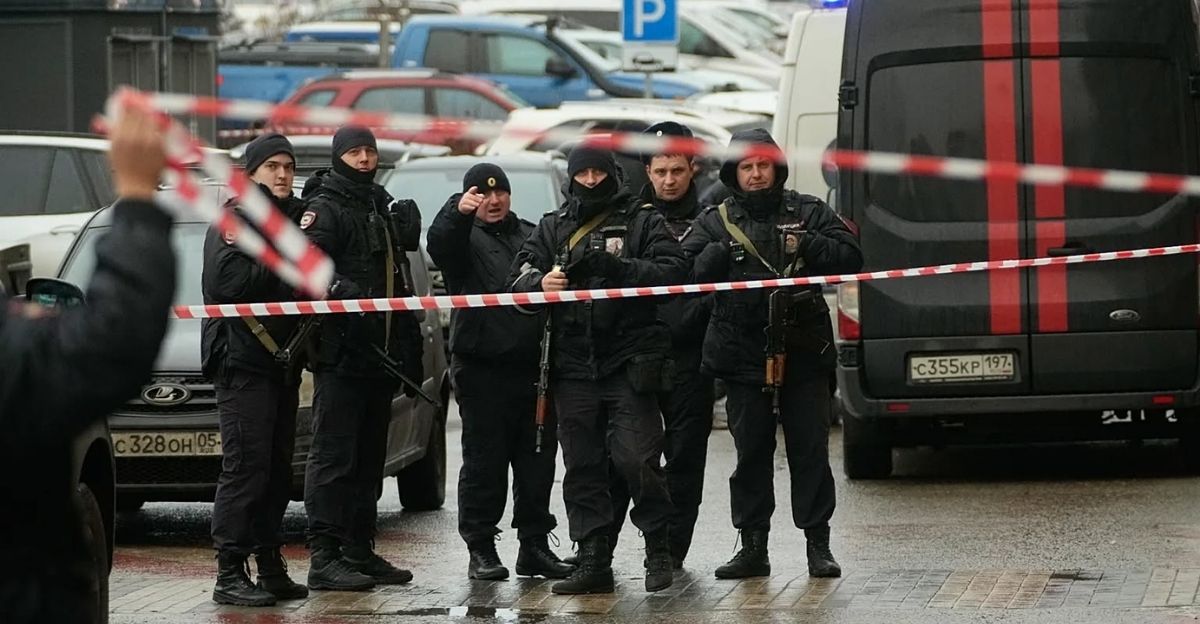
Sarvarov was assassinated on December 22, 2025, days into Trump-administered peace negotiations. On December 20-21, U.S. envoy Steve Witkoff said Miami discussions were “productive and constructive.” Secretary of State Marco Rubio cited progress but warned obstacles remained.
Russian hardliners pointed to the killing as proof Ukraine was not serious. Washington faced questions about whether the strike was timed to disrupt talks or simply proceeded regardless. Putin responded Russia would meet goals “either through diplomacy or through military force.”
Why Replacing Generals Was So Hard
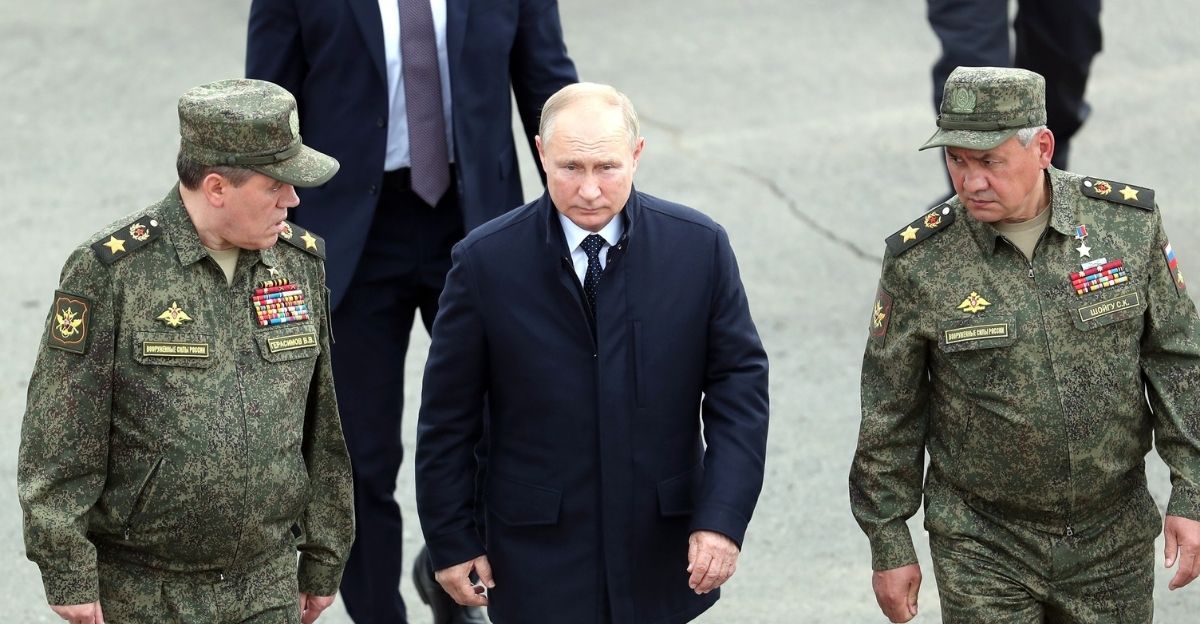
Lieutenant generals are not plug-and-play. Russia struggled to replace knowledge built through decades of service. Kirillov’s successor inherited a controversial chemical defense portfolio under scrutiny. Moskalik’s replacement had to steer operational planning mid-conflict. Sarvarov’s successor took over training as year-round conscription loomed. Russia reassigned duties to already strained leaders, forcing improvisation and overtime. As learning curves stacked up, coordination suffered when front-line pressure demanded speed. Yet the assassinations were only part of a wider campaign.
The Bigger Ukrainian Intelligence Picture
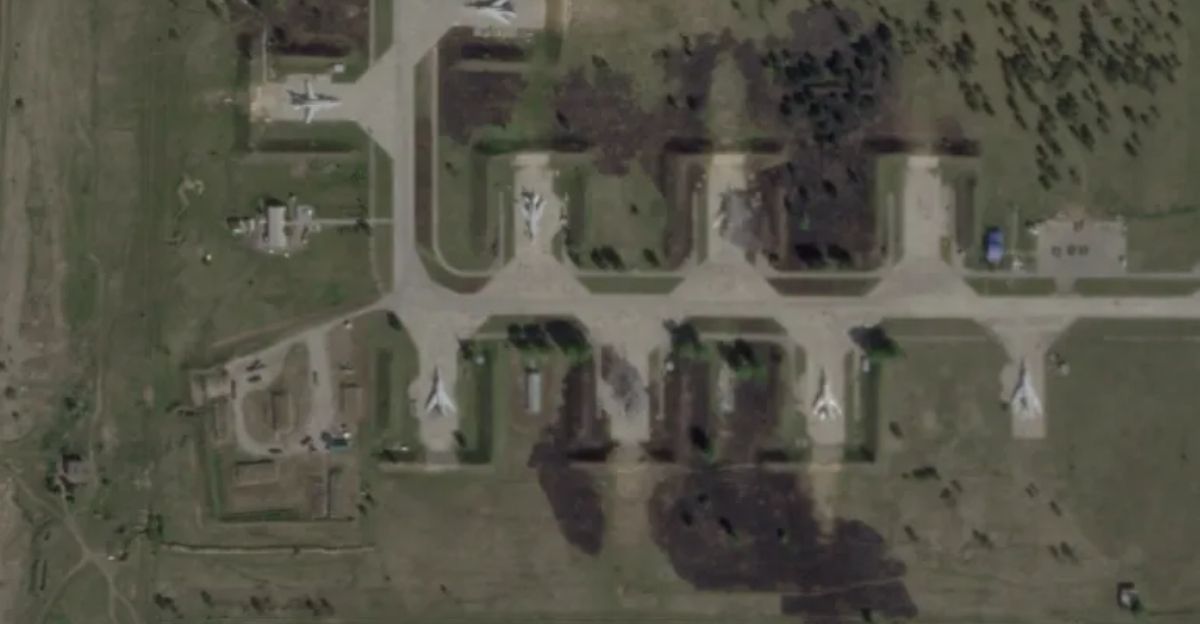
The killings fit a broader Ukrainian intelligence push inside Russia. Other operations included January 2025 “Operation Spiderweb” hitting multiple airbases, sabotage of railways and fuel depots, attacks on Black Sea Fleet headquarters, and bombings targeting pro-war commentators.
Reports also described partisan disruption through derailments and arson against military transport. The combined effect forced Russia to divert resources from combat toward internal security. The SBU and GUR showed institutional commitment, suggesting long-term planning and dedicated networks, not isolated daring raids.
Russia’s Defensive Scramble
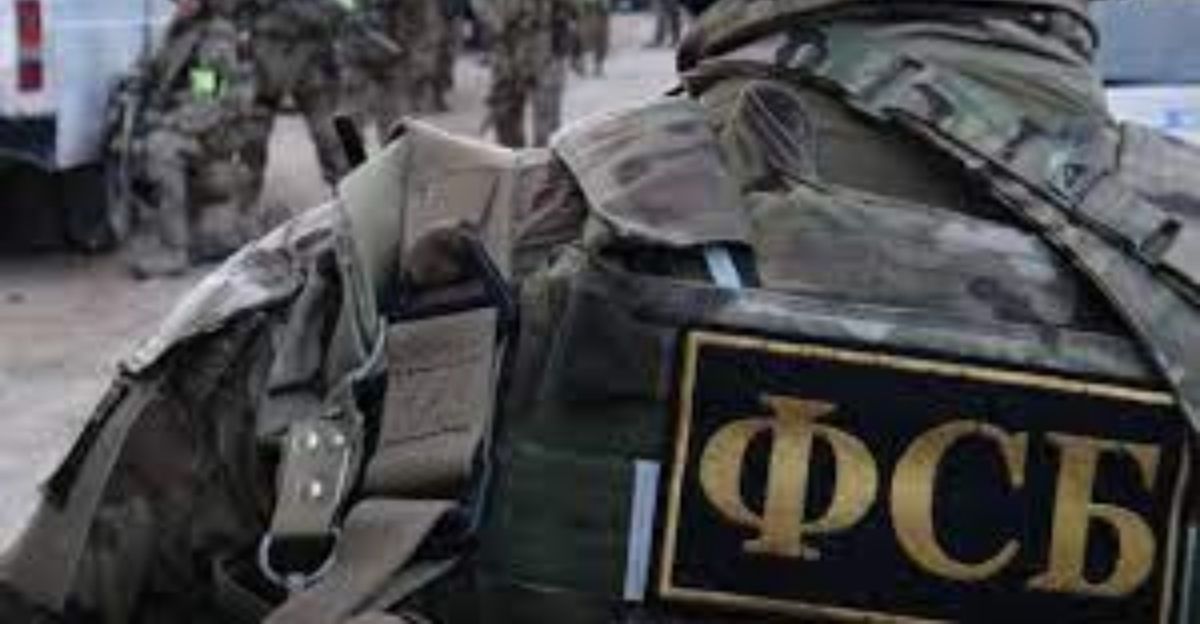
Russia responded with investigations, arrests, and tightened protocols. The FSB opened murder cases after each attack, arrested suspects, and publicized confessions. Protective details increased and information about generals’ locations tightened.
Movement became more restricted for senior officers. A January 2026 district reorganization may have reflected security-driven reassignment as much as planning. Year-round conscription starting January 1, 2026, targeting 261,000, signaled accelerated force development. Dmitry Medvedev promised “inevitable retaliation,” yet Ukrainian operations still succeeded, exposing a deeper problem.
The New Rules Of Asymmetric Warfare
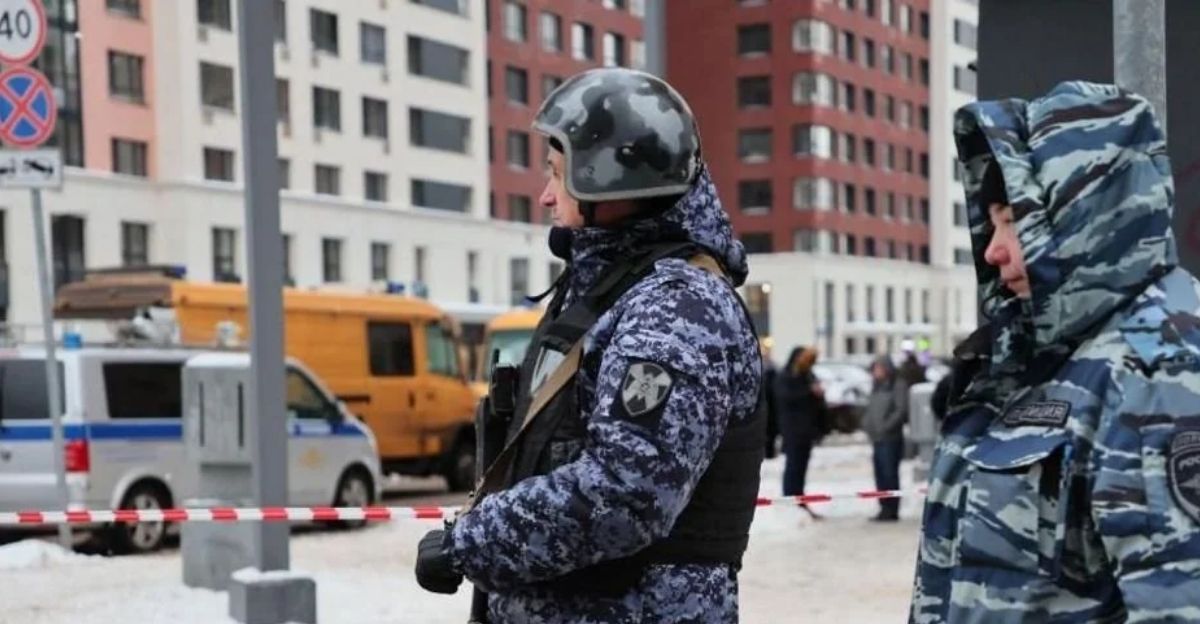
The Moscow assassinations showed how war now reaches places once considered untouchable. Borders mattered less when intelligence services had networks, technical skills, and patience. Ukraine, the smaller power, used precision strikes and psychological pressure to change Russian leadership’s calculations.
Instead of only trading ground, it forced Russia to spend resources guarding commanders. The debate over legality continued, but targeting wartime officers, especially those tied to war crimes, likely fits international humanitarian law. The bigger question was what this meant for the conflict’s future.
A War Without Safe Rear Areas
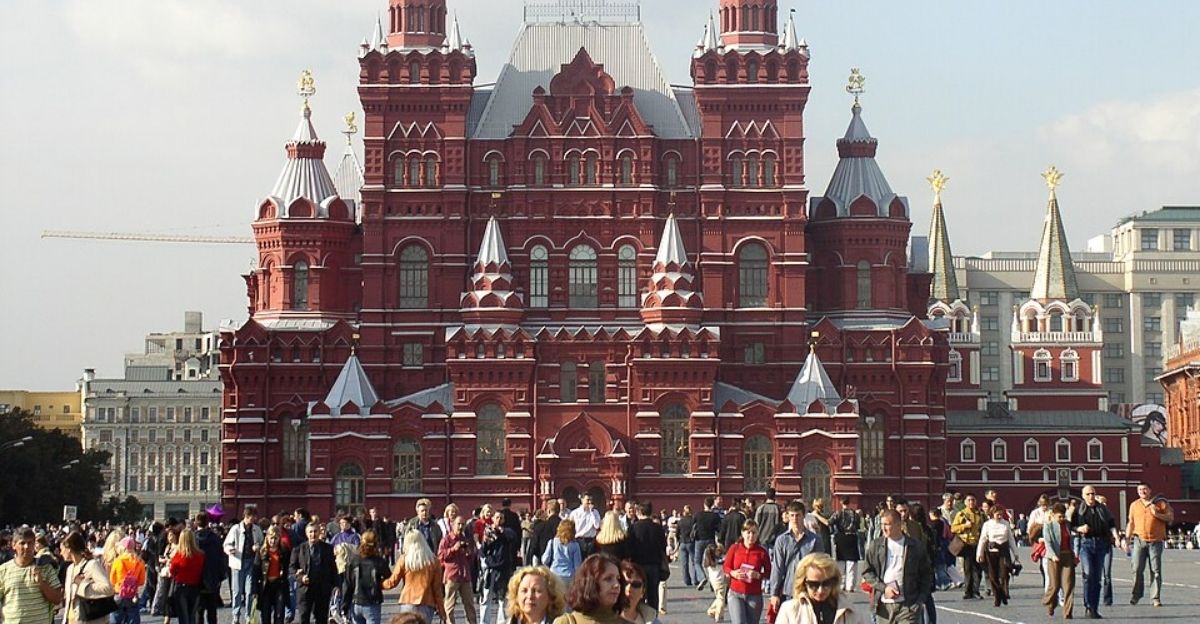
The war evolved from invasion into an asymmetric campaign where Moscow became part of the battlefield. 3 assassinations removed irreplaceable expertise, disrupted planning, strained training pipelines, and damaged confidence in Russian security. Russia still pushed ahead, drafting 261,000 conscripts for 2026 and vowing to fight despite talks.
Ukraine showed it could sustain pressure inside Russia while diplomacy unfolded. The world watched generals fear their own commutes, and the unsettling lesson was that modern conflict rarely respects distance, routine, or capital-city myths.
Sources:
Statement on Igor Kirillov’s elimination. Security Service of Ukraine, December 17, 2024
Statement on arrest of Akhmadzhon Kurbonov. Russian Federal Security Service, December 18, 2024
Assessment of Russian general officer losses and command degradation. UK Defence Intelligence, October 2025
Statement on elimination of Russian military command personnel. Ukrainian Presidential Office, April 28, 2025
Statement on investigation into Fanil Sarvarov’s death. Russian Investigative Committee, December 22, 2025