The fashion industry’s promises of size inclusion have faced a harsh reality check. While pioneering brands continue pushing boundaries, recent closures and corporate retreats reveal the fragility of progress toward truly accessible fashion. This examination highlights the brands sustaining inclusive sizing and the economic forces threatening their survival.
Pioneers Setting the Standard
Universal Standard transformed the landscape in 2015 by offering sizes 00-40 at uniform prices throughout its entire range. Founded by Alexandra Waldman and Polina Veksler, the brand eliminated the traditional divide between standard and extended sizing, treating every customer identically regardless of body type. This approach proved both profitable and ethical, yet public awareness remains surprisingly limited.
Thigh Society addressed a widespread but overlooked issue: chafing. The brand’s anti-friction shorts now span sizes XS through 6X, demonstrating that extended sizing need not compromise quality. Founded in 2009, the company has expanded its offerings across multiple fabrications and lengths, building a devoted customer base.
In an unexpected turn, Lands’ End emerged as one of America’s most inclusive retailers. Offering sizes 00-26 with extended width variations across 27 different size options, the heritage brand defied its dated reputation. The retailer’s commitment extends through essential categories including workwear and outerwear, providing options that remain scarce elsewhere.
Ace & Jig demonstrates that aesthetic sophistication and accessibility can coexist. The Brooklyn-based brand offers sizes XXS through 4X in its distinctive textile collections. Every garment originates from Fair Trade Certified facilities using organic cotton, proving that inclusive design supports both people and planet.
Good American, co-founded in 2016 by Emma Grede and Khloé Kardashian, revolutionized inclusive denim by offering sizes 00-32 at equal prices. The brand generated $1 million in sales on its first day and has since expanded beyond jeans to activewear, dresses, and swim. Good American treats body inclusivity as fundamental rather than exceptional, refusing to segregate larger sizes into separate departments.
Eloquii provides fashion-forward styles for sizes 14-32 with consistent refreshes and monthly drops. Originally launched in 2011 by The Limited and relaunched independently in 2014 after customer demand, the brand offers trendy, high-quality apparel designed specifically for extended sizes rather than simply grading up straight-size garments.
A Devastating Loss
Wray’s closure in March 2025 represented a significant setback for size-inclusive fashion. Founder Wray Serna announced that personal health challenges and mounting business pressures forced the difficult decision to shutter operations. The brand had served customers from XXS to 6XL for a decade, attracting celebrities and everyday shoppers alike. The store’s final day came on June 22, 2025, with online inventory continuing until sold out.
During the farewell gathering, devoted customers arrived wearing Wray prints from years past, illustrating the brand’s lasting impact. One attendee reported that 80 percent of her wardrobe consisted of Wray pieces. The closure coincided with similar shutdowns of community-focused labels like Mara Hoffman, while established brands including Vince reduced their inclusive offerings.
Corporate Promises Broken
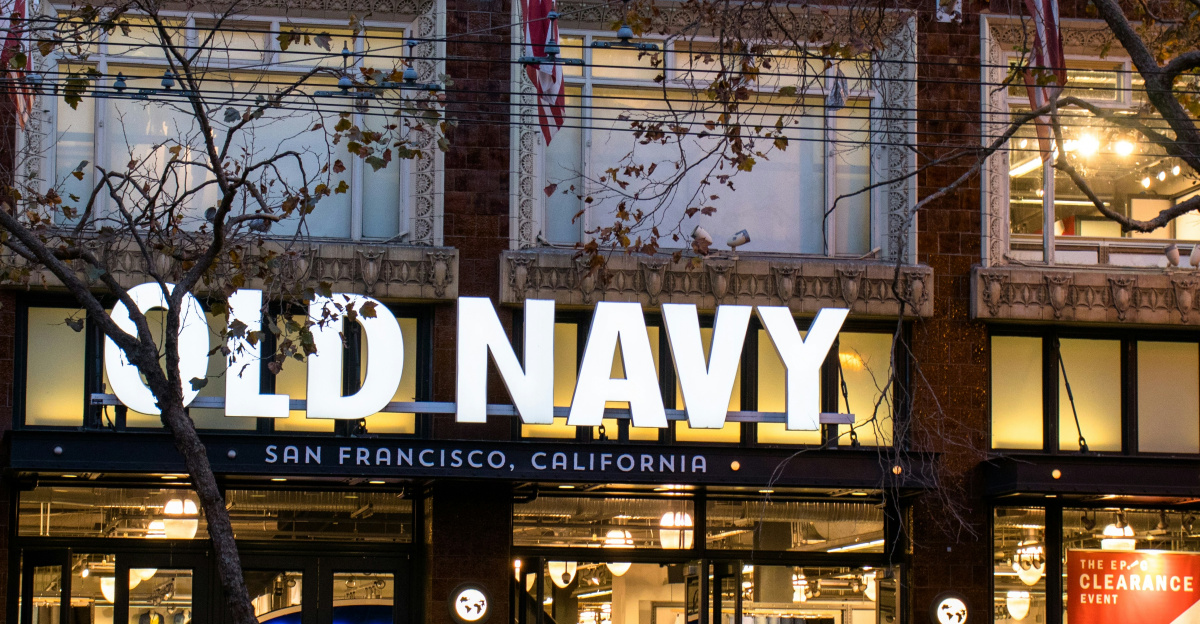
Old Navy’s dramatic reversal exemplifies the challenges facing size inclusion within large corporations. In August 2021, the retailer launched Bodequality, introducing sizes 0-30 and XS-4X in stores nationwide at equal prices. The initiative combined previously separate lines, representing what executives called a complete business transformation.
Less than one year later, Old Navy scaled back the program. The company removed Bodequality from 75 U.S. stores and 15 Canadian locations, citing customer demand and supply chain challenges. More than 26,000 people signed petitions urging reversal, noting that such retreats by major retailers signal to the industry that extended sizing lacks viability.
Reports from late 2025 indicated further reductions, with shoppers observing diminished size ranges and the elimination of options to view clothing on diverse model sizes. The retreat underscored how financial pressures can override inclusivity commitments even at well-resourced corporations.
Sustaining Luxury Inclusion
Peridot Robes launched in 2021 with a different approach: positioning luxury and size inclusion as inseparable. Founder Marina Hayes created ethically produced, sustainably sourced robes in sizes 14-40. The brand has since expanded into dresses, hoodies, and other loungewear, maintaining its commitment to the larger end of the size spectrum.
Big Bud Press reimagined unisex clothing by centering oversized, comfortable designs across an extensive size range. The Los Angeles-based brand treats inclusive sizing as fundamental design philosophy rather than accommodation, creating gender-neutral garments that prioritize movement and comfort.
Torrid has served the plus-size market since 2001, offering trendy styles in sizes 10-30. With hundreds of retail locations across the U.S. and a robust e-commerce presence, the brand provides everything from casual basics to formal wear, demonstrating that extended sizing can sustain both physical and digital retail operations.
Economic Realities and Future Outlook

The global apparel market is projected to reach approximately $2 trillion, with the plus-size clothing segment alone valued between $119 billion and $327 billion in 2024, depending on market definitions and regional scope. Approximately 67-70 percent of American women wear sizes 14 and above, yet extended sizing remains underrepresented relative to market demand.
Despite this substantial opportunity, economic pressures threaten progress. Rising production costs and financial uncertainty make maintaining wide size ranges challenging for smaller operations. The gap between market potential and brand commitment remains stark, with many companies viewing inclusion as optional rather than essential.
Consumers increasingly seek brands aligned with their values, driving demand for diverse offerings. The industry faces a crucial decision: embrace the reality of body diversity or continue excluding the majority of potential customers. As emerging designers navigate increasingly complex financial landscapes, the movement’s success depends on sustained consumer support and genuine corporate commitment to accessibility for all bodies.
Sources
Cup of Jo, “10 Inclusive Clothing Brands You Can Buy from in America”
Marie Claire, “Wray’s Curtain Call Won’t End the Push for Size-Inclusive Fashion”
Business Insider, “The 35 Best Plus-Size Clothing Brands of 2025”
Livd Apparel, “The Shrinking Plus-Size Fashion Market: How Economic Struggles Are Limiting Options”
CNN, “Old Navy Won’t Keep Women’s Plus-Size Clothing in Stores”
Daily Dot, “Is Old Navy ‘Phasing Out’ Its Plus-Sized Clothes?”