In a quiet classroom, the clock hit 3:15, leaving a group of children staring blankly at the teacher’s analog timepiece. As the bell loomed, some hesitated over fumbling hands, while others sneaked peeks at their digital watches, highlighting a quiet erosion of everyday abilities once taken for granted.
This scene underscores a broader shift: practical skills honed by necessity in earlier generations are fading amid digital conveniences. Reports from educators, including a Finnish teacher noting teens’ struggles with analog time, point to declining proficiency in basics like clock-reading. The implications extend to cognitive development, self-reliance, and social competence, raising questions about what modern life overlooks.
Reading Analog Clocks
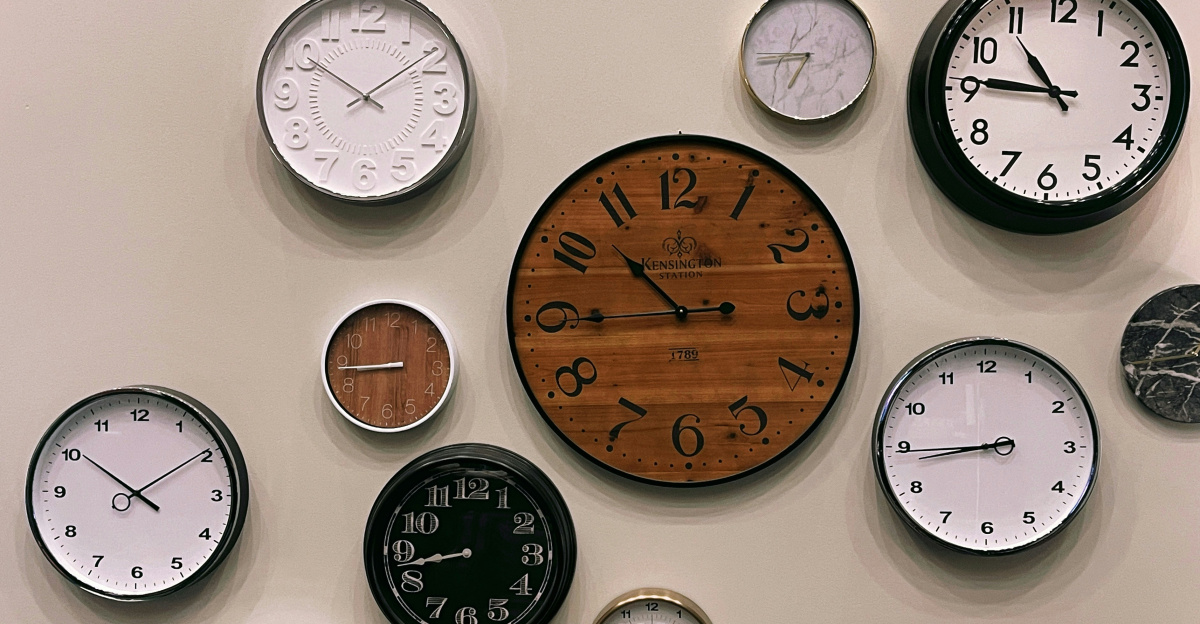
Once a staple of early schooling, deciphering analog clocks demanded visualizing hand positions, sharpening spatial reasoning and quick mental math. Older generations mastered this through daily exposure, building neural pathways for geometry and pattern recognition that digital displays bypass. Recent observations confirm children increasingly falter here, potentially weakening foundational problem-solving skills.
Face-to-Face Interaction

Previous eras forced direct conversations, teaching nuance in tone, gestures, and real-time conflict navigation. Today, texting dominates, diminishing practice in these interpersonal dynamics. A 2023 study in Scientific Reports emphasized in-person exchanges as vital for mental health, outperforming digital alternatives even during lockdowns when isolation peaked.
Home Repairs and Self-Reliance
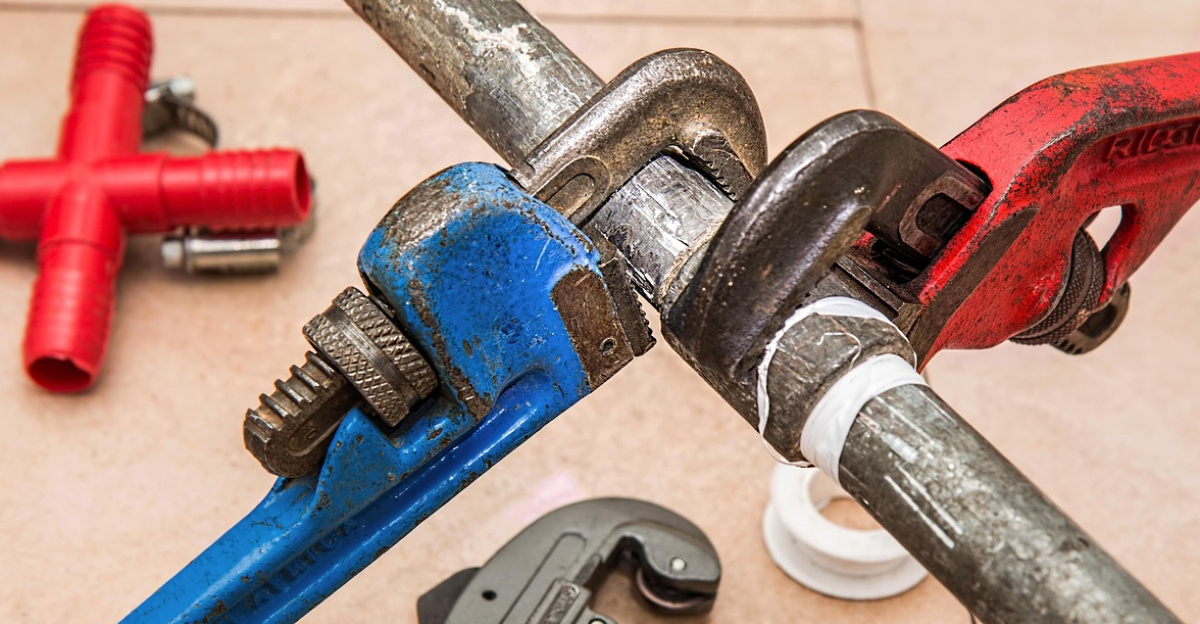
Fixing a dripping faucet or wobbly hinge came naturally to many from older cohorts, learned via hands-on trial. This bred self-efficacy—the confidence in shaping outcomes through action—now often sidelined by professional services or disposables. Outsourcing these tasks may erode the psychological boost from independent problem-solving.
Cooking from Scratch

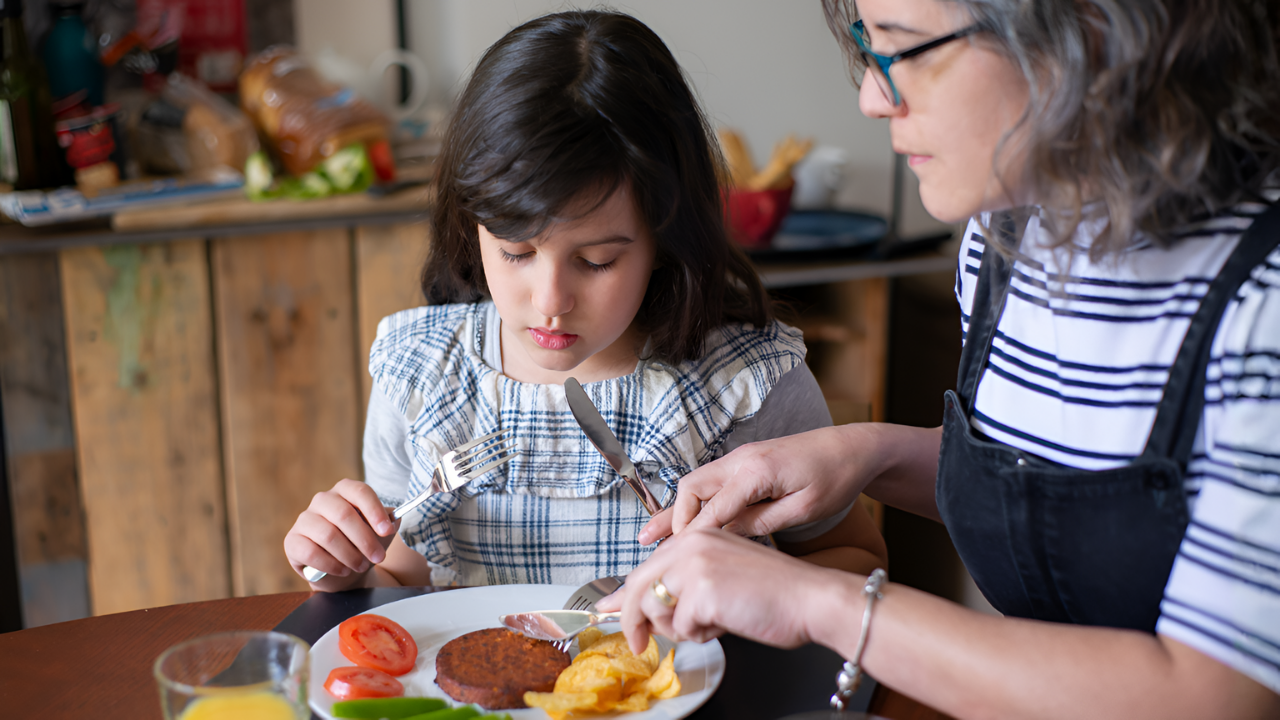
Boomers developed instincts for proportions, timing, and flavors without recipe apps, engaging senses fully in the process. Pre-packaged options and deliveries streamline meals but dilute this tactile knowledge, shifting focus from mindful creation to convenience and reducing sensory immersion in food preparation.
Navigation and Spatial Awareness
Pre-GPS travel relied on maps, landmarks, and mental mapping, cultivating environmental awareness and memory. A 2021 Scientific Reports study found turn-by-turn apps hinder cognitive map formation, favoring passive following over active orientation. Earlier navigators internalized routes, enhancing overall spatial intelligence.
The original article covered additional areas like handling boredom for creativity, cash-based money management to heighten spending awareness, and peer-led conflict resolution. Research on the “pain of paying” shows physical currency amplifies transaction weight, curbing impulse buys more than seamless digital ones, per a 2025 journal. Boredom, once a spur for imagination amid unstructured play, now competes with endless screens, limiting resourcefulness. Unsupervised kid disputes taught negotiation and compromise, skills potentially gap-filled by over-mediation today.
These shifts trade depth for ease: technology streamlines routines but narrows chances to forge resilience and intuition. While conveniences abound, the dormant competencies—clock skills, repair savvy, unscripted talks—remain teachable through deliberate practice.
Reclaiming them promises more than utility; it restores agency in a streamlined world. As digital tools evolve, balancing their benefits with analog fundamentals could equip future generations for both efficiency and adaptability, preserving human edges amid progress.
Sources:
“Face-to-face more important than digital communication for mental health during the pandemic.” Scientific Reports, 16 May 2023.
“Rethinking GPS navigation: creating cognitive maps through auditory cues.” Scientific Reports, 07 Apr 2021.
“HS: Porvoo teacher realises teens can’t tell time.” Yle News, 24 Oct 2025.
“Impact of Digital Payments on Consumer Spending Behavior.” International Journal of Research Publication and Reviews, 2025.