Ukraine’s Unmanned Systems Forces have ramped up operations dramatically, eliminating an average of 415 Russian troops daily, with December casualties running 50 percent higher than November. The surge coincides with intensified drone strikes penetrating Crimea, which Russia has heavily fortified since 2014.
Military experts say drones have revolutionized modern warfare. The question now haunting Moscow is how vulnerable is the Black Sea stronghold?
Russia’s Air Defense Collapse
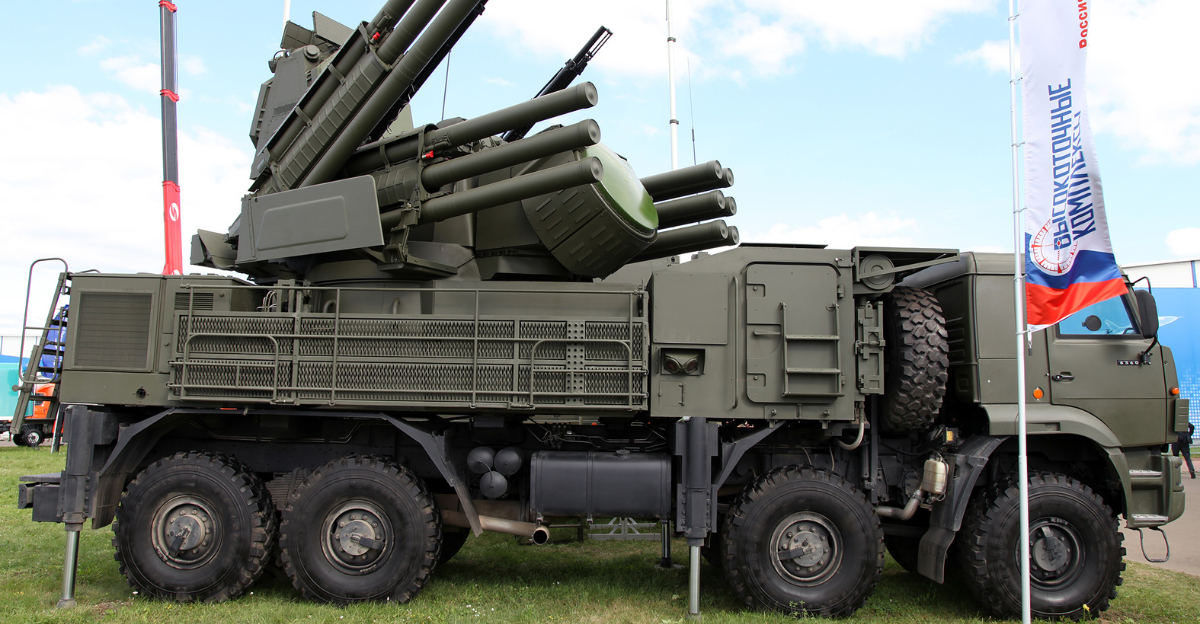
Russian air defenses in Crimea, once touted as robust and unbeatable, now face systematic dismantling by Ukrainian FPV (First Person View) drones. These agile unmanned aircraft exploit widening gaps in the radar network, repeatedly striking command centers and naval assets. Brovdi’s forces report daily casualty numbers rising sharply, signaling that Moscow’s peninsula security is eroding faster than anticipated.
Soviet-era radar systems, designed decades ago, prove vulnerable to modern drone swarms. The breakthrough is staggering: Ukraine’s operators, many of whom taught themselves during the war, have adapted tactics faster than Russia can rebuild defenses.
Why Crimea Matters to Moscow

Russia seized Crimea in 2014 and immediately fortified the peninsula with layered radar systems, Pantsir air defense batteries, and naval drone bases to project power across the Black Sea. For eleven years, it has served as Moscow’s strategic anchor, a staging ground for fleet operations and a command hub for regional surveillance.
Ukrainian strikes since 2022 have gradually worn down these defenses, but recent December operations mark a dramatic escalation. The peninsula hosts vital surveillance networks that guide Russian warships and monitor Ukrainian movements across the entire Black Sea region.
Why Ukraine Is Striking Now
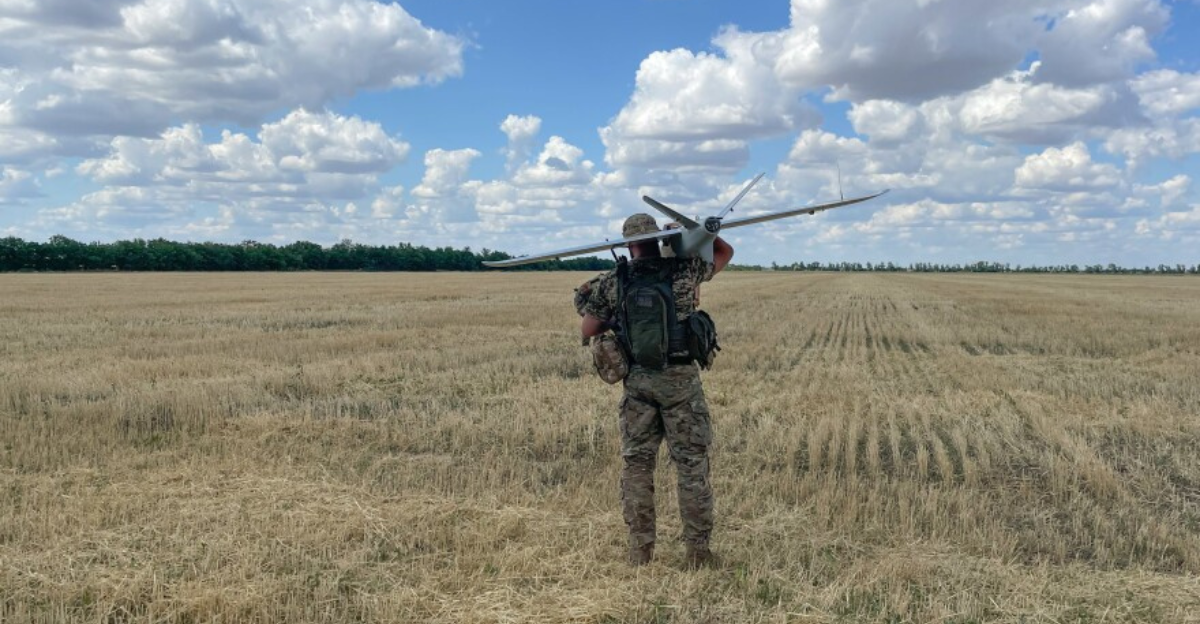
Ukrainian forces are ramping up drone strikes while Russia struggles with stalled military advances on land. The strategy is simple but effective: target rear infrastructure to disrupt Russian logistics and prevent reinforcements. December 2025 has seen heightened activity across occupied territories, with Brovdi noting the 1.5-fold spike in casualty numbers from deep penetrations into Russian positions.
Crimea’s role in coordinating Russian river patrols, naval operations, and air coverage makes it a high-value target. By striking command centers and radar stations, Ukrainian operators create cascading failures in Russian coordination.
Three Bases Hit in One Night
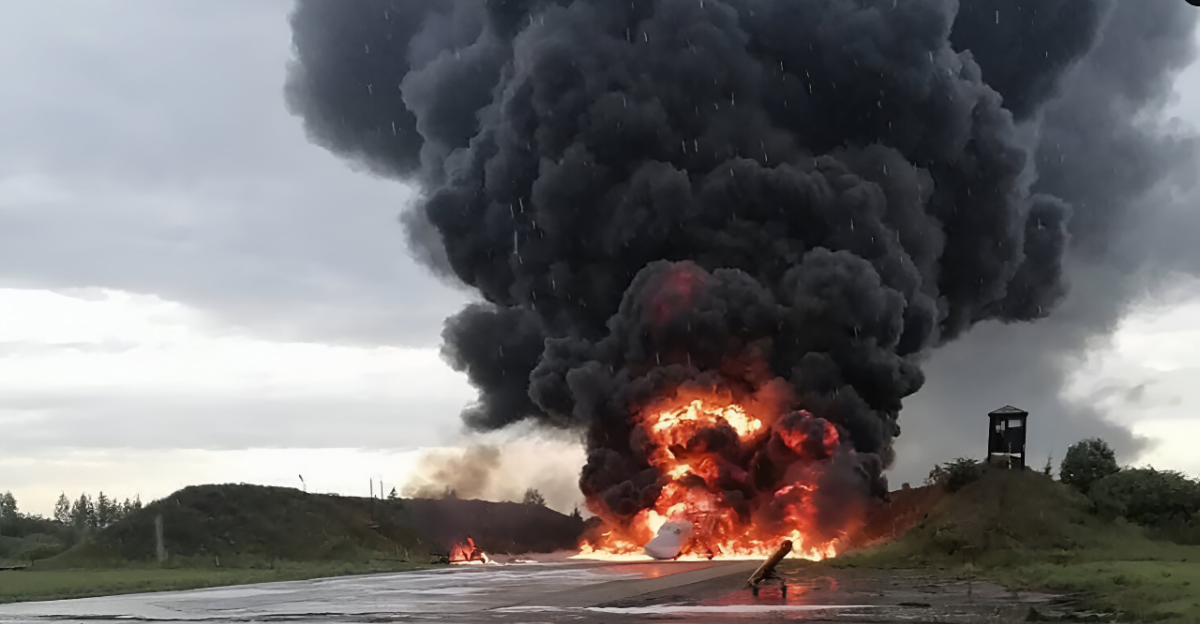
On the night of December 27-28, 2025, Ukraine’s 1st Separate Unmanned Systems Center coordinated a devastating FPV drone swarm that smashed three Russian military bases near Chornomorske in occupied Crimea. The targets were critical: a Valdai radar system used for low-altitude air tracking, a radar-intelligence command post responsible for coordinating defenses, and a sea-drone storage and assembly base.
The swarm destroyed all three installations with surgical precision, creating massive explosions captured in night-vision footage that spread across military channels and social media. Ukrainian commanders praised the operation as evidence of their forces’ growing capabilities.
What Goes Dark When Systems Fall
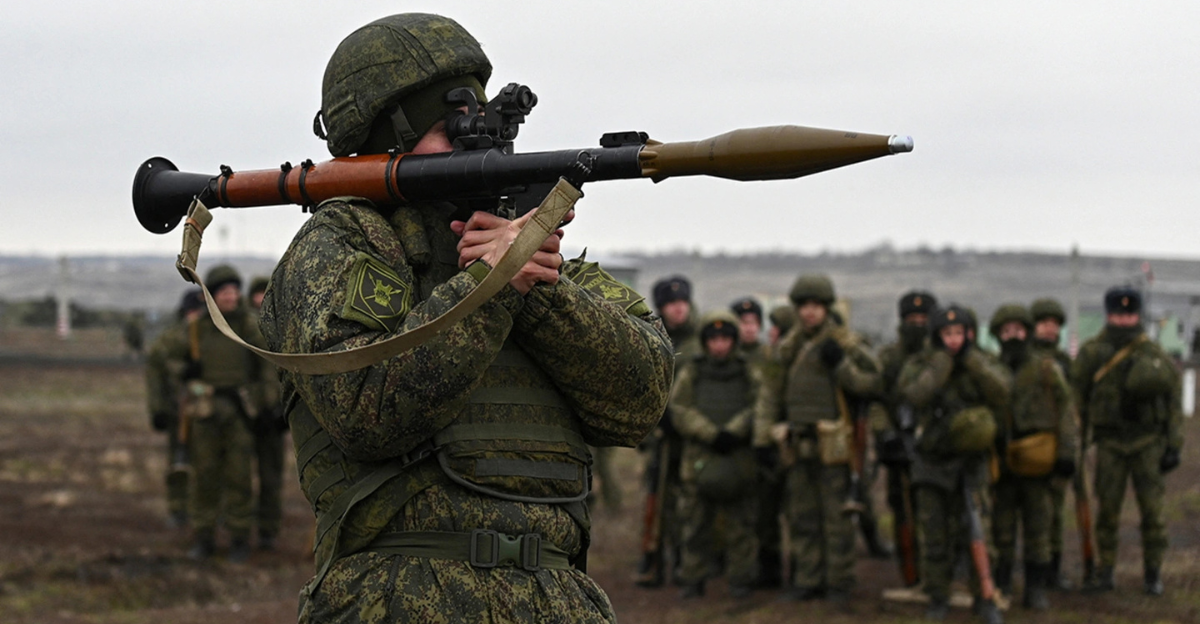
The three strikes create cascading failures across Russian air defense. Valdai radar destruction eliminates low-altitude tracking capability, leaving Russian defenders blind to incoming threats below 100 meters. The command post loss severs the coordination network that ties individual air defense batteries together, forcing them to operate independently and less effectively.
Sea-drone base destruction halts Russian unmanned operations in the Black Sea, disrupting patrols and reconnaissance that protect Russian ships. Together, these losses represent more than individual equipment destroyed, they represent a shattered chain of command.
Commander Brovdi on Victory

Commander Robert “Madyar” Brovdi, leading Ukraine’s elite Unmanned Systems Forces, spoke publicly about the operation’s scope and impact. He stated that his “Birds” unit (his term for operators) targeted multiple critical sites, including what he colorfully described as “worm-like gadget” radars, Soviet-era equipment showing its age.
Brovdi claims 415 daily Russian losses represent concrete proof that drone warfare delivers measurable outcomes. His public statements reflect confidence in his forces’ growing prowess. Troops on both sides feel the human cost of escalating drone warfare; every casualty represents a family’s loss and a tactical setback.
How the Navy Feels the Blow
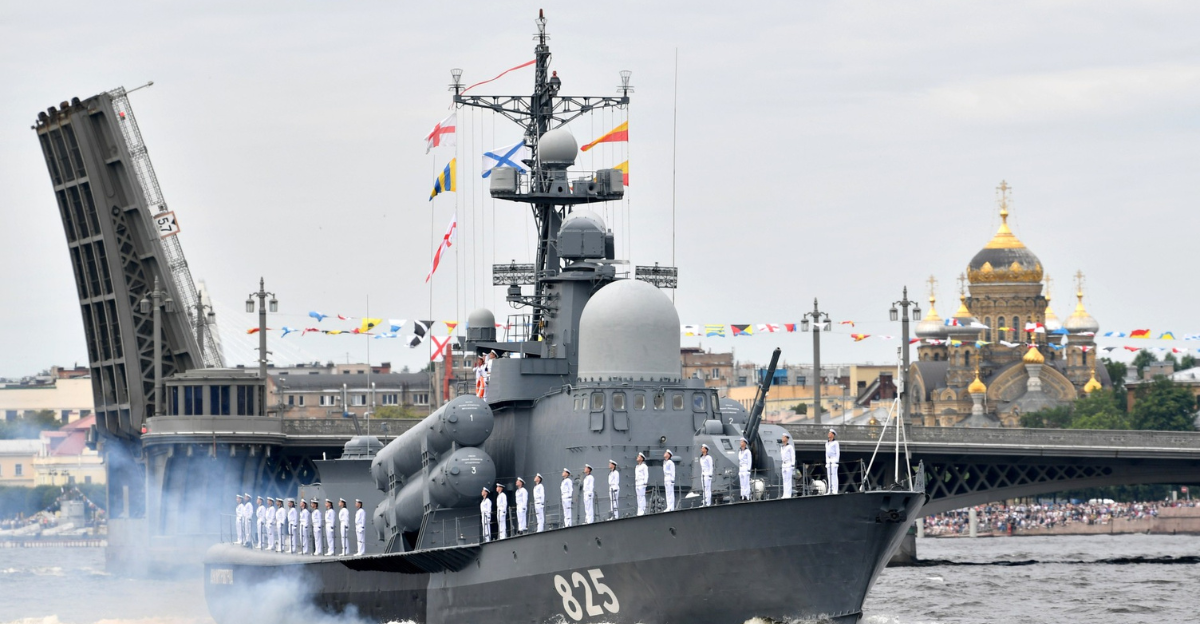
Russia’s 92nd River Boat Brigade, based nearby in Olenivka, depends on the same radar network that Ukrainian drones are systematically destroying. Similar strikes against that location have targeted ST-68 radars vital for layered air defense, the backbone of Russia’s multi-level protection strategy.
Naval drone losses signal supply-chain breaks for Black Sea operations; without drone bases for assembly and repair, Russian sea operations become increasingly vulnerable. Ukraine gains a maritime edge as Moscow scrambles to rebuild. Russian warships operating in the Black Sea now move with reduced air cover and degraded surveillance. The competitive advantage shifts visibly toward Ukraine with each destroyed radar and drone base.
December Becomes the Bloodiest Month
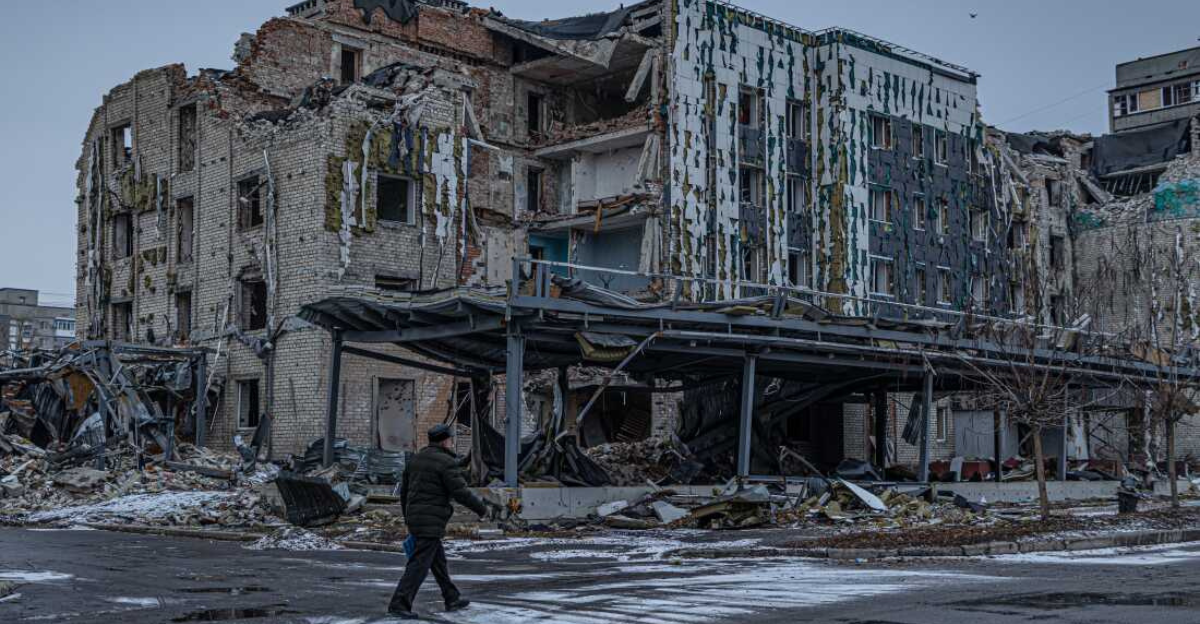
December 2025 emerges as the bloodiest month of the drone campaign, with Russian casualties running 1.5 times higher than November’s already-steep toll. Ukraine’s forces conducted 12 major strikes across occupied regions, with Soviet-era radars like ST-68 and Valdai systems proving consistently vulnerable to FPV swarms. The macro shift is unmistakable: Ukraine’s drone technology is now outpacing Russian rebuild capacity. Air superiority dynamics are fundamentally changing.
Where Russia once relied on quantity, overwhelming Ukraine with waves of Shahed drones, Ukraine now emphasizes quality and precision, surgically dismantling Russian infrastructure. Experts say drones have enhanced efficiency by a factor of six; Ukrainian operators can now accomplish what once required 60 shells with just six targeted strikes. This efficiency gap translates directly to casualties.
Systematic Destruction Unfolds
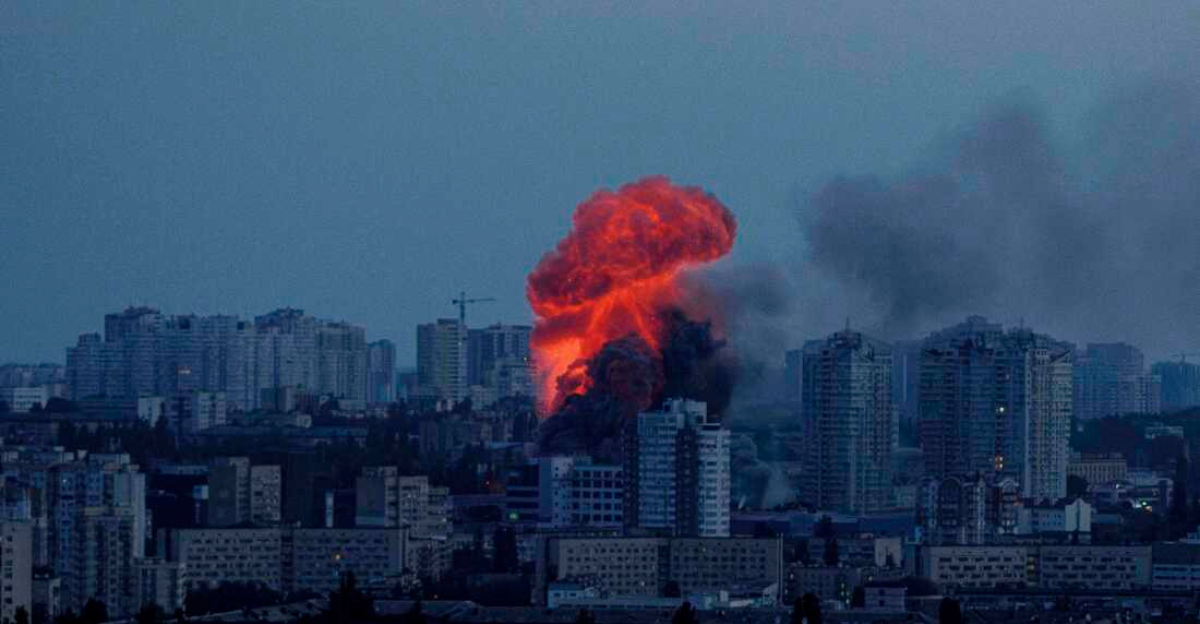
Zooming out, the strikes form a deliberate pattern of systematic dismantling of Russia’s entire Crimea radar network. This isn’t random; it’s strategic targeting guided by detailed intelligence. Sea-drone infrastructure collapses faster than Russian rebuild efforts can compensate. This reframes the peninsula’s role entirely, from fortress to liability.
By degrading defenses, Ukrainian forces expose troop concentrations to unchecked drone raids, creating a feedback loop where each destroyed radar enables more Ukrainian strikes. Before-and-after satellite imagery shows the progression of functional bases in November to smoldering wreckage in December. Russian engineers work around the clock deploying mobile radars, but Ukrainian intelligence anticipates each move.
Moscow’s Internal Crisis Grows
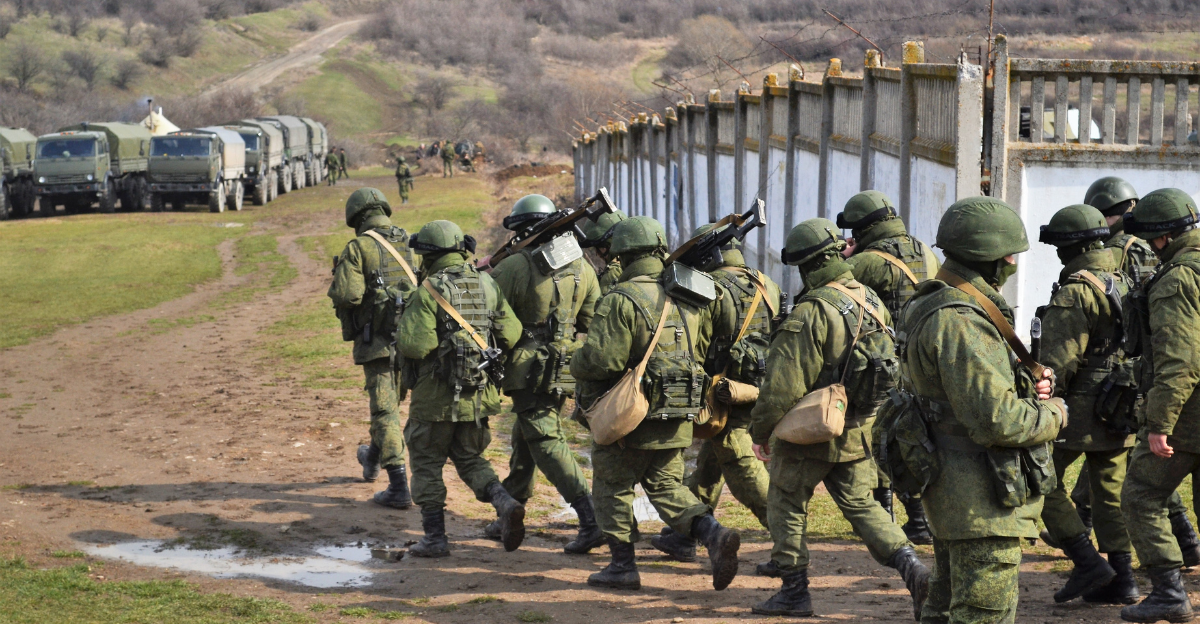
Russian commanders face mounting internal pressure as Crimean bases fall repeatedly, forcing resource diversion from frontlines where Russia is already struggling. Footage from strikes shows failed intercepts, Russian air defense systems missing targets, sometimes firing at decoys while real drones slip through. T
his visible failure fuels frustration within military and political circles over the impenetrable claims made by previous leadership. Officers question tactics and deployments. Soldiers lose confidence in their air cover. Stakeholders in Moscow’s security apparatus demand accountability and solutions. The reputational damage compounds the tactical losses. Russia had sold Crimea to the Russian public as a strategic masterstroke, a fortress guaranteeing regional dominance. Instead, it’s becoming a bleeding wound.
Air Defense Command Under Fire
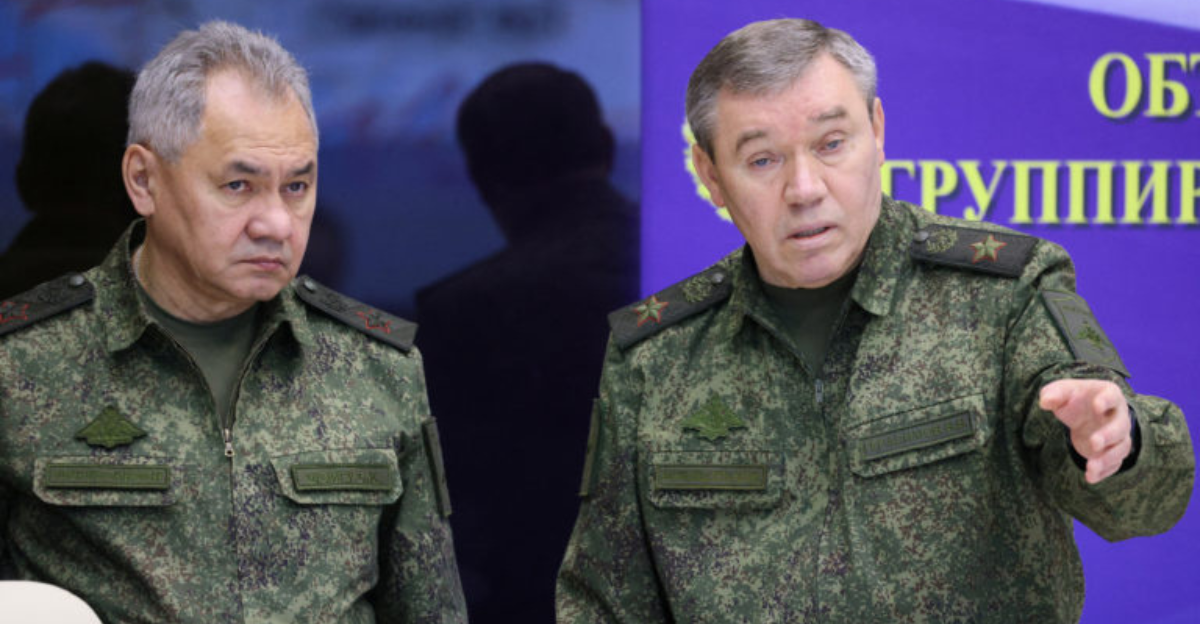
Moscow is rotating air defense units into Crimea at an accelerating pace, attempting to shore up defenses through sheer quantity. Yet the strikes persist, sometimes increasing in intensity as more Russian systems arrive, creating easier targets for Ukrainian intelligence to track. Brovdi’s public reports highlight gaps in Russian leadership, commanders unprepared for coordinated swarm tactics and unable to adapt quickly enough.
The musical chairs of military leadership indicates desperation. Ukraine’s forces exploit these disruptions, knowing that rotations create confusion and gaps. Inexperienced units deploying to Crimea require time to learn the terrain and integrate with existing defenses; Ukrainian forces attack during these windows of vulnerability.
Can Russia Rebuild Faster Than Ukraine Destroys?
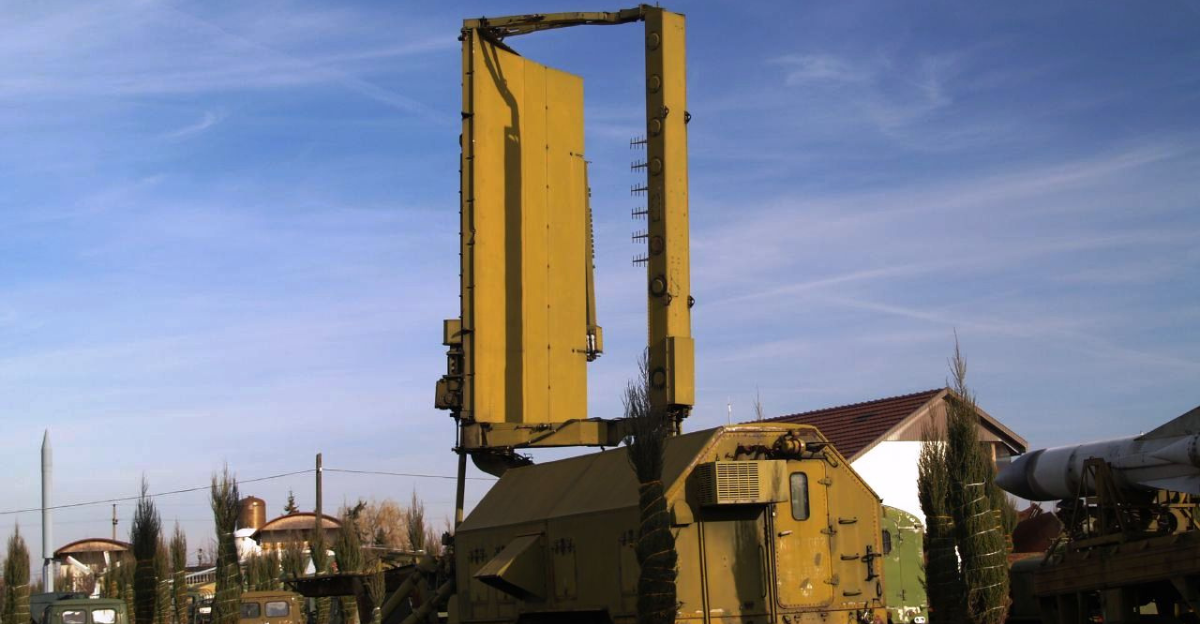
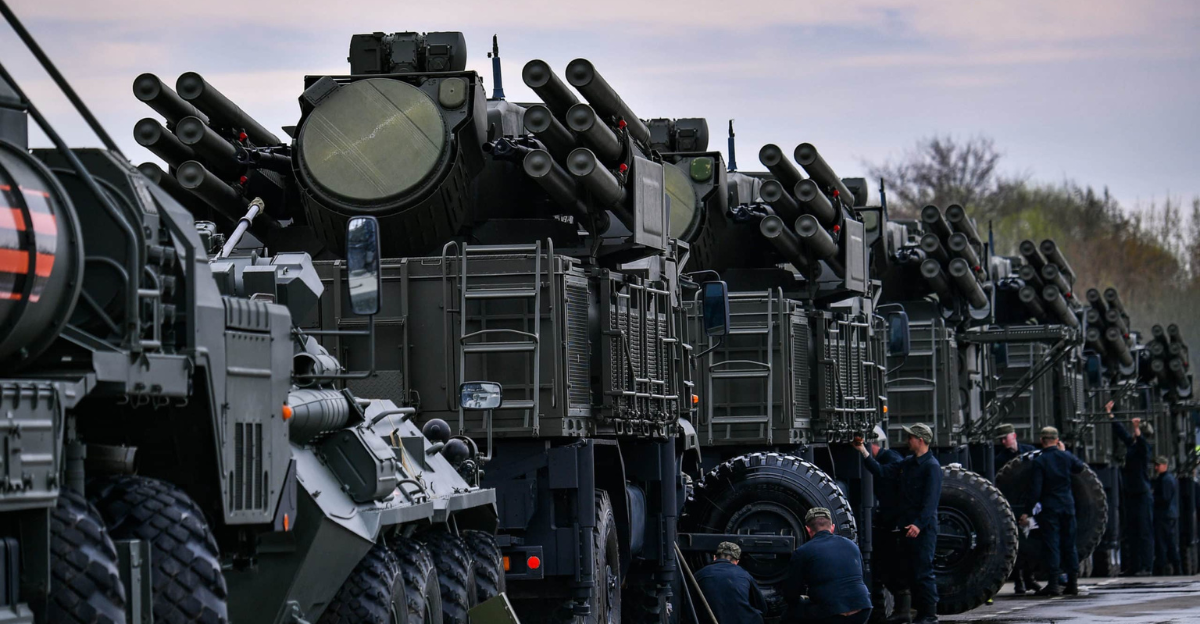
Russia deploys mobile ST-68 radar replacements and Pantsir batteries at an accelerating pace, attempting to restore air defense layers. Yet Ukrainian intelligence anticipates these moves, often striking new deployments within days of their arrival. Strategy is shifting toward dispersed bases spread across wider areas, making coordination harder but coverage less dense.
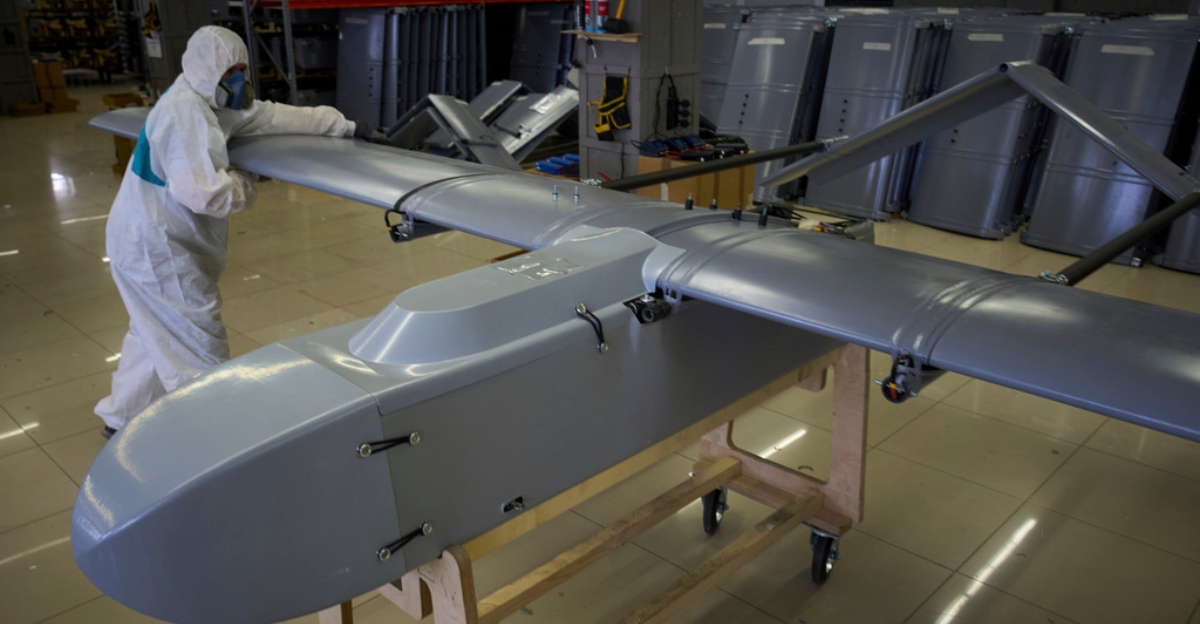
Sea-drone losses linger as replacements for destroyed drones take weeks to manufacture and transport. The comeback attempts strain logistics that are already stretched thin supporting active combat operations. Russian engineers and technicians work in dangerous conditions, knowing that visibility through air defense systems identifies them as targets.
The Shield Won’t Hold
Military experts and defense analysts note that Soviet radars, designed for Cold War threats, are hopelessly obsolete against modern FPV drones. These radars are large, stationary targets that emit signals Ukrainian operators use to pinpoint exactly where to aim. Experts predict more dramatic collapses are coming.
Market uncertainty grows among Russian military planners as Ukrainian production of drone systems surges far beyond Russian capacity. Ukraine’s forces went from improvised volunteers operating consumer drones to a professional, coordinated military branch with sophisticated tactics and manufacturing capacity.
Black Sea Balance Tips Toward Ukraine
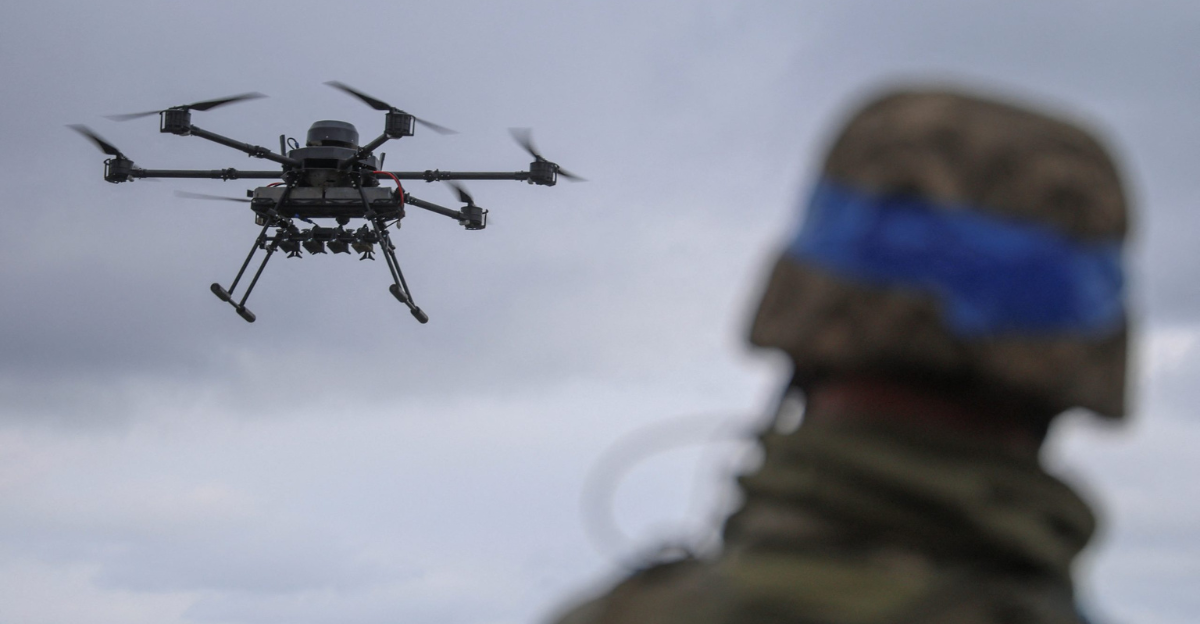
With Crimea’s defenses severely degraded, critical questions loom over the Black Sea’s future. Will Ukraine sustain swarm dominance and use it to push deeper into Russian-held territory? Brovdi’s forces are already eyeing naval and radar chokepoints that could further isolate Russian ships from resupply and air cover.
The Black Sea balance hangs in precarious equilibrium. Ukraine’s strategic advantage grows each week, but Russia retains numerical superiority in personnel and equipment if it chooses to commit them. Military planners on both sides are studying this campaign intensively, recognizing that Crimea represents a template for modern warfare.
Sources:
UNITED24Media, “Ukrainian Drone Attack Disables Russian River Flotilla Base and ST-68 Radar Site in Crimea,” December 30, 2025
UNITED24Media, “In 2025, Russia Launched Over 60,000 Guided Aerial Bombs…,” December 31, 2025
Institute for the Study of War, “Russian Offensive Campaign Assessment, December 31, 2025,” December 30, 2025