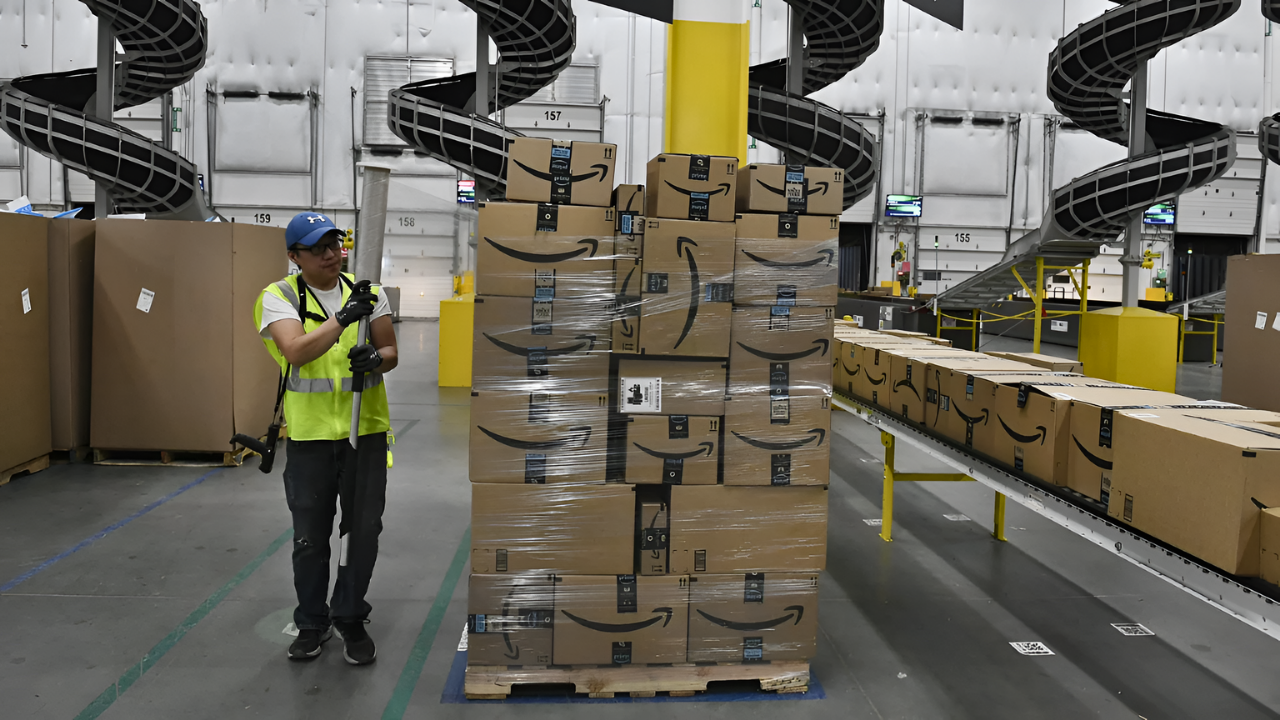
Amazon is cutting 14,000 corporate and technology jobs starting October 28, 2025, the largest white-collar reduction in its history, affecting about 4% of its 350,000 such employees amid a global workforce of 1.54 million.
This move reshapes talent allocation across units like AWS, grocery, human resources, sustainability, communications, advertising, devices, and video games, targeting planning and oversight roles rather than frontline operations.
AI Transformation at the Core

Leadership positions the cuts as a strategic pivot to artificial intelligence, described by Senior Vice President Beth Galetti as the most transformative technology since the internet. It accelerates innovation and cuts operational layers. CEO Andy Jassy aims to run Amazon like the world’s largest startup, redirecting resources from post-pandemic hiring excesses to AI, automation, and cloud infrastructure.
The overhaul follows 27,000 job eliminations between 2022 and 2023, confirming a sustained effort to streamline for slower growth and tech-driven efficiency.
Units Across the Board Affected
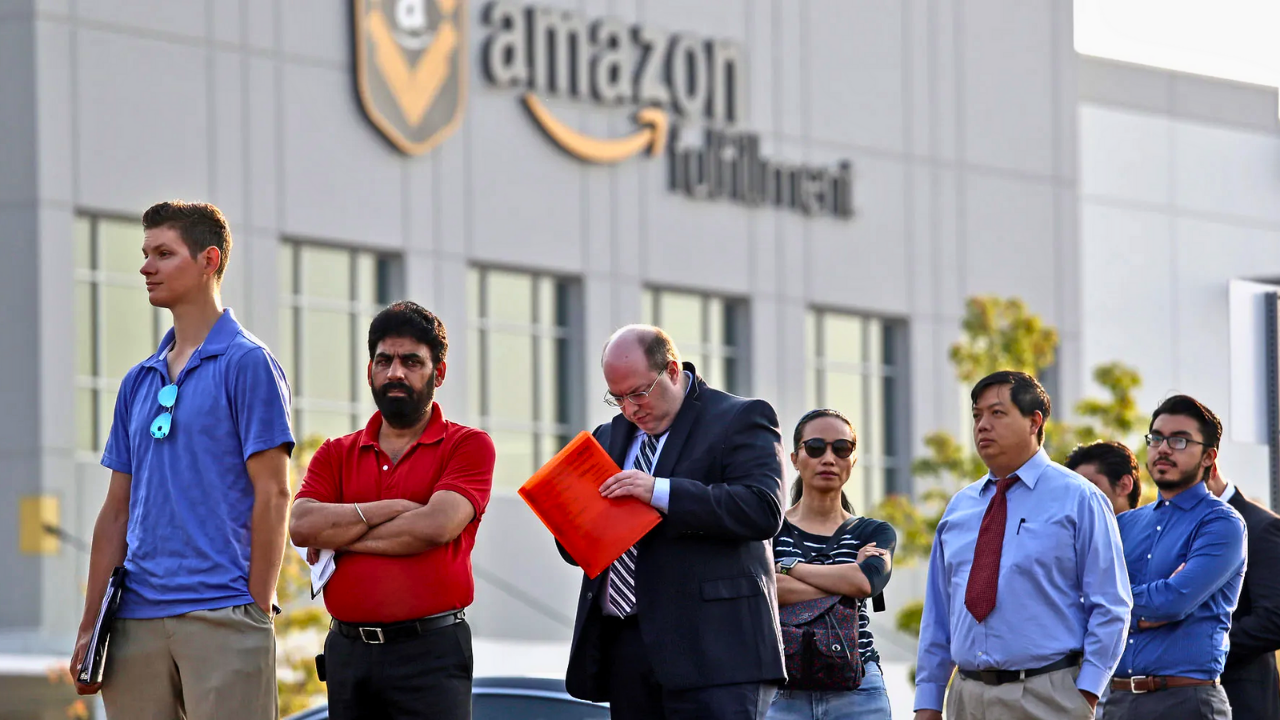
Reductions span Amazon’s corporate functions without sparing any major area, emphasizing a company-wide reduction in internal complexity. AWS faces cuts despite its centrality, shifting toward automation over staffing growth. White-collar roles in coordination and management prove most vulnerable, as AI tools enable fewer people to handle broader responsibilities.
This focus spares warehouse and delivery positions, preserving core operations.
Massive AI Investment Reshapes Priorities
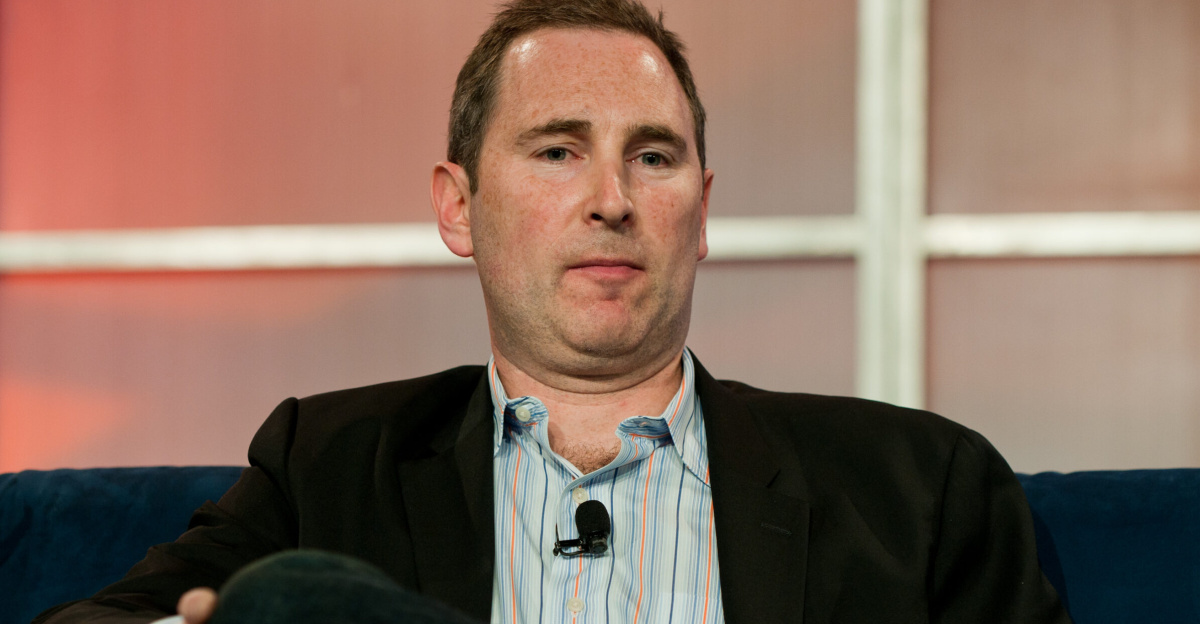
Amazon plans $118 billion in 2025 for AI and cloud infrastructure, prioritizing technical execution over administrative headcount. Capital flows to AI models, data centers, and services, aligning workforce with these bets. Investors reacted positively, seeing cost discipline and clarity in the strategy.
Broader tech trends echo this: peers cut corporate staff while boosting AI hires, measuring growth by efficiency, not numbers.
Ripple Effects on Workers and Ecosystem

Affected employees in high-cost areas like Seattle receive severance, extended benefits, and internal job application windows, yet face a tough market amid rising costs. Families confront volatility in once-stable tech careers.
Vendors and partners may see delays in approvals for advertising, devices, and sourcing due to leaner coordination teams. Customers experience indirect impacts, like slower non-essential service updates, offset by AI gains in retail and logistics.
Future Cuts and Industry Signals
Internal plans suggest total reductions could hit 30,000 by 2026, heightening uncertainty as reviews continue. Amazon signals selective future hiring tied to AI priorities.
The cuts draw policy scrutiny on AI displacement and worker protections, while redistributing talent to startups and rivals, potentially spurring innovation elsewhere. For corporate workers, they highlight shifting demands: AI skills trump traditional management, urging upskilling.
This restructuring positions Amazon—and Big Tech—for an automation era, trading scale for speed and dominance, with implications for employment stability and economic policy ahead.
Sources:
Reuters via Yahoo Finance (2025-10-28)Article title: Not explicitly titled in citation; covers Amazon’s 14,000 job cuts announcement.
CBS News (2025-10-28)Article title: Not explicitly titled in citation; reports on Amazon layoffs and impacts.
AboutAmazon.com (2025-10-28)Article title: Not explicitly titled in citation; includes internal memo from Beth Galetti.
ABC News (2025-10-28)Article title: Not explicitly titled in citation; discusses customer and global effects.
Fox Business (2025-10-28)Article title: Not explicitly titled in citation; covers tech sector layoffs, rivals, and market reactions.