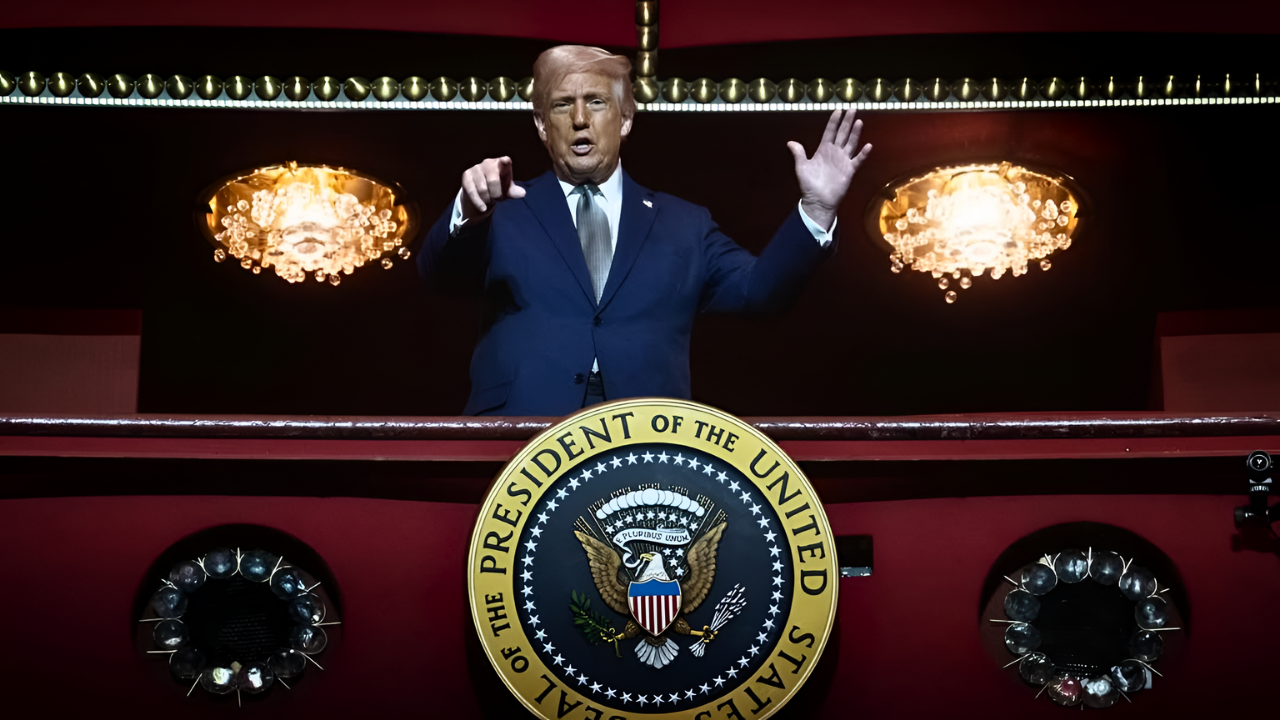
In December 2025, the Kennedy Center, America’s premier performing arts institution, named as a memorial to President John F. Kennedy by federal law in 1964, became the flashpoint for a constitutional crisis when President Donald Trump’s newly appointed board voted to add his name to the building. What followed was a collision between presidential power, artistic conscience, and the rule of law, and it started with a single moment onstage.
A Slip Onstage Turns Into A Signal
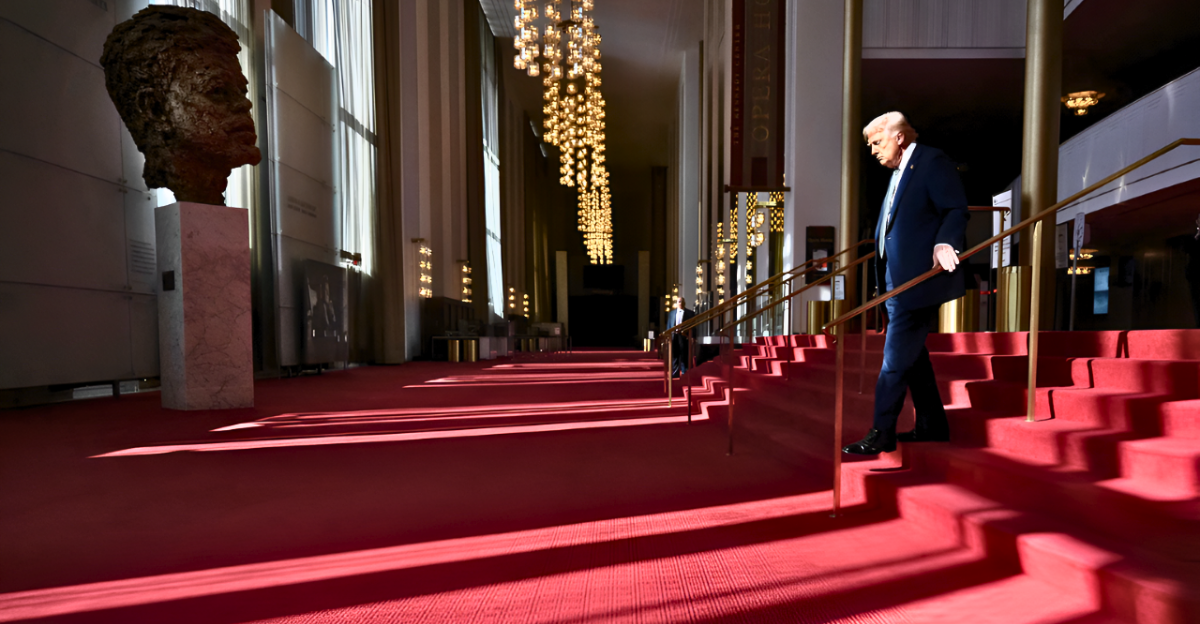
On December 7, the day President Trump hosted the Kennedy Center Honors for the first time ever, he made a startling verbal slip. While speaking about the prestigious ceremony, Trump said, “Well, this is the… Trump Kennedy Center,” before catching himself and appearing embarrassed by the comment. However, the aftermath in boardrooms hinted this was not just a stumble.
A Vote That Was Called “Unanimous”
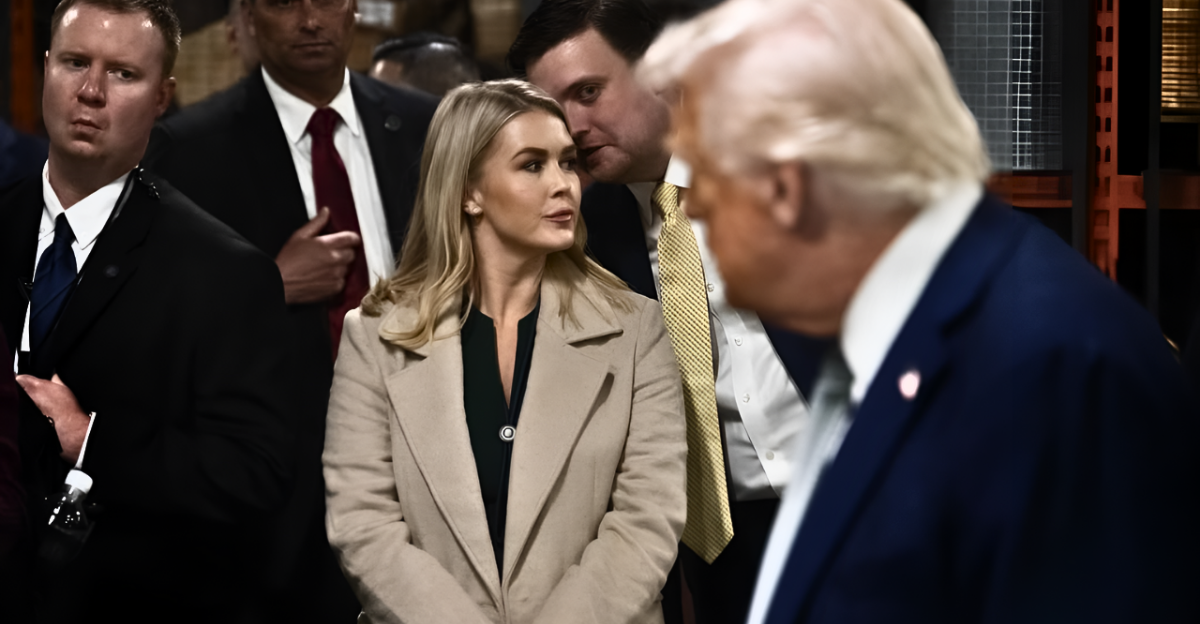
On December 18, barely a week after Trump’s slip, the board announced it had voted unanimously to rename the institution “The Donald J. Trump and The John F. Kennedy Memorial Center for the Performing Arts.” Representative Joyce Beatty later said she was muted and blocked from speaking. The speed of the change raised a question: who was really in control?
How A Bipartisan Board Was Rewritten
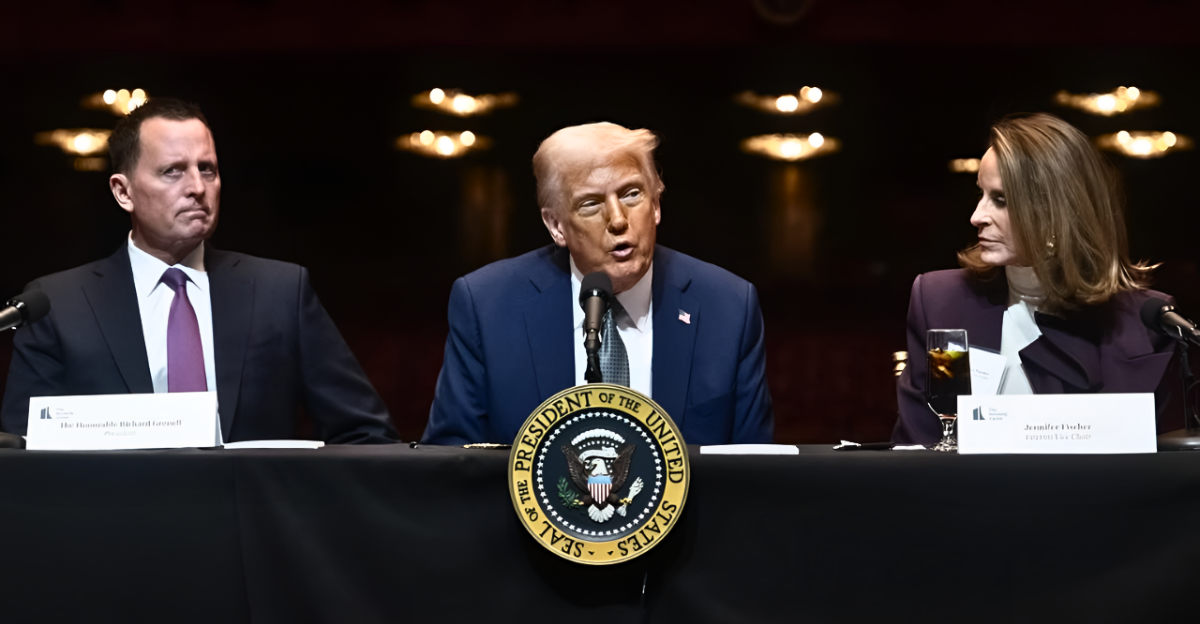
When Trump took office on January 20, 2025, the Kennedy Center board was historically bipartisan. Within weeks, Trump purged it, removing 18 Biden appointees and keeping only members from his first term. By February 10, he appointed himself chairman, a first for a sitting president. Yet the artist community reacted faster than leadership expected.
Artists Begin Walking Away Quietly
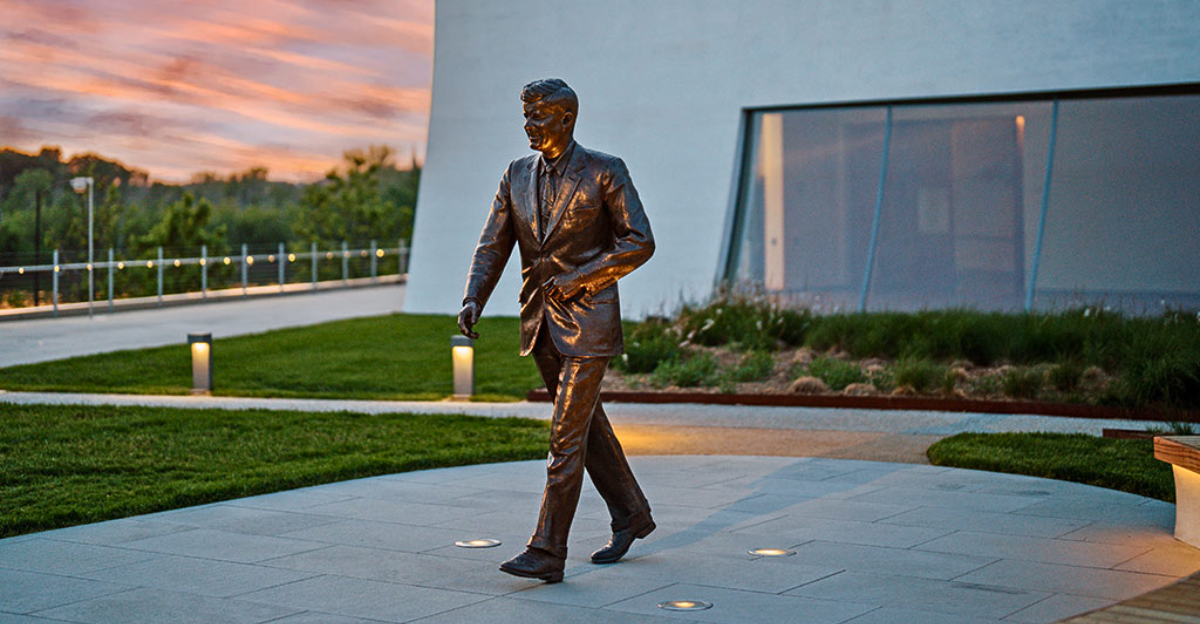
Before the December renaming, artists were already fleeing. In March, “Hamilton” canceled its spring 2026 run, saying it had “sadly seen decades of Kennedy Center neutrality be destroyed.” Issa Rae, Rhiannon Giddens, and Low Cut Connie also withdrew during 2025. The pattern set the stage for a holiday shock few saw coming.
The Musician Behind A Beloved Tradition

Chuck Redd, 67, is an internationally recognized jazz vibraphonist and drummer with credits including the Mel Tormé All-Star Jazz Quintet, performances with Dizzy Gillespie, and a White House recital during President Carter’s administration. Since 2006, he has hosted the Christmas Eve Jazz Jam, a free D.C. tradition. Then a website update changed everything.
Christmas Eve Brings A Breaking Point
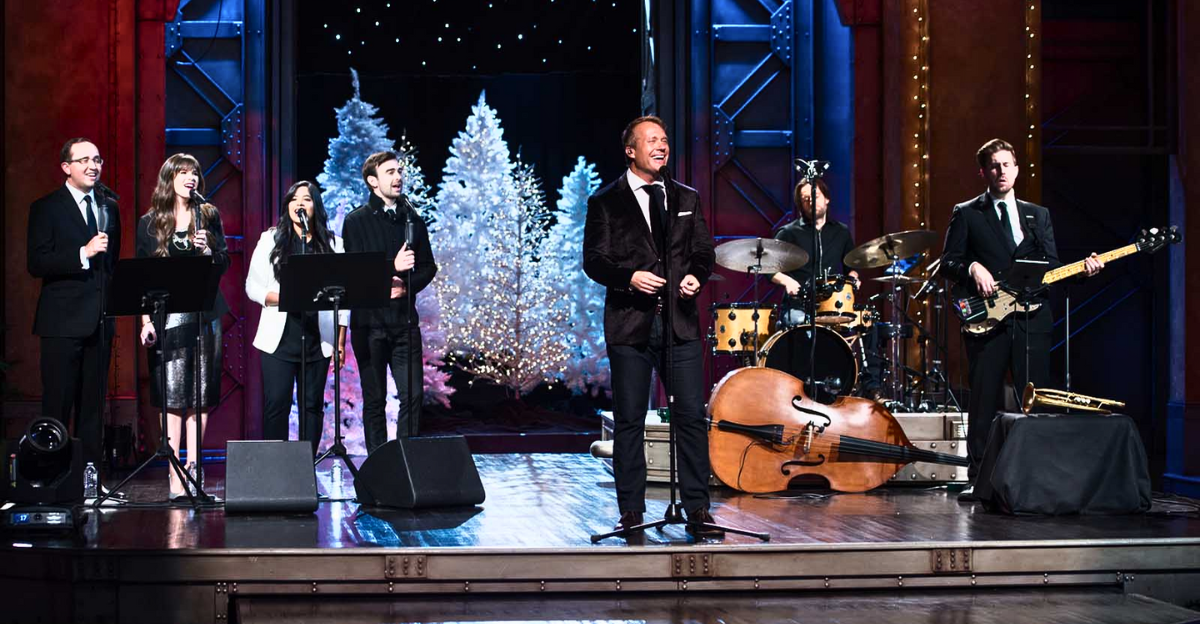
On December 24, 2025, Christmas Eve, Chuck Redd discovered the Kennedy Center had officially renamed itself to include Trump’s name. He told The Associated Press, “When I saw the name change on the Kennedy Center website and then hours later on the building, I chose to cancel our concert.” The decision ended nearly 20 years ago, but the response was harsher.
A Letter That Made It A Legal Fight
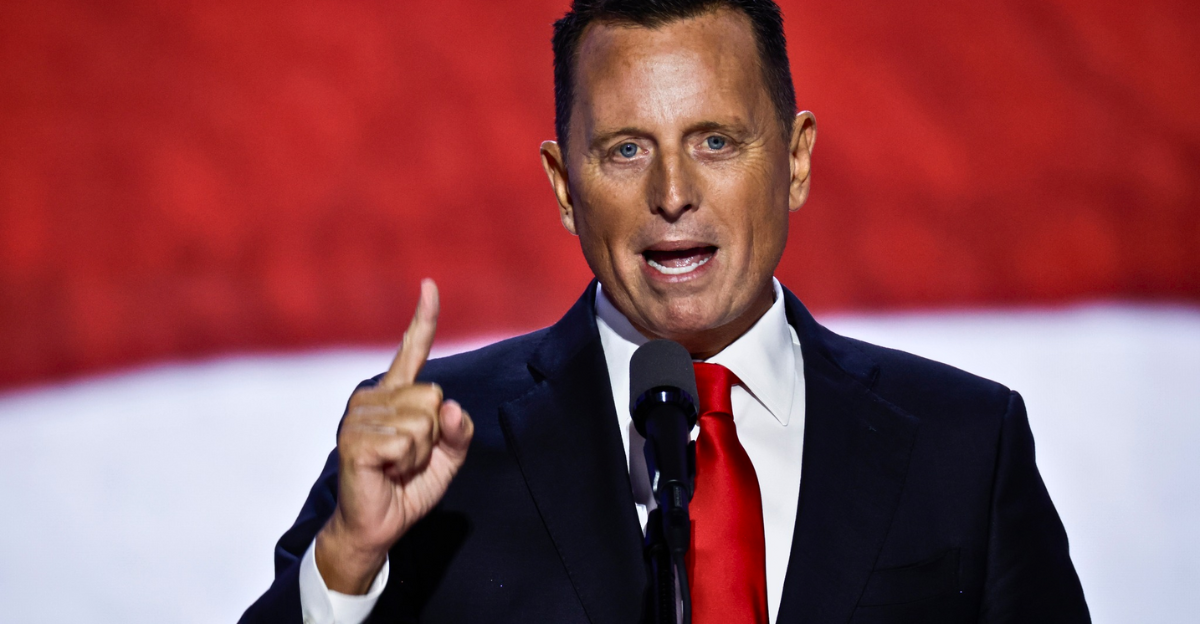
On December 26, Richard Grenell sent Chuck Redd a letter threatening legal action. “Your decision to withdraw at the last moment—explicitly in response to the Center’s recent renaming—is classic intolerance and very costly to a non-profit Arts institution,” Grenell wrote, according to The Associated Press. He said he would seek $1 million, a figure that triggered immediate disbelief.
How Do You Lose $1 Million On Free Tickets?
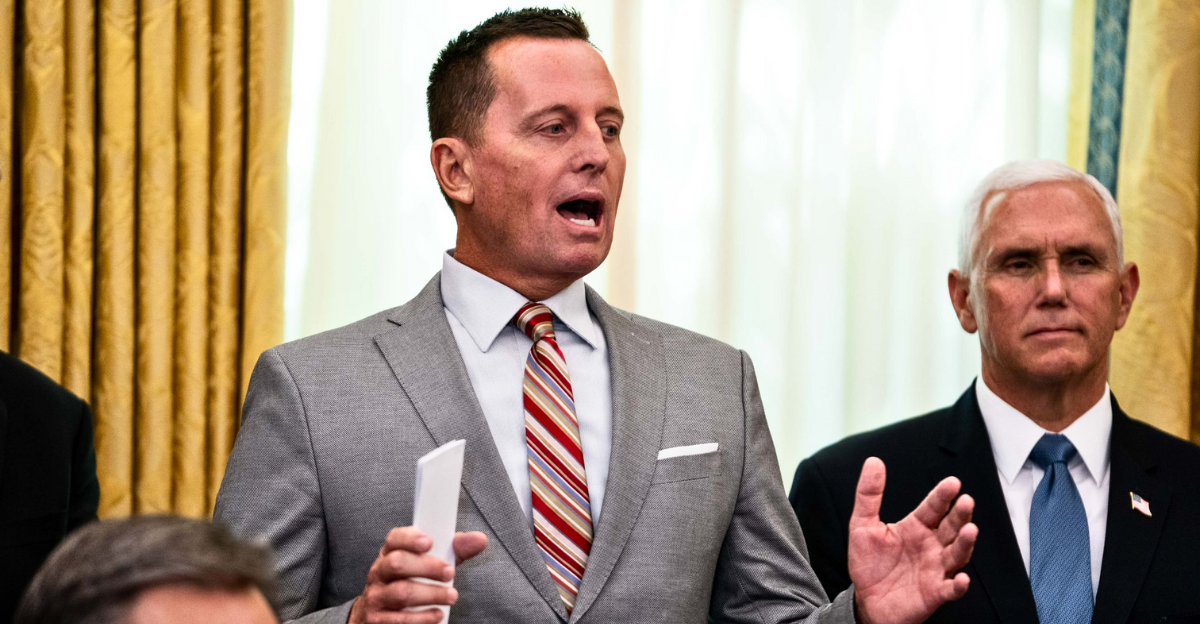
Grenell claimed Redd’s “dismal ticket sales and lack of donor support” caused substantial losses. But the Christmas Eve Jazz Jam is free admission, meaning no ticket revenue to lose. Over 20 years, the $1 million demand equals $50,000 per year of hosting. Legal experts questioned whether damages for canceling a free event could stand, or was it meant as punishment?
A Congresswoman Takes It To Federal Court
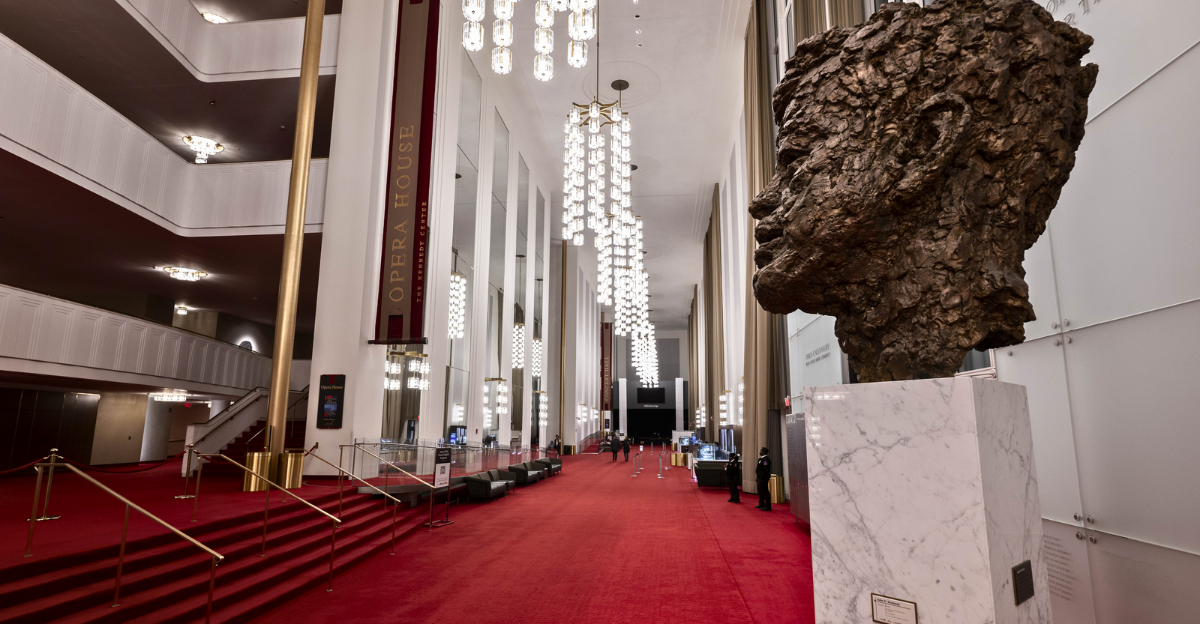
Four days after the December 18 vote, Representative Joyce Beatty filed a federal lawsuit challenging the renaming. She argued Public Law 88-260, passed January 23, 1964, designates the Kennedy Center as “the sole national memorial to the late John Fitzgerald Kennedy” and blocks a name change without Congress. Her filing sought to void the renaming, but the political blowback grew louder.
Kennedy Relatives Go Public With Fury
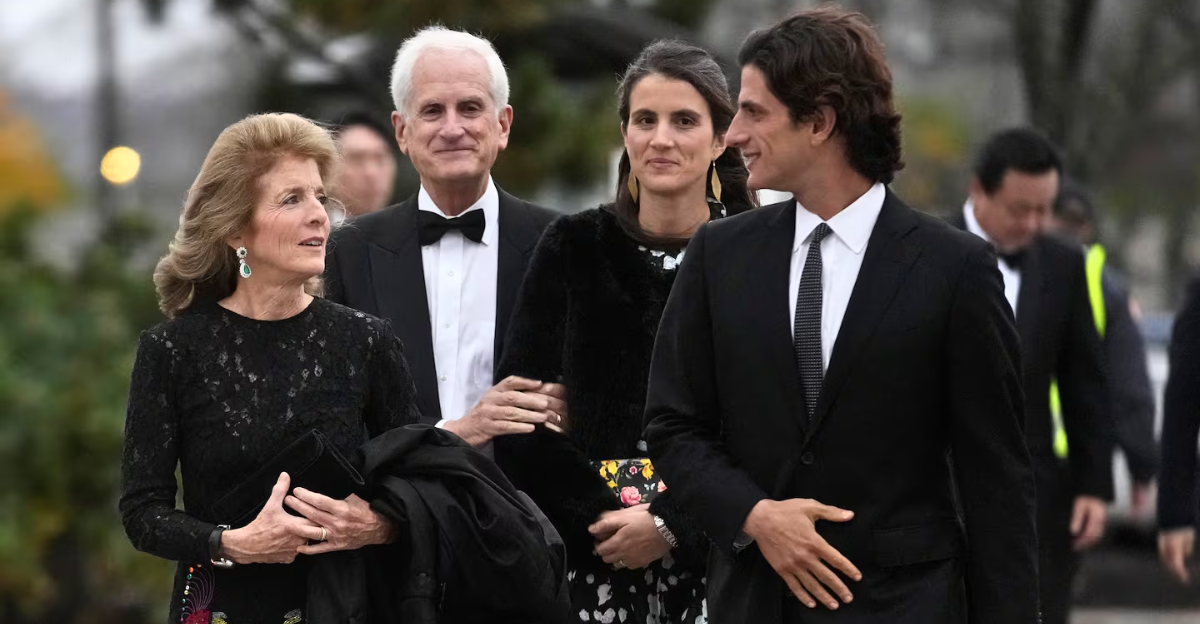
Kennedy family members voiced outrage online. Jack Schlossberg questioned legality. Maria Shriver wrote: “It is beyond comprehension that this sitting president has sought to rename this great memorial dedicated to President Kennedy. It is beyond wild that he would think adding his name in front of President Kennedy’s name is acceptable. It is not.” Kerry Kennedy vowed to “grab a pickax,” as the fallout hit attendance.
Ticket Data Shows An Audience Disappearing
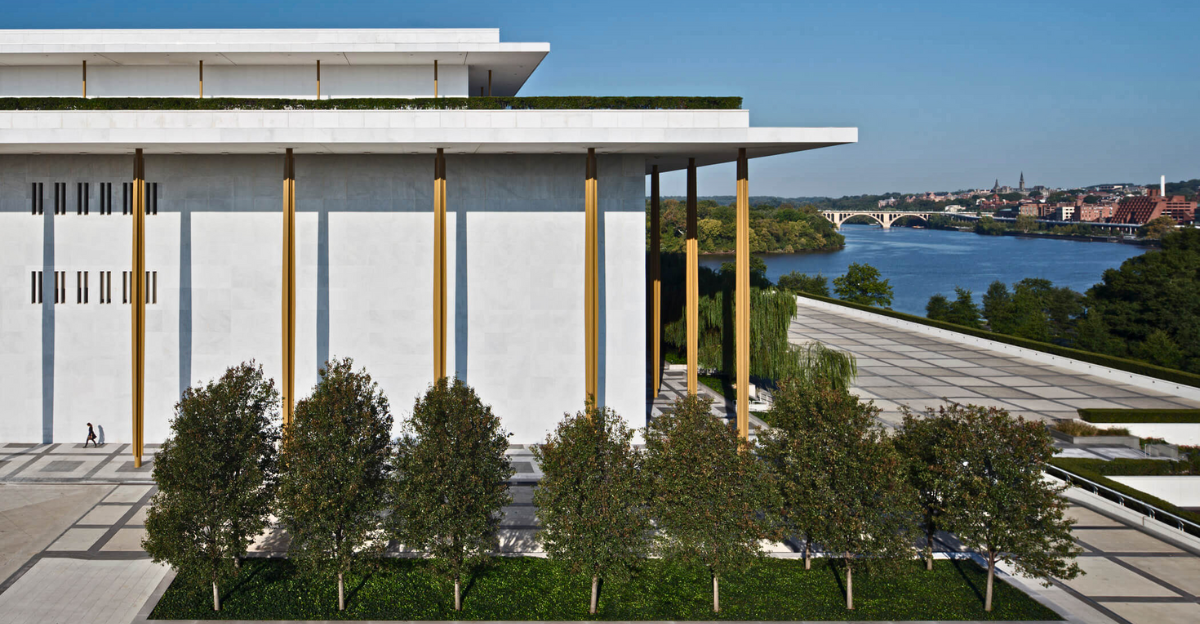
Before December, the Kennedy Center was already losing crowds. The Washington Post analysis of ticketing data from September 3 to October 19 found about 43% of tickets for major performances unsold, versus 7% during the same period in 2024. Some reports suggested steeper declines in major halls. Staff blamed the leadership transition, but would the cancellations now become a stampede?
Another Jazz Act Says No On New Year’s
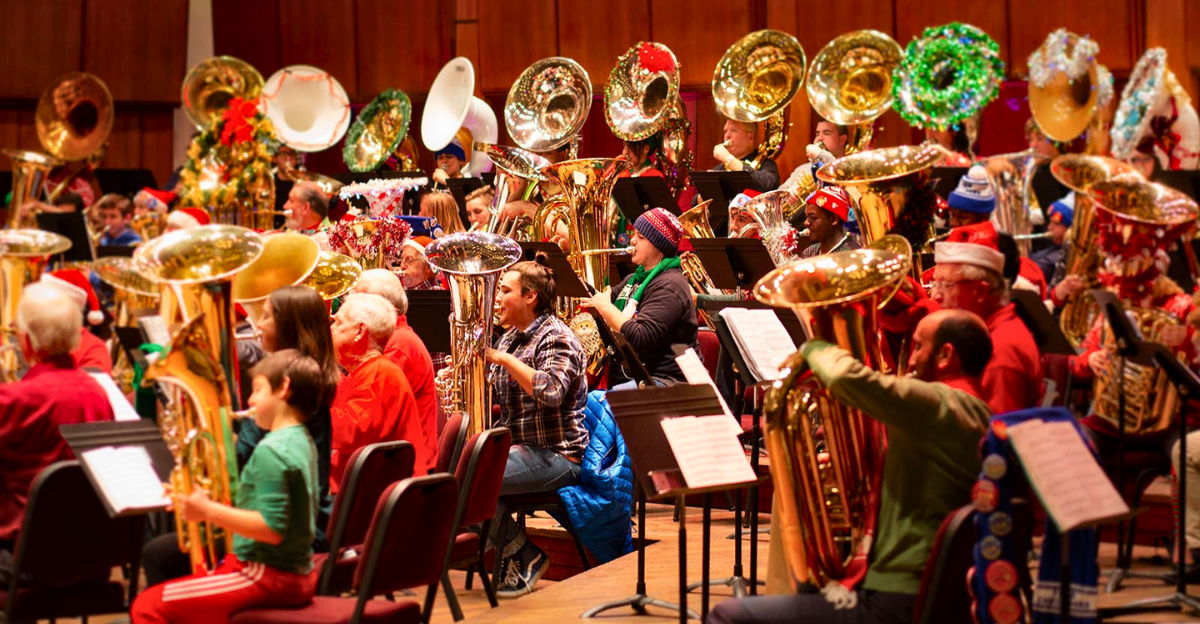
On December 29, jazz supergroup The Cookers canceled New Year’s Eve performances. Drummer Billy Hart told The New York Times the renaming had “evidently” influenced the decision. The group said, “Jazz was born from struggle and from a relentless insistence on freedom: freedom of thought, of expression, and of the full human voice.” Their withdrawal sharpened the question of how costly dissent would become.
A Dance Company Accepts A $40,000 Hit
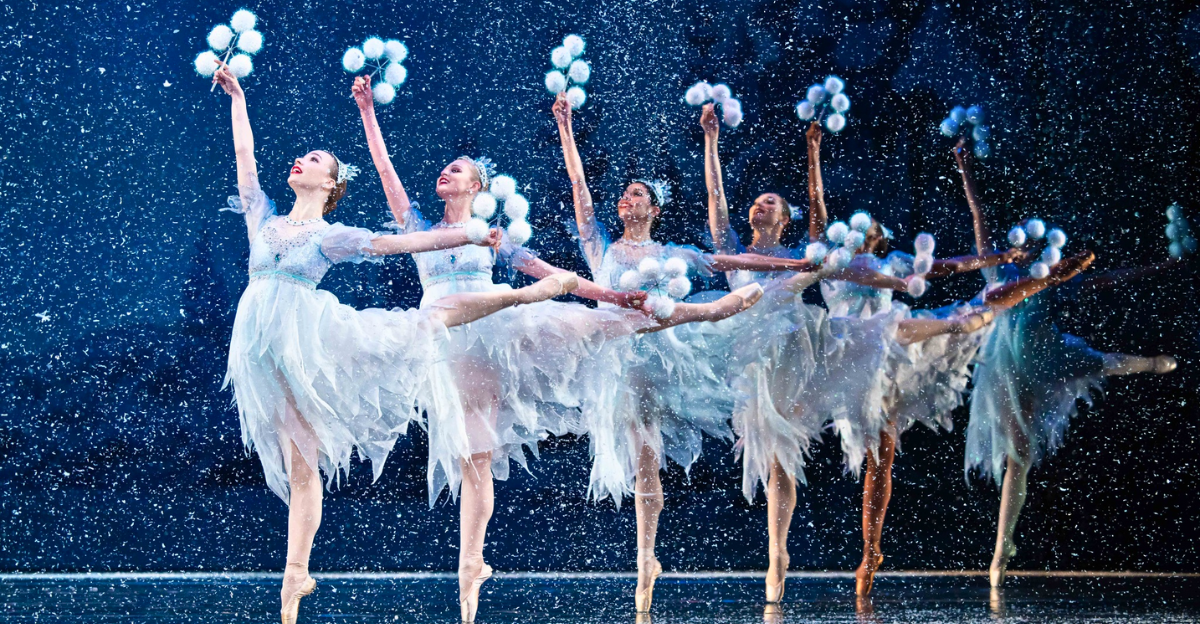
On December 29, Doug Varone and Dancers canceled their 40th anniversary performances, originally scheduled for April 2026. Varone estimated the decision would cost about $40,000. He said, “It is financially devastating but morally exhilarating. We can no longer permit ourselves, nor ask our audiences to step inside this once great institution.” The group had planned to honor administrators Jane Raleigh and Alicia Adams until the renaming changed priorities.
A Working Musician Explains The Real Risk
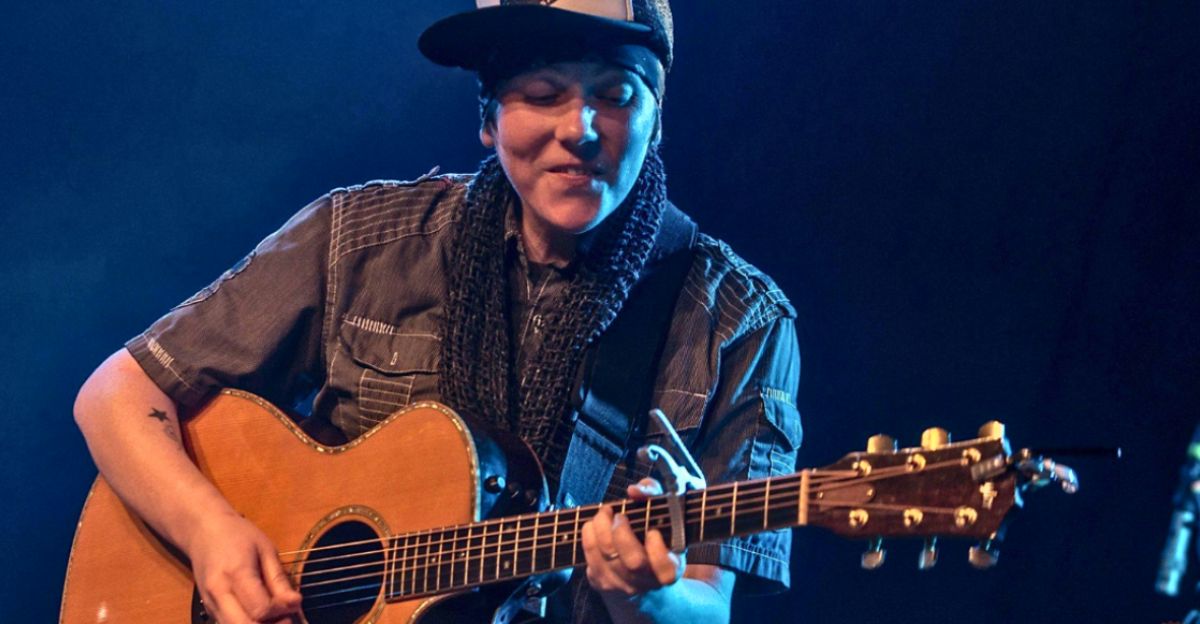
Folk singer Kristy Lee canceled a free concert scheduled for January 14. “I won’t lie to you, canceling shows hurts,” she wrote. “This is how I keep the lights on. But losing my integrity would cost me more than any paycheck.” Her statement captured the bind many performers faced: ethics versus survival. How many would hold the line if legal threats spread beyond headline names?
Grenell Calls Boycotters “Deranged”
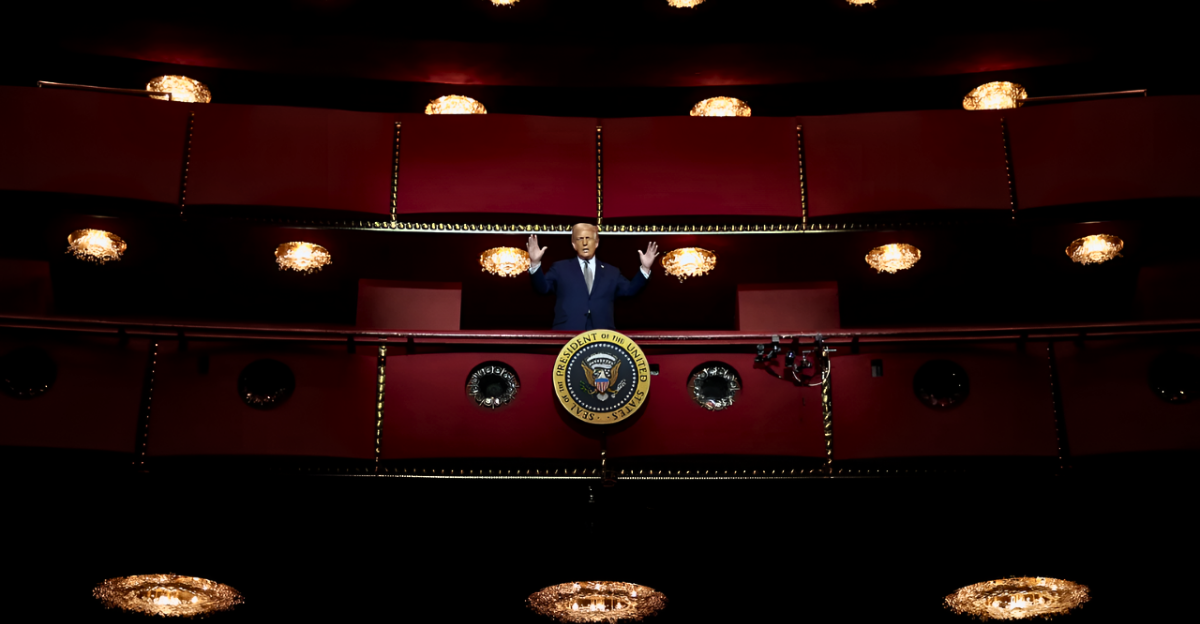
On December 30, Grenell posted on X: “The artists who are now canceling shows were booked by the previous far left leadership.” He added, “Boycotting the Arts to show you support the Arts is a form of derangement syndrome.” The Kennedy Center’s messaging also called canceling performers “selfish” and “intolerant.” Meanwhile, Ben Folds, Shonda Rhimes, and Renée Fleming had resigned months earlier, revealing deeper fractures inside.
The White House Says Trump “Saved” It
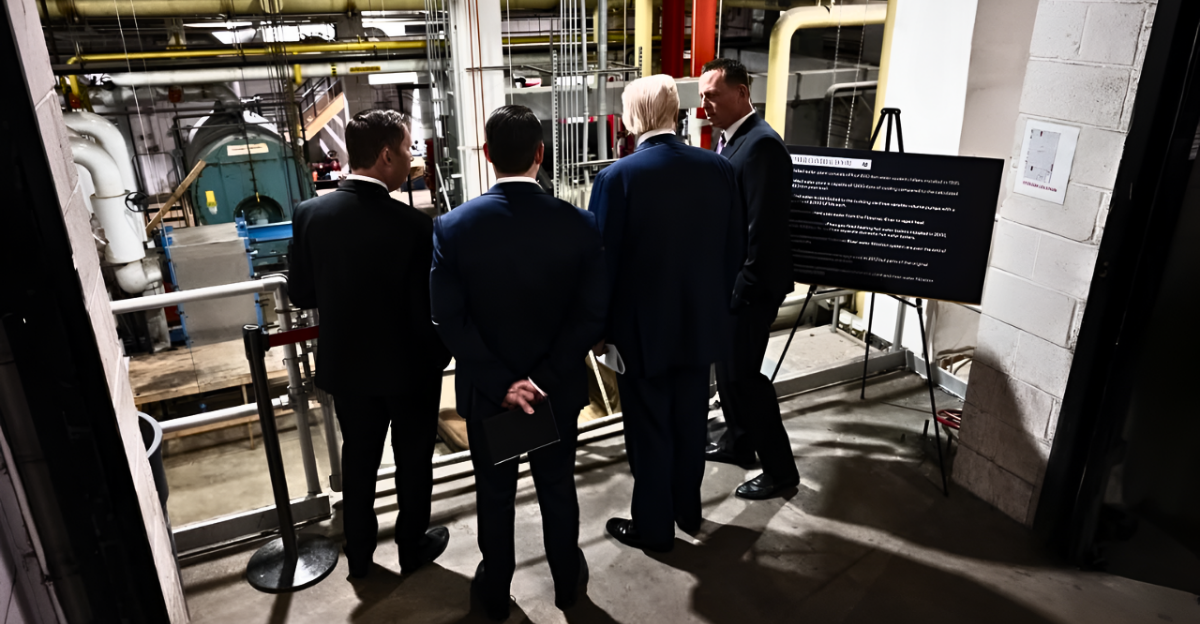
The administration argued the renaming reflected Trump’s rescue of the institution. Karoline Leavitt said on December 18 Trump deserved credit for “the unbelievable work President Trump has done over the last year in saving the building. Not only from the standpoint of its reconstruction, but also financially, and its reputation.” Trump secured $250 million from Congress for renovations. Still, critics asked why help required branding, purges, and lawsuits.
The Law At The Center Of The Fight
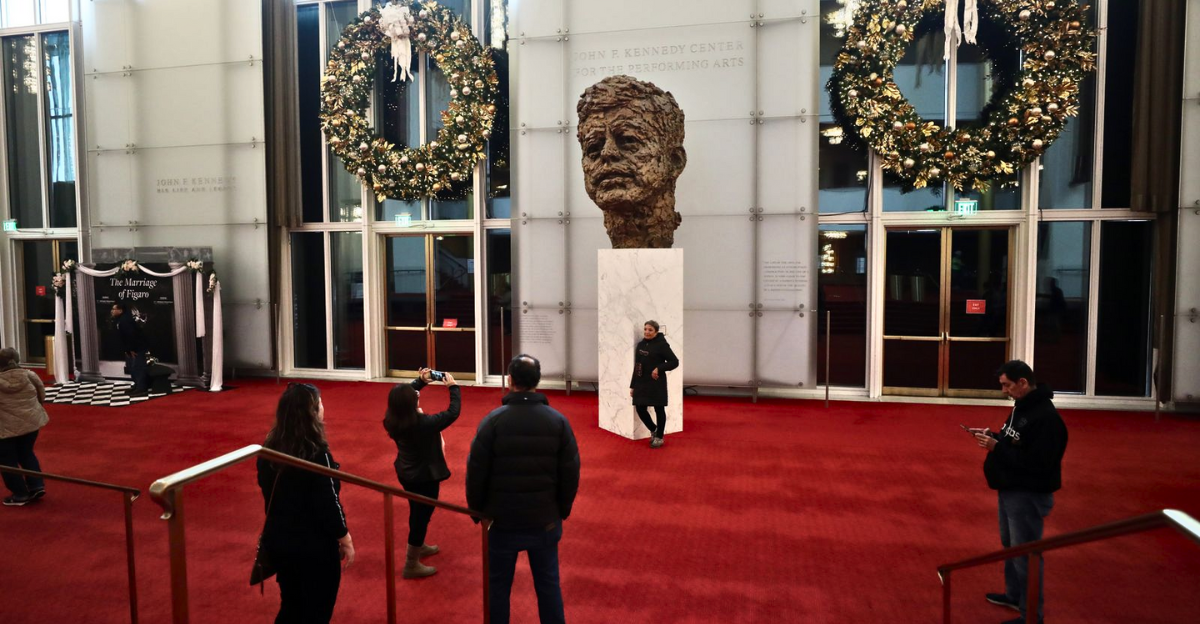
Public Law 88-260 states the Kennedy Center “shall be the sole national memorial to the late John Fitzgerald Kennedy” and bars a name change without Congress. Attorney Norm Eisen told CNN, “It breaks the law because it was by statute put into the congressional statute that only the Congress would be able to do a name change.” If courts allow a workaround, what stops other memorials from being repurposed?
Workers Organize As Leadership Purges Staff
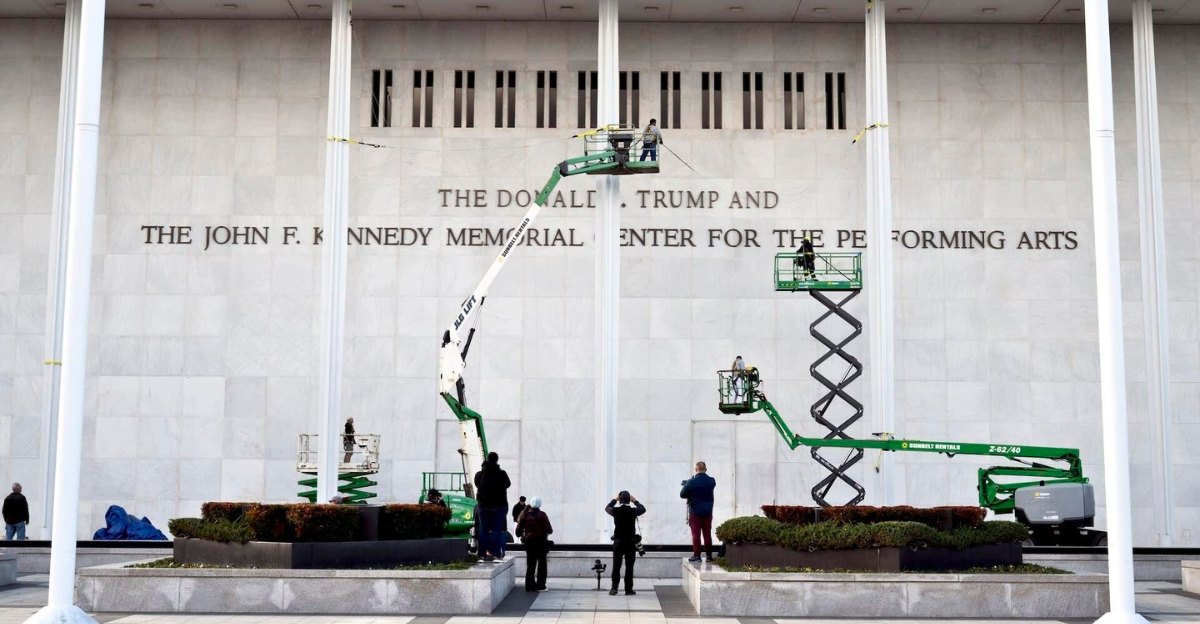
Inside the Kennedy Center, upheaval continued. Grenell fired about 40 staff and replaced them with Trump loyalists. About 90 remaining employees voted to unionize with United Auto Workers support, warning of plans to “dismantle mission-essential departments and reshape our arts programming.” The first union in the Center’s history underscored how political change had become workplace crisis. Would the public fight now reshape the institution permanently?
Chuck Redd Becomes A Warning To Others
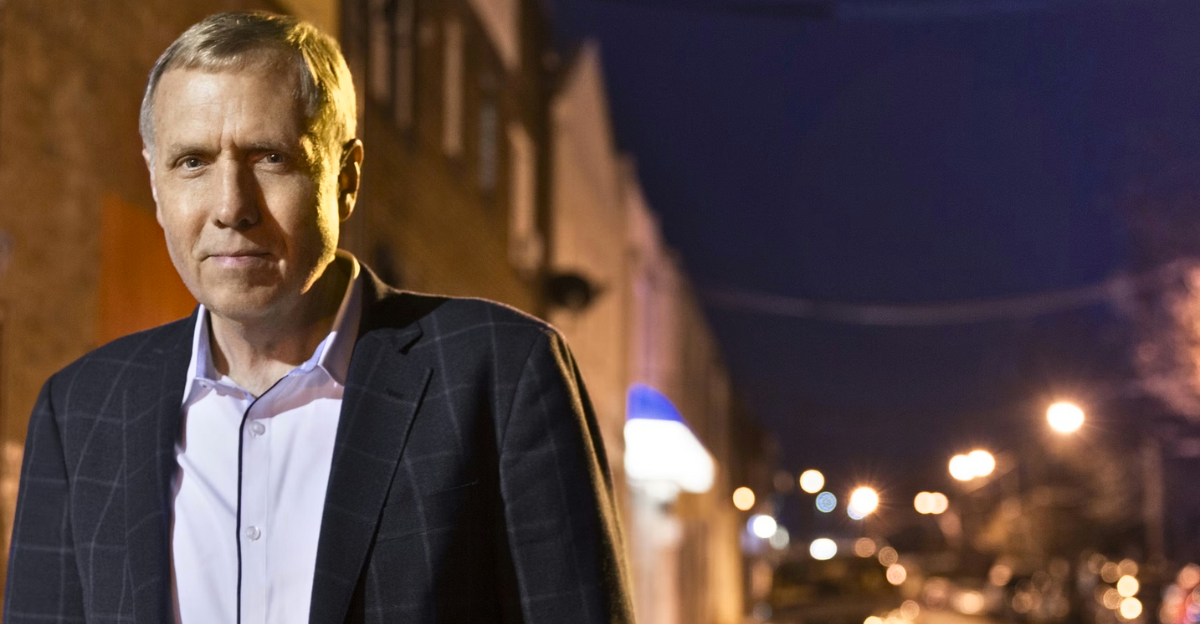
As 2025 ended, Chuck Redd faced uncertainty despite a 40-year career and more security than younger artists. The $1 million threat signaled that refusing to perform at a Trump-controlled Kennedy Center could trigger ruinous litigation and legal bills. For performers weighing cancellations, principle now carried a price tag and years of stress. Was the lawsuit threat aimed less at Redd, and more at everyone watching?
A Memorial’s Neutral Ground Starts Vanishing
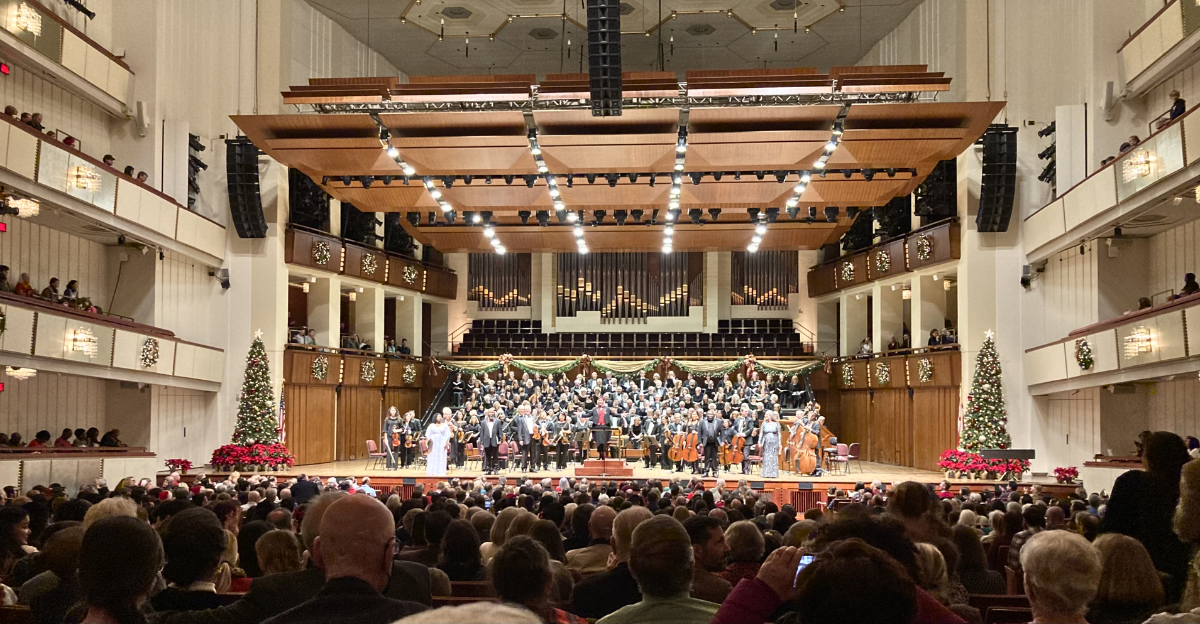
In 11 months, a nonpartisan memorial and cultural space became a symbol of presidential overreach and institutional weaponization against dissent. The outcome now hinges on whether courts uphold congressional authority, whether artists sustain boycotts despite financial pressure, and whether norms survive inside institutions meant to transcend politics. Even if Trump’s name is removed later, the episode leaves a lingering question about who owns public culture.
Sources:
Public Law 88-260. Congress of the United States, January 23, 1964
Democracy Defenders Action Lawsuit Filing. U.S. District Court for the District of Columbia, December 22, 2025
Kennedy Center President Threatens $1 Million Lawsuit Against Jazz Musician Who Canceled Over Trump Renaming. Associated Press, December 2025
Kennedy Center Ticket Sales Analysis. The Washington Post, October 2025
Trump Renaming And Artist Cancellations Coverage. ABC News, December 2025