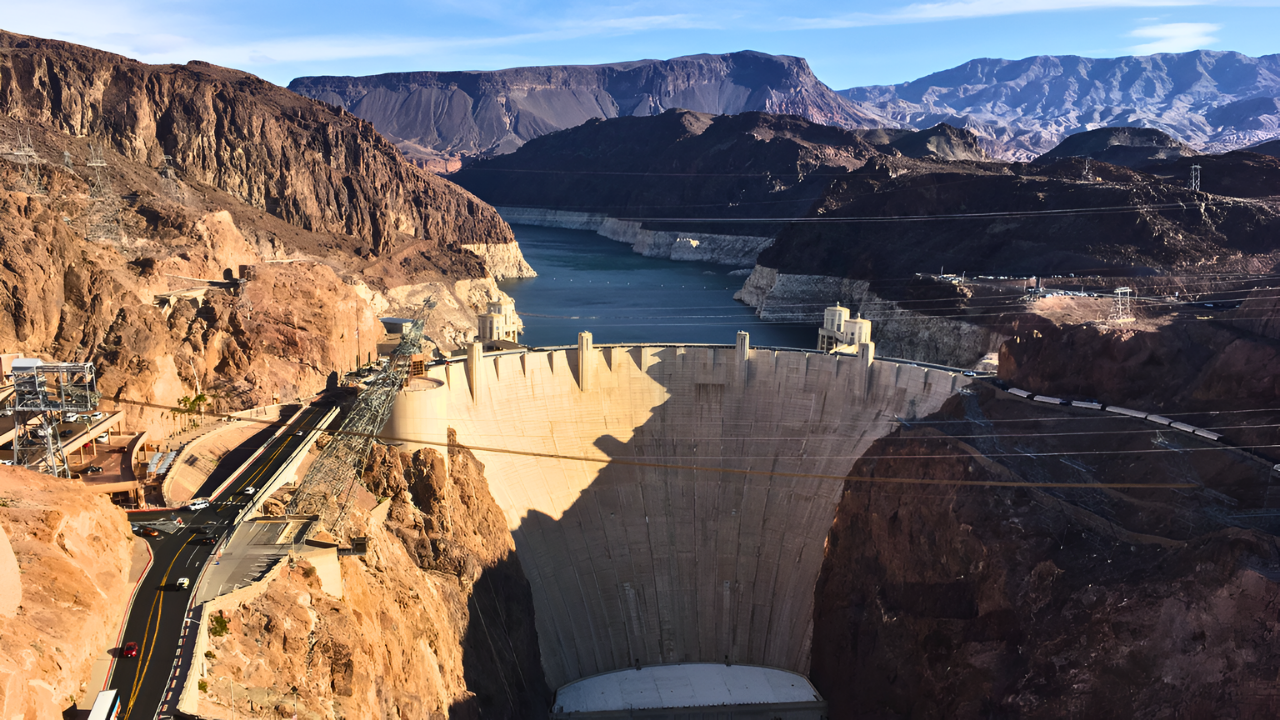
Thousands of critical water barriers across America are slowly disappearing into the earth beneath them—a silent structural crisis revealed only through decade-long satellite radar surveillance. More than 2,500 high-hazard dams, structures whose failure would trigger catastrophic loss of life, are gradually sinking despite previous engineering assessments declaring them stable. This discovery upends conventional wisdom about aging infrastructure and exposes a vulnerability that traditional ground inspections cannot detect. Space-based measurement technology has captured millimeter-level vertical movement occurring beneath dams that millions of Americans depend on daily, challenging assumptions about the long-term stability of water systems built generations ago.
Infrastructure at the Breaking Point
The United States maintains over 92,000 dams, with nearly 70% having surpassed their 50th year of operation. The average structure now stands at 61 years old, a legacy of the massive construction surge during the 1950s and 1960s when these facilities were never engineered for indefinite service. As foundations settle and construction materials deteriorate, hazards multiply—particularly when subterranean shifts occur beyond the detection range of standard visual examinations.
Among these aging structures, more than 16,700 carry high-hazard classifications, meaning collapse would result in fatalities and widespread devastation to downstream populations. Of these critical facilities, over 2,500 now display both poor structural condition and measurable ground subsidence, placing countless communities at escalating risk.
The Invisible Threat Underground
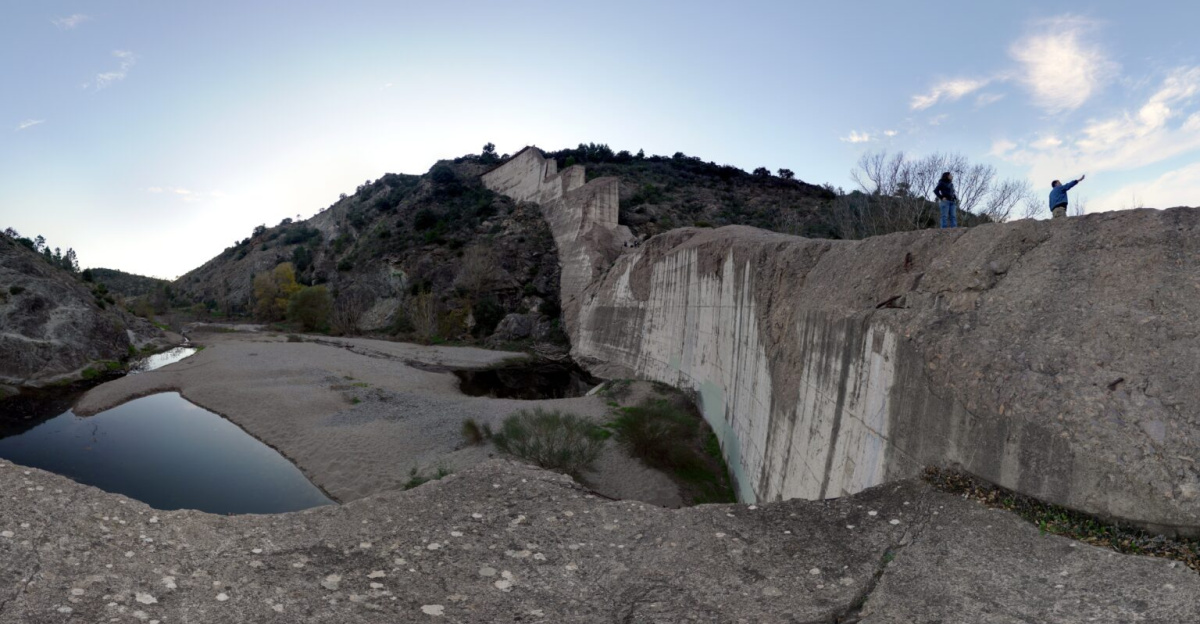
Subsidence—the gradual vertical descent of a structure into underlying soil—represents a fundamentally different danger than visible surface deterioration. This underground movement can persist silently for years, progressively altering stress distribution within dam structures, compromising foundation integrity, and hastening internal breakdown.
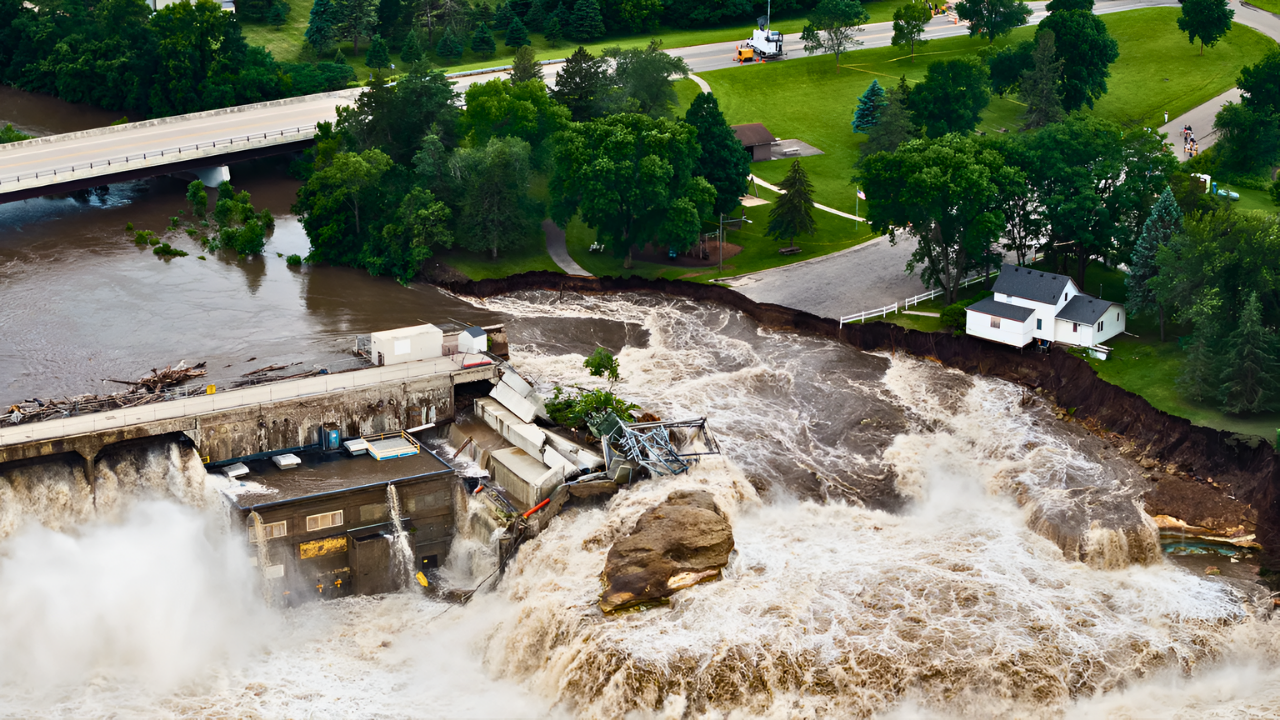
Because the process unfolds slowly and remains hidden from view, conventional monitoring methods frequently miss these critical changes until sophisticated satellite radar technology illuminates the displacement. In Roanoke Rapids, North Carolina, a high-hazard facility protecting more than 15,000 residents exhibits ongoing subsidence along its northern face, accompanied by concrete fracturing, despite earlier evaluations suggesting stability. This case demonstrates how past inspection conclusions may no longer provide adequate safety assurance.
Technology Reveals What Inspections Cannot
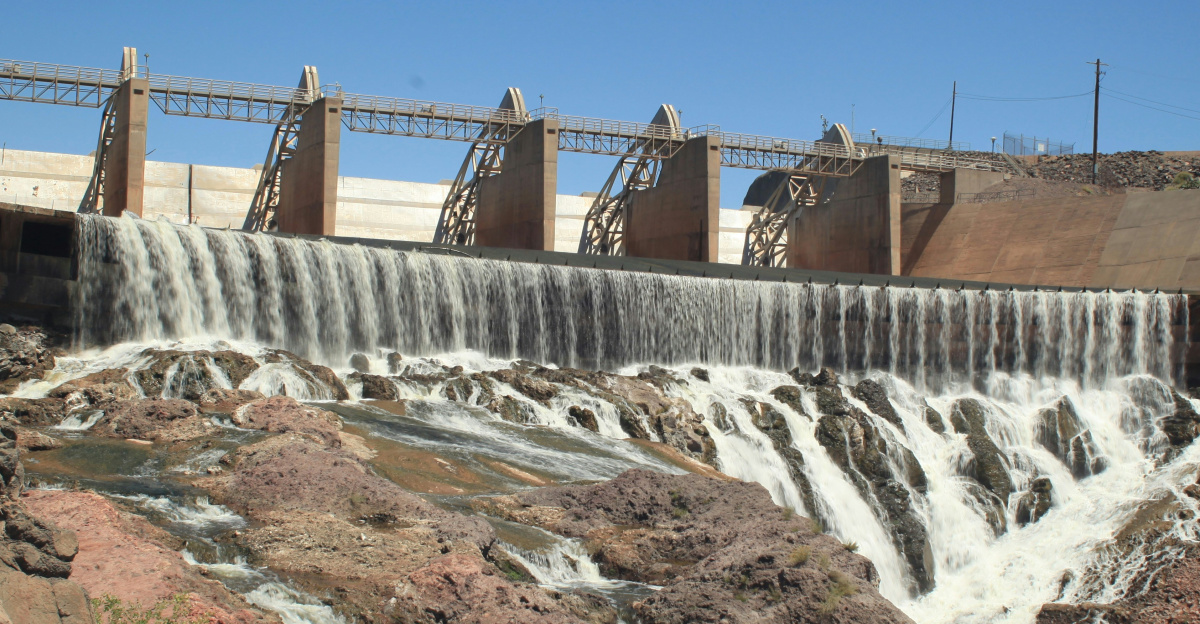
Traditional dam oversight has depended on ground-based surveys, visual inspections, and periodic engineering assessments—methods that deliver value but remain constrained by scale and frequency limitations. Satellite radar fundamentally transforms this equation by simultaneously measuring ground displacement across thousands of structures, detecting millimeter-scale shifts accumulated over time.
The recent analysis represents the first comprehensive deployment of this technology to evaluate dam subsidence nationwide, establishing a new benchmark for understanding structural behavior at continental scale. This surveillance capability identifies patterns no practical number of on-site inspections could reasonably uncover, though it functions as an early warning mechanism rather than a definitive failure prediction. Engineers still require site-specific investigations to determine structural soundness, potential failure mechanisms, and downstream consequences.
The Economics of Deferred Maintenance
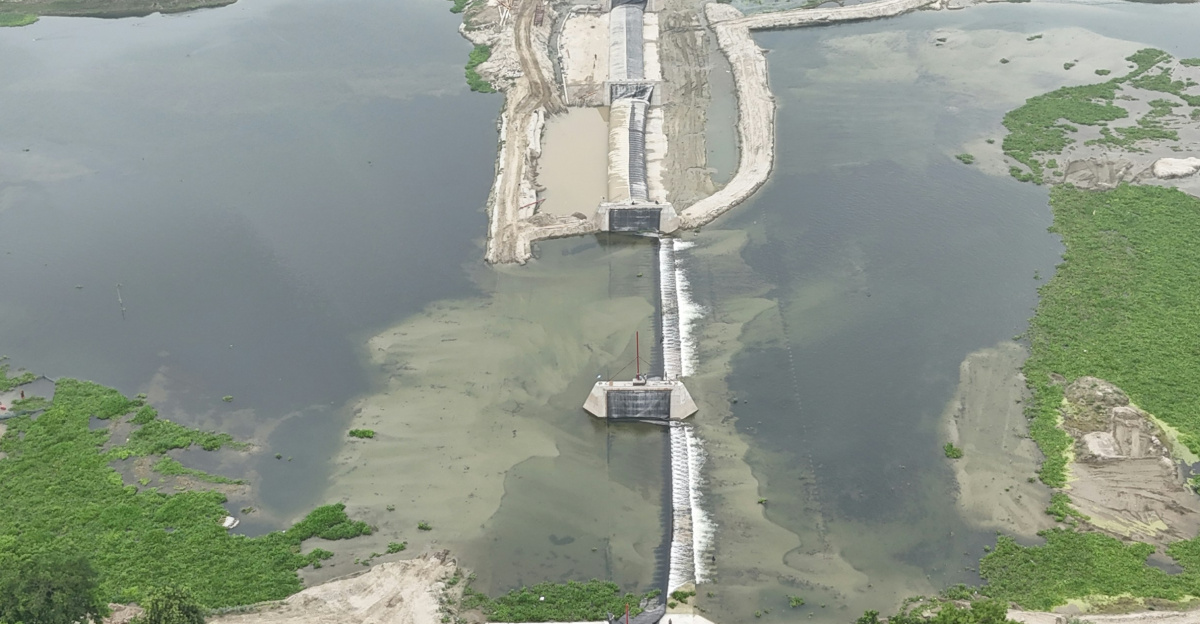
Repairing and sustaining non-federal dams across America demands an estimated $165 billion—a financial requirement that current federal appropriations address only fractionally. With more than 16,700 high-hazard structures competing for limited resources, comprehensive simultaneous maintenance remains economically impossible, forcing difficult triage decisions.
Research indicates that approximately 40 to 50 percent of dam failure risk originates from management and maintenance choices rather than unavoidable natural forces, meaning a substantial portion of danger remains controllable through timely intervention. Satellite-based subsidence detection enables officials to concentrate inspections and repairs on facilities exhibiting measurable movement, prioritizing sites where hazard classification, structural condition, and ground displacement converge most dangerously.
Forward Path
Most American dams were designed for 50 to 70-year operational lifespans; many now function at or beyond those design thresholds without the investment needed to extend their viability. Responsibility for these facilities fragments across federal agencies, utilities, municipalities, and private entities, with smaller operators frequently lacking resources for advanced monitoring or major rehabilitation. Millions live downstream of high-hazard structures, depending on them for safety, water supply, power generation, and flood protection—often unaware that invisible subsidence may be eroding structural margins overhead.
The cost of preventive maintenance remains far below the financial and human toll of catastrophic failure. Satellite surveillance has illuminated the scope of underground movement; the defining challenge now lies not in detection but in translating data into action through targeted engineering assessment, strategic investment allocation, and sustained monitoring before deterioration reaches irreversible thresholds.
Sources:
“Exposing the most dangerous dams in the US.” American Geophysical Union (AGU) Press Release, 16 Dec 2025.
“The Cost of Rehabilitating Dams in the U.S.: A Methodology and Estimate.” Association of State Dam Safety Officials (ASDSO), Mar 2025.
“2025 Report Card for America’s Infrastructure.” American Society of Civil Engineers (ASCE), 25 Mar 2025.
“2,500 ‘high-risk’ U.S. dams are sinking into the ground.” Popular Science, 16 Dec 2025.