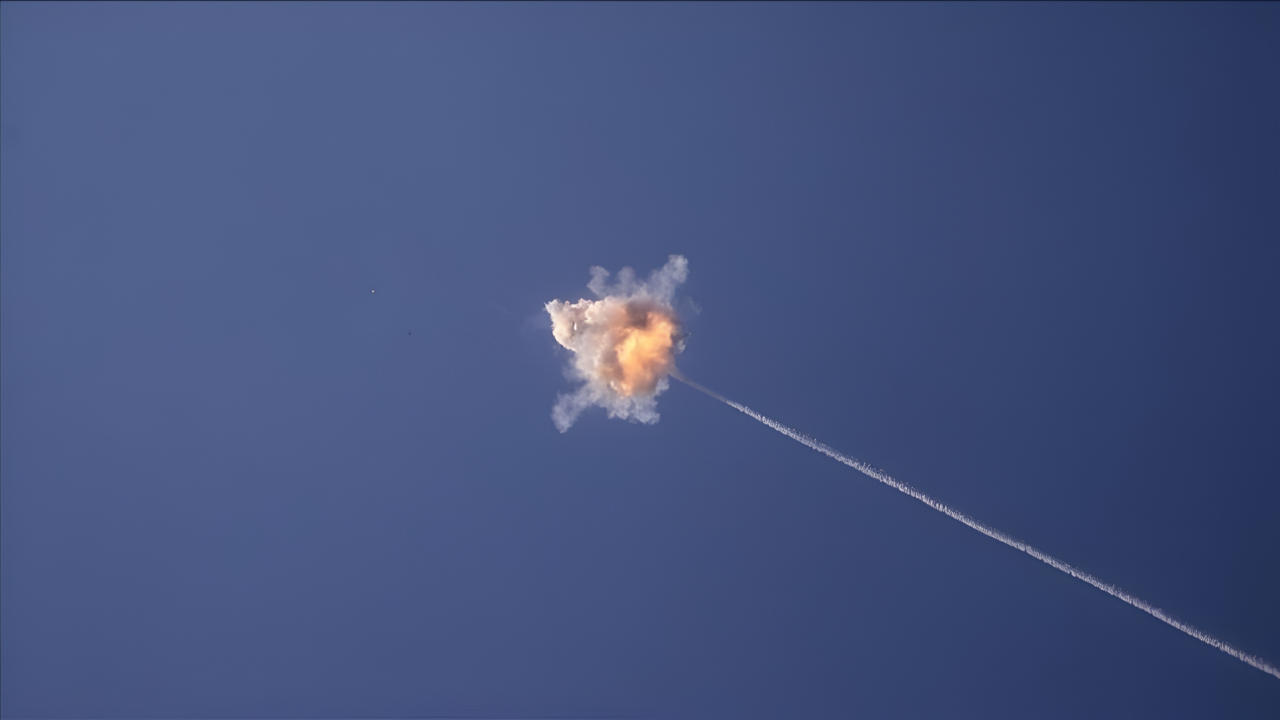
On January 4, 2022, U.S. forces at Ain al-Asad Air Base in western Iraq successfully repelled a coordinated drone attack using layered air defenses. A Centurion Counter-Rocket, Artillery, and Mortar (C-RAM) system armed with a 20mm M61 Vulcan cannon engaged and destroyed one incoming explosive-laden drone.
A second drone was intercepted separately. U.S. Central Command confirmed all personnel were safe, with no casualties or damage reported.
Two Suicide Drones Target Major U.S. Base
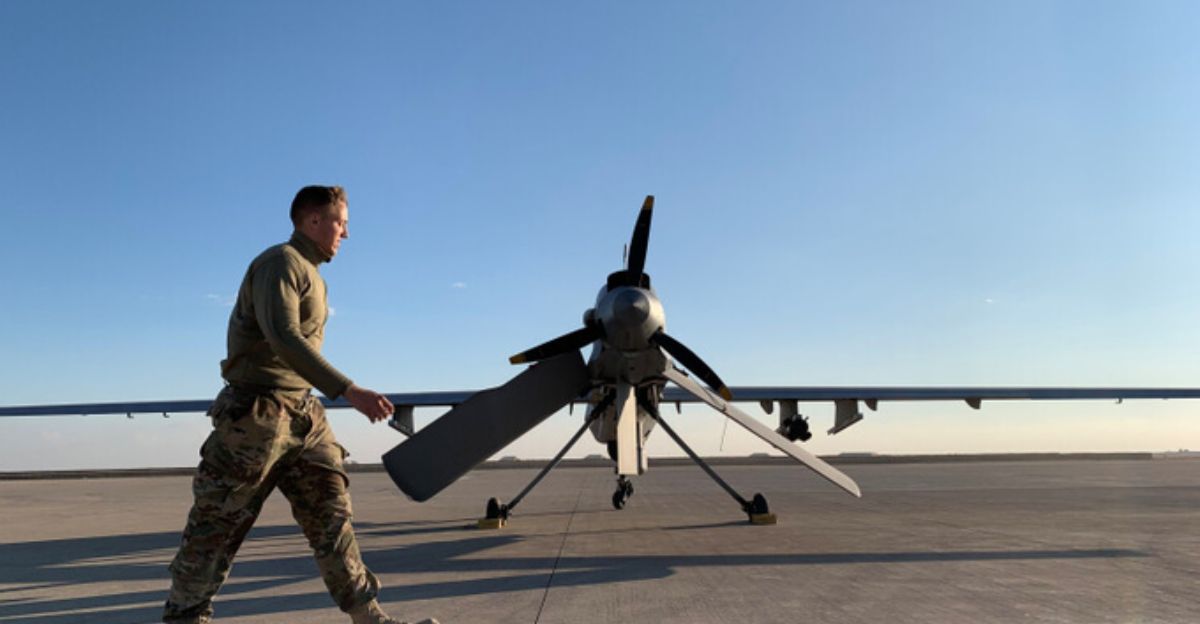
The attack involved two fixed-wing, one-way explosive drones aimed at Ain al-Asad, one of the largest bases hosting U.S. and coalition forces in Iraq. Such drones are designed to crash into targets rather than return.
Both aircraft were neutralized before reaching critical infrastructure, demonstrating the effectiveness of defensive systems against increasingly common unmanned aerial threats used by regional militias.
Timing Linked to Soleimani Anniversary

The drone launch occurred one day after the anniversary of the January 3, 2020 U.S. strike that killed Iranian General Qassem Soleimani. Iranian-backed militias have repeatedly used symbolic dates to stage attacks as psychological and political messaging.
While no group formally claimed responsibility, the timing and tactics aligned with prior militia operations conducted around major anniversaries and regional flashpoints.
Iranian-Backed Militias Suspected

U.S. officials assessed the attack as consistent with methods used by Iranian-aligned armed groups operating in Iraq.
These militias have increasingly relied on drones due to their low cost, ease of assembly, and difficulty of detection. Attribution remains cautious, as such groups often avoid claiming responsibility to maintain plausible deniability while still signaling capability and intent.
Centurion C-RAM: Last-Line Defense
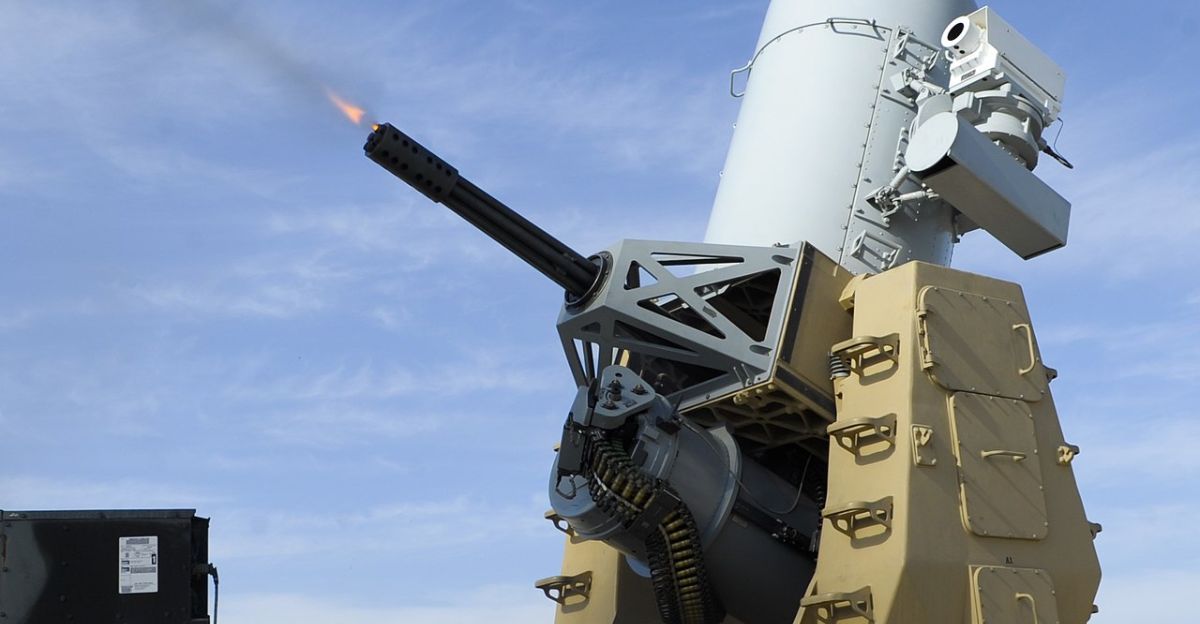
The Centurion C-RAM system is a land-based adaptation of the Navy’s Phalanx weapon system. Originally designed to counter rockets and mortar fire, it has proven effective against slow-moving aerial threats.
Its radar detects incoming objects and cues the 20mm Gatling cannon, which fires high-velocity rounds to destroy targets in the air before impact.
M61 Vulcan Cannon in Action

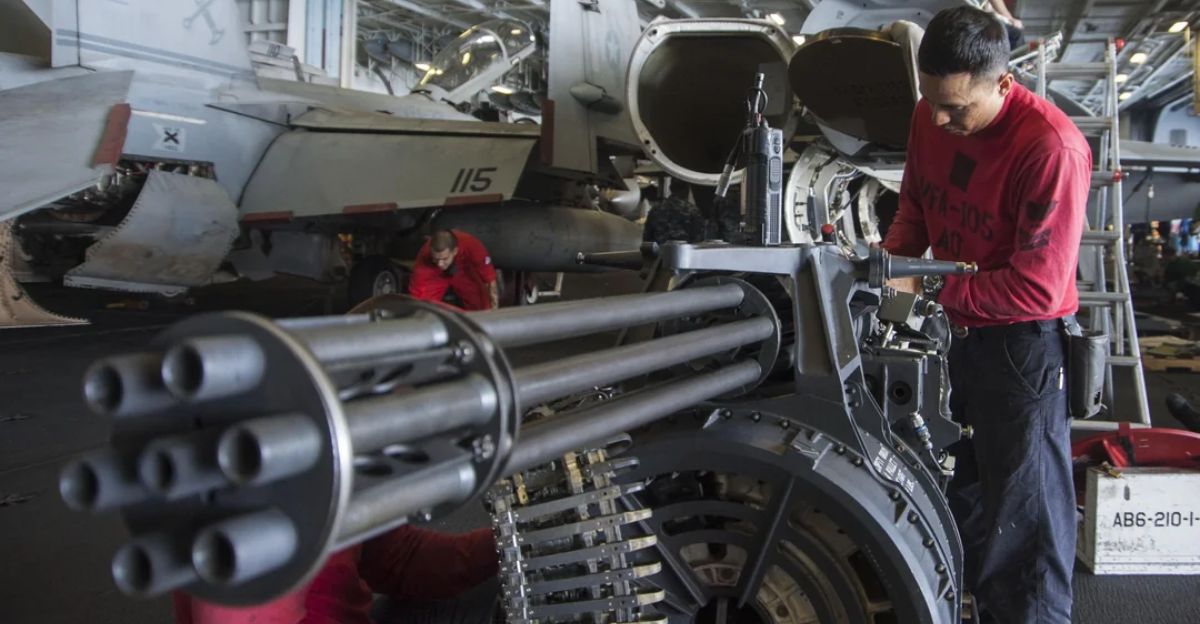
The M61 Vulcan is a six-barrel, electrically driven Gatling gun capable of firing thousands of rounds per minute.
During the Ain al-Asad engagement, the cannon’s rapid rate of fire created a dense cloud of projectiles, allowing defenders to shred the drone midair. The system’s distinctive tracer fire was visible across the base during the brief engagement.
Layered Air Defense Prevents Breakthrough
In addition to the Vulcan cannon, a separate interceptor—likely a short-range missile system—engaged the second drone.
This layered approach reflects evolving U.S. base defense doctrine, combining guns, missiles, radar, and electronic sensors. By using multiple systems, defenders increase the probability of intercepting small, low-flying targets that might evade a single line of defense.
No Casualties, No Damage
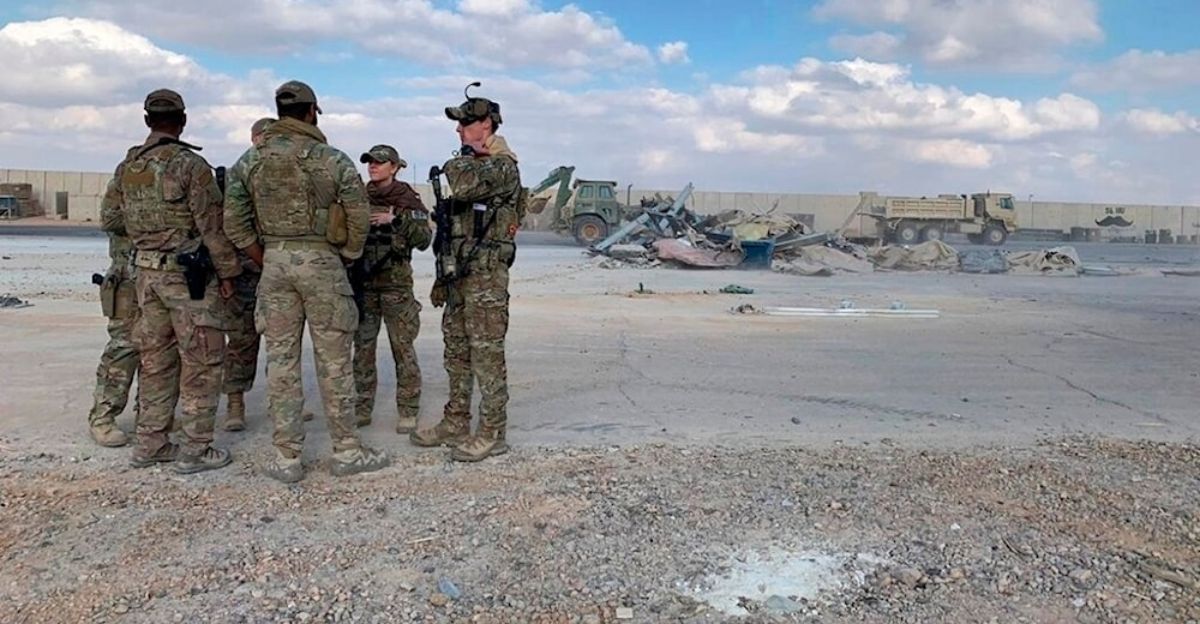
U.S. Central Command confirmed that all personnel at Ain al-Asad were accounted for and unharmed following the attack.
No infrastructure damage was reported. Preventing casualties is critical, as militia attacks often aim less at physical destruction and more at testing defenses, creating fear, and forcing changes to U.S. force posture in the region.
Drone Threats Are Rapidly Expanding
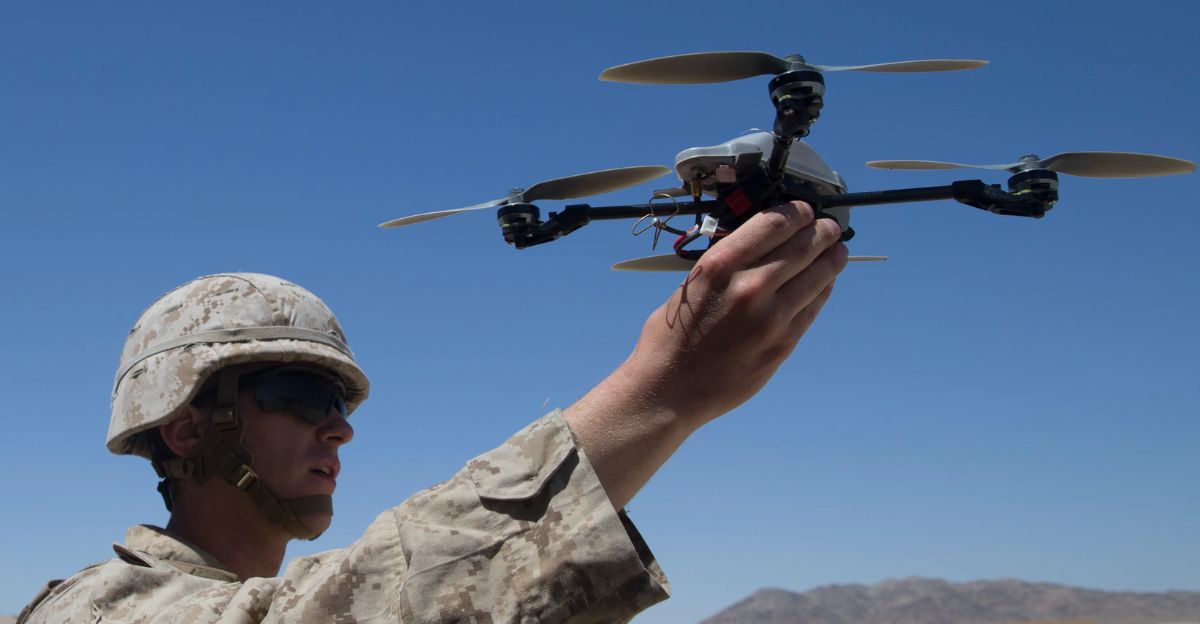
Small, weaponized drones have become a preferred tool for non-state actors across the Middle East. They are relatively cheap, can be assembled from commercial components, and require minimal training to operate.
This makes them attractive to militias seeking to challenge technologically superior forces without risking pilots or expensive equipment.
“Poor Man’s Air Force”

Senior U.S. commanders have described armed drones as a “poor man’s air force.” Even simple fixed-wing designs can fly long distances and carry explosives.
The January 4 attack illustrated how non-state actors can conduct air operations that once required state-level resources, fundamentally changing the threat environment around U.S. bases.
Cost Imbalance Favors Attackers
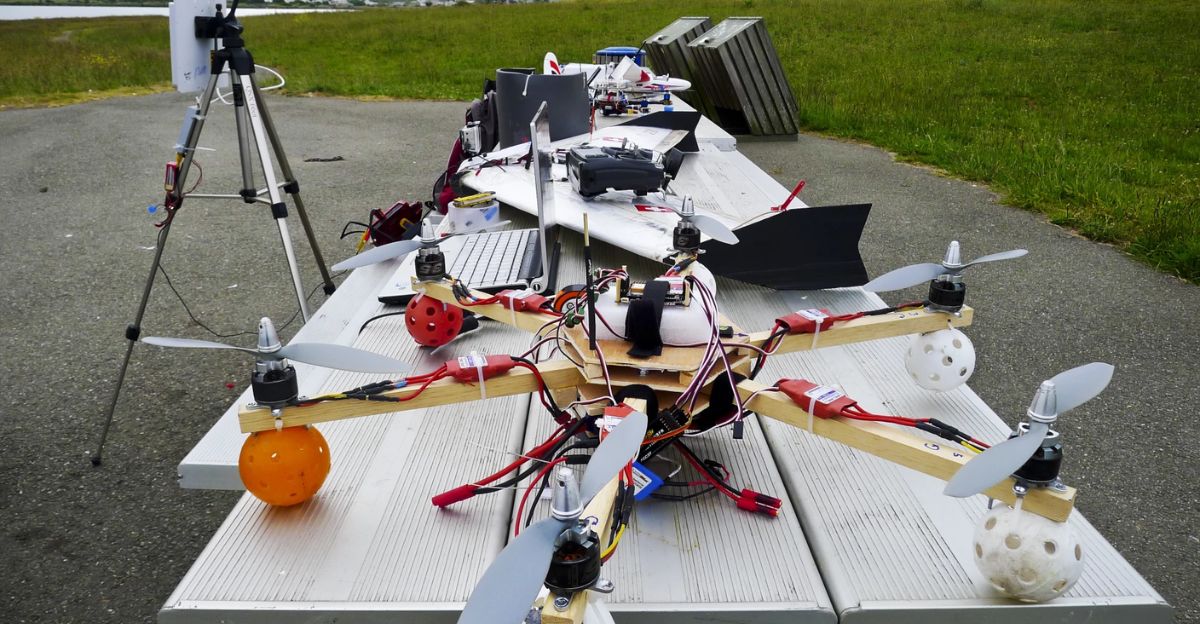
One of the core challenges highlighted by the incident is economic asymmetry. Improvised drones can cost a few thousand dollars or less, while interceptor missiles and advanced defense systems cost far more.
Although systems like the Vulcan cannon help reduce expenses, sustained defense against frequent attacks still strains military resources.
Ain al-Asad’s Strategic Importance
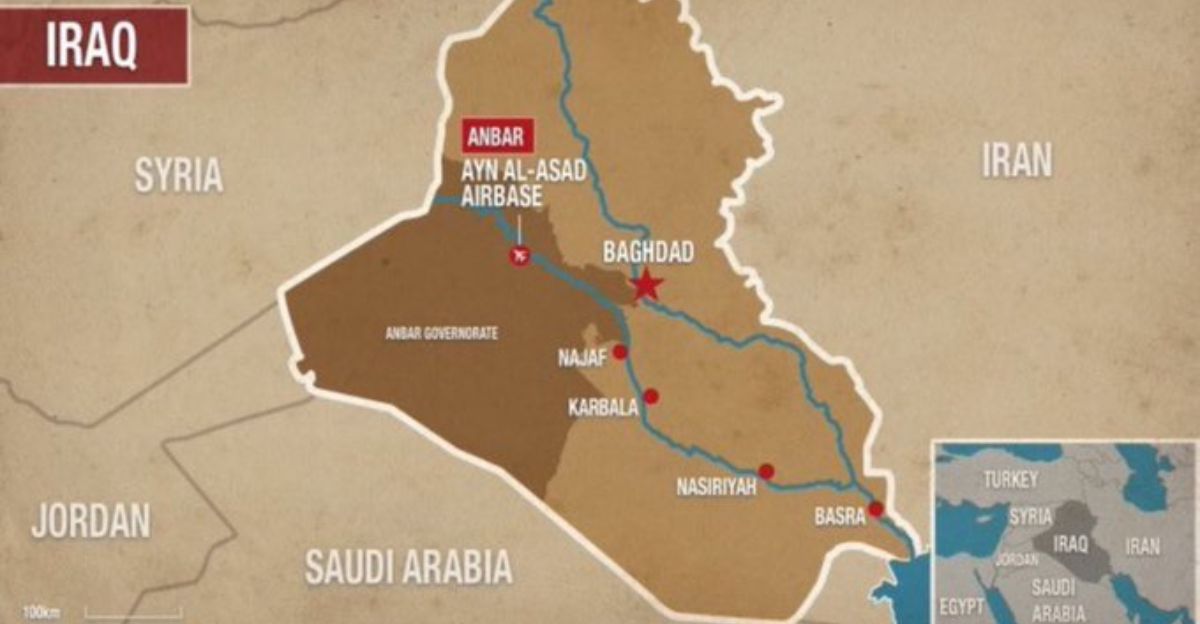
Ain al-Asad Air Base has long been a strategic hub for U.S. operations in Iraq. It has previously been targeted by rockets, drones, and even Iranian ballistic missiles.
Its size, location, and role make it a recurring target for militias seeking to demonstrate reach and challenge the U.S. military presence.
Pattern of Escalation in Early 2022
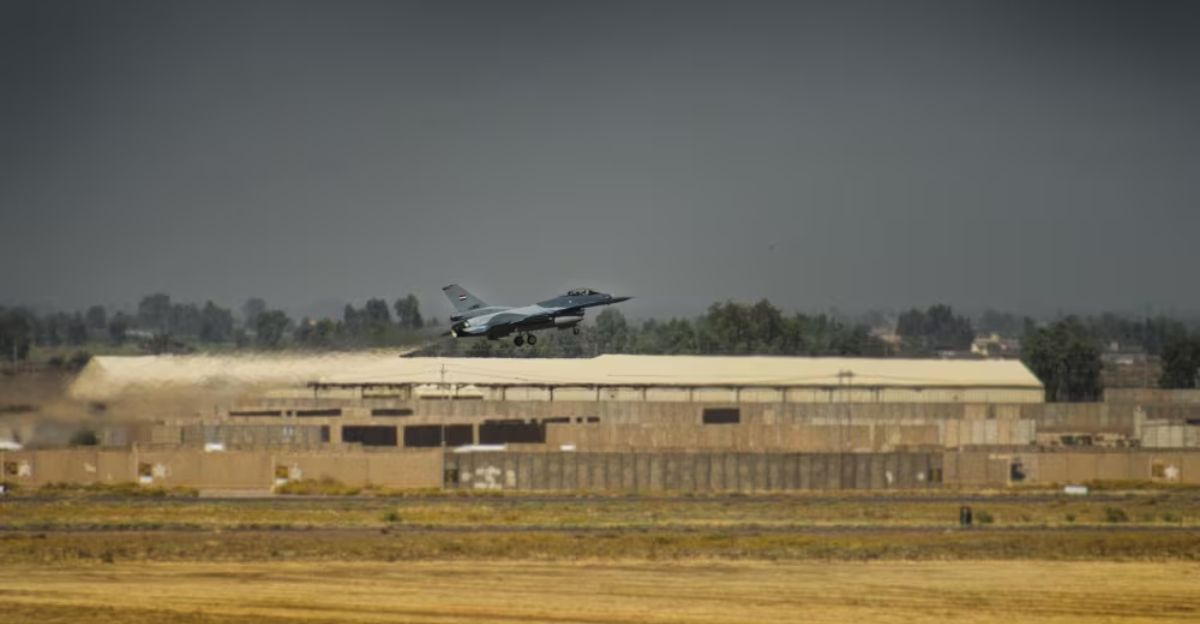
The January 4 incident followed another drone attack near Baghdad International Airport the previous day. Together, the events suggested a brief escalation window rather than an isolated strike.
Such clustered attacks are often intended to overwhelm defenses, gather intelligence on response times, and send political signals without triggering full retaliation.
Psychological Warfare Component

Beyond physical damage, drone attacks serve psychological purposes. The constant possibility of sudden aerial threats keeps troops on high alert and reinforces the sense of vulnerability.
Even unsuccessful attacks can achieve strategic effects by forcing changes in routines, increasing stress, and shaping public and political perceptions back home.
Cold War Technology, Modern Relevance
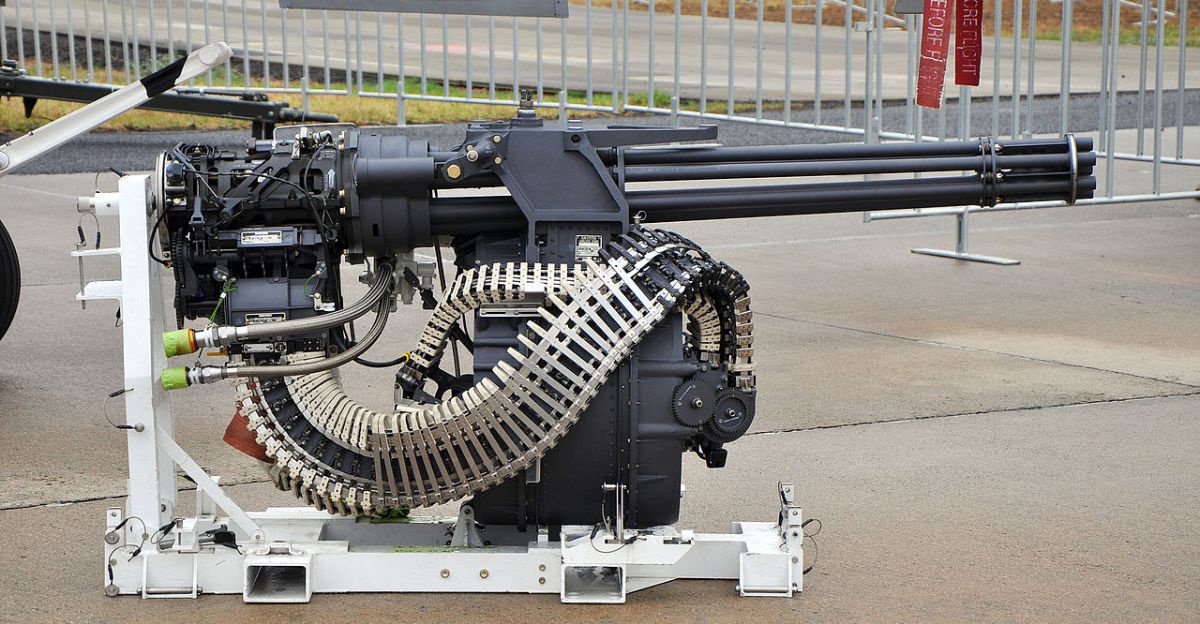
Despite being based on decades-old technology, the Vulcan cannon remains highly relevant. Its reliability, sheer volume of fire, and low cost per engagement make it effective against drones.
The Ain al-Asad defense showed how legacy systems, when integrated with modern sensors, can counter 21st-century threats.
Proliferation of Drone Know-How
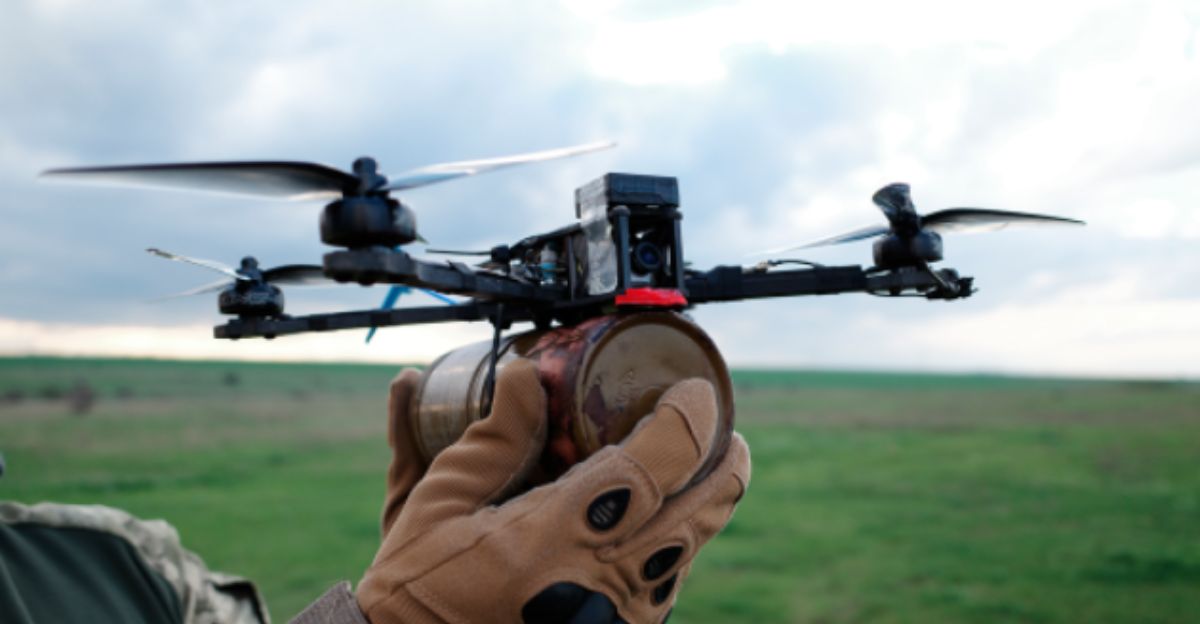
The widespread availability of drone components and online technical knowledge has accelerated proliferation.
Militias no longer require state-level manufacturing to build effective weapons. This democratization of airpower means U.S. forces must prepare for more frequent, more diverse drone threats across multiple theaters.
No Claim of Responsibility
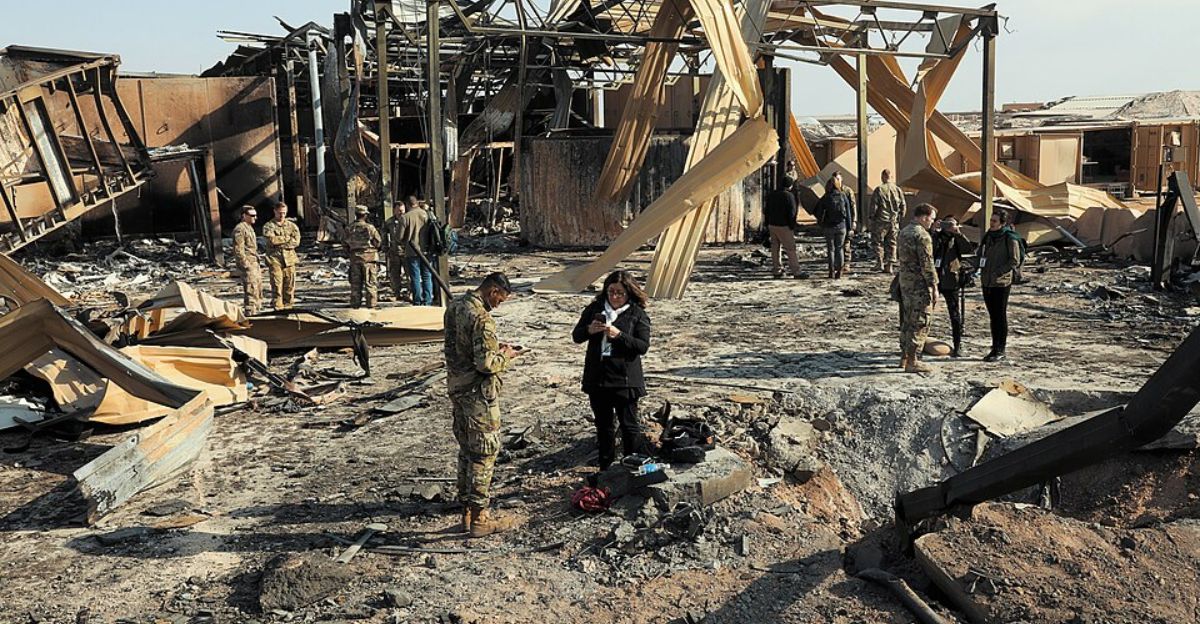
No group officially claimed responsibility for the attack. This silence is typical of Iranian-backed militias following drone operations, allowing them to avoid direct retaliation while still advancing strategic messaging.
The lack of a claim does not reduce the seriousness of the incident or the assessed origin of the threat.
Lessons for Base Defense
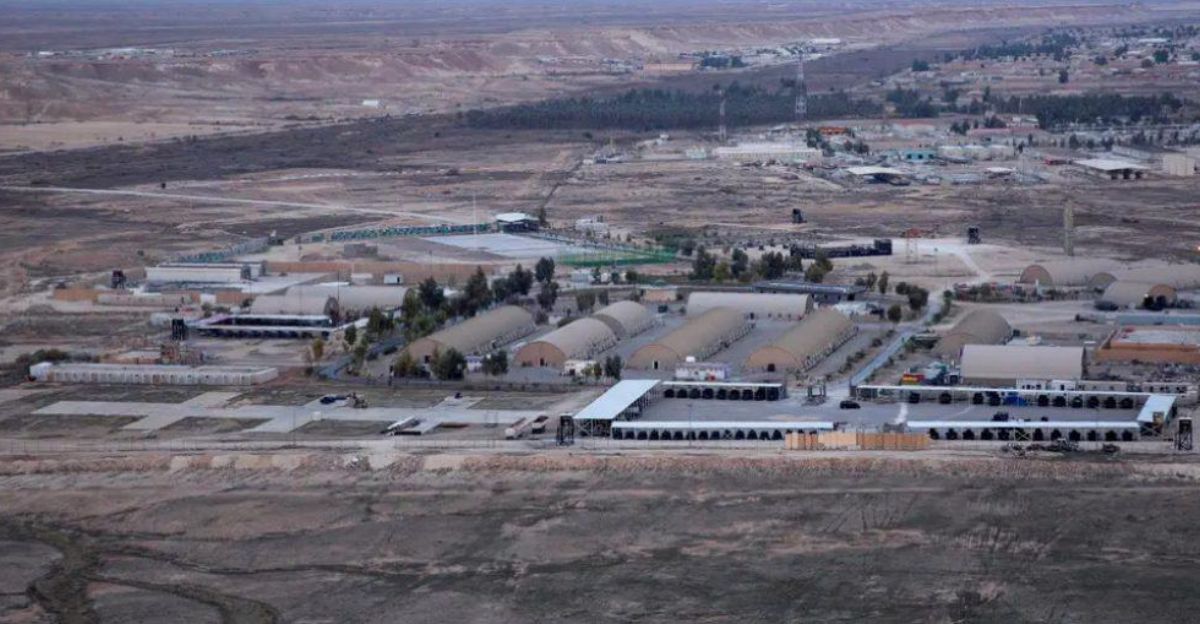
The successful interception reinforced the importance of layered defenses, constant radar coverage, and rapid response protocols.
It also highlighted the value of gun-based systems against low-cost drones. These lessons continue to shape how U.S. forces adapt base protection measures across the region.
A Glimpse of Future Conflict
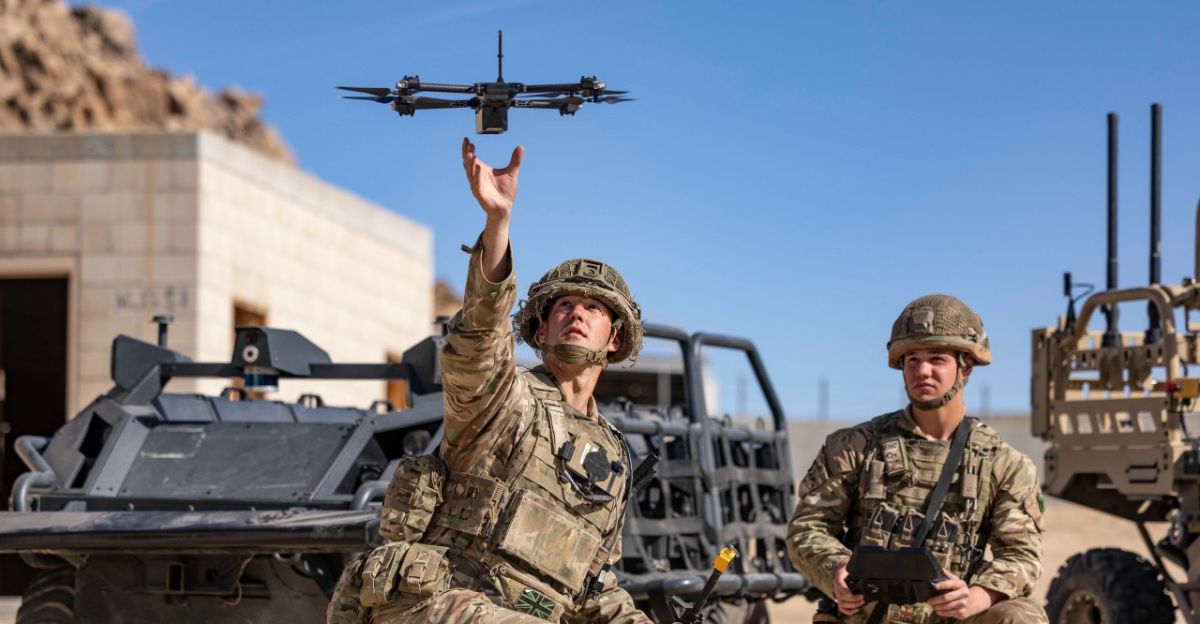
The Ain al-Asad engagement reflects a broader shift in modern warfare, where inexpensive unmanned systems challenge even the most advanced militaries.
As drone technology spreads, future conflicts are likely to feature more frequent aerial threats from non-state actors using improvised but effective tools.
All Forces Safe, Threat Persists
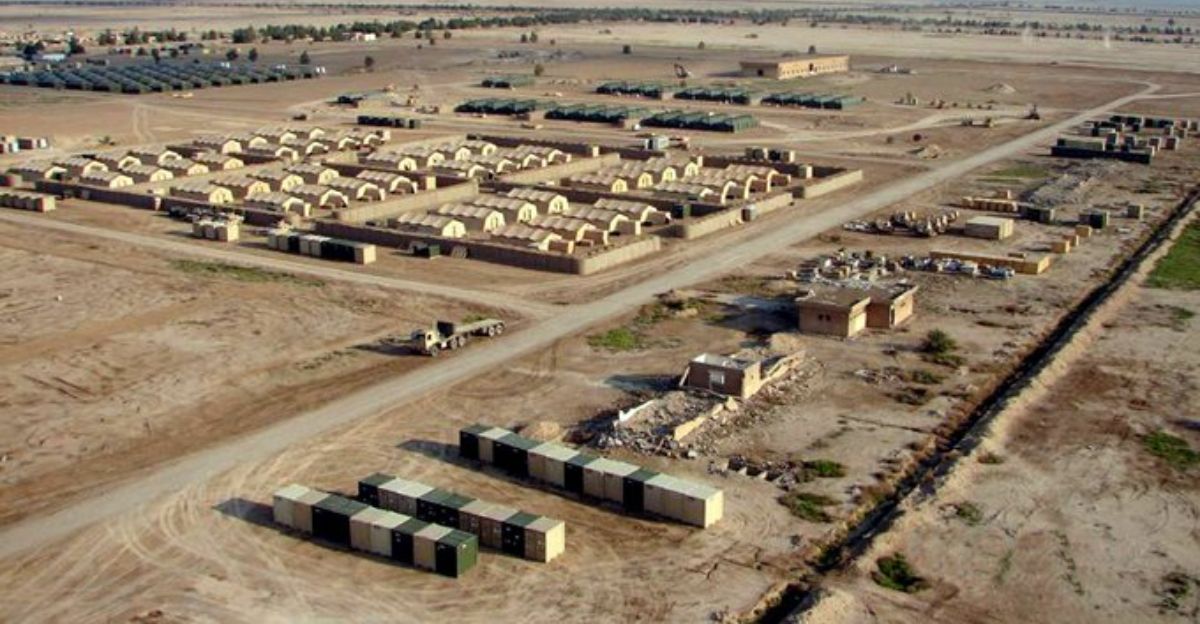
While the January 4, 2022 attack ended with no casualties and no damage, it underscored a persistent and evolving danger.
U.S. defenses succeeded this time, but the continued use of drones by Iranian-backed militias ensures that vigilance remains essential. The skies over U.S. bases in Iraq are unlikely to stay quiet for long.
Sources:
Associated Press: “US-led coalition: Attack with 2 armed drones foiled in Iraq” (2022-01-04).
CNAS report: No specific title tied to event; general reports on drone threats (ongoing).
Defense.gov: No single article; Gen. McKenzie statements on drone proliferation (e.g., 2021-02-25 testimony).
Military.com: Coverage of C-RAM intercept at Ain al-Asad (2022-01-04).
National Interest: Articles on asymmetric drone costs vs. defenses (ongoing).
Reuters: “Drone attack on U.S. forces foiled west of Baghdad” (2022-01-04).