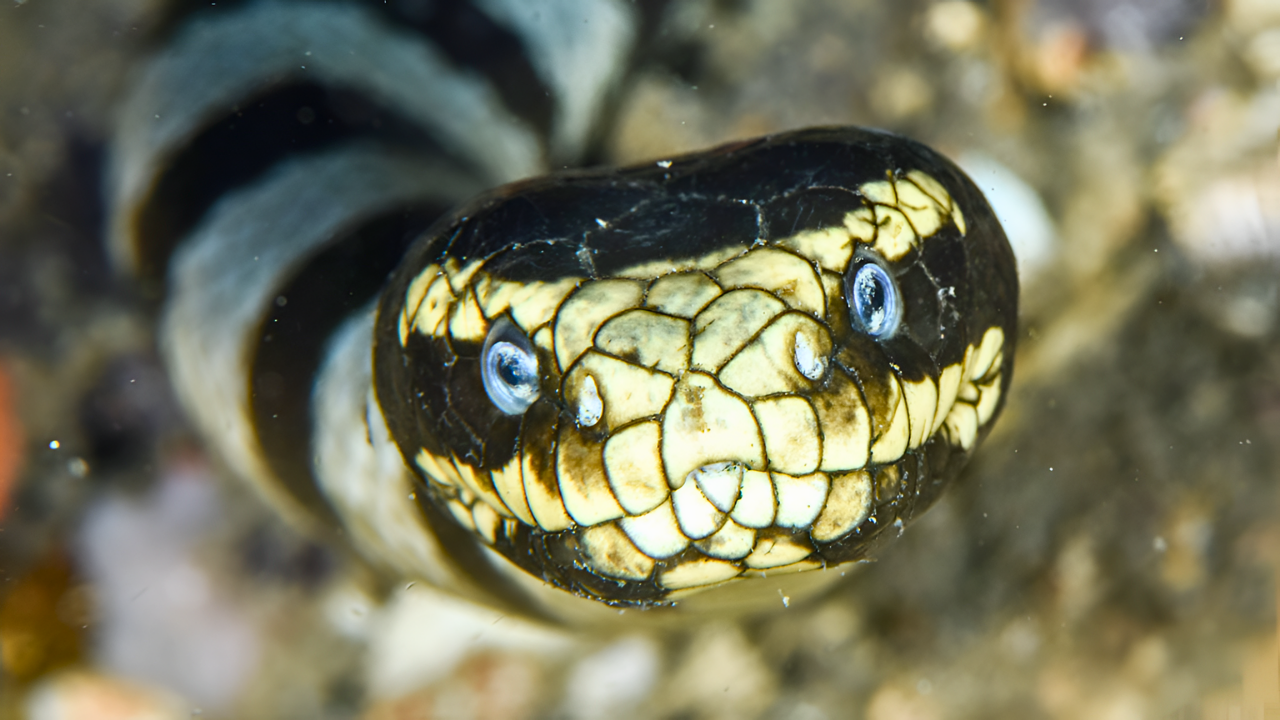
Venomous snakes kill tens of thousands of people every year, mostly in rural parts of Asia and Africa where medical care and antivenom are hardest to reach. India and parts of sub-Saharan Africa carry much of this burden, with a small group of snake species responsible for a large share of deaths.
A Hidden Public Health Emergency
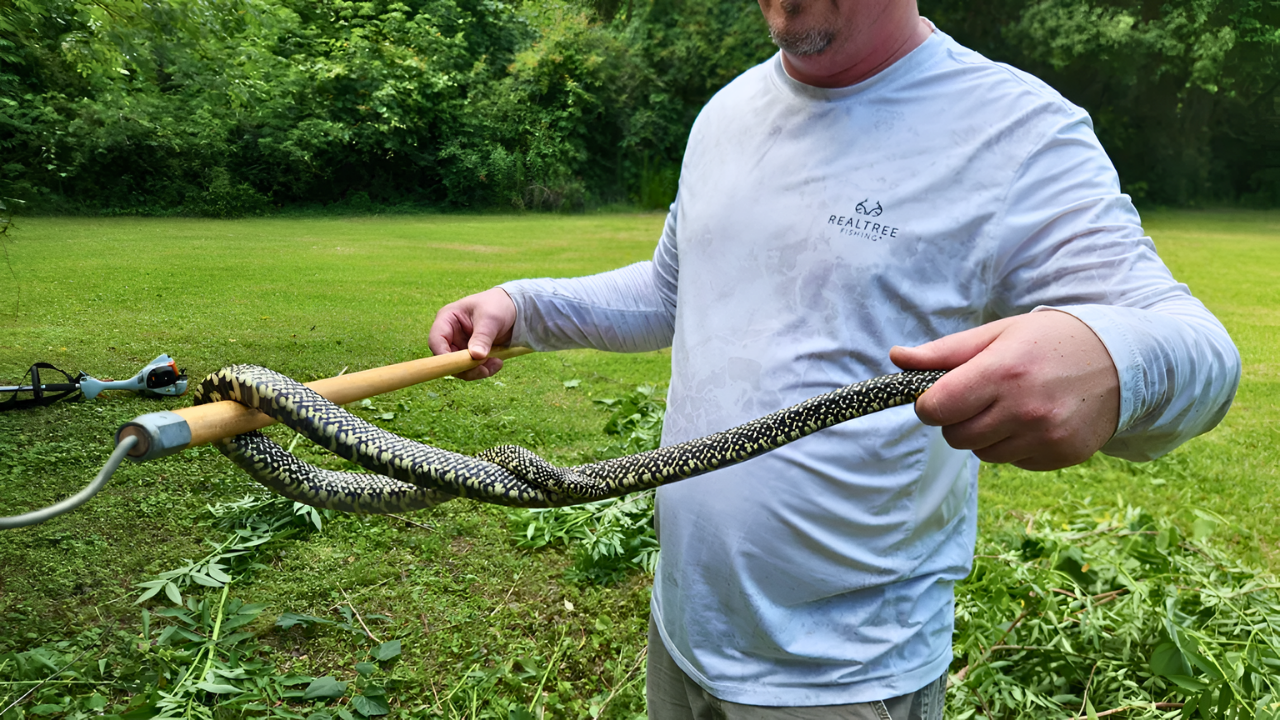
Snakebite envenoming remains a major but often overlooked health threat in tropical and subtropical regions, despite being recognized by the World Health Organization (WHO) as a neglected tropical disease. WHO and related analyses estimate that about 4.5–5.4 million people are bitten by snakes each year, with roughly 81,000 to 138,000 deaths and around three times as many people left with permanent disabilities such as amputations or blindness.
Most victims live in rural areas of Asia and Africa, where people walk long distances, work in fields, and often sleep close to the ground, increasing their exposure to snakes. Limited access to timely care, scarce or unaffordable antivenom, and weak reporting systems mean the true impact is likely even higher than official figures suggest.
India’s Big Four and Asia’s Killers
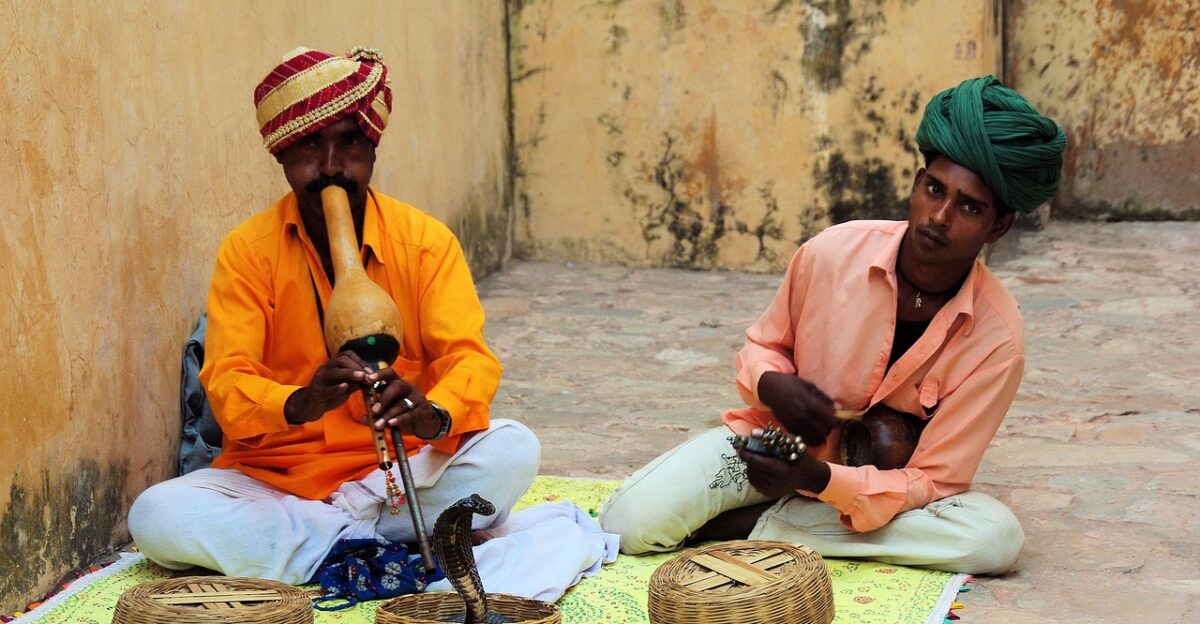
India is at the center of the global snakebite crisis, accounting for roughly half of all snakebite deaths worldwide, with an estimated 58,000 fatalities a year. Most of these deaths are linked to four highly venomous species, Russell’s viper, the common krait, the Indian cobra, and the saw‑scaled viper, known collectively as the “Big Four.”
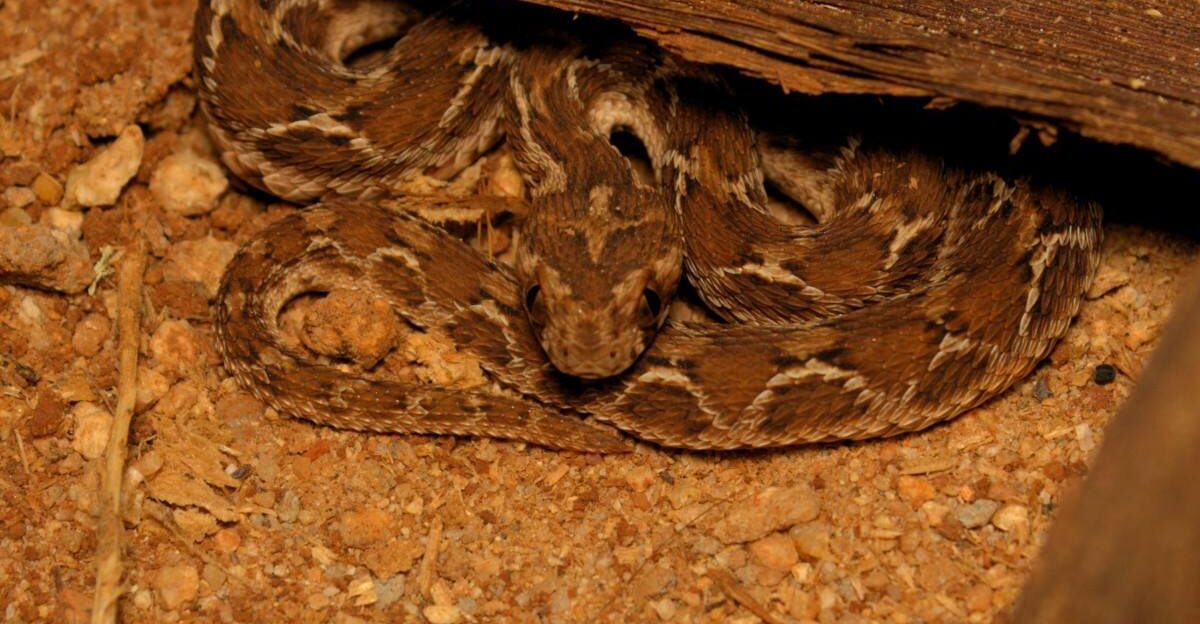
The saw‑scaled viper is widespread in India and neighboring regions and is considered one of the most important causes of snakebite deaths because it frequently encounters people in fields and villages. Its hemotoxic venom disrupts blood clotting and can lead to severe internal and external bleeding if treatment is delayed.
Russell’s viper is a large ambush predator that often hides in farmland while hunting rodents, and its venom can cause tissue damage, bleeding, and kidney failure. The common krait is a nocturnal snake that often bites sleeping people; its neurotoxic venom can silently paralyze muscles, including those needed for breathing, making mechanical ventilation and antivenom crucial for survival. The Indian cobra, common in rice fields and urban fringes, delivers fast‑acting neurotoxic venom that can quickly cause drooping eyelids, difficulty swallowing, and respiratory failure without prompt care.
Africa’s Deadly Species
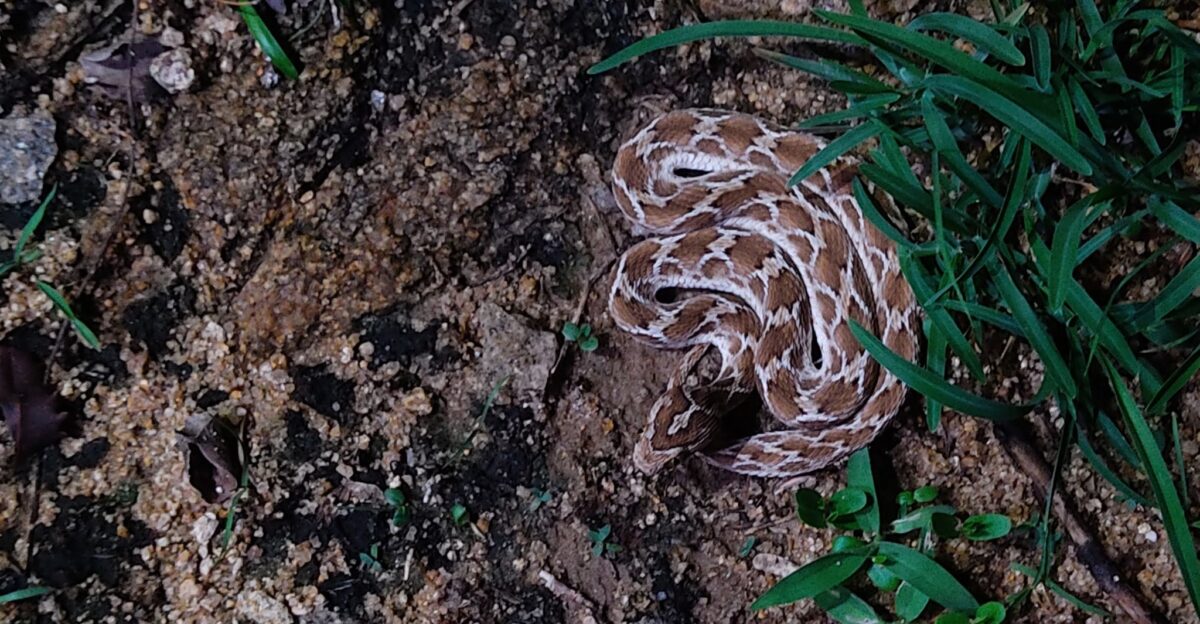
Across West Africa, the West African carpet viper is widely recognized as the leading cause of snakebite deaths and disability. This small viper lives in savanna farmland and around rural settlements, and its venom combines clotting and bleeding effects that can trigger shock, severe hemorrhage, and organ failure if untreated.
The puff adder, found across much of sub‑Saharan Africa, is another major source of serious snakebites. Its stocky body and excellent camouflage mean people often step on it accidentally, and its cytotoxic and hemotoxic venom can cause massive local swelling, tissue destruction, and systemic illness that require urgent hospital care.
The black mamba is less frequently encountered but has a powerful reputation because of its speed, readiness to defend itself when threatened, and extremely potent neurotoxic venom that can lead to rapid paralysis and death without early intervention. These and other species contribute to an estimated tens of thousands of snakebite deaths across Africa each year, particularly in rural communities.
Prevention, Antivenom, and the Path Forward
Snakebite envenoming is largely preventable, yet many of the people at highest risk have the least access to information and protective tools. Simple measures, wearing sturdy footwear in fields, using flashlights at night, clearing vegetation around homes, and sleeping under bed nets that can also deter nocturnal snakes—can significantly reduce bites. Community education campaigns in India and African countries increasingly teach people to recognize dangerous species, avoid risky behavior, and seek rapid medical care rather than relying on traditional remedies that delay treatment.
Despite these efforts, major gaps remain in the production, distribution, and affordability of effective antivenoms, many of which must be tailored to regional snake species. Supply shortages, high prices, and limited cold‑chain infrastructure often mean that life‑saving doses do not reach rural clinics where they are needed most. Survivors who live with long‑term disability frequently lose their ability to work, pushing already vulnerable families deeper into poverty and leaving lasting psychological trauma.
Public‑health experts argue that improving surveillance, investing in region‑specific antivenoms, and integrating snakebite care into primary health systems could sharply cut deaths and injuries over the next decade. As human populations expand into wildlife habitats and climate and land‑use changes alter snake distributions, the challenge will be to turn snakebite from a silent rural killer into a manageable, treatable threat.
Sources:
World Health Organization, Snakebite envenoming – World Health Organization (WHO), 12 September 2023
Afroz et al., Snakebite envenoming: A systematic review and meta-analysis of global morbidity and mortality, 3 April 2024
News Decoder, Bite of the Big Four: India’s deadly snakebite crisis, 26 January 2025
United Nations Office for Disaster Risk Reduction, Snakebite envenoming (BI0605), 2023
Spotlight NSP, Snakebite envenoming, 2024
Africa Health Organisation, Snakebite envenoming fact sheet, 23 March 2019