
Supermodel and entrepreneur Tyra Banks promised D.C. landlord Christopher Powell a global movement. In March 2024, she described an ambitious vision: Smize & Dream, combining ice cream with youth education at an Eastern Market storefront.
Powell believed her conviction. By June, Banks had abandoned the space, the lease, and the partnership—leaving Powell with a $2.8 million lawsuit and an empty building.
Supermodel Meets an Entrepreneur
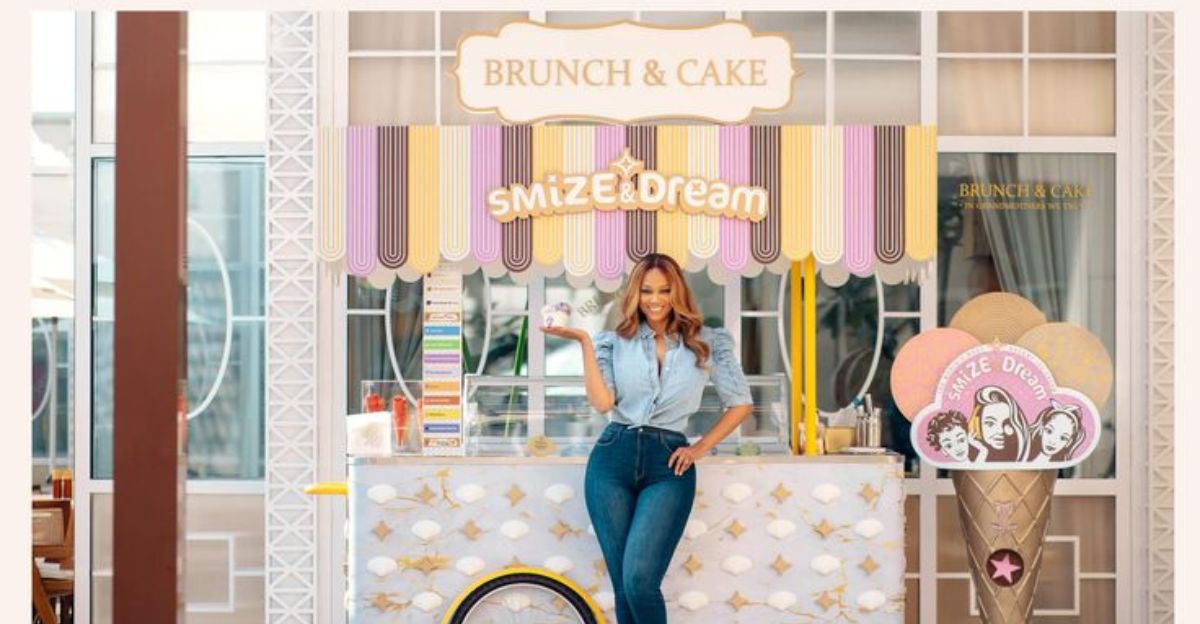
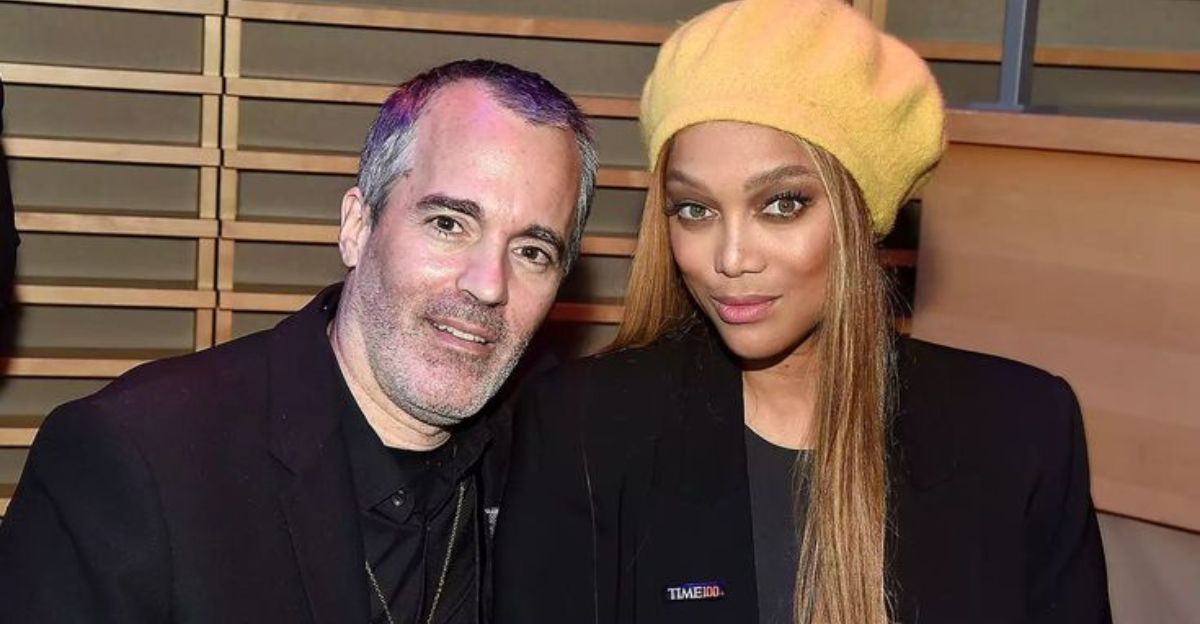
The meeting happened in March 2024. Banks walked into the room energized, describing how Smize & Dream would equip young Washingtonians with skills in science, sales, and hospitality. She positioned the D.C. location as a flagship anchor for a global nonprofit. Powell, an established entrepreneur himself, recognized an authentic vision.
They shook hands on a partnership. Two months later, Powell signed a ten-year lease. Neither could have predicted this would end in federal court with litigation and broken promises.
The Lease That Led to Litigation

In April 2024, Louis Bélanger-Martin, CFO of School of Smize LLC, signed a ten-year lease. The agreement covered the lower floors of the Eastern Market building. The space featured exposed brick, natural light, and an authentic sense of community energy. Banks approved the location. Martin signed the agreement.
Powell began coordinating buildout plans and designing how the flagship would welcome its first customers and serve the community.
A Mission-Driven Model

Banks’ pitch transcended retail. The D.C. location would function as a transformation. Young people would learn real business skills while serving ice cream. The model was deliberate: take a viral product, anchor it with purpose, and replicate globally. Powell wasn’t simply renting space; he was becoming part of something with genuine impact potential.
Banks had reinvented herself multiple times. This felt like her next evolution: using her platform to serve underserved communities authentically and meaningfully.
Summer’s Promise

By early summer 2024, designs were finalized, and renovations were underway. Banks and Martin discussed details and timelines with Powell on a regular basis. A July job fair would recruit young staff members for the launch. Eastern Market buzzed with anticipation.
The neighborhood envisioned a global movement starting on its block—youth learning, growing, and becoming entrepreneurs.
The Silence

Then, abruptly, the calls stopped. Emails went unanswered. By mid-June 2024—just two months after signing—Powell realized Banks and Martin had abandoned the premises without notice. They stopped paying rent and severed communication.
Powell stood alone in an empty building holding a ten-year lease with no tenant. The shock deepened into confusion.
Structural Claims Emerge
In September 2024, three months after abandonment, Banks’ legal team finally responded. Their explanation was structural. Banks and Martin claimed Powell had promised the entire four-story building but delivered only the lower floors.
Inspection allegedly revealed mechanical, electrical, and plumbing deficiencies requiring approximately $980,000 to repair. This justified their exit, they argued.
The Timeline Problem
Powell’s confusion transformed into anger. If property problems existed, why hadn’t Banks or Martin mentioned them during property inspections? Why raise concerns only after signing the lease? Why open a successful flagship in Sydney using the same model? Why operate a D.C. pop-up if she couldn’t work in the city?
According to Powell’s lawsuit, Banks and Martin fabricated deficiency claims only after the property had been abandoned.
The Real Flagship Emerges
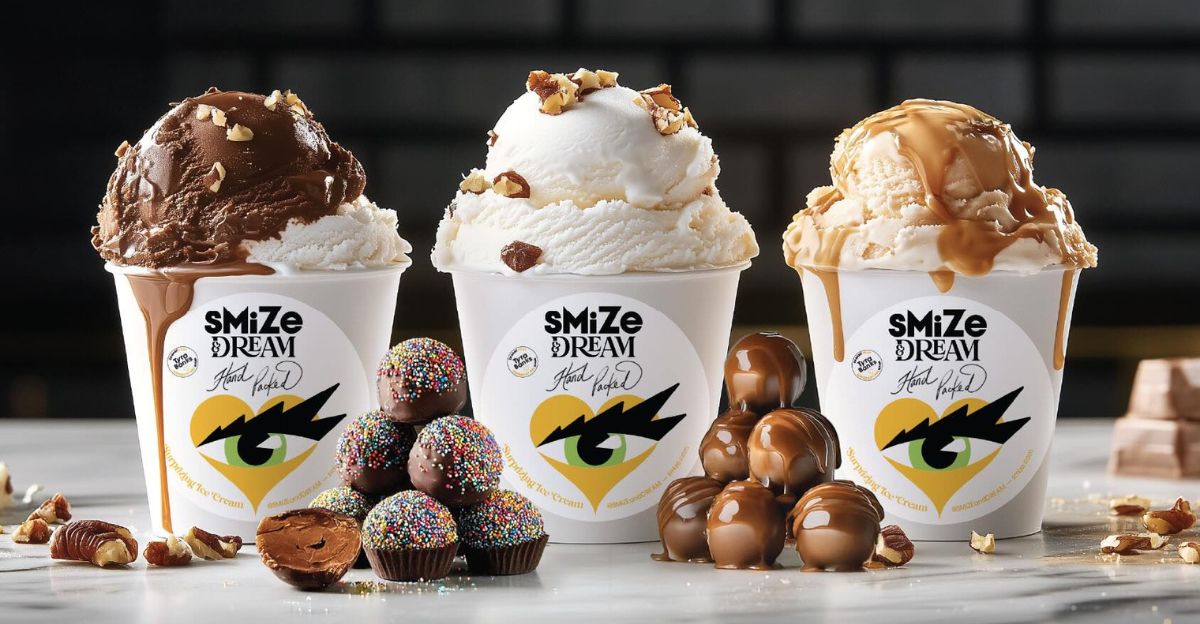
While Powell awaited answers in D.C., Banks was executing her vision elsewhere. In July 2025—the exact month she abandoned D.C.—she opened Smize & Dream’s first flagship at Darling Harbour in Sydney, Australia. The store was theatrical, immersive, and fully realized.
Banks relocated to Australia with her son and partner, Martin, to personally oversee operations. The Sydney location proved the business model worked beautifully.
The Hot Ice Cream Phenomenon

Then, in September 2025, everything changed. Banks unveiled her signature creation: hot ice cream—a warm dairy dessert drizzled with toppings, addressing the ice cream industry’s seasonal decline. The concept was unusual. The product was delightful.
Social media erupted. Major outlets, including The New York Times and Food Network, covered the creation.
Santa Smize Takes Over
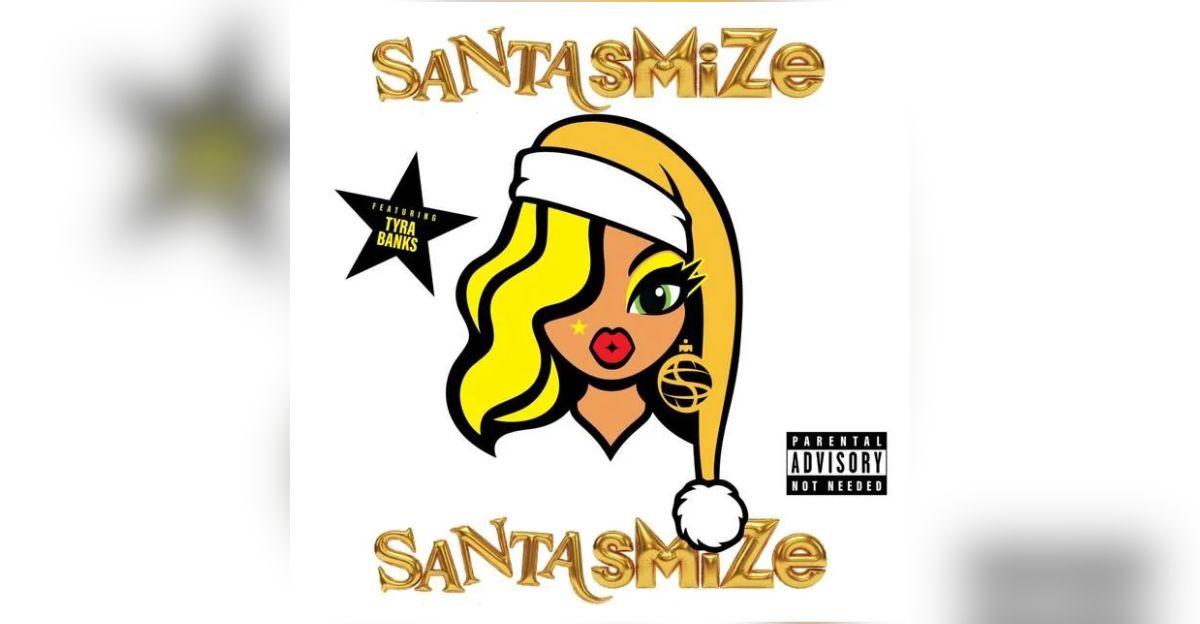
Banks amplified momentum with Santa Smize—complete with a Southern accent, a catchy jingle, and messaging about hot ice cream solving winter’s problems. She embraced the absurdity of the product concept.
In December 2025, she told Forbes about her approach: “I launched a new product that’s weird and confusing, but super tasty with a wild campaign.”
The D.C. Pop-Up: Adding Insult
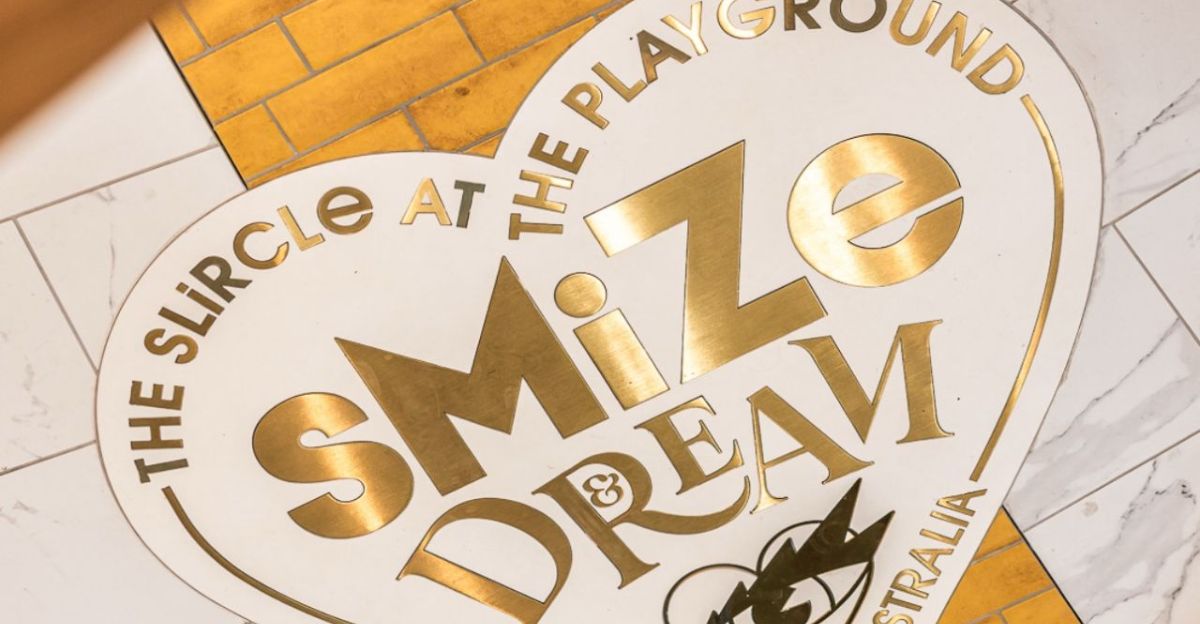
Banks opened a Smize & Dream pop-up in Washington, D.C. after departing from Powell’s building. She hadn’t abandoned the city; she’d abandoned the partnership with Powell.
She’d abandoned the flagship vision and the community’s opportunity for long-term impact. But she was willing to run a smaller operation requiring no long-term commitment.
The $2.8 Million Lawsuit

By October 2024, Powell had exhausted patience. Attorney Arziki Adamu filed suit in U.S. District Court for D.C., seeking $2,831,331 in damages—covering lost lease value plus interest and legal costs. The lawsuit named Tyra Banks, Louis Bélanger-Martin, and School of Smize LLC as defendants.
Powell’s argument was straightforward: Banks and Martin had made binding contracts, which were abandoned without legal justification, leaving him with massive losses.
Beyond Breach
What elevated Powell’s case beyond simple breach was alleged post-abandonment conduct. According to his lawsuit, Banks and Martin’s team sent letters claiming property deficiencies that Powell characterizes as false and designed to justify abandonment retroactively.
The lawsuit alleges these claims emerged only after the decision to leave had been made. Powell’s attorneys argue these arguments were manufactured defenses rather than legitimate reasons for the partnership’s collapse.
The Motion to Dismiss
In November 2025, fourteen months after abandonment, Banks’ attorney, Steven Willner, filed a motion to dismiss, arguing that the federal court lacked jurisdiction and Powell’s claims were legally insufficient. The motion characterized Powell’s lawsuit as opportunistic.
Judge Amy Berman Jackson granted Powell until December 16, 2025 to respond. This motion was critical: if Powell failed to overcome jurisdictional challenges, the entire case could be dismissed before the court heard breach-of-contract merits.
Christopher Powell’s Human Story

Behind the $2.8 million figure is a person. Powell is a D.C. entrepreneur who invested capital and faith in partnership. He spent months coordinating with Banks, showing property, planning designs, and imagining what his Eastern Market building could become.
He believed in her vision because she presented it with conviction and authenticity. Now he fights a legal battle against a supermodel with vastly superior resources, attempting to recover losses.
What Eastern Market Lost
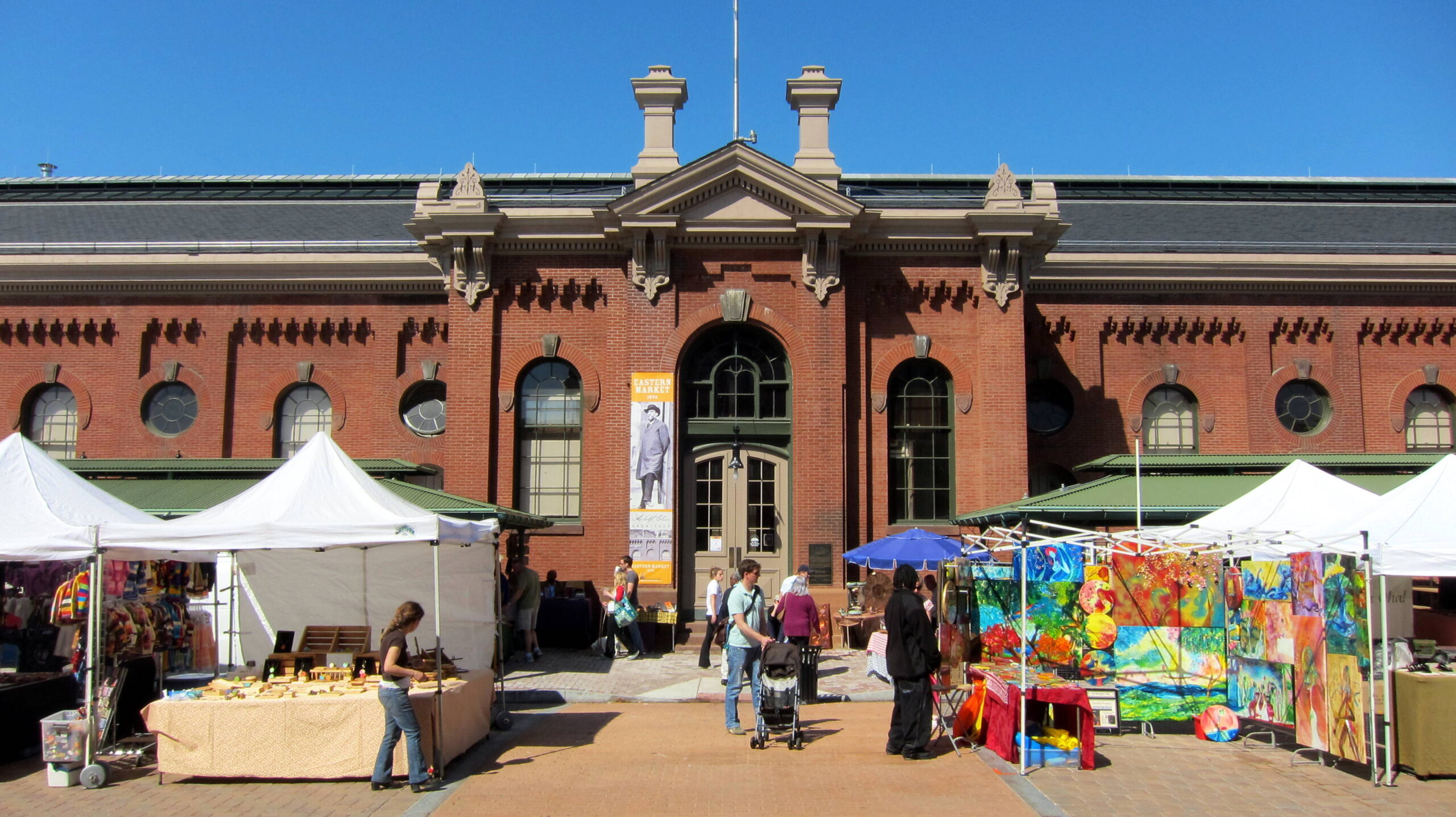
The neighborhood lost more than a tenant; it lost a story. Eastern Market envisioned a global movement starting on their block—youth learning, growing, and becoming entrepreneurs. Banks promised her nonprofit mission would serve communities like theirs. That vision evaporated.
Now an empty space sits on 7th Street SE, and a community waits for another opportunity at what might have been.
The Credibility Test Ahead

Banks’ defense hinges on property deficiencies making D.C. untenable. Several details complicate this narrative. Why was there no mention during pre-lease discussions? Why three months after abandonment before raising concerns? Why are successful Sydney operations using the same model?
The defense may survive the motion to dismiss legally, but credibility—the jury’s standard—remains more challenging.
Vision Meets Accountability

The Smize & Dream lawsuit represents a fundamental gap between vision and execution. Tyra Banks created something remarkable—a viral product backed by conviction about community impact. However, the D.C. experience demonstrates that vision alone is insufficient—accountability matters.
Christopher Powell believed in Banks because she spoke authentically about purpose. That authenticity made abandonment harder to accept
Sources:
Tyra Banks Hit With Lawsuit Due To Lease Disagreement – Black Enterprise
Tyra Banks, “hot ice cream” and a D.C. lawsuit – Axios
Tyra Banks, ‘Hot Ice Cream’ and a nearly $3 million lawsuit over rent – The Washington Post