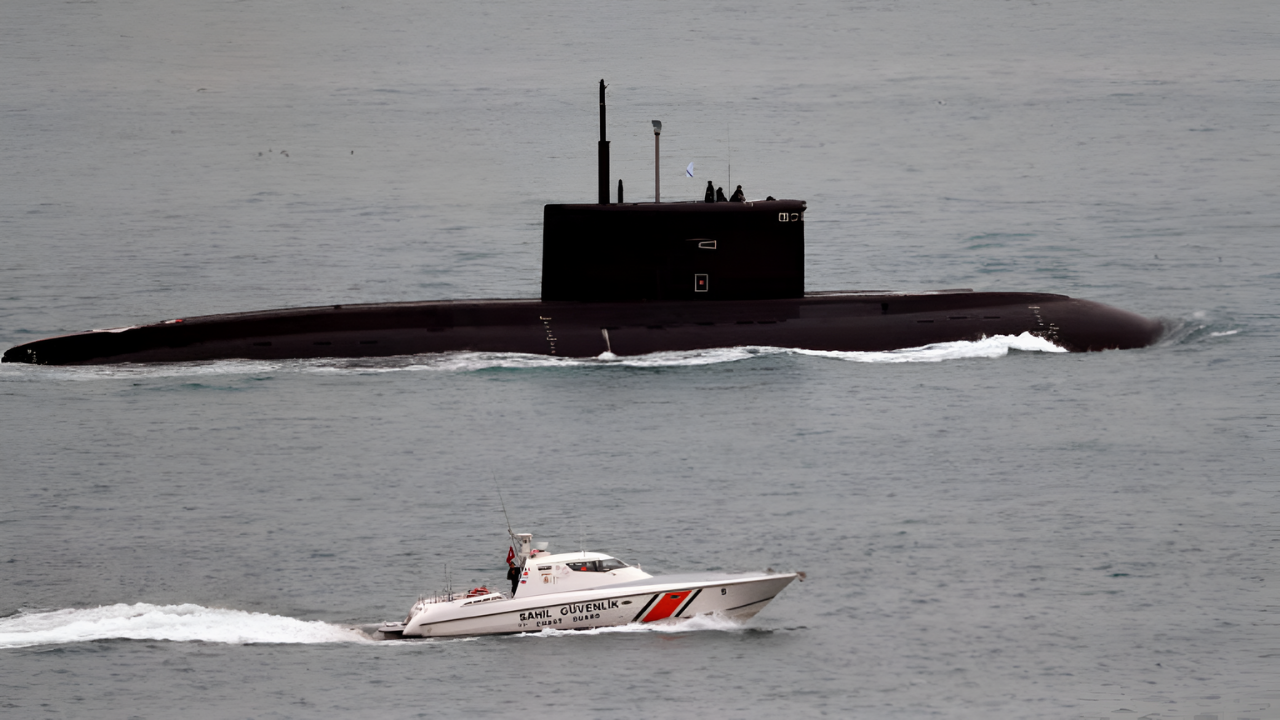
For three years, Ukraine has waged an unconventional naval campaign that fundamentally altered the balance of power in the Black Sea. What began as an improvised effort by four engineers working with fishing boats and internet terminals has evolved into a sustained offensive that devastated one of Russia’s most important naval formations—without Ukraine possessing a single major warship.
The transformation started in summer 2022, when a small team of Ukrainian engineers constructed the country’s first maritime drones using basic materials and Starlink satellite communication systems. The innovation proved revolutionary. These homemade vessels, costing thousands of dollars to produce, began targeting Russian naval assets worth hundreds of millions. By late 2025, Ukrainian forces had sunk or damaged more than two dozen Russian warships through drone strikes and missile attacks, forcing Moscow’s Black Sea Fleet into an unprecedented defensive posture.
Abandoning Crimea
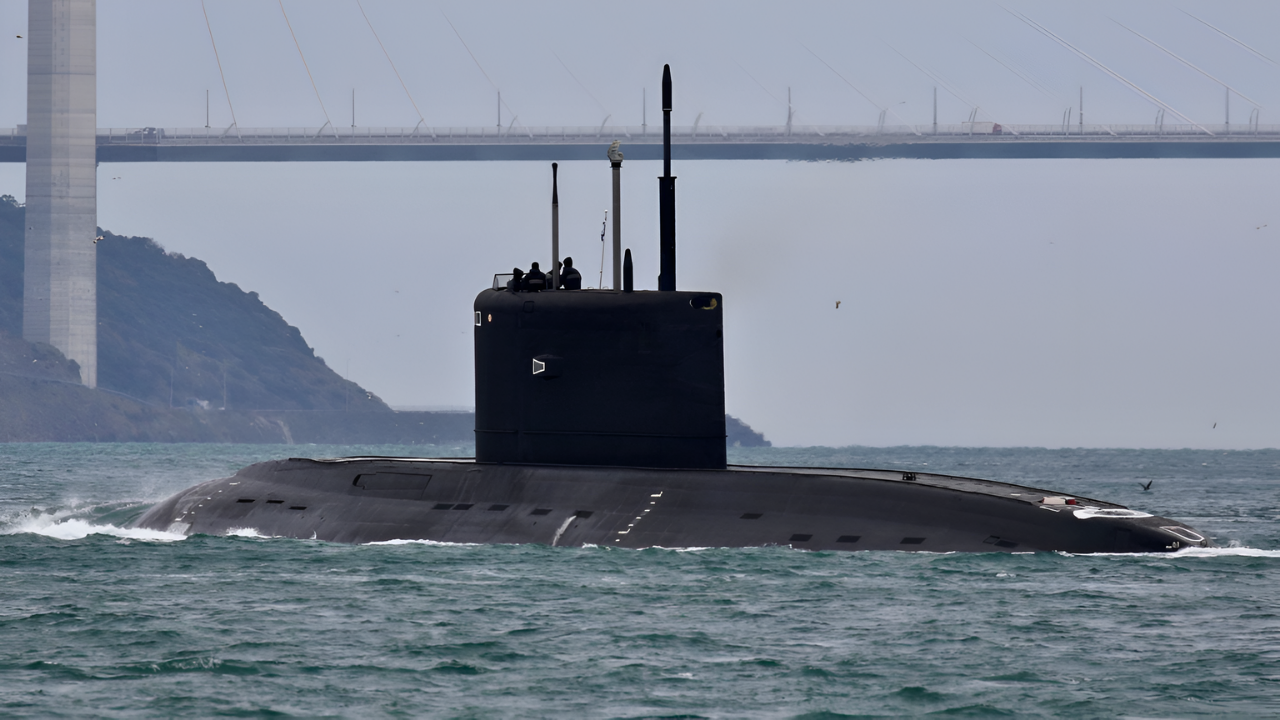
The relentless pressure reached a critical juncture in October 2023. Following months of escalating Ukrainian drone assaults and cruise missile strikes, Russia made a strategic decision that would have seemed unthinkable at the war’s outset: the Black Sea Fleet abandoned its historic headquarters in Sevastopol, Crimea. Satellite imagery confirmed the hasty exodus of major combatants, including three Kilo-class submarines, two guided missile frigates, and numerous patrol vessels to Novorossiysk, approximately 600 kilometers east on the Russian mainland.
This withdrawal marked a profound shift in Black Sea dynamics. For the first time since Russia’s 2014 annexation of Crimea, Ukraine achieved de facto control over waters surrounding the peninsula—accomplished entirely through asymmetric warfare tactics rather than conventional naval superiority. The Black Sea Fleet headquarters building itself was partially destroyed in a September 2023 strike, symbolizing the erosion of Russian naval dominance. Western officials and naval analysts confirmed that the relocation was a direct acknowledgment of Ukraine’s ability to strike high-value targets in what Russia had considered secure territory.
Historic Underwater Strike
Even the retreat to Novorossiysk provided no sanctuary. On December 15, 2025, Ukraine executed an operation that naval warfare experts described as unprecedented in military history. The Security Service of Ukraine, working with the Ukrainian Navy, deployed “Sub Sea Baby” underwater drones to penetrate Russian defenses at the Novorossiysk naval base and strike an Improved Kilo-class submarine berthed at the pier.
Video footage released by Ukrainian authorities showed a massive explosion at the stern of the submarine, later identified as the B-271 Kolpino. The autonomous underwater vehicle inflicted critical damage to the diesel-electric submarine, estimated to be worth between $400 million and $500 million when accounting for current sanctions and constrained Russian shipbuilding capacity. The United Kingdom Ministry of Defence assessed that the submarine was rendered unable to deploy or sail independently.
The operation represented a technological milestone—the first confirmed combat strike by an uncrewed underwater vehicle against a submarine. Traditional torpedoes and mines had long threatened submarines at sea, but this attack demonstrated that even heavily protected naval bases now face vulnerability from low-cost autonomous systems.
Eroding Russian Capabilities
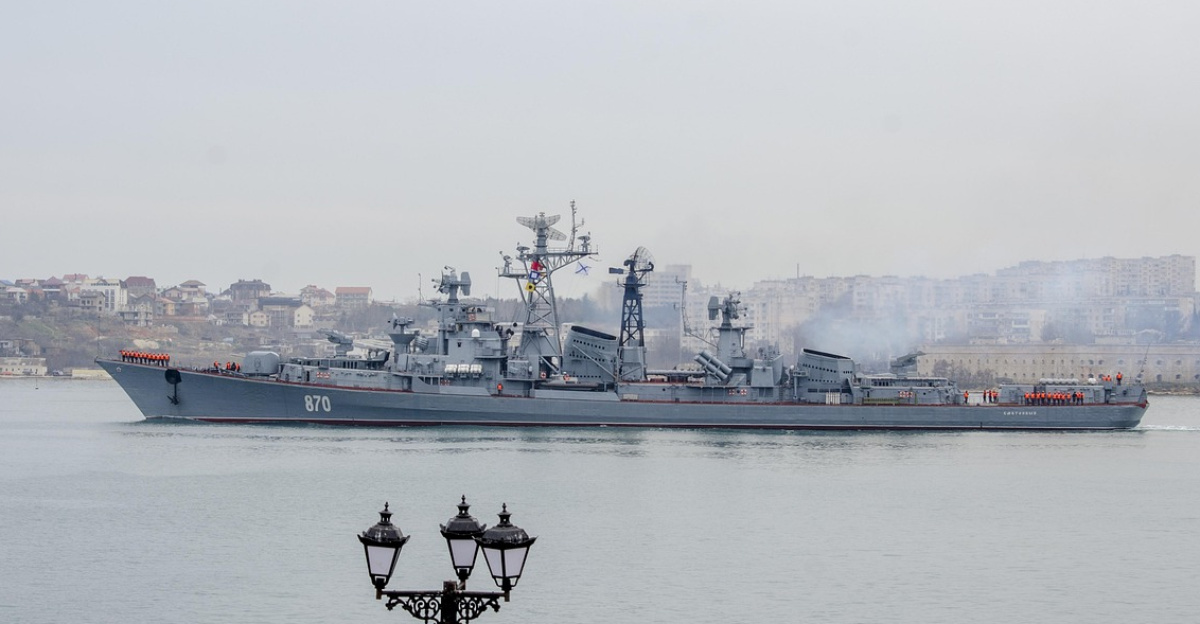
The strategic implications extend far beyond a single vessel. The B-271 Kolpino was equipped with four launchers for Kalibr cruise missiles, weapons Russia has systematically used to strike Ukrainian cities and critical infrastructure throughout the war. With this submarine disabled and another Kilo-class boat destroyed in earlier strikes, Russia’s long-range missile projection capability in the Black Sea has been substantially degraded.
At the war’s onset, Russia deployed four Kalibr-capable submarines in the region. By December 2025, only two remained operational, representing a loss of roughly half of the fleet’s cruise missile capacity from underwater platforms. Each operational submarine removed from service translates directly into reduced strike capabilities against Ukrainian urban centers and military targets.
Open-source analysis indicates that Ukrainian operations have neutralized approximately 40 percent of Russia’s operational Black Sea Fleet. The remaining Russian surface vessels largely remain confined to port, while submarines face active hunting even within their bases. What was once considered a formidable naval force capable of projecting power throughout the region now operates under severe constraints, unable to control waters it dominated just three years earlier.
Reshaping Naval Warfare
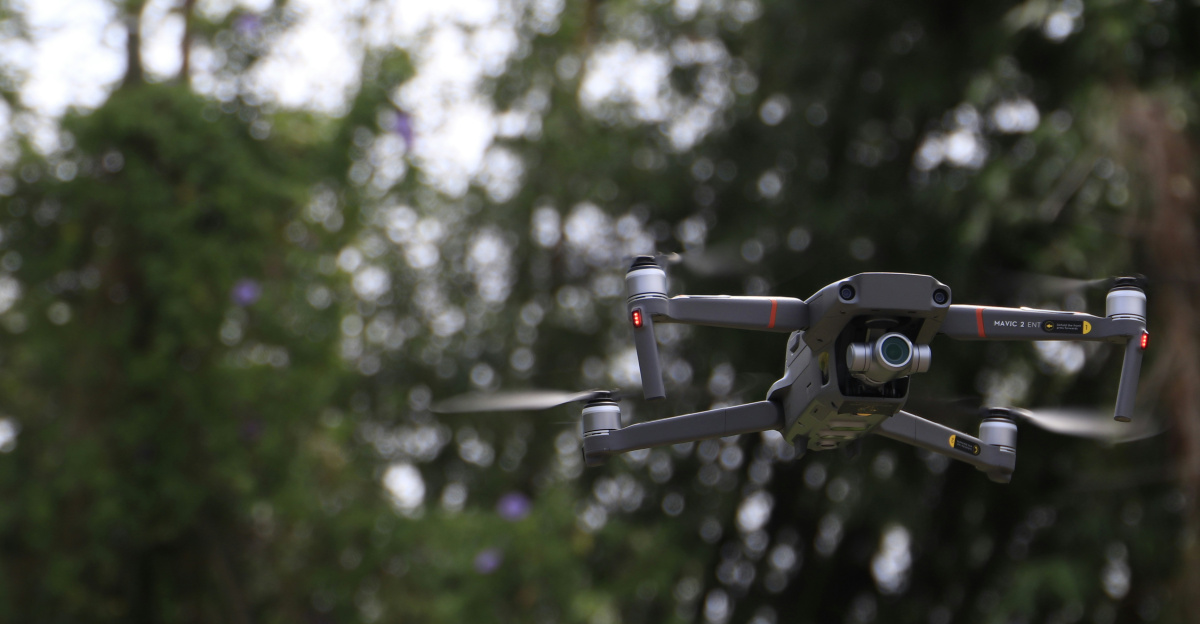
The conflict has profound implications extending beyond regional military balance. Ukraine has demonstrated that innovative, relatively inexpensive asymmetric capabilities can systematically degrade a conventionally superior naval force. This paradigm shift challenges traditional assumptions about maritime power and suggests that future naval conflicts may increasingly feature autonomous systems engaging high-value crewed vessels.
The lessons learned in the Black Sea are likely to influence naval doctrines worldwide, particularly for nations facing more powerful adversaries. As Ukraine continues developing and deploying advanced drone systems—both surface and underwater—the evolution of this warfare continues. The question now is not whether autonomous systems will play a central role in future naval engagements, but how quickly militaries worldwide will adapt their strategies to address vulnerabilities exposed by Ukraine’s campaign.
For Ukrainian cities that have endured years of missile strikes, the degradation of Russian offensive capabilities offers tangible relief. Yet the war’s trajectory remains uncertain, with expectations of continued escalation and adaptation on both sides as this unprecedented naval conflict shapes the future of maritime warfare.
Sources:
CNN – Ukraine Strikes Russian Submarine with Underwater Drone
Defense News – Ukraine’s First Underwater Drone Strike Caught on Hacked Cameras
Naval News – Ukraine Strikes Russian Submarine with Sub Sea Baby Drone; Seen for First Time: Ukraine’s Original Naval Drone
Wikipedia – Russian Submarine Kolpino; Kalibr Missile Family; Black Sea Fleet; Kilo-class Submarine
Atlantic Council – Putin’s Fleet Retreats: Ukraine is Winning the Battle of the Black Sea
Al Jazeera – Why is Russia Escalating Attacks on Ukraine’s Odesa