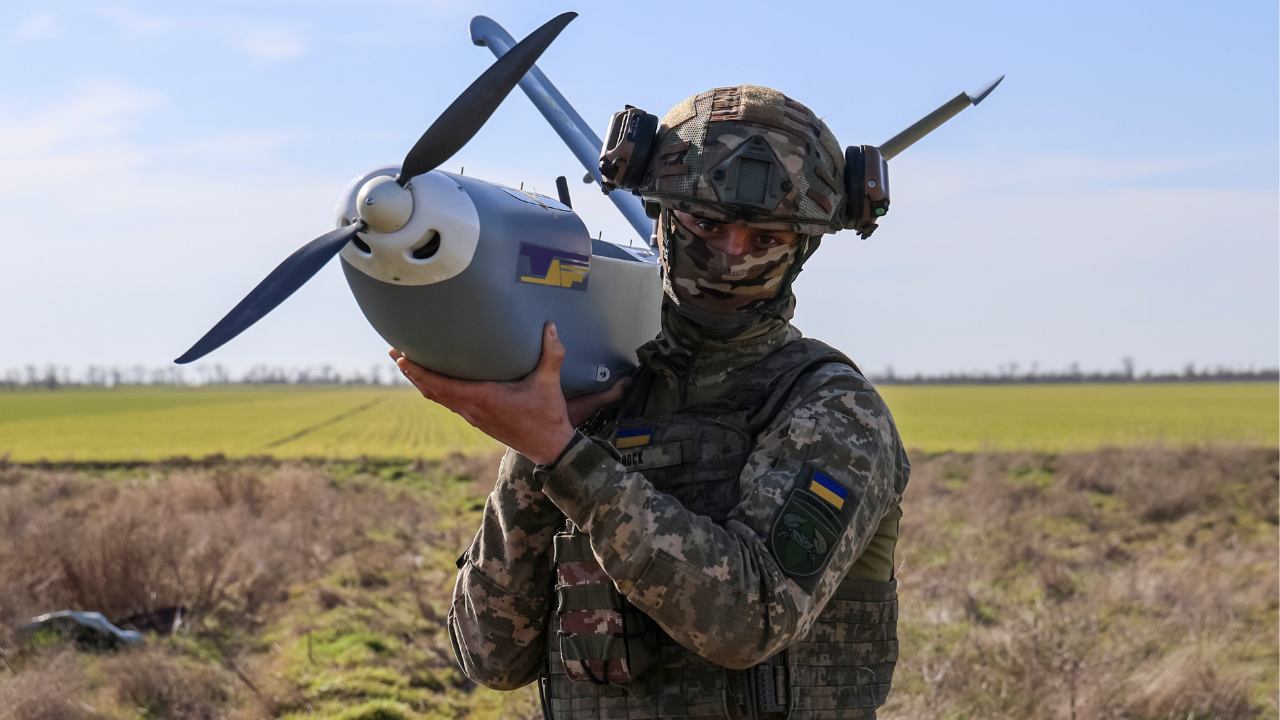
Every destroyed Russian drone means one less threat to Ukrainian homes, families, and power plants. Unit commander “Loi” captures the nightly reality this way, as teams battle waves of inexpensive Iranian-designed Shaheds with costly missiles. By early 2025, Ukraine flipped the equation with its own low-cost interceptors.
From Prototype to Mass Production
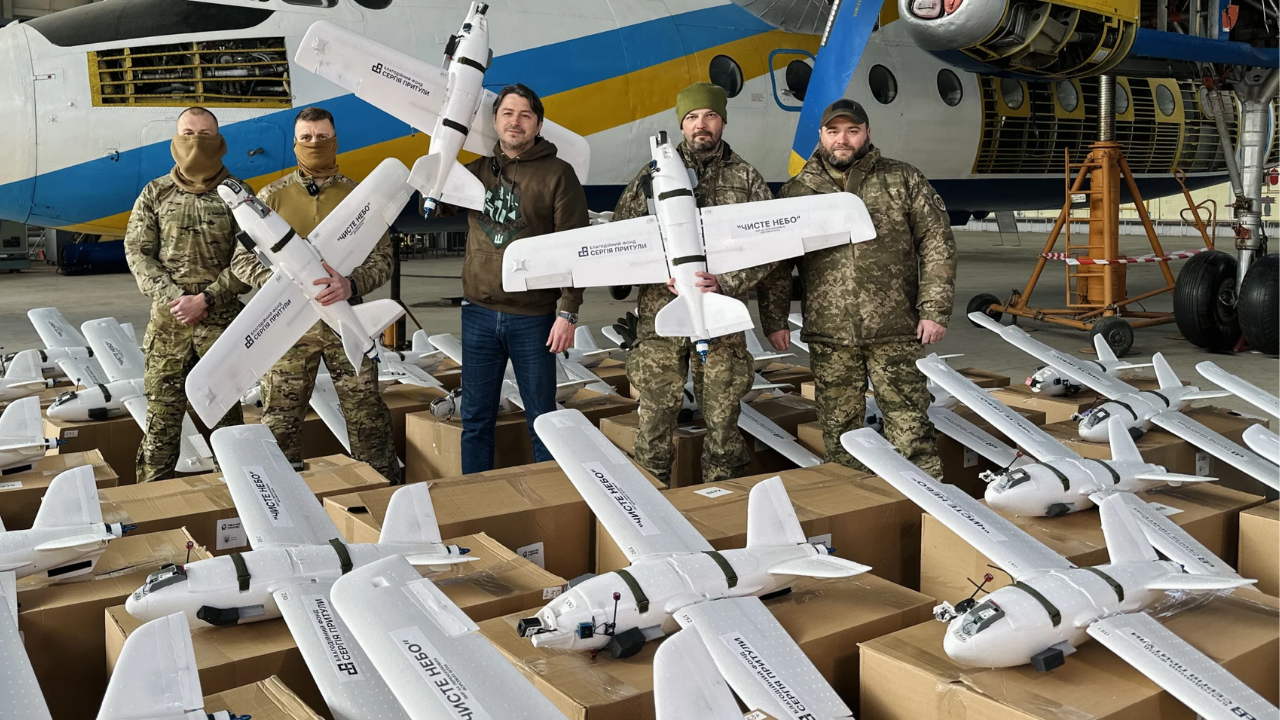
Ukrainian engineers accelerated from prototypes in late 2024 to mass production by early 2025, a process that usually takes years. Using salvaged 3D printers in workshops, teams from startups like Wild Hornets produced the Sting—a bullet-shaped drone resembling a flying thermos. Complementing it, General Cherry’s Bullet entered full-scale output, with thousands built monthly and capacity for tens of thousands more if needed. These systems have destroyed over 1,500 Russian drones by December 2025, averting an estimated 1,520 civilian casualties.
Inside the Sting Interceptor
The Sting’s design prioritizes speed and function: a 3D-printed cylindrical frame with four rotors hits 213 miles per hour and operates up to 10,000 feet. Thermal imaging cameras lock onto targets beyond 25 kilometers. Assembly takes two minutes; deployment, fifteen. Operators don VR goggles to manually guide the drone into collision, detonating a warhead on impact to shred the enemy mid-air.
November’s Breakthrough

The Sting proved its worth in November 2025, achieving a 94 percent success rate against Russia’s mass-drone offensive. In December, it downed a Geran-3—the jet-powered variant flying at 550-600 kilometers per hour, previously hard for some defenses to hit. Teams neutralized dozens in single nights, intercepting far from cities and preserving populated areas.
The Bullet’s Complementary Role
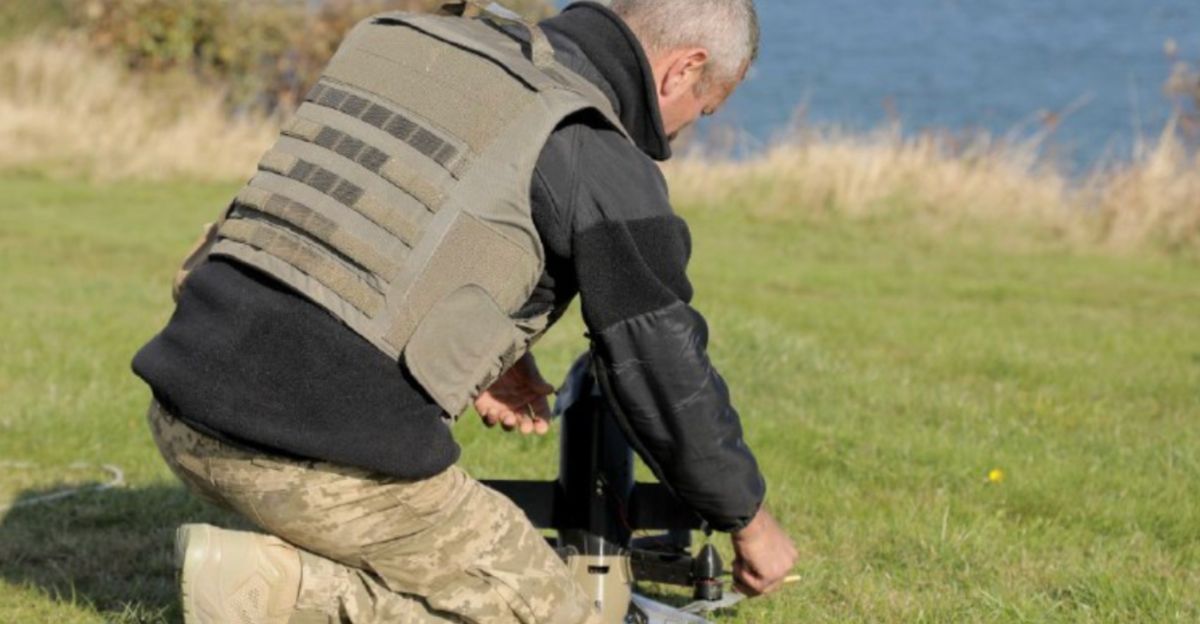
General Cherry’s Bullet matches the Sting’s simple principle: affordable drones piloted by humans outpace Russia’s replacements. Neither needs superior speed or tech; both deliver asymmetric intercepts. Andrii Lavrenovych, from General Cherry’s strategic council, noted in December 2025 that destroyed Shaheds cost $10,000 to $300,000 each. A $1,000 interceptor creates a 100:1 to 300:1 economic ratio, inflicting $99,000 to $299,000 in net damage per hit.
Russia’s Persistent Drone Push
Moscow’s Shahed reliance grew from necessity. Launches surged ninefold from 200 weekly in September 2024 to over 1,000 by March 2025, cheaper and faster to produce than missiles. Early models flew low and slow; upgrades added jammers and turbojets. Some carried Soviet R-60 missiles, but Ukrainian footage showed them failing as interceptors closed in. Even $20,000 Shaheds damaging infrastructure yield strategic gains for Russia through blackouts and disruption.
Nightly Skies Over Ukraine
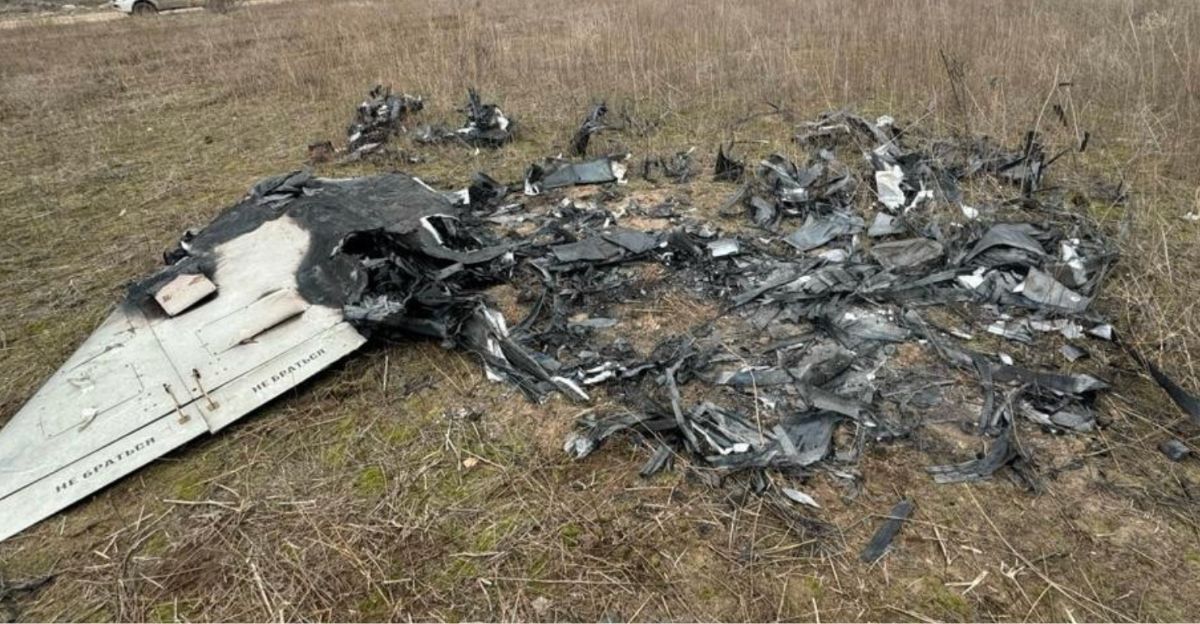
Sirens pierce the night from Donbas to Lviv and Odesa. Radars detect launches; interceptor crews scramble into VR setups. Successes prevent winter blackouts, cold homes, and sanitation failures. As Loi put it, each kill safeguards essentials.
Autonomy and Broader Defenses
The Fourth Law team advances autonomous targeting modules, with tests showing reliable detection, tracking, and trajectory adjustments. Lavrenovych described the goal: fully AI-driven drones to aid soldiers. Ukraine’s model influences NATO’s “drone wall,” a multilayered barrier along eastern borders by 2027, blending interceptors, guns, and nets. Wild Hornets and General Cherry plan U.S. and European coproduction in 2026 for scaled output.
Operator Challenges Ahead
Human pilots remain vital, facing 18-hour shifts and stress near front lines. Basic training takes three days, but mastery needs weeks for precise intercepts. Production races loom in 2026, with Russia pushing despite sanctions and Ukraine ramping with allies. Yet 300:1 losses strain Moscow indefinitely.
This shift redefines air defense against cheap drone swarms, proving inexpensive counters can outperform high-end systems. As global threats evolve, Ukraine’s innovations set a template for layered, economic defenses, with stakes rising for sustained production and trained operators.
Sources
Center for European Policy Analysis (Washington) – Federico Borsari defense analysis briefing, December 2025
Wild Hornets official production statements and operational data, 2025
General Cherry strategic council statements – Andrii Lavrenovych interviews, December 2025
The Fourth Law autonomous drone development team technical briefing, 2025
Ukrainian military air defense command operational reports, November-December 2025
ABC News/Reuters Ukraine interceptor drone coverage, December 2025