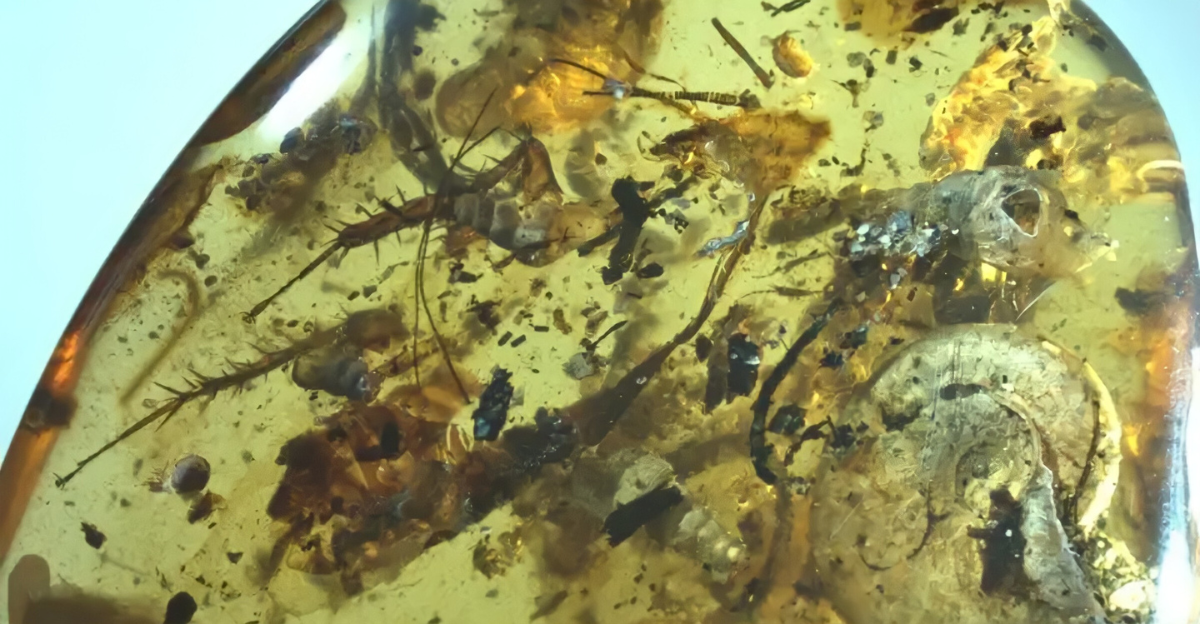
Scientists have made an unprecedented discovery: they found ancient fossils that show a deadly fungus that used to control insects’ minds 99 million years ago. These fascinating pieces of amber from Myanmar contain the oldest known examples of what we now call “zombie fungi.”
Imagine horror movie scenes where a creature bursts out of its victim—this is exactly what happened in the past when these fungi infected insects. This eerie phenomenon was a part of life during the time of the dinosaurs, turning the natural world into a real-life nightmare.
Myanmar’s Secrets
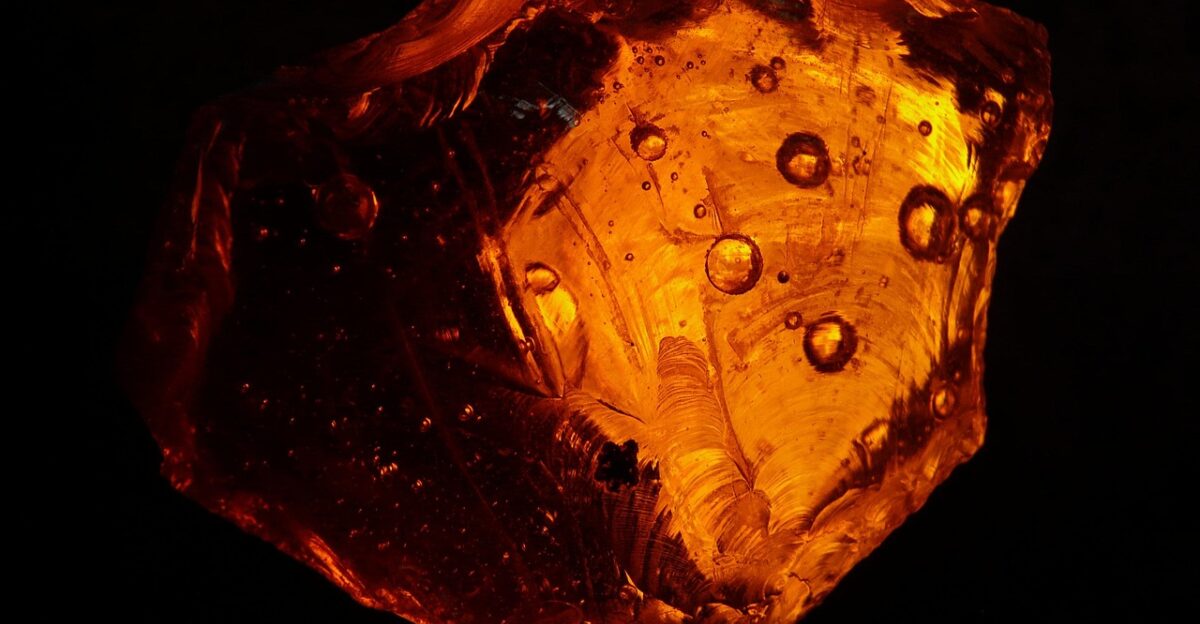
Myanmar’s amber markets are becoming a treasure trove for extraordinary prehistoric specimens dating back to the mid-Cretaceous period.
Researchers from Yunnan University have uncovered a remarkable yet limited collection of amber pieces—just a handful among the tens of thousands available—that capture the deadly relationships of that era.
Prehistoric Partnership
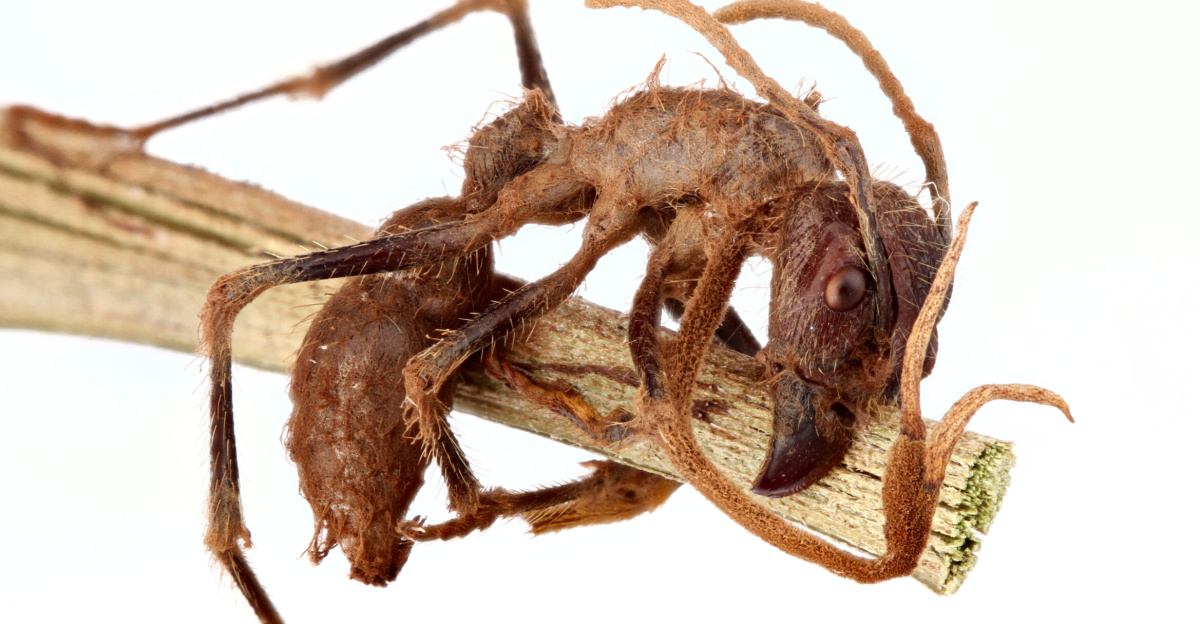
For over 400 million years, parasitic fungi have preyed upon insects, evolving sophisticated methods to penetrate their tough exoskeletons.
During the Cretaceous period, insect diversity peaked around 125 million years ago, as rich ancient forests created ideal conditions for these deadly fungi-insect relationships.
Amber Time Capsule
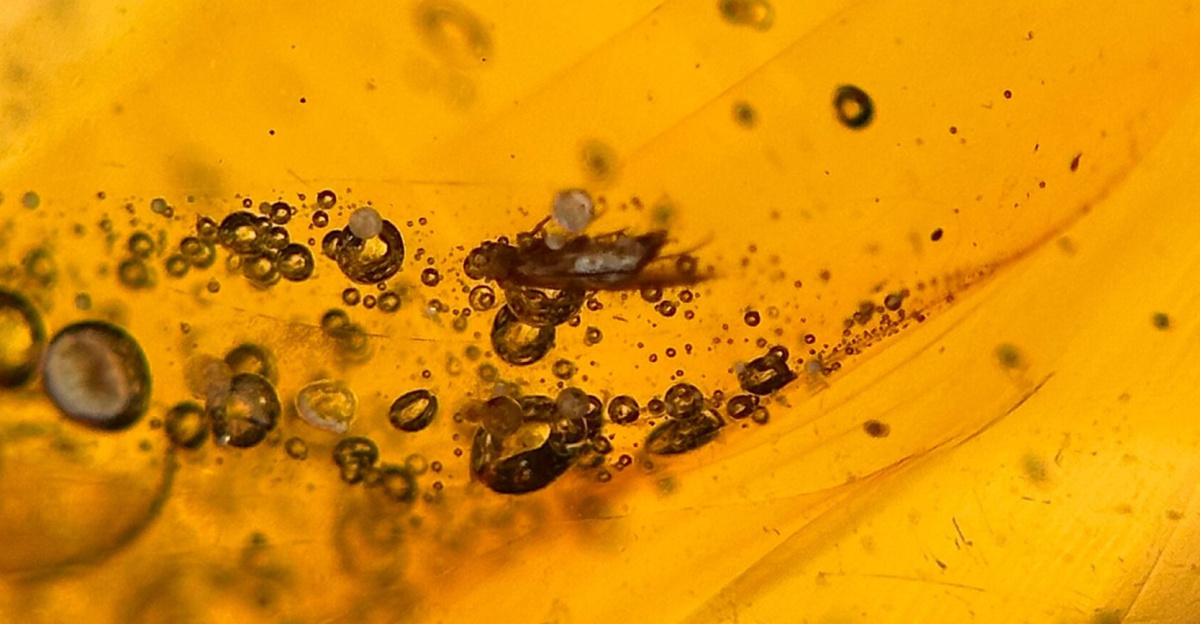
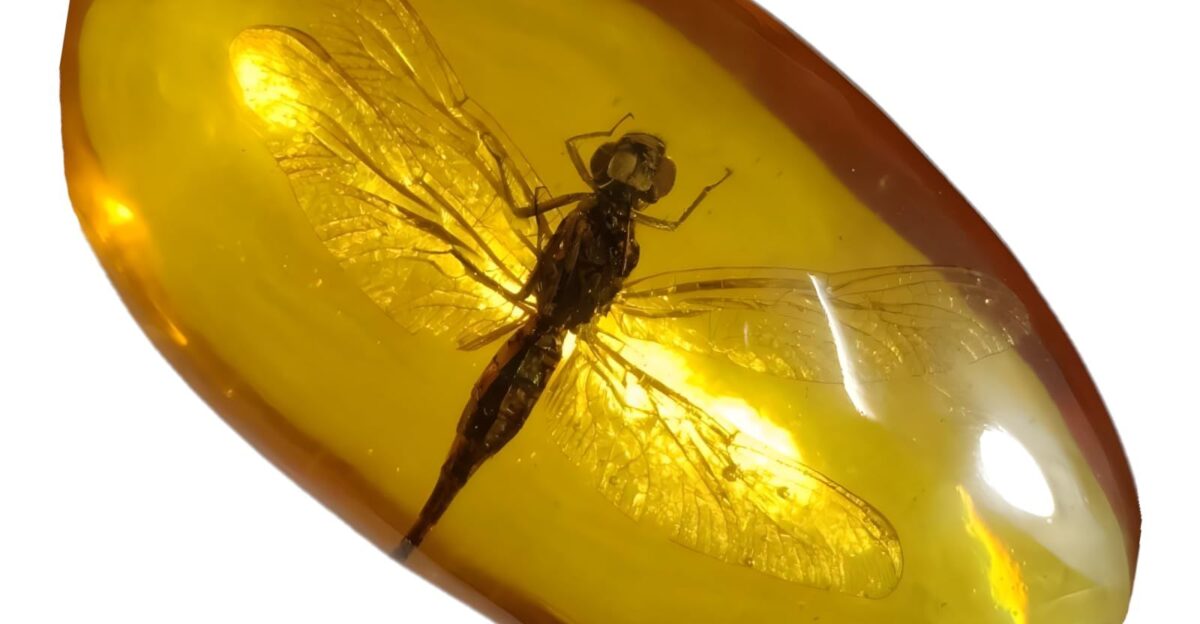
In the ancient forests of Myanmar, tree resin became a silent witness to moments of biological horror, entrapping organisms and preserving details that time would typically erase.
This sticky sap ensnared insects just as they succumbed to parasites consuming them from within. Through this natural preservation process, we gain perfect windows into prehistoric life, revealing soft tissues that would otherwise decay completely.
The Discovery
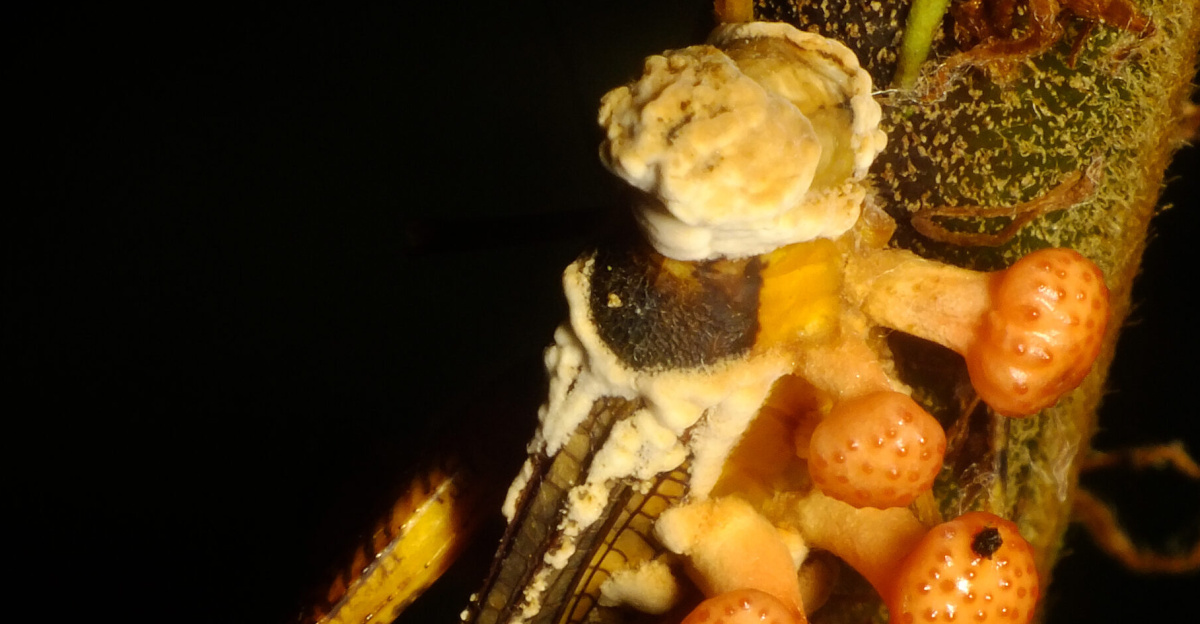
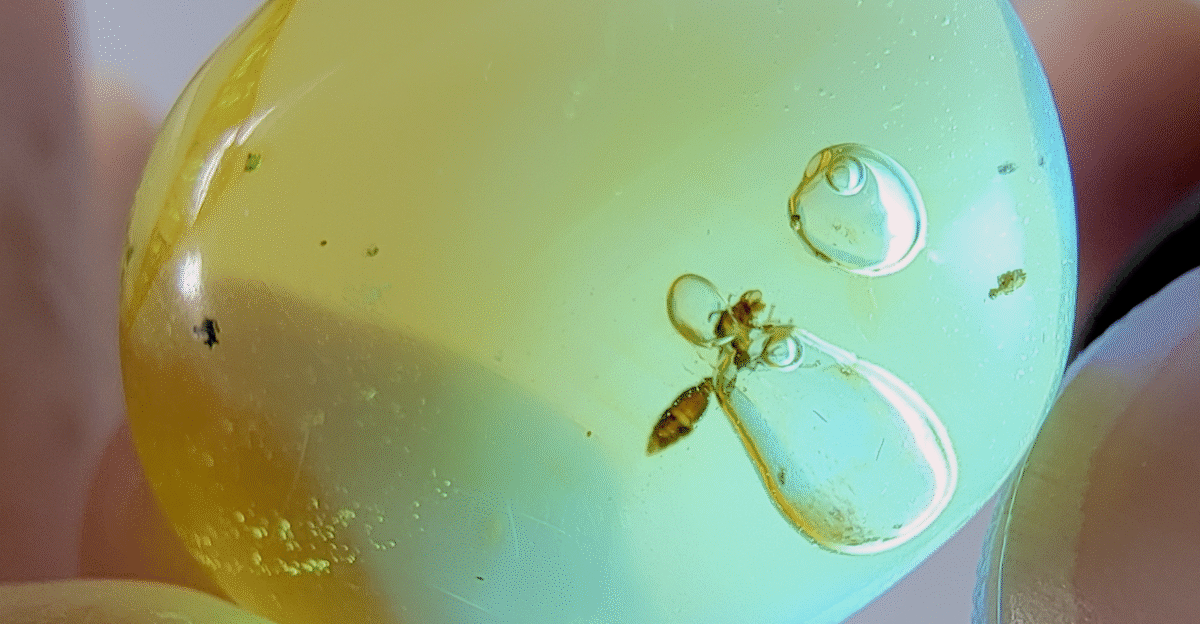
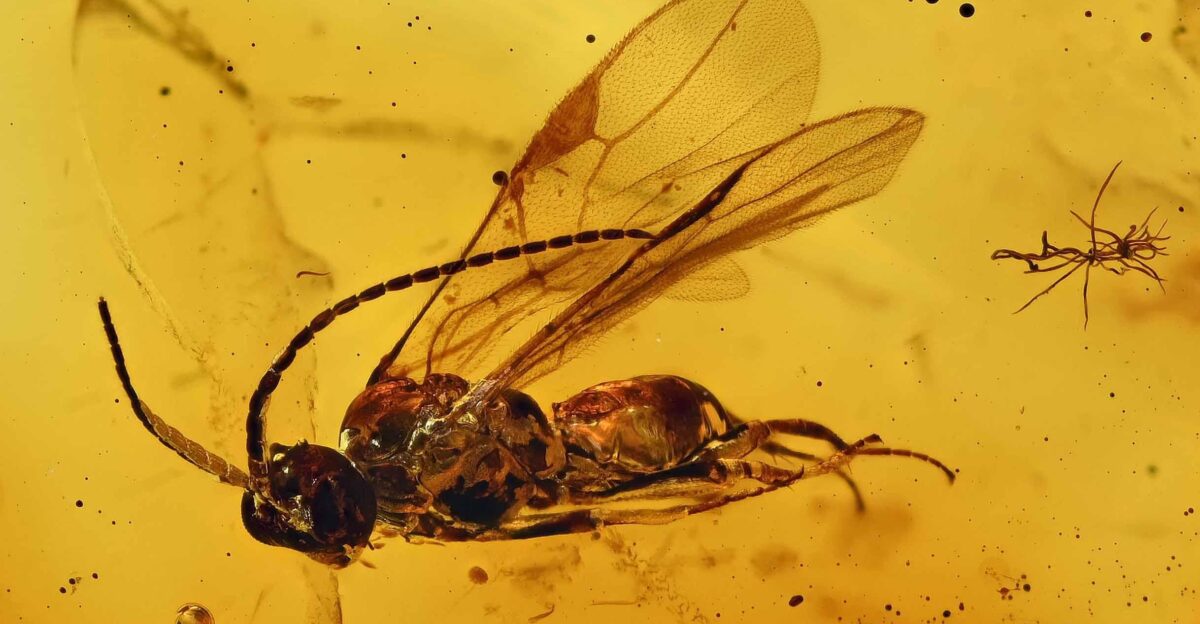
Yuhui Zhuang, a doctoral student at Yunnan University, has made a significant discovery by identifying two new species of zombie fungi preserved in amber.
The first, Paleoophiocordyceps gerontoformicae, was found infecting an ant pupa, while the second species, Paleoophiocordyceps ironomyiae, was noted for emerging from the head of a fly. This groundbreaking research, published in the Proceedings of the Royal Society B, provides the oldest confirmed specimens demonstrating the phenomenon of insect mind control.
Frozen Terror
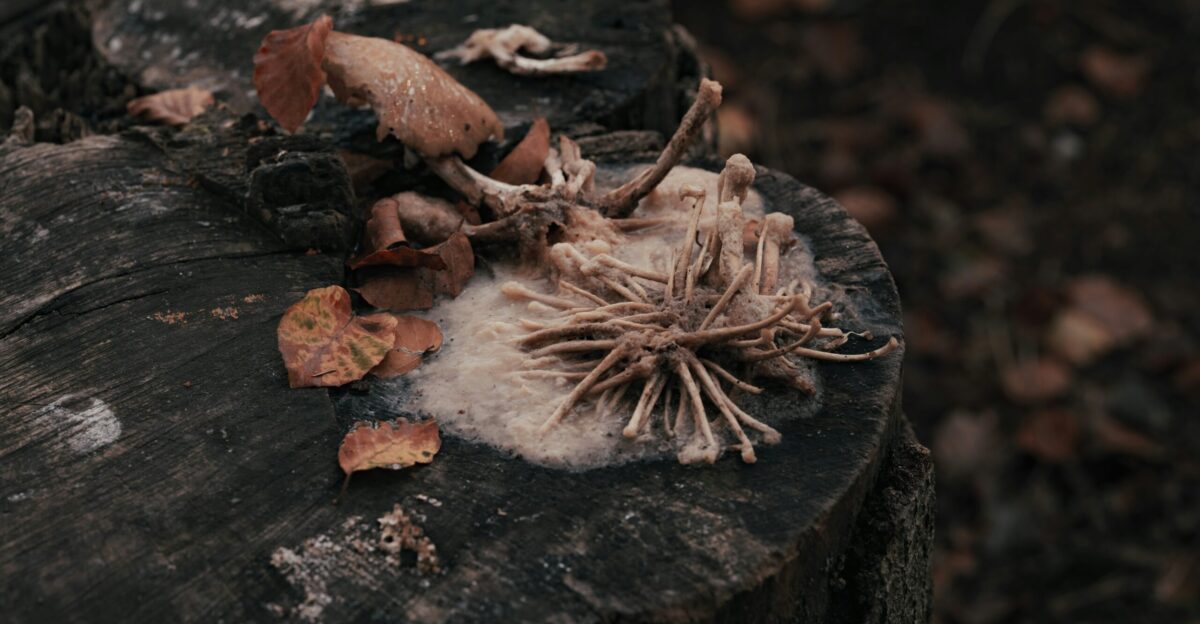
Infected ants display fungal growth from unusual body parts, differing from typical infections. Advanced imaging has revealed fungal structures penetrating their tissues.
Infected flies show a mushroom-like formation emerging from their heads. Both insects perish during the later stages of parasitic manipulation.
Expert Wonder
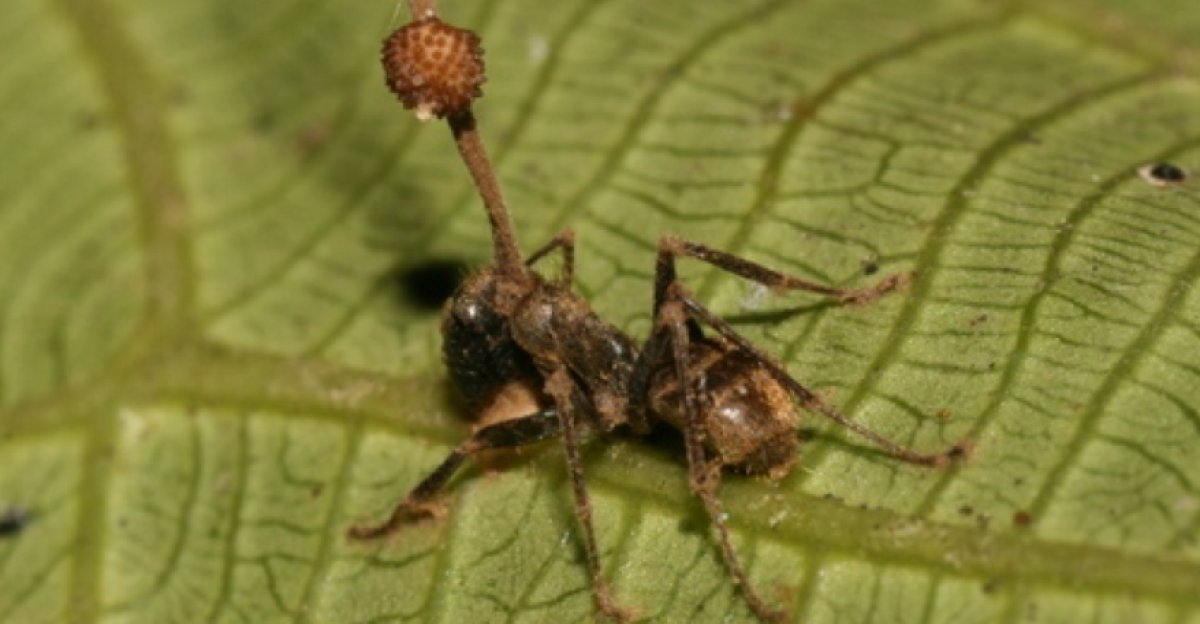
“It’s fascinating to see some of the strangeness of the natural world that we see today was also present at the height of the age of the dinosaurs,” stated Edmund Jarzembowski from the Natural History Museum.
The paleontologist emphasized how these ancient ecosystems already displayed complex predator-prey relationships that continue today through descendant fungus species.
Ancient Evolution
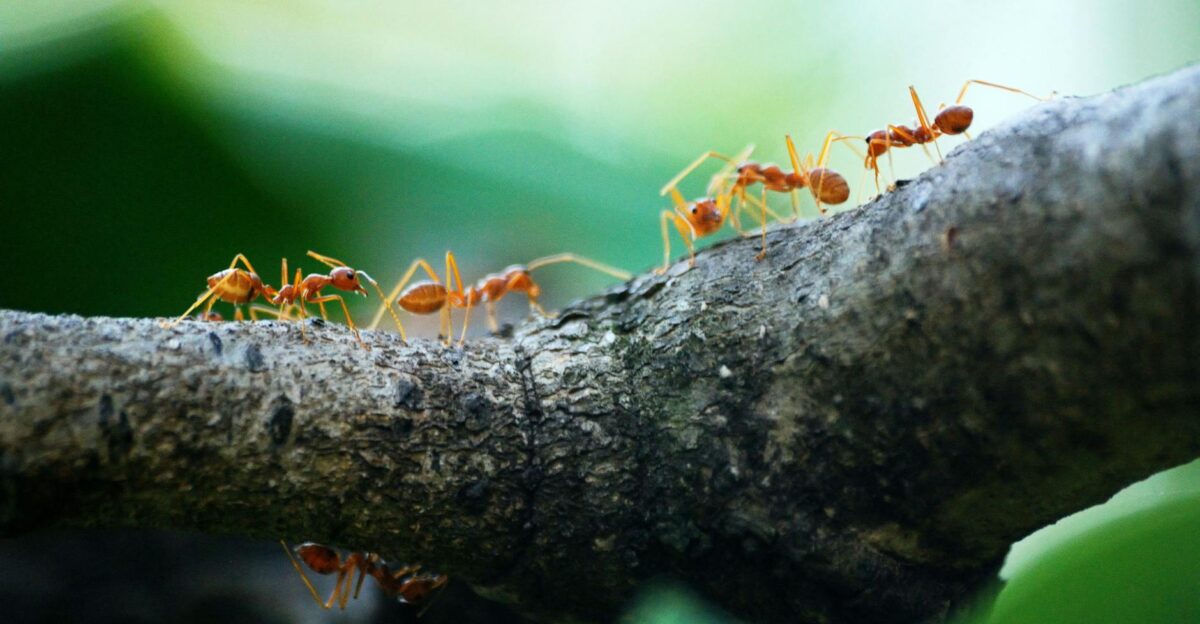
Researchers indicate that Paleoophiocordyceps diverged from contemporary zombie fungi approximately 130 million years ago.
This period coincides with the emergence of flowering plants and the evolution of various insect groups, particularly moths and butterflies. Fossil records reveal that during the mid-Cretaceous period, infectious fungi had already adapted to infect multiple insect hosts, including ants and flies.
Population Control
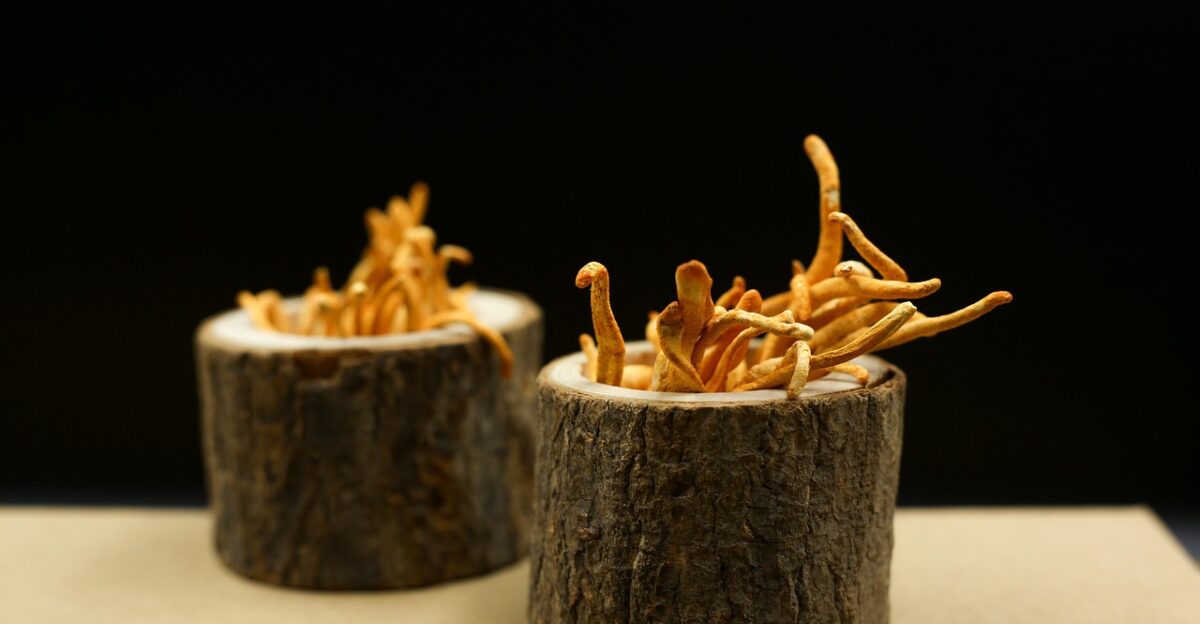
Ancient zombie fungi likely controlled insect populations throughout the Cretaceous period, preventing any single species from dominating ecosystems.
“As the infections are lethal, Ophiocordyceps likely played an important role in controlling the populations of insects by the Mid-Cretaceous,” explained Jarzembowski. This balance maintained biodiversity during rapid environmental changes when flowering plants were spreading.
Modern Nightmare
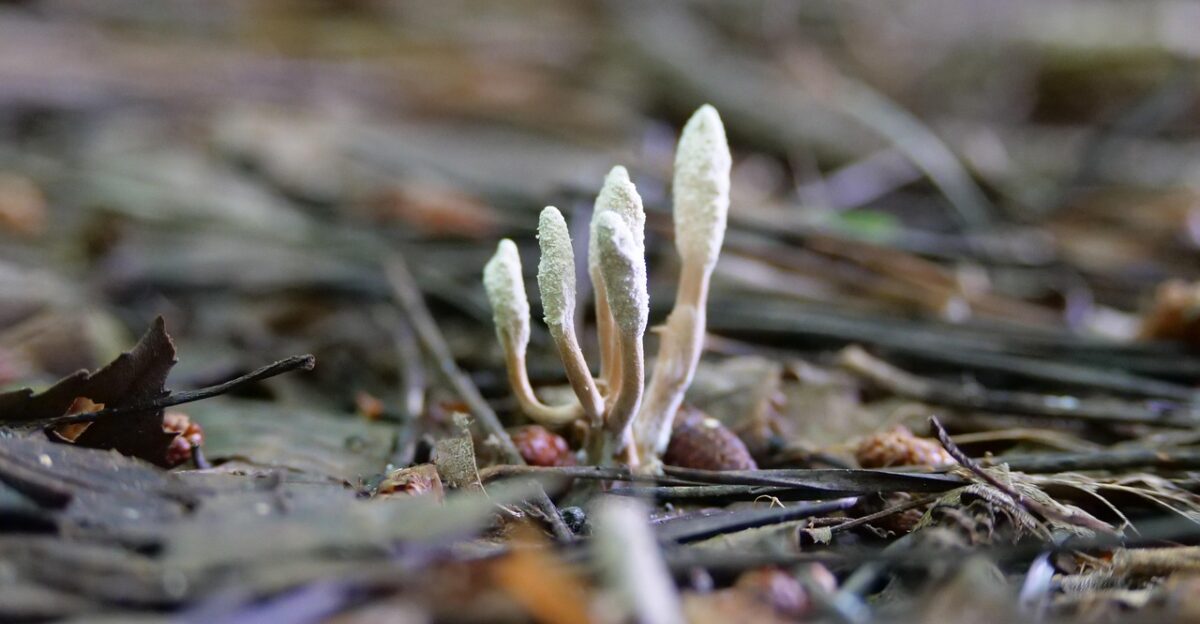
Today’s zombie-ant fungus inspired HBO’s “The Last of Us” series, where fungal infections create human zombies.
Real Ophiocordyceps unilateralis penetrates the ant’s brains through weak spots in their armor-like shells. The fungus then controls ant behavior to help spread spores. Scientists estimate these relationships affect up to 25 percent of insect diversity worldwide.
Research Struggles
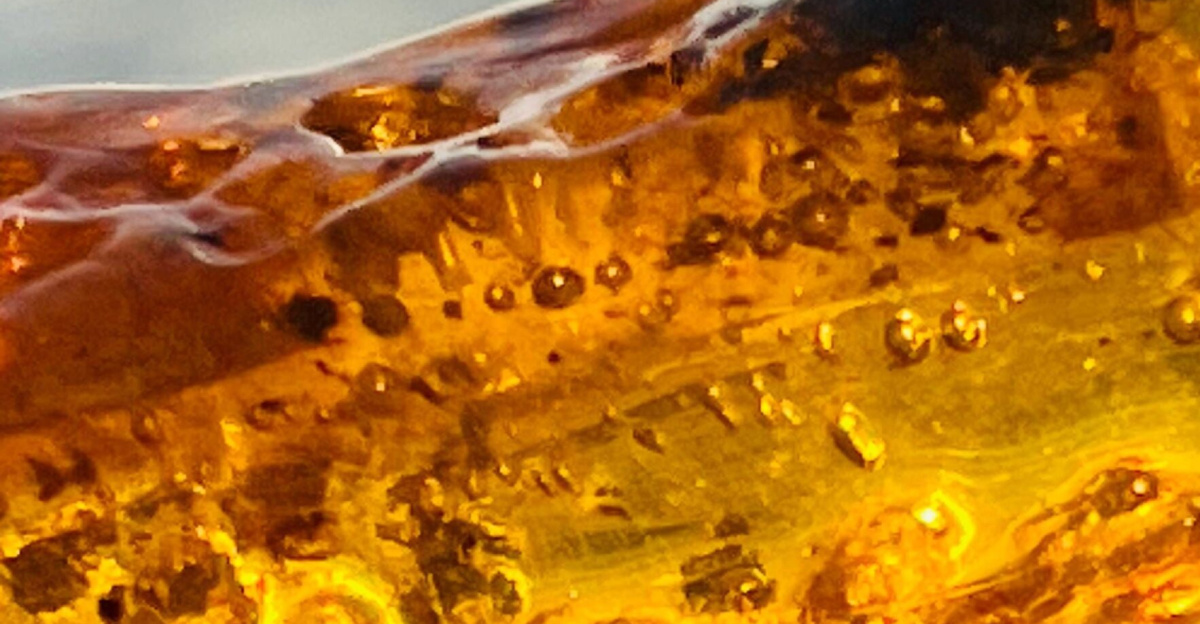
Myanmar amber research faces serious challenges due to the ongoing armed conflict in mining regions. The Kachin Independence Army and the Myanmar military have fought for control of valuable amber mines since 2011.
International scientists increasingly avoid purchasing specimens from war zones. Zhuang’s fossils were obtained before 2017, prior to current restrictions affecting research.
Academic Leadership
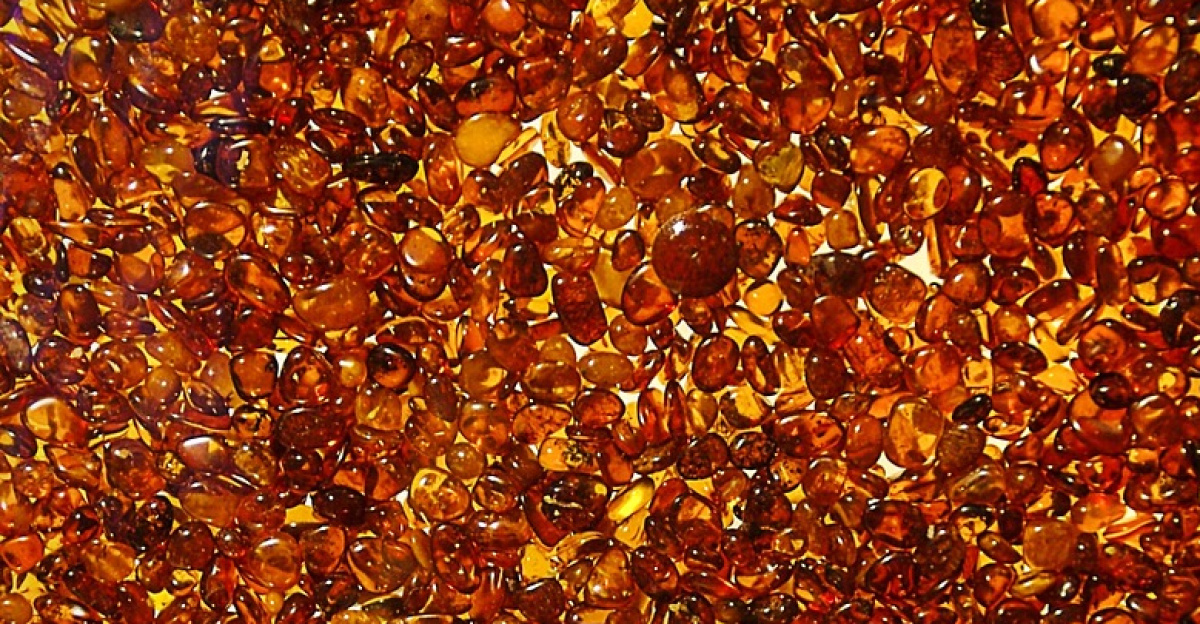
Yuhui Zhuang’s breakthrough discovery at Yunnan University represents years of careful research under difficult circumstances. “Amber gives us this opportunity to visualize the ancient ecological relationships preserved in fossils,” Zhuang explained.
The PhD student’s work demonstrates how Chinese institutions continue to lead amber research despite geopolitical challenges affecting fossil availability from Myanmar.
Technology Breakthrough
![Amber (resinite) - raw amber from the Baltics.
<p>The three principal categories of fossils are: body fossils, trace fossils, and biogenic products. Biogenic products are objects produced by ancient organisms. Many paleontologists refer to these as trace fossils (= tracks, trails, burrows, borings, footprints, bitemarks, etc.). Examples of fossil biogenic products include eggs, amber (fossilized tree sap), coprolites (fossilized feces), and spider silk.
</p><p>Fossilized tree sap, a.k.a. resin, is called amber. Resin that has not been completely altered to amber is called copal (“subfossilized tree sap”). The general term for such materials is resinite.
</p><p>Copal ranges in age from several years old to ~33,000 years old. True amber ranges in age from a few million to hundreds of millions of years old - as far back as the Carboniferous.
</p><p>Amber and copal vary in color, but are typically a rich, light- to dark-golden brown. Resinites are quite lightweight (but amber is more dense than copal), and show conchoidal fracture when broken. Copal often is, and has been, passed off as true amber.
</p><p>Amber is valued as a gem material for its transparency and distinctive color. Amber and copal are also valued for the frequent presence of fossil inclusions - typically insects.
</p>
<hr>
<p>Some references on amber & fossils in amber:
</p><p>Poinar, G. & R. Poinar. 1994. The Quest for Life in Amber. Reading, Massachusetts. Addison-Wesley Publishing Company. 219 pp.
</p><p>Dahlström, A., L. Brost & J. Leijonhufvud. 1996. The Amber Book. Tuscon, Arizona. Geoscience Press, Inc. 134 pp.
</p><p>Grimaldi, D.A. 1996. Amber, Window to the Past. New York. American Museum of Natural History. 215 pp.
</p><p>Ross, A. 1998. Amber. London. The Natural History Museum. 73 pp.
</p><p>Poinar, G.O. & R. Milki. 2001. Lebanese Amber, the Oldest Insect Ecosystem in Fossilized Resin. Corvallis, Oregon. Oregon State University Press. 96 pp.
</p><p>Geirnaert, E. 2002. L'Ambre, Miel de Fortune et Mémoire de Vie. Monistrol-sur-Loire, France. 176 pp. [in French]
</p><p>Hong Youchong. 2002. Amber Insects of China. Beijing. Beijing Scientific Publishing House. 653 pp. 48 pls. [in Chinese]
</p><p>Weitschat, W. & W. Wichard. 2002. Atlas of Plants and Animals in Baltic Amber. Munich. Dr. Friedrich Pfeil. 256 pp. [excellent resource! highly recommended!]
</p>
Selden, P. & J. Nudds. 2004. Baltic amber. pp. 131-141 in Evolution of Fossil Ecosystems. Chicago. University of Chicago Press.](https://aws-wordpress-images.s3.amazonaws.com/ruckus/wp-content/uploads/2025/08/amber-resinite-baltics-2-cropped.jpg)
Advanced imaging techniques revealed previously invisible fungal structures within amber matrices, surpassing traditional microscope limitations. Scientists used micro-computed tomography to create three-dimensional reconstructions of infected insects and their deadly parasites.
These methods allow us to study ancient soft tissues that would normally decompose. Future discoveries may uncover additional prehistoric parasite relationships.
Scientific Caution
Phil Barden from New Jersey Institute of Technology emphasizes the rarity of preserved behavioral manipulation evidence in fossils. “For any given fossil ant or beetle, we can imagine all of the parasites, fungi, and bacteria that such insects support,” Barden noted.
Each specimen represents fragments of ancient biological complexity, with vast undiscovered diversity trapped in amber waiting for discovery.
Future Questions
These discoveries raise important questions about how parasites evolved and switched between host species throughout Earth’s history. Climate change may influence modern fungus distribution patterns and relationships with insect hosts.
Understanding ancient parasite dynamics could inform current biological control strategies. The fossil record continues to reveal unexpected complexity in prehistoric ecosystems that existed millions of years ago.
Political Problems
Myanmar’s ongoing political instability threatens irreplaceable scientific resources and international research collaboration efforts. Government sanctions limit legal amber exports, potentially driving underground fossil markets.
The scientific community debates research ethics versus paleontological discovery opportunities. Future fossil preservation requires stable political environments and international cooperation between nations for legitimate scientific research to continue.
Global Trade

Chinese markets in Tengchong process billions of yuan worth of Myanmar amber annually, primarily for jewelry production. Scientific specimens represent tiny fractions of commercial amber trade volumes across international borders.
International fossil trafficking networks complicate legitimate research activities worldwide. Despite political barriers between countries affecting specimen availability, cross-border collaboration remains essential for paleontological advancement.
Climate Context
The mid-Cretaceous greenhouse climate supported diverse fungal communities in warm, humid forests worldwide. Based on geological evidence, higher atmospheric carbon dioxide levels influenced plant-fungus-insect interactions throughout prehistoric ecosystems.
Modern climate change may alter parasitic fungi distribution and virulence patterns today. Historical perspective provides crucial context for understanding contemporary biological relationships between species.
Cultural Impact
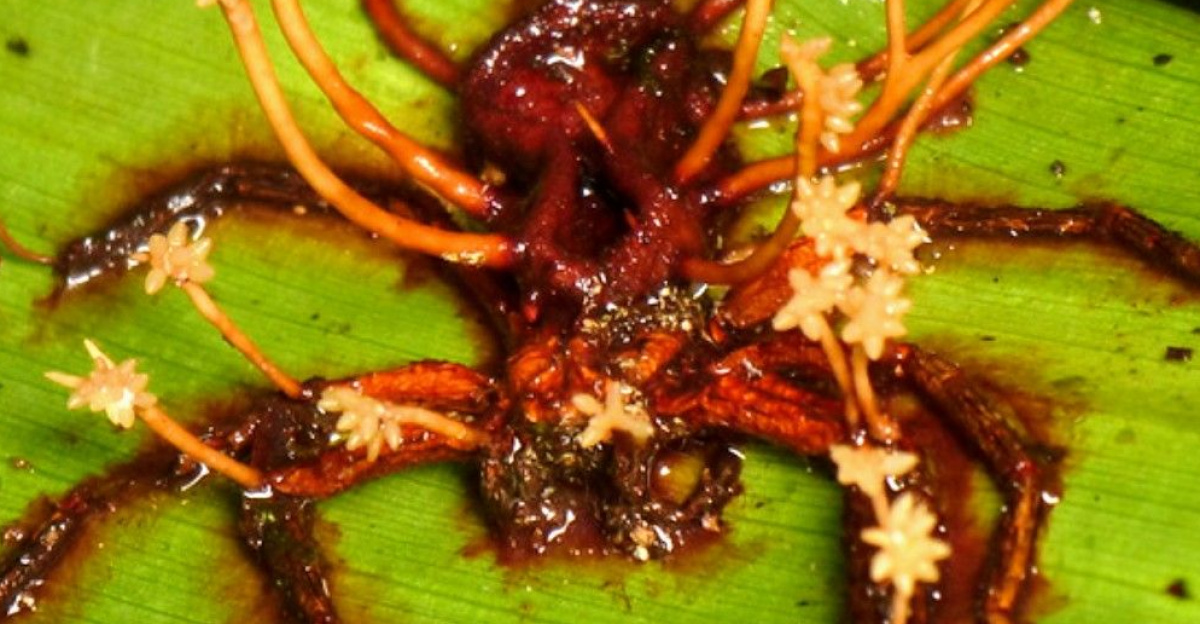
Popular entertainment increasingly features fungal apocalypse scenarios inspired by real biological phenomena like zombie-ant infections. Scientific discoveries influence entertainment industry narratives about parasitic manipulation and behavioral control in movies and television.
Public fascination with zombie fungi reflects broader anxieties about biological threats and ecosystem collapse. Educational outreach helps bridge the gap between scientific research and popular understanding.
Lasting Legacy
The 99-million-year history of zombie fungi demonstrates evolution’s capacity for developing sophisticated survival strategies through behavioral manipulation. “It appears that ants were targeted early for zombification, and they continue to be the primary hosts for this parasitoid fungus,” noted Conrad Labandeira.
Understanding prehistoric biological warfare provides insights into contemporary ecological challenges and conservation needs. The amber specimens preserve moments when death became life’s tool.