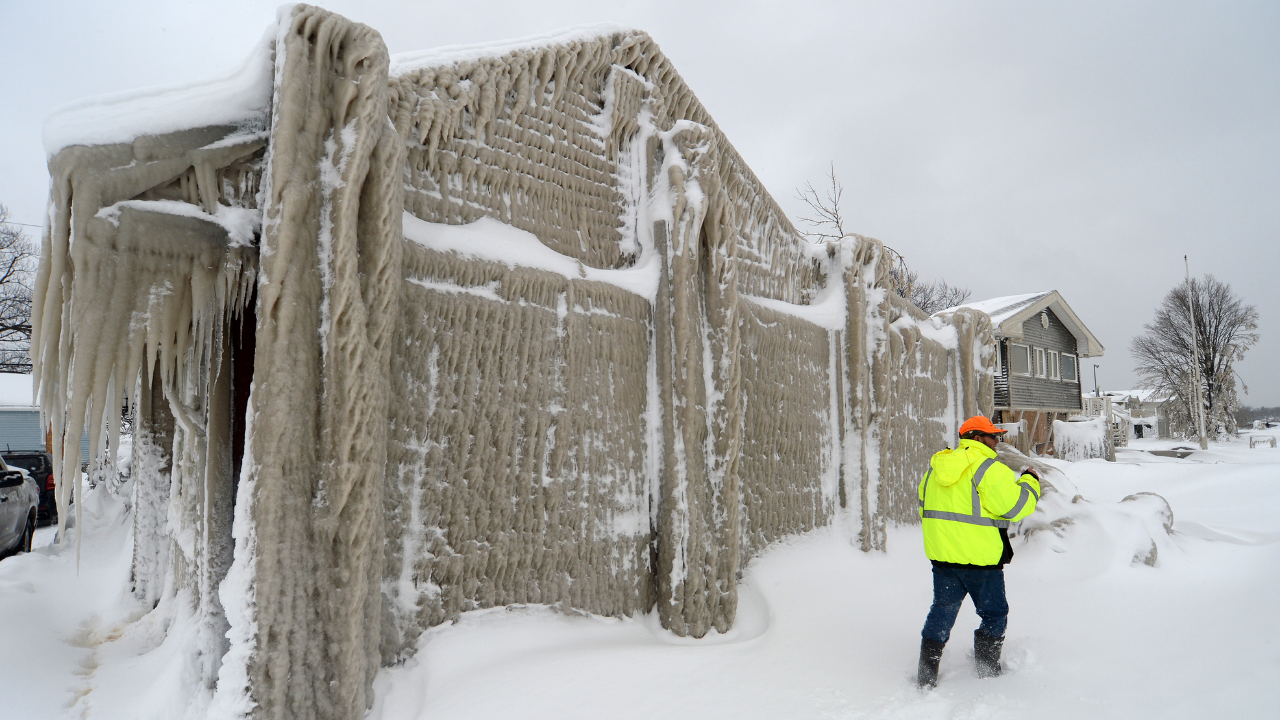
The week between Christmas and New Year’s is supposed to be about homecomings and reunions. This year, millions of Americans are trapped in airports, stalled on ice-covered highways, and sitting in darkened homes, waiting for a violent storm to pass.
According to the National Weather Service, Winter Storm Ezra is forcing travelers to cancel plans and residents to hunker down as a rapidly intensifying system barrels across the country through New Year’s Day.
Stranded Holiday Travelers
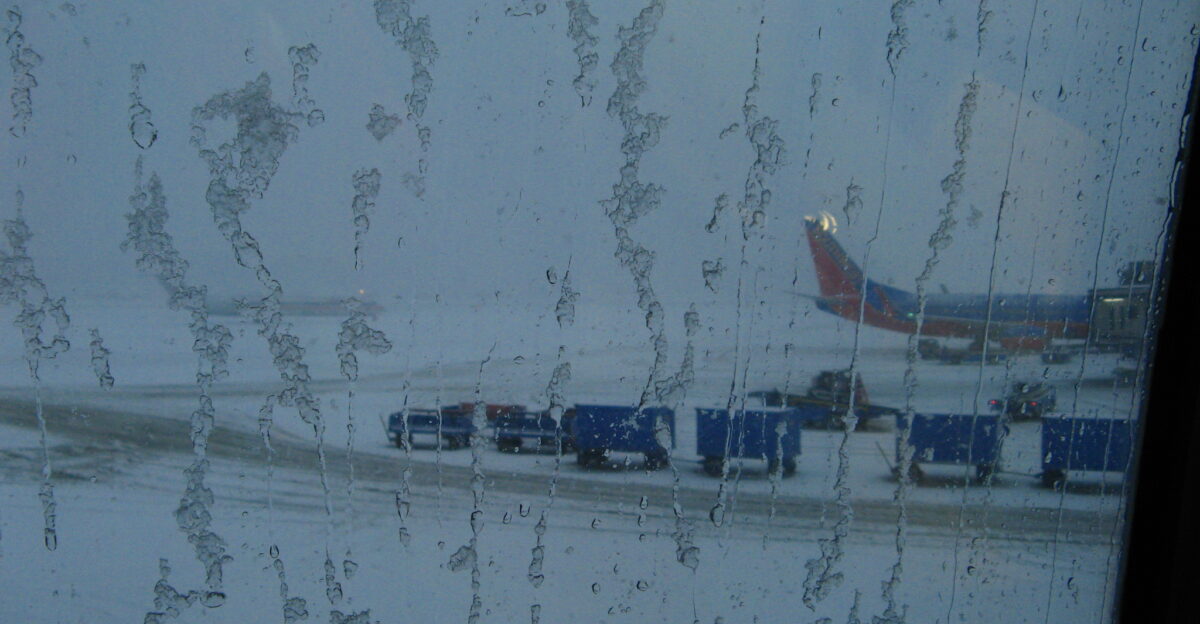
The busiest travel corridor of the year has become a logistical nightmare. More than 750 flights were cancelled, and nearly 6,000 were delayed by Monday afternoon, leaving families who had carefully planned to spend the holidays together stranded.
According to Reuters, travelers faced long waits, rebooking difficulties, and accommodation challenges as airlines worked to manage the chaos.
A 50-Degree Plunge Tests Survival Instincts

The most disorienting aspect of the storm has been its speed. Residents woke Monday to conditions 50 degrees colder than the previous day, a dramatic shift that left heating systems strained and unprepared infrastructure buckling under sudden demand.
In Philadelphia, temperatures dropped from near 60 degrees to the low 20s overnight, forcing businesses to close and elderly residents to rely on neighbors for survival checks.
Roads Turned Treacherous
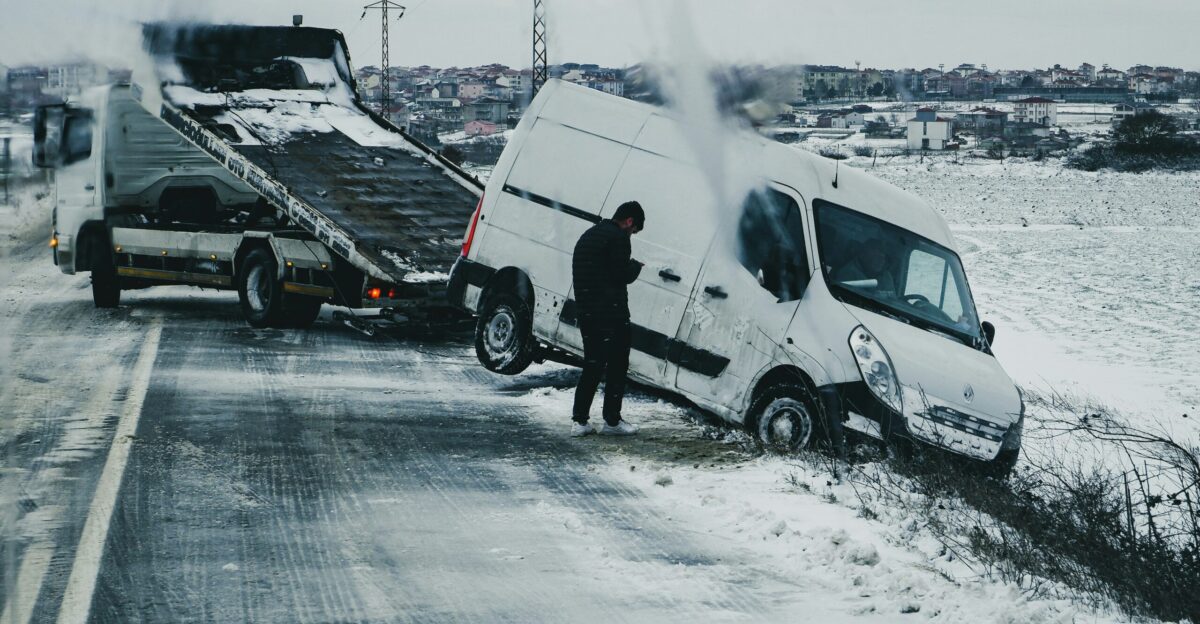
The human toll has been immediate and sobering. A single-vehicle crash in rural Iowa killed Steven Elsinger, a 53-year-old resident of Guttenberg, when his car rolled near an intersection amid blizzard conditions. In Vermont alone, state police responded to 92 crashes overnight, with at least 3 injuries reported.
Detroit experienced a major pileup on Interstate 75 on Monday morning, involving three semitrailers and approximately 20 passenger vehicles. Meanwhile, Minnesota reported hundreds of crashes since the storm began on Sunday, including 31 with injuries.
200 Miles Of Interstate Frozen Solid
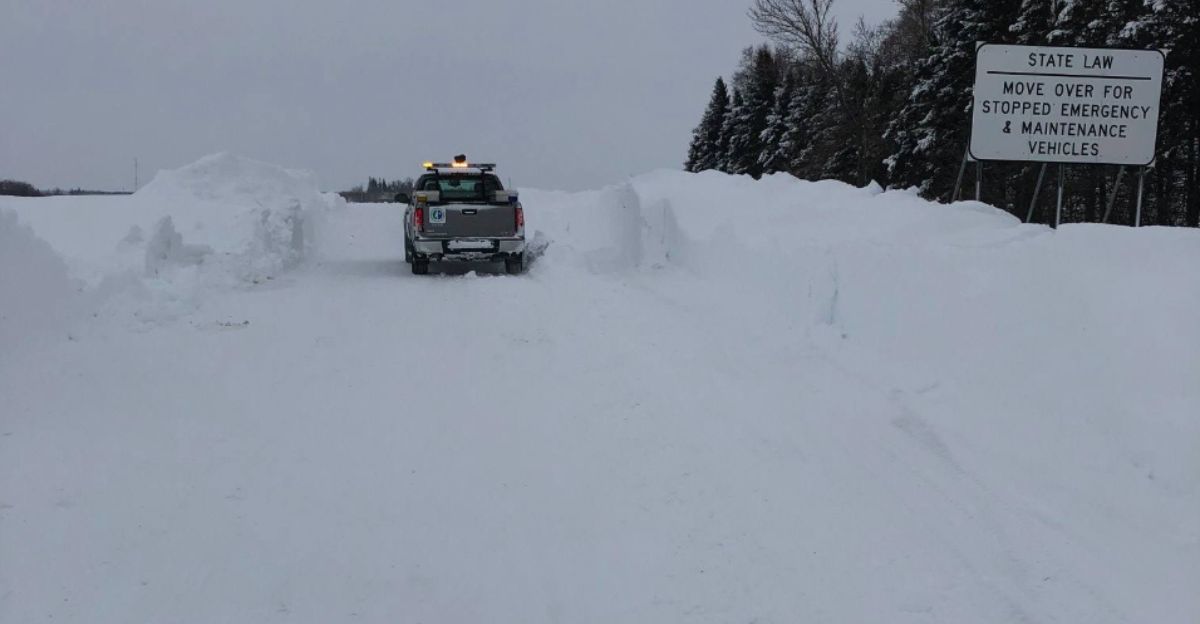
Interstate 35, a lifeline for Midwest commerce and travel, became impassable. Officials shut down more than 200 miles of roadway in Iowa as whiteout conditions made driving impossible. State troopers reported that high winds continued to blow fallen snow across the pavement even after the heaviest snow had ended, creating a dangerous sawtooth of visibility and white-out conditions.
The closure paralyzed trucking routes, leaving stranded drivers to seek shelter in nearby towns and rest areas.
350,000 Plunged Into Darkness
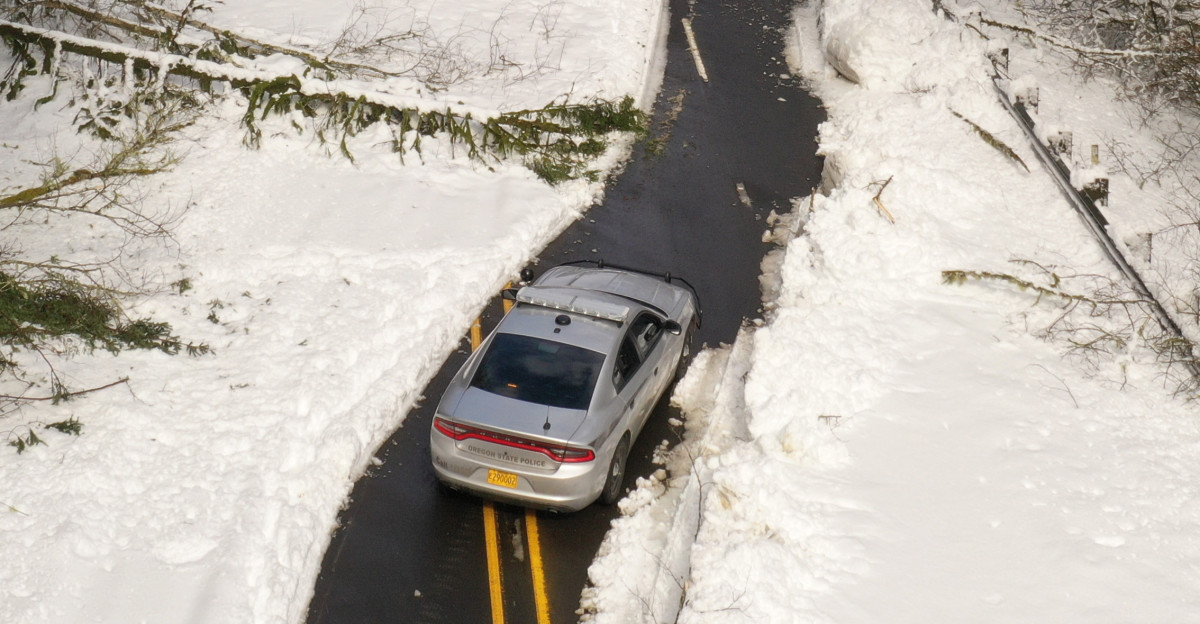
Power grids buckled under the weight of heavy snow and hurricane-force winds. Over 350,000 utility customers lost electricity by Monday afternoon, with Michigan accounting for more than a third of the outages.
In upstate New York alone, over 57,000 power outages were reported as freezing rain and high winds toppled trees and brought down power lines.
Michigan’s Upper Peninsula Buried
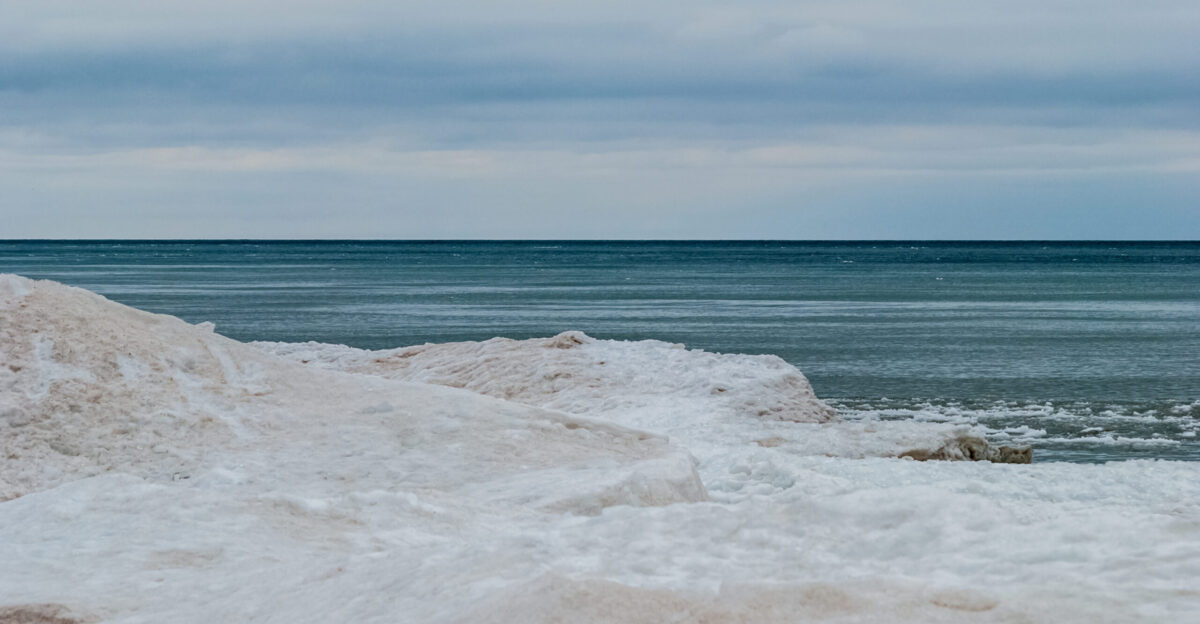
Lake-effect machines shifted into overdrive across Michigan’s northern reaches. The Upper Peninsula recorded up to two feet of snow, a volume that overwhelmed local plow teams and left residents unable to leave their homes.
The wet, heavy snow clung to everything—tree branches sagged under the weight, roofs groaned, and a dangerous silence fell across communities where snowfall rates exceeded one inch per hour.
Life-Threatening Extremes
Beyond the snow, the wind became a weapon. Across North Dakota and Minnesota, wind chills plummeted to minus 30 degrees Fahrenheit, creating conditions where exposed skin can freeze in minutes. The National Weather Service warned residents not to venture outside without protective gear, as hypothermia and frostbite posed genuine threats.
In northeast West Virginia, rare hurricane-force winds were recorded on a mountain ridge, a reminder that danger lurked even in unexpected places.
A December Tornado Adds Chaos
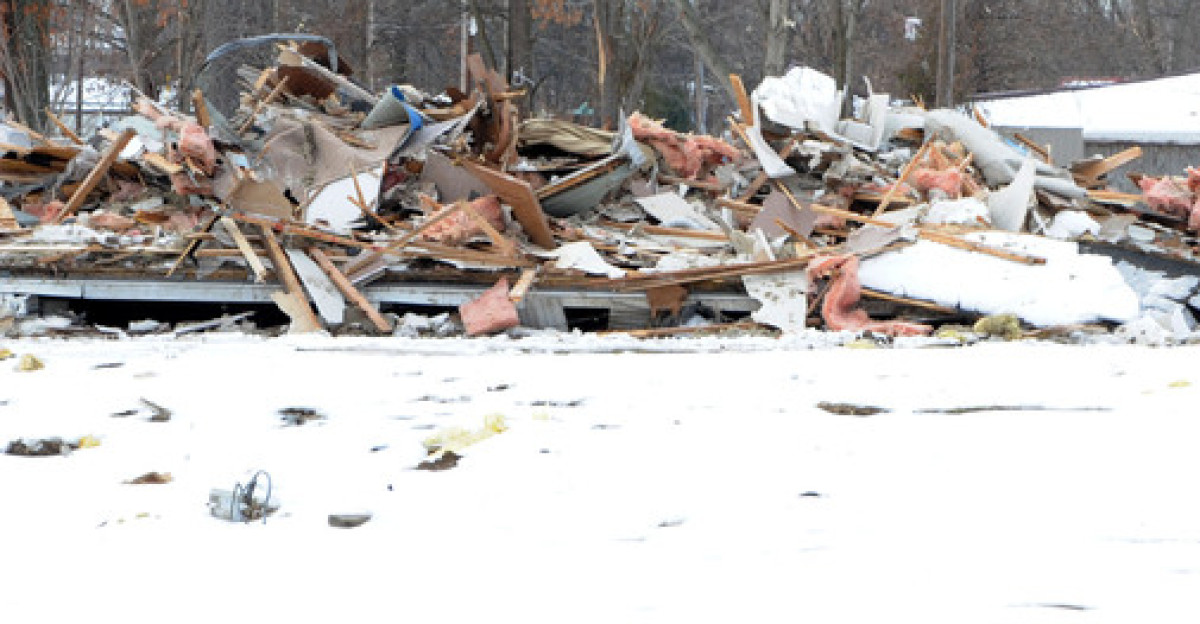
As the system churned eastward, it produced violence in multiple forms. A tornado with 98 mph peak winds touched down in Illinois on Sunday, an EF1 funnel that damaged buildings and snapped power poles in a bizarre display of spring-like severe weather during winter.
The anomaly highlighted how the collision of frigid Canadian air with southern warmth creates unstable atmospheric conditions capable of producing both blizzards and tornadoes simultaneously.
Buffalo Records Winds Not Seen Since 1980
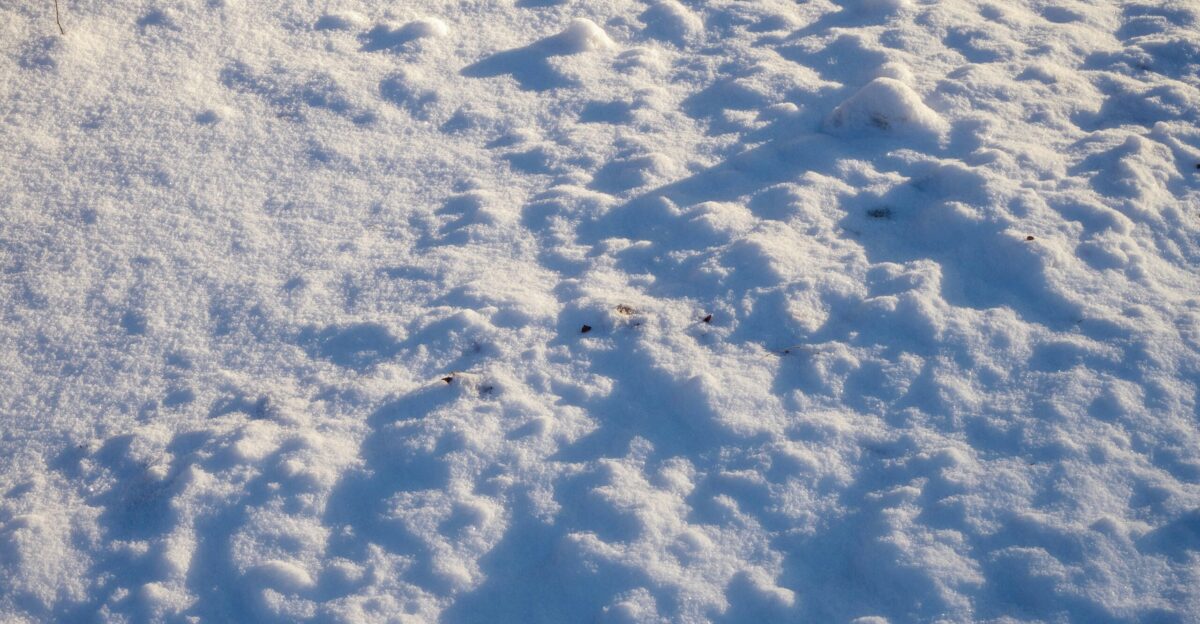
As the storm shifted toward the Northeast, wind speeds reached historic proportions. Buffalo experienced gusts of 79 mph, the strongest winds the city had recorded in 45 years.
These hurricane-force gusts created structural damage throughout the region, turning holiday decorations into projectiles and creating “ground blizzard” conditions where even areas with less falling snow experienced whiteouts.
Lakes Rise And Recede
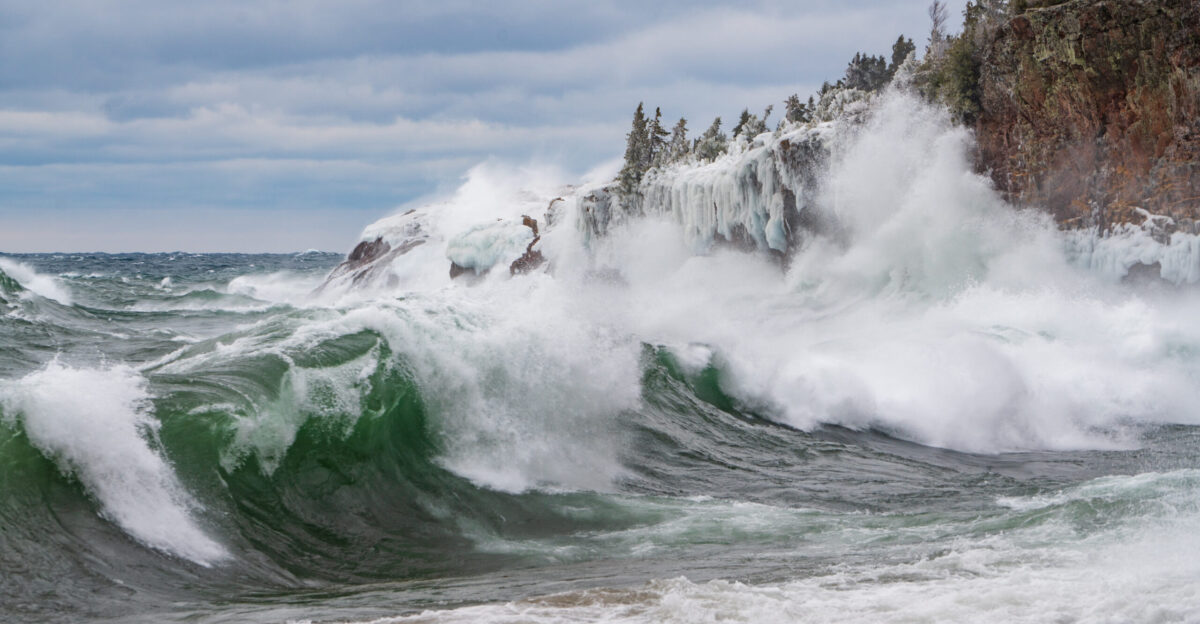
The Great Lakes, typically predictable in winter, became violent. Waves on Lake Superior rose to nearly 20 feet, forcing all but one cargo ship to seek harbor shelter, a precaution that recalls the lessons learned after the Edmund Fitzgerald sank in 1975.
On Lake Erie, fierce winds pushed water toward Buffalo’s eastern shoreline while simultaneously draining the western side, exposing wooden pilings from the 1830s and even the wreckage of old vehicles that had been submerged for decades.
Northeast Transformed Into A Skating Rink
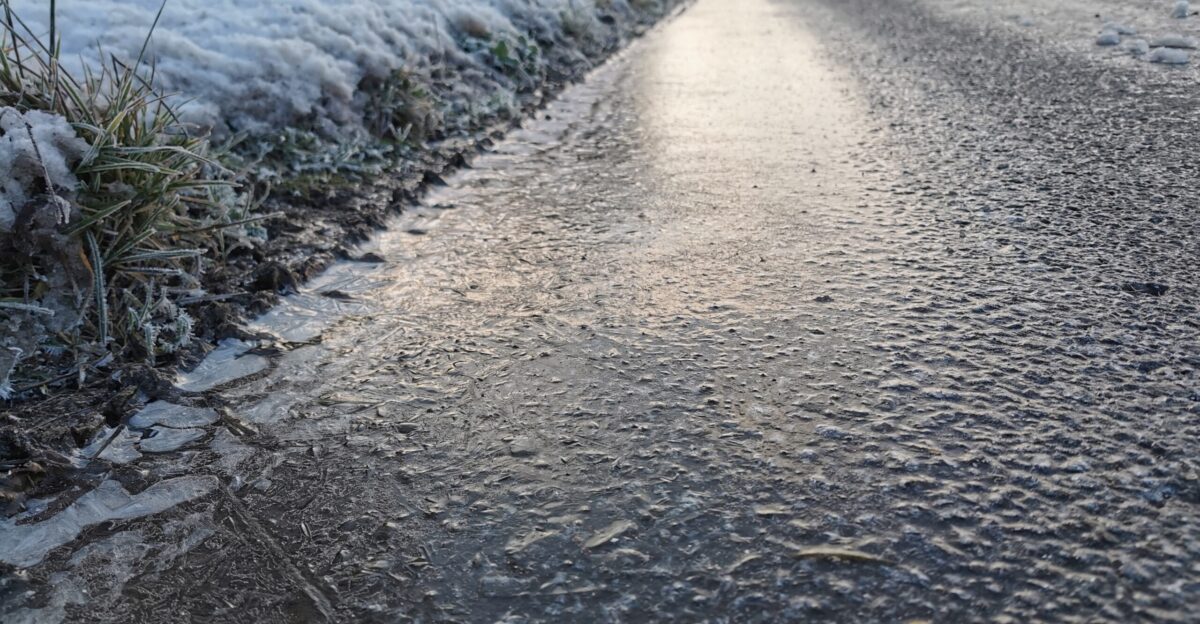
The Northeast faced a different but equally dangerous threat. Freezing rain coated surfaces across northern New York, Vermont, New Hampshire, and Maine, creating a glass-like coating on roads, power lines, and walkways.
Ice accumulation threatened to snap tree limbs and snap power lines, with the potential to leave regions without electricity for days in the middle of winter.
Rose Parade Faces First Rain In 20 Years

The weather chaos extends even to California’s pristine New Year’s tradition. The National Weather Service warned that moderate rain could dampen the Rose Parade in Pasadena on New Year’s Day, the first time in roughly 20 years the iconic event is expected to face precipitation.
Organizers and attendees monitor forecasts with uncertainty, a reminder that the weather system’s reach was truly nationwide, sparing few regions from disruption.
Storm Threatening Through New Year’s
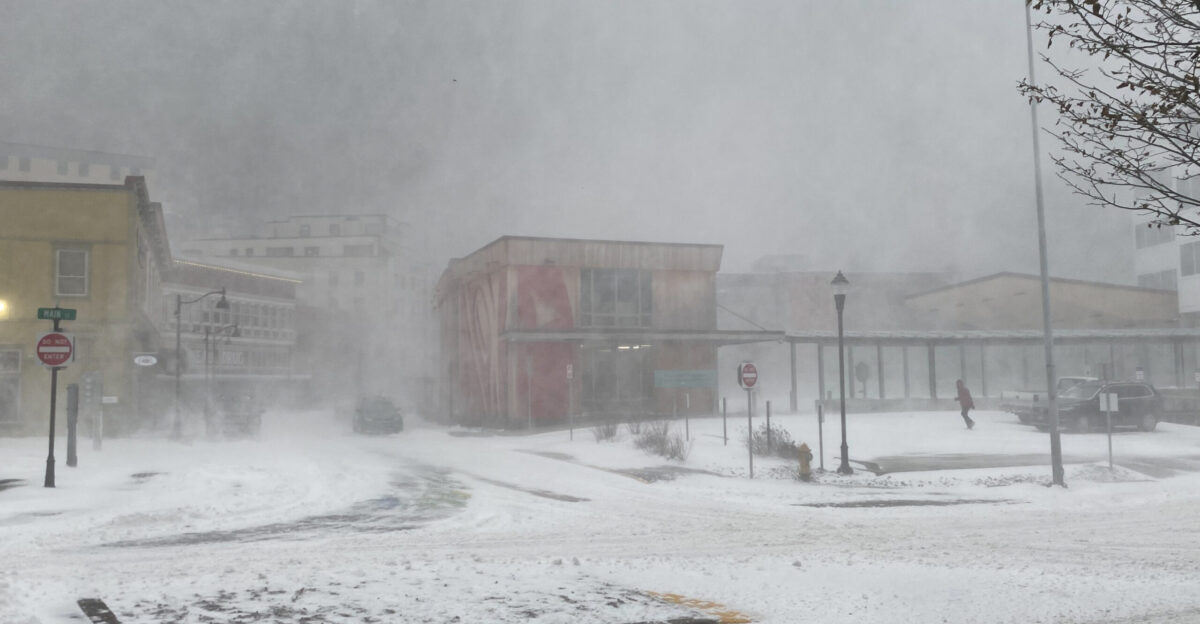
While the contiguous United States battled the central system, Alaska received a separate onslaught. The northern panhandle accumulated between 15 and 40 inches of snow, with Juneau bracing for an additional nine inches, creating isolation and resource challenges for remote communities.
As the system tracked eastward, meteorologists warned that conditions would continue to intensify as frigid air and southern warmth clashed over the Atlantic. The National Weather Service advised that the worst may yet be to come for coastal areas as the system gathers strength, with alerts remaining in effect through New Year’s Day.
Sources:
Winter Storm Ezra snarls US travel as meteorologists warn of bomb cyclone – Reuters
One dead after rollover crash in rural Guttenberg on Saturday – CBS2 Iowa
Washington County, VT – Police Patrol Report: 92 Crashes Related to Ice Storm – Country Herald
I-75 crash in Detroit due to snow squall with more than 20 cars near McNichols – Fox 2 Detroit
Wind gust hits 79 mph, approaches Buffalo record – Yahoo News
For the first time in two decades, it might rain on the Rose Parade – Los Angeles Times