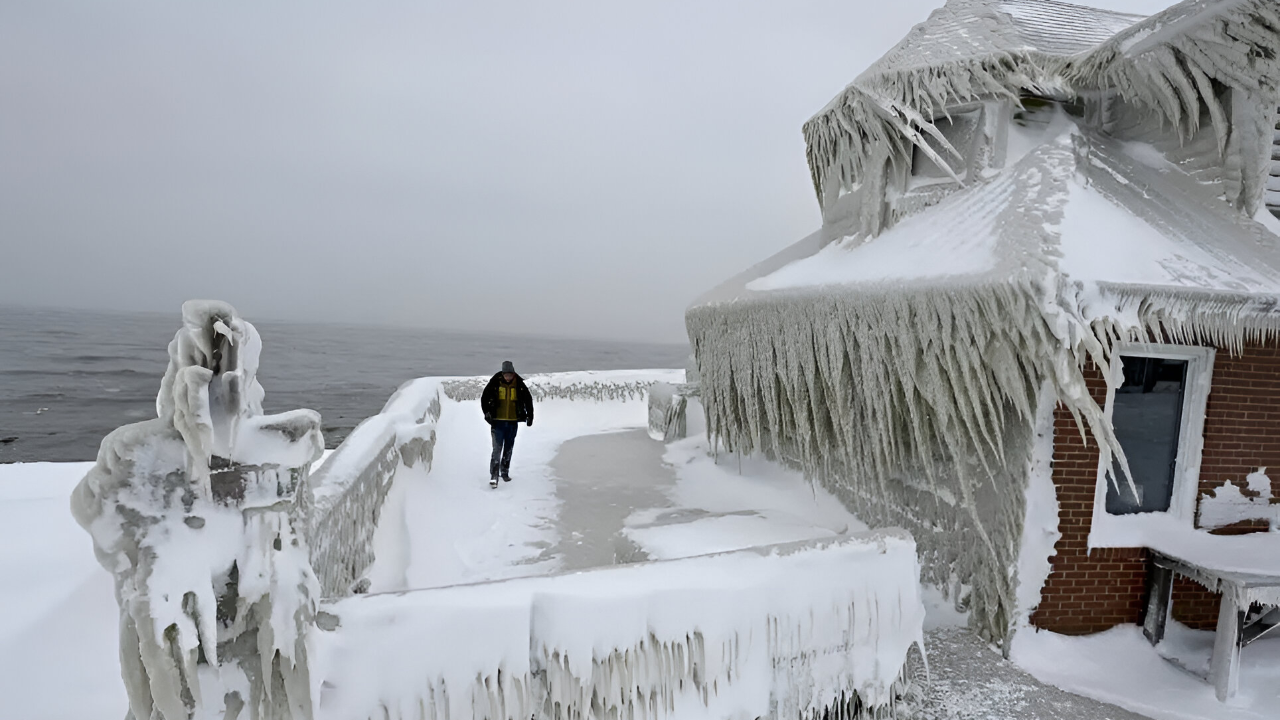
Atlanta woke to record-breaking heat on Christmas Eve at 78°F, but by early Tuesday morning, the city was gripped by 25°F cold—a staggering 53-degree plunge that left residents scrambling for winter coats. Across the South, the whiplash was real.
Dallas dropped from the low 80s to the mid-40s overnight, while Little Rock tumbled from 70°F to the mid-30s. Families who’d celebrated Christmas in shirtsleeves suddenly faced dangerous wind chills across the entire region.
Trapped Holiday Travelers
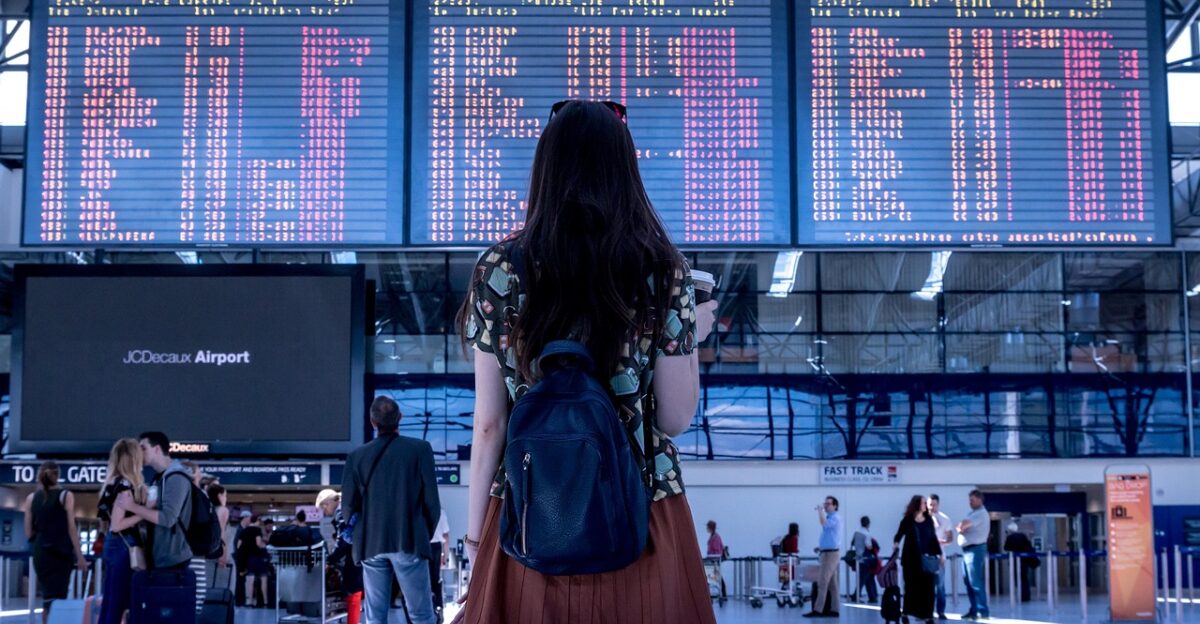
Thousands of families sat stranded in airport terminals, watching their connections disappear as airlines canceled more than 4,400 flights from Friday through Monday. Parents faced the impossible choice of sleeping at the gate with exhausted children or paying hundreds more for a hotel and missing the celebration time.
One mother, desperate to save Christmas, spent 14 hours with her family aboard a single plane just trying to reach Salt Lake City.
Blizzard Swallows the Upper Midwest
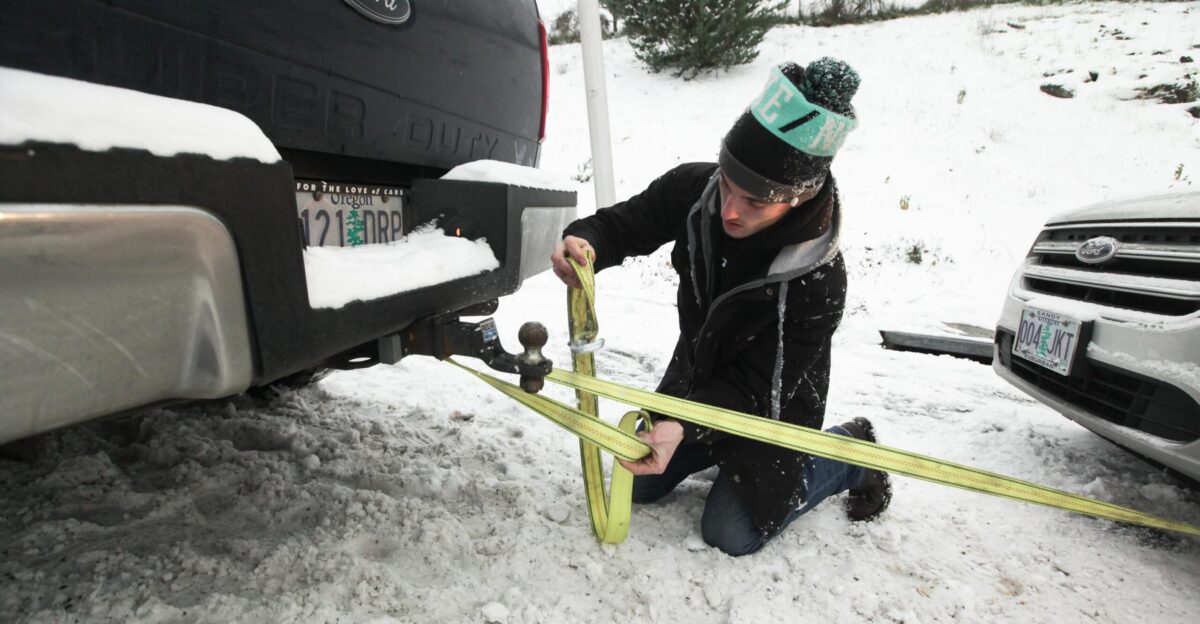
Whiteout conditions hit North Dakota, Minnesota, Iowa, Wisconsin, Michigan, and New York as blizzards rolled across the heartland. Visibility plummeted to nearly zero, forcing authorities to close highways and trap drivers on the roads.
More than 200 miles of Interstate 35 were shut down across Iowa, leaving motorists either stranded in cars or forced to abandon them in the snow.
Families Sleep in Airports
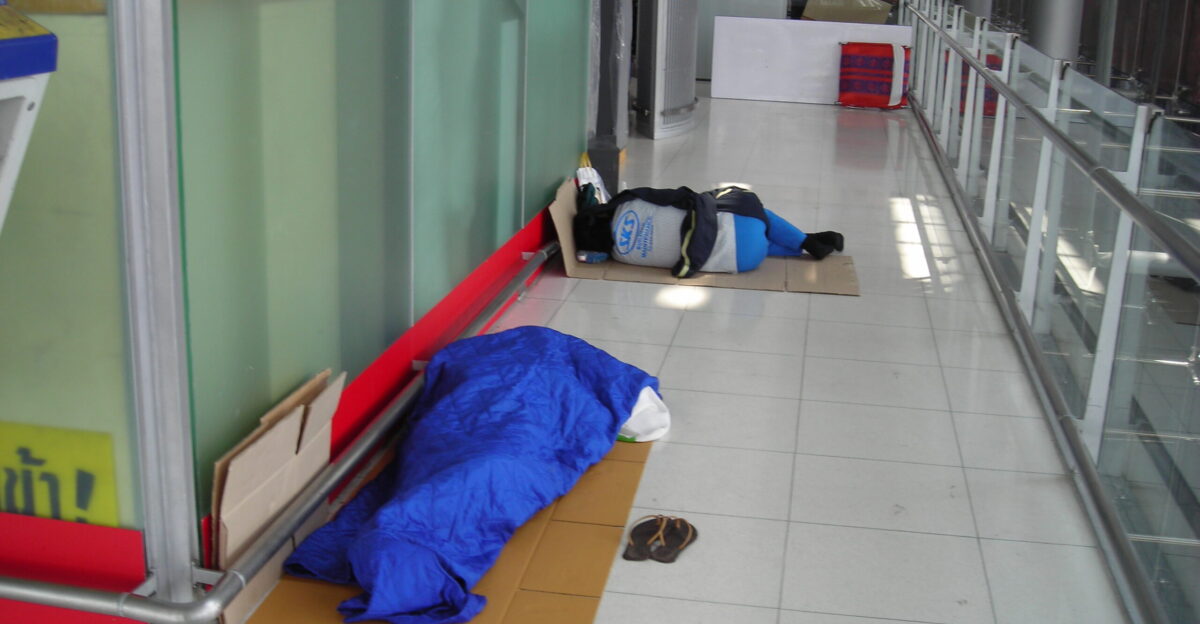
Passengers camped out on airport floors in Chicago, Minneapolis, Detroit, and Boston, their holiday plans shattered by cancellations. The Finnish Red Cross brought blankets and mattresses to Rovaniemi airport in Finland, where hundreds faced similar chaos, though at least they received some comfort.
In American terminals, families with young children waited hour after hour for rebooking onto flights that might never depart that day.
Lake Superior Threatens Historic Wave Heights
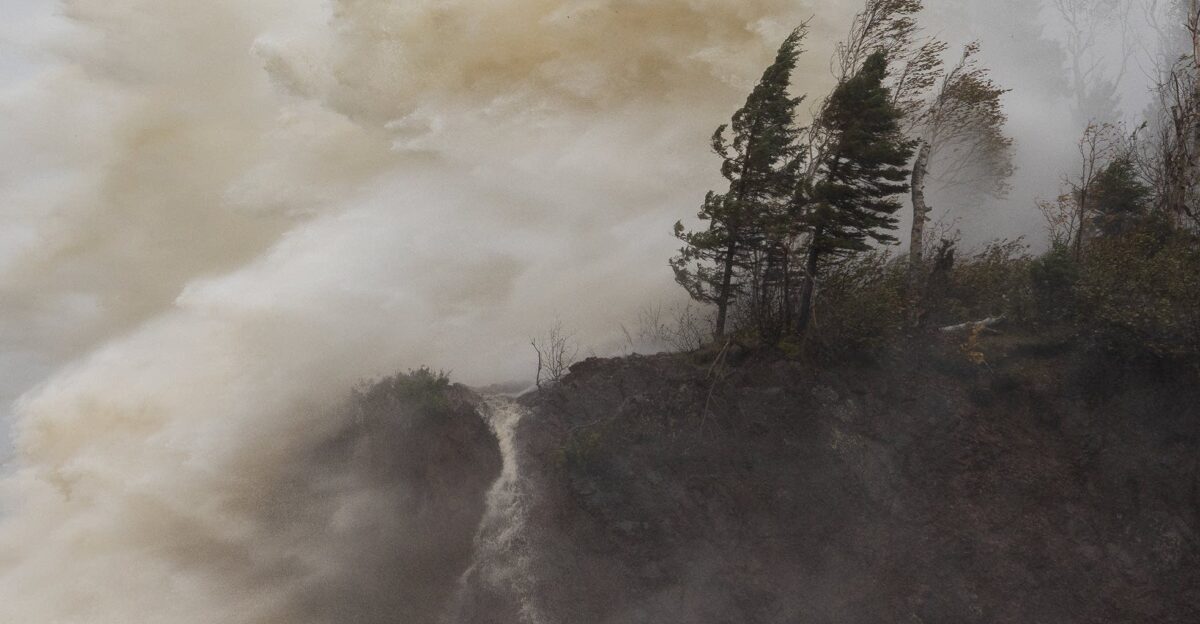
Meteorologists braced for 25-foot waves on Lake Superior by Monday morning—a level of danger not seen since the Edmund Fitzgerald sank in 1975, killing 29 crew members.
Ben Warren, a National Weather Service forecaster in Marquette, Michigan, acknowledged the eerie parallel: “Since the infamous Edmund Fitzgerald storm in ’75, we’ve had zero major incidents on the lake.”
Two Feet of Snow Buries Michigan Communities
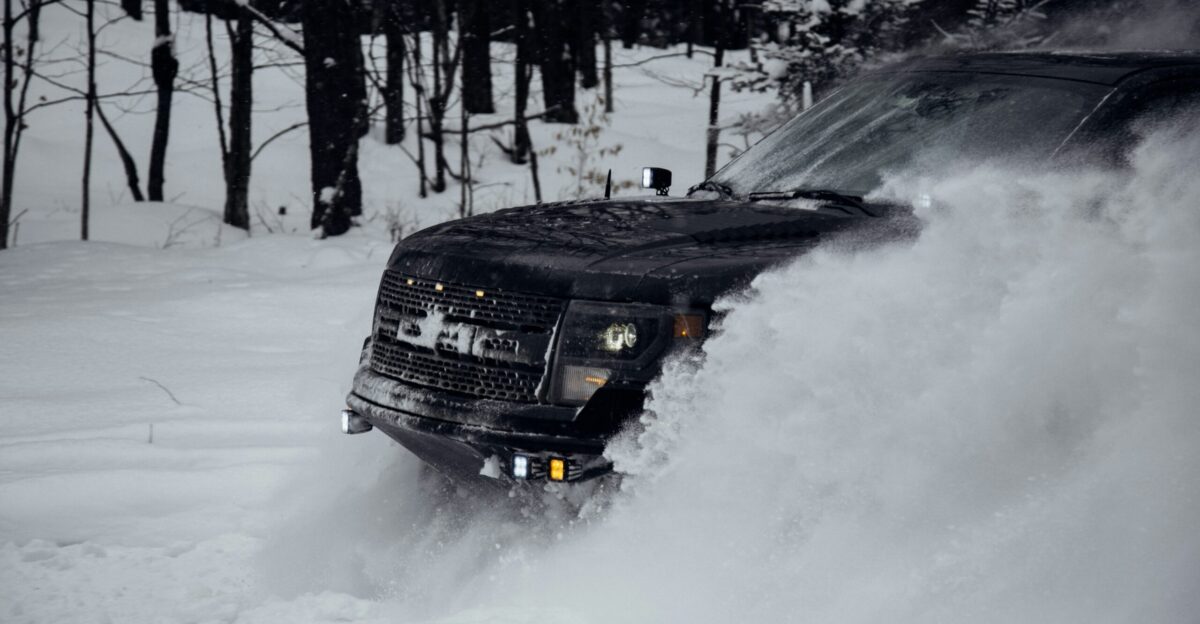
Michigan’s Upper Peninsula bore the storm’s heaviest blow, with forecasters warning of up to two feet of snow in areas such as Delta, Schoolcraft, and Marquette counties. Families in these communities hunkered down, cutting wood for fireplaces and rationing supplies as road closures made supply runs impossible.
By Monday morning, some areas had already received a foot of fresh snow with more falling hourly, and wind gusts near 60 mph transformed every flake into a cutting, blinding wall of white.
Freezing Rain Coats New England in Treacherous Ice
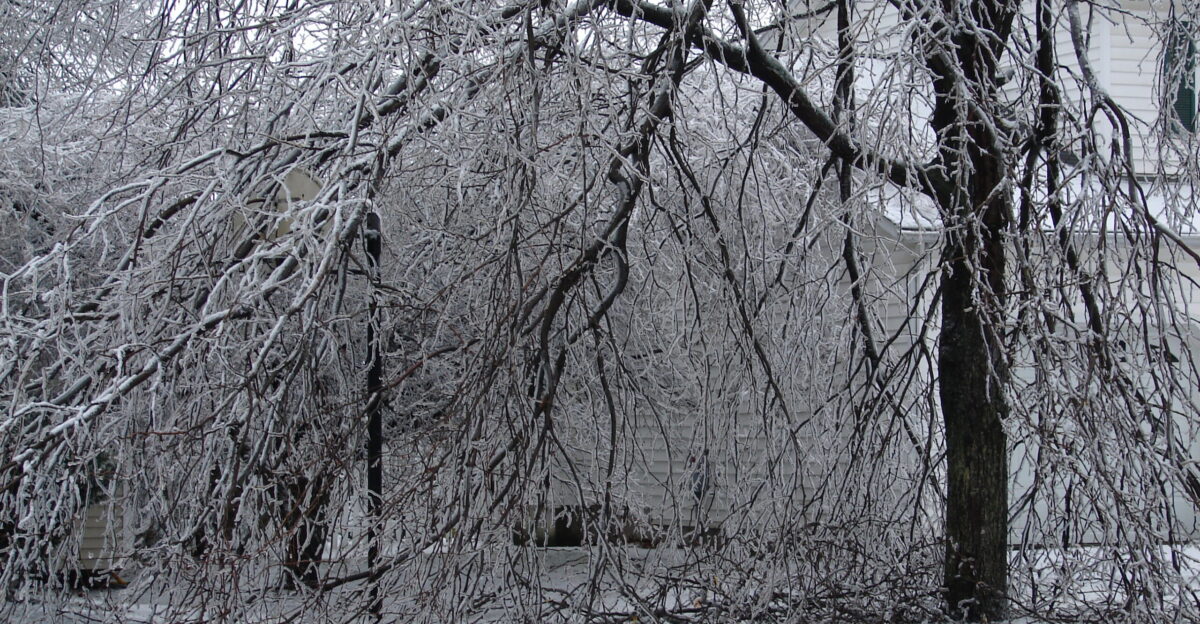
Vermont, New Hampshire, Maine, and upstate New York watched freezing rain accumulate to dangerous levels—up to 0.7 inches in some areas—as power lines snapped under the weight. Ninety-two crashes occurred on Vermont roads overnight as drivers struggled with icy conditions, resulting in three injuries.
Tree branches came down across driveways and streets, isolating homes and trapping residents.
Wind Chills Drop to Minus 30°F
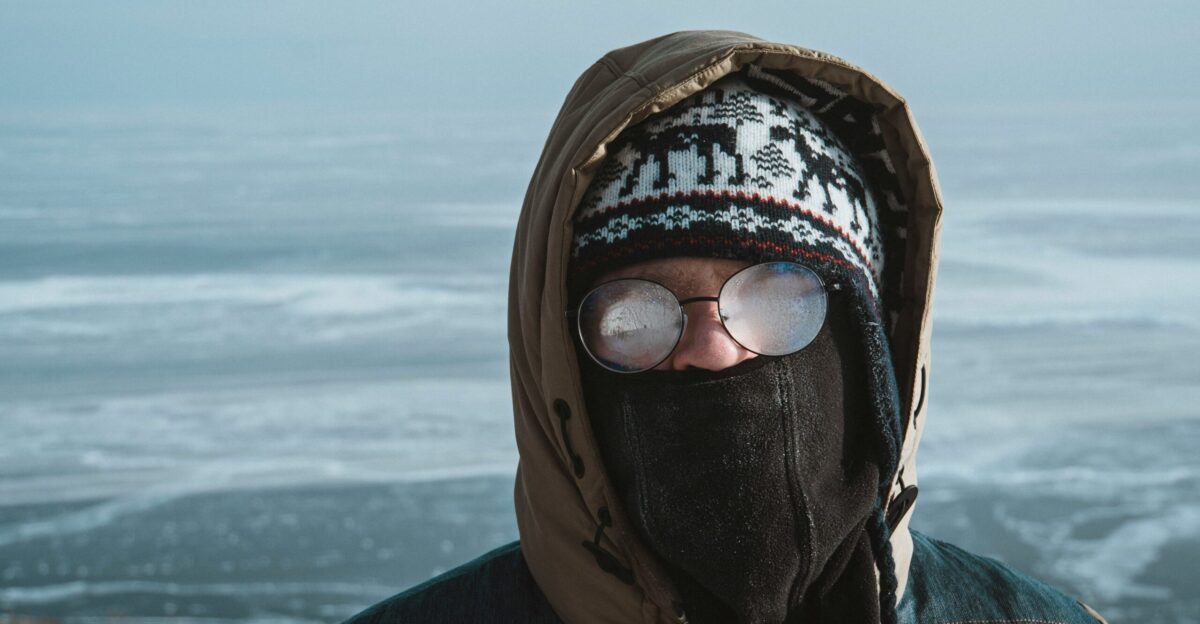
North Dakota and Minnesota residents faced wind chills that could freeze exposed skin in less than five minutes. Step outside without proper protection, and the Arctic air turned deadly within seconds. The National Weather Service issued urgent warnings about the danger, advising people to abandon all outdoor activity.
Communities that usually shrug off winter weather knew this was different—this was the kind of cold that kills.
Interstate 35 Closure
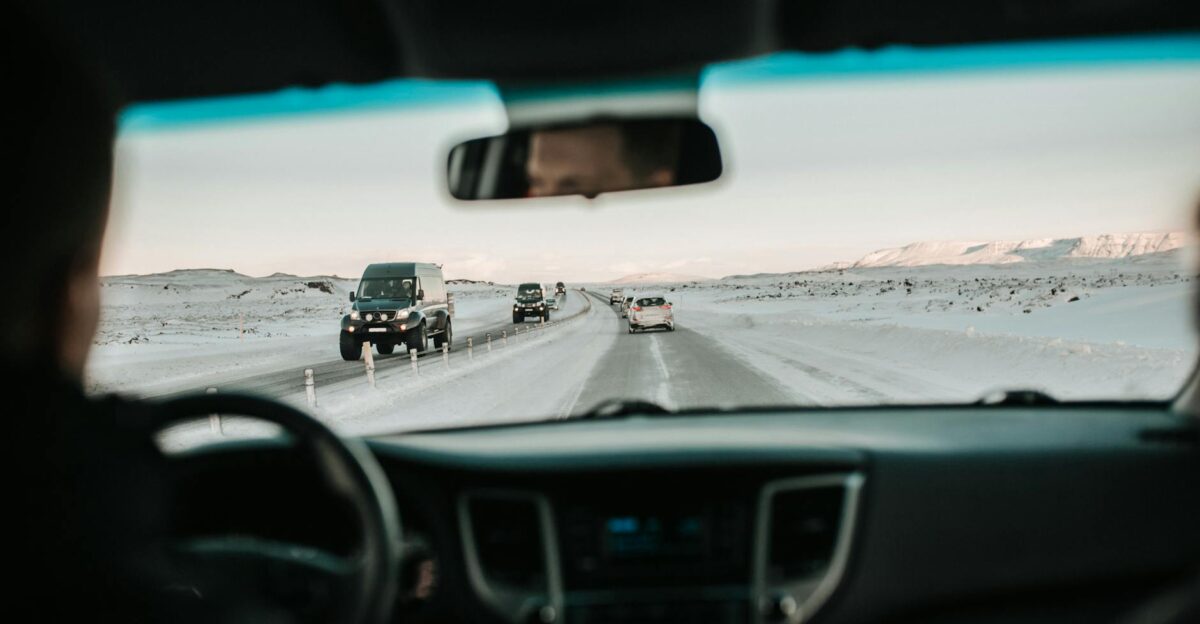
Northern Iowa became a parking lot when over 200 miles of Interstate 35 closed, stranding drivers between Ames and the Minnesota border. State police responded to 37 accidents and 193 service calls, handling one fatality as the night wore on.
By Monday afternoon, crews finally cleared enough snow to reopen the critical highway, but not before families had missed their destinations and many faced near-death experiences sliding across the ice.
Utilities Scramble as Power Grid Fails Across the Region
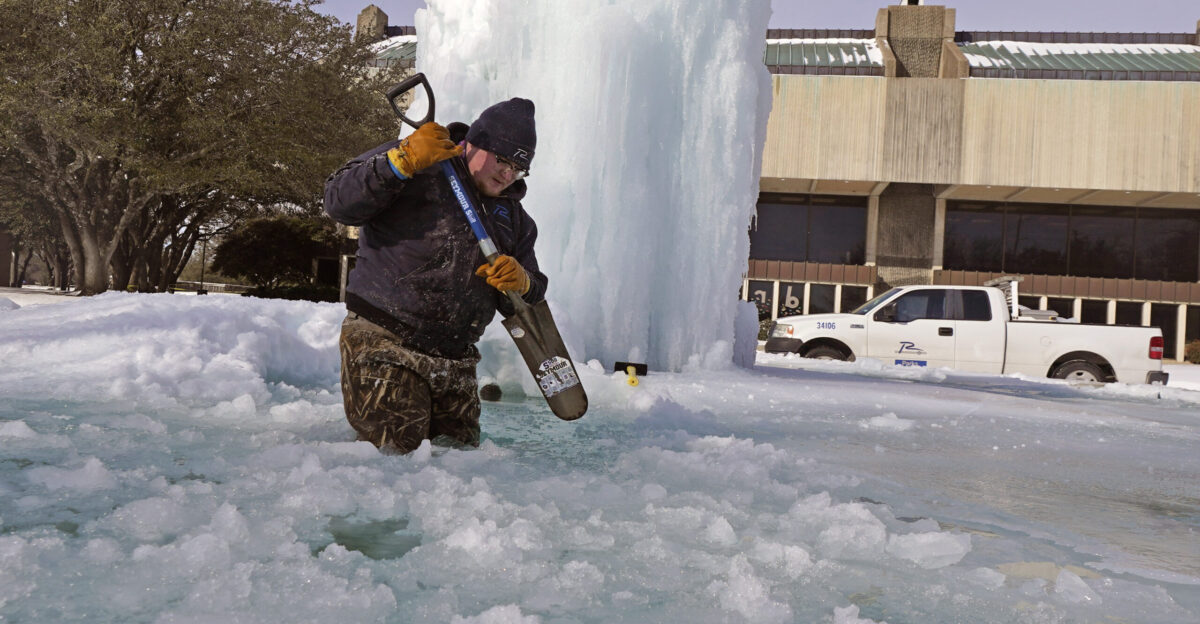
More than 125,000 people sat in the dark on Monday morning, with Michigan alone accounting for over half the outages as snow and wind toppled power lines. Connecticut reported 1,600 outages from freezing rain; upstate New York counted 57,000 by Monday afternoon.
Utility crews worked around the clock in dangerous conditions, knowing that every passing hour meant more elderly residents losing heat, more families unable to cook, more homes growing dangerously cold.
Tornado Warnings Mix with Blizzards
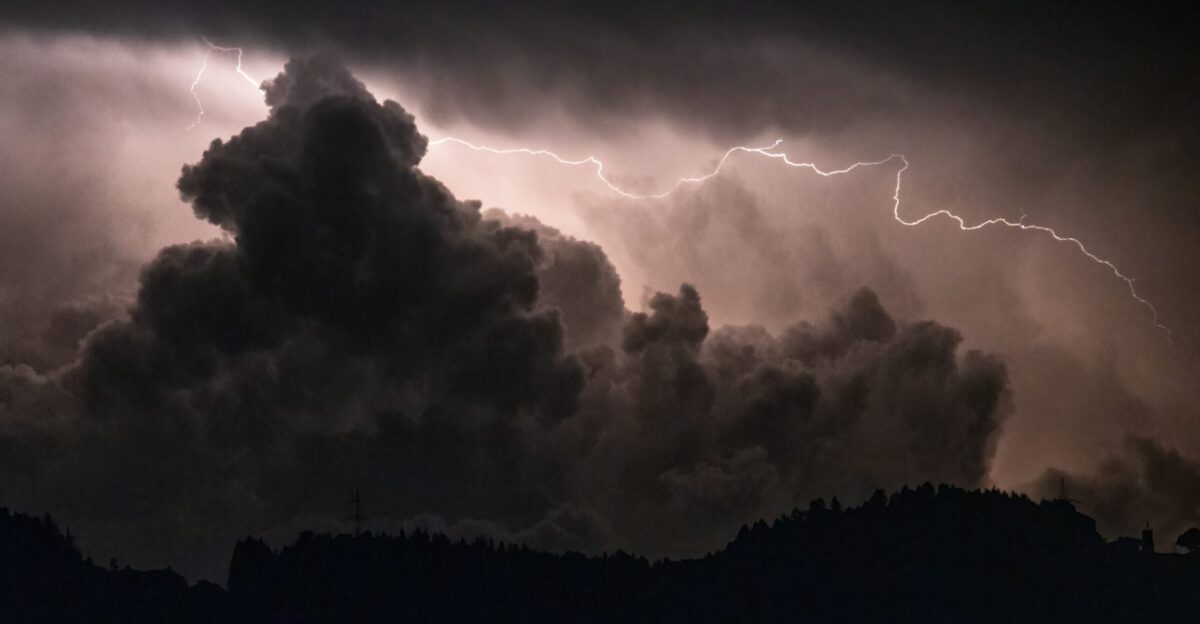
The same system that buried the North with snow spawned severe thunderstorms and tornado watches across the South as warm air collided with the advancing Arctic front. Some communities faced the surreal reality of tornado threats followed hours later by blizzard conditions.
This weather whiplash—extreme heat one day, deadly cold the next—defied normal patterns, keeping meteorologists working overtime to keep the public informed.
Children Wake to Canceled Christmas Plans

A 14-month-old girl found herself trapped in a mountain cabin with her parents, running low on diapers and food as mudslides blocked roads. Neighbors who saw a Facebook plea showed up within an hour with supplies—bread, vegetables, milk, and hope.
Across the country, similar stories unfolded: children unable to visit grandparents, grandparents unable to see grandchildren, families spending the holidays on hold instead of together.
Bomb Cyclone Rapidly Intensifies
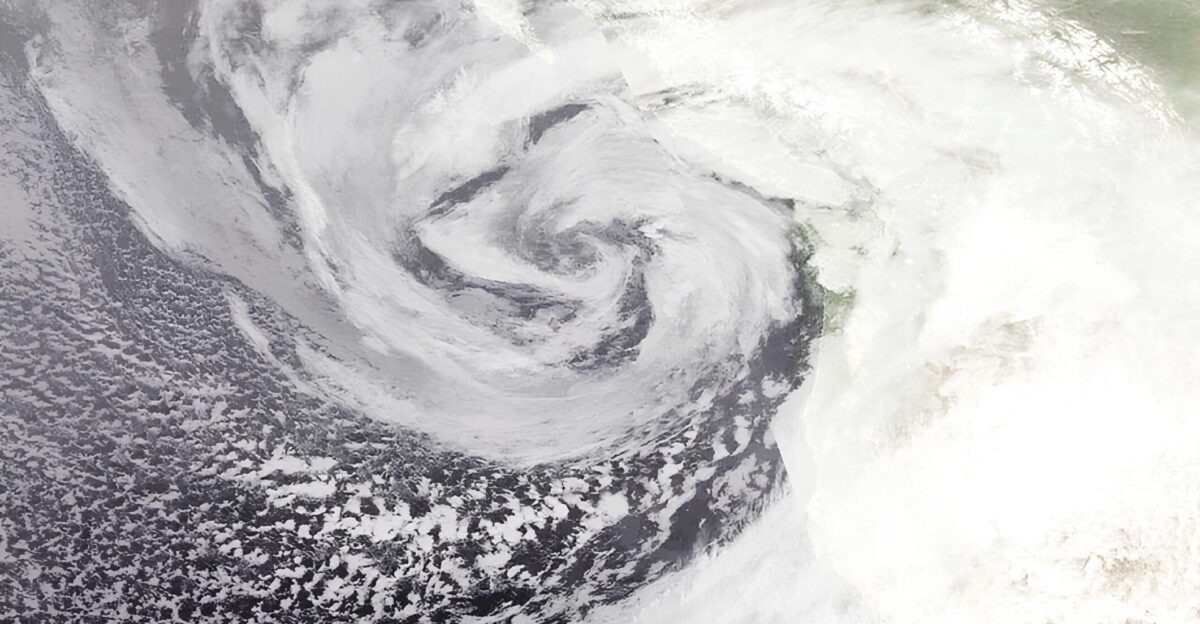
Meteorologists tracked the system as it rapidly deepened into a bomb cyclone, a technical term for a storm that intensifies with unusual speed and force. The collision of warm southern air and frigid Canadian air released enormous energy, creating a system far more dangerous than typical winter storms.
By Monday morning, the storm reached its peak intensity and began its eastward march toward the Northeast and Atlantic coast.
30 Million Americans Hunker Down
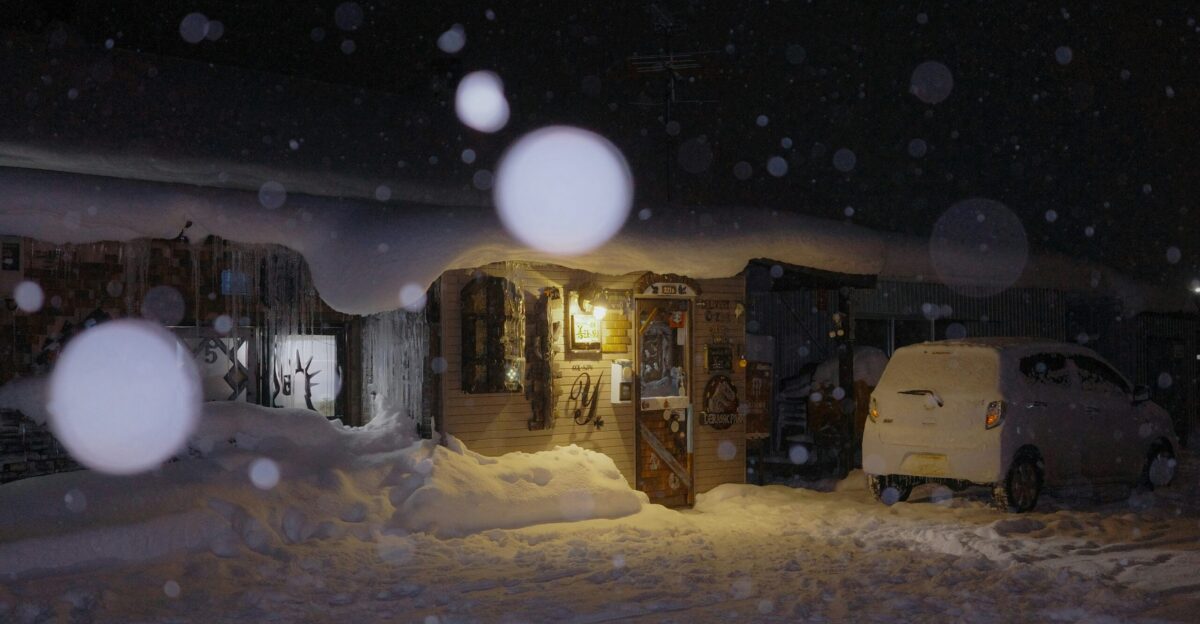
More than 30 million people fell under some form of winter weather alert—nearly a quarter of the nation. Eight million faced winter storm warnings; nearly 2 million were under blizzard warnings. Communities from the Plains to the Northeast to the South braced for impact.
Schools announced closures, employers sent workers home, and families began the long wait for the system to pass through.
New Year’s Arrives Cold and Slow, Recovery Continues
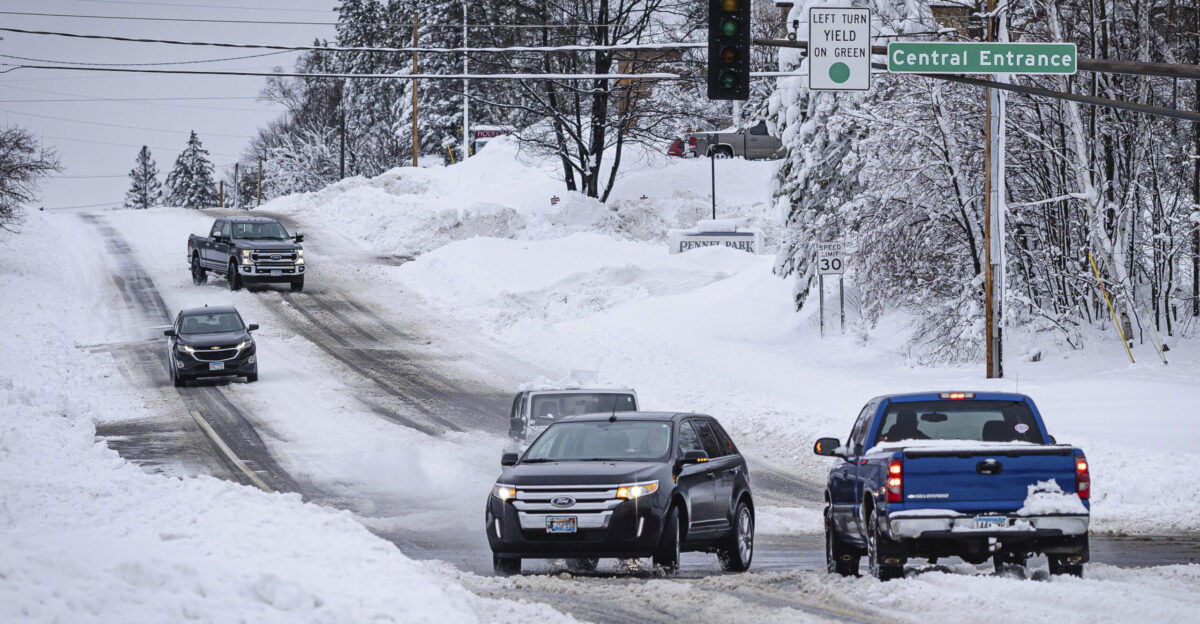
As Americans prepared to ring in 2026, the Arctic air showed no signs of retreating. The bitter cold would persist through New Year’s Day before gradually moderating. Lake-effect snow continued pounding downwind communities in Michigan, Ohio, Pennsylvania, and New York through midweek.
Power crews worked to restore electricity, highway crews finished clearing roads, and airlines rebooked thousands of passengers. Recovery would take days, and for many families, the holiday season felt permanently broken.
Sources:
Winter storm Devin cancels over 1500 US flights – Aviation Express
Iowa DOT and DPS Closing Interstate 35 from Ames to Clear Lake Due to Hazardous Winter Conditions – Iowa DOT
Fulton County, GA – Christmas Eve Record Heat: Atlanta Hits Record 76°; Warmest Christmas Eve Ever Today – Country Herald