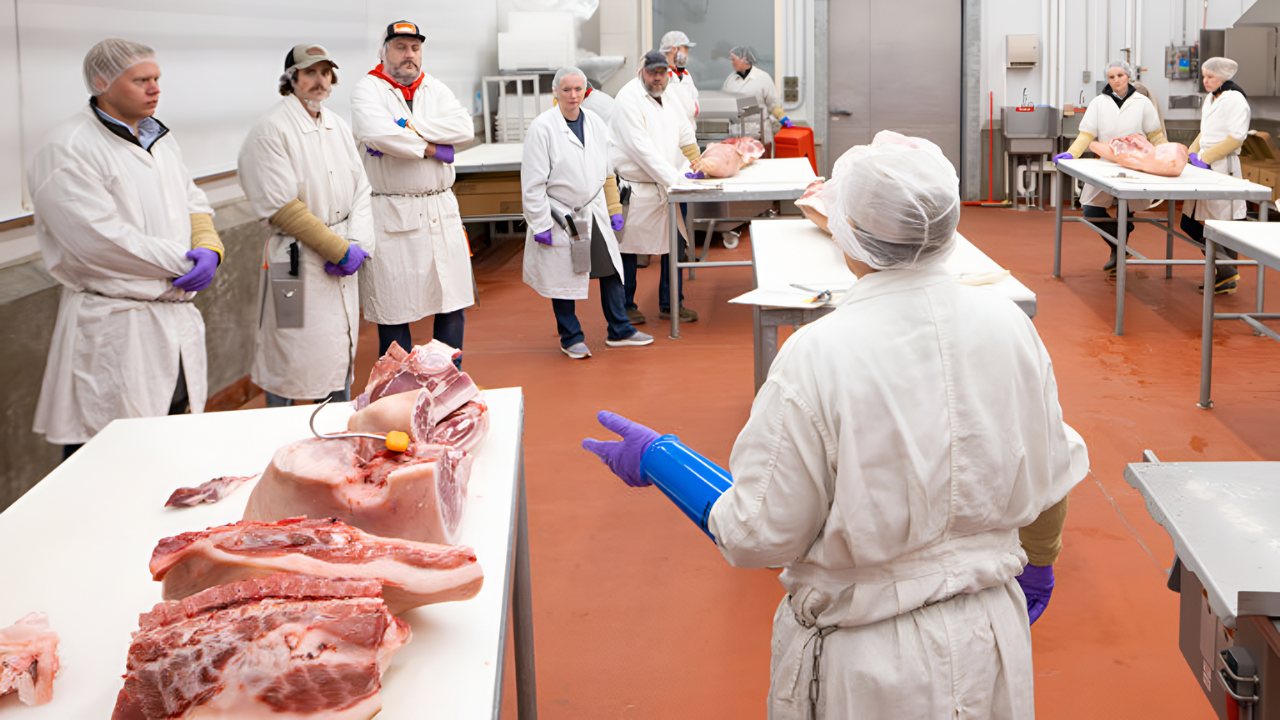
In Lexington, a rural Nebraska town ringed by cornfields and feedlots, about 3,200 people are preparing to lose their jobs at the Tyson Foods beef plant that has powered the local economy for decades. Many families have more than one member on the payroll, meaning a single announcement can wipe out an entire household’s income overnight.
Economists at the University of Nebraska–Lincoln estimate Tyson workers will lose roughly 241 million dollars a year in pay and benefits alone, a staggering hit for a community of just over 11,000 residents. The question now is whether Lexington can find its footing before these losses become permanent or whether this closure marks the start of a long economic slide for the region.
Layoffs Spread Beyond the Plant

The official closure may be months away, but the layoffs are already spreading like shockwaves through Lexington. A sanitation contractor that has serviced the Tyson plant for years has warned it will cut its entire local workforce, meaning more than a hundred additional paychecks vanish the same day Tyson’s lines go dark. Local officials describe the news as a devastating blow, warning that once paychecks disappear at the plant, the pain will quickly reach car dealers, restaurants, grocery stores, and small shops that depend on Tyson wages.
Business owners are already tightening budgets, fearful that customer traffic will fall sharply as workers leave town or scale back spending. Behind each layoff notice is a family suddenly forced to rethink mortgages, school plans, and whether to stay in a town where the main economic engine is shutting down.
Why the Beef Sector Is Hurting
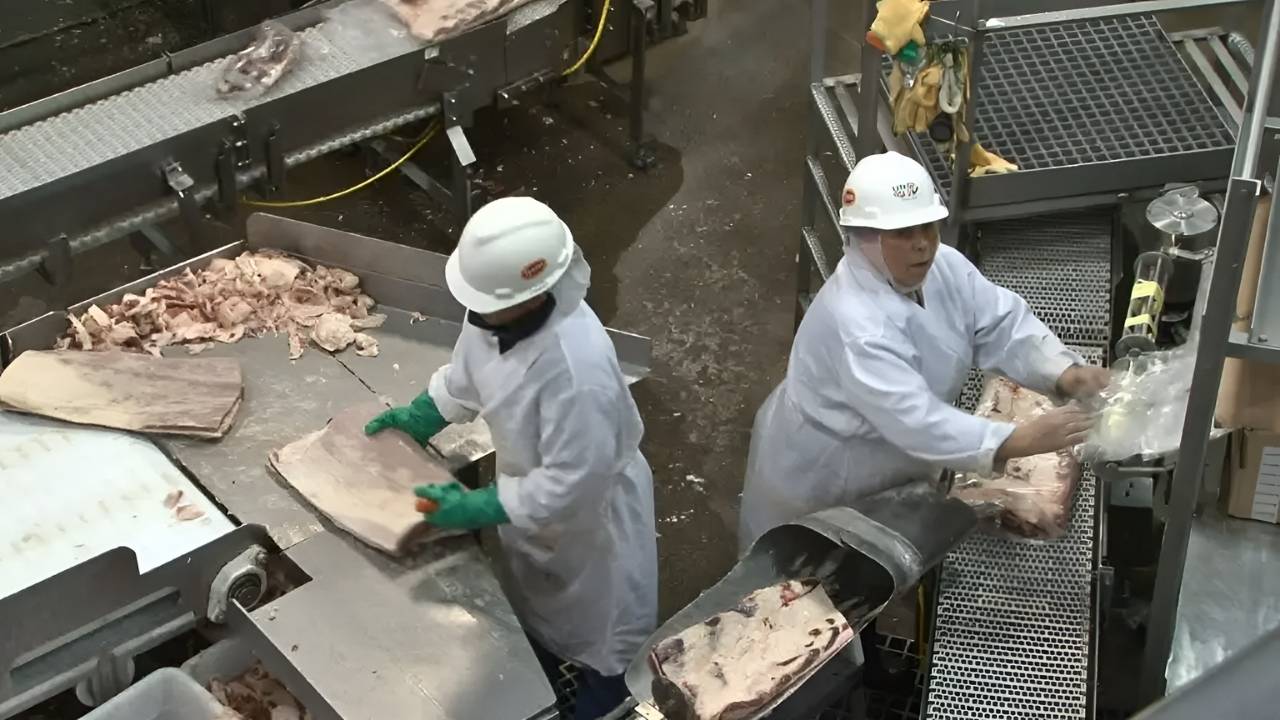
The Lexington closure is rooted in a deeper crisis facing the American beef industry. The U.S. cattle herd has shrunk to its smallest size in more than 60 years after years of drought and high feed costs pushed ranchers to cull animals and delay rebuilding their herds. That leaves large meatpackers like Tyson with too many plants and not enough cattle to keep them running profitably.
Industry analysts say national slaughter numbers have fallen significantly from recent peaks, squeezing margins as companies compete for fewer animals at higher prices. Tyson says it is cutting capacity in places like Lexington so it can right-size its beef business and better match processing volume to today’s smaller herd.
A Plant That Shaped a Town

For Lexington, the Tyson plant has been more than a workplace; it has been the backbone of the town’s modern identity. Built in the 1980s for a different industry and later converted to beef processing, the facility can slaughter nearly 5,000 cattle a day and has long been one of the largest employers in Nebraska’s meatpacking corridor.
Over the decades, its steady demand for labor drew workers from across the country and around the world, turning a quiet farm town into a diverse community knit together by the rhythms of shift work. Local plumbers, electricians, mechanics, and truck drivers built their businesses around the plant’s needs, confident that a company of Tyson’s size would stay put.
Tyson’s Mounting Financial Strain
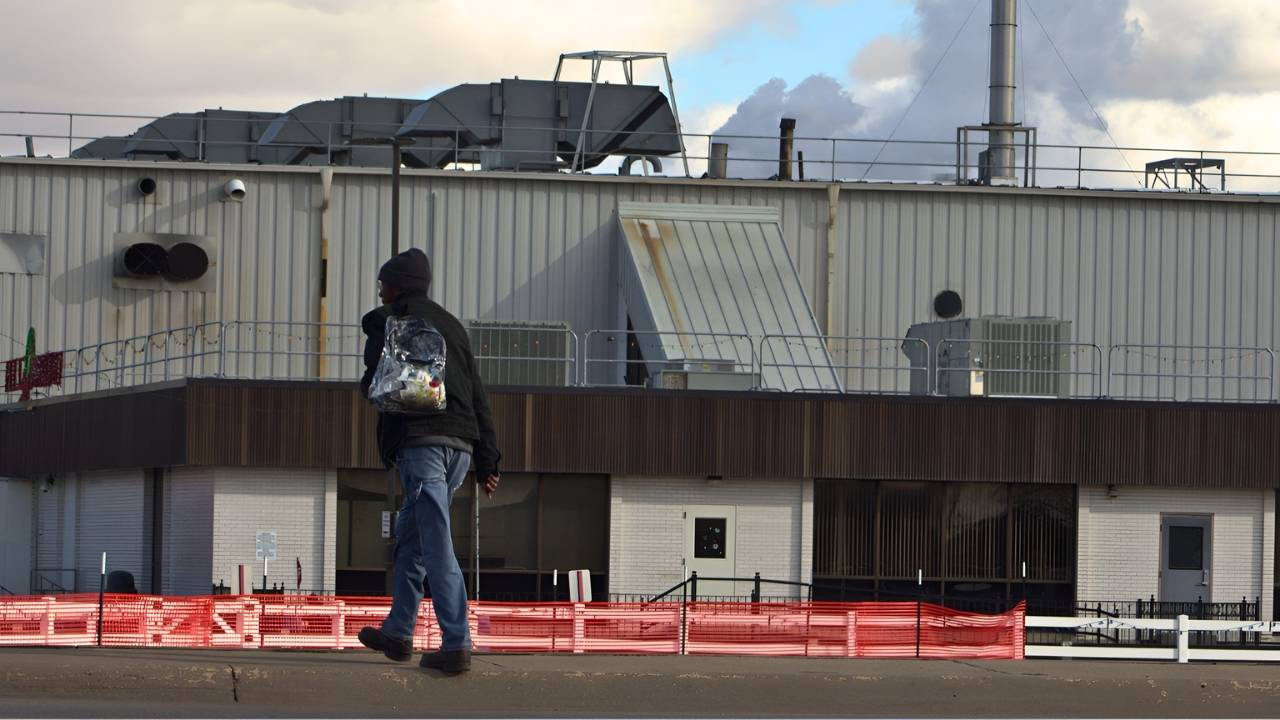
Behind the decision to close Lexington’s plant lies a series of bruising financial results for Tyson’s beef division. The company has reported hundreds of millions of dollars in losses as tight cattle supplies drive up the cost of animals while global competition and consumer pressures limit how much it can raise prices for beef.
Tyson’s executives say they must cut costs and consolidate operations to stop the financial bleeding, even if that means shuttering long-running plants. In a statement, the company said the changes are meant to right-size its beef business and better position it for long-term success, language that signals a strategic reset rather than a short-term fix.
Closure Date Set in Stone
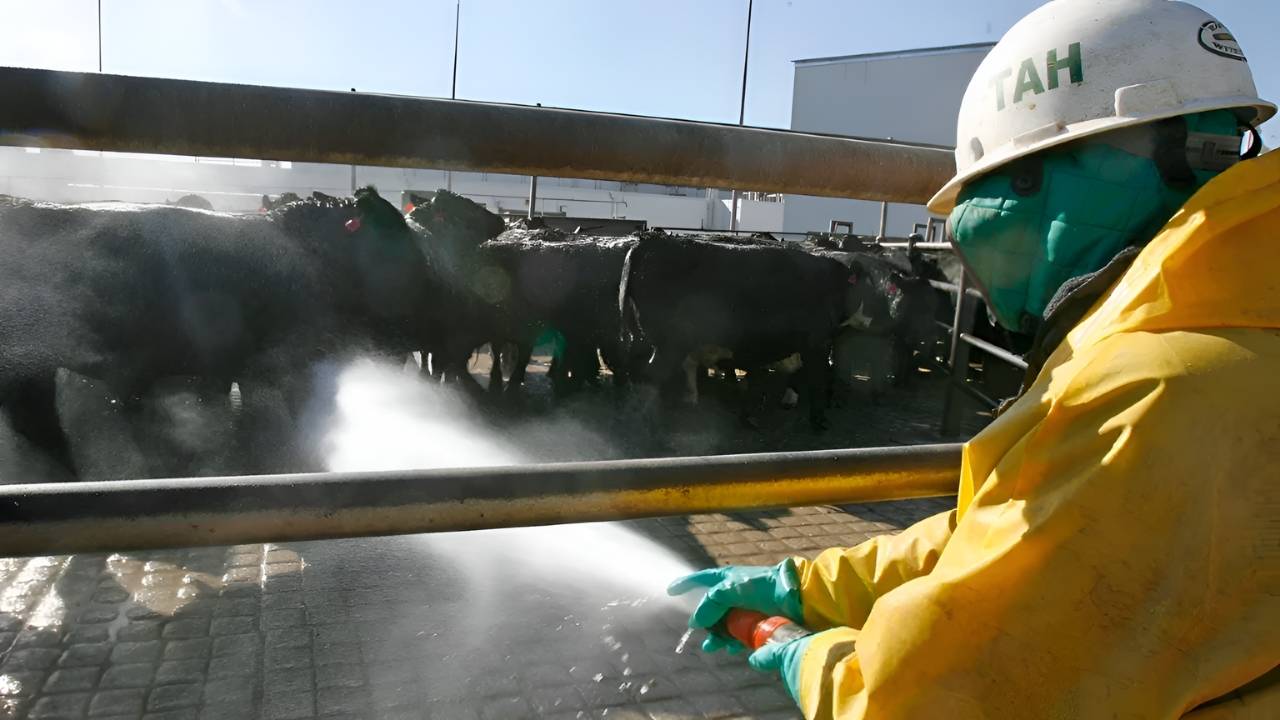
Tyson’s Lexington beef plant will shut down for good on January 20, 2026. The company’s announcement in late November gave workers just weeks to absorb the news that roughly 3,200 jobs would vanish at a facility that has dominated the local labor market. Tyson described the move as part of a broader effort to optimize volumes across its network, signaling that the closure is not a temporary pause but a permanent withdrawal.
The plant’s location in a state that prides itself on beef production makes the decision all the more striking; Nebraska is one of the country’s top cattle and beef producers, and Lexington has been a key hub in that system. For Lexington, the countdown is on, and every day brings the community closer to a future it did not choose.
The Local Economy Takes a Hit
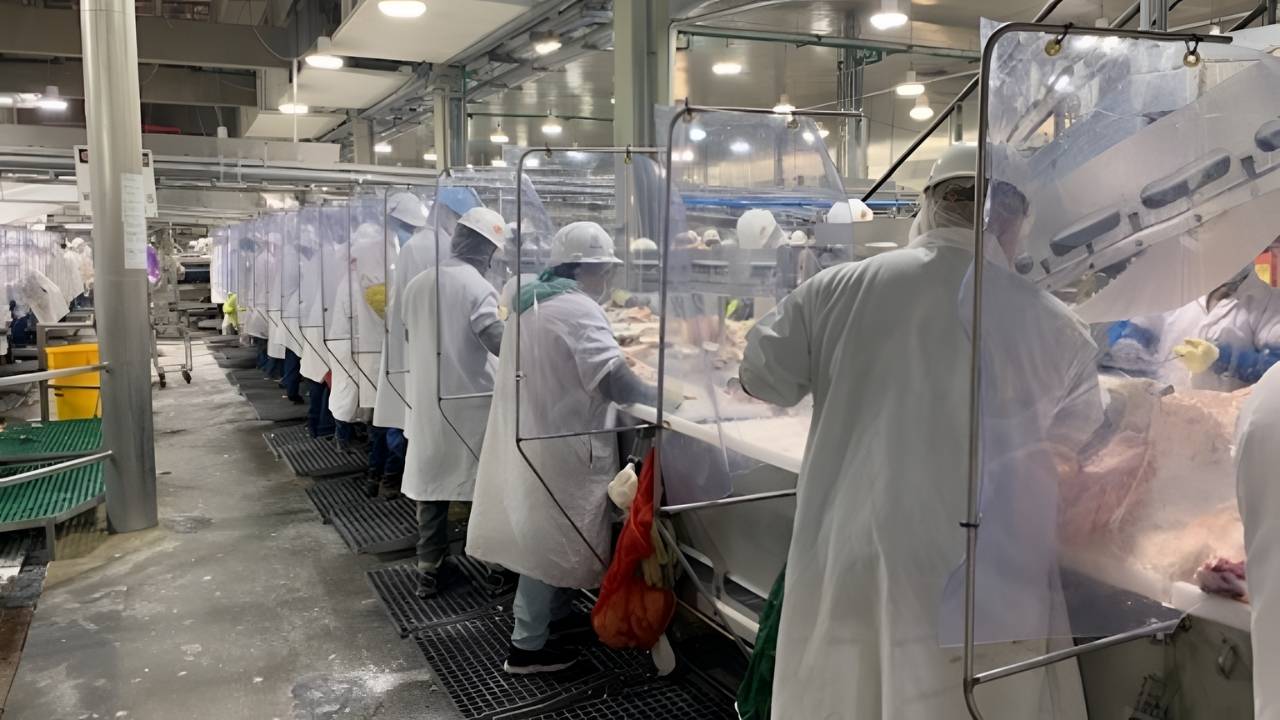
The numbers behind Lexington’s looming downturn are stark. University of Nebraska–Lincoln economists estimate that the town will lose about 241 million dollars in annual pay and benefits tied directly to Tyson jobs, a staggering sum for a community of 11,000 residents. The same study projects more than 23 million dollars in lost state income tax revenue each year and millions more in reduced sales tax collections for both Nebraska and Dawson County, where Lexington is located.
Local officials fear that as workers move away or earn less, small businesses will close, property values could fall, and the tax base that supports schools, roads, and public safety will shrink. The closure, they say, threatens to erase years of economic progress in a single stroke.
Families Caught in the Middle

Behind every statistic is a family wondering what comes next. In Lexington, nearly half of the students in local schools have a parent who works at Tyson, meaning classroom rosters could shrink dramatically if families decide they have no choice but to move.
Some workers, already close to retirement, have postponed their plans because they cannot count on severance pay and still have relatives who depend on them, including children battling serious illnesses. Counselors and community groups are bracing for a surge in stress, housing instability, and food insecurity as paychecks stop and savings dwindle.
Shockwaves Through the Beef Supply Chain
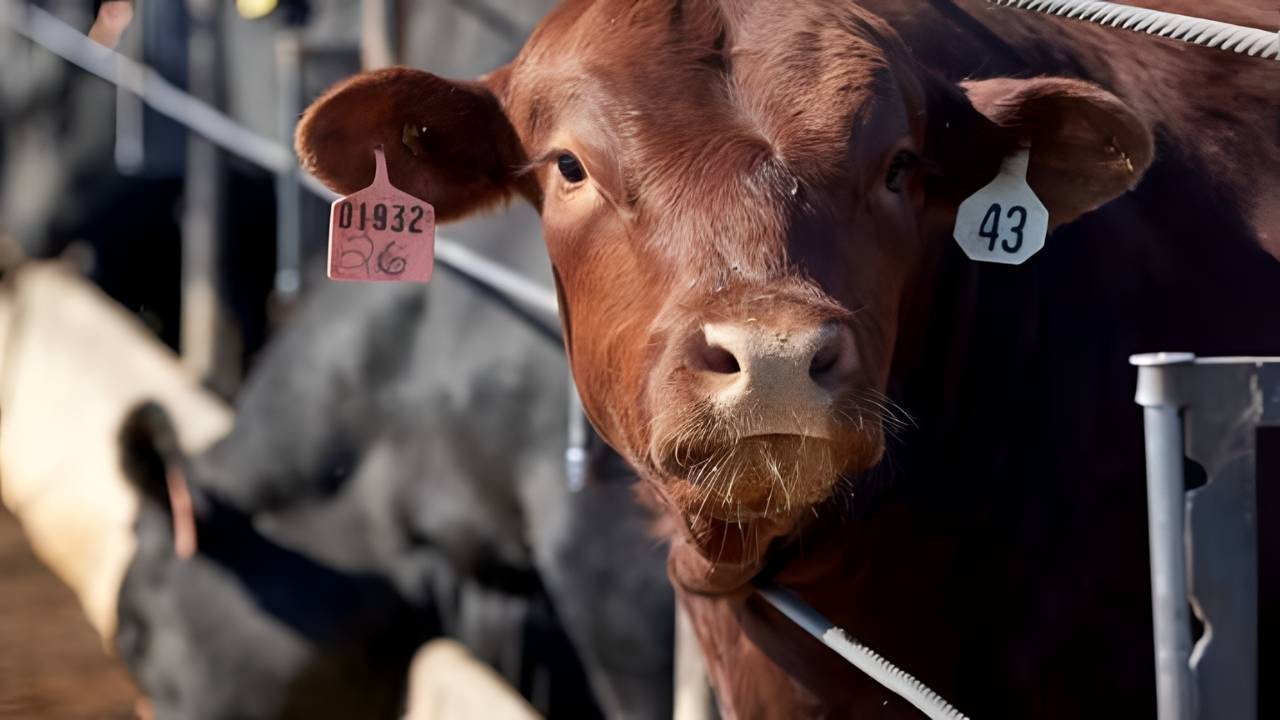
The Lexington plant’s shutdown is reverberating through the broader beef supply chain, far beyond the town’s borders. The facility handles roughly 4.8 percent of U.S. daily beef slaughter, so closing its doors means thousands fewer cattle processed each day. While Tyson plans to increase production at other plants in Nebraska and in states like Texas and Missouri, analysts say there are limits to how much existing facilities can absorb, especially when cattle numbers remain historically low.
Nebraska Cattlemen, a leading industry group, has urged Tyson to consider selling the plant rather than mothballing it, arguing that new ownership could keep cattle flowing and jobs in place. Truckers, feedlot operators, and small processors all face new uncertainty as they scramble to find alternative buyers and routes.
Economists Sound the Alarm

Economic experts are blunt about the scale of what Lexington is facing. “Losing 3,000 jobs in a city of 10,000 to 12,000 people is as big a closing event as we’ve seen virtually for decades,” said Michael Hicks, an economist at Ball State University who studies local labor shocks.
He has described Lexington as close to the poster child for hard times, warning that such a large layoff in a small labor market can trigger long-lasting damage if not addressed quickly. UNL’s analysis suggests the closure and its ripple effects could threaten roughly 7,000 jobs across Nebraska when indirect and supporting roles are counted.
A Hidden Multibillion-Dollar Blow
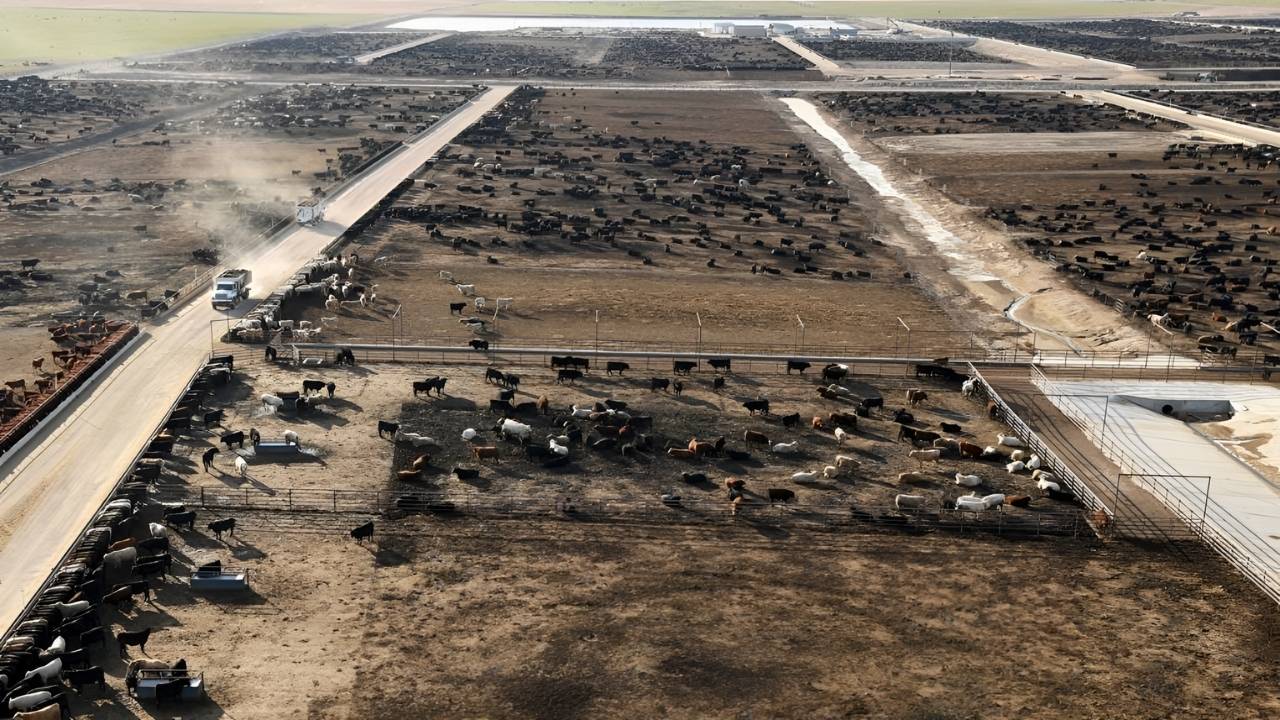
What looks like a single plant closure on the map is, in economic terms, a multibillion-dollar shock. The University of Nebraska–Lincoln estimates the statewide impact of Tyson’s exit from Lexington at about 3.3 billion dollars per year when both direct and ripple effects are included. That figure captures lost wages, reduced business activity, and lower tax revenues stretching well beyond Dawson County into neighboring communities that supply workers, cattle, and services to the plant.
The timing is especially painful because the national cattle herd is already near historic lows, and more heifers are being kept for breeding rather than sent to feedlots, slowing any rebound in slaughter numbers.
Anger and Resolve in the Community
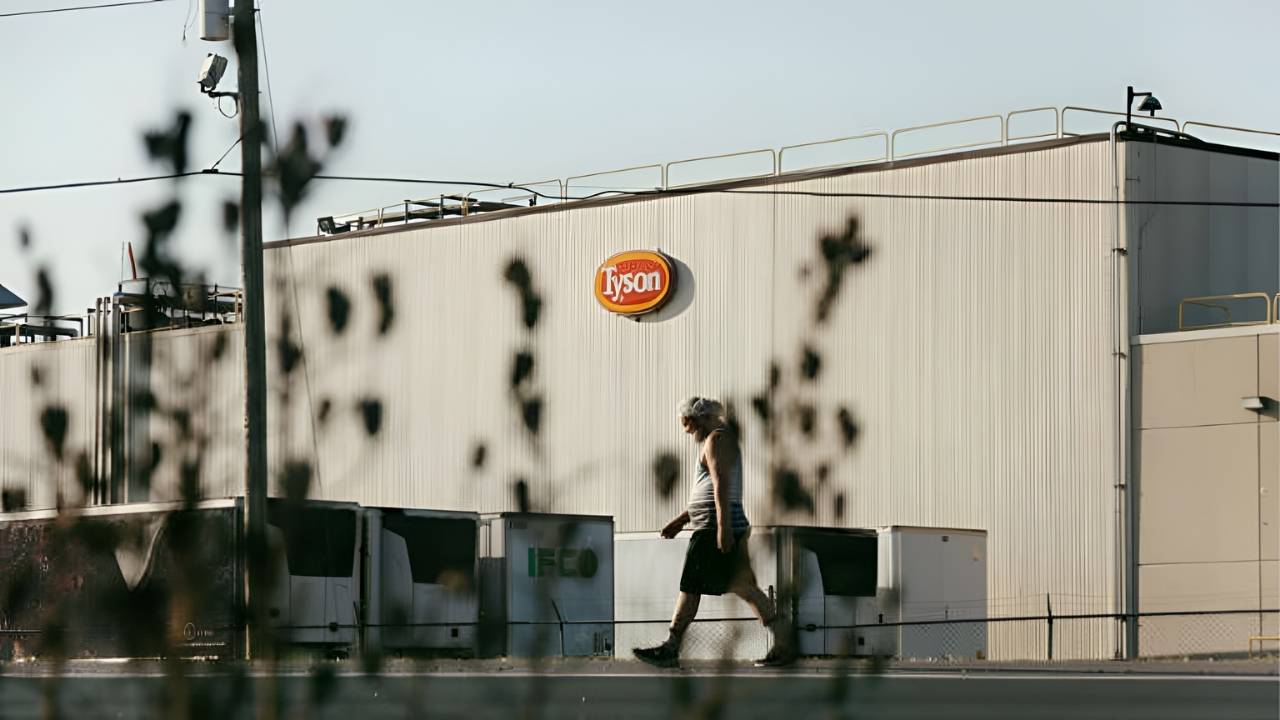
As the reality of the closure sinks in, frustration is boiling over in Lexington. Residents describe the decision as a tsunami that will hit everything from big-box stores to mom-and-pop diners, wiping out customers and forcing painful choices about layoffs and closures.
Nebraska Cattlemen have publicly voiced disappointment, pushing for Tyson to keep the plant operating under new ownership if it no longer fits the company’s long-term plans. Business owners say they feel blindsided by the speed of the decision and want clearer answers about what, if anything, could keep a major employer from walking away.
A Wider Corporate Shake-Up
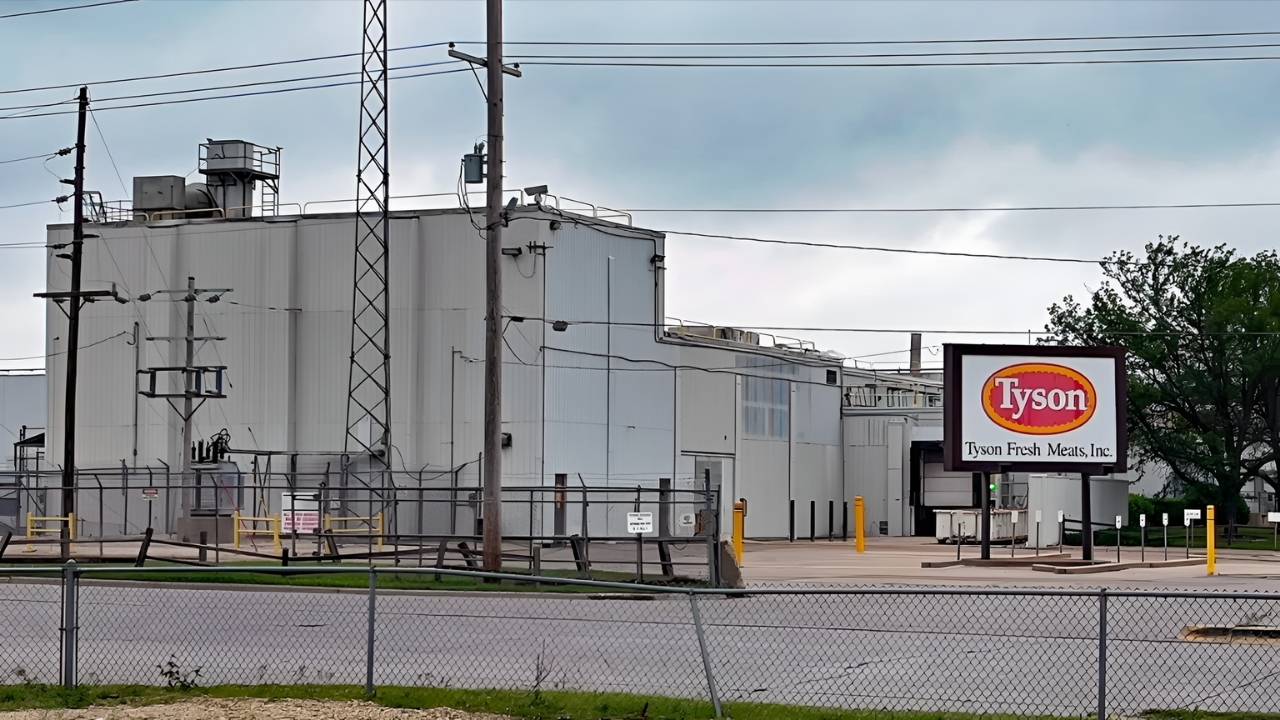
Lexington’s closure is just one piece of a broader restructuring effort inside Tyson Foods. Alongside shutting the Nebraska plant, the company is cutting a shift at its beef facility in Amarillo, Texas, resulting in about 1,500 additional job losses there. Tyson says it is working to relocate as many affected employees as possible to openings at other plants, offering help with job applications and relocation benefits.
Executives argue that reducing capacity now will help keep the company’s beef business viable in the long term, especially if cattle supplies stay tight for several more years. For many workers, however, the promise of potential jobs in distant towns is cold comfort compared with the loss of stable work close to home.
State Officials Rush to Respond
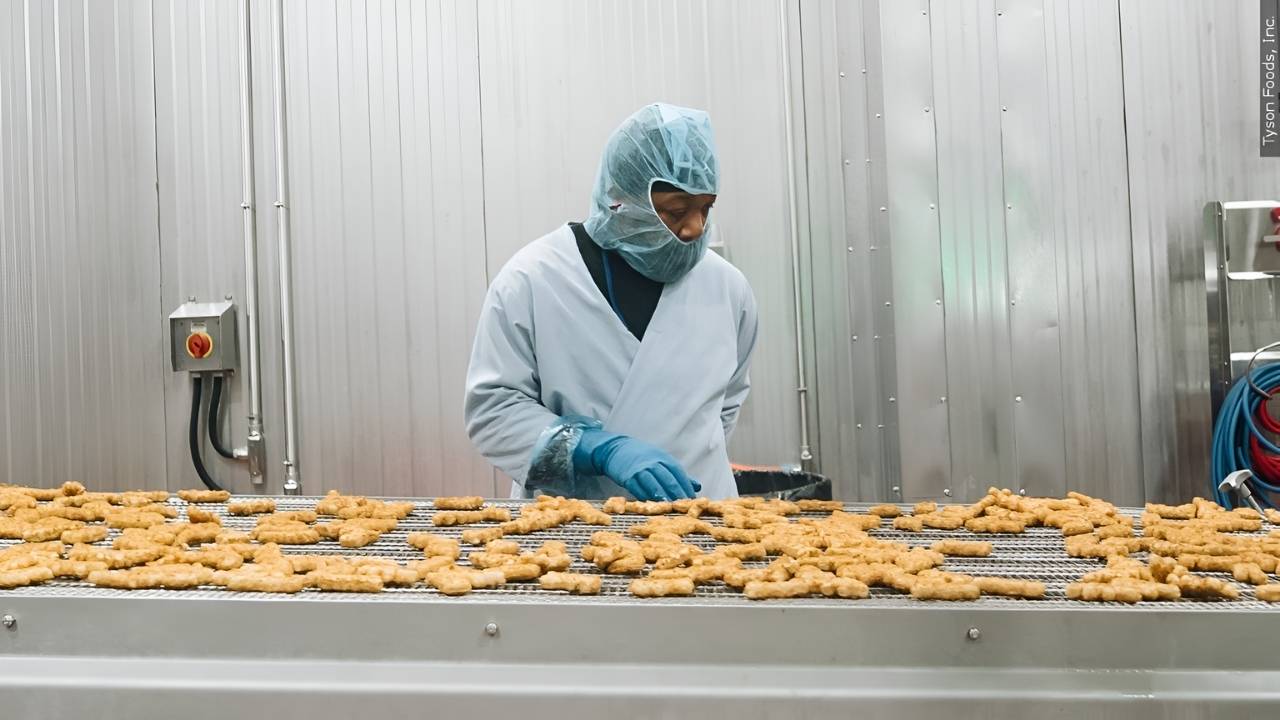
Nebraska officials are racing to contain the fallout before it spirals. The state’s Department of Labor has deployed rapid-response teams to Lexington to help workers file for unemployment, explore training programs, and connect with potential employers. Governor Jim Pillen has emphasized that Nebraska’s cattle producers will still have markets for their animals as Tyson boosts capacity at its other plants in the state, and he has pledged to support affected employees during the transition.
Local school districts and city leaders are meanwhile scrambling to update budgets in anticipation of falling enrollment and shrinking tax revenues. Yet officials quietly acknowledge that replacing thousands of lost jobs in a rural area will be a steep climb, even with aggressive state support.
An Uncertain Path Forward
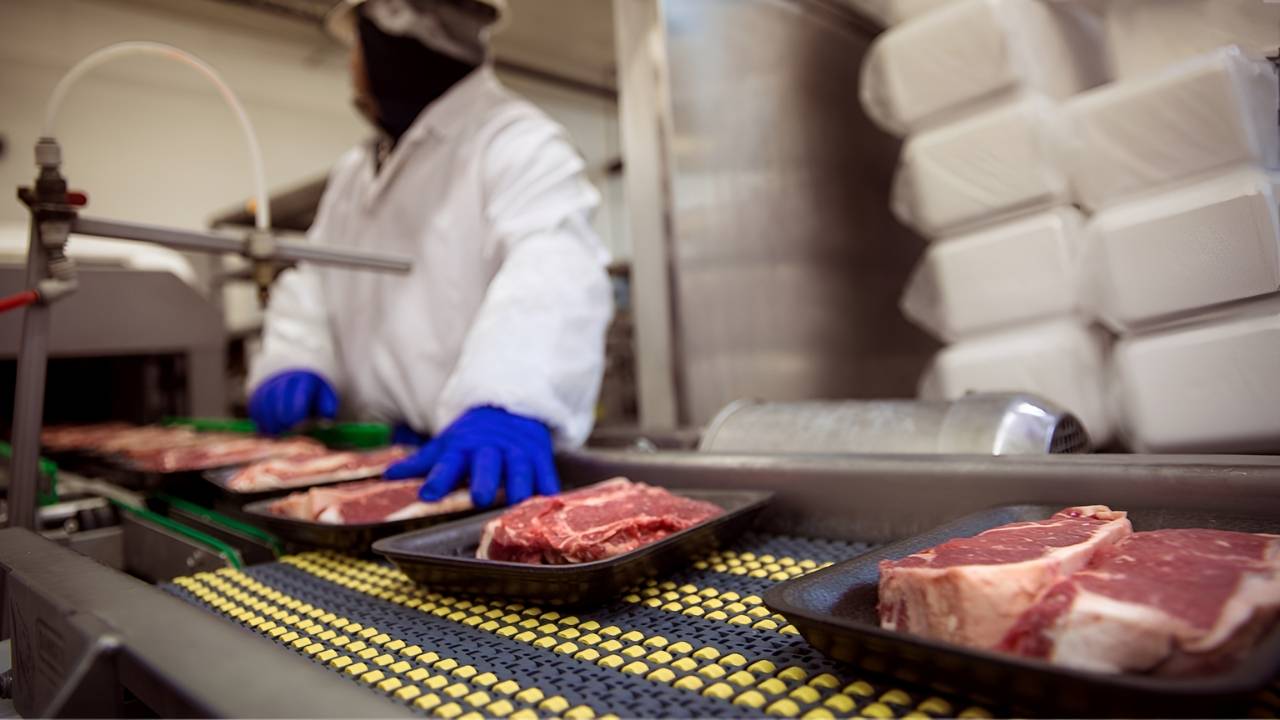
The closure of Tyson’s plant leaves Nebraska facing what one report called a “3 billion dollar scar,” and the question now is how, or whether, that scar can heal. Tyson insists it will continue to supply beef from other facilities, but that assurance does little to calm fears in Lexington, where families are weighing whether to stay and hope for new industry or move on while they still can.
Economists warn that cattle herds will likely rebuild slowly, and federal forecasters have already trimmed price outlooks for the coming years as imports rise to fill gaps in domestic production.
Sources:
Associated Press, What happens to a small Nebraska town when 3,200 people lose their jobs?, 2025-12-22
Reuters, Tyson Foods to Close Major US Beef Plant as Cattle Supplies Dwindle, 2025-11-21
University of Nebraska–Lincoln, Economic Impacts of the Tyson Beef Plant Closure in Lexington, Nebraska, 2025-12-21
Nebraska Public Media, UNL report estimates nearly $3.3 billion in annual economic losses from Tyson Foods closure, 2025-12-22