
Russia carried out a large, coordinated missile and Shahed drone assault on Ukraine’s energy infrastructure during Christmas week, striking multiple regions simultaneously. Power facilities were damaged in Kyiv, Cherkasy, Chernihiv, Sumy, Odesa, Ivano-Frankivsk, and Khmelnytskyi.
Air raid alerts covered nearly the entire country as drones arrived overnight and missiles followed at dawn. Emergency outages were imposed as authorities worked to stabilize the grid amid winter conditions.
A Combined Missile and Drone Assault

The attack followed a familiar pattern: waves of Shahed drones launched overnight to exhaust air defenses, followed by missile strikes in the early morning. Ukrainian officials confirmed that energy infrastructure was among the primary targets.
While air defenses intercepted many incoming threats, debris and direct hits still caused damage. The coordinated timing maximized disruption, leaving millions waking up to alerts, explosions, and sudden loss of electricity and heating during freezing temperatures.
Zelenskyy’s Warning Comes True
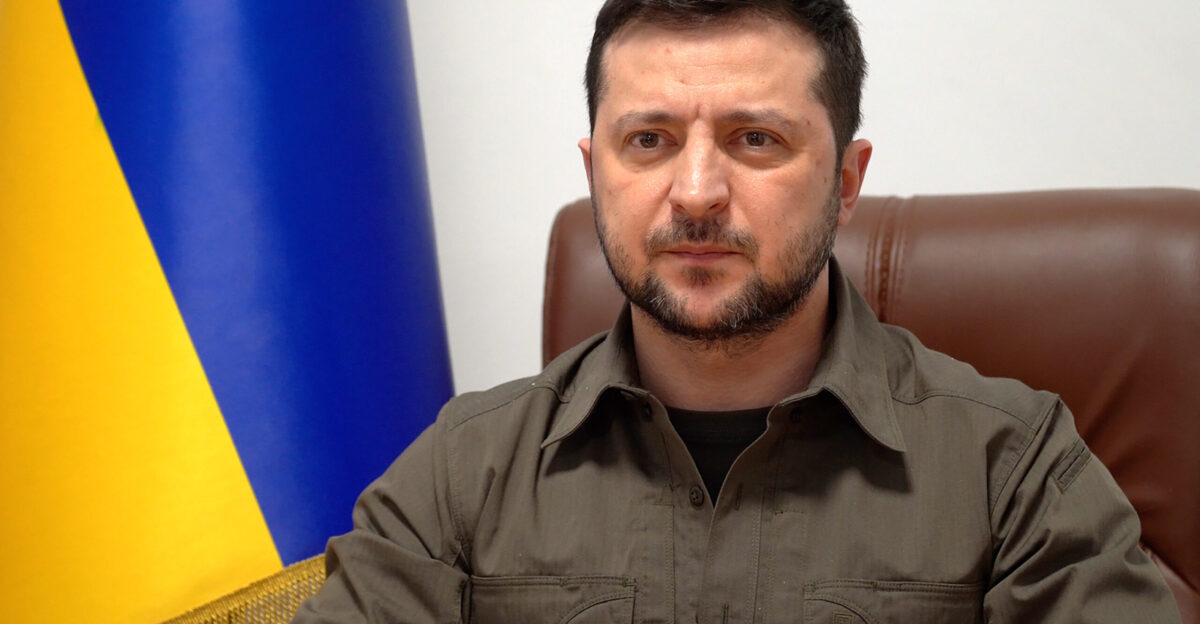
President Volodymyr Zelenskyy warned publicly that Russia was preparing “massive strikes” during the Christmas period, stressing there would be no holiday ceasefire. Less than 24 hours later, those warnings materialized.
Ukrainian leadership framed the attack as deliberate psychological pressure, timed to inflict maximum hardship on civilians. The president again urged partners to accelerate air defense deliveries, arguing that protecting the grid is inseparable from protecting civilian lives.
Energy Infrastructure Once Again in the Crosshairs
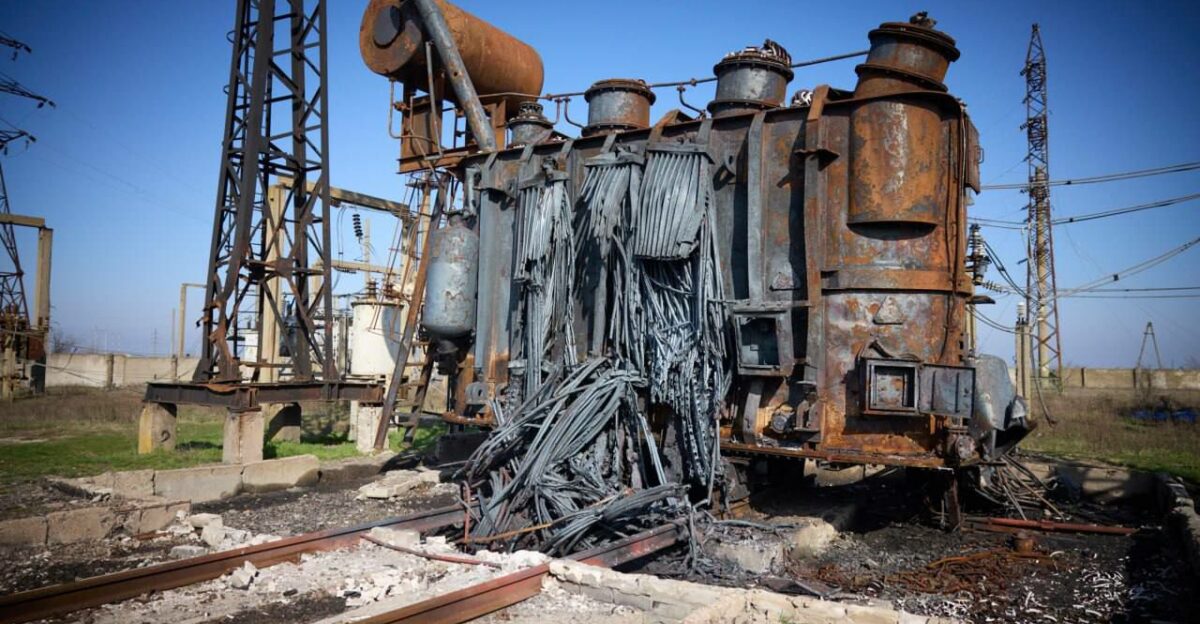
Russia has repeatedly targeted Ukraine’s power system during winter, when demand for heating peaks. The Christmas-week strikes damaged facilities responsible for electricity distribution and grid stability.
Even limited damage forces operators to impose controlled shutdowns to prevent wider system collapse. Officials emphasized that these attacks are not isolated incidents, but part of a sustained campaign aimed at degrading civilian resilience rather than achieving immediate battlefield gains.
Emergency Power Outages Implemented
Following confirmed strikes, Ukrainian energy operators enacted emergency outage schedules in several regions, including Kyiv, Cherkasy, Chernihiv, and Sumy. Priority electricity was routed to hospitals, water systems, and other critical services.
Residential neighborhoods were left without power for hours at a time. Authorities warned that outages could be rotational and unpredictable as engineers assessed damage and attempted temporary repairs under ongoing security threats.
Millions Face Winter Cold Without Electricity
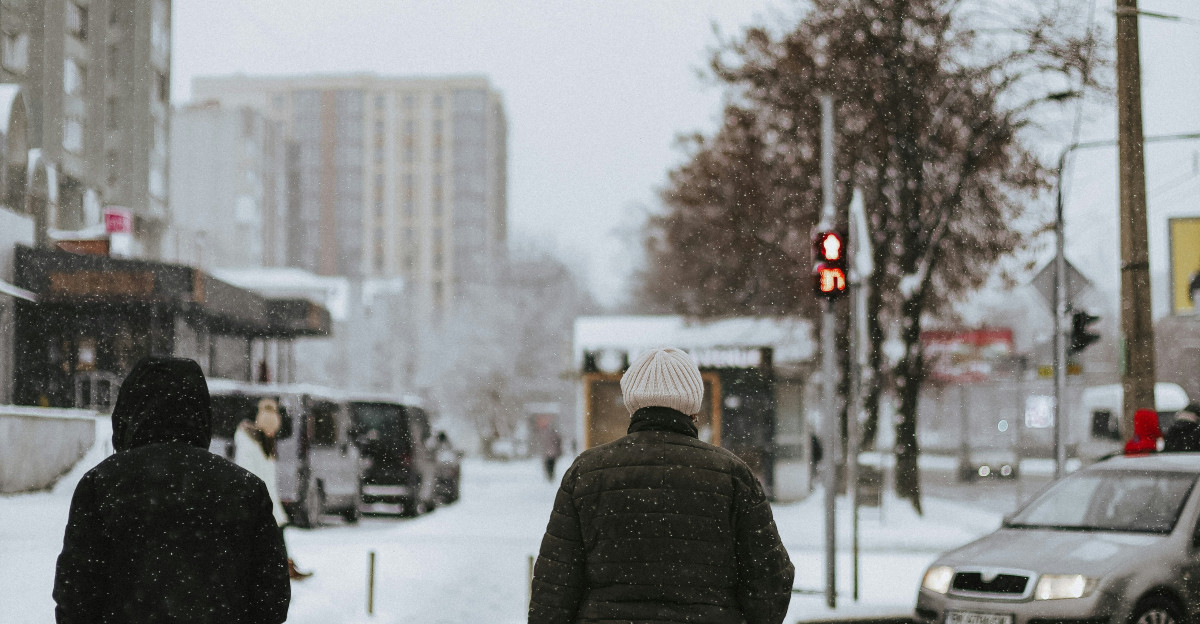
With temperatures hovering near or below freezing, power loss immediately translated into heating shortages. Apartment blocks relying on electric pumps and boilers lost warmth and running water. Families layered clothing indoors and limited movement to conserve heat.
Local governments opened warming points where possible, but capacity was limited. The timing during Christmas week compounded stress, disrupting travel, family gatherings, and basic daily routines.
Nearly the Entire Country Under Air Alerts
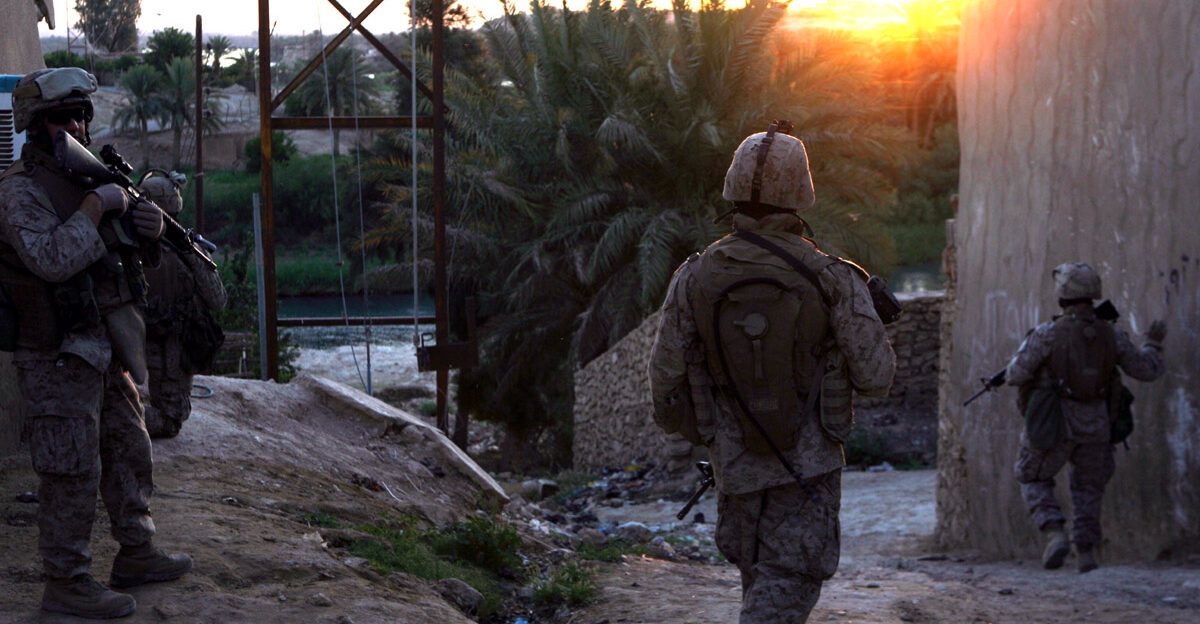
Air raid sirens sounded across almost all regions of Ukraine as the attack unfolded. From western regions to frontline-adjacent areas, residents were urged to shelter.
The nationwide scope underscored the scale of the assault and Russia’s ability to strike deep into Ukrainian territory. Authorities confirmed that alerts remained active for hours, reflecting the staggered arrival of drones and missiles rather than a single wave.
Damage Reported to Homes and Civilian Property
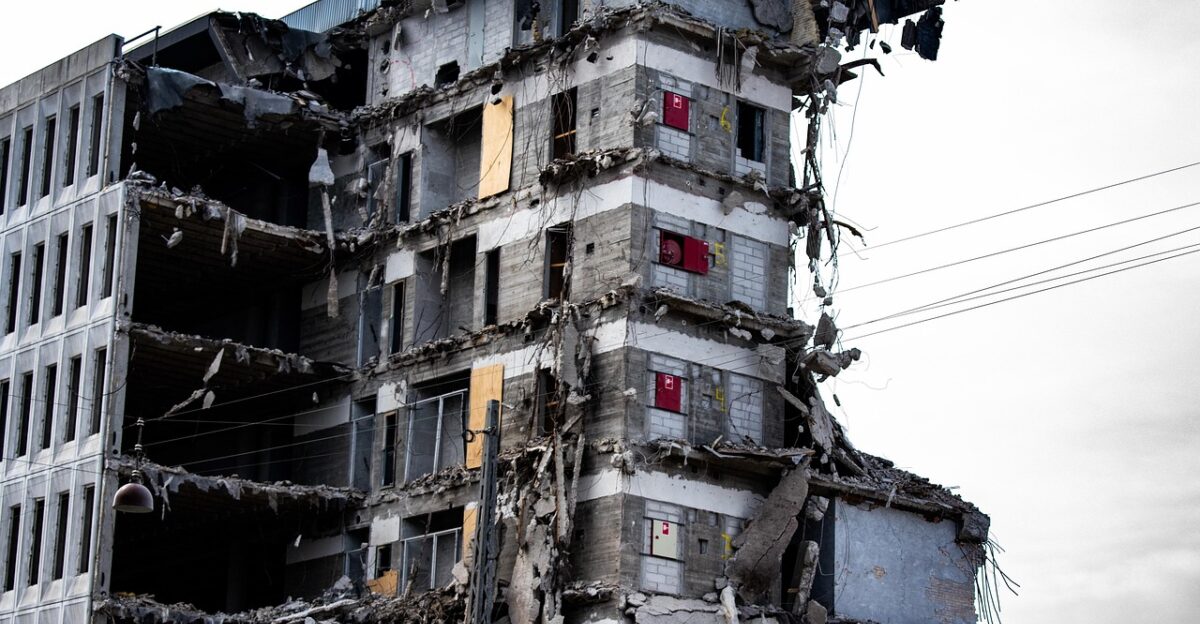
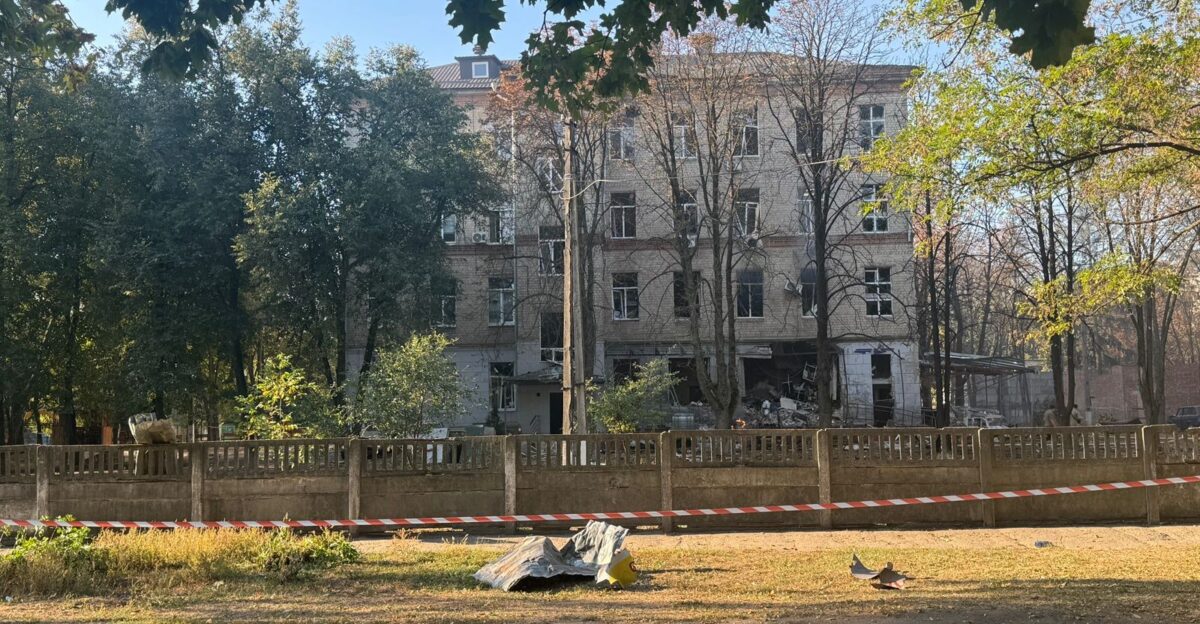
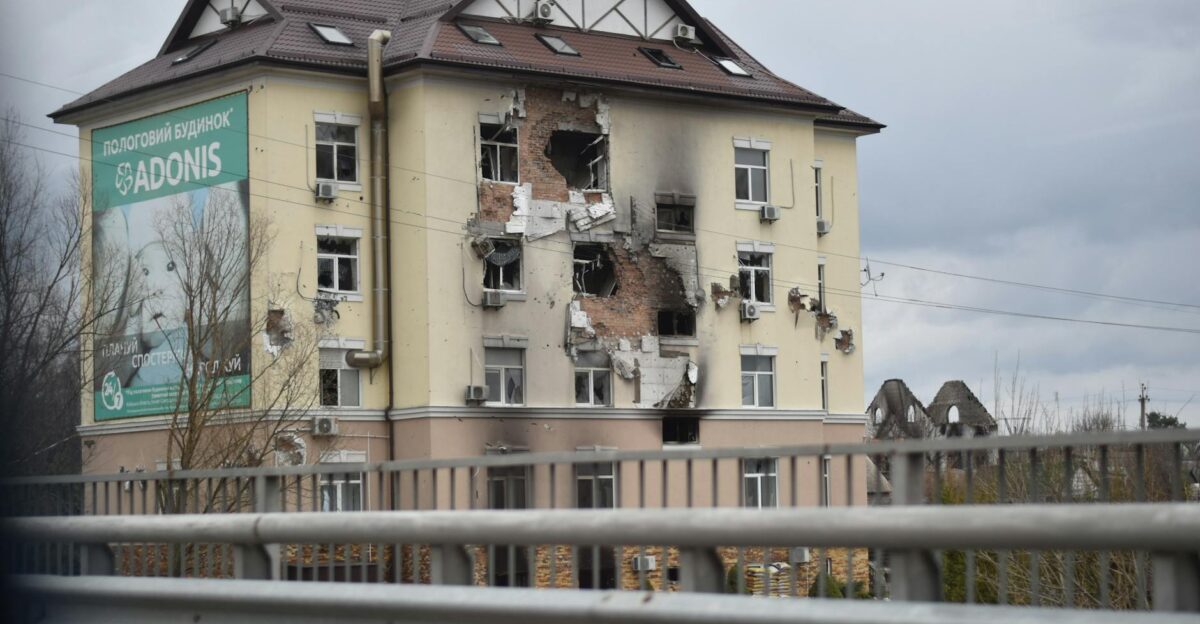
In Sumy region, particularly the Konotop and Shostka districts, strikes damaged civilian structures. A two-story residential building sustained significant damage, windows were blown out, and a wooden utility building was destroyed.
Several vehicles were also damaged. Officials reported no immediate casualties, though assessments continued. The incidents reinforced concerns that energy strikes routinely spill over into surrounding civilian areas.
Air Defenses Intercept Targets
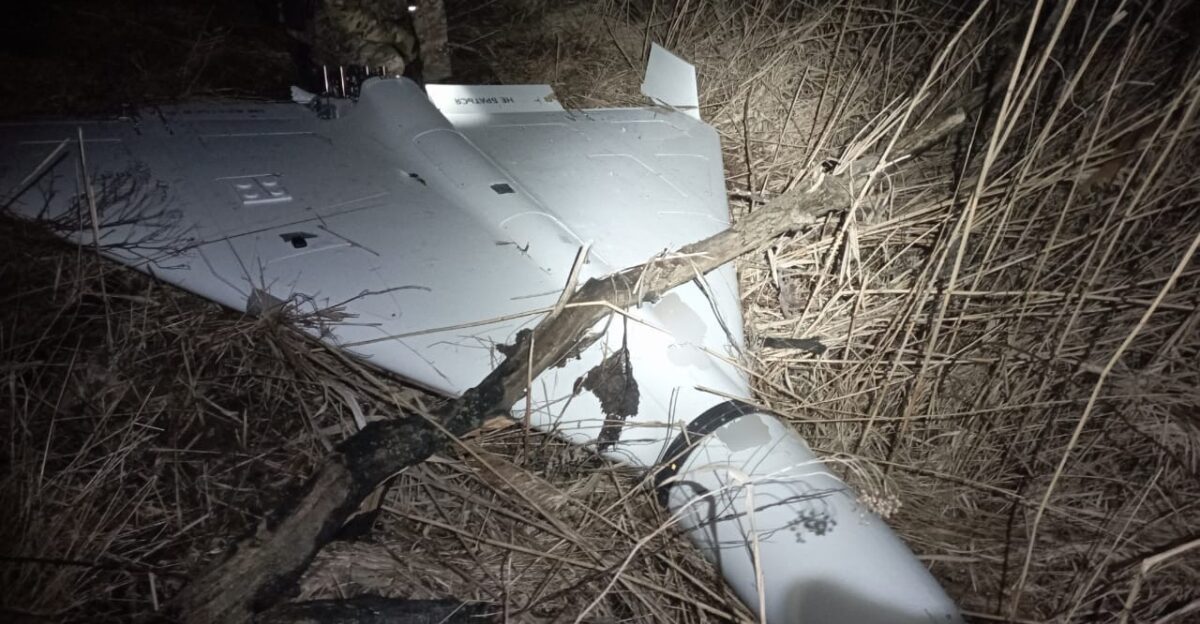
Ukraine’s Air Force reported active air defense operations throughout the attack, including successful interceptions in regions such as Khmelnytskyi. Officials emphasized that while many drones and missiles were destroyed, even partial penetrations can cause outsized disruption when energy facilities are targeted.
The military warned that interception success does not eliminate blackout risks, since debris or single hits can force operators to shut down entire sections of the grid.
Households Turn to Generators and Stoves
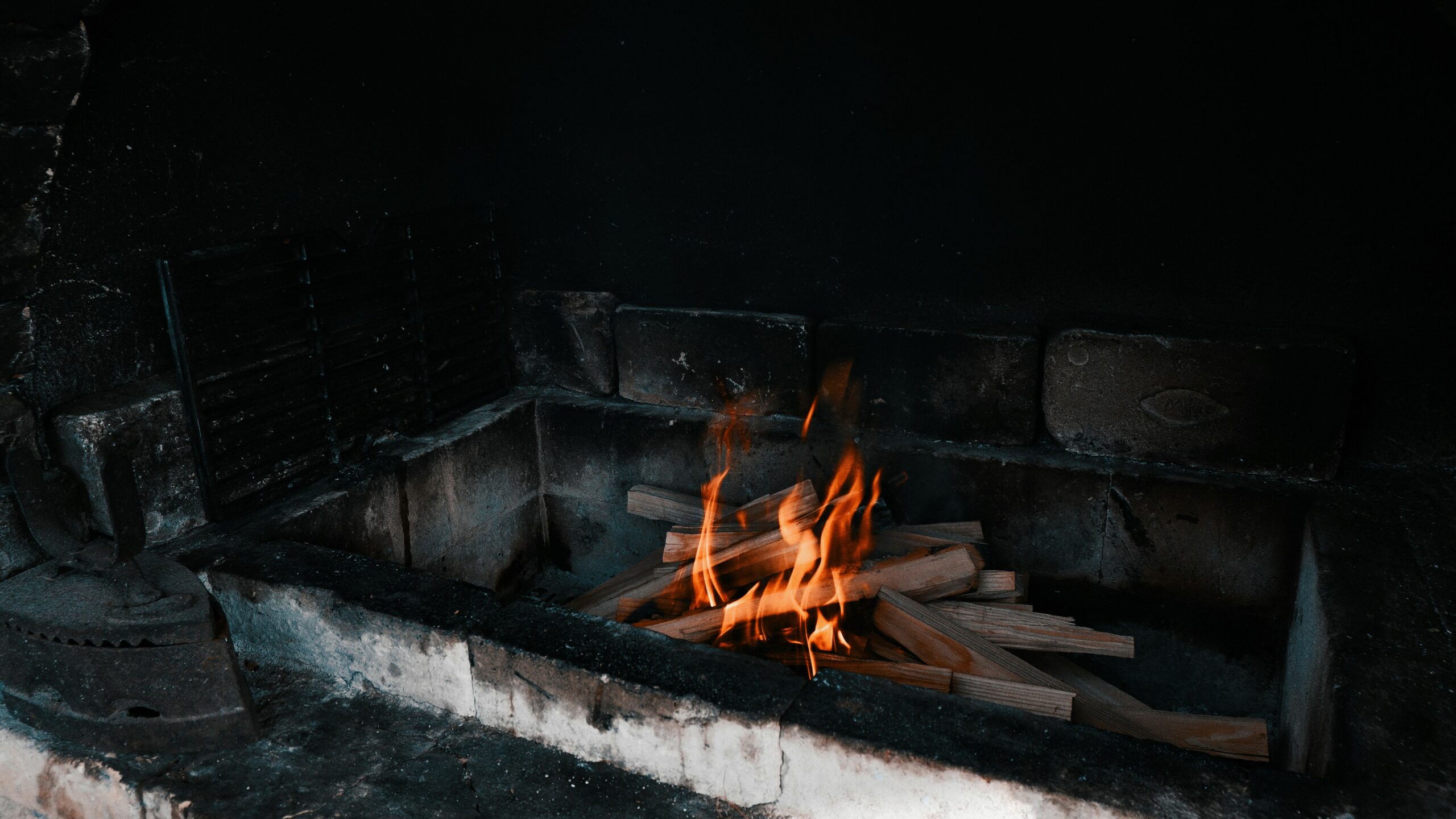
As electricity went out, demand surged for backup power and alternative heating. Diesel and gasoline generators, wood stoves, and portable heaters were quickly deployed where available. Fuel consumption rose sharply, particularly in the affected districts of Sumy and Chernihiv regions.
Authorities warned about fire and carbon monoxide risks, urging residents to follow safety guidelines while relying on emergency heating solutions.
Fuel and Generator Prices Rise

The sudden spike in demand pushed up prices for fuel, generators, batteries, and power banks. Retailers reported rapid sell-outs of emergency supplies in Kyiv and regional centers.
Small businesses and households faced higher operating costs, while logistics disruptions complicated restocking. Economists noted that repeated winter strikes create cumulative financial pressure, especially on lower-income families already strained by prolonged war conditions.
Retailers Shift to Crisis Mode

Shops adjusted operations to blackout conditions, prioritizing non-perishable goods, bottled water, candles, and charging equipment.
Many retailers relied on generators to remain open for limited hours. Payment systems were affected in areas without connectivity, forcing cash-only transactions. The pattern has become familiar after previous waves of strikes, highlighting how quickly civilian life must adapt to infrastructure shocks.
Restaurants and Cafés Adapt Operations

Hospitality businesses in cities such as Odesa and Sumy modified menus and hours to cope with electricity shortages.
Gas-powered cooking replaced electric equipment where possible. Some venues closed entirely during outages, while others served limited offerings. Business owners described operating under constant uncertainty, balancing customer safety, staff welfare, and rising costs as blackouts disrupted normal holiday-season trade.
Industrial and Agricultural Disruptions
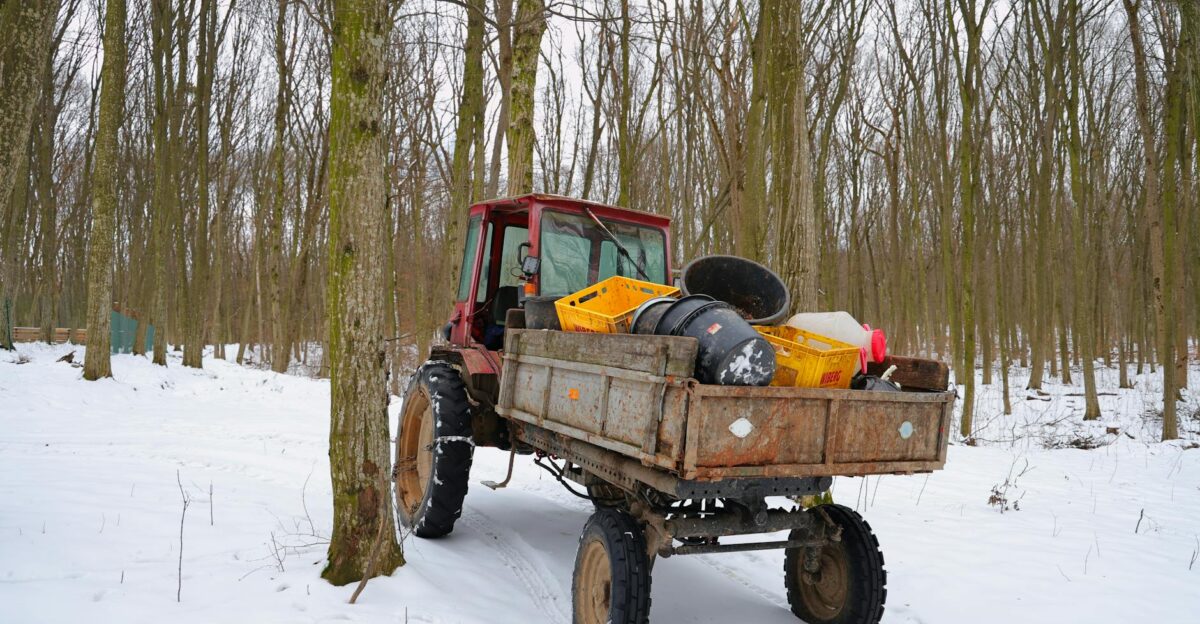
Energy-intensive industries, including fertilizer and agro-processing facilities in northern regions, temporarily halted production due to power cuts. Interruptions during winter can have knock-on effects for supply chains and future harvest cycles.
Industry representatives warned that repeated outages reduce output efficiency and increase repair costs, adding long-term economic damage beyond the immediate blackout period.
Health Risks Grow in Prolonged Cold

Medical professionals warned that extended exposure to cold homes increases risks of hypothermia, respiratory illness, and cardiovascular stress, particularly among the elderly and children. Hospitals remained on backup power, but strained resources limited outreach.
Public health officials urged residents to check on vulnerable neighbors and use warming centers when available, underscoring that infrastructure attacks translate directly into health emergencies.
Psychological Impact on Civilians

Beyond physical damage, the Christmas-week timing carried psychological weight. Families described waking to explosions during a traditionally peaceful holiday. Repeated winter strikes reinforce uncertainty and fatigue among civilians.
Ukrainian officials argue that this psychological pressure is a central objective of the campaign—aimed at breaking morale rather than achieving immediate military breakthroughs.
No Ceasefire, No Pause in Fighting
The strikes confirmed Ukrainian assessments that there would be no holiday ceasefire. Officials contrasted public Russian rhetoric about peace with continued attacks on civilian infrastructure.
The absence of any pause during Christmas reinforced Kyiv’s view that energy facilities remain legitimate targets in Moscow’s strategy, regardless of civilian consequences or international criticism.
International Appeals Intensify
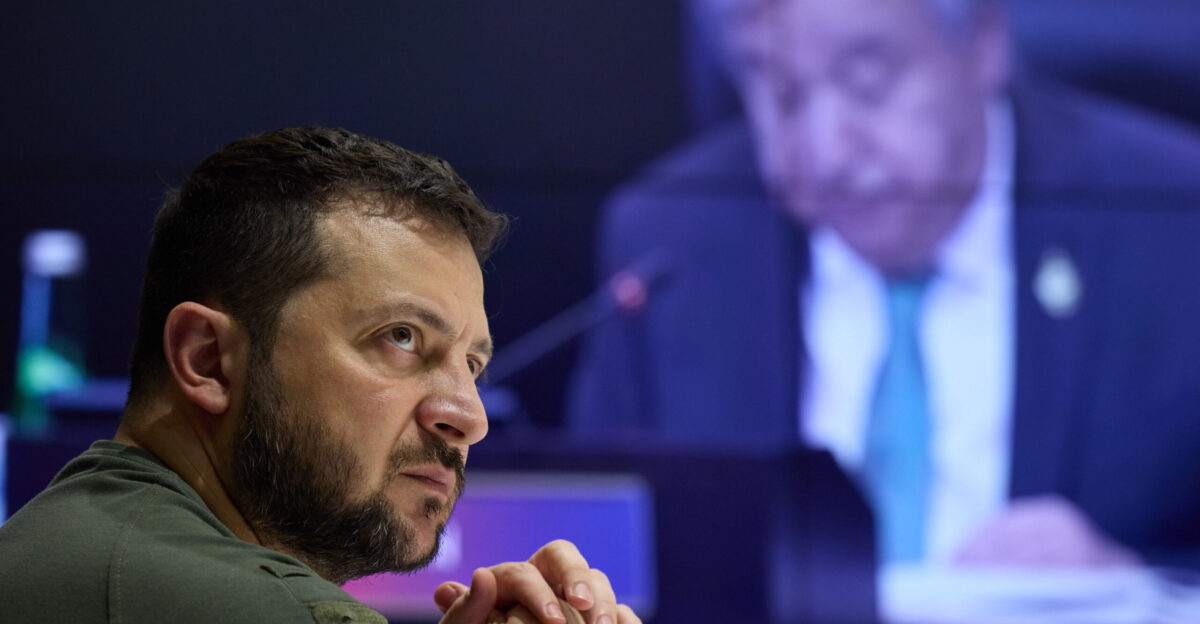
Following the attack, Ukrainian leaders renewed calls for additional air defense systems, interceptor missiles, and grid-protection equipment.
Officials stressed that defending energy infrastructure requires layered defenses and rapid repair capabilities. Western partners were urged to accelerate deliveries, arguing that preventing blackouts is critical to sustaining civilian life through winter, not merely a military concern.
A Familiar Winter Pattern Repeats

The Christmas-week assault fits a broader pattern seen in previous winters: large-scale strikes timed for cold weather, followed by emergency outages and rapid civilian adaptation.
While Ukraine has strengthened defenses since earlier campaigns, the grid remains vulnerable. Each attack tests repair capacity, fuel reserves, and public resilience, making winter a recurring pressure point in the war.
Millions Endure as Winter Campaign Continues

As repairs continue and outages ease in some areas, officials warn that further strikes remain possible. Millions of Ukrainians enter the heart of winter bracing for more alerts, blackouts, and cold nights.
The Christmas attack underscored a harsh reality: despite air defense successes and international support, civilian life remains on the front line as the energy war grinds on.
Sources:
- RBC-Ukraine: “Russia launches massive attack on Ukraine’s energy infrastructure on Christmas morning” (25 Dec 2024)
- Kyiv Independent: “Russia launches massive strike on energy infrastructure across Ukraine on Christmas Day” (25 Dec 2024)
- Zelenskyy Telegram: “Address by President of Ukraine Volodymyr Zelenskyy” (25 Dec 2024)